算法稳定币USN的推出,能否助力Near打赢翻身仗?

链茶馆Published on 2022-04-18Last updated on 2022-04-18

Abstract

根据 Electric Capital 的数据,Near 是任何 Layer1 区块链中拥有最多全职的月度活跃开发者的公链,并且开发者数量在过去两年中翻了 4 倍,这一数字保障了 Near 未来生态的建设。

四月以来,有关 Near Protocol 的新闻愈发增多,包括前不久完成 3.5 亿美元的融资、以及即将推出稳定币 USN 等等。
链茶馆也于前日发布文章对 USN 进行了提前介绍(即将推出年化 20% 的算法稳定币 USN,「未来属于 NEAR」?),USN 将会是 Near 生态的算法稳定币,且在发布后将提供 20% 的年化收益率,对标 Terra 的 UST。
种种利好消息驱使 NEAR 市值不断升高,但值得注意的是,Near Protocol 在其存在的大部分时间里一直处于低调状态,尽管在技术面上,他一直都是以太坊的潜在竞争对手,并且以太坊 2.0 升级后才能做到的分片扩展,Near 已经做到甚至做的更好。
那不得不思考,2020 年 10 月就上线的 Near,为什么现在才开始被市场挖掘, USN 的推出是前进的号角还是绝望下的呐喊?
前进的号角?
NEAR 始于 2017 年一个名为 NEAR.ai 的机器学习项目,由 Alexander Skidanov 和 Illia Polosukhin 发起。一开始他们并没有想直接去研究一条公链,而是想将自己的项目部署在合适的链上,但却发现没有一个链能满足他们的需求。
因此他们于 2018 年 8 月开始研究,且于 2020 年 10 月 13 日,Near Protocol 正式上线。
Near 属于 Layer 1 区块链,在共识机制上和其他后发公链一样,采用 POS 权益证明。但与其他链不同的是,Near 为扩展问题引入了独特的解决方案。「Nightshade」可以使 Near 的交易处理能力随着分片的数量线性扩展。因此,随着采用率的增长,Near 将始终能够满足交易需求。
Near 在技术面上非常优秀,就公链性能的参数 TPS 来讲,截止 2022 年一月,Near 的每秒交易处理能力达到 10 万笔,同期 Solana 为 6.5 万笔、波卡 1 千笔,而以太坊在 23 年完成 2.0 升级后才能做到一样的交易量。
此外,Terra 还没开始,Cosmos 的 Evmos、Solana 的 Neon 都在努力实现的 EVM,Near 早已通过 Aurora 实现了。这让开发人员可以轻松做到把智能合约从以太坊上部署到 NEAR。得益于 NEAR 的分片扩容技术,用户无需再花费高昂的交易手续费,也不必承受漫长的确认等待时间。
开发者积极性讲,开发人员和 NEAR 基金会都很积极参与 NEAR 社区。根据 Electric Capital 的数据,Near 是任何 Layer1 区块链中拥有最多全职的月度活跃开发者的公链,并且开发者数量在过去两年中翻了 4 倍,这一数字保障了 Near 未来生态的建设。

以太坊

Near 很受资本青睐,除了前不久完成 3.5 亿美元的融资,Near 经常出现在诸多头部加密资本的持仓前三榜。NEAR 是 Alamedas 除比特币之外最大的持仓;在 DCG 的最新持仓里,Near 也排在第三。
绝望下的呐喊?
从技术、开发、生态、资本等等以上角度看 Near Protocal 似乎比还没实现的以太坊 2.0 还要优秀,但事实并非如此。Near Protocal 优秀的技术面背后有着非常严重的问题。
通胀代币模型 人们往往因为规避通胀而选择加密货币,但 Near Protocal 的 NEAR 属于通胀代币。自 2020 年以来,NEAR 流通量增加了两倍之多。除了用于激励验证者的每年 5% 通胀,前期贡献者代币解锁也比其他项目快很多。
虽然 NEAR 也有烧毁机制,来自交易费用的 70% 会被烧毁。但为了使通货膨胀率为 0%,网络必须每天处理超过 10 亿笔交易,想要通缩更是要 15 亿交易。否则,供应量上线只会越来越高。
凄惨的基本面数据 10 亿笔交易?这对当前的 Near 来讲就是天文数字,过去两个月以来,Near 每日交易数基本在 82 万笔以下,最高一次交易次数发生在今年 1 月 16 日,达 170 万。
可能还是缺乏稳定币作为媒介,Near 除了链上交易量低,其他公链基本面数据包括 TVL、合约数、用户量等等表现的都不如其他公链。尤其是在公链排行中,几乎各项数据里 Near 都被放在了 Others 当中。
中心化严重 Solana 往往被贴上最中心化公链的标签,但 Near 中心化更严重,截至今日数据 Near 的验证节点仅有 100 个,而在一月仅有 73 个,去年 54 个,而 Solana 甚至都有 1462 个。
并且 36% 的初始代币分配给了核心团队和支持者,只有 12% 可供社区使用。仅有节点身份的单位才能对治理提案进行投票,一个节点席位需要 106159NEAR,按 16 美元的当前价格计算也要近 170 万美元,以太坊 2.0 的验证者最低门槛是 32ETH,也不过是 9.6 万美元。
总结
当把各种优势与劣势列出来时,似乎一时难以抉择 NEAR 到底是不是个好项目,甚至开始怀疑各大加密资本重仓 NEAR 的动机。
没错,Near 拥有极强的性能,能随便甩 ETH1.0 几条街;没错,Near 将推出 USN,这将极大帮助 NEAR 生态去建设相应的 DeFi 项目;是,众多资本都看好 Near。
但对于一条公链项目来讲,最重要的是他跟其他公链相比到底如何。就目前的数据看,Near 的基本面还藏在「Others」当中,而大部分人甚至都说不出 Near 生态下有什么众皆知的项目,只有排在第十八的市值能出现在大众视野里。
Near 真的需要打一场翻身仗,或许正是因为这惨烈的现状,Near 才要提前十几天将 USN 的利好消息放出来,或许正是因为这惨烈的现状,USN 年化要朝着 20% 放。但这场仗能否打赢还是个不小的问号。

Trending Cryptos

Related Reads

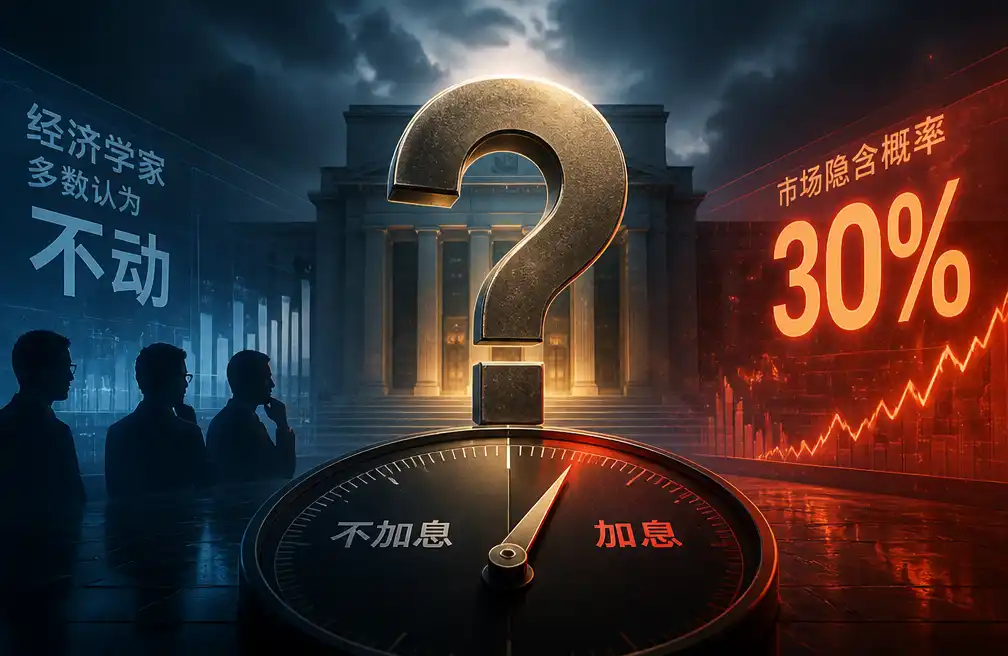
To Hike or Not Tonight: Economists Unanimous on 'No', Markets Price in a 30% Chance

Federal funds futures are repricing ahead of the July FOMC decision, as traders pay a higher premium for the risk of a surprise rate hike or more hawkish signals. This contrasts with economists, where a Reuters survey of 104 analysts unanimously expects rates to remain unchanged at 3.50%-3.75%, with 78 foreseeing no change through year-end. Yet, futures markets have priced in about a 30% probability of a 25-basis-point hike. The core debate, especially under new Fed Chair Kevin Warsh, centers on how the Fed will respond to the oil price shock from Middle East tensions. The market is not necessarily predicting a hike tonight but is hedging against two tail risks: an immediate rate increase, or a hold combined with communication that seriously opens the door for a September hike. This hedging activity has driven up open interest in Fed funds futures. Analysts are divided on how to weight the oil price surge in the Fed's reaction function. Hawkish voices (e.g., BofA) worry that completely dismissing the price pressure could challenge the Fed's inflation credibility in Warsh's first major test. Dovish views (e.g., Citi) argue the shock is primarily supply-driven and that overreacting with rate hikes could unnecessarily hurt growth, unless clear signs of secondary inflation emerge. Warsh's new tenure amplifies policy path uncertainty, as markets lack a stable baseline for his communication style. This environment forces traders to price in a wider range of outcomes, explaining the divergence between unanimous economist forecasts and market hedging. The key focus will be on Warsh's post-meeting commentary. If he downplays the oil shock and stresses anchored long-term expectations, hawkish pricing may recede. If he emphasizes the risk of broader price spillovers and prioritizes returning to 2% inflation, the market will interpret this as reopening the door for a September hike. This would sustain support for the USD, keep pressure on JPY (testing intervention thresholds), and challenge risk assets like stocks and crypto through higher discount rates and weaker sentiment. The baseline remains no action in July, but the communication will determine how far this repricing extends.

marsbit3m ago

To Hike or Not Tonight: Economists Unanimous on 'No', Markets Price in a 30% Chance

marsbit3m ago

The Semiconductor Industry's Most Obscure Chokepoint Material: It Has Multiplied in Price Unnoticed, and China Just Banned Its Export

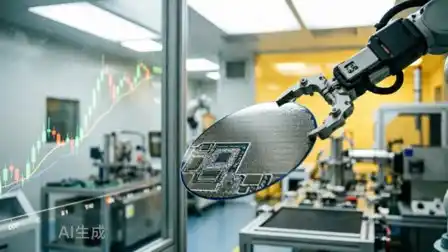
"Helium: The Silent Choke Point in Semiconductors" Helium, despite being the universe's second most abundant element, is critically scarce on Earth. It cannot be synthesized artificially and escapes Earth's gravity once released, making it a non-renewable resource. Yet, it is indispensable for advanced semiconductor manufacturing, requiring ultra-high purity (99.9999%) for processes like wafer etching, leak detection, and thermal management in lithography tools, with no viable substitutes. This low-profile resource, whose price has doubled unnoticed, suddenly gained attention when China imposed an export ban on July 10th. The ban is a response to a severe global shortage triggered months earlier. In March, missile attacks damaged the world's largest helium production hub in Qatar's Ras Laffan, halting a third of global supply with repairs expected to take 3-5 years. Concurrently, Russia tightened export controls, and the US sold off its federal helium reserve. Approximately 200 specialized transport containers, each worth ~$1 million, were stranded with perishable cargo. Global spot prices skyrocketed, and chipmakers like TSMC warned of potential impacts. China, which imports over 84% of its helium (primarily from Qatar and Russia), faces a severe squeeze. Despite being helium-poor, China has developed domestic extraction technology over five years, processing byproduct gases from LNG plants to produce ultra-pure helium. Domestic output, while still only covering less than 20% of demand, enabled the recent export ban aimed at securing domestic supply for its own expanding chip industry. The industry now faces "Helium Shortage 5.0." With key global sources constrained for years, this invisible gas—once wasted on party balloons—has become a critical, geopolitically charged bottleneck for chips, healthcare (MRI machines), and beyond, forcing the world to finally treat it as the finite strategic resource it is.

marsbit43m ago

The Semiconductor Industry's Most Obscure Chokepoint Material: It Has Multiplied in Price Unnoticed, and China Just Banned Its Export

marsbit43m ago

Early Investor of Unitree Bets on a Brain-Computer Interface Company

"Wabo Technologies, a brain-computer interface (BCI) startup, has secured new funding from Vertex Ventures (under Temasek), Hongtai Fund, Chengdu Future Industry Fund, and Huifengda Capital. Vertex Ventures is known for its early bet on Unitree Robotics. Inspired by the sci-fi film "Avatar," founder Zhang Xingzhi has pursued human-machine interaction for over a decade. He established Wabo in late 2025, coinciding with China's push for BCI as a future industry. Unlike companies focused solely on medical hardware, Wabo positions itself as a model company. Its core mission is to develop a "Human Neural Intent Model" that decodes EEG, EMG, and behavioral signals to understand a user's goals, confirmations, corrections, and stop intentions before physical action, translating them into standardized control signals for machines, robots, or smart devices. The young, full-stack team, backed by academic collaborators from Tianjin University and Fudan University, quickly attracted investors. The company had previously raised a seed round from Ceyuan Capital. Investors were impressed by Wabo's systematic capabilities in data collection, signal processing, and engineering, seeing potential beyond a single hardware product toward a reusable layer of human intent interpretation. Applications span medical rehabilitation, smart homes, embodied AI, and even space exploration, with Wabo partnering with Tianjin University on pioneering "space BCI" research. Wabo plans a dual-headquarters strategy, with Shanghai focusing on high-end R&D and model development, and Chengdu handling hardware, product development, and supply chain. The BCI sector in China is heating up, with over 30 financing deals in early 2026. Zhang believes future competition will center on who can build a sustainable data-model-scenario loop. He predicts industry consolidation within three years, with only companies that master this闭环 surviving. The vision from "Avatar" is inching closer to reality."

marsbit58m ago

Early Investor of Unitree Bets on a Brain-Computer Interface Company

marsbit58m ago

ChangXin Technology: A Cyclical Stock Standing Atop the Cycle Peak

Changxin Technology: A Cyclical Stock at the Peak On July 27, 2026, Changxin Technology topped the A-share market with a market capitalization of 3.28 trillion yuan, surging 465% on its first trading day. The company, which lost 16.3 billion yuan in 2023, reported an estimated net profit of 50-57 billion yuan for the first half of 2026. Its dramatic reversal mirrors the volatile DRAM (Dynamic Random Access Memory) cycle. The DRAM industry is inherently cyclical, with booms and busts every 3-4 years. This is due to product standardization and a significant time lag in supply adjustment. When prices rise, manufacturers expand capacity, but new production takes 2-3 years to come online, often leading to oversupply and price crashes when demand cools. Changxin's performance perfectly tracks this cycle. It recorded deep losses in 2023-2024 during the industry downturn, turned its first annual profit in 2025, and saw profits skyrocket in Q1 2026. This surge is primarily price-driven. The AI boom has led major players like Samsung and SK Hynix to shift 70-80% of new capacity to high-margin HBM (High Bandwidth Memory), creating a severe shortage and price explosion in general-purpose DRAM markets where Changxin competes. However, a massive global capacity expansion is underway. The top three manufacturers have announced nearly $70 billion in capital expenditure for 2026. Changxin itself plans to expand from three to seven 12-inch wafer fabs. This investment will translate into significant new supply in 2-3 years. While DRAM prices are expected to remain high through 2026-2027, price growth is already slowing, and a potential downturn is forecast for around 2028 as new capacity ramps up. A key challenge for Changxin is catching up in the critical HBM segment. While it has delivered HBM3 samples, leaders are already mass-producing more advanced HBM3E. Success in HBM is crucial for gaining true cyclical resilience. In conclusion, Changxin is a commendable company that has broken foreign monopolies in DRAM. Its long-term growth narrative—driven by import substitution and AI—is valid. Yet, its current valuation of 5-6x forward P/E, typical for a cyclical stock at its peak, suggests much future growth is already priced in. AI may extend the current cycle but cannot eliminate the industry's inherent volatility. For investors, the critical question is preparedness for the inevitable downturn when the cycle turns.

marsbit1h ago

ChangXin Technology: A Cyclical Stock Standing Atop the Cycle Peak

marsbit1h ago

Trading

Spot

Hot Articles

How to Buy NEAR

Welcome to HTX.com! We've made purchasing NEAR Protocol (NEAR) simple and convenient. Follow our step-by-step guide to embark on your crypto journey.Step 1: Create Your HTX AccountUse your email or phone number to sign up for a free account on HTX. Experience a hassle-free registration journey and unlock all features.Get My AccountStep 2: Go to Buy Crypto and Choose Your Payment MethodCredit/Debit Card: Use your Visa or Mastercard to buy NEAR Protocol (NEAR) instantly.Balance: Use funds from your HTX account balance to trade seamlessly.Third Parties: We've added popular payment methods such as Google Pay and Apple Pay to enhance convenience.P2P: Trade directly with other users on HTX.Over-the-Counter (OTC): We offer tailor-made services and competitive exchange rates for traders.Step 3: Store Your NEAR Protocol (NEAR)After purchasing your NEAR Protocol (NEAR), store it in your HTX account. Alternatively, you can send it elsewhere via blockchain transfer or use it to trade other cryptocurrencies.Step 4: Trade NEAR Protocol (NEAR)Easily trade NEAR Protocol (NEAR) on HTX's spot market. Simply access your account, select your trading pair, execute your trades, and monitor in real-time. We offer a user-friendly experience for both beginners and seasoned traders.

7.0k Total ViewsPublished 2024.03.29Updated 2026.06.02

How to Buy NEAR

Discussions

Welcome to the HTX Community. Here, you can stay informed about the latest platform developments and gain access to professional market insights. Users' opinions on the price of NEAR (NEAR) are presented below.

活动图片