14 Years After Incubating Coinbase, YC Finally Decides to Issue Investment Funds in USDC

marsbitPublished on 2026-02-05Last updated on 2026-02-05

Abstract

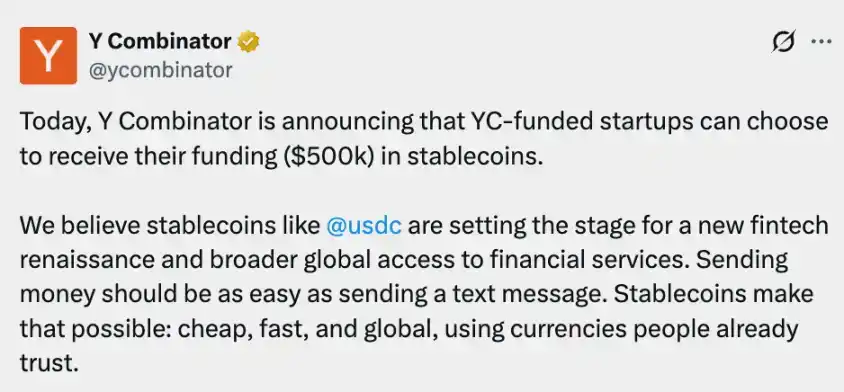
Y Combinator (YC), the renowned startup accelerator behind companies like Airbnb, Stripe, and Coinbase, announced on February 3 that, starting from the Spring 2026 batch, it will offer its startups the option to receive their $500,000 investment in USDC stablecoin. This marks the first time YC has officially introduced a stablecoin payment method for its investments. The decision follows the U.S. GENIUS Act passed in July 2025, which established a federal regulatory framework for stablecoins, requiring 1:1 reserve backing and granting holders redemption rights. This regulatory clarity has removed a major barrier to institutional adoption of cryptocurrencies. YC's move is significant because it signals a shift from being a crypto investor to an active participant using stablecoins in its core operations. Benefits include near-instant, low-cost transactions, especially beneficial for international startups in regions like India and Latin America, where traditional banking can be slow and expensive. YC specifically selected USDC due to its U.S.-based issuer, Circle, and regulatory compliance. The accelerator will support USDC on Ethereum, Base, and Solana blockchains. While crypto-native VCs have used stablecoins before, YC’s standardized integration into its process for all startups—not just crypto projects—represents a major step for mainstream venture capital. This shift reflects broader trends: 90% of financial institutions are integrating stablecoins, which saw $46 tril...

Y Combinator (YC), the "premier startup incubator" that successfully nurtured Airbnb, Stripe, and Coinbase, announced on February 3 that starting from the Spring 2026 batch, funded startups can choose to receive their $500,000 investment in the form of the USDC stablecoin. This marks the first time YC has officially announced the option to invest using stablecoins.
From Spectator to Participant

When YC invested in Coinbase in 2012, Bitcoin's price was only between $5 and $13. Over the next 14 years, although YC invested in nearly 100 crypto companies, the investment funds were still transferred via traditional bank wires.

A key reason for YC's change is the passage of the U.S. "GENIUS Act" in July 2025. This act established a federal regulatory framework for stablecoins, requiring 1:1 reserve backing and granting holders redemption rights. The arrival of regulatory clarity removed the biggest obstacle for top-tier institutions to adopt cryptocurrency. Just 7 months later, YC announced the stablecoin payment option.

The true significance of this move lies in YC "using" stablecoins itself. When an institution is willing to migrate its core business processes to new technology, it is a true vote of confidence. From investor to user, from spectator to participant, YC has completed a thorough role transformation over 14 years.

Why Choose Stablecoins?

The benefits of using stablecoins for investment first lie in efficiency. Consider an Indian startup receiving a $500,000 investment from YC: if using a traditional wire transfer, it might cost thousands of dollars in fees and take 3 to 7 days; if using USDC, the cost is nearly zero, and the funds arrive in 1 second.

Furthermore, YC's decision is based on a practical assessment: the new generation of entrepreneurs is already "Crypto Native." YC's statement pointed out that the practical application of stablecoins is growing among its portfolio companies, especially in markets like India and Latin America.

Startups including Aspora and DolarApp are already using stablecoins to help customers transfer and store funds more efficiently in regions where traditional banking infrastructure is limited or costly. To align with this trend, YC specifically emphasized support for stablecoins on the Ethereum, Base, and Solana public blockchains, allowing global entrepreneurs to choose the payment path that best suits them.

Why Choose USDC?

Keen observers have noted that YC did not vaguely refer to using stablecoins in general but specifically named USDC. Although USDC's market capitalization is smaller than USDT's, it is issued by Circle, a US-based company regulated by the Federal Reserve and state authorities. As a benchmark for Silicon Valley venture capital, YC must ensure every dollar complies with U.S. regulatory requirements.

And let's not forget, YC invested in Coinbase back in 2012. Coinbase is one of the co-founders of USDC. Moreover, Nemil Dalal, the YC partner overseeing crypto initiatives, was previously a Product Director at Coinbase. This "kinship" relationship might also naturally lead YC to trust and support the USDC ecosystem more.

VC's "Nokia Moment"

Actually, using stablecoins is not new in the crypto VC circle; firms like Paradigm or a16z Crypto have long been using them on a "case-by-case" basis. But YC's breakthrough lies in this: it is the "godfather of mainstream VC," and over 90% of its investments are in AI, enterprise services, or consumer goods, not cryptocurrency companies.

Previously, VCs used stablecoins often as a "last resort" when founders couldn't open dollar accounts; now, YC proactively includes this option in the standard contract template for every founder. Whether you're working on large models or biomedicine, if you want, you can directly receive USDC. This process-oriented, standardized move signals that the venture capital industry is facing its own "Nokia moment"—traditional transfer models are being outcompeted.

Will Other VCs Follow Suit?

Currently, top Silicon Valley VCs' attitudes towards crypto are diverging. a16z crypto represents the "radical faction," having raised $15 billion in early 2026 to focus on AI and crypto; YC represents the "pragmatic faction," entering through payments, not radical but extremely steady.

More traditional VCs might still be watching and waiting, but history provides a clear reference. Traditional financial institutions typically take 3 to 5 years to move from skepticism to embrace: both Goldman Sachs and JPMorgan Chase went from calling it "fraud" to launching related services.
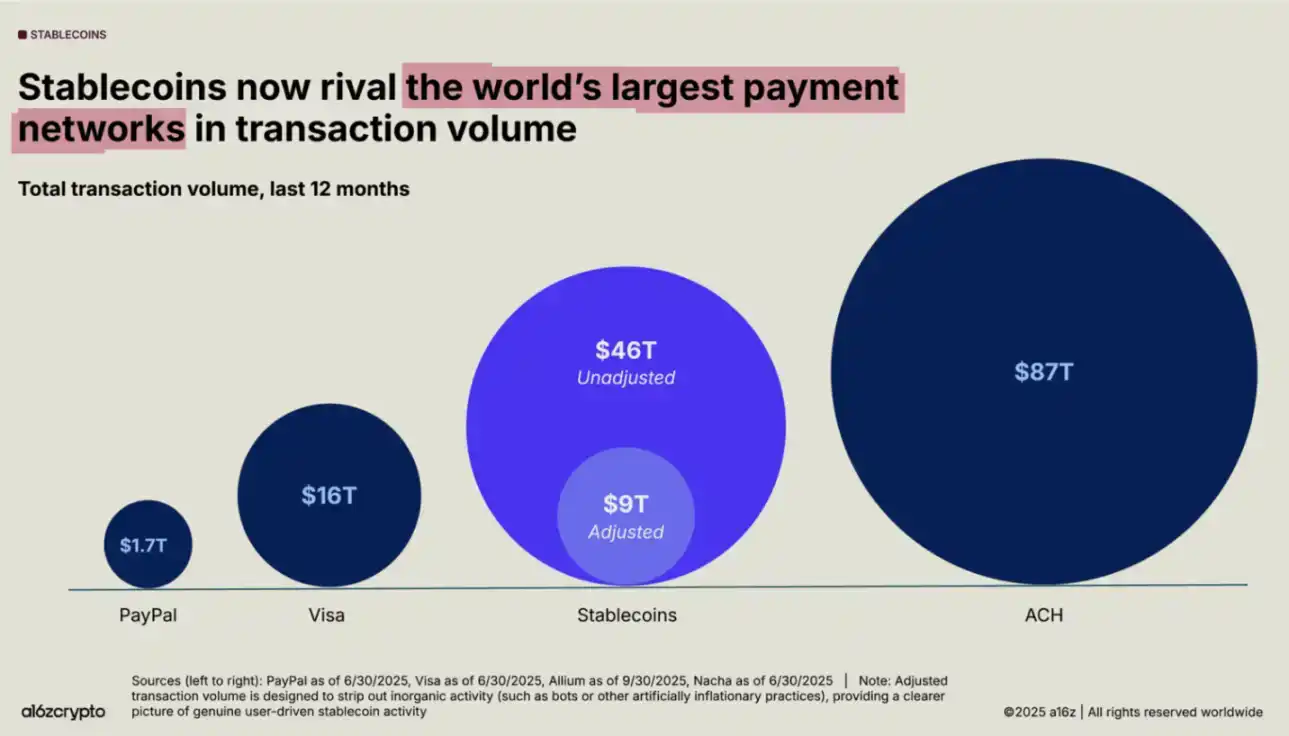
According to an a16z report, currently 90% of financial institutions are integrating stablecoins. Stablecoin transaction volume reached $46 trillion in 2025, nearly three times that of Visa. Market forecasts predict the stablecoin circulating supply will exceed $1 trillion in 2026. Behind these numbers is an irreversible trend. YC's decision might just be a node in the stablecoin wave.

What Kind of Entrepreneurs Is YC Looking For?

Currently, applications for YC's Spring 2026 batch are open. The program will run from April to June in San Francisco. The application deadline is February 10 at 12:00 PM Pacific Time. Applications submitted before the deadline will receive results by March 13.

In September 2025, YC launched the "Fintech 3.0" initiative in collaboration with Base and Coinbase Ventures, highlighting a desire to fund on-chain startup projects in the following areas: stablecoin applications, tokenization and trading (new credit markets, on-chain capital formation, new trading interfaces), and Apps and Agents (including social, financial, collaborative, gaming, etc.).

14 years ago, YC investing in Coinbase was betting on the future; 14 years later, YC using USDC is becoming the future.


Related Questions

QWhat major change did Y Combinator announce regarding its investment distribution method starting in Spring 2026?

AY Combinator announced that starting in the Spring 2026 batch, the startups it funds will have the option to receive their $500,000 investment in the form of the USDC stablecoin.

QWhat was a key legislative event in the US that helped pave the way for YC's decision to use stablecoins?

AThe key event was the passing of the 'GENIUS Act' in July 2025, which established a federal regulatory framework for stablecoins, requiring 1:1 reserve backing and granting holders redemption rights.

QWhat are the three specific blockchain networks that YC will support for stablecoin transfers?

AYC will support stablecoin transfers on the Ethereum, Base, and Solana blockchain networks.

QWhy did Y Combinator specifically choose USDC over other stablecoins like USDT for its investment disbursements?

AYC chose USDC because it is issued by Circle, a US-based company regulated by the Federal Reserve and state authorities, ensuring compliance with US regulations. Additionally, YC has historical ties to Coinbase, a co-founder of USDC.

QAccording to the article, how does the transaction volume of stablecoins in 2025 compare to that of Visa?

AIn 2025, stablecoin transaction volume reached $46 trillion, which is nearly three times the transaction volume of Visa.

Related Reads

Will the Fed Still Cut Interest Rates? Tonight's Data Is Crucial

The core debate surrounding the Federal Reserve's potential interest rate cuts is intensifying amid geopolitical conflict and rebounding inflation. The key question is whether high energy prices will cause persistent inflation or weaken consumer demand enough to force the Fed to cut rates. Citigroup presents a bullish case for cuts, arguing that oil supply disruptions from the Strait of Hormuz are temporary and will not lead to lasting inflationary pressure. They point to receding bond yields and oil prices as evidence the market is pricing in a short-lived shock. Citi's data also shows tightening financial conditions, a stabilizing labor market, and healthy tax returns, supporting their view that the path to lower rates remains open. Conversely, Deutsche Bank offers a starkly contrasting, more hawkish outlook. They argue the Fed's current policy is already neutral and expect rates to remain unchanged indefinitely. Their view is based on stalled disinflation progress and a shift toward more hawkish rhetoric from key Fed officials like Waller, who cited risks from prolonged Middle East conflict and tariffs. Other officials, including Williams and Hammack, signaled rates would likely stay on hold for a "considerable time." The market pricing has shifted dramatically, now forecasting zero cuts in 2026. The imminent release of the March retail sales "control group" data is highlighted as a critical test. This metric, which excludes gas station sales, will reveal if high gasoline prices are eroding consumer spending in other areas. A weak reading could support the case for imminent rate cuts, while a strong one would bolster the argument for the Fed to hold steady. This data is pivotal for determining the near-term policy path.

marsbit11m ago

Will the Fed Still Cut Interest Rates? Tonight's Data Is Crucial

marsbit11m ago

The Second Half of Macro Influencer Fu Peng's Career

Fu Peng, a prominent Chinese macroeconomist and former chief economist of Northeast Securities, has joined Hong Kong-based digital asset management firm Bitfire Group (formerly New Huo Group) as its chief economist. This move, announced in April 2026, triggered an 11% surge in Bitfire's stock price. Fu, known for his accessible macroeconomic commentary and large social media following, will focus on integrating digital assets into global asset allocation frameworks, particularly combining FICC (fixed income, currencies, and commodities) with cryptocurrencies for institutional clients. His career includes roles at Lehman Brothers and Solomon International, with significant influence gained through public communication. However, in late 2024, Fu faced temporary social media bans after a controversial private speech at HSBC on China's economic challenges, though he denied regulatory sanctions. He later left Northeast Securities citing health reasons. Bitfire, a licensed virtual asset manager serving high-net-worth clients, seeks to build trust and attract traditional capital through Fu’s expertise and credibility. The partnership represents a strategic shift for both: Fu enters the crypto sector after a traditional finance peak, while Bitfire aims to leverage his macro framework for institutional adoption. Outcomes remain uncertain regarding capital inflows and compatibility within corporate structure.

marsbit1h ago

The Second Half of Macro Influencer Fu Peng's Career

marsbit1h ago

Trading

Spot
Futures

Hot Articles

What is USDC(WORMHOLE)

USD Coin (Wormhole): A Comprehensive Overview Introduction In the rapidly evolving world of cryptocurrencies, USD Coin (Wormhole), referred to as $USDC(Wormhole), stands out as a pioneering solution within the DeFi (Decentralized Finance) landscape. Operating on several blockchain platforms, including Solana, USD Coin (Wormhole) is more than just a digital representation of the United States dollar. It embodies the innovative spirit of modern finance, enabling seamless cross-chain transactions and enhanced interoperability among diverse blockchain ecosystems through the advanced Wormhole protocol. What is USD Coin (Wormhole)? USD Coin (Wormhole) is a tokenized version of the US dollar designed to facilitate frictionless transactions across different blockchain networks. Its primary aim is to bolster liquidity and enhance the functionality of the DeFi ecosystem. By leveraging the Wormhole protocol, which establishes a robust cross-chain communication network, users can effortlessly transfer USDC tokens across various platforms. This cross-chain capability marks a significant advancement in cryptocurrency use, promoting a more interconnected and efficient ecosystem where assets can flow freely between different blockchains. The value proposition of USD Coin (Wormhole) lies not only in its stability, being pegged to the US dollar, but also in its ability to bridge gaps between disparate blockchain environments. This innovative approach fosters a greater level of participation among users and developers, paving the way for new and exciting applications within decentralized finance. Who is the creator of USD Coin (Wormhole)? The origins of USD Coin (Wormhole) are intricately tied to the Wormhole network, which was developed by Jump Crypto. While specific individual creators are not prominently documented, Jump Crypto is notable for its involvement in advancing blockchain technology and supporting its applications in finance. By creating the Wormhole network, Jump Crypto has played a vital role in promoting cross-chain asset transfers, enhancing the efficiency and diversity of cryptocurrency usage. Who are the investors of USD Coin (Wormhole)? The success of USD Coin (Wormhole) is supported by investments from several notable funds and organizations within the cryptocurrency realm. Key investors include: Coinbase Ventures: A prominent venture capital arm backed by one of the leading cryptocurrency exchanges in the industry, Coinbase Ventures provides essential capital and strategic support to promising blockchain projects. Arrington XRP Capital: Specializing in digital assets, Arrington XRP Capital recognizes the potential of innovative projects like USD Coin (Wormhole) and has invested accordingly to back its development. Jump Trading: As the parent organization of Jump Crypto, Jump Trading brings not only investment but a wealth of expertise in trading technology and market dynamics to bolster the Wormhole project. How Does USD Coin (Wormhole) Work? The operational framework of USD Coin (Wormhole) is intricately designed to facilitate effective cross-chain transactions, maximizing security and efficiency. Here’s a simplified overview of how it functions: Asset Locking: When a user wishes to transfer USDC from one blockchain to another, they first lock their tokens on the source blockchain. This process ensures that the assets are secure and are set to be either burned or moved later. Token Minting: After the tokens are locked, an equivalent amount of USDC is minted on the destination blockchain. This provides the user with access to their funds on a new platform, reflecting the flexibility that the Wormhole protocol enables. Cross-Chain Transfer: The Wormhole protocol efficiently facilitates the entire transfer process. It ensures that once the USDC is minted on the destination chain, the equivalent tokens are burned on the source chain. The result is a seamless transfer of value between two distinct blockchain environments. This cross-chain methodology ensures that transactions remain secure and transparent, significantly enhancing liquidity within the different DeFi ecosystems. Timeline of USD Coin (Wormhole) Understanding the evolution of USD Coin (Wormhole) provides vital context for its significance in the cryptocurrency arena. Here’s a timeline highlighting important milestones in the project’s history: 2021: The Wormhole project is launched, establishing a framework for cross-chain asset transfers and setting the stage for the development of USD Coin (Wormhole). 2022: The Wormhole network experiences a significant challenge with a security breach that results in a $325 million theft. However, the incident is later addressed and refunded by Jump Crypto, showcasing the project’s commitment to security and transparency. 2023: USD Coin (Wormhole) integrates with Circle’s Cross-Chain Transfer Protocol (CCTP), enhancing its capabilities for cross-chain transfers and further solidifying its place within the DeFi ecosystem. 2024: Ongoing development and expansion of the Wormhole network continue, aimed at increasing the utility and reach of USD Coin (Wormhole) as well as enhancing its operational framework. Key Features The success of USD Coin (Wormhole) can be attributed to several key features that differentiate it from other cryptocurrency offerings: Cross-Chain Interoperability At the core of USD Coin (Wormhole) is its ability to facilitate seamless transfers across multiple blockchain networks. This interoperability serves as a cornerstone for decentralized finance, allowing various platforms to interact with each other, thereby accelerating the evolution of financial services. Security Wormhole employs a well-designed Guardian Network comprised of node validators that ensure secure cross-chain transactions. This collective oversight minimizes the risk of fraud and provides users with confidence that their assets are protected during cross-chain transfers. Liquidity Enhancement By enabling USDC to circulate freely across different blockchains, USD Coin (Wormhole) enhances liquidity in the DeFi ecosystem. This increased liquidity can foster more efficient trading, contribute to better pricing strategies, and improve the overall market dynamics encompassing various digital assets. Conclusion USD Coin (Wormhole) is a pivotal innovation in the blockchain space, reinforcing the capabilities of decentralized finance (DeFi) and establishing a more connected financial ecosystem. With its robust framework for cross-chain transactions, security features, and strong backing from reputable investors, USD Coin (Wormhole) is positioned to play a key role in the future of cryptocurrency. As the digital finance landscape continues to evolve, USD Coin (Wormhole) not only embraces the future of interconnectivity among blockchain networks but also reaffirms the power of tokenization and blockchain technology in transforming how we perceive and utilize value in a digital world. By navigating the complexities of cross-chain functionality, it demonstrates a sophisticated approach to enabling financial inclusivity and innovation in the world of cryptocurrencies.

1.2k Total ViewsPublished 2024.04.01Updated 2024.12.03

What is USDC(WORMHOLE)

What is $USDC

Classic USDC: A Comprehensive Overview Introduction to Classic USDC In the rapidly evolving landscape of the cryptocurrency market, stablecoins have emerged as critical components, particularly in providing stability amid the volatility that characterizes digital assets. One such project is Classic USDC, a digital currency initiative that aims to deliver a stable and reliable medium of exchange. By maintaining a 1:1 peg with the US dollar, Classic USDC strives to offer users a dependable digital asset, equipped for various applications within the web3 and cryptocurrency ecosystems. What is Classic USDC? Classic USDC is fundamentally a stablecoin, which is a type of cryptocurrency designed to minimize the price volatility typically seen in the digital asset market. Specifically, Classic USDC aspires to represent the value of the US dollar closely, ensuring that users can leverage this digital currency for transactions, savings, and other financial activities without the fear of sudden price fluctuations that can otherwise plague many cryptocurrencies. The primary aim of Classic USDC is to provide a reliable and trustworthy digital equivalent of the US dollar, designed for seamless integration into a wide range of web3 applications, decentralized finance (DeFi) platforms, and other crypto-related financial systems. By delivering a stable digital currency, Classic USDC seeks to facilitate everyday commerce, make blockchain technology more user-friendly, and encourage the adoption of cryptocurrencies for mainstream usage. Creator of Classic USDC The identity of the creator or the development team behind Classic USDC remains largely unknown, and the lack of transparency has led to a degree of uncertainty regarding the project’s origins. While many cryptocurrency initiatives prominently showcase their founders and development teams, Classic USDC does not provide clear information about its creators, which poses challenges for potential users or investors weighing the project's credibility and reliability. Investors of Classic USDC Alongside the ambiguity surrounding its creators, Classic USDC also lacks specificity with regards to its investors. The financial backing of a project can often lend it credibility and stabilize its operations; however, the absence of documented investment foundations or organizations supporting Classic USDC raises questions about its funding structure. This lack of clarity could potentially hinder stakeholder confidence in the project. How Does Classic USDC Work? The operational mechanics of Classic USDC rely heavily on its reserve system, which is fundamental to the underpinnings of any stablecoin. Classic USDC undertakes to maintain a reserve of assets that directly correspond to the value of the digital currency in circulation. Specifically, for every Classic USDC token issued, an equivalent amount of backing assets is retained in reserve, whether in cash or near-cash equivalents. This strategy is designed to uphold the value of Classic USDC, offering reassurance to users that redeeming their tokens for US dollars is feasible at any time. This reserve structure aims to enhance the stability and reliability of Classic USDC, positioning it as a secure alternative in the cryptocurrency market. By ensuring that the value of Classic USDC is consistently correlated with the US dollar, the project aspires to engender trust among users who may be wary of the broader market dynamics. Timeline of Classic USDC The history of Classic USDC is marked by several key milestones that reflect its journey and evolution within the cryptocurrency ecosystem: 2021: The inception of Classic USDC is noted, introducing a new digital currency option designed for stability. During this year, the first records of the token’s activity surfaced and its initial price levels were established. 2024: Classic USDC begins to experience notable price fluctuations, as the crypto market overall grapples with various trends and user sentiment. Predictions regarding its future potential emerge, indicating a strong interest from market observers and analysts who foresee growth opportunities. Future Projections Experts speculate that Classic USDC may reach higher levels of adoption and stability in the years to come, with potential further developments anticipated around 2025 and 2026. However, these projections should be approached with cautious optimism, as the cryptocurrency market is inherently unpredictable, and various external factors may influence the trajectory of Classic USDC. Key Points About Classic USDC Stability: Classic USDC’s core proposition revolves around providing a digital currency that parallels the value of the US dollar, thereby ensuring stability in an often volatile marketplace. Reserve System: The project’s commitment to maintaining a reserve of assets to back its value underscores its reliability and operational soundness. Web3 and Crypto Integration: Classic USDC is engineered to facilitate easy integration within various applications, aiming to enhance the user experience and broaden the acceptance of cryptocurrency in everyday transactions. Future Growth Potential: While still emerging, Classic USDC holds prospective avenues for growth as awareness and utilization of stablecoins increases in the web3 and crypto contexts. Conclusion Classic USDC presents itself as a notable stablecoin initiative within the cryptocurrency sphere, striving to provide users with a reliable digital currency that embodies the stability of the US dollar. Despite uncertainties regarding its creators and financial backing, the underpinning principles of Classic USDC—centered on reserve-backed assurances—endeavour to position it as a trustworthy option for individuals and businesses navigating the digital economy. With an eye towards the future, market analysts are keen to observe how Classic USDC evolves in response to the shifting dynamics of the cryptocurrency landscape, potentially establishing itself as a significant player in the realm of stablecoins.

623 Total ViewsPublished 2024.05.01Updated 2024.12.03

What is $USDC

Discussions

Welcome to the HTX Community. Here, you can stay informed about the latest platform developments and gain access to professional market insights. Users' opinions on the price of USDC (USDC) are presented below.

活动图片