这 8 个喜闻乐见的顶级协议,背后有哪些“持币巨鲸”?

白泽研究院Published on 2023-03-01Last updated on 2023-03-01

Abstract

一览 8 个性能强劲的协议背后的顶级“持币巨鲸”

谁秘密地持有你感兴趣的协议的大部分代币?他们以什么价格投资/买入?

”“

DeFi 研究员 Thor Hartvigsen 根据自创的数据库,通过研究代币持有者排行、风险投资 、“聪明投资者”钱包追踪器,花费了 3 周时间追踪了 8 个性能强劲的协议背后的顶级“持币巨鲸”,为我们揭晓了答案。

”“

1、$LDO(Lido Finance)

”“

持有者:

”“

• Paradigm Capital:7%(7000 万枚 $LDO)

”“

• Dragonfly Capital:2.7%(2700 万枚 $LDO)

”“

• Certus One(节点运营商):1000 万枚 $LDO

”“

• Wintermute:800 万枚 $LDO

”“

• Defiance Capital:700 万枚 $LDO

”“

• Cobie:480 万枚 $LDO

”“

• Kain Warwick:400 万枚 $LDO

”“

• Alex Svanevik:350 万枚 $LDO

”“

其他投资者包括 Jump Capital、Arthur Hayes、Alameda Research、3AC、Delphi digital。

”“

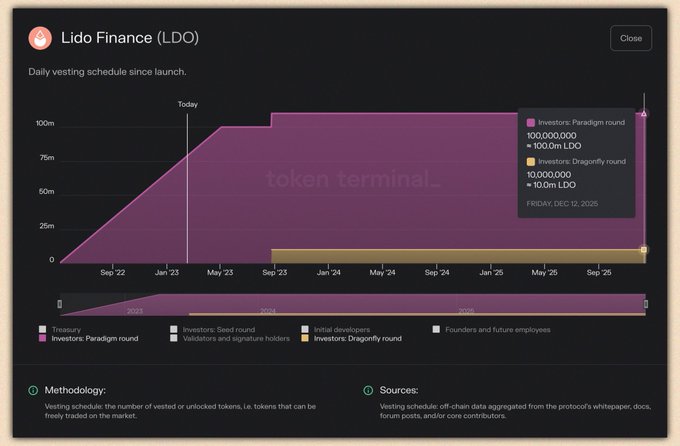
根据 Token Terminal 的数据:

”“

• Paradigm 的 1 亿枚$LDO代币会在2023 年 5 月 1 日完全解锁,当中 7900 万枚已经解锁。

”“

• Dragonfly 于 2023 年 8 月 25 日解锁 1000 万个额外的 LDO 代币
2、GMX

”“

持有者:

”“

• Arthur Hayes(BitMEX 联创):20.05 万枚 $GMX (价值约 1550 万美元)

”“

• 未知鲸鱼 1:19.6 万枚 $GMX

”“

• 未知鲸鱼 2:14.7 万枚 $GMX (在 Aave 上也有 1000 万美元的 $ETH)

”“

• 未知鲸鱼 3:8.7 万枚 $GMX

”“

• 'Mewtwooo':5.55 万枚 $GMX (还持有 500 万美元的 $GNS)

”“

• Tano:1 万枚 $GMX

”“

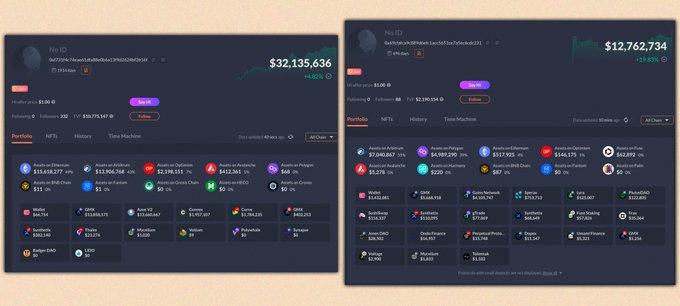
GMX 协议很难追踪,因为数据商 Nansen 没有显示抵押 GMX 的人。Debank 在这里帮了大忙:

”“

• Arthur 在 2022 年初购买了他的大部分 GMX(购入成本为 20~30 美元/枚)。

”“

• 下图展示了两个 GMX 未知鲸鱼钱包中持有的其他一些资产。
3、$RPL(Rocket Pool)

”“

持有者:

”“

• Patricio Worthalter (POAP 创始人): 61.3 万枚 $RPL (价值约 3200 万美元)

”“

• 1kx (投资公司):53.4 万枚 $RPL (价值约 2790 万美元)

”“

• Blockchain Capital:12.1 万枚 $RPL

”“

• LayerX Capital:3.8 万枚 $RPL

”“

•3 个未知鲸鱼钱包持有占总供应量 6%的 $RPL

”“

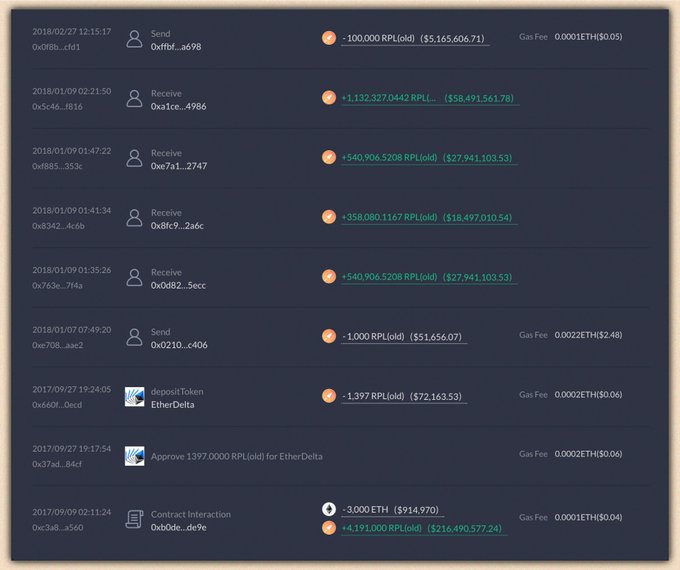
Patricio 的钱包持有 1 亿美元以上的 $RPL,早在 2018 年就收购了大部分 $RPL,此后一直在获利回吐。
1kx 在 2021 年 8 月以每个代币 17 美元的价格购买了他们持有的 $RPL。

”“

Blockchain Cap 在 2021 年 10 月购买了一半持仓量,在 2022 年 4 月购买了另一半。

”“

5、$FXS(Frax Finance)

”“

持有者:

”“

• fraximaxi.eth:658 万枚 $FXS (价值约 7500 万美元)

”“

• fraxcetacean.eth:190 万枚 $FXS (价值约 2160 万美元)

”“

• frax-ape.eth:148万枚 $FXS (锁仓到 2025 年)

”“

• Tetranode:101 万枚 $FXS (锁仓到 2027 年)

”“

• Dragonfly Capital:64.8 万美 $FXS

”“

• Arthur Hayes:10.5 万枚 $FXS

”“

• Alameda Research: 2.66 万枚 $FXS

”“

Dragonfly Capital 和 fraximaxi.eth 每月从标有“私人销售”的地址收到一次 $FXS。

”“

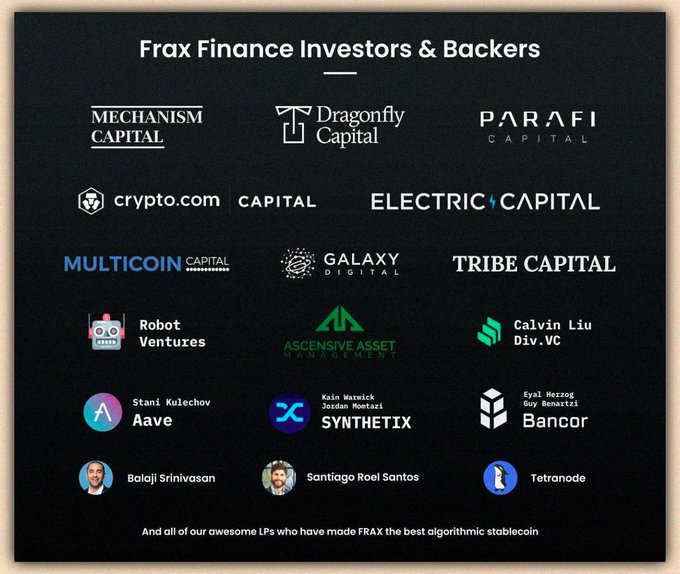
以下是 Frax Finance 的其他一些投资者和支持者。
5、$CRV(Curve)

”“

持有者:

”“

• 创始人钱包 #2-4:3.96 亿枚 $CRV (价值约 4.67 亿美元)

”“

• Michael Egorov:3.4 亿枚 $CRV (价值约 4.01 亿美元)

”“

• Genesis Trading:280 万枚 $CRV

”“

• Tetranode: 200 万枚 $CRV

”“

其他规模较小的投资者包括 Wintermute 和 Alameda。

”“

创始人持有的大部分 CRV 要么在未来几年内解锁,要么锁定为 veCRV。“投资者钱包”中还有大量 CRV 解锁。

”“

6、$DYDX(dYdX)

”“

持有者:

”“

• Wintermute:650 万枚 $DYDX(价值约 2000 万美元)

”“

• Amber Group:285 万枚 $DYDX

”“

• Hashkey:220 万枚 $DYDX

”“

• CMS:176 万枚 $DYDX

”“

• DACM:73 万枚 $DYDX

”“

• Dragonfly:51.4 万枚 $DYDX

”“

• Delphi Digital:22 万枚 $DYDX

”“

CMS 于 2021 年 9 月收到了早期投资所得的 $DYDX(此时每个 $DYDX 15 美元)。

”“

Dragonfly 于 2021 年 10 月收到了他们的 $DYDX(此时每个 $DYDX 23 美元),此后一直没有售出。

”“

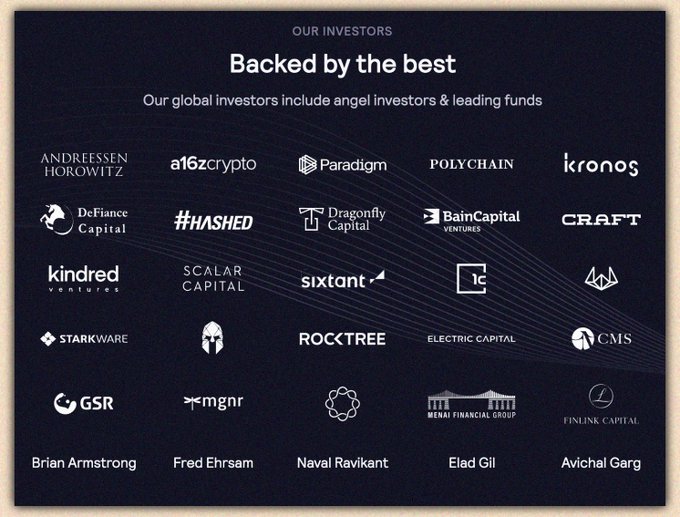
以下是 dYdX 的投资者列表:
7、SNX(Synthetix)

”“

持有者:

”“

• Kain Warwick (创始人):1290 万枚 $SNX(价值约 3380 万美元)

”“

• Jump trading:240 万枚 $SNX

”“

• Genesis Trading:40.7 万枚 $SNX

”“

• a16z:37.4 万枚 $SNX

”“

• Tetranode:10.4 万枚 $SNX

”“

其他投资者包括 Coinbase Ventures 和 Paradigm。

”“

8、$MATIC(Polygon)

”“

持有者:

”“

• Republic Capital:2450 万枚 $MATIC(价值约 3700 万美元)

”“

• Blockchain Capital:1770 万枚 $MATIC(价值约 2700 万美元)

”“

• Jump Trading:1730 万枚 $MATIC

”“

• Dragonfly:830 万枚 $MATIC

”“

• Wintermute:370 万枚 $MATIC

”“

• Alameda:290 万枚 $MATCI

”“

Dragonfly 于 2022 年 7 月从币安账户收到了他们的 $MATIC(此时 MATIC 价格为 0.7 美元)。

”“

今年 1 月 18 日,Republic Capital 从标有“Polygon Ecosystem Growth”的地址收到了目前的 2400 万个 MATIC。Republic Capital 此前曾与该钱包进行过互动。
Related Reads

E Fund "Quits Drinking"

"Yi Fang Da 'Gives Up Alcohol'" - Summary The article analyzes the recent portfolio adjustments of star fund manager Zhang Kun, focusing on his flagship funds, the Yi Fang Da Blue Chip Select and Yi Fang Da Quality Select. The key trend highlighted is a significant and ongoing reduction in exposure to the consumer sector, particularly liquor (baijiu) stocks like Kweichow Moutai and Wuliangye, which were once core holdings. This shift is driven by several factors: a downturn in the consumer sector's business cycle post-pandemic, with slowing earnings growth for major players; a change in consumer behavior towards value over premium brands; and high channel inventory pressures, especially in the liquor industry. These fundamentals have led to a prolonged phase of valuation contraction for consumer stocks. Concurrently, market capital has rotated aggressively towards the high-growth technology sector, especially AI-related chains, which have dominated fund inflows. This style shift has further diminished the attractiveness of traditional consumer "core assets" for many funds. As a result, Zhang Kun's funds have drastically cut their consumer stock allocations. For example, the Blue Chip Select's baijiu holding proportion has fallen from over 40% to around 20%, and its overall top 10 holdings concentration dropped sharply. This mirrors a broader trend in the active equity fund industry, where allocations to consumer staples have plummeted to multi-year lows while technology holdings have surged. The article concludes that while the consumer sector's valuations are now at historical lows, offering some margin of safety, the fundamental outlook remains challenging due to weak macro consumption recovery and intense internal competition. Therefore, the sector is likely to see only sporadic rebounds rather than a sustained recovery, continuing to weigh on the performance of funds still heavily invested in it. Zhang Kun's timely reduction of Korean semiconductor holdings in his Asia Select fund amid a market crash is also noted as a contrast to his domestic strategy.

marsbit19m ago

E Fund "Quits Drinking"

marsbit19m ago

Before the Second Attempt at Hong Kong IPO, Topstar 'Hands Out' 548 Million in Related-Party Orders

Tosda, an industrial robotics firm, is making its second attempt at a Hong Kong listing shortly after its first application lapsed. The company has undergone a significant strategic shift, pivoting away from its lower-margin intelligent energy and environmental management system (IEEMS) business to focus on core robotics and machinery. This "revenue-reduction, profit-growth" strategy saw revenue nearly halve from 2022 to 2025, but resulted in a sharp turnaround to profitability, with a 1147% year-on-year increase in Q1 2026 net profit. This restructuring involved spinning off the IEEMS business, leading to a substantial jump in related-party transactions. Following the departure of a former executive, two newly associated companies are expected to handle up to 548 million RMB worth of IEEMS orders in 2026, with Tosda acting as a platform charging a 3% management fee. While profitability has improved, several financial concerns remain. Accounts receivable collection cycles have lengthened, inventory—particularly for robots—has surged significantly despite falling revenue, and the company faces challenges in overseas market expansion. Notably, overseas business currently has a lower gross margin than domestic operations. The company was also recently reprimanded by regulators for accounting inaccuracies related to revenue recognition and bad debt provisions. The success of its strategic pivot and its second listing attempt will depend on managing these financial risks, the transparency of its new business model, and the long-term performance of its core robotics segment.

marsbit29m ago

Before the Second Attempt at Hong Kong IPO, Topstar 'Hands Out' 548 Million in Related-Party Orders

marsbit29m ago

Is the AI Bull Market in Jeopardy? Philadelphia Semiconductor Index Breaks Below Key Support at 11,200 Points

The Philadelphia Semiconductor Index (SOX) faces a critical technical and fundamental test. It recently breached a key short-term support level around 11,200 points—a level that held in mid-July—and closed below it. Technical indicators have deteriorated, with the 21-day moving average crossing below the 50-day, signaling bearish momentum. Should the 11,200 support fail, the next major support is the 200-day moving average. The sell-off, which saw memory chip stocks like Micron and Western Digital plunge over 10%, stems from growing concerns about the cyclicality and quality of AI demand. Market participants question the sustainability of the AI capital expenditure boom, highlighted by divergences between the capital expenditures of mega-cap tech firms and semiconductor index performance. However, some positive structural shifts are emerging. Institutional positioning has normalized, unwinding the previously crowded "long semiconductors, short Mag 7" trade, leaving cleaner positioning. Seasonal tailwinds are also approaching, as the NDX historically performs well after this period, potentially supporting a rebound if retail inflows resume. The core question is whether the SOX can hold the 11,200 support. A failure could trigger further declines toward the 200-day moving average, while a successful defense, combined with lighter positioning and seasonal support, could offer a recovery window for the sector.

marsbit29m ago

Is the AI Bull Market in Jeopardy? Philadelphia Semiconductor Index Breaks Below Key Support at 11,200 Points

marsbit29m ago

Trading

Spot
活动图片