# Rug Pull Articoli collegati

Il Centro Notizie HTX fornisce gli articoli più recenti e le analisi più approfondite su "Rug Pull", coprendo tendenze di mercato, aggiornamenti sui progetti, sviluppi tecnologici e politiche normative nel settore crypto.

A Brief History of Web3 Airdrops: A Review of Twelve Iconic 'Rug Pull' Projects

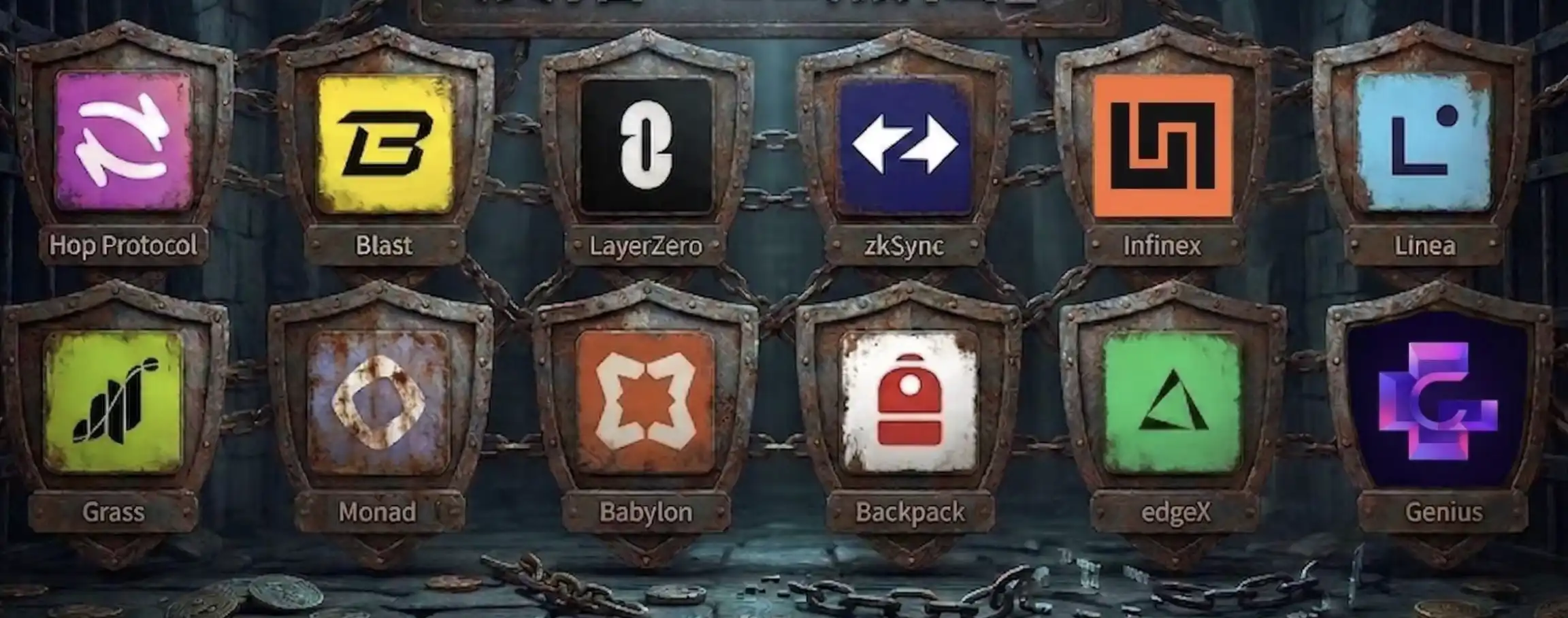
**Summary: A History of Web3 Airdrop "Rug Pulls" – 12 Iconic Cases** The era of Web3 airdrops has shifted from a golden age of mutual benefit between early users and projects to a landscape dominated by systematic exploitation. This article reviews 12 infamous "anti-airdrop" projects that eroded user trust: 1. **Hop Protocol (HOP):** Pioneered a "community witch-hunt" model, encouraging users to report Sybil addresses to claim their rewards, fostering a toxic environment of mutual harm. 2. **Blast:** Introduced the exploitative "points system," locking user funds for meager returns that often underperformed risk-free yields, turning airdrop hunting into a rigged casino. 3. **LayerZero (ZRO):** After 18 months of user-funded gas fees, it implemented a harsh "guilty until proven innocent" Sybil filter, forcing users to "self-confess" or face zero rewards, destroying multi-chain interaction narratives. 4. **zkSync (ZK):** Prioritized "funds held at a specific time" over long-term activity, betraying early contributors who spent significant gas and rewarding insiders, crushing L2 airdrop expectations. 5. **Infinex:** Lured users with NFT and point systems, only to announce a high FDV, a mandatory 1-year lockup, and chaotic rules at its public sale, betraying its community. 6. **Linea:** Perfected user exploitation with endless, grueling Galxe Odyssey tasks and KYC requirements, reducing airdrop hunting to a low-wage, full-time job. 7. **Grass:** Exploited users' physical resources (bandwidth/IP) for DePIN data, rewarding them with tokens worth less than the electricity and proxy costs incurred. 8. **Monad:** Allocated a mere ~3.3% of its airdrop to the community after extensive testnet participation, favoring KOLs and insiders and dampening enthusiasm for new L1s. 9. **Babylon:** Forced Ethereum-style staking onto Bitcoin, causing users massive losses from failed transactions due to high fees and network congestion, damaging trust in L2s. 10. **Backpack:** Encouraged massive trading volume for points, then applied strict KYC and Sybil rules last minute, resulting in massive losses for users and cementing a negative stereotype for projects with Chinese founders. 11. **EdgeX:** Perpetual DEX users lost significant fees for minimal rewards, while "insider" addresses received enormous allocations, exposing blatant corruption and killing the Perp DEX airdrop narrative. 12. **Genius:** The final straw: users were forced to choose between immediately claiming only 30% of their airdrop, locking tokens for a year for 100%, or a 100% burn for a gas fee refund, shattering trust in "elite-backed" narratives. **Conclusion** marks the painful end of the airdrop era. This collective "rug pull" was a co-created disaster of speculation and greed. The collapse, while brutal, forces a return to fundamentals: sustainable products with real product-market fit are paramount. This is not just the end of airdrops but a potential rebirth for Web3, weeding out exploitative projects and rewarding those that build genuine community value.

marsbit04/14 03:14

A Brief History of Web3 Airdrops: A Review of Twelve Iconic 'Rug Pull' Projects

marsbit04/14 03:14

A $280 Million Lesson! The 2026 DeFi Security Guide to Avoiding Pitfalls

"DeFi Security Lessons from a $280M Hack: A 2026 Guide to Avoiding Pitfalls" The rapid growth of DeFi has turned it from a niche interest into a mainstream pursuit for high yields. However, this comes with significant risks, highlighted by a major attack on Solana's Drift Protocol in April 2026, resulting in losses between $220-$285 million. This event underscores that in DeFi, users bear full responsibility for their assets. Most losses occur during normal operations through common vulnerabilities: 1. **Excessive Token Approvals**: Granting unlimited contract permissions can lead to complete asset drainage. 2. **Phishing Websites**: Fake sites mimic legitimate projects to steal wallet credentials. 3. **Contract Exploits**: Code vulnerabilities allow hackers to legally drain funds. 4. **Rug Pulls**: Malicious projects withdraw liquidity, causing tokens to crash. The guide outlines five essential pre-interaction checks: 1. **Contract Security**: Verify contracts are open-source and audited by firms like CertiK. Avoid unaudited or newly deployed contracts. 2. **Authorization Management**: Avoid unlimited approvals; use minimal permissions and regularly revoke unused allowances via tools like revoke.cash. 3. **Official Access Points**: Bookmark official sites from trusted sources (e.g., project Twitter/Discord) to avoid phishing scams, which cause over 60% of losses. 4. **Abnormal Yields**: Extreme APYs (e.g., stablecoins >20%) often signal scams. Compare rates to established protocols like Aave. 5. **Asset Segregation**: Use a multi-wallet system (hot, DeFi, cold) to isolate assets and prevent total loss from a single breach. Additional risks include insider threats from developers or employees with privileged access. Psychological biases (e.g., FOMO) and AI-powered phishing make users susceptible. Core principles: never grant unlimited approvals, avoid unknown links, and diversify investments. Security is not optional but a fundamental requirement in DeFi.

marsbit04/08 00:06

A $280 Million Lesson! The 2026 DeFi Security Guide to Avoiding Pitfalls

marsbit04/08 00:06

Post a Tweet for $5 Million? The Price Tag for a President's Endorsement of a Meme Coin Exposed

Argentine President Javier Milei is accused of accepting a $5 million bribe to promote the meme token LIBRA on his X (formerly Twitter) account, according to a report by local media El Destape. The allegation is based on evidence recovered from the phone of a crypto lobbyist, Mauricio Novelli, who represented KIP Protocol, the entity behind LIBRA. The scandal erupted after Milei posted a tweet on February 15, 2025, endorsing LIBRA as a project aimed at supporting Argentine entrepreneurs. The token's market cap surged to $4.56 billion within 30 minutes, but it collapsed after insiders executed a "rug pull," cashing out over $100 million. Milei later deleted the tweet, claiming he was misled and that the post was intended to support private enterprise. Investigators uncovered a purported agreement between Milei and Hayden Davis, the alleged mastermind behind the scheme. The deal involved a $5 million payment—$1.5 million upfront, another $1.5 million after Milei publicly endorsed Davis as an advisor, and a final $2 million for a blockchain consulting contract. Phone records also showed frequent communication between Novelli and Milei’s office around the time of the tweet. Despite initial investigations by anti-corruption offices and Congress, no conclusive action was taken. The report suggests Milei was aware of the token’s speculative nature but proceeded for financial gain. Davis defended the scheme in an interview, arguing that meme token trading is a “casino” where such practices are expected. The incident highlights growing concerns over the ethical boundaries and regulatory challenges within the crypto industry.

比推03/17 12:11

Post a Tweet for $5 Million? The Price Tag for a President's Endorsement of a Meme Coin Exposed

比推03/17 12:11

Stole $2 Million from pump.fun, Sentenced to 6 Years in Prison, He Chose to 'Self-Destruct'

In May 2024, pump.fun was exploited for approximately $2 million worth of SOL and meme coins. The attacker, Jarett Dunn (also known as Stacc), a former employee, was later sentenced to six years in prison. Two days prior to the sentencing, he leaked internal Telegram chats from his time at the company, claiming to be a whistleblower exposing misconduct. However, the leaked messages did not reveal deliberate malicious activities such as market manipulation or fee misconduct by pump.fun. Instead, Dunn highlighted issues like the team's failure to implement KYC/AML measures for live streaming features, which he had warned about, and what he perceived as irresponsible attitudes toward known "Ruggers" (developers who abandon projects after fundraising). Some messages also illustrated the company's early-stage disorganization, including rushed contracts under investor pressure. Dunn, a talented programmer diagnosed with paranoid schizophrenia at age 20, had joined pump.fun just six weeks before the attack. His mother had recently died, and he had been off medication for months. After the exploit, he was arrested near pump.fun’s London office and underwent mental health treatment. He later attempted to withdraw his guilty plea and expressed homelessness in social media posts. The leak included private phone numbers of pump.fun co-founders, raising privacy concerns. The overall narrative portrays a troubled individual whose actions were influenced by personal trauma and mental health challenges, rather than clear evidence of systemic corruption at pump.fun.

marsbit03/06 07:41

Stole $2 Million from pump.fun, Sentenced to 6 Years in Prison, He Chose to 'Self-Destruct'

marsbit03/06 07:41

活动图片