The New York Times: Trump Is Pushing Cryptocurrency Toward a Capital Frenzy

marsbitDipublikasikan tanggal 2025-12-19Terakhir diperbarui pada 2025-12-19

Abstrak

Former President Donald Trump's pro-crypto policies have triggered a speculative boom in cryptocurrency markets, according to a New York Times analysis. Dubbed the "crypto treasury company summer," this surge saw over 250 public companies—many newly formed or pivoting from other sectors—borrow heavily to accumulate cryptocurrencies like Bitcoin and meme coins. Trump’s administration eased regulations, ended enforcement crackdowns, and promoted crypto adoption, with Trump himself launching a TRUMP meme coin. However, the market experienced a sharp crash in October, erasing billions in value and exposing high risks from leveraged trading. Companies linked to Trump’s family, including World Liberty Financial (associated with Eric Trump), faced severe downturns, with one firm’s stock dropping 85%. New products like tokenized stocks—digital versions of real-world assets—are also emerging, raising concerns among regulators about systemic financial risks. Critics, including former Treasury officials, warn that the blurring line between investing and gambling could threaten broader financial stability. Despite this, crypto advocates argue such innovations democratize high-risk, high-reward opportunities. The SEC is monitoring the situation but has also shown support for certain crypto initiatives under the new regulatory approach.

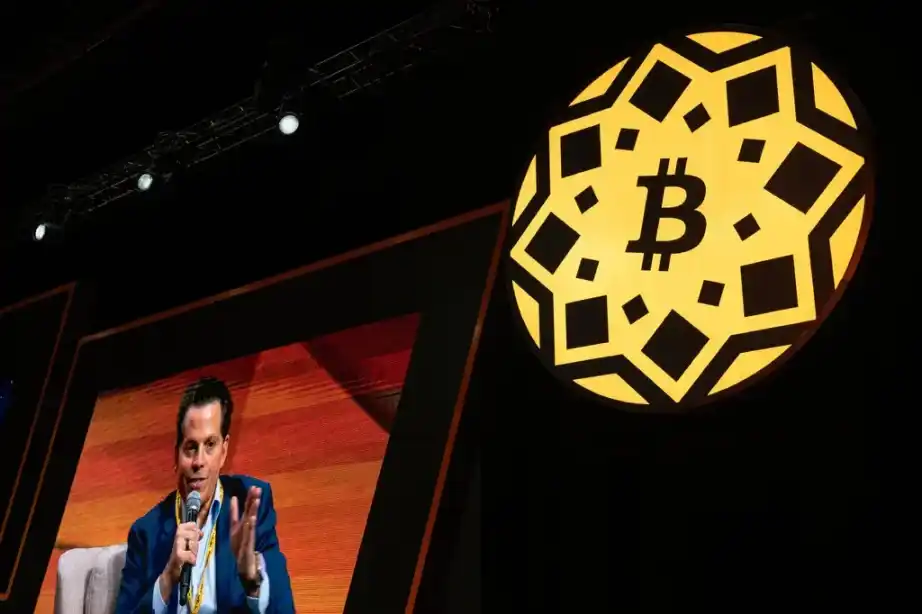
This summer, a group of corporate executives pitched a business plan to Wall Street financier and former Trump presidential advisor Anthony Scaramucci. They hoped Scaramucci would join a publicly traded company with a unique strategy: to enhance the company's appeal to investors by hoarding massive amounts of cryptocurrency assets.

"They really didn't have to say much," Scaramucci recalled. Soon after, he joined three little-known companies adopting this strategy as an advisor. "The entire negotiation process went very smoothly."

However, this boom did not last long. This fall, the cryptocurrency market plummeted, and the stock prices of the three companies Scaramucci was involved with fell sharply, with the worst performer dropping over 80%.

The rise and fall of these companies is a microcosm of the cryptocurrency frenzy ignited by Trump. The leader, who calls himself the "first cryptocurrency president," not only ended the regulatory crackdown on cryptocurrency firms but also publicly promoted cryptocurrency investment at the White House, signed bills supporting cryptocurrency development, and even issued a meme coin named TRUMP, thrusting this once-niche field into the spotlight of the global economy.

Now, the ripple effects of Trump's strong support for cryptocurrency are gradually becoming apparent.

Since the beginning of this year, a large number of new cryptocurrency ventures pushing the boundaries of the industry have emerged, drawing more people into this highly volatile market. Currently, over 250 publicly traded companies have begun hoarding cryptocurrencies—digital assets whose price volatility characteristics are no different from traditional investments like stocks and bonds.
A wave of companies has顺势 launched innovative products, lowering the barrier to including cryptocurrencies in brokerage accounts and retirement plans. Meanwhile, industry executives are lobbying regulators, planning to issue crypto tokens pegged to publicly traded company stocks, creating a stock trading market based on encryption technology.

This radical innovation boom has already exposed numerous problems. Over the past two months, the prices of major cryptocurrencies have plunged, causing companies heavily invested in crypto assets to face a crash crisis. Other emerging projects have also prompted warnings from economists and regulators, as market risks continue to accumulate.

The core concern triggering各方担忧 is the持续膨胀 of borrowing. By this fall, publicly traded companies had borrowed heavily to purchase cryptocurrencies; investors' futures contract holdings for cryptocurrencies exceeded $200 billion, with most of this trading relying on leveraged funds, which can bring huge profits but also hide the risk of liquidation.

More alarmingly, a series of new initiatives in the cryptocurrency industry have deeply tied the crypto market to the stock market and other financial sectors. Once a crisis erupts in the cryptocurrency market, the risk could传导至 the entire financial system, triggering a chain reaction.

"Now, the lines between speculation, gambling, and investment have become blurred," said Timothy Massad, who served as Assistant Secretary of the Treasury for Financial Stability after the 2008 financial crisis. "This current situation deeply worries me."

White House press secretary Karoline Leavitt responded that Trump's policies are "helping the United States become a global cryptocurrency hub by driving innovation and creating economic opportunities for all Americans."

Cryptocurrency industry executives argue that these emerging projects demonstrate the potential of encryption technology to reshape the outdated financial system. In their view, market volatility is precisely an opportunity for profit.

"High risk often comes with high reward," said Duncan Moir, president of 21Shares, which issues cryptocurrency investment products. "Our mission is to bring these investment opportunities to more people."

The rise of this innovation boom is inseparable from the comprehensive relaxation of the regulatory environment, creating the most friendly regulatory window for cryptocurrency companies. For many years prior, the U.S. Securities and Exchange Commission (SEC) was constantly in court with the cryptocurrency industry; but in January of this year, the agency established a cryptocurrency task force and has held meetings with dozens of companies seeking new regulatory support or product listing approvals.

An SEC spokesperson said the agency is committed to "ensuring investors have sufficient information to make rational investment decisions."
It is worth noting that many of these emerging companies are linked to the Trump family's expanding cryptocurrency business empire, a connection that has blurred the lines between business and government.

This summer, executives from Trump's cryptocurrency startup World Liberty Financial announced they would join the board of the publicly traded company ALT5 Sigma. This company originally focused on recycling but now plans to raise $1.5 billion to enter the cryptocurrency market.

Capital Frenzy: An Out-of-Control Crypto Gamble

Cryptocurrency enthusiasts have named the high-risk investment boom催生ed by the Trump administration the "Summer of Crypto Treasury Companies."

A Crypto Treasury Company (DAT) refers to a publicly traded company whose core goal is to hoard cryptocurrencies. Data from cryptocurrency consulting firm Architect Partners shows that among these emerging companies, nearly half focus on hoarding Bitcoin, the most well-known cryptocurrency, while dozens of others have announced plans to purchase non-mainstream coins like Dogecoin.
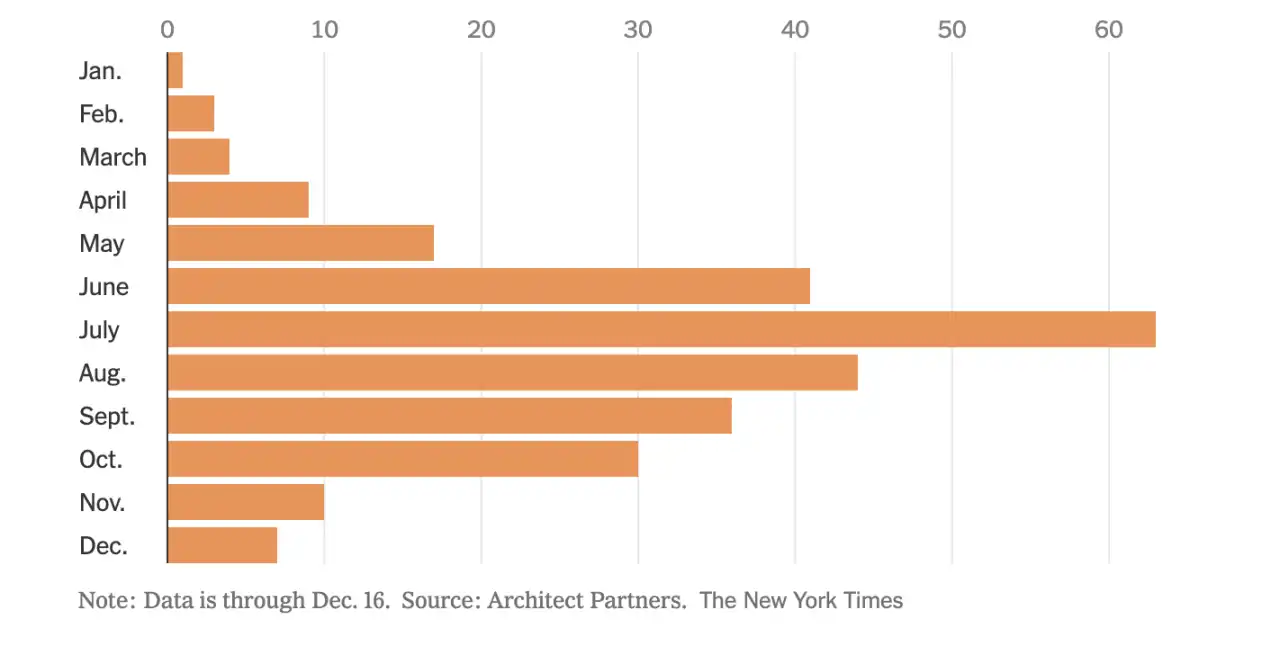
The operating model of these companies is often straightforward: a group of executives identifies a small company trading on the public market (e.g., a toy manufacturer), persuades it to转型 into a cryptocurrency hoarding business; then partners with the company to raise hundreds of millions of dollars from high-net-worth investors, ultimately using the funds to purchase cryptocurrency.

The core purpose is to allow more people to participate in cryptocurrency investment by issuing traditional stocks pegged to cryptocurrency prices. This strategy theoretically has considerable profit potential. Many investment funds and asset management institutions have been hesitant to invest directly in cryptocurrencies due to the complex and costly storage process and vulnerability to hacker attacks.

Investing in a Crypto Treasury Company is equivalent to outsourcing the storage and other logistical work of cryptocurrencies. But these companies also隐藏巨大风险: many are hastily established, and their management lacks experience in operating public companies. Data from Architect Partners shows these companies have collectively announced plans to borrow over $20 billion to purchase cryptocurrencies.

"Leverage is the culprit behind financial crises," warned Corey Frayer, a former cryptocurrency advisor to the SEC. "And the current market is generating a massive amount of leverage."

Some Crypto Treasury Companies have already陷入经营困境 or management crises, causing investors to suffer huge losses.

The publicly traded company Forward Industries转型ed into a Crypto Treasury Company and heavily invested in SOL. In September, the company raised over $1.6 billion from private investors, and its stock price一度飙升至 nearly $40 per share.

Allan Teh from Miami, who manages assets for a family office, invested $2.5 million in Forward Industries this year. "At that time, everyone thought this strategy was foolproof, and crypto asset prices would keep rising," Allan Teh recalled.

However, as the cryptocurrency market crashed, Forward Industries' stock price fell to $7 per share this month. The company announced plans to spend $1 billion on stock buybacks over the next two years, but this move failed to stop the stock's decline.

"The music stopped, the game ended. Now I'm starting to panic. Can I get out unscathed?" Allan Teh has lost about $1.5 million. "How much will this investment ultimately amount to in losses?" Forward Industries declined to comment.

The proliferation of Crypto Treasury Companies has alerted the SEC. "Clearly, we are very concerned about this," agency chairman Paul Atkins said in an interview last month at a cryptocurrency conference in Miami. "We are closely monitoring the developments."

And behind this new cryptocurrency track lies the strong support of the Trump family.

In August, World Liberty Financial announced that its founders (including the president's son, Eric Trump) would join the board of ALT5 Sigma. This publicly traded company plans to hoard the WLFI crypto token issued by World Liberty Financial (Eric Trump's current title is Strategic Advisor and Board Observer).

This collaboration seemed poised to quickly profit the Trump family. According to the revenue-sharing agreement published on World Liberty Financial's website, commercial entities owned by the Trump family receive a cut whenever WLFI tokens are traded.

Thereafter, ALT5 Sigma's operations took a turn for the worse. In August, the company disclosed that an executive at one of its subsidiaries had been convicted of money laundering in Rwanda, and the board was investigating other "undisclosed matters." Soon after, ALT5 Sigma announced the CEO was suspended and terminated contracts with two other executives.

Since August, the company's stock price has plummeted 85%. An ALT5 Sigma spokesperson said the company "remains confident about its future development."

Flash Crash: Trillions in Market Value Wiped Out Overnight

The recent turmoil in the cryptocurrency market can be traced back to one night in October.

Driven by Trump's policies, the cryptocurrency market rose for most of this year. But on October 10th, the prices of dozens of cryptocurrencies, including Bitcoin and Ethereum, collectively crashed in a flash crash.

The immediate trigger for the crash was Trump's announcement of new tariffs on China, a move caused剧烈震荡 in the global economy. The root cause of the cryptocurrency market's severe damage was the huge amount of leveraged funds that had driven the market up.

On cryptocurrency trading platforms, traders can use their held crypto assets as collateral to borrow fiat currency or use leveraged funds to increase their cryptocurrency investment positions. Data from crypto data firm Galaxy Research shows that in the third quarter of this year, global cryptocurrency lending grew by $20 billion in a single quarter, reaching a historical peak of $74 billion.

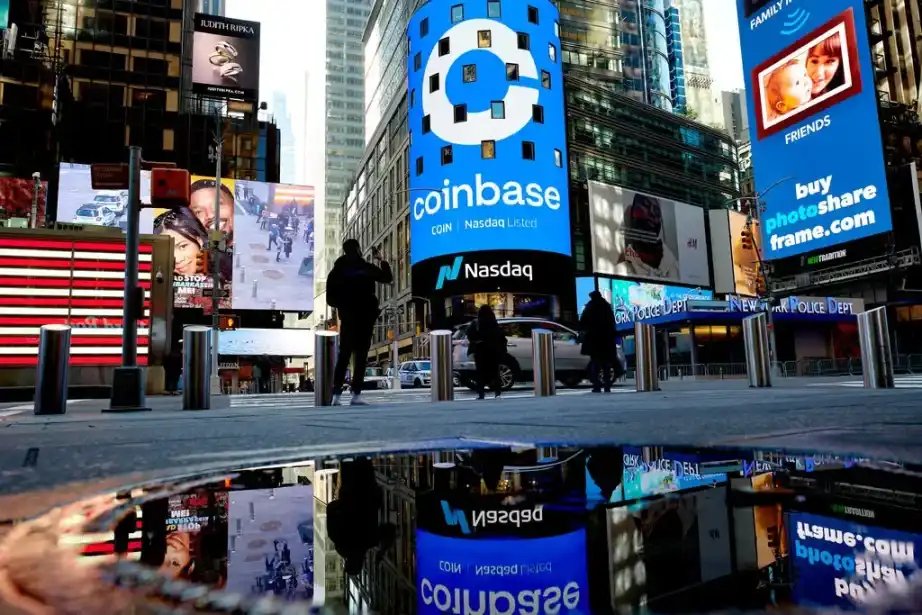
Previously, the riskiest cryptocurrency leverage trading mostly occurred in overseas markets. But in July of this year, the largest U.S. cryptocurrency exchange, Coinbase, announced the launch of a new investment tool allowing traders to bet on Bitcoin and Ethereum futures prices with 10x leverage. Prior to this, U.S. federal regulators had revoked guidance restricting such leveraged trading, giving the green light to Coinbase's new product.
Although this October flash crash did not lead to an industry catastrophe like the 2022 bankruptcy of several major cryptocurrency firms, it served as a wake-up call for the market, signaling the潜藏的系统性危机 in the cryptocurrency领域.

The nature of leveraged trading is that losses are magnified when the market falls. Trading platforms will force liquidations, selling clients' collateral assets, a process that often further exacerbates price declines.

Data from cryptocurrency data firm CoinGlass shows that on October 10th alone, at least $19 billion worth of cryptocurrency trades were forcibly liquidated globally, affecting 1.6 million traders. This wave of liquidations was concentrated on platforms like Binance, OKX, and Bybit.

The crash caused a surge in trading volume, and several major exchanges experienced technical failures, preventing traders from transferring funds promptly. Coinbase said it was aware that some users "experienced delays or degraded system performance during trading."

Derek Bartron, a software developer from Tennessee and also a cryptocurrency investor, said his Coinbase account was frozen during the flash crash. "I wanted to close my positions and exit, but there was no way to operate," Derek Bartron said. "Coinbase effectively locked users' funds. We could only watch helplessly as asset values plummeted."

Derek Bartron said that in the days following the flash crash, he lost about $50,000 in cryptocurrency assets, partly because he was unable to close positions in time to stop losses.

A Coinbase spokesperson responded that the company provides automated risk management tools, "These tools functioned normally during this market volatility, and our trading platform remained stable and operational during the entire event."

A Binance spokesperson admitted the trading platform "experienced technical issues due to a surge in trading volume" and said measures had been taken to compensate affected users.

Crazy Experiment: The Regulatory Dilemma of the Tokenization Wave

One night this summer, cryptocurrency entrepreneurs Chris Yin and Teddy Pornprinya, dressed in formal wear, appeared at the Kennedy Center in Washington D.C., attending a grand black-tie dinner.

The dinner was star-studded. Chris Yin, wearing a tuxedo bought the night before, met U.S. Vice President JD Vance, who had previously been involved in Silicon Valley venture capital; he and Teddy Pornprinya also spoke with former hedge fund manager and current U.S. Treasury Secretary Scott Bessent; the two even took a photo with Trump, who gave a thumbs up to the camera.

Chris Yin and Teddy Pornprinya were there to pave the way for their startup, Plume. The company is advancing an industry-disrupting innovation plan, attempting to extend the underlying technology of cryptocurrency to a broader financial领域.

For months, Plume has been seeking permission from U.S. regulators to build an online trading platform to issue crypto tokens to clients pegged to real-world assets, covering everything from publicly traded company stocks to farms, oil wells, and other entities.
Currently, Plume has launched such tokenized products in overseas markets, where clients can buy and sell these asset tokens like cryptocurrencies. But this business, known as asset tokenization, exists in a legal gray area in the United States. Securities laws enacted decades ago impose strict regulatory rules on the issuance of equity in various assets, requiring issuers to disclose detailed information to protect investor rights.

This year, asset tokenization has become the hottest concept in the cryptocurrency industry. Industry executives claim that tokenized stocks can make stock trading more efficient and faster, creating a 24/7 global trading market. The major U.S. cryptocurrency exchange Kraken has already launched crypto-based stock trading services for clients in overseas markets.

Cryptocurrency industry executives say that cryptocurrency trading, based on public ledger records, is more transparent than the traditional financial system. "All transactions are traceable and auditable," said Kraken CEO Arjun Sethi. "It has almost no risk."

Representatives from Kraken and Coinbase have met with the SEC to discuss regulatory rules for tokenized assets; meanwhile, Plume is also seeking a legal path to expand its business in the United States.

But this race for tokenized products has raised concerns among current and former regulatory officials, as well as executives from traditional financial giants.

In September of this year, Federal Reserve economists warned that asset tokenization could lead to the传导 of cryptocurrency market risks to the entire financial system, "weakening policymakers' ability to maintain the stability of the payment system during times of market stress."

SEC Chairman Paul Atkins, however, has a positive attitude towards tokenized stocks, calling them a "major technological breakthrough." "Under the securities laws, the Commission has broad discretion to provide regulatory support for the cryptocurrency industry. I am determined to push this work forward," Atkins said at an asset tokenization industry roundtable in May.

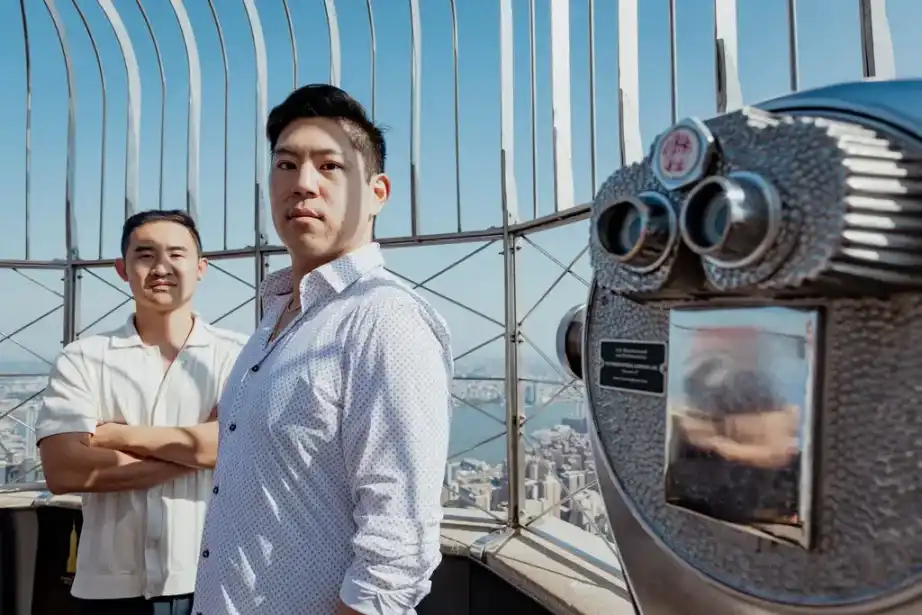
To promote their company's compliance, Chris Yin and Teddy Pornprinya have taken a series of measures. In May, the two met with the SEC's cryptocurrency task force; they also provided chart support for a White House cryptocurrency industry report; and set up Plume's U.S. headquarters on the 77th floor of the Empire State Building.

At that black-tie dinner in Washington this summer, Trump's team showed great interest in the two founders. "They knew about Plume," Teddy Pornprinya recalled. "Everyone was somewhat aware of our business."

A few weeks later, Plume announced a key partnership, establishing a business relationship with the Trump family's World Liberty Financial.


Kripto yang Sedang Tren

Pertanyaan Terkait

QWhat is the main concern raised by the article regarding the cryptocurrency boom under Trump's policies?

AThe article expresses concern that Trump's pro-cryptocurrency policies are fueling a high-risk, speculative boom characterized by excessive leverage, corporate malfeasance, and the potential for a systemic financial crisis that could spread from the crypto market to the wider economy.

QWhat is a 'Digital Asset Treasury (DAT) company' and what risks does it pose?

AA 'Digital Asset Treasury (DAT) company' is a publicly traded company whose core strategy is to hoard large amounts of cryptocurrency to attract investors. The risks include many being hastily formed by inexperienced management, relying heavily on borrowing (over $20 billion announced), and exposing investors to massive losses when crypto prices fall, as seen with the 80%+ drop in some stocks.

QHow did leverage contribute to the cryptocurrency market flash crash in October?

ALeverage massively amplified the October flash crash. The cryptocurrency lending market had reached a record $74 billion. When prices fell sharply, trading platforms forced the liquidation of leveraged positions, leading to $19 billion in liquidations and a cascade of selling that drove prices down further, exacerbated by technical issues on platforms that locked users out of their accounts.

QWhat role does the Trump family's business empire play in this cryptocurrency landscape according to the article?

AThe Trump family's expanding crypto business interests, particularly World Liberty Financial, are deeply intertwined with the emerging market. They have formed partnerships with DAT companies like ALT5 Sigma, from which they stand to earn fees, blurring the lines between business and government and raising concerns about conflicts of interest.

QWhat is 'asset tokenization' and why is it and similar innovations a subject of regulatory debate?

A'Asset tokenization' is the process of creating crypto tokens that represent real-world assets like stocks, farms, or oil wells. It's debated because proponents claim it creates a more efficient, transparent, 24/7 global market, while critics, including the Federal Reserve, warn it could transmit risks from the volatile crypto market into the traditional financial system and undermine financial stability. Its legal status in the U.S. remains a gray area under existing securities laws.

Bacaan Terkait

Perhatian Wajib Pekan Depan|Undang-Undang CLARITY Diperkirakan Akan Masuk ke Pemungutan Suara Senat; SpaceX dan Circle Umumkan Laporan Keuangan (3-9 Agustus)

**Ringkasan Acara Penting Pekan Depan (3-9 Agustus)** Pekan depan diwarnai sejumlah pengumuman keuangan penting dan perkembangan regulasi kripto di AS. **Laporan Keuangan & Acara Perusahaan:** * **SpaceX** akan merilis laporan keuangan Q2 2026 pada 4 Agustus, diikuti gelombang pencairan saham internal pertama (hingga 12%) pada 6 Agustus. * **Circle** (penerbit USDC) dan **Hut 8** (penambang Bitcoin) masing-masing akan mengumumkan laporan kuartalan pada 5 Agustus dan 4 Agustus. * **American Bitcoin (ABTC)**, perusahaan tambang kripto yang dikaitkan dengan keluarga Trump, merilis laporan Q2 pada 3 Agustus. * Perusahaan robotika **宇树科技 (Unitree Robotics)** akan melakukan penawaran saham perdana (IPO) di pasar STAR China, dengan hari penentuan harga awal pada 5 Agustus. **Regulasi Kripto AS:** * **CLARITY Act**, undang-undang kerangka kerja federal untuk aset kripto, berpeluang dilakukan pemungutan suara penuh di Senat AS minggu ini. Para negosiator harus merampungkan aturan tentang konflik kepentingan sebelum masa reses 7 Agustus. RUU ini memerlukan 60 suara untuk disetujui. **Pengumuman Data & Teknologi:** * **Laporan Non-Farm AS** untuk Juli akan dirilis pada 7 Agustus, menjadi fokus pasar. * **Grok AI** versi 4.6 (dengan 1,5 triliun parameter) diperkirakan diluncurkan sekitar 7 Agustus, diikuti versi 4.7 yang lebih kuat beberapa minggu setelahnya. * **XRP Ledger** versi 3.3.0 dengan lima fitur baru, termasuk transaksi batch, dijadwalkan rilis minggu depan. **Penutupan & Perubahan Layanan:** * Beberapa layanan kripto akan berhenti beroperasi: **Zapper** (pelacak portofolio DeFi) dan **Ctrl Wallet** pada 3 Agustus, serta **LayerZero** akan menghentikan relayernya untuk v1 pada tanggal yang sama. Bursa Korea **Upbit** akan menghapus perdagangan pasangan **AQT** dan **AERGO** pada 3 Agustus. **Acara Lainnya:** * **BIP-110**, sebuah proposal peningkatan jaringan Bitcoin, akan memulai fase pengiriman sinyal wajib sekitar 8 Agustus.

marsbit13m yang lalu

Perhatian Wajib Pekan Depan|Undang-Undang CLARITY Diperkirakan Akan Masuk ke Pemungutan Suara Senat; SpaceX dan Circle Umumkan Laporan Keuangan (3-9 Agustus)

marsbit13m yang lalu

Saham Jatuh Lebih Parah daripada Kripto, Ke Mana Uangnya Pergi?

Penulis: Cathy,白话区块链 Pada 28 dan 29 Juli di Seoul, indeks Kospi memicu *circuit breaker* dua hari berturut-turut, suatu peristiwa yang belum pernah terjadi dalam sejarah pasar saham Korea. Saham-saham semikonduktor global, termasuk SK Hynix yang turun sekitar 23% dalam dua hari, mengalami penurunan drastis. Penarikan dana (pullback) Kospi pada Juli mencapai 40% dari titik tertinggi Juni, menjadikannya bulan terburuk yang tercatat. Produk leverage seperti ETF 2x Long SK Hynix bahkan anjlok hingga 83%, menghapus lebih dari 1 triliun HKD dalam nilai pasar. Ironisnya, Bitcoin justru naik hampir 15% dari titik terendah Juli, menunjukkan perilaku yang tidak biasa: **saham yang jatuh seperti aset kripto, sementara Bitcoin relatif stabil.** Penurunan ini bukan kepanikan pasar luas, melainkan "peledakan tertarget" terhadap perdagangan yang paling ramai (*crowded trades*), dipicu oleh laporan keuangan SK Hynix yang meski mencetak rekor laba tetapi di bawah perkiraan, serta IPO besar-besaran ChangXin Memory (CXMT) dari China. Ditambah dengan potensi likuidasi posisi *carry trade* Yen Jepang yang masif, pasar mengalami de-leverage paksa. Lalu, apakah uang yang keluar dari saham mengalir ke Bitcoin? Jawabannya tidak. Bitcoin tampak "tahan jatuh" karena sudah mengalami koreksi lebih dulu—jatuh sekitar 21% selama periode arus keluar ETF berkelanjutan pada Mei-Juni. Uang yang mencari perlindungan justru mengalir ke emas, yang harganya naik lebih dari 20% secara tahunan. Koefisien korelasi Bitcoin dengan emas mencapai -0.88, mengindikasikan bahwa institusi kini memandangnya sebagai aset yang berbeda: **emas untuk perlindungan, Bitcoin untuk potensi pertumbuhan.** Agar aliran dana besar-besaran benar-benar masuk ke Bitcoin, diperlukan tiga kondisi: tekanan likuidasi global mereda, The Fed menurunkan suku bunga tanpa memicu resesi, dan disahkannya RUU CLARITY di AS untuk memberikan kejelasan regulasi. Meski RUU tersebut tertunda di Senat, arahnya sudah jelas. **Harga saham teknologi ditentukan oleh pengeluaran modal AI dan laba perusahaan, sedangkan harga Bitcoin ditentukan oleh likuiditas global.** Ketidakselarasan ini justru menciptakan daya tarik bagi institusi yang ingin mendiversifikasi portofolio mereka. Kesimpulannya, Bitcoin saat ini bukan tempat perlindungan (*safe haven*), melainkan aset yang sudah terkoreksi lebih dulu dan sudah berada di posisi yang siap. **Dana belum datang, tetapi posisinya sudah dipersiapkan.** Ketika badai berlalu dan modal global mencari tempat baru untuk dialokasikan, Bitcoin berada di urutan terdepan dalam antrian.

marsbit13m yang lalu

Saham Jatuh Lebih Parah daripada Kripto, Ke Mana Uangnya Pergi?

marsbit13m yang lalu

Dialog dengan Ray Dalio: Saat Ini Berada dalam Gelembung AI, 1% Portofolio Investasi Adalah Bitcoin

Sumber: The Diary Of A CEO Ray Dalio, pendiri Bridgewater Associates yang meramalkan krisis keuangan 2008, memperingatkan bahwa ledakan AI saat ini menunjukkan tanda-tanda klasik gelembung ekonomi yang dapat pecah dan memicu resesi. Dalam wawancara podcast, dia menjelaskan dinamika "siklus besar" yang didorong oleh ketimpangan kekayaan, defisit pemerintah, dan perubahan geopolitik. Dalio mengidentifikasi pola di mana antusiasme berlebihan terhadap teknologi revolusioner baru, seperti AI, menyebabkan harga aset melambung dan pinjaman berlebihan. Ketika kondisi berubah (seperti kenaikan suku bunga atau kebutuhan tunai), gelembung ini dapat pecah, menyebabkan penurunan harga aset, kerugian luas, dan kontraksi ekonomi. Untuk melindungi kekayaan di masa ketidakpastian, Dalio sangat menekankan pentingnya **diversifikasi portofolio**—termasuk saham, obligasi, emas, dan real estat—daripada mengandalkan uang tunai saja. Dia mengungkapkan bahwa sekitar **1% portofolionya adalah Bitcoin**, yang diakuinya sebagai aset keras, tetapi dia lebih menyukai **emas fisik** karena sejarahnya sebagai penyimpan nilai dan aset bebas liabilitas. Mengenai dampak AI, Dalio percaya bahwa teknologi ini akan menggantikan tidak hanya tenaga fisik tetapi juga kemampuan kognitif manusia, berpotensi memperlebar kesenjangan antara pemilik modal dan pekerja. Masa depan akan menguntungkan mereka yang dapat memadukan kecerdasan manusia (seperti emosi dan intuisi) dengan kemitraan AI. Secara geopolitik, Dalio menggambarkan dunia yang memasuki fase "penurunan" dalam tatanan global, dengan Amerika Serikat menghadapi tantangan internal dan eksternal, termasuk konflik seperti di Iran yang mengungkap kelemahannya. Dia memprediksi dunia mungkin menjadi lebih terregionalisasi di masa depan. Secara keseluruhan, kunci untuk navigasi melalui periode kompleks ini adalah pemahaman akan pola sejarah, adaptasi, dan diversifikasi yang cermat.

marsbit4j yang lalu

Dialog dengan Ray Dalio: Saat Ini Berada dalam Gelembung AI, 1% Portofolio Investasi Adalah Bitcoin

marsbit4j yang lalu

Rekor! Beli Bersih Asing 7,2 Triliun Won dalam Sehari, Wall Street: Tekanan Likuiditas di Pasar Saham Korea Telah Mereda

**Ringkasan: Rekor Pembelian Asing dan Peningkatan Likuiditas di Pasar Saham Korea** Aliran modal asing menunjukkan perubahan signifikan di pasar saham Korea (KOSPI). Pada 31 Juli, investor asing melakukan pembelian bersih rekor sebesar 7,2 triliun Won Korea dalam sehari, menandai pembalikan dari tren penjualan bersih besar-besaran dalam beberapa bulan terakhir. Secara bulanan, penjualan bersih asing menyusut drastis menjadi 9,8 triliun Won di Juli, turun dari 48,4 triliun dan 44,5 triliun Won pada Juni dan Mei. Tekanan penjualan dari lembaga domestik juga mereda. Dana pensiun dan reksa dana domestik justru menjadi pembeli bersih 1,0 triliun Won di Juli, setelah dua bulan sebelumnya menjadi penjual bersih. Faktor pendukung lainnya adalah peraturan baru dari Komisi Jasa Keuangan (FSC) yang memberlakukan syarat lebih ketat bagi investor ritel untuk masuk ke ETF leverage saham tunggal, yang langsung mengurangi volume perdagangan instrumen tersebut hingga sekitar 50%. Kebijakan ini diperkirakan dapat menekan volatilitas pasar. Citigroup mempertahankan target indeks KOSPI di level 10.000 poin, menyoroti memudarnya angin penentu likuiditas. Analis mereka menilai faktor fundamental seperti industri chip memori yang solid, valuasi historis yang rendah, fundamental ekonomi Korea yang kuat, dan dukungan kebijakan berpotensi menjadi pendorong bagi pasar.

marsbit4j yang lalu

Rekor! Beli Bersih Asing 7,2 Triliun Won dalam Sehari, Wall Street: Tekanan Likuiditas di Pasar Saham Korea Telah Mereda

marsbit4j yang lalu

Pembaruan! AI Generasi Berikut OpenAI Pecahkan 10 Masalah Kelas Medali Fields

**OpenAI Model Astra Pecahkan 10 Masalah Matematika Kelas Fields Medal!** OpenAI mengumumkan terobosan besar dari model internal terbarunya, Astra. Model ini dilaporkan telah membuat kemajuan signifikan dalam **10 masalah matematika yang belum terpecahkan**, dengan biaya komputasi hanya sekitar **$2000**. Hasilnya dipublikasikan dalam makalah setebal 249 halaman. Beberapa pencapaian utama meliputi: 1. **Menyelesaikan masalah "non-sofic group"** yang diajukan Mikhail Gromov tahun 1999, dengan membangun contoh kelompok yang tak hingga dan finitely presented yang bukan sofic. Ini dianggap sebagai kemajuan bersejarah. 2. **Memecahkan batas lama dalam masalah pengepakan bola berdimensi tinggi** (sphere packing), meningkatkan batas yang telah bertahan sejak 1978 untuk dimensi tak hingga. 3. **Menyangkal dugaan "Connes Rigidity"** dengan membangun keluarga tak terhitung dari kelompok berbeda yang menghasilkan aljabar von Neumann yang sama persis. Semua bukti telah diverifikasi menggunakan asisten pembuktian formal Lean 4, memastikan ketepatannya. Para ahli matematika menyebut temuan ini sebagai **momen bersejarah**, setara dengan prestasi penghargaan Fields Medal, dan menandai kemampuan AI untuk melakukan penalaran matematika mendalam di berbagai bidang. OpenAI juga membagikan proses penalaran model, menunjukkan langkah maju yang besar menuju AGI (Artificial General Intelligence).

marsbit5j yang lalu

Pembaruan! AI Generasi Berikut OpenAI Pecahkan 10 Masalah Kelas Medali Fields

marsbit5j yang lalu

Trading

Spot

Artikel Populer

Cara Membeli O

Selamat datang di HTX.com! Kami telah membuat pembelian O1 exchange (O) menjadi mudah dan nyaman. Ikuti panduan langkah demi langkah kami untuk memulai perjalanan kripto Anda.Langkah 1: Buat Akun HTX AndaGunakan alamat email atau nomor ponsel Anda untuk mendaftar akun gratis di HTX. Rasakan perjalanan pendaftaran yang mudah dan buka semua fitur.Dapatkan Akun SayaLangkah 2: Buka Beli Kripto, lalu Pilih Metode Pembayaran AndaKartu Kredit/Debit: Gunakan Visa atau Mastercard Anda untuk membeli O1 exchange (O) secara instan.Saldo: Gunakan dana dari saldo akun HTX Anda untuk melakukan trading dengan lancar.Pihak Ketiga: Kami telah menambahkan metode pembayaran populer seperti Google Pay dan Apple Pay untuk meningkatkan kenyamanan.P2P: Lakukan trading langsung dengan pengguna lain di HTX.Over-the-Counter (OTC): Kami menawarkan layanan yang dibuat khusus dan kurs yang kompetitif bagi para trader.Langkah 3: Simpan O1 exchange (O) AndaSetelah melakukan pembelian, simpan O1 exchange (O) di akun HTX Anda. Selain itu, Anda dapat mengirimkannya ke tempat lain melalui transfer blockchain atau menggunakannya untuk memperdagangkan mata uang kripto lainnya.Langkah 4: Lakukan trading O1 exchange (O)Lakukan trading O1 exchange (O) dengan mudah di pasar spot HTX. Cukup akses akun Anda, pilih pasangan perdagangan, jalankan trading, lalu pantau secara real-time. Kami menawarkan pengalaman yang ramah pengguna baik untuk pemula maupun trader berpengalaman.

542 Total TayanganDipublikasikan pada 2026.06.19Diperbarui pada 2026.06.29

Cara Membeli O

Cara Membeli PROS

Selamat datang di HTX.com! Kami telah membuat pembelian Pharos (PROS) menjadi mudah dan nyaman. Ikuti panduan langkah demi langkah kami untuk memulai perjalanan kripto Anda.Langkah 1: Buat Akun HTX AndaGunakan alamat email atau nomor ponsel Anda untuk mendaftar akun gratis di HTX. Rasakan perjalanan pendaftaran yang mudah dan buka semua fitur.Dapatkan Akun SayaLangkah 2: Buka Beli Kripto, lalu Pilih Metode Pembayaran AndaKartu Kredit/Debit: Gunakan Visa atau Mastercard Anda untuk membeli Pharos (PROS) secara instan.Saldo: Gunakan dana dari saldo akun HTX Anda untuk melakukan trading dengan lancar.Pihak Ketiga: Kami telah menambahkan metode pembayaran populer seperti Google Pay dan Apple Pay untuk meningkatkan kenyamanan.P2P: Lakukan trading langsung dengan pengguna lain di HTX.Over-the-Counter (OTC): Kami menawarkan layanan yang dibuat khusus dan kurs yang kompetitif bagi para trader.Langkah 3: Simpan Pharos (PROS) AndaSetelah melakukan pembelian, simpan Pharos (PROS) di akun HTX Anda. Selain itu, Anda dapat mengirimkannya ke tempat lain melalui transfer blockchain atau menggunakannya untuk memperdagangkan mata uang kripto lainnya.Langkah 4: Lakukan trading Pharos (PROS)Lakukan trading Pharos (PROS) dengan mudah di pasar spot HTX. Cukup akses akun Anda, pilih pasangan perdagangan, jalankan trading, lalu pantau secara real-time. Kami menawarkan pengalaman yang ramah pengguna baik untuk pemula maupun trader berpengalaman.

1.2k Total TayanganDipublikasikan pada 2026.06.22Diperbarui pada 2026.06.29

Cara Membeli PROS

Apa Itu VERONA

I. Pengenalan Proyek VERONA adalah blockchain yang dibangun untuk semua orang, di mana saja melalui abstraksi rantai. Memanfaatkan lapisan Abstraksi Umum, VERONA membedakan dirinya dengan mengintegrasikan fungsionalitas blockchain yang kompleks, seperti akun, tanda tangan, dan interoperabilitas, langsung di tingkat protokol. Pendekatan ini memungkinkan keterlibatan dengan aplikasi blockchain tanpa perlu memahami teknologi yang mendasarinya.1) Informasi Dasar Nama:VERONA(VERONA)III. Tautan Terkait Link situs resmi:https://xion.burnt.com/ Whitepaper:https://xion.burnt.com/whitepaper.pdf Penjelajah:https://explorer.burnt.com/ Media Sosial: https://x.com/burnt_xion Catatan: Pengenalan proyek berasal dari materi yang diterbitkan atau disediakan oleh tim proyek resmi, yang hanya untuk referensi dan tidak merupakan nasihat investasi. HTX tidak bertanggung jawab atas kerugian langsung atau tidak langsung yang diakibatkan.

497 Total TayanganDipublikasikan pada 2026.06.22Diperbarui pada 2026.06.22

Apa Itu VERONA

Diskusi

Selamat datang di Komunitas HTX. Di sini, Anda bisa terus mendapatkan informasi terbaru tentang perkembangan platform terkini dan mendapatkan akses ke wawasan pasar profesional. Pendapat pengguna mengenai harga A (A) disajikan di bawah ini.

活动图片













