SpaceX to Raise $75 Billion|Rewire Evening News Update

marsbitDipublikasikan tanggal 2026-03-30Terakhir diperbarui pada 2026-03-30

Abstrak

SpaceX has filed for a $750 billion IPO, targeting a $1.75 trillion valuation—the largest in history, surpassing the combined U.S. IPO totals for 2024 and 2025. The offering, underwritten by Morgan Stanley and Goldman Sachs, is set for June. In AI infrastructure news, Starcloud raised $170M to deploy orbital data centers with H100 GPUs, while Mistral borrowed $830M to build a Paris data center. Meanwhile, the U.S. faces power constraints, with 7.5GW of wind projects frozen by military reviews. Palantir is deepening its U.S. government ties, working with the IRS to build AI tools for audit targeting and a unified data system, raising privacy concerns. In Iran, tensions escalate as Trump administration rhetoric shifts toward resource control, with military movements reported and oil prices surging. Other updates include DeepSeek’s major outage, Dell’s $25B AI infrastructure growth, and the successful IPO of Chinese robotics firm Huayan. Ethereum Foundation also made a large ETH stake, signaling a strategic shift.

Rocket builders are set to swallow the entire IPO market, while algorithm writers help the IRS select audit targets. There's not enough electricity for AI, so someone is sending GPUs into space.

1| SpaceX Aims for $75 Billion IPO, Set to Swallow the Entire Tech Listing Market

SpaceX has filed its prospectus with the SEC, targeting a $75 billion fundraising round at a valuation of $1.75 trillion. This would be the largest IPO in human history—2.5 times the size of Saudi Aramco's $29.4 billion record—and exceeds the total IPO fundraising in the U.S. for 2024 and 2025 combined. Morgan Stanley and Goldman Sachs are underwriting the offering, with a target listing date in June.

After acquiring xAI, SpaceX is now a satellite internet provider (Starlink has 9 million users and profits exceeding $8 billion), a defense contractor, and an AI infrastructure company. Its valuation has surged 38-fold in six years, from $46 billion to $1.75 trillion.

OpenAI and Anthropic are next in line. The $75 billion fundraising scale raises a bigger question than SpaceX itself: how much market liquidity will it absorb, and what valuations will the queued AI unicorns be able to secure?

(Source: Bloomberg / Axios / The Information / Barron's)

2| New Dimensions in the AI Infrastructure Race: Space GPUs, European Debt Financing, and 7.5GW of Frozen Wind Power

Starcloud has completed a $170 million Series A round, reaching an $1.1 billion valuation and becoming Y Combinator's fastest unicorn ever, just 17 months after Demo Day. Using $3 million in seed funding, the company launched its first satellite equipped with H100 GPU, aiming to build an orbital data center network of 88,000 satellites. With Earth's electricity in short supply, someone is starting to send GPUs into space.

Mistral has borrowed $830 million from seven banks to build a data center in Paris, equipped with 13,800 GB300 GPUs, set to go online in Q2. In Europe, AI funding isn't coming from VCs; it's coming from banks.

In the U.S., the Pentagon has frozen military approvals for 30 wind power projects, totaling 7.5 gigawatts. The American Clean Power Association has given the Defense Department until April 8th to respond, or face a lawsuit. While AI companies scramble to build data centers, power approvals are stuck in paperwork.

(Source: TechCrunch / SpaceNews / Reuters / Axios / American Clean Power Association)

3| Palantir Selects IRS Audit Targets, AI Enters the Core of Federal Law Enforcement

Documents obtained by Wired show the IRS paid Palantir $1.8 million last year to improve a custom tool called SNAP, which sifts through legacy systems to select "highest-value" targets for audits, tax debt collection, and potential criminal investigations. The tool extracts key information on contracts, vehicles, and suppliers from unstructured data, replacing over 700 outdated screening systems the IRS has used for decades.

A larger project is the "mega API." Palantir is working with IRS engineers to build a unified data interface layer, aiming to become the "read center for all IRS systems." Democratic senators have already demanded Palantir explain this "searchable super-database" plan, calling it a "surveillance nightmare."

Palantir has received over $180 million from the IRS since 2018 across 26 contracts. The same company that tracks immigrants for ICE, selects audit targets for the IRS, and integrates government data for the DOGE is building the federal government's data hub—a private company with a market cap exceeding $100 billion.

(Source: Wired / Tax Notes / U.S. Senate Finance Committee)

4| Day 31 of the Iran War: Trump Says "Seize the Oil," Marine Corps Already Deployed

Trump has publicly stated he would invade Iran to "seize the oil," calling opponents "fools." The Marine Corps' 31st and 11th Marine Expeditionary Units have arrived in the Middle East, with the 82nd Airborne Division en route. The Washington Post reports the Pentagon is preparing for "weeks of ground operations," including seizing the Kharg Island oil hub. The war narrative has shifted from "retaliation" to "resource control."

The IAEA has confirmed Iran's heavy-water reactor is no longer operational. Oil prices have risen to $116 per barrel, up over 50% since the war began. EIA data shows flow through the Strait of Hormuz has plummeted from a pre-war 20 million barrels per day, forcing Gulf countries to cut production by millions of barrels per day.

Macquarie analysts believe Trump is following a "TACO" timeline (Trump Always Chickens Out), expecting the conflict to end within six weeks—now in its fifth week. The economic cost: approximately $1 billion per day in spending, with over 3,000 deaths. (Continued from yesterday's report)

(Source: Al Jazeera / Fortune / CNN / The Washington Post / Military.com / EIA / IAEA)

Also Worth Knowing ↓

DeepSeek experiences its longest outage since launch, affecting 355 million users for 7 hours. China's most popular AI chatbot suffered its most severe service disruption since the R1 launch in January 2025. The cause of the outage was not disclosed. (Source: Bloomberg / Reuters)

Dell built a $25 billion AI infrastructure business from scratch in two years. The "outdated PC maker," whose stock fell by a third in 2022, reached a record total revenue of $113.5 billion in 2025 and is guiding Wall Street to expect AI server sales of $50 billion next year. Nvidia isn't the only one selling picks and shovels in the AI gold rush. (Source: Fortune)

Huayan Robotics rose 8.24% on its Hong Kong listing debut, with its public offering oversubscribed by 5,000 times. The company listed on the Hong Kong Stock Exchange at an issue price of HK$17 and a market cap of HK$9 billion, securing nearly $100 million in cornerstone investments from Hillhouse, GF Fund, Morgan Stanley, and others. The embodied intelligence capital frenzy is spilling over from the primary to the secondary market. (Source: 36Kr)

Ethereum Foundation makes a one-time stake of $42 million worth of ETH. On-chain data shows this is the Foundation's largest single staking operation to date. The Foundation had long avoided staking, making this strategic shift noteworthy. (Source: CoinDesk / The Block)

Chinese cloud providers achieve scaled profitability for the first time, as AI demand reverses industry losses. Tencent Cloud turned a profit for the first time in 2025, and Kingsoft Cloud reported positive profits for two consecutive quarters after adjustments. Cloud providers' pricing power is increasing in the AI era, potentially ending the history of low-price competition. (Source: 36Kr / Shanghai Securities News)

Pertanyaan Terkait

QWhat is the target IPO valuation and funding amount for SpaceX, and how does it compare to historical records?

ASpaceX is targeting a $75 billion IPO with a valuation of $1.75 trillion. This would be 2.5 times larger than the previous record holder, Saudi Aramco's $29.4 billion IPO, and exceeds the total of all U.S. IPOs in 2024 and 2025 combined.

QWhat is the approach of Starcloud in the AI infrastructure race and what is it unique?

AStarcloud is taking a unique approach by launching data centers into space. It completed a $170 million Series A, becoming Y Combinator's fastest unicorn, and used seed funding to launch a satellite carrying an H100 GPU. Its goal is a network of 88,000 satellites to create an orbital data center network.

QWhat role does Palantir play for the IRS, and what concerns have been raised about its work?

APalantir is working with the IRS to improve a tool called SNAP, which selects 'highest-value' targets for audits, tax collection, and criminal investigations. It is also building a 'mega API' to act as a central data interface. Democratic senators have raised concerns, calling it a 'surveillance nightmare'.

QAccording to the article, what is the current state of the conflict with Iran and its economic impact?

AThe conflict has entered its 31st day. Former President Trump has publicly advocated for invading Iran to 'seize oil,' and U.S. military units are deploying. Oil prices have surged over 50% to $116 per barrel, and the flow of oil through the Strait of Hormuz has dropped significantly from 20 million barrels per day, forcing Gulf countries to cut production.

QWhich Chinese AI company experienced a major outage, and what was the impact?

ADeepSeek experienced its longest outage since its launch, lasting 7 hours and affecting 355 million users. The cause of the outage was not publicly disclosed.

Bacaan Terkait

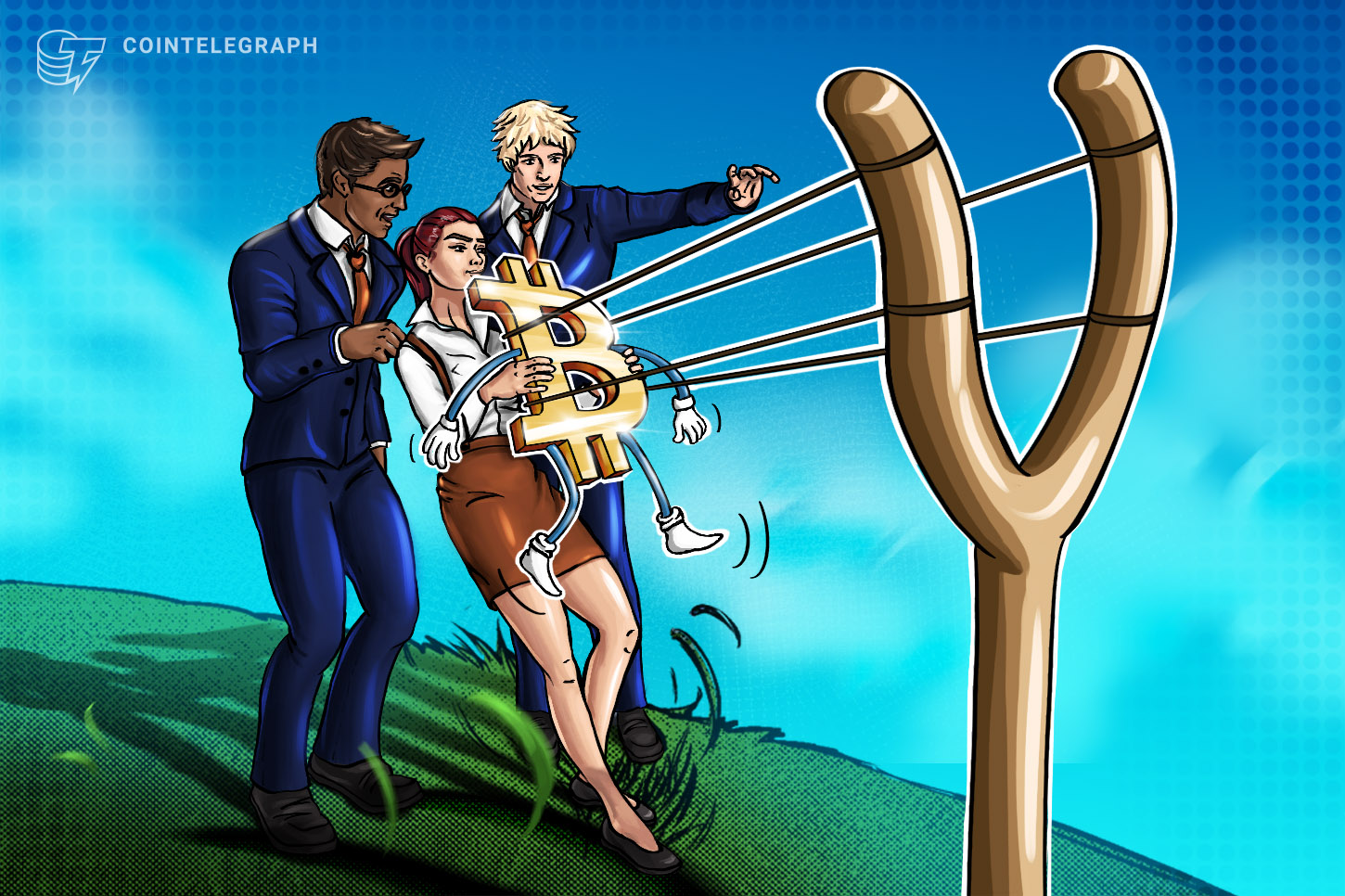
Pemain Besar di Pasar Bitcoin yang Tidak Aktif Selama Empat Tahun Mentransfer Bitcoin Senilai Sekitar 46 Juta Dolar! Ini Detailnya

Pemain besar di pasar Bitcoin yang tidak aktif selama empat tahun baru saja mentransfer Bitcoin senilai sekitar $46 juta! Menurut platform analitik Onchain Lens, sebanyak 730 BTC (setara dengan $46,12 juta) telah dipindahkan dari dompet investor besar yang telah lama tidak aktif. Bitcoin tersebut ditransfer ke dompet baru yang baru dibuat. Data blockchain menunjukkan bahwa investor ini mengumpulkan aset tersebut selama tujuh tahun terakhir dan menyimpannya di alamat yang sama tanpa transaksi apa pun. Aktivitas ini diduga terkait dengan kerentanan keamanan yang baru-baru ini ditemukan di dompet perangkat keras Coldcard. Analis menduga investor jangka panjang mungkin mulai memindahkan aset mereka ke dompet baru yang lebih aman karena kekhawatiran keamanan. Namun, belum ada bukti bahwa Bitcoin yang ditransfer dikirim ke pertukaran kripto, sehingga tidak jelas apakah transfer ini untuk dijual atau hanya untuk keamanan. Aktivasi dompet yang lama tidak aktif dianggap sebagai sinyal penting oleh investor. Namun, para ahli menekankan bahwa transfer antar dompet tidak selalu berarti penjualan dan sering dilakukan untuk keamanan, strategi penyimpanan, atau manajemen portofolio institusional. Peristiwa ini mengikuti transfer besar Bitcoin lainnya baru-baru ini, menunjukkan peningkatan aktivitas pergerakan dana, terutama di kalangan investor jangka panjang.

cryptonews.ru8m yang lalu

Pemain Besar di Pasar Bitcoin yang Tidak Aktif Selama Empat Tahun Mentransfer Bitcoin Senilai Sekitar 46 Juta Dolar! Ini Detailnya

cryptonews.ru8m yang lalu

Mendalam: Tamu Asing Genspark

Genspark, sebuah perusahaan AI yang berkantor pusat di Palo Alto, AS, secara aktif membangun narasi sebagai perusahaan "AS asli" di industri AI global. Artikel ini mengungkap strategi Genspark yang kontradiktif: di satu sisi, mereka berusaha keras memamerkan hubungan dengan raksasa teknologi AS seperti OpenAI, Anthropic, dan Microsoft (melalui foto bersama, studi kasus, dan konten sponsor), menandatangani petisi terbuka untuk mendukung model open-weight, dan menghindari keterlibatan publik dengan komunitas atau perusahaan AI Tionghoa. Di sisi lain, operasi inti Genspark diduga sangat bergantung pada sumber daya "tersembunyi" dari Tiongkok, termasuk tim pengembangan di Beijing, penggunaan model open-weight Tiongkok melalui platform pihak ketiga, dan kemungkinan aliran pendapatan dari klien Tiongkok yang mengakses model AS secara tidak langsung. Produk utama Genspark, yang dipasarkan sebagai "AI Costco," adalah ruang kerja AI yang mengintegrasikan puluhan model dan alat. Kekuatan perusahaan ini terletak pada kemampuannya meniru dengan cepat produk AI yang sudah terbukti di pasar (seperti Perplexity, Manus, Plaud Note), menggabungkannya ke dalam satu langganan, dan mendorong pertumbuhan melalui mesin pemasaran agresif (iklan Super Bowl, iklan kereta bawah tanah, konten berbayar di Wall Street Journal). Namun, pertumbuhan pengunjung websitenya dilaporkan menurun tajam. Intinya, Genspark menjalankan tugas agen jangka panjangnya sendiri: memproyeksikan citra sebagai perusahaan AI Silicon Valley yang murni sambil memanfaatkan ekosistem, tenaga kerja, dan kemungkinan pasar Tiongkok di balik layar.

marsbit24m yang lalu

Mendalam: Tamu Asing Genspark

marsbit24m yang lalu

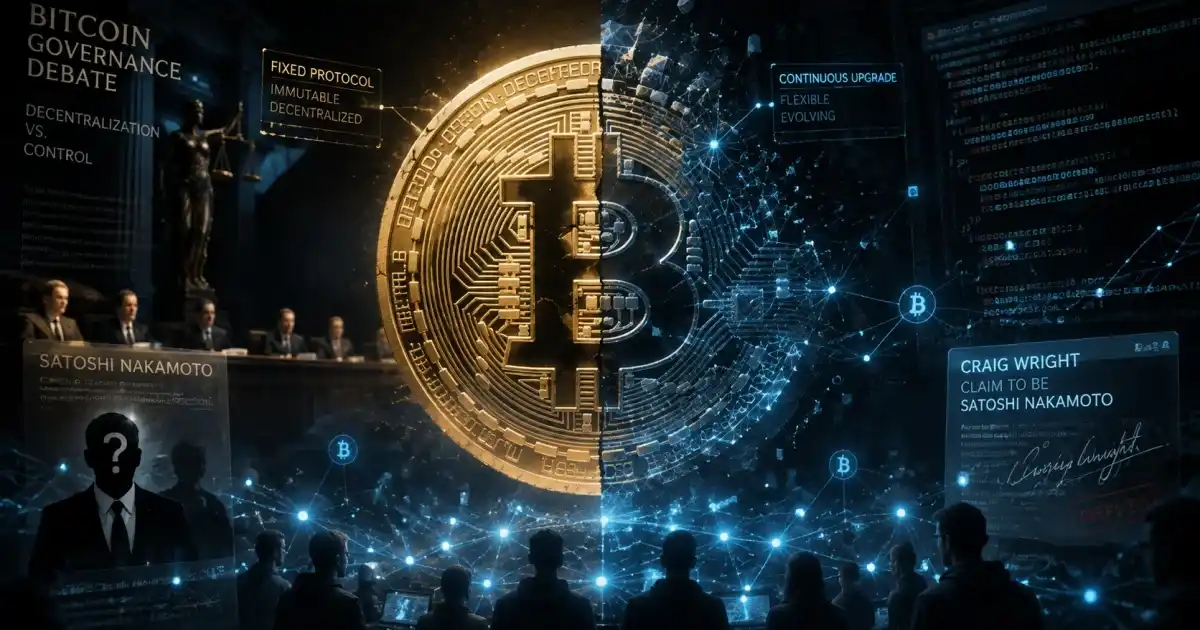
Bitcoin Haruskah "Tidak Berubah"? Craig Wright Kembali Picu Perdebatan Arah Tata Kelola

Bitcoin: Tetap Tidak Berubah atau Terus Berevolusi? Perdebatan Craig Wright tentang Tata Kelola Craig Wright kembali memicu perdebatan mengenai tata kelola Bitcoin dengan berpendapat bahwa protokol Bitcoin harus tetap permanen dan tidak berubah, menjaga aturan moneter yang transparan dan tidak dapat diubah seenaknya sebagai nilai intinya. Ia mengkritik arah perkembangan saat ini yang menurutnya ditentukan oleh segelintir pengembang. Artikel ini membahas dilema inti: apakah Bitcoin harus mempertahankan protokol tetap untuk membangun kepercayaan dan determinisme, atau harus beradaptasi dengan ancaman keamanan dan kebutuhan pengguna yang terus berubah melalui peningkatan? Dua pandangan bertentangan dijelaskan: 1. **Pendukung protokol tetap**: Menekankan bahwa nilai utama Bitcoin terletak pada aturan yang stabil dan tidak dapat diubah, seperti pasokan yang tetap, yang membedakannya dari sistem keuangan tradisional. Perubahan bisa mengurangi kepercayaan. 2. **Pendukung peningkatan berkelanjutan**: Berargumen bahwa sistem teknis harus berevolusi untuk tetap kompetitif, menangani masalah privasi, efisiensi, dan mendukung pengembangan lapisan kedua. Artikel menyoroti bahwa Bitcoin sebenarnya telah mengalami peningkatan signifikan seperti SegWit (2017) dan Taproot (2021), yang disepakati melalui konsensus komunitas, bukan keputusan terpusat. Tantangan sebenarnya bukan pada "berubah atau tidak", tetapi pada **siapa yang memiliki kekuasaan untuk mengubah** dan **proses perubahan yang sesuai dengan prinsip desentralisasi**. Peran pengembang inti juga diperdebatkan: meskipun mereka memiliki pengaruh dalam pemeliharaan kode, mereka tidak dapat memaksa perubahan tanpa penerimaan luas dari penambang, operator node, dan pengguna. Tata kelola Bitcoin lebih mirip **mekanisme konsensus sosial**. Kesimpulannya, perdebatan ini menggarisbawahi tantangan terbesar Bitcoin: bagaimana mengelola jaringan global tanpa otoritas pusat sambil menyeimbangkan **stabilitas aturan inti** dengan **kemampuan beradaptasi**. Masa depan Bitcoin kemungkinan akan mengikuti jalan tengah: mempertahankan stabilitas aturan inti sambil melakukan peningkatan terbatas melalui konsensus komunitas yang hati-hati. Eksperimen tata kelola desentralisasi ini terus berlanjut.

marsbit41m yang lalu

Bitcoin Haruskah "Tidak Berubah"? Craig Wright Kembali Picu Perdebatan Arah Tata Kelola

marsbit41m yang lalu

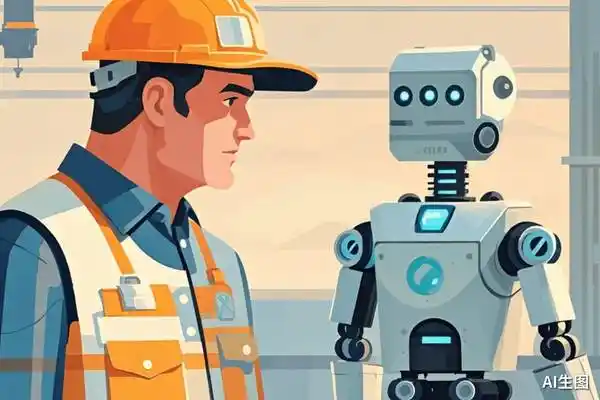
Diskusi: Pekerja Korea Takut Kehilangan Pekerjaan, Tapi Elon Musk Membayangkan Masyarakat 'Tanpa Pekerjaan'?

200 tahun lalu, buruh tekstil Inggris menghancurkan mesin. Kini, keresahan serupa muncul di pabrik mobil Hyundai Korea Selatan. Meskipun pemogokan Juli lalu terutama terkait tuntutan upah, serikat pekerja juga secara resmi memasukkan jaminan pekerjaan di era robot dan AI ke dalam negosiasi. Kekhawatiran ini dipicu oleh rencana Hyundai mengadopsi robot humanoid seperti Boston Dynamics Atlas. Sementara pekerja Hyundai cemas robot akan merebut pekerjaan mereka, Elon Musk justru membayangkan masa depan di mana AI dan robot melakukan hampir semua pekerjaan, membawa masyarakat ke era "kelimpahan tinggi" di mana bekerja menjadi pilihan, bukan keharusan untuk bertahan hidup. Ia mengusulkan "Universal High Income" agar manfaat produktivitas robot didistribusikan secara luas. Namun, jurang antara visi jauh ke depan dan realitas saat ini sangat lebar. Robot saat ini masih jauh dari kemampuan menggantikan sepenuhnya pengetahuan implisit dan adaptabilitas buruh terampil di lini produksi yang kompleks. Namun, kecemasan sosial telah muncul lebih dini, mencerminkan pertanyaan mendasar yang sama dengan gerakan Luddite dulu: ketika mesin menciptakan efisiensi dan kekayaan lebih besar, siapa yang akan menikmatinya? Tantangan terberat bukan pada titik akhir yang dibayangkan Musk, tetapi pada masa transisi yang panjang. Teknologi berkembang secara bertahap, sementara sistem sosial dan aturan distribusi manfaat sering tertinggal. Jika biaya transformasi—seperti kehilangan pekerjaan dan penurunan nilai keterampilan—hanya ditanggung oleh segelintir orang, konflik bisa terjadi sebelum "kelimpahan" tercapai. Oleh karena itu, diskusi tentang aturan, tanggung jawab, distribusi manfaat, dan jaminan sosial di era robotisasi perlu dimulai lebih awal. Seperti revolusi industri sebelumnya menciptakan standar perburuhan, aturan baru diperlukan untuk memastikan robotisasi berjalan beriringan dengan keadilan dan stabilitas sosial. Keresahan pekerja Hyundai, meski mungkin prematur secara teknologi, adalah pengingat penting untuk mempersiapkan landasan sosial ini sejak dini.

marsbit52m yang lalu

Diskusi: Pekerja Korea Takut Kehilangan Pekerjaan, Tapi Elon Musk Membayangkan Masyarakat 'Tanpa Pekerjaan'?

marsbit52m yang lalu

Trading

Spot
活动图片