Crypto makes history in 2022: Five instances of governments embracing digital assets

CointelegraphDipublikasikan tanggal 2023-01-02Terakhir diperbarui pada 2023-01-02

Abstrak

Even amid the market breakdown and repetitive public attacks on the industry, some of the officials found the courage to embrace the innovation.

The year 2022 wasn’t the best one in terms of crypto reputation among regulators and policymakers. However, even amid the market breakdown and repetitive public attacks on the industry, some of the officials found the courage to embrace the innovation. Some of the names are not new, while others showed progress significant enough to include them in this listicle. The United Arab Emirates and El Salvador continued to push their crypto agenda and the United Kingdom showed great effort to lay the regulatory foundation, while Brazil and the Central African Republic legally recognized the cryptocurrencies. 

“”
Brazil

“”
2021 might have been a year of mass adoption in Brazil, but it was 2022 when the country finally got its own regulatory framework. Before leaving his office, Jair Bolsonaro, the former president of Brazil, signed a bill legalizing the use of crypto as a payment method within the country. The bill doesn’t make cryptocurrencies legal tender, as in El Salvador, but it still introduces the legal definition of digital currencies and establishes a licensing regime for virtual asset service providers.

“”

The bill came in about time. The number of companies holding cryptocurrency in Brazil has reached new record highs — the country’s taxation authority recorded 12,053 unique organizations declaring crypto on their balance sheets in August 2022.

“”

In May, Brazilian Stock Exchange confirmed its intention to launch the first official product aimed at the cryptocurrency market — Bitcoin futures trading. In contrast to the United States, currently, institutional and retail investors trade 11 exchange-traded funds (ETFs) with exposure to cryptocurrencies on Brazilian Exchange.

“”
The United Kingdom

“”
Great Britain surely didn’t have an easy year. In 2022, Queen Elizabeth II passed away after serving the nation for 70 years. Two Prime ministers — Boris Johnson and Liz Truss — resigned. But when it comes to crypto, the turbulent government never stopped working on regulation. And even if the fruits of this work could be more impressive, the United Kingdom still makes an important case for a national regulatory framework.

“”
The Financial Services and Markets Bill, introduced in July, reasserted the U.K.’s intention to become a global cryptocurrency hub. It broadened regulations of stablecoins and coined a new term — Digital Settlement Assets (DSA). The bill will authorize the Treasury to regulate DSAs, including payments, service providers and insolvency arrangements. The Economic Crime and Corporate Transparency Bill, introduced in May, proposed “creating powers to more quickly and easily seize and recover crypto assets” to mitigate risks for individuals targeted by ransomware attacks.

“”
This year, the British Web3 community celebrated an important legal precedent. The High Court of Justice in London, the closest analog to the United States Supreme Court, has ruled that nonfungible tokens (NFT) represent “private property.”

“”

In a time when everyone is poking on unhosted wallets, Treasury scaled back its requirements for gathering data from both the senders and recipients of crypto sent to unhosted wallets unless the transaction poses “an elevated risk of illicit finance.” And, by the end of the year, it made a great present to all the investors by qualifying the transactions of “designated crypto assets” for the Investment Manager Exemption.

“”
El Salvador

“”
The nation of El Salvador, whose main breakthrough occurred in 2021, deserves to be included in this listicle, at least for its persistence. Once revealing the plan to issue “Bitcoin bonds,” the government of Nayib Bukele has been trying to execute it ever since. The first delay came in March, then repeated in September. In November, economy minister Maria Luisa Hayem Brevé introduced a bill confirming the government’s plan to raise $1 billion and invest them into the construction of a “Bitcoin city.” However, no news about the success of the bill has occurred since.

“”
Still, the country remains a crucial laboratory for Bitcoin adoption. According to Salvadoran Tourism Minister Morena Valdez, the tourism industry in El Salvador has surged more than 30% since the adoption of the Bitcoin law in September 2021. At the beginning of 2022, a study conducted by the National Bureau of Economic Research (NBER) showed that 20% of businesses have started accepting BTC as a payment method.

“”

In May, El Salvador welcomed 44 central bankers from developing countries around the world to tackle financial inclusion and discuss Bitcoin at a three-day conference. The event was visited by central bank delegates from Ghana to Burundi, Jordan to the Maldives and Pakistan to Costa Rica.

“”
The Central African Republic

“”
In April, the 5-million-populated Central African Republic (CAR) became the first nation on the continent to legalize the use of cryptocurrencies in the financial markets. The cryptocurrency bill, unanimously approved by lawmakers, allowed traders and businesses to make crypto payments and also make way for tax payments in crypto through authorized entities. In July, the local central bank digital currency (CBDC), Sango Coin, was launched to raise nearly $1 billion over the next year. So far, however, only $1.66 million worth of the coin has been sold.

“”

The country had also announced a plan to allow foreign investors to buy citizenship for $60,000 worth of Sango Coins. However, this initiative was blocked as unconstitutional by the CAR’s top court.

Mamadou Moustapha Ly explains Sango Coin to Cointelegraph's Joseph Hall

“”

Adoption drew pushback from the Bank of Central African States (BEAC), which warned about the “substantial negative impact” that the legislation will have on the monetary union of Central Africa.

“”
United Arab Emirates

“”
The United Arab Emirates took a strategic approach to crypto and moved steadily to create a regulatory environment and attract global investors. Perhaps that’s why the country makes it to the Cointelegraph listicle for the second time in a row.

“”
In March, Dubai established a legal framework for crypto aimed at protecting investors and “designing much-warranted international standards” for industry governance. A newly formed Dubai Virtual Asset Regulatory Authority (VARA) got enforcement powers in the Emirate’s special development and free zones with the exception of the Dubai International Financial Centre. The now-bankrupt crypto exchange FTX was among the first to obtain the same license.

“”

Another emirate, Abu Dhabi, came up with draft recommendations for NFT trading. They marked NFTs as intellectual property rather than “specified investments or financial instruments” and allowed multilateral trading facilities (MTFs) and Virtual Asset Custodians (VAC) to operate NFT marketplaces.

“”
In July, Dubai launched the Dubai Metaverse Strategy, which aimed to turn the Emirate into one of the world’s top 10 metaverse economies. It includes research and development (R&D) collaborations to enhance the metaverse’s economic contributions, utilizing accelerators and incubators to attract companies and projects from abroad, and providing support in metaverse education aimed at developers, content creators and users.

“”

The country even opened its first city in Metaverse. Dubbed Sharjahverse, it was described as a “photorealistic, physics-accurate” metaverse that encompasses the emirate’s 1,000 square-mile surface area. The virtual city will support the local tourism industry and potentially create new metaverse jobs.

“”
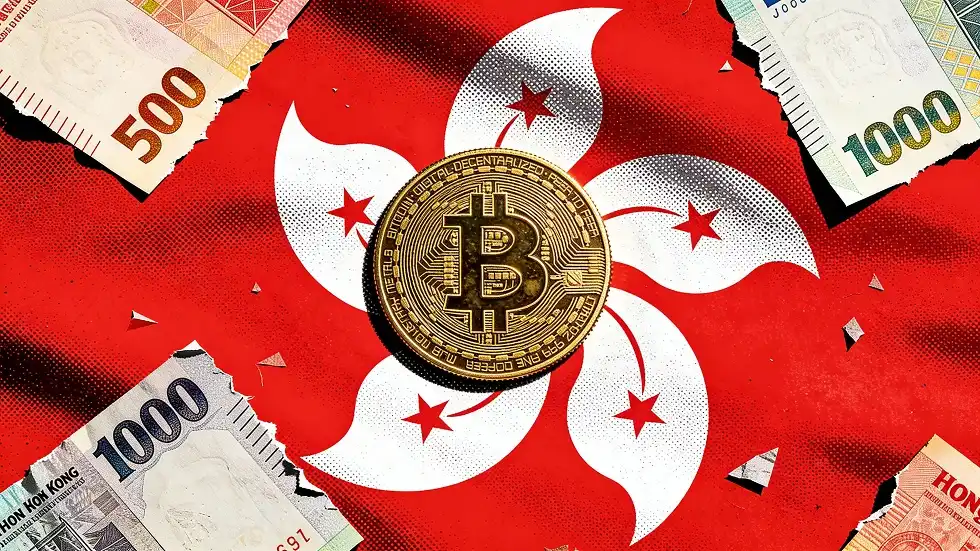
All in all, 2022 wasn’t so bad in terms of friendly regulation. And the next year is going to be even more interesting, with the race to the first comprehensive crypto framework in the U.S. and potential liberalization in Hong Kong and South Korea.
Bacaan Terkait

Pendiri IOSG: Ethereum Tidak Perlu Lagi Keyakinan Teknologi, Ia Butuh Kompromi Gaya Elon Musk

**Pendiri IOSG: Ethereum Tidak Perlu Lagi Kepercayaan Teknis, Tapi Perlu Kompromi ala Musk** Penulis menilai pembentukan ETHLabs bukan sekadar "yayasan kedua", melainkan sinyal pasar yang tidak percaya pada pendekatan "berdiam diri dan terdesentralisasi" Ethereum Foundation (EF). Ini adalah suara modal, bukan forum. Perbedaan mendasar antara Vitalik Buterin (V) dan Elon Musk terletak pada pendekatan: Musk memahami bisnis dan realitas terlebih dahulu, lalu menyesuaikan teknologi; V berangkat dari teknologi murni dan mengharapkan realitas tumbuh sendiri. Keberuntungan Ethereum dengan aplikasi seperti DeFi dan NFT mungkin tidak bertahan karena kini ada banyak pilihan lain. Ethereum saat ini membutuhkan bukan roadmap teknis baru, melainkan **seseorang yang turun langsung memahami bisnis dan bersungguh-sungguh mengejar aplikasi dunia nyata**. Harapannya adalah V mempelajari cara Musk membangun bisnis dan fokus pada pertanyaan: aplikasi dunia nyata apa yang bisa dijalankan Ethereum? Masalah EF sebenarnya adalah manajemen dan aliran keluar talenta, yang tidak bisa diatasi oleh pendiri yang menjaga jarak. Model baru dengan banyak "steward" seperti ETHLabs berisiko fragmentasi tanpa arah bersama. Kohesi sejati harus datang dari nilai ETH sebagai aset bersama, tetapi ini memerlukan **narasi dunia nyata yang jelas dan dapat dipahami semua pihak**. Kredibilitas dan independensi struktur baru ini harus dibangun melalui waktu dan transparansi, bukan sekadar pengumuman. Ancaman terbesar Ethereum bukanlah pesaing seperti Solana, melainkan **pergeseran perhatian global ke AI**. Jendela waktu hanya 12-18 bulan. Untuk merebut kembali perhatian, dibutuhkan pendiri yang fokus pada aplikasi praktis dan narasi yang mampu menarik talenta terbaik. Cahaya idealisme V masih ada, tetapi untuk menyinari realitas, yang dibutuhkan bukanlah lagi menatap langit, melainkan **terjun ke dalam arena**. Dan waktu untuk tindakan itu hampir habis.

marsbit35m yang lalu

Pendiri IOSG: Ethereum Tidak Perlu Lagi Keyakinan Teknologi, Ia Butuh Kompromi Gaya Elon Musk

marsbit35m yang lalu

JD.com dan Mantan CTO Open AI Mira Murati Memasuki Jalur AI yang Sama

Bayangkan seorang lansia terjatuh di rumah. Tanpa perintah suara, perangkat pintar atau kamera langsung "melihat" kejadian tersebut dan AI secara proaktif mengirimkan peringatan darurat. Ini adalah salah satu visi yang coba diwujudkan oleh JoyAI-VL-Interaction, model interaksi visual-bahasa open-source pertama di dunia yang baru dirilis oleh JD.com. Berbeda dengan model AI biasa yang bekerja dengan logika "tanya-jawab", JoyAI-VL-Interaction dirancang untuk berinteraksi secara aktif dan real-time dengan dunia fisik. Model ini dapat secara otonom memutuskan kapan harus merespons, kapan harus diam, dan kapan harus menyerahkan tugas kompleks ke model backend, hanya dengan menganalisis aliran video secara terus-menerus. Pendekatan ini disepakati juga oleh Thinking Machines Lab (didirikan oleh mantan CTO OpenAI, Mira Murati), menandakan pergeseran industri menuju AI yang lebih proaktif. JD.com menempatkan modalitas visual sebagai penggerak utama, karena banyak informasi penting di dunia nyata muncul sebagai perubahan visual, bukan perintah suara. Model 8B parameter ini dirancang ringan, dapat dijalankan pada GPU seperti RTX 3090, dan sepenuhnya open-source—termasuk kode, model, dataset, dan sistem inferensi. Ini memungkinkan pengembang dengan mudah membuat aplikasi untuk berbagai skenario seperti penjagaan lansia/anak, asistensi tunanetra, komentar olahraga otomatis, inspeksi toko, dan kolaborasi robot. Pelepasan open-source ini merupakan bagian dari strategi JD.com yang lebih besar untuk membawa AI ke dunia fisik. Perusahaan ini mengandankan aset datanya yang unik dari ribuan skenario operasional nyata di logistik, ritel, dan industri, serta berencana mengumpulkan 10 juta jam data video berkualitas tinggi. Dengan membuka akses, JD.com berharap dapat mempercepat adopsi AI interaktif yang dapat melihat, memahami, dan bertindak secara mandiri di lingkungan kita.

marsbit50m yang lalu

JD.com dan Mantan CTO Open AI Mira Murati Memasuki Jalur AI yang Sama

marsbit50m yang lalu

Google Mulai Jual TPU, Raksasa Teknologi Ingin Menghasilkan 'Token Murah' dengan Produksi Chip AI

Google mulai menjual chip TPU mereka ke klien dan pusat data pihak ketiga, yang sebelumnya hanya tersedia melalui layanan cloud. TPU (Tensor Processing Unit) adalah chip khusus yang dirancang untuk komputasi AI, terutama dalam operasi matematika matriks dan tensor, membuatnya sangat efisien untuk model AI besar. Dengan mengkombinasikan ribuan TPU menjadi kluster superkomputer, Google menciptakan pusat komputasi AI yang sangat efisien. Hal ini memungkinkan Gemini menawarkan harga token yang lebih rendah dibandingkan pesaing seperti OpenAI, sehingga lebih kompetitif di pasar. Langkah ini dianggap sebagai tantangan bagi Nvidia, yang selama ini mendominasi pasar chip AI dengan ekosistem CUDA-nya. Meskipun Nvidia masih menjadi standar industri, Google berfokus pada efisiensi dan biaya yang lebih rendah, terutama untuk inferensi AI, di mana biaya token menjadi faktor kritis. Selain Google, perusahaan cloud seperti Huawei Cloud dan Alibaba Cloud juga mengembangkan ekosistem komputasi AI mandiri dengan chip buatan sendiri, seperti Ascend dan Zhenwu. Mereka tidak hanya fokus pada kinerja chip, tetapi juga pada kemampuan sistem untuk mengubah chip menjadi solusi produktif yang terjangkau. Pasar komputasi AI kini bergeser dari hanya mengejar kinerja tertinggi menjadi menekankan efisiensi dan biaya yang lebih rendah. Dengan komputasi AI semakin menjadi sumber daya dasar seperti listrik atau air, perusahaan yang dapat menyediakan solusi terjangkau dan terintegrasi akan lebih kompetitif di masa depan.

marsbit53m yang lalu

Google Mulai Jual TPU, Raksasa Teknologi Ingin Menghasilkan 'Token Murah' dengan Produksi Chip AI

marsbit53m yang lalu

Interpretasi Laporan Riset: Saham Semikonduktor Naik 155%, Bernstein Bilang NVDA dan AVGO Masih 'Konyol Murah'

Analis Bernstein menerbitkan ulasan industri semikonduktor pada 23 Juni. Inti laporan: AI telah menjadi "satu-satunya permainan" yang mendorong sektor semikonduktor. Indeks SOX naik 155,6% dalam setahun, didorong fundamental kuat, walau valuasi dan kepadatan posisi mencapai level tinggi historis. Laporan sangat merekomendasikan NVDA dan AVGO (rating "Outperform"). Meski kinerja tahun ini tertinggal, keduanya dianggap penerima manfaat inti dari rantai pasokan AI dan saat ini "terlalu murah secara absurd". Alasan: Valuasi NVDA untuk 2027 hanya 25x P/E (lebih rendah dari rata-rata sektor 34x) dengan prospek pendapatan chip Blackwell yang masif. AVGO dinilai murah dengan target pendapatan AI $100 miliar pada 2030. AMD dinaikkan ratingnya menjadi "Outperform" karena cerita ganda: momentum AI/GPU dan pemulihan CPU. Sebaliknya, QCOM dipertahankan pada "Market-Perform" karena tekanan pada bisnis ponsel dan kurangnya mesin pertumbuhan baru. Subsektor peralatan semikonduktor (seperti AMAT, LRCX) tetap optimis. Chip analog (ADI, TXN) dilihat mahal dan diberi rating "Market-Perform". Laporan memperingatkan dua risiko: tingkat kepadatan (crowding) yang sangat tinggi dan peningkatan hari persediaan (inventory days). Jika permintaan melemah, tekanan penurunan persediaan dan perang harga dapat mengancam. Bernstein mengambil posisi bullish selektif—memilih saham yang tepat kini lebih penting daripada sekadar melihat arah sektor.

marsbit1j yang lalu

Interpretasi Laporan Riset: Saham Semikonduktor Naik 155%, Bernstein Bilang NVDA dan AVGO Masih 'Konyol Murah'

marsbit1j yang lalu

Trading

Spot
Futures
活动图片