SemiAnalysis Dissects Huawei's Kirin 9030: Process Technology Halted, So They Folded the Chip

marsbitDipublikasikan tanggal 2026-06-15Terakhir diperbarui pada 2026-06-15

Abstrak

SemiAnalysis has published a detailed teardown report on the HiSilicon Kirin 9030 Pro chipset found in Huawei's Mate 80 Pro. Fabricated using SMIC's most advanced N+3 node without EUV lithography, the analysis reveals significant technical achievements and strategic shifts. The report indicates SMIC's N+3 has achieved transistor density comparable to TSMC's N6 (113.4 vs 107.7 MTr/mm²), primarily through aggressive use of Self-Aligned Quadruple Patterning (SAQP) for its metal layers. This results in a notably small 32.5nm M0 metal pitch. However, SemiAnalysis notes this achievement comes with significantly higher process complexity, cost, and potential yield challenges compared to competitors using more advanced tools. The Kirin 9030 design maximizes this constrained density. While its GPU performance has improved ~70% and matches Qualcomm's 2022 flagship level, the CPU core's IPC lags behind current top-tier designs from Apple and Qualcomm, a gap attributed to the underlying manufacturing technology rather than design capability. Facing long-term restrictions on advanced tools, Huawei is charting a new path. The report highlights the company's "LogicFolding" roadmap, a 3D stacking technique aimed at shortening signal paths to boost performance and efficiency. The goal is to reach 5GHz frequency and a projected density of 295 MTr/mm² by 2031. SemiAnalysis concludes that export controls have not halted China's chip progress but have fundamentally altered its trajectory, mak...

Author: Tide Research

In the field of semiconductor reverse engineering, TechInsights had dominated for decades. Last weekend, Dylan Patel's SemiAnalysis officially released the first public teardown report from its STEEL lab (Teardown Engineering & Evaluation Lab), targeting one of the world's most-watched chips: the Kirin 9030 Pro, manufactured on SMIC's most advanced N+3 process, which powers the Huawei Mate 80 Pro.

The timing is intriguing. While TechInsights is being sold by private equity, SemiAnalysis' revenue has already surpassed that of this established giant. Dylan chose this moment to demonstrate its capabilities with a technically dense teardown report, complemented by real chip photos from its Oregon lab.

The report's headline is a bombshell: SMIC's N+3 process features a minimum metal pitch (M0 pitch) of only 32.5nm, smaller than the 36nm pitch of Intel's latest Panther Lake processors using the 18A process.

SMIC, without EUV lithography machines, achieved a finer metal pitch than Intel?

On its own, this headline could send shockwaves through the semiconductor industry. However, SemiAnalysis itself pours cold water on it in the report's second paragraph, calling it a "cherry picked metric."

This article will interpret this teardown report for you.

Catching Up in Density, at a High Cost

SMIC's N+3 process has indeed caught up with TSMC's N6 in terms of transistor density.

Through TEM (Transmission Electron Microscopy) cross-sectional analysis, STEEL Lab measured the Bohr density of N+3 at 113.4 MTr/mm², slightly higher than TSMC N6's 107.7 MTr/mm². The cell height shrank from 252nm in N+2 to 228nm, and the contacted gate pitch (CGP) reduced from 63nm to 57nm. Taken together, these numbers mean that SMIC, using pure DUV lithography without EUV, has achieved logic density comparable to TSMC's mature 7nm-class processes.

At what cost?

SMIC's M0 layer uses Self-Aligned Quadruple Patterning (SAQP), where a single photomask pattern undergoes four processing steps to achieve finer lines. TSMC's N6 requires only Double Patterning (SADP) for the same layer. Quadruple patterning means more mask counts, stricter overlay accuracy requirements, more complex process flows, and higher costs.

SemiAnalysis directly observed the consequence of SAQP in the cross-sectional images: the M0 trenches of N+3 show a pronounced inverted trapezoid profile (narrower at the bottom than the top), with a clear barrier layer enrichment zone at the trench bottom. While this morphology aids copper filling, the difficulty of process control skyrockets at this 32.5nm pitch.

To use a trader-friendly analogy: SMIC is printing banknotes of the same denomination, but each note costs multiples more to print than TSMC's, with greater yield risk. The density is the same, but the economics are entirely different.

Kirin 9030: Squeezing Every Square Millimeter of Silicon Under Constraints

HiSilicon's chip design prowess is another story.

Looking at die area, the Kirin 9030 is almost the same size as its predecessor, the 9020 (around 140mm²), but packs in more: the CPU upgraded from 1 big core + 3 medium cores to 1 big + 4 medium, GPU compute units increased from 4 to 6, an extra Tiny core was added to the NPU, and caches were expanded across the board. The density improvement from N+3 allowed Huawei to cram more logic into the same die size.

On performance, STEEL Lab referenced public benchmark data, offering a clear positioning: the Kirin 9030's GPU performance (Mali-G935) roughly matches flagship levels from 2022. Its 3DMark WLE score improved 70% over the previous generation, slightly surpassing the Snapdragon 8+ Gen 1, but compared to the current flagship Snapdragon 8 Elite Gen 5, the gap is 2.4x to 2.6x.

The CPU situation is more telling. The IPC of the big core, TaiShan Prime, is roughly at the level of Arm's Cortex-X2, a 2021 design. The IPC of Apple's M1 Firestorm core, released in 2020, remains 35% higher. The latest Apple M5 P-core's IPC is 60% higher, with absolute performance being 2.7x that of the Kirin core.

The root of the gap lies not in design, but in process technology. Apple and Qualcomm use TSMC's N4, N3P, processes that have fundamental advantages in the voltage-frequency curve: more transistors can be packed into the same area, higher frequencies can be achieved at the same power. Huawei's core designs are on par with the industry's previous generation leaders, but are trapped in manufacturing processes two generations behind.

When Process Scaling Stalled, Huawei Prepares to "Fold"

The most forward-looking part of the report is Huawei's τ scaling law and LogicFolding roadmap, presented at the 2026 ISCAS conference.

Traditional semiconductor scaling advances on a two-dimensional plane: shrinking transistors and narrowing metal lines. Moore's Law has progressed for decades, essentially doing just that. The τ scaling Huawei proposes shifts the optimization target from the spatial domain to the temporal domain, focusing on reducing time costs for data movement and processing, including transistor switching delay, signal propagation delay, and compute/memory access latency.

LogicFolding is the engineering implementation of this theory. Simply put, it splits the same logic block into top and bottom layers, stacking them face-to-face and connecting them via ultra-fine-pitch hybrid bonding. The direct benefit is shortening the longest signal paths. In modern chips, a significant portion of power and delay is spent driving long interconnects and repeater buffers. By folding logic vertically, critical paths become shorter, enabling higher frequencies and lower power consumption.

Huawei outlined an aggressive roadmap: While the Kirin 9030's big core runs at 2.75GHz, lab samples have achieved 3.39GHz, with a target of reaching 5GHz by 2031. Concurrently, through 3D stacking, the equivalent density aims to reach 295 MTr/mm², comparable to TSMC's 14A level.

SemiAnalysis remains skeptical. They point out that Huawei's density calculation method differs from traditional foundries: the density for 3D stacking is calculated based on package footprint, naturally yielding higher numbers when stacking multiple active logic layers. Using the same method to calculate AMD's MI450X (N2 top die + N3P base die) would yield a theoretical density of 460.2 MTr/mm², far exceeding Huawei's 2031 target.

However, the direction itself warrants attention. For Huawei, this path essentially involves a systems design company taking on tasks traditionally handled by foundries. AMD's V-Cache implements 3D stacking for cache, and AMD MI350X moves I/O and interconnects to the base die. What Huawei aims to do is more radical—directly splitting a single logic block and distributing it vertically. This represents a challenge of another magnitude in engineering difficulty.

Export Controls Reshape the Dimensions of the Race

SemiAnalysis' concluding point is blunt: Export controls have not stopped China's chip progress, but they have altered the path and the cost of that progress.

SMIC's N+3 proves that N6-level logic density can be achieved without EUV. But this path is more expensive, more complex, and has greater yield challenges. Every step forward increases the marginal difficulty: more masks, stricter overlay control, more costly multiple patterning. Theoretically, N+4 could reach 137.8 MTr/mm² (comparable to TSMC N5), and N+5, with the introduction of backside power delivery, could even approach Intel 18A's HP library density. But each step is harder, more expensive, and has less margin for error than the last.

Meanwhile, SMIC's N+2 and N+3 processes are being transferred to Huahong, potentially benefiting design houses like Alibaba's T-Head and Cambricon. Chip manufacturing knowledge is diffusing from a single foundry to an ecosystem, further diluting the effectiveness of sanctions against individual companies.

On the design side, Huawei and Peking University are already developing domestic EDA tool prototypes for LogicFolding. This doesn't equate to replacing the complete toolchains of Synopsys and Cadence, but domestic EDA is evolving towards "architecture-process-packaging co-optimization."

An interesting detail: STEEL found in its teardown that the DRAM in the Kirin 9030 Pro comes from Samsung (K4L2E165YD, LPDDR5X-9600, 1a node), while the 16GB Pro Max version shows packages from both Samsung and ChangXin Memory (CXMT). The CXMT chip packaging date is marked as week 45 of 2025, with process density equivalent to the industry's 1z level. This indicates that Chinese memory chips have begun entering Huawei's flagship supply chain, albeit still one to two generations behind Samsung and SK Hynix in process technology.

For investors, the signal truly worth tracking is whether Huawei's 3D stacking roadmap can, at a controllable cost, bring Chinese-produced chips to a "good enough" threshold for scenarios like smartphones, AI inference, and networking equipment.

Once "good enough" is established, the strategic value of this supply chain will be repriced.

Pertanyaan Terkait

QAccording to the article, what is the key manufacturing cost disadvantage for SMIC's N+3 process compared to TSMC's N6, despite achieving similar transistor density?

AThe key disadvantage is that SMIC's N+3 process uses Self-Aligned Quadruple Patterning (SAQP) for its M0 layer, while TSMC's N6 uses Self-Aligned Double Patterning (SADP). This means more mask layers, stricter overlay accuracy requirements, a more complex process flow, and significantly higher manufacturing costs for SMIC to achieve a similar density.

QWhat is the primary architectural innovation that Huawei is proposing for its future chip roadmap to overcome limitations in 2D process scaling?

AHuawei is proposing LogicFolding, a form of 3D stacking where a single logical block is split and distributed across two layers, connected by ultra-fine pitch hybrid bonding. This aims to shorten critical signal paths, reduce power consumption, and enable higher frequencies.

QWhat metric did SemiAnalysis use to measure transistor density for SMIC's N+3 process, and how did it compare to TSMC's N6 process?

ASemiAnalysis's STEEL Lab measured SMIC's N+3 process using the Bohr density metric, finding it to be 113.4 MTr/mm², which is slightly higher than TSMC's N6 process density of 107.7 MTr/mm².

QWhat is the main conclusion of the article regarding the effect of export controls on China's semiconductor advancement?

AThe main conclusion is that export controls have not stopped China's chip progress, but they have fundamentally changed its path and increased its cost. China is advancing by using more complex and expensive multi-patterning techniques without EUV and by exploring architectural innovations like 3D stacking to compensate for process limitations.

QWhat evidence from the chip teardown suggests China's domestic memory chip production is entering the flagship supply chain, and what is its relative maturity level?

AThe teardown of the 16GB Pro Max version of the Mate 80 Pro found DRAM chips from both Samsung and China's ChangXin Memory (CXMT). CXMT's chip package was dated the 45th week of 2025, and its process density was equivalent to the industry's 1z generation. This indicates it has entered Huawei's flagship supply chain but remains one to two generations behind Samsung and SK Hynix.

Bacaan Terkait

Xpeng dan Nio Gencar di Komputasi, Ideal Ganti Arsitektur

Pada 15 Juni, Li Auto memperkenalkan chip self-driving buatan sendiri, Ma He M100, yang dikembangkan khusus untuk L9 Livis generasi baru. CTO Li Auto, Xie Yan, menekankan bahwa fokusnya bukan hanya meningkatkan kecepatan, tetapi mengubah arsitektur chip secara fundamental. Di tengah tren produsen mobil yang berlomba-lomba mengembangkan chip sendiri pada tahun 2026, pesaing seperti Nio (chip Shenji NX9031), Xpeng (chip Turing), dan Huawei (MDC 810 Pro) umumnya mengandalkan angka TOPS (komputasi) sebagai senjata pemasaran utama. Namun, Li Auto memilih jalur berbeda dengan mengubah logika arsitektur dasar dari chip tersebut. Ma He M100 mengadopsi arsitektur Dynamic Data Flow, bukan arsitektur von Neumann tradisional. Pendekatan ini dirancang untuk komputasi paralel matriks berskala besar yang diperlukan untuk inferensi model AI (seperti VLA), dengan mengurangi bolak-balik data antara memori dan unit pemrosesan. Hasil klaim Li Auto adalah efisiensi komputasi efektif 3 kali lipat dibandingkan Nvidia Thor U dan penurunan latency 40%. Keberhasilan arsitektur ini mendapat pengakuan eksternal melalui penerimaan makalahnya di konferensi akademis bergengsi ISCA 2026. Namun, keunggulan 3x ini sangat tergantung pada algoritma Li Auto (VLA2.1) dan mungkin tidak berlaku untuk tugas komputasi umum. Dengan chip ini, Li Auto menyelesaikan rantai teknologi "full-stack" yang meliputi chip, compiler, sistem operasi (Star Ring OS), model AI, dan pengontrol domain, menciptakan ekosistem tertutup yang independen dari pemasok seperti Nvidia. Dalam peluncuran ini, CEO Li Xiang juga memperkenalkan visi "Mobil Cerdas Embadied" ("Four-in-One Embodied AI Car"), yang mendefinisikan mobil listrik sebagai asisten hidup yang dapat merasakan, berpikir, dan berkembang, menggeser persaingan dari sekadar fitur konfigurasi (seperti kulkas atau layar) ke kemampuan sistem. Li Auto menetapkan target ambisius untuk model self-driving Ma He VLA agar menyamai performa Tesla FSD V14 pada kuartal keempat tahun ini, dengan rincian peningkatan OTA bertahap mulai Juli hingga Desember. Di balik inovasi teknologi, tantangan finansial tetap ada. Pendapatan Li Auto turun pada Q4 2025, dengan margin yang menyempit. Namun, anggaran R&D tetap tinggi (sekitar 12 miliar yuan, 50% untuk AI). Target penjualan 2026 adalah 550.000 unit, sementara realisasi 2025 adalah 406.000 unit. Pengujian nyata akan dimulai pada kuartal ketiga dengan OTA pertama pada Juli dan peluncuran model baru. Sertifikasi akademis untuk arsitektur chip adalah langkah awal, tetapi penerimaan pasar dan kinerja dalam kondisi mengemudi sehari-hari akan menjadi penentu kesuksesan akhir.

marsbit51m yang lalu

Xpeng dan Nio Gencar di Komputasi, Ideal Ganti Arsitektur

marsbit51m yang lalu

Tahun Pertama Penerapan AI, Hanya Bilang Iya, Abai Risiko? Log Pelayaran Pengembangan Perangkat Lunak Sepenuhnya Sumber Terbuka

Tahun 2026 disebut sebagai era aplikasi AI. Kode dibuat semakin cepat, namun dengan pengawasan yang semakin sedikit saat diterapkan. Risiko dari kode yang ditulis AI sering kali tersembunyi dalam kode yang tampak benar secara sintaksis dan melewati semua pemeriksaan, tetapi dapat menyebabkan kebocoran data atau kerugian aset. Contoh nyata adalah insiden konfigurasi oracle cbETH Moonwell, di mana kesalahan semantik dalam harga melewati proses pengembangan dan pemeriksaan, mengakibatkan kerugian finansial yang signifikan. Risiko pengkodean AI telah berevolusi dari pelengkap lokal ke agen yang dapat membaca file, mengubah konfigurasi, menginstal dependensi, dan menghasilkan skrip infrastruktur, sehingga menciptakan jalur risiko yang lebih panjang dan sulit dilacak dalam rekayasa perangkat lunak. Untuk mengatasi masalah ini, Narwhal-Lab Universitas Peking meluncurkan proyek sumber terbuka **Narwhal AI Code Risks**. Proyek ini mengumpulkan dan mengkategorikan fragmen informasi risiko yang tersebar ke dalam tiga lapisan: `cases/` (peristiwa nyata), `inferred/` (sinyal awal), dan `scenarios/` (skenario risiko tipikal). Risiko diklasifikasikan menjadi 7 kategori: Rantai Pasok, Kerentanan Tingkat Kode, Konfigurasi Cloud & Infrastruktur, Risiko Agen, Risiko Domain Vertikal, Risiko Kekayaan Intelektual & Kepatuhan, serta Faktor Manusia. Tujuan proyek ini adalah untuk mengubah kasus risiko menjadi pengetahuan yang dapat digunakan kembali, membantu pengembang mengidentifikasi masalah serupa, menjadi basis sampel bagi peneliti keamanan, serta menyediakan aturan deteksi dan tolok ukur bagi vendor alat. Dengan menyediakan "log pelayaran" sumber terbuka untuk dunia perangkat lunak, proyek ini bertujuan untuk mencatat dan meneruskan pengalaman, sehingga pihak lain tidak perlu terjebak dalam perangkap yang sama.

marsbit52m yang lalu

Tahun Pertama Penerapan AI, Hanya Bilang Iya, Abai Risiko? Log Pelayaran Pengembangan Perangkat Lunak Sepenuhnya Sumber Terbuka

marsbit52m yang lalu

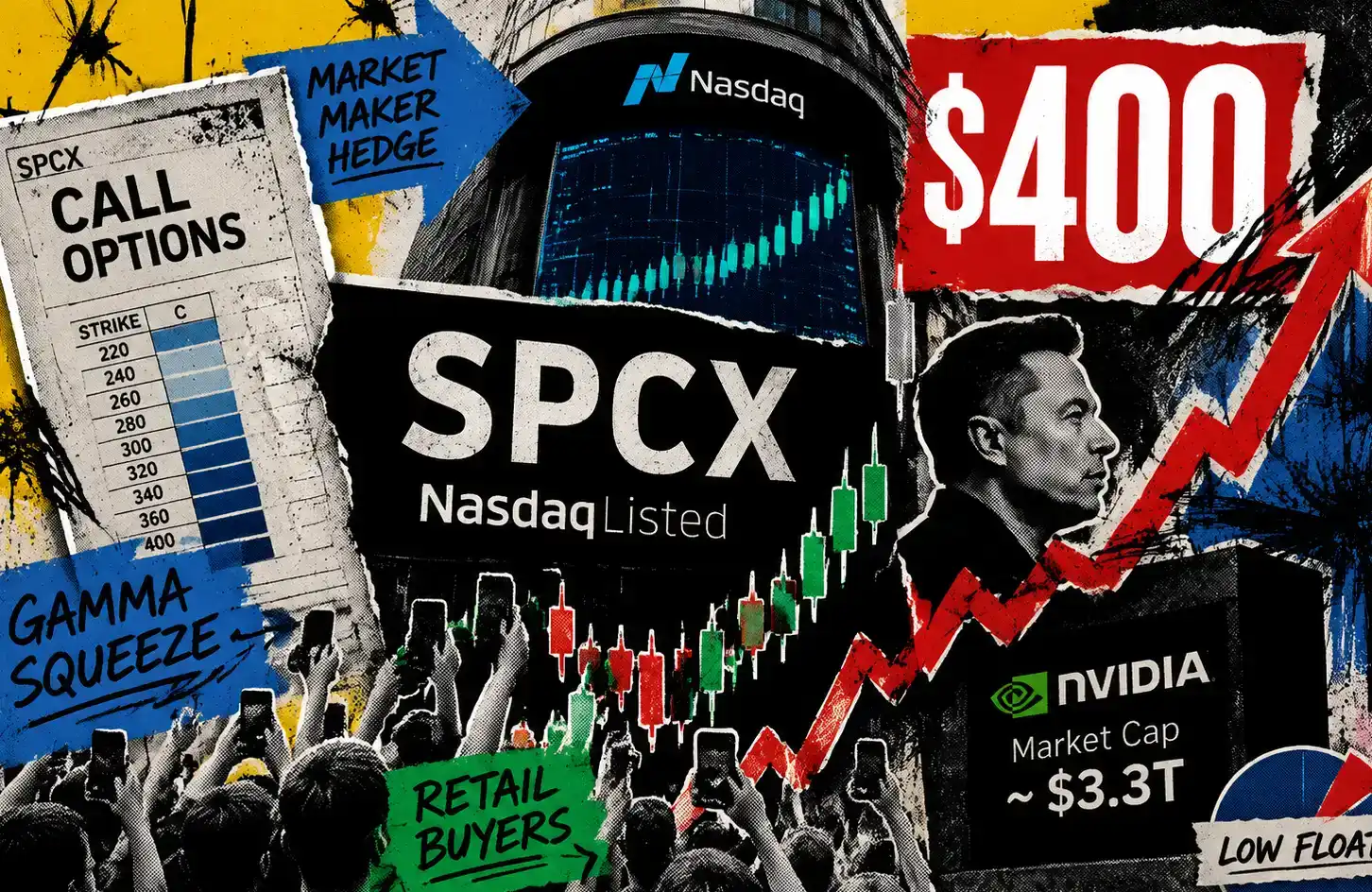
Landasan Valuasi Triliunan Dollar SpaceX: Siapa yang Mengambil Alih Pengeluaran Modal Tahunan Ratusan Miliar Milik Musk?

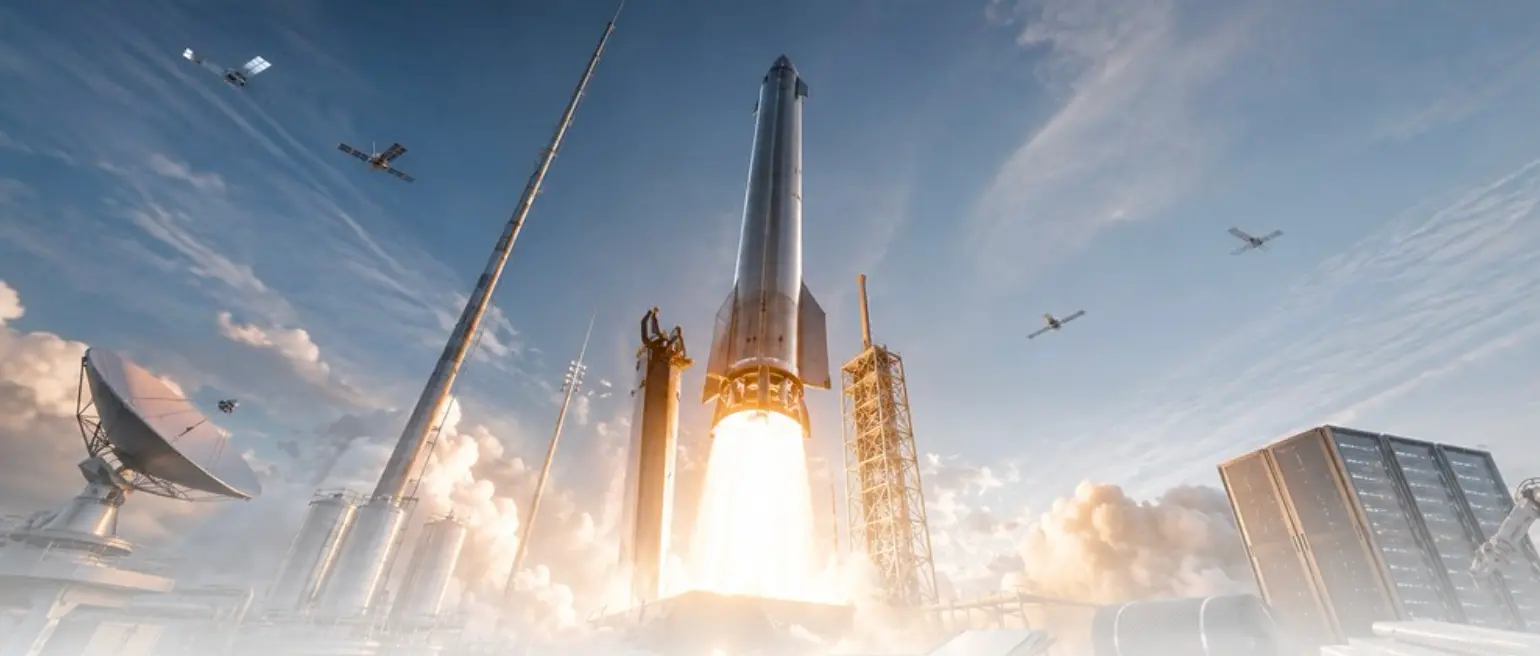
Penulis berpendapat bahwa peluang investasi terbesar dalam eksplosifnya SpaceX saat ini bukan pada saham SpaceX itu sendiri (yang mahal dan masih rugi), melainkan pada para pemasoknya. Ini mengikuti pola sejarah seperti rantai pasokan Apple, Tesla, dan NVIDIA, di mana perusahaan "super terminal" mendorong pertumbuhan luar biasa bagi pemasoknya. SpaceX mengalokasikan ratusan miliar dolar untuk pengeluaran modal tahunan, didanai terutama oleh bisnis Starlink yang menguntungkan. Uang ini dialirkan ke pengembangan roket (untuk menurunkan biaya peluncuran) dan AI/pusat data orbital. Pesanan pembelian besar-besaran ini mengalir ke tiga jenis pemasok: 1. **Pengganti yang Sulit:** NVIDIA (GPU & CUDA), Eutelsat (spektrum satelit), Filtronic (penguat sinyal), Materion (berilium), STMicroelectronics (chip antena). 2. **Pengganti yang Mahal:** Honeywell (kontrol penerbangan), Carpenter Technology (baja khusus), Hexcel (serat karbon), Broadcom (pertukaran data). 3. **Pemasok Produksi Massal:** Wistron NeWeb (perakitan terminal Starlink), dan beberapa perusahaan Tiongkok seperti Shenzhen Sunway (konektor), Paixin New Materials (tempaan), Western Superconductor (paduan niobium), Yingliu Co. (cetakan), serta perusahaan seperti Trimble (sinkronisasi waktu) dan Astronics (distribusi daya). Mengapa sekarang adalah saat yang tepat? (1) Volume pembelian SpaceX baru akan meningkat pesat (target 100 peluncuran/tahun, 3000 juta terminal Starlink). (2) Transparansi data melalui IPO memungkinkan pelacakan pesanan. (3) Siklus rantai pasokan mirip dengan tahap awal Tesla (sekitar 2018), menawarkan peluang pertumbuhan jangka panjang. Kesimpulannya, alih-alih membeli saham SpaceX yang fantastis, investor dapat mempertimbangkan perusahaan-perusahaan di balik layar yang menerima pesanan besar dan stabil, terlepas dari volatilitas harga saham SpaceX. Namun, setiap perusahaan perlu dianalisis secara individual dengan mempertimbangkan risiko seperti siklus komoditas, geopolitik, dan perubahan teknologi.

marsbit1j yang lalu

Landasan Valuasi Triliunan Dollar SpaceX: Siapa yang Mengambil Alih Pengeluaran Modal Tahunan Ratusan Miliar Milik Musk?

marsbit1j yang lalu

Landasan Valuasi Triliunan Dolar SpaceX: Siapa yang Mengambil Porsi Belanja Modal Ratusan Miliar Elon Musk Tiap Tahun?

Pondasi valuasi triliunan dolar SpaceX: Siapa yang membagi ratusan miliar belanja modal tahunan Elon Musk? Alih-alih berinvestasi langsung di SpaceX yang IPO dengan valuasi tinggi dan masih rugi, peluang mungkin lebih baik pada rantai pasokannya. Sejarah menunjukkan bahwa raksasa teknologi seperti Apple, Tesla, dan Nvidia telah menciptakan kekayaan besar bagi pemasok mereka. SpaceX beroperasi dengan model: Layanan internet satelit Starlink menghasilkan uang → mendanai pengembangan roket untuk menekan biaya peluncuran → meluncurkan perangkat keras AI ke luar angkasa dengan biaya rendah → menyewakan daya komputasi AI untuk pendapatan baru. Siklus ini menghasilkan pesanan pembelian ratusan miliar dolar AS setiap tahun. Pemasok dapat dikategorikan dalam tiga kelompok: 1. **Pengganti sulit atau tidak mungkin**: NVIDIA (GPU untuk superkomputer), Eutelsat (spektrum radio satelit), Filtronic (amplifier sinyal satelit), Materion (logam berilium), STMicroelectronics (chip antena). 2. **Secara teknis dapat diganti, tetapi biaya peralihannya tinggi**: Honeywell (sistem kendali penerbangan), Carpenter Technology (baja paduan khusus), Hexcel (serat karbon), Broadcom (pertukaran data), Linde (gas industri). 3. **Memerlukan produksi massal yang stabil dengan biaya rendah**: Perusahaan-perusahaan ini memasok komponen untuk perangkat terminal Starlink dan roket. Contohnya termasuk Wistron NeWeb (kontrak perakitan), serta beberapa perusahaan China seperti Sunway Communication (konektor), Paike New Materials (komponen tempa), Western Superconducting (paduan niobium), Yingliu Co (komponen cor). Perusahaan seperti Trimble, Astronics, dan CTS juga menyediakan komponen penting. Mengapa sekarang adalah saat yang tepat? Karena volume pembelian SpaceX baru akan meningkat (target 100 peluncuran/tahun, 30 juta terminal Starlink), transparansi melalui IPO memungkinkan pelacakan pesanan, dan siklus rantai pasokan serupa dengan Tesla pada 2018 - masih di tahap awal pertumbuhan yang curam. Intinya: Pesanan pembelian tahunan SpaceX yang besar, terlepas dari harga sahamnya, akan mengalir ke pemasoknya dan menjadi pendapatan tetap mereka. Inilah peluang yang mungkin lebih dapat diakses daripada berinvestasi langsung di saham SpaceX.

链捕手1j yang lalu

Landasan Valuasi Triliunan Dolar SpaceX: Siapa yang Mengambil Porsi Belanja Modal Ratusan Miliar Elon Musk Tiap Tahun?

链捕手1j yang lalu

Trading

Spot
Futures

Artikel Populer

Cara Membeli CHIP

Selamat datang di HTX.com! Kami telah membuat pembelian USD.AI (CHIP) menjadi mudah dan nyaman. Ikuti panduan langkah demi langkah kami untuk memulai perjalanan kripto Anda.Langkah 1: Buat Akun HTX AndaGunakan alamat email atau nomor ponsel Anda untuk mendaftar akun gratis di HTX. Rasakan perjalanan pendaftaran yang mudah dan buka semua fitur.Dapatkan Akun SayaLangkah 2: Buka Beli Kripto, lalu Pilih Metode Pembayaran AndaKartu Kredit/Debit: Gunakan Visa atau Mastercard Anda untuk membeli USD.AI (CHIP) secara instan.Saldo: Gunakan dana dari saldo akun HTX Anda untuk melakukan trading dengan lancar.Pihak Ketiga: Kami telah menambahkan metode pembayaran populer seperti Google Pay dan Apple Pay untuk meningkatkan kenyamanan.P2P: Lakukan trading langsung dengan pengguna lain di HTX.Over-the-Counter (OTC): Kami menawarkan layanan yang dibuat khusus dan kurs yang kompetitif bagi para trader.Langkah 3: Simpan USD.AI (CHIP) AndaSetelah melakukan pembelian, simpan USD.AI (CHIP) di akun HTX Anda. Selain itu, Anda dapat mengirimkannya ke tempat lain melalui transfer blockchain atau menggunakannya untuk memperdagangkan mata uang kripto lainnya.Langkah 4: Lakukan trading USD.AI (CHIP)Lakukan trading USD.AI (CHIP) dengan mudah di pasar spot HTX. Cukup akses akun Anda, pilih pasangan perdagangan, jalankan trading, lalu pantau secara real-time. Kami menawarkan pengalaman yang ramah pengguna baik untuk pemula maupun trader berpengalaman.

266 Total TayanganDipublikasikan pada 2026.04.21Diperbarui pada 2026.06.02

Cara Membeli CHIP

Diskusi

Selamat datang di Komunitas HTX. Di sini, Anda bisa terus mendapatkan informasi terbaru tentang perkembangan platform terkini dan mendapatkan akses ke wawasan pasar profesional. Pendapat pengguna mengenai harga CHIP (CHIP) disajikan di bawah ini.

活动图片