By Sleepy
Silicon Valley has also started "hooking up with old men."
Of course, not in that way. There are no small-town girls calling middle-aged men "brother" here, nor are there 20-yuan WeChat red packets with a "you're so amazing" message attached. The Silicon Valley version is more respectable, and much more expensive.
Here, the "old men" are a group of twenty- and thirty-something tech nouveau riche, holding Nvidia options or OpenAI stock, living in high-rise apartments in the SoMa district. They aren't old, but they already carry an aura of age. They have money, their heads are full of ideas but they can't find anyone to tell them to, and when they do speak, no one takes them seriously. Eventually, they discover that "someone listening to me seriously" is something you can buy. In a small town, it costs twenty yuan; in Silicon Valley, it's three thousand to six thousand dollars an hour.
In June 2026, San Francisco has two faces.
The daytime face is easy to recognize. OpenAI and Anthropic have successively submitted confidential IPO filings to the U.S. Securities and Exchange Commission, with the two AI giants preparing to go public almost simultaneously. Even earlier, OpenAI allowed over six hundred employees to cash out approximately $66 billion through the secondary market. Jensen Huang also said Nvidia has minted quite a few billionaires.
This is the daytime story, the wealth-creation story written in funding news and financial headlines.
The nighttime face is rarely shown to the public. In the same city, a group of young women who claim to understand AI, GPUs, longevityism, and cryptocurrency have begun offering high-end companionship services to Silicon Valley tech people for several thousand dollars an hour. A significant portion of their clientele are the very people who appear in those funding news stories during the day.
AI sucks money in, the money changes the shape of the city, the city changes the people living in it, and their loneliness and dignity also grow a price tag.
First, Money Changed the City's Shape
Three years ago, everyone thought San Francisco was finished.
The pandemic hollowed out downtown office buildings. Remote work sent programmers to Austin, Miami, even Bali. In the Mid-Market district where Twitter's headquarters was located, tents lined the streets, and faded 'For Lease' signs on empty storefronts went untorn.
Back then, if you told people you were still in San Francisco, they looked at you with pity. An American city built on "innovation" was being described as "in decline" for the first time.
Then AI brought the money.
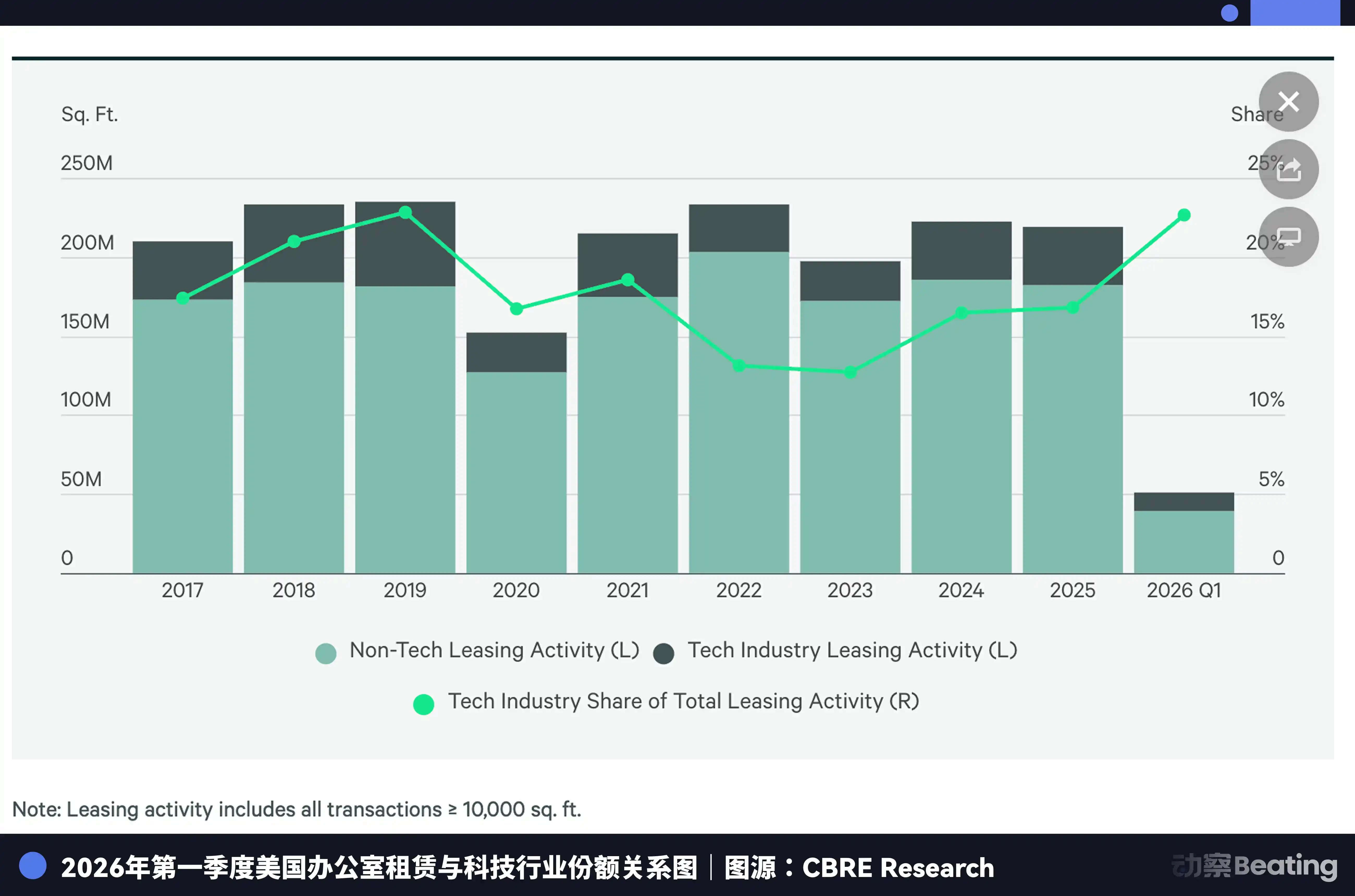
According to a CBRE report in May 2026, AI companies are strongly driving office leasing recovery in the San Francisco Bay Area. Anthropic has leased large swaths of office space in the SoMa district, OpenAI moved into a new landmark in Mission Bay, and large and small AI companies have filled up South Beach and the Design District. Three years ago, half these buildings were empty; now, you have to queue to rent an office on this street.
Once the office buildings filled up, residential rents followed.
By June 2026, the median rent for a one-bedroom in San Francisco had risen to $4,000, 20% higher than a year ago. SoMa saw a 36% increase, Mission Bay 22%, South Beach 21%. These numbers seemed to ripple outward, following the locations of AI company offices.
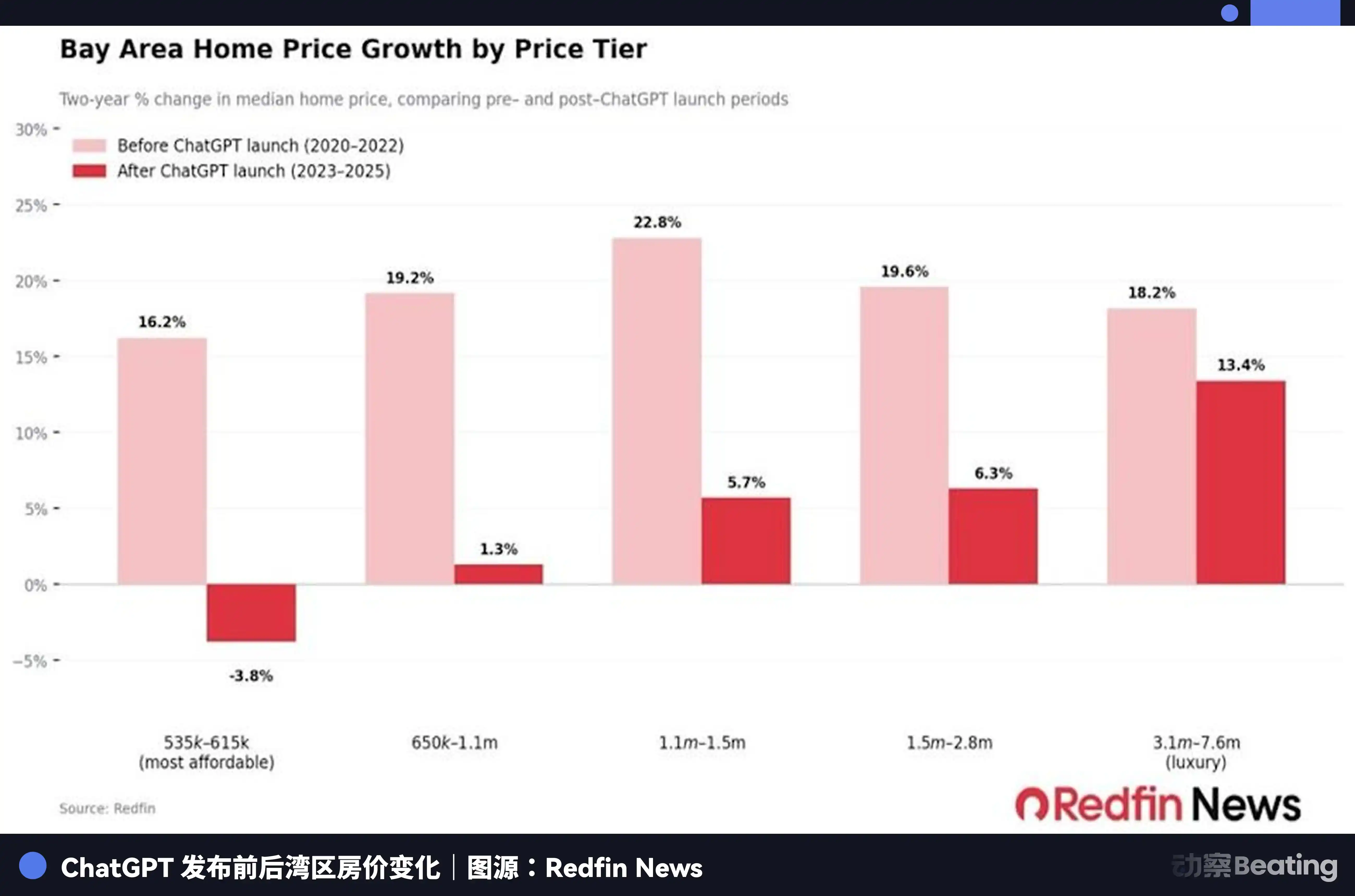
There's an Edwardian-style house listed for $2.995 million whose property description even includes a special note: "Seller accepts Anthropic or OpenAI stock as payment."
This is how a city comes back to life, sometimes down to this level of detail. In the past, buying a house relied on cash, loans, and family help. Now, you can also rely on stock from a pre-IPO AI company.
Luxury homes get more expensive, ordinary people's homes become increasingly unaffordable. The same city, the same wave of prosperity, but which world you belong to depends entirely on whether you are part of the AI food chain.
San Francisco and Oakland are only separated by a bay bridge, but rents on either side feel like two different worlds. By the end of 2025, one-bedroom rents in San Francisco were about 70% higher than in Oakland. Some stay in the city, writing code, wiping tables, serving coffee, delivering food for these companies; others have to go farther to find housing they can still afford.
San Francisco has indeed come back to life. But this time, it revived around a small group of people. Office buildings are rented for them, housing prices rise following them, the entire city increasingly operates as if it were built for this small group.
Next to Every Gold Rush, a Street Grows
Once the city's shape is altered, what follows is the alteration of its inhabitants' lives. This is nothing new. California's own history has played it out in full.
Gold was discovered in California in 1849, and hundreds of thousands flocked to San Francisco. Later, everyone knew most gold miners didn't get rich. Levi Strauss got rich selling dry goods, fabrics, and workwear; Wells Fargo got rich handling remittances for mining areas; hotels, taverns, and gambling houses in Sacramento got rich. The gold miners walked ahead, and the businesspeople followed.
Common sense explains it. A bunch of people suddenly have money, all crammed in one place. They need to eat, have somewhere to live, and find some entertainment after a hard day's work. Where there's demand, supply follows. First come the shovel and tent sellers, then the bankers and postmasters, finally the tavern, casino, and brothel owners. From survival to pleasure, it's always been in that order.
The AI wave is the same. The shovel sellers arrived first: GPUs, cloud computing, data centers—these are upfront businesses anyone can see. Then came the VCs, lawyers, headhunters, wealth managers.
After the money lands in personal accounts, some help them buy houses, some teach them how to live longer, some accompany them to the gym, some manage their charitable giving.
And then, it's "hooking up with old men."
A wealth advisor said many of the AI nouveaux riches he has met show no interest in luxury cars or watches, and don't even know what to do with the money. They are too young, inexperienced with spending, and have few friends. But they share one thing: each has a complete set of ideas about the world's future in their head—AGI, longevity, entropy reduction, how civilization should develop—they can talk for hours without repeating themselves. The problem is no one listens; people around them start looking at their phones after three sentences.
Lots of money, little time, poor at making friends, heads full of ideas with nowhere to share them. Put these together, and you have a very clear demand, clear enough for someone to build a business around it.
Knowing GPUs Is Better Than Knowing How to Flirt
Forbes recently published a report interviewing a few of these people. Through them, you can see what this city is becoming.
Meida Marek originally wanted to go into finance.
Fresh out of school, she was a junior analyst at a company, running data, building models, writing reports every day. The work wasn't hard, and the path was clear. Then she did the math: language models could write reports ten times faster than her, for free. How long could her job last?
After the calculation, she felt uncertain.
But she had other skills. She was smart, a good conversationalist, and she genuinely understood AI, cryptocurrency, biohacking, and longevityism—not just surface-level knowledge. These topics just happened to be Silicon Valley nouveau riche's favorites. So she switched directions, starting a high-end companionship service, with clients being AI tech people, charging $3,500 an hour. Her schedule filled up quickly within months, and her rates nearly doubled.
A young person afraid of AI taking her job took a turn and made more money from the wealthy created by AI. Inspiring and absurd.
She wasn't the only one eyeing this business.
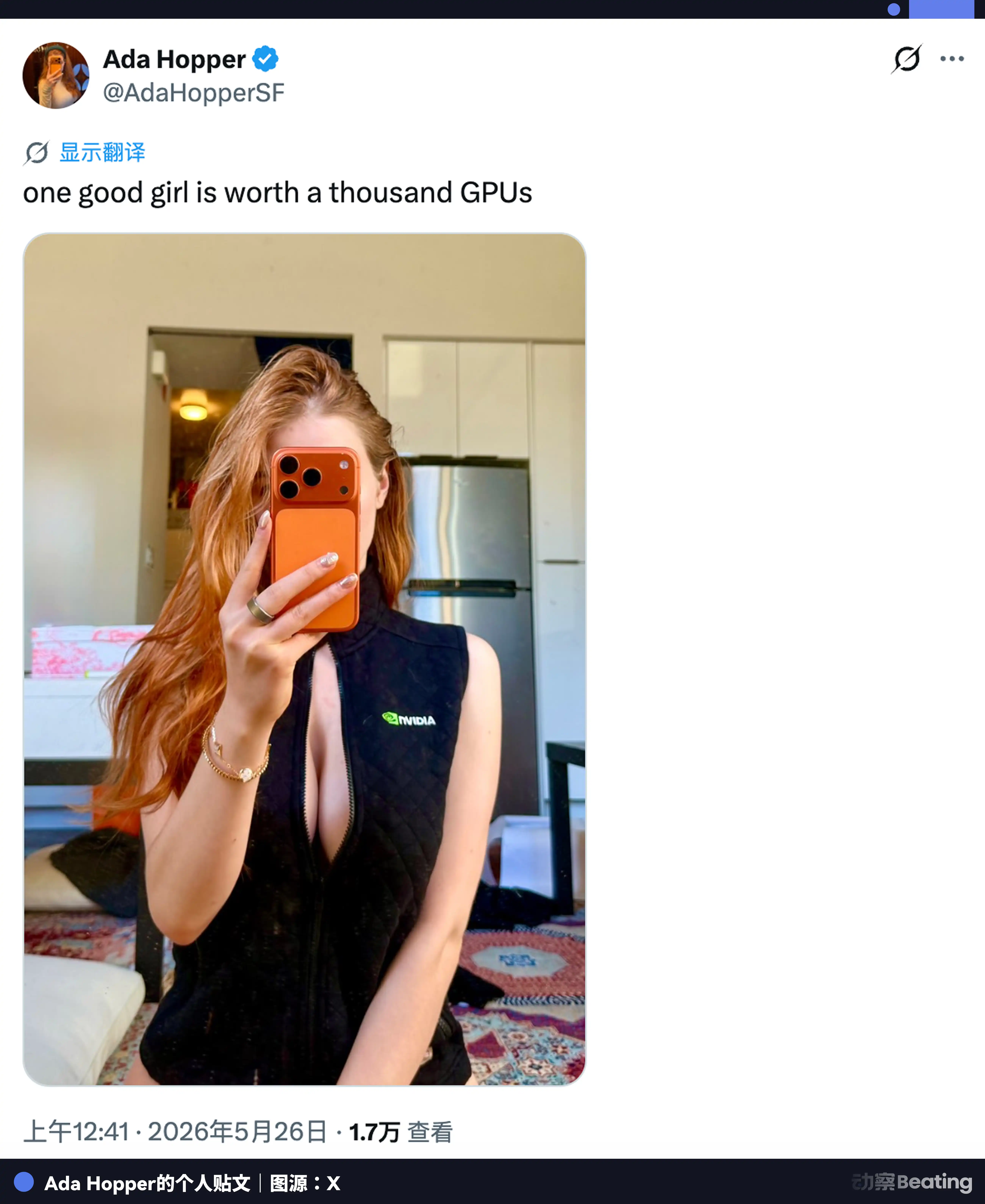
Ada Hopper charges $5,000 an hour. She once said something spot-on: talking about AI with these clients works very well; tech guys get excited because a beautiful woman knows what a GPU is.
Think about what that sentence means. The client pays five thousand dollars an hour, not just for beauty; a vase isn't worth that price. What's worth it is a beautiful person who also understands what you're saying, who can keep up when you talk about GPUs, who won't zone out when you discuss your worldview, and who you dare not look down upon.
Talia Sable is a former programmer, her bio says huge nerd, loves Dungeons & Dragons, AI, and supply chain management. Charges $3,000 an hour, schedule also fully booked.
Aella entered the scene earlier, reportedly charging up to $6,000 an hour. She promoted a concept called "nerd-first." The idea is that beautiful women should not just accompany the client's time and body, but also take their intellect and ideas seriously. In plain language: I don't just listen to your worldview; I genuinely find it interesting.
This business is new, but the need it fulfills is older than Silicon Valley.
In the karaoke bars of the eighties and nineties, the most valuable skill of a hostess wasn't beauty, it was knowing how to say, "Boss, you're amazing." The boss knew this was fake. But it didn't matter. Outside, he was a nobody; inside the bar, spending a few hundred yuan, he could be a big shot for a night. He knew it was bought, but bought was fine.
They had one good point: they didn't lie to themselves.
These Silicon Valley folks don't have that virtue. They pay five thousand dollars an hour to chat with a beautiful woman about AGI and humanity's future, then tell themselves this is high-quality intellectual exchange. Maybe it is. But if it's truly intellectual exchange, why must the other person be both beautiful and skilled at complimenting you? You could have an intellectual exchange with an MIT professor for free.
The reason is simple. He doesn't want exchange; he wants someone sitting across from him, taking him seriously. Exactly like the karaoke bars.
When he talks about AGI with friends, no one listens; when he chats about transformers, people lose interest after three sentences. Now, an intelligent and attractive person sits opposite him and says, "Go on." He finally feels taken seriously. This feeling costs three to six thousand dollars an hour, market price, fair and square.
In this brave new world, knowing GPUs works better than knowing how to flirt.
Longevity, Ketogenic Diets, and Local Models
Ada Hopper was terribly nervous before meeting her first client. Only after sitting down did she realize what the client most wanted to talk about aligned with her own interests: intermittent fasting, metabolic health, ketogenic diets. They discussed research papers half the night. Five-thousand-dollar-an-hour high-end companionship spent debating how to eat meat more scientifically.
Traditional wealthy people spend money to be seen. Buying a Ferrari, wearing a Patek Philippe—the money spent needs to be visible. Silicon Valley folks are the opposite. They spend money for themselves to see, or rather, for their bodies to see. They don't buy luxury cars or watches; ask a recently cashed-out engineer worth tens of millions what he's bought lately, and he'll say a Mac Mini to run local models. Ask another, and he'll say he's on a ketogenic diet, aiming to live to 120.
Marek has a client who completely adopted the longevityist ideas from her, even seeing it as a moral responsibility. He believed if technology could make people live longer, not pursuing it was a form of negligence. Later, influenced by Marek, he lost 50 pounds.
Another client gifted Marek a Mac Mini. Not a designer bag, not jewelry, but a small computer that can run AI models locally, because he thought Marek should have her own local inference capability. Someone else created AI-generated digital art specifically for her.
International travel, shopping trips to Europe, even indoor wingsuit flying. She herself, however, prefers older things. Antique jewelry, Edwardian-era vintage clothing, and mechanical movements hidden in small objects. She likes watching those tiny gears spin round and round. This hobby and her clients' study of Transformers share a common thread.
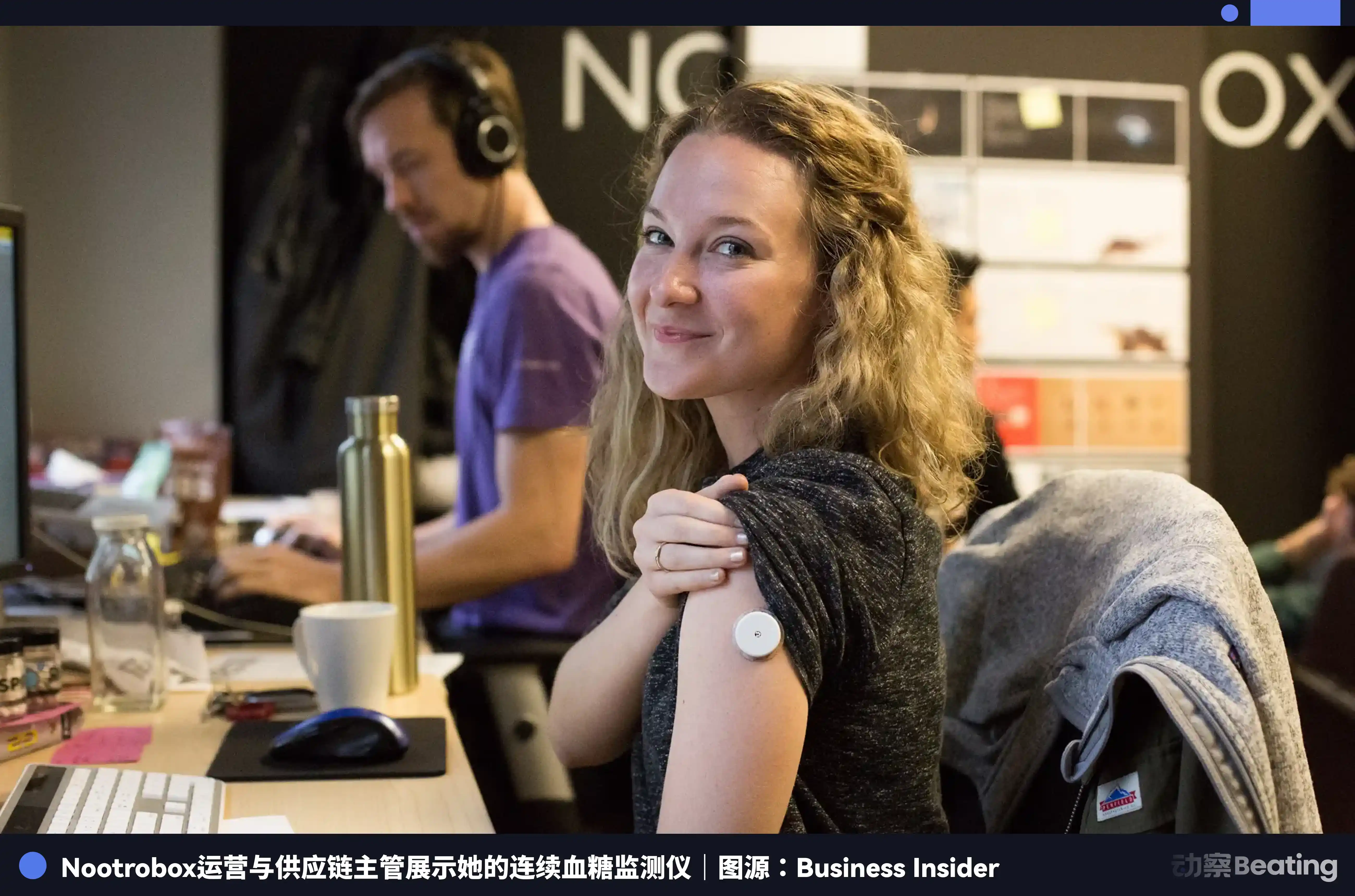
This isn't the sensual extravagance of traditional wealth. Today's wealthy study how to live twenty years longer while also running a large model at home. They are very meticulous about their bodies, like a diligent engineer tending to a newly purchased machine.
What to eat each day, how many hours to sleep, heart rate, body fat percentage—best to record it all. As long as there is a curve graph, they feel a bit more at ease. The act of living, in their hands, becomes very much like a long-term experiment, with themselves as the subject. Qin Shi Huang sent people overseas; San Francisco's wealthy watch their sleep curves. The methods have advanced considerably, but the desire hasn't changed much.
Unfortunately, some things aren't so cooperative. Like a person sitting across from you, listening to you say things of little use. You don't know when they'll get bored, or why they suddenly laugh. This can't be quantified and doesn't offer stable returns. Precisely because of that, it's expensive.
Before models change the world, they first change the nights of the wealthy.
Wake Up, Night City
Now, we can almost see what this city looks like.
Here, companies don't need to be mayors to decide who stays and who leaves. Someone just sold part of their options, adding thirty million dollars to their account. They study longevity, sleep, how to optimize their bodies to peak condition. When bored at night, they can spend a few thousand dollars to have an intelligent, attractive person sit down and talk with them.
The lives of others are much simpler. Wake up at six in the morning, set out from Oakland or farther away, commute over an hour into the city. Some write code for these companies, some wipe office tables, some serve coffee, deliver food, drive for ride-sharing apps. With a monthly rent of $3,415 on the table, they can only live farther and farther away.
This city deeply believes in technology. Believes bodies can be optimized, sleep can be optimized, work efficiency can be optimized. Human relationships can also be turned into a service. Open your phone, choose, book, pay, cancel. Not much different from calling a car.
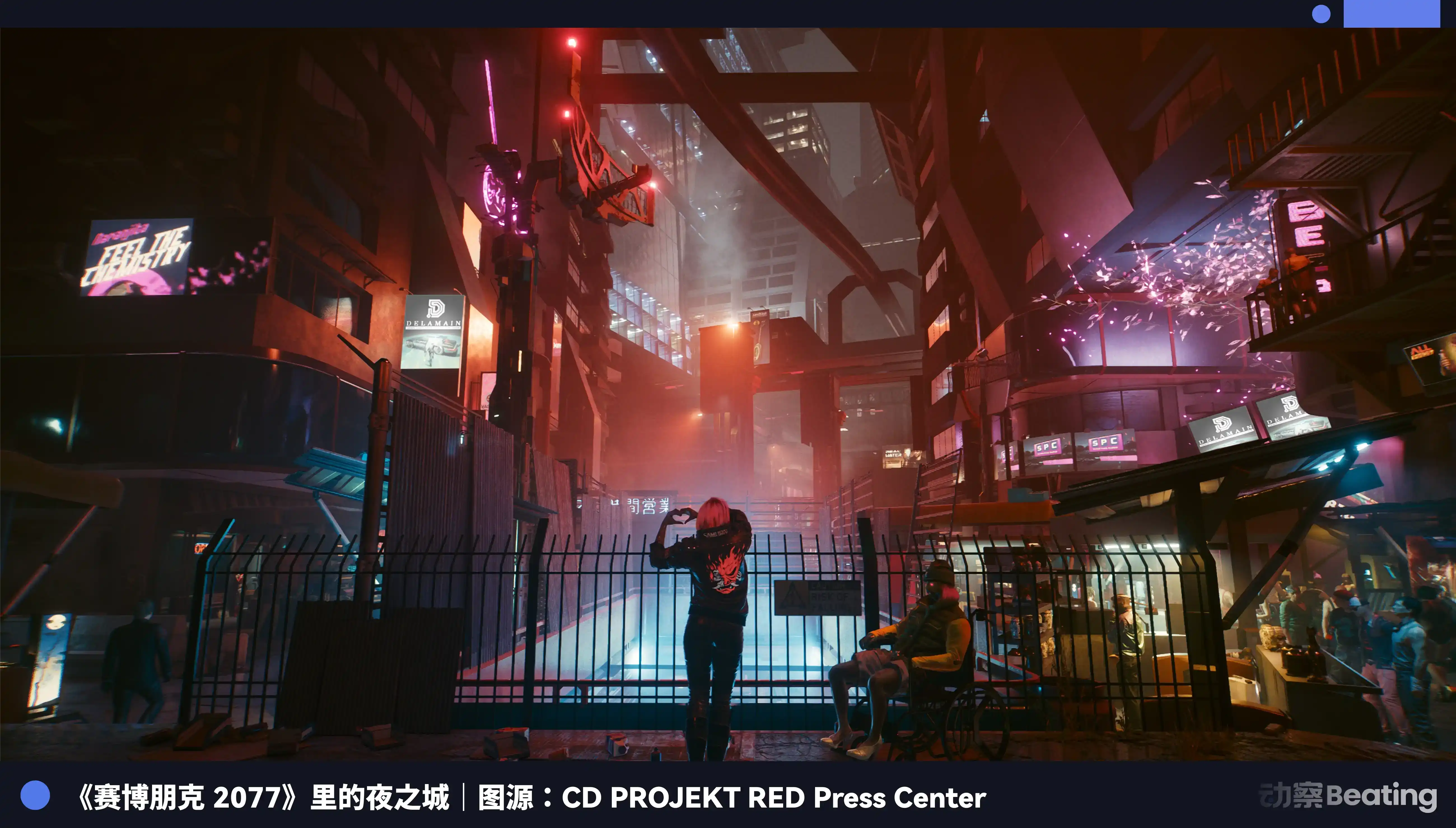
Those who have played Cyberpunk 2077 might find this somewhat familiar. Developer CD Projekt Red wrote this introduction for Night City: It's a megalopolis obsessed with power, glamour, and body modification.
Replace body modification with longevityism and Biohacking, replace glamour with AGI, replace power with AI companies and valuation tables, and this sentence could almost be pasted verbatim onto San Francisco's 2026 city introduction page.
Cyberpunk has never been an aesthetic. Neon lights on the streets don't make it cyberpunk, nor do robots. It's a social structure of high technology and low quality of life for most.
Technology becomes increasingly advanced, but people become less and less like the same species. Some have already started considering how to surpass natural limitations, make their bodies live longer, keep their minds sharp, and outsource all the annoying parts of life. Others are still calculating how far they need to move to stay in this city.
Night City didn't start with mechanical prosthetics.
It started when a city gradually accepted this arrangement. Some constantly upgrade, others constantly retreat. They ride the same elevator in a building, wait at the same traffic light on a street, then return to completely different worlds.
San Francisco doesn't have that many neon lights, and it rarely rains. But it always makes you think of Night City.