3 reasons why the Bitcoin price bottom is not in

CointelegraphDipublikasikan tanggal 2022-08-21Terakhir diperbarui pada 2022-08-23

Abstrak

Bear market fractals, weak technicals and macro risks continue to signal more pain for Bitcoin ahead.

Bitcoin (BTC) recovered modestly on Aug. 20 but remained on course to log its worst weekly performance in the last two months.

Bitcoin hash ribbons flash bottom signal

On the daily chart, BTC's price climbed 2.58% to $21,372 per token but was still down by nearly 14.5% week-to-date, its worst weekly returns since mid August. Nonetheless, some on-chain indicators suggest that Bitcoin's correction phase could be coming to an end.

That includes Hash Ribbons, a metric that tracks Bitcoin's hash rate to determine whether miners are in accumulation or capitulation mode. As of Aug. 20, the metric is showing that the miners' capitulation is over for the first time since August 2021, which could result in the price momentum switching from negative to positive.
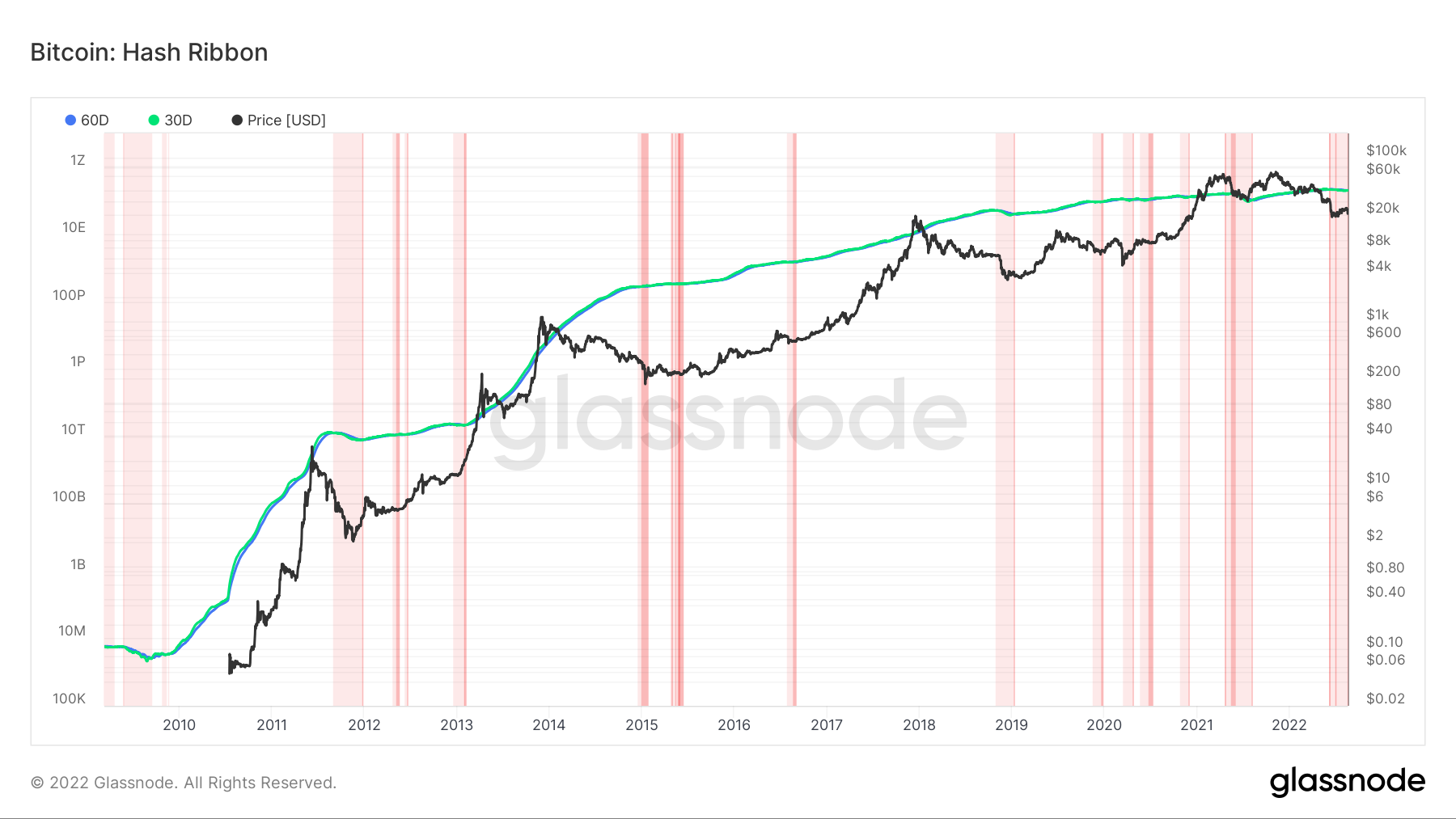
Nonetheless, Bitcoin has been unable to shrug off a flurry of prevailing negative indicators, ranging from negative technical setups to its continued exposure to macro risks. Therefore, despite optimistic on-chain metrics, a bearish continuation cannot be ruled out.

Here are three reasons why Bitcoin's market bottom may not be in yet.

BTC price rising wedge breaks down

Bitcoin's price decline this week has triggered a rising wedge breakdown, suggesting more losses for the crypto in the coming weeks.

Rising wedges are bearish reversal patterns that form after the price rises inside a contracting, ascending channel but resolve after the price breaks out of it to the downside, which could result in a drop to as low as the maximum wedge's height.
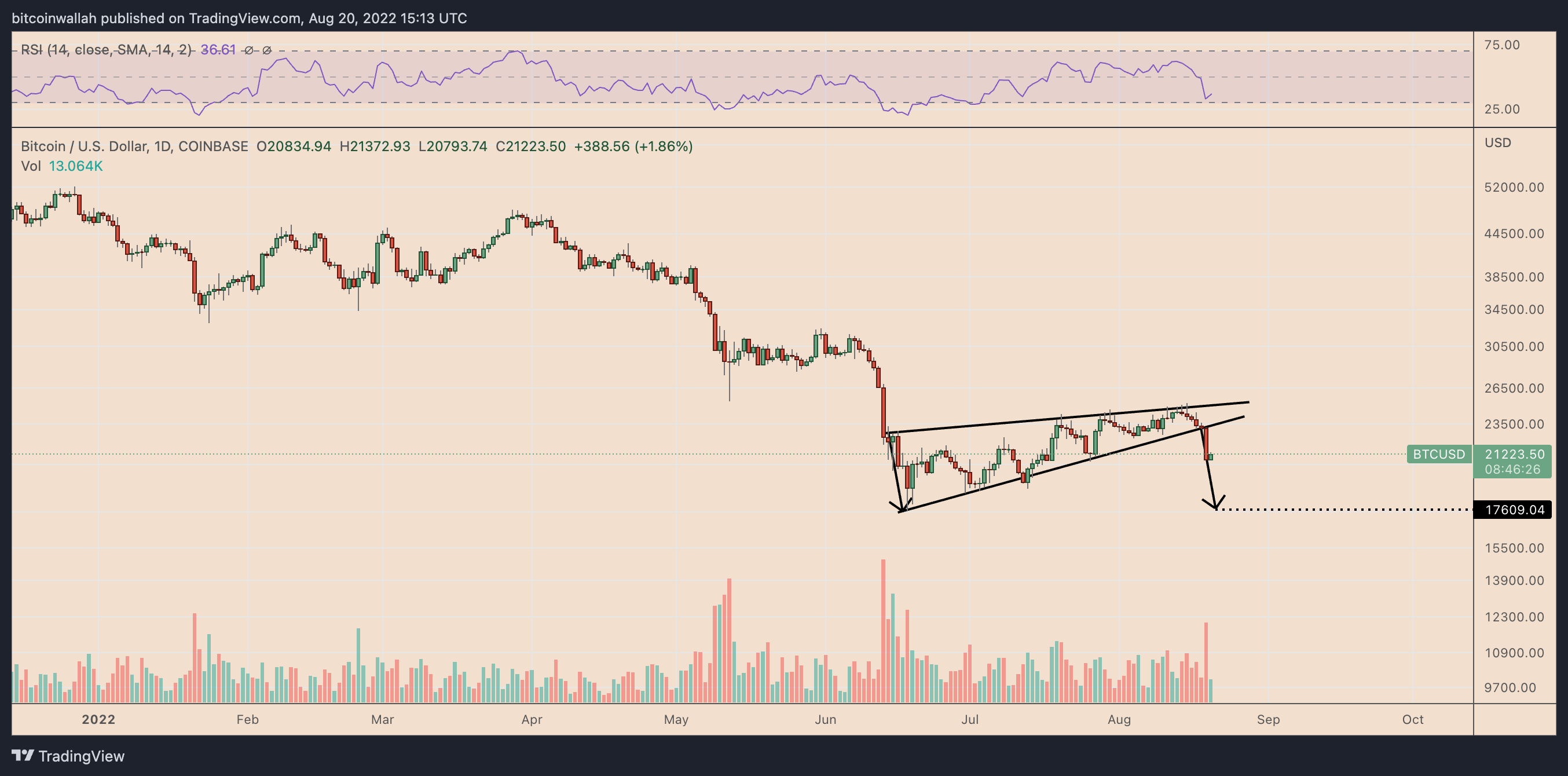
Applying the technical principles on the BTC chart above presents $17,600 as the rising wedge breakdown target. In other words, the Bitcoin price could fall by approximately 25% by September.

Bitcoin bulls are misjudging the Fed

Bitcoin had surged by approximately 45% during its rising wedge formation, after bottoming out locally at around $17,500 in June.

Interestingly, the period of Bitcoin's upside moves coincided with investors' growing expectations that inflation has peaked—and that the Federal Reserve would start cutting interest rates as soon as March 2023.

The expectations emerged from the Fed Chairman Jerome Powell's FOMC statement from July 27.

Powell:

"As the stance of monetary policy tightens further, it likely will become appropriate to slow the pace of increases while we assess how our cumulative policy adjustments are affecting the economy and inflation."

Nonetheless, the most recent Fed dot plot shows that most officials anticipate the rates to reach 3.75% by the end of 2023 before sliding back down to 3.4% in 2024. Therefore, the prospects of rate cuts remain speculative.
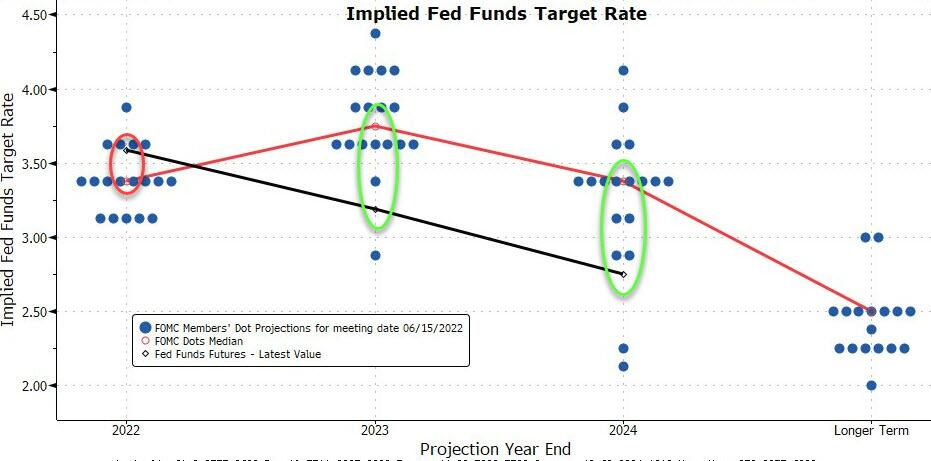
St Louis Fed president James Bullard also noted that he would support a third consecutive 75 basis point raise at the central bank’s policy meeting in September. The statement falls in line with the Fed's commitment to bring inflation down to 2% from its current 8.5% level.

In other words, Bitcoin and other risk-on assets, which fell into a bear market territory when the Fed began an aggressive tightening cycle in March, should remain under pressure for the next few years.

If history is any indicator...

The ongoing Bitcoin price recovery risks turning into a false bullish signal given the asset's similar rebounds during previous bear markets.
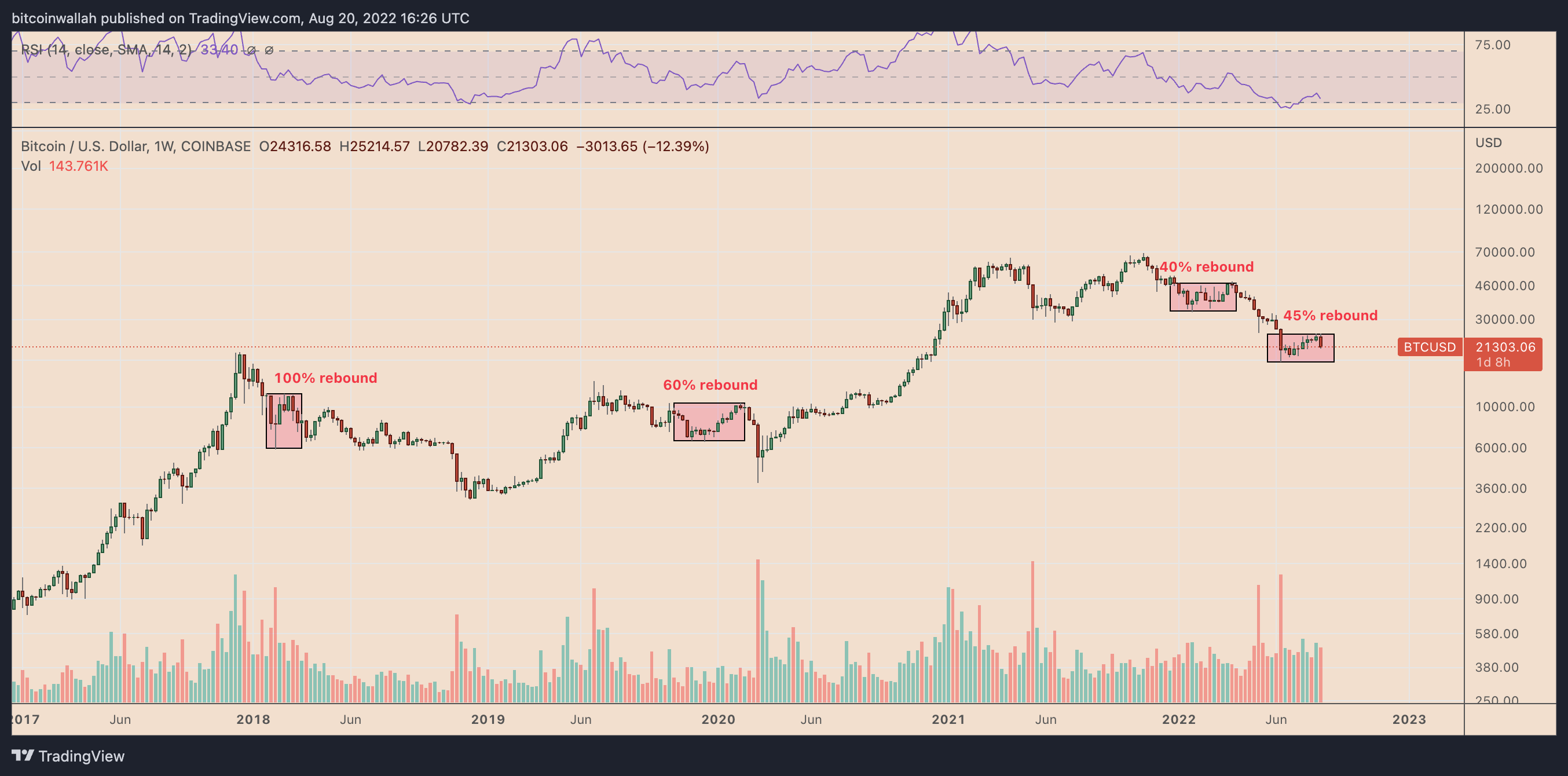
BTC's price rebounded by nearly 100%—from around $6,000 to over $11,500—during the 2018 bear market cycle, only to wipe-off the gains entirely and drop toward $3,200. Notably, similar rebounds and corrections also took place in 2019 and 2022.


Bacaan Terkait

CPU Kembali ke Meja Permainan, Drama "Peningkatan Posisi" Senilai 170 Miliar Dolar Dimulai

CPU Kembali ke Meja, Drama “Naik Takhta” Senilai 1700 Miliar Dolar Dimulai Pada 1 Juni, Nvidia meluncurkan Vera CPU, menandai pertama kalinya perusahaan tersebut merilis lini produk CPU independen. CEO Nvidia Jensen Huang menyatakan, di era AI Agent, CPU telah menjadi hambatan kinerja kunci di pusat data. Pasar CPU server diproyeksikan tumbuh pesat, dari sekitar 300 miliar dolar AS pada 2025 menjadi sekitar 1700 miliar dolar AS pada 2030, didorong oleh permintaan AI. Dalam beban kerja AI Agent, CPU menangani 70% atau lebih dari total pekerjaan, karena tugas-tugas seperti pemanggilan alat eksternal dan manajemen konteks sangat intensif. Rasio GPU terhadap CPU dalam penyebaran AI juga menyusut, dari 8:1 menjadi sekitar 4:1, bahkan mendekati 1:1 dalam skenario Agent tertentu. Perubahan ini telah menyebabkan peningkatan harga CPU server sebesar 10-15%, kenaikan pertama dalam lebih dari satu dekade. Nvidia, AMD, dan Intel semua berinvestasi besar-besaran di CPU. Nvidia memproyeksikan pendapatan terkait CPU mendekati 200 miliar dolar AS pada 2026. Pertumbuhan pasar ini juga membuka peluang bagi rantai pasokan CPU China, seperti Haiguang Information dan Huawei, yang diuntungkan oleh permintaan industri dan kebijakan substitusi impor. Intinya, sementara GPU tetap penting, kemampuan sinergi antara CPU dan GPU akan menjadi pembeda utama dalam penerapan AI skala besar berikutnya.

marsbit7j yang lalu

CPU Kembali ke Meja Permainan, Drama "Peningkatan Posisi" Senilai 170 Miliar Dolar Dimulai

marsbit7j yang lalu

Kantor Intelijen TechFlow: Direktur AI AMD Secara Terbuka Mengkritik Claude Code "Menjadi Lebih Bodoh dan Lebih Malas", Trump Klaim Gencatan Senjata Lengkap di Selat Hormuz Tetapi Masih Ada 80 Ranjau Laut yang Harus Dibersihkan

**Wired** melaporkan SK Telecom, mitra strategis Anthropic, sedang ditinjau kontrol ekspor AS terkait potensi transfer teknologi model Mythos. Seorang pengguna Reddit mengeluh Gemini memberikan saran menyesatkan dalam skenario penipuan, memicu diskusi tentang batasan keamanan AI. **Z.AI** merilis model GLM-5.2 China yang diklaim setara Claude Opus tanpa menggunakan chip Nvidia. **0G Labs** mencapai tonggak 100 miliar token untuk inferensi AI terdesentralisasi. Kemampuan visual **DeepSeek** memicu perbandingan dengan GPT-4V di platform Zhihu. Di sektor **Web3**, Bithumb menambahkan pasangan perdagangan RE, sementara Upbit menghapus pasangan KERNEL. Peneliti **MIT** membangun sistem operasi sendiri untuk memahami chip. AS klaim peralatan litografi ASML canggih mungkin telah masuk ke China, namun ASML membantah. **Amazon** dilaporkan bernegosiasi menjual chip AI Trainium/Inferentia mereka. **Apple** dikabarkan akan menggunakan proses N2P eksklusif untuk chip A21 Pro. **GitHub** ditemukan memiliki 10.000 repositori yang mendistribusikan perangkat lunak berbahaya. Apple perbarui firmware untuk tutup celah keamanan di Beats Studio Buds. Karyawan **Amazon** diselidiki internal karena mengkritik ekspansi pusat data AI. **Microsoft** dan **Amazon Web Services** menghadapi pengawasan antitrust ketat dari UE. Saham semikonduktor meroket di pasar saham AS, dengan **Intel** melonjak 10.6%, sementara **SpaceX** turun 3.5%. Meskipun ada pengumuman gencatan senjata di Selat Hormuz, asosiasi tanker memperingatkan masih ada sekitar 80 ranjau laut di jalur utama, menghalangi 80 juta barel minyak yang siap dikirim. Iran menunda perjalanan diplomatik ke Swiss, meragukan prospek perdamaian. **Trump** menyebut kesepakatan dengan Iran sebagai "penyerahan tanpa syarat" dan menegaskan kekuasaan presiden yang tidak terbatas. **Valve** mengalami penumpukan pesanan parah untuk Steam Controller, dengan sebagian pengiriman tertunda hingga 2027. **Inti:** Ketegangan geopolitik di Timur Tengah tetap rapuh dengan ranjau dan ketidakpastian diplomasi, sementara perang teknologi dan rekonfigurasi rantai pasokan semikonduktor terus berlanjut dengan langkah-langkah seperti model AI buatan China dan penjualan chip mandiri Amazon.

marsbit7j yang lalu

Kantor Intelijen TechFlow: Direktur AI AMD Secara Terbuka Mengkritik Claude Code "Menjadi Lebih Bodoh dan Lebih Malas", Trump Klaim Gencatan Senjata Lengkap di Selat Hormuz Tetapi Masih Ada 80 Ranjau Laut yang Harus Dibersihkan

marsbit7j yang lalu

Trading

Spot
Futures
活动图片