SEC Rules Bitcoin Mining Activities Are Not Securities Under US Law

bitcoinistDipublikasikan tanggal 2025-03-21Terakhir diperbarui pada 2025-03-21

Abstrak

The US Securities and Exchange Commission (SEC) has clarified its stance on proof-of-work (PoW) mining, ruling that Bitcoin (BTC) mining...

Trusted Editorial content, reviewed by leading industry experts and seasoned editors. Ad Disclosure

The US Securities and Exchange Commission (SEC) has clarified its stance on proof-of-work (PoW) mining, ruling that Bitcoin (BTC) mining activities do not fall under the definition of securities trading as per US law. 

This long-awaited statement provides essential clarity for crypto miners and the broader blockchain community, confirming that mining operations on public, permissionless networks are not subject to securities regulations.

A New Era For Bitcoin And Dogecoin Miners

The SEC’s decision is expected to have substantial implications for leading cryptocurrencies like Bitcoin and Dogecoin (DOGE), both of which rely on the PoW consensus mechanism to validate transactions and add new blocks to their respective blockchains.

In a statement issued on Thursday, the SEC’s Division of Corporation Finance addressed concerns regarding “Protocol Mining,” concluding that these activities do not involve the “offer and sale of securities” as defined under the Securities Act of 1933.

“It is the Division’s view that ‘Mining Activities’ do not involve the offer and sale of securities within the meaning of Section 2(a)(1) of the Securities Act and Section 3(a)(10) of the Securities Exchange Act of 1934,” the SEC noted. 

This determination means that individual miners and mining pools engaged in these activities are not required to register transactions with the Commission under the Securities Act, nor do they need to fall within any exemptions from registration.

Trump Era Regulations

The SEC’s ruling is particularly important for miners who invest significant resources into computational power and energy costs to secure blockchain networks. 

The decision allows both solo miners and mining pools—where several miners combine their resources to increase their chances of earning rewards—to continue their operations without the burden of regulatory uncertainty.

While the SEC did not specify particular blockchains in its statement, the ruling effectively applies to major PoW networks like Bitcoin and Dogecoin. 

The Commodity Futures Trading Commission (CFTC) has previously classified these assets as commodities rather than securities, further solidifying the regulatory landscape for these cryptocurrencies.

This clarification comes amidst a shift in the regulatory environment under US President Donald Trump, who has positioned himself as a pro-crypto leader. 

Trump’s administration has aimed to make the US a global hub for blockchain and digital assets, establishing the Council of Advisers on Digital Assets to develop industry-friendly regulations. 

The SEC’s confirmation that PoW mining does not constitute securities dealing may bolster confidence among investors and miners alike, signaling a move towards clearer and more favorable regulations in the cryptocurrency space.

Bitcoin
The daily chart shows Bitcoin’s price trending downwards. Source: BTCUSDT on TradingView.com

At the time of writing, Bitcoin trades at $83,875, recording losses of up to 13% in the monthly time frame. 

Featured image from Shutterstock chart from TradingView.com 

Editorial Process for bitcoinist is centered on delivering thoroughly researched, accurate, and unbiased content. We uphold strict sourcing standards, and each page undergoes diligent review by our team of top technology experts and seasoned editors. This process ensures the integrity, relevance, and value of our content for our readers.

Ronaldo is a seasoned crypto enthusiast with over four years of experience in the field. He is passionate about exploring the vast and dynamic world of decentralized finance (DeFi) and its practical applications for achieving economic sovereignty. Ronaldo is constantly seeking to expand his knowledge and expertise in the DeFi space, as he believes it holds tremendous potential for transforming the traditional financial landscape.

Bacaan Terkait

Bitcoin Melonjak Kembali ke $64.000, Ekspektasi Kenaikan Suku Bunga The Fed Turun Drastis?

Bitcoin memantul ke level US$64.000 didorong oleh penurunan ekspektasi kenaikan suku bunga dari Federal Reserve. Setelah sempat merosot tajam, pemulihan ini dipicu oleh data lapangan kerja AS bulan Juni yang lebih lemah dari perkiraan, dengan hanya 57.000 penambahan pekerjaan baru. Data upah yang tetap kuat (kenaikan 3,5% tahun-ke-tahun) menjadi perhatian, namun pasar menafsirkan laporan secara keseluruhan sebagai sinyal potensi pelonggaran kebijakan moneter. Analis memprediksi data Indeks Harga Konsumen (IHK) bulan Juni, yang dirilis 14 Juli, akan menjadi titik kunci. Penurunan harga bensin diperkirakan dapat menekan inflasi, sehingga memungkinkan Fed mempertahankan suku bunga dan tidak menaikkannya. Pernyataan dari Ketua Fed Kevin Warsh yang dianggap lebih lunak di konferensi bank sentral global turut mengurangi taruhan pasar pada pengencangan moneter. Sentimen pasar membaik karena biaya pinjaman yang lebih rendah diharapkan meningkatkan likuiditas dan mendukung aset berisiko seperti bitcoin. Beberapa investor mulai membangun posisi pada perdagangan "penurunan nilai dolar" yang mencakup emas dan kripto, mengantisipasi pergeseran kebijakan Fed di paruh kedua tahun ini. Namun, masa depan bitcoin tetap sangat bergantung pada tiga variabel: aliran dana ETF institusional, perkembangan geopolitik, dan yang terpenting, ekspektasi terhadap kebijakan suku bunga Fed.

Foresight News11m yang lalu

Bitcoin Melonjak Kembali ke $64.000, Ekspektasi Kenaikan Suku Bunga The Fed Turun Drastis?

Foresight News11m yang lalu

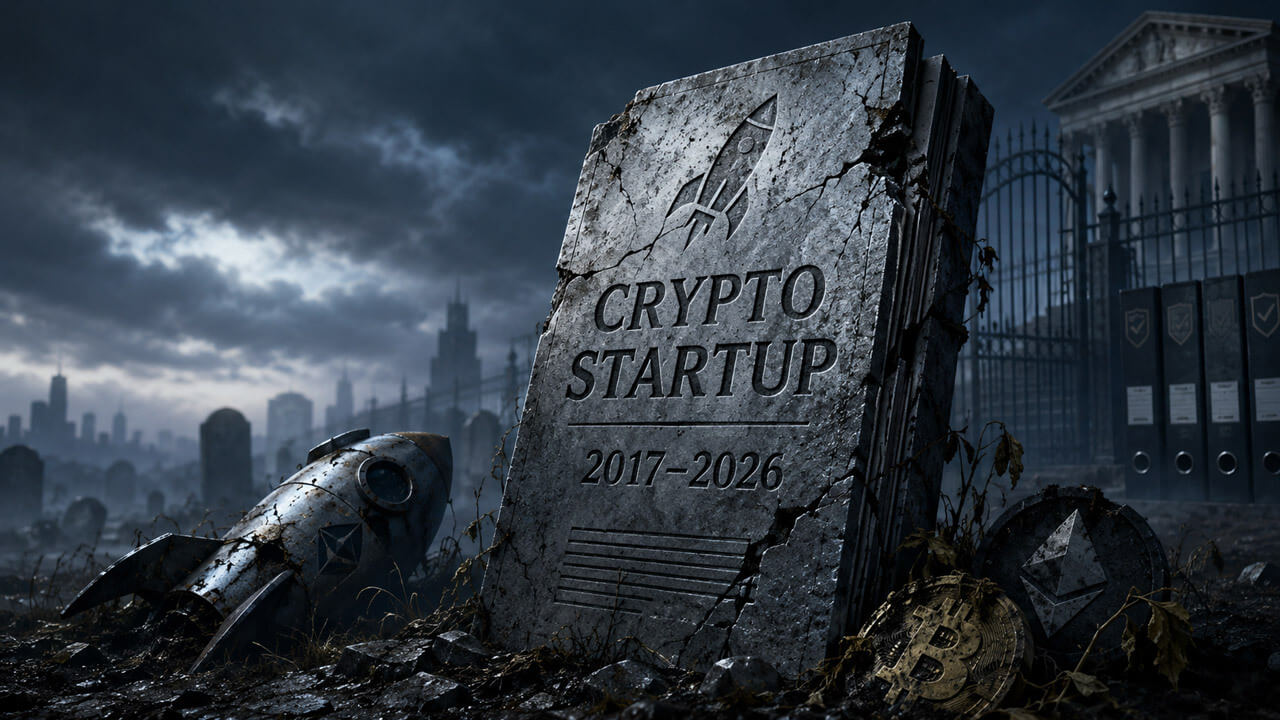
Perubahan Sepuluh Tahun: Jalan Menuju Kepunahan Startup Kripto

**Perjalanan Satu Dekade: Transformasi Ekosistem Startup Kripto dari Masa Inovasi Bebas Menuju Era Kendala Regulasi dan Konsolidasi** Era awal industri kripto (sekitar 2017-2018) ditandai dengan kemudahan memulai bisnis: modal rendah, regulasi minimal, dan kemunculan ICO yang memungkinkan tim kecil dengan ide bagus mengumpulkan dana dari publik secara langsung. Inovasi tumbuh subur, meski banyak proyek akhirnya gagal atau curang. Kini, pada tahun 2026, realitanya berubah total. Startup yang ingin beroperasi secara legal di pasar seperti AS, UE, atau Asia harus menghadapi biaya kepatuhan yang sangat tinggi (hingga jutaan dolar), persyaratan modal minimum, dan proses perizinan yang rumit dan panjang seperti BitLicense atau MiCA. Perubahan ini didorong oleh peristiwa seperti runtuhnya Terra dan FTX, yang mengubah pola pikir regulator dan investor ventura. Aliran modal ventura kini lebih terkonsentrasi pada perusahaan matang (putaran lanjutan/C+) dan infrastruktur inti seperti bursa dan layanan kelembagaan, sementara pendanaan untuk startup tahap awal (seed) menyusut drastis. Akibatnya, inovasi teknologi saja tidak lagi cukup. Kunci sukses kini terletak pada akses ke saluran distribusi, lisensi, kemitraan perbankan, dan kepercayaan institusional—aset yang lebih mudah diperoleh melalui akuisisi ("akuisisi jembatan") daripada dibangun dari nol. Contohnya adalah akuisisi Deribit oleh Coinbase untuk mendapatkan lisensi dan basis klien institusionalnya. Industri menjadi lebih stabil dan menarik bagi investor institusi, tetapi mengorbankan kemampuan pendatang baru tanpa sumber daya besar untuk berinovasi secara bebas. Industri kripto, yang lahir untuk mendemokratisasi keuangan, kini mengikuti kurva kematangan industri tradisional: konsolidasi, hambatan masuk tinggi, dan dominasi oleh pemain mapan yang memiliki sumber daya untuk memenuhi tuntutan regulasi yang ketat. Pertanyaan besarnya adalah apakah masih ada ruang bagi inovator tanpa dukungan besar untuk menciptakan sesuatu yang benar-benar baru.

Foresight News55m yang lalu

Perubahan Sepuluh Tahun: Jalan Menuju Kepunahan Startup Kripto

Foresight News55m yang lalu

Trading

Spot
活动图片