175-Year-Old Western Union: Not Just Playing with Stablecoins, but Also Acquired a Digital Wallet

marsbitDipublikasikan tanggal 2026-04-07Terakhir diperbarui pada 2026-04-07

Abstrak

At 175 years old, Western Union, the global money transfer giant, is undergoing a significant digital shift. After a failed 2018 experiment with Ripple's XRP due to high costs, the company is now aggressively embracing blockchain and digital assets. In April 2026, Western Union acquired Singapore-based digital wallet Dash from Singtel, marking its first digital wallet asset in the Asia-Pacific region. Dash, with 1.4 million users, offers a full suite of services including payments, remittances, savings, insurance, and investments, deeply integrated into Singapore's local life. This move is part of a broader strategy to modernize its legacy business. While Western Union's vast network of over 500,000 physical agent locations remains its backbone, it is also its biggest cost burden. The company faces intense competition from digital-native rivals like Wise and Remitly, which offer significantly lower fees. To compete, Western Union is building a "Digital Asset Network." A key component is its own USD-pegged stablecoin, USDPT, issued on the Solana blockchain in partnership with Anchorage Digital. It is also piloting a stablecoin-linked Visa card with Rain for users in high-inflation countries like Argentina, allowing them to spend or cash out dollars at its agent locations. The acquisition of Dash represents a fundamental change: moving from being a transient "pipe" for money transfers to building a destination where users stay. Dash provides a trusted, established platform ...

Original author: angelilu, Foresight News

In 2018, Western Union conducted a small experiment. They integrated Ripple's cross-border payment product xRapid, using XRP tokens to settle exchanges between the US dollar and the Mexican peso. A total of 10 transactions were tested. After the test, the then CEO publicly stated: Too expensive, did not save any costs. The experiment was paused.

On April 3, 2026, Western Union announced the completion of the acquisition of the Singaporean digital wallet Dash. Dash was originally under Singapore Telecommunications, with 1.4 million users, supporting payments, remittances, savings, insurance, and investments, making it one of the most widely used all-in-one wallets in Singapore. This is the first digital wallet asset acquired by Western Union in the Asia-Pacific region.

Eight years, from "blockchain is too expensive" to issuing its own stablecoin on Solana and now starting to layout crypto wallets, Western Union is quietly undergoing a rebuild.

Western Union's 175 Years

Domestic users may rarely use Western Union and may not even be sure what the name represents. But in over 200 countries and regions worldwide, especially in immigrant communities in Southeast Asia, Latin America, and South Asia, Western Union is almost synonymous with "sending money."

It was founded in 1851, 20 years earlier than China's first telegraph line. It started as a telegraph business, building the first transcontinental telegraph line in the United States. In 1871, it began offering remittance services, using "telegraph transfers" to allow people, for the first time, to send money to another city without carrying cash or being physically present.

More than 170 years later, the core logic remains unchanged: Western Union maintains over 500,000 physical agent locations worldwide, mostly small supermarkets, convenience stores, and post offices. People walk in, fill out a form, hand cash to the counter, and the recipient can withdraw the money at another location. This network covers areas almost untouched by the banking system—immigrant workers without bank accounts, people without access to credit cards, and families in remote areas relying on remittances from relatives.
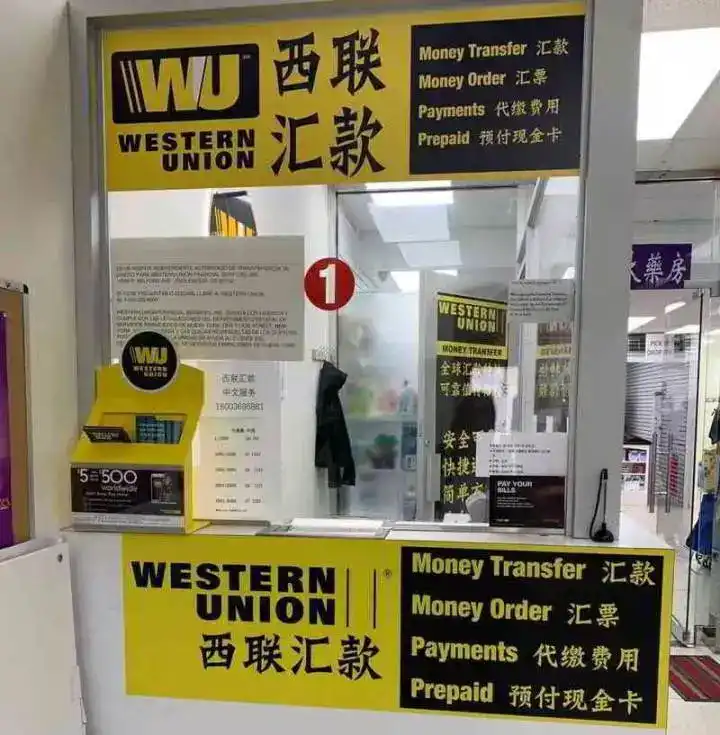
But this network is also Western Union's heaviest burden. The cost of maintaining 500,000 agent points accounts for about 60% of its service costs. Its core customer base—cash-dependent remittance senders—is being eroded by generations of digital-native products. Wise's cross-border transfer fees are 60% to 80% lower than Western Union's; Remitly's revenue reached $1.635 billion in 2025, a 29% year-on-year increase, with 9 million active users. Although Western Union's digital revenue is also growing, it still only accounts for 35% of total C2C revenue, with the vast majority of profits still from users who walk into physical locations and pull out cash.

Western Union is being caught up, and it knows it.

Moving Remittance Paths On-Chain with Stablecoins

In October 2025, Western Union announced it would issue the stablecoin USDPT on Solana, with the issuer being the US-licensed crypto bank Anchorage Digital. As of April 2026, USDPT has entered the actual deployment phase. At the same time, Western Union is building a "Digital Asset Network," connecting multiple on- and off-ramp platforms, aiming to allow users holding any mainstream crypto assets to exchange them for cash through Western Union's network.

A more specific landing scenario is its partnership with Rain to issue a Visa card linked to stablecoins. This card is designed for high-inflation countries, a Visa card tied to a US dollar stablecoin, specifically targeting countries like Argentina and Zimbabwe, where the local currency depreciates by tens or even hundreds of percentage points annually. Western Union CFO Matthew Cagwin mentioned at an industry conference, "Argentina's inflation exceeded 200% last year. After locals obtain US dollar stablecoins, they can directly spend at merchants or walk into Western Union locations to withdraw cash." The final step still relies on that network of 500,000 cash points.

Wallets Are the Real Battlefield

For the past 170-plus years, Western Union has played the role of a "pipeline" in remittances: money flows in from one end and out from the other, used and then gone. Users are not in Western Union's app, nor in Western Union's accounts; they are just passing through. What Wise and Remitly are taking is precisely that time users spend staying—people are getting used to keeping money in digital wallets, where transfers are just one action, not the entirety.

The acquisition of Dash is Western Union's first real attempt to keep users.

Dash was launched by Singapore Telecommunications in 2014 and is deeply embedded in Singapore's local life scenarios: paying utility bills, buying insurance, making small investments, and sending money to family overseas, all within one app. 1.4 million users represent a very high coverage rate for a city-state. More importantly, a large portion of these users are Southeast Asian immigrants working in Singapore, precisely Western Union's core customer group.

Western Union's previous way of reaching these people was to have them walk into convenience store counters. Now, it wants to move directly into their phones.

Dash brings not just users but also a front end for directly testing new products. After the USDPT stablecoin launches, one of the most natural distribution channels will be Dash's wallet interface; the stablecoin card for high-inflation markets also needs a trusted app to support it. Singapore, as a financial hub in Southeast Asia with a relatively mature regulatory environment, is the most suitable place for Western Union to first validate the logic before rolling out this suite of on-chain products across the Asia-Pacific region.

Pertanyaan Terkait

QWhat was Western Union's initial experiment with Ripple's xRapid in 2018, and what was the outcome?

AIn 2018, Western Union conducted a small experiment by integrating Ripple's xRapid product to settle foreign exchange transactions between the US dollar and the Mexican peso using XRP tokens. After testing 10 transactions, the then-CEO stated that it was too expensive and did not save any costs, leading to the suspension of the experiment.

QWhat significant acquisition did Western Union announce on April 3, 2026, and why is it important?

AOn April 3, 2026, Western Union announced the acquisition of Dash, a Singapore-based digital wallet formerly owned by Singapore Telecommunications. With 1.4 million users, Dash supports payments, remittances, savings, insurance, and investments, and is one of the most widely used full-featured wallets in Singapore. This marks Western Union's first digital wallet asset in the Asia-Pacific region.

QHow does Western Union's traditional business model work, and what are its main challenges?

AWestern Union's traditional model relies on a network of over 500,000 physical agent locations, such as small supermarkets, convenience stores, and post offices. Customers fill out a form and hand over cash, and the recipient can collect the money from another agent location. This network serves people without bank accounts or in remote areas. However, maintaining these agent locations accounts for about 60% of service costs, and the core customer base is being eroded by digital-native competitors like Wise and Remitly, which offer lower fees and digital convenience.

QWhat is USDPT, and how does Western Union plan to use it?

AUSDPT is a stablecoin issued by Western Union on the Solana blockchain, with Anchorage Digital as the issuer. It is part of Western Union's 'Digital Asset Network,' which connects multiple on- and off-ramp platforms. The goal is to allow users with any mainstream cryptocurrency to convert it into cash through Western Union's network. Additionally, Western Union partnered with Rain to issue a Visa card linked to the stablecoin, targeting high-inflation countries like Argentina and Zimbabwe, where users can spend the stablecoin at merchants or withdraw cash at Western Union agent locations.

QWhy did Western Union acquire the Dash wallet, and what strategic advantages does it offer?

AWestern Union acquired Dash to move beyond being a mere 'pipeline' for remittances and to retain users within its ecosystem. Dash, with its 1.4 million users in Singapore, is deeply integrated into local life scenarios like bill payments, insurance, investments, and remittances. It particularly serves Southeast Asian immigrants in Singapore, who are part of Western Union's core customer base. The acquisition provides a front-end to test new products, such as distributing the USDPT stablecoin and launching stablecoin Visa cards, making Singapore a strategic hub for expanding these blockchain-based products across the Asia-Pacific region.

Bacaan Terkait

Kraken Tambahkan Perdagangan Token On-Chain Solana Langsung di Dalam Aplikasinya

**Kraken Tambahkan Perdagangan Token On-Chain Solana Langsung di Aplikasinya** Kraken kini mengizinkan perdagangan token on-chain Solana langsung dalam aplikasi utamanya. Fitur ini tersedia bagi pengguna di AS dan lebih dari 100 negara, dengan sekitar 2.500 token berbasis Solana yang terverifikasi pada peluncurannya. Dengan fitur baru ini, pengguna tidak perlu lagi membuat dompet eksternal, menyimpan frasa seed, atau beralih antar aplikasi untuk berdagang aset di jaringan Solana. Kraken membungkus seluruh proses on-chain ke dalam antarmuka yang sudah dikenal pengguna, sehingga aset on-chain muncul bersama aset Kraken lainnya di portofolio yang sama. Langkah ini merupakan upaya Kraken untuk menjembatani kesenjangan antara perdagangan terpusat (CEX) dan terdesentralisasi (DeFi). Solana dipilih sebagai jaringan pertama karena likuiditas dan aktivitas perdagangan token barunya yang tinggi, yang seringkali terbentuk on-chain sebelum terdaftar di bursa terpusat. Infrastruktur fitur ini didukung oleh teknologi dompet tersemat dari Privy dan protokol DEX Solana, yang menangani mekanisme dompet dan transaksi di latar belakang. Meski antarmuka lebih sederhana, Kraken mengingatkan bahwa token yang diperdagangkan melalui DEX ini belum tentu direview seperti pencatatan terpusat, sehingga risiko pasar tetap ada. Perilisan ini mencerminkan tren besar di mana bursa terpusat berusaha mengakomodasi aktivitas DeFi ke dalam platform mereka, agar tidak kehilangan pengguna yang beralih ke perdagangan on-chain.

bitcoinist28m yang lalu

Kraken Tambahkan Perdagangan Token On-Chain Solana Langsung di Dalam Aplikasinya

bitcoinist28m yang lalu

Seluruh Dunia Mengagumi Kedatangan Noam, Namun Utang OpenAI Semakin Menebal

OpenAI mengumumkan perekrutan Noam Shazeer, salah satu penulis kunci makalah "Attention Is All You Need", sebagai pemimpin penelitian arsitektur, yang disambut antusias. Namun, di saat yang sama, laporan keuangan teraudit perusahaan mengungkapkan kerugian operasional besar: $20,92 miliar pada 2025 dan pembakaran tunai $3,7 miliar pada kuartal pertama 2026. Artikel ini mempertanyakan logika di balik perekrutan bintang mahal ini dengan latar belakang tekanan keuangan yang parah. Inti masalah OpenAI bukanlah kekurangan bakat teknis, tetapi model bisnisnya: biaya komputasi yang sangat tinggi (termasuk $10,59 miliar untuk sewa daya komputasi dari Microsoft), sambil mengandalkan basis pengguna gratis yang luas dengan hanya 50 juta pengguna berbayar. Sementara itu, OpenAI telah kehilangan banyak pendiri dan peneliti inti seperti Ilya Sutskever dan Jan Leike, menunjukkan pergeseran fokus dari penelitian eksplorasi ke iterasi produk. Perekrutan Noam dilihat sebagai "pembelian cemas" yang lebih bertujuan untuk menciptakan narasi yang kuat guna mendukung valuasi IPO yang sangat tinggi (hingga $1 triliun), daripada menyelesaikan masalah profitabilitas mendasar. Sebagai perbandingan, Anthropic dilaporkan mendekati profitabilitas dengan fokus pada klien korporat yang memberikan aliran pendapatan yang lebih stabil dan dapat diprediksi. Artikel menyimpulkan bahwa tanah subur untuk inovasi berkelanjutan datang dari budaya internal yang mempertahankan talenta, bukan dari menyewa bintang mahal, dan bahwa lembar neraca tidak peduli dengan kejeniusan individu, melainkan dengan jalur yang jelas menuju keberlanjutan keuangan.

marsbit1j yang lalu

Seluruh Dunia Mengagumi Kedatangan Noam, Namun Utang OpenAI Semakin Menebal

marsbit1j yang lalu

「Memiliki」atau「Menyewa」Kecerdasan? Pertanyaan Baru dalam Memulai Bisnis AI

Mythos ditutup minggu ini, menyoroti dilema mendasar bagi startup AI: "menyewa" atau "memiliki" kecerdasan yang menjadi inti produk mereka. Selama ini, diskusi tentang model open source seringkali hanya fokus pada biaya sebagai alternatif yang lebih murah dari model mutakhir (seperti API OpenAI). Namun, insiden Mythos mengingatkan bahwa **kendali** adalah masalah yang lebih kritis. Bergantung sepenuhnya pada model eksternal berarti bisnis Anda rentan terhadap perubahan aturan, harga, atau bahkan keputusan penutupan dari penyedia model. Artikel ini berpendapat bahwa "memiliki kecerdasan" tidak berarti meninggalkan model mutakhir. Sebaliknya, perusahaan harus membangun aset kecerdasan mereka sendiri dengan cara: * Memulai dari model open source yang kuat. * Melatih ulang (fine-tune) model tersebut dengan **data, alur kerja, pengetahuan domain, dan kasus tepi (edge cases)** unik perusahaan. * Mendefinisikan standar evaluasi dan kualitas mereka sendiri. Dengan demikian, nilai perusahaan tertanam dalam model yang semakin terspesialisasi dan mencerminkan operasi bisnisnya yang sebenarnya. Masa depan AI tidak akan didominasi oleh satu model "terdepan" tunggal. Akan ada banyak "batas terdepan": 1. Model mutakhir umum (seperti GPT, Claude). 2. Model yang dilatih ulang dengan pengetahuan khusus perusahaan. 3. Model khusus untuk tugas vertikal yang sempit. 4. Sistem perutean yang menyelaraskan beberapa model untuk kinerja terbaik. Intinya, parit pertahanan sejati di era AI bukanlah sekadar kemampuan memanggil model terkuat, tetapi kemampuan untuk **mengubah kecerdasan menjadi aset perusahaan yang unik dan dikendalikan sendiri**.

marsbit1j yang lalu

「Memiliki」atau「Menyewa」Kecerdasan? Pertanyaan Baru dalam Memulai Bisnis AI

marsbit1j yang lalu

Gelombang Pasar Saham AS (19 Juni): Premi Mereda Usai Kesepakatan AS-Iran, Chip Moncer Cetak Rekor Baru, Energi Terpuruk

Arah Pasar Saham AS (19 Juni): Kesepakatan AS-Iran Tercapai, Premium Geopolitik Menghilang, Chip Unggul dan Mencapai Rekor Tertinggi, Sektor Energi Anjlok Pada Kamis, indeks saam AS naik setelah kesepakatan sementara AS-Iran ditandatangani di Jenewa, meredakan ketegangan geopolitik di Selat Hormuz. S&P 500 naik 1,08%, Nasdaq melonjak 1,91%, dan Dow Jones sedikit menguat. Indeks Philadelphia Semiconductor meroket lebih dari 6% ke rekor tertinggi baru, didorong oleh berita kerja sama Apple dengan Intel untuk fabrikasi chip serta optimisme belanja modal AI. Saham memori seperti Micron dan SanDisk juga melonjak. Di sisi lain, sektor energi menjadi satu-satunya yang merosot karena harga minyak (WTI) jatuh sekitar 2% menyusul hilangnya premium risiko geopolitik. Saham seperti Exxon dan Chevron turun. Volatilitas (VIX) turun tajam, menunjukkan sentimen membaik. Imbal hasil obligasi pemerintah AS sedikit menurun. Emas dan perak melemah. Pasar kripto relatif datar. Analisis "Tren Arus" menyoroti bahwa reli hari ini didukung dua pilar: resolusi geopolitik sekali waktu dan kekuatan fundamental berkelanjutan dari sektor chip/AI. Namun, kenaikan sektor energi mungkin telah berakhir. Tekanan pada SpaceX terkait rencana penerbitan obligasi juga diperhatikan. Prospek pasar ke depan akan sangat bergantung pada data PCE minggu depan dan apakah ekspektasi suku bunga tinggi Federal Reserve akan bertahan atau tidak.

marsbit1j yang lalu

Gelombang Pasar Saham AS (19 Juni): Premi Mereda Usai Kesepakatan AS-Iran, Chip Moncer Cetak Rekor Baru, Energi Terpuruk

marsbit1j yang lalu

Trading

Spot
Futures
活动图片