Stablecoin Issuer Paxos Plans New U.S. Dollar-Backed Token for Singapore Operations

CoinDeskPolicyDipublikasikan tanggal 2023-11-15Terakhir diperbarui pada 2023-11-16

Abstrak

The company plans to issue a U.S. dollar-backed stablecoin upon receiving full approval from the Monetary Authority of Singapore, its central bank.

Paxos, a cryptocurrency brokerage firm, has received a preliminary license from regulators to offer digital payment token services in Singapore, the company said Wednesday in a statement.

The in-principle approval for a new Paxos Digital Singapore Pte. Ltd. entity from the Monetary Authority of Singapore allows the firm to offer its services to customers under the Payments Services Act (PSA) while awaiting full approval, the statement said. Upon receiving full approval to conduct business in Singapore, Paxos will partner with enterprise clients to issue a U.S. dollar-backed stablecoin, the firm's leaders said.

9.9K

"Global demand for the US dollar has never been stronger, yet it remains difficult for consumers outside the US to get dollars safely, reliably and under regulatory protections," Paxos Head of Strategy Walter Hessert said in a statement.

A D V E R T I S E M E N T

The press release noted Paxos publishes a monthly attestation and reserve reports for its stablecoins.

Paxos' executives hope the offering will help the company court new customers at a time when demand for stablecoins is high. According to brokerage firm Bernstein, the stablecoin market is expected to grow from $125 billion to $2.8 trillion in the next five years.

The announcement comes just over a year after Paxos first received an operating license in the Southeast Asian country, which allowed it to offer tokenization, custody and trade services under the same bill as Wednesday's announcement.

Edited by Nikhilesh De.

Bacaan Terkait

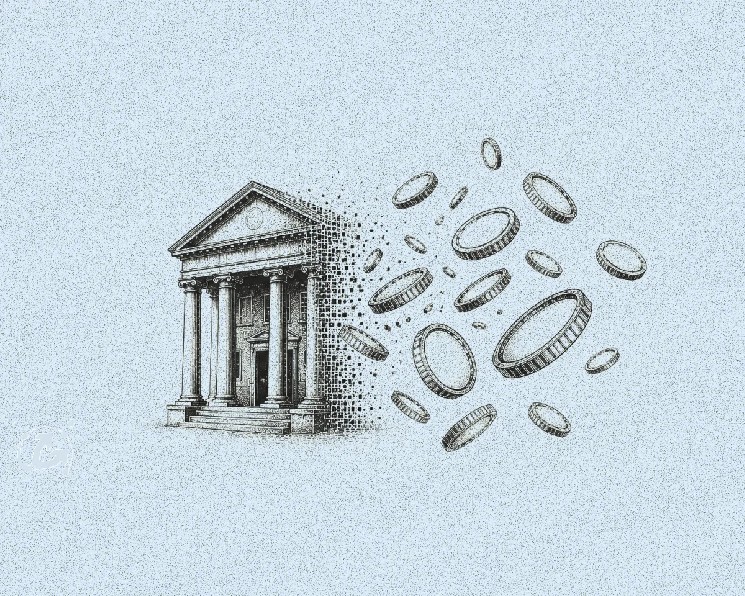
Ekonom FRB Dallas Peringatkan Risiko Deposito Tokenisasi

Ekonom Federal Reserve Bank (FRB) Dallas memperingatkan bahwa penyebaran luas deposito tokenisasi berpotensi mengubah model pendanaan bank dan mengurangi stabilitas perbankan. Dalam laporannya, ekonom Rosie Levy dan Srinivas Ramaswami menjelaskan bahwa teknologi ini memungkinkan transfer instan antar bank, memudahkan nasabah memindahkan dana untuk mencari suku bunga lebih tinggi, bahkan secara otomatis melalui agen AI dan kontrak pintar. Akibatnya, stabilitas dana deposit yang selama ini mendukung kemampuan bank dalam menyalurkan kredit dapat terganggu. Model perhitungan mereka menunjukkan bahwa jika rata-rata tenor deposit memendek 10%, kemampuan bank menanggung risiko suku bunga bisa berkurang setara dengan $580 miliar aset 10-tahun. Sensitivitas suku bunga deposit yang meningkat 10% berpotensi mengurangi kapasitas tersebut sekitar $700 miliar. Bank mungkin perlu menahan lebih banyak aset likuid (seperti cadangan dan obligasi pemerintah) untuk mengantisipasi penarikan mendadak, yang dapat mengurangi dana untuk kredit. Pengalaman sistem pembayaran instan Pix di Brasil, yang dijadikan analogi parsial, menunjukkan tren peningkatan aset likuid dan penurunan intermediasi kredit seiring adopsi teknologi serupa. Peringatan ini muncul di tengah percepatan proyek perbankan terkait uang token, seperti pembentukan aliansi BankChain oleh 39 asosiasi bank AS dan inisiatif infrastruktur oleh raksasa perbankan seperti JPMorgan Chase serta uji coba transaksi lintas bank oleh HSBC dan Standard Chartered. Para ekonom menekankan bahwa dampak akhir akan bergantung pada arsitektur sistem, aturan antar bank, dan seberapa luas sirkulasi deposito tokenisasi.

cryptonews.ru4m yang lalu

Ekonom FRB Dallas Peringatkan Risiko Deposito Tokenisasi

cryptonews.ru4m yang lalu

Trading

Spot
活动图片