Is India moving back towards a crypto ban?

ambcryptoPublié le 2026-07-08Dernière mise à jour le 2026-07-08

Résumé

India's crypto policy appears to be regressing, with the Reserve Bank of India (RBI) reportedly advocating for a prohibition on cryptocurrencies. The central bank wants to bar banks and financial institutions from exposure to crypto, citing risks to financial stability, contagion, and threats to monetary sovereignty from stablecoins. Tax authorities add to the pressure, noting significant underreporting of crypto transactions and challenges in enforcement and valuation. With an estimated 39 million traders holding $2.1 billion in assets, India's prolonged regulatory uncertainty continues to hurt its domestic crypto industry, contrasting with the clearer frameworks emerging in markets like the U.S., Japan, and Singapore.

India’s crypto policy appears to be moving backwards. This is an interestingly glum turn, especially as global markets push for better regulations.

According to internal government documents, the Reserve Bank of India (RBI) is now actively for a policy that is “leaning towards (the) prohibition” of crypto.

RBI’s push for a crypto ban

The RBI has reportedly stated that banks and financial institutions should be barred from gaining exposure to cryptocurrencies and privately issued stablecoins. As per Reuters, the concern is that allowing regulated lenders to interact with crypto could bring chaos to the formal financial system.

Another concern is that it would allegedly increase contagion risks.

The RBI also believes that foreign currency-backed stablecoins are a threat to monetary sovereignty. Even the idea of rupee-backed tokens doesn’t have much support since there might be the risk of reducing the government’s income from issuing fiat currency.

Pressure from the tax department?

According to Reuters, the department has reportedly found instances of misreporting in crypto disclosures.

Fewer than a quarter of the 6,45,000 crypto transaction participants of FY2023 reported them in their tax returns. Officials believe that offshore exchanges, private wallets, and peer-to-peer rupee trades make it harder to identify beneficiaries.

India currently taxes crypto gains at 30%, but enforcement is a different ball game altogether. The tax department has flagged wild swings and the lack of uniform valuation standards as challenges.

The Ministry of Corporate Affairs is now taking a look at accounting standards and guidance for VDAs.

Why this matters for India’s crypto market

India has nearly 39 million crypto traders holding around $2.1 billion in digital assets, as per tax department estimates. However, the country has kept crypto in a grey zone for years. A 2021 draft bill to ban private cryptocurrencies was never introduced, and a formal discussion paper has been delayed for long.

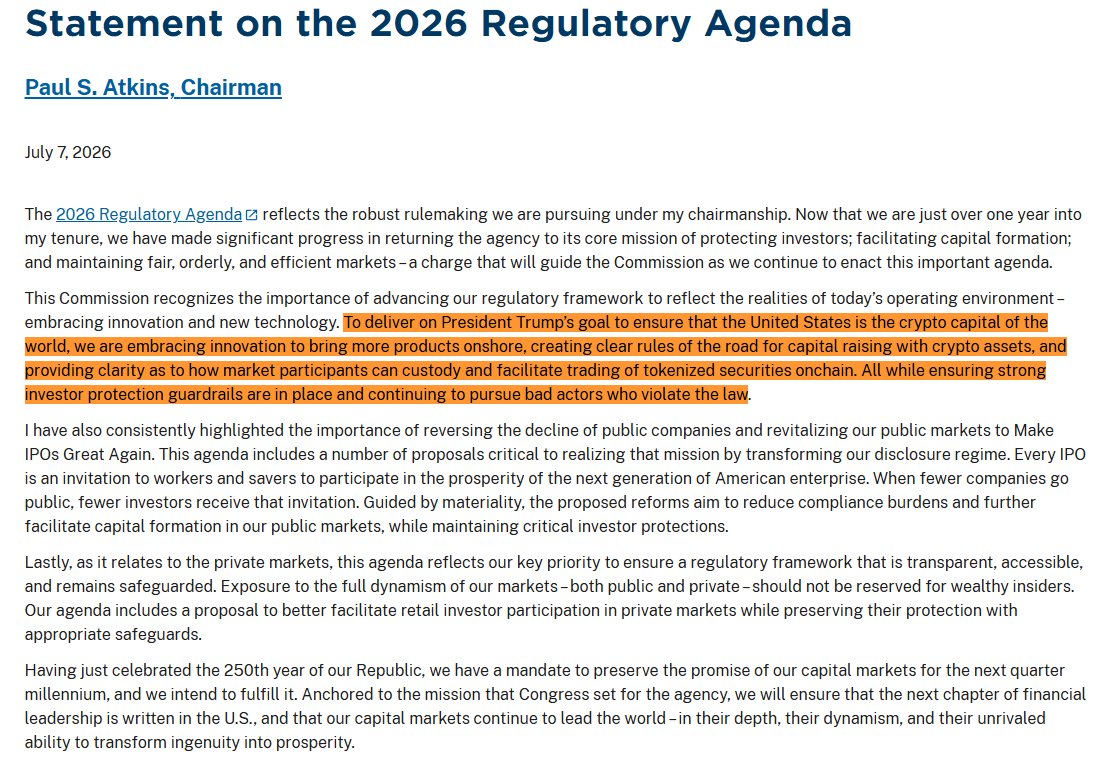
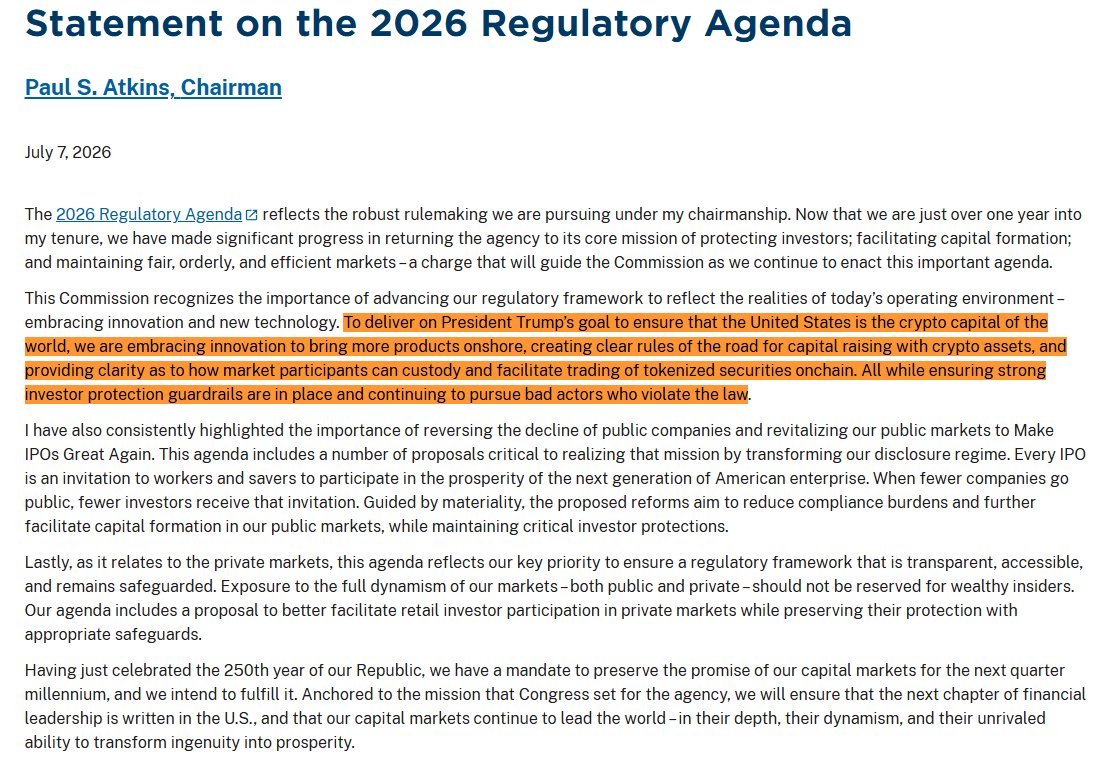
Meanwhile, the U.S has reaffirmed its commitment to the industry. They’ve also put forth the CLARITY Act for Senate consideration.
Source: sec.gov

Japan and Singapore have also built regulatory frameworks. Interestingly, one of the other big economies, China, continues to maintain a ban.

As it stands, this uncertainty will continue to hurt Indian exchanges, Web3 startups, institutions, and investors.


Final Summary

  • The Reserve Bank of India has reportedly pushed for a crypto ban in India.
  • India has 39 million crypto traders holding $2.1 billion.

Cryptos en tendance

Questions liées

QWhat is the Reserve Bank of India (RBI) reportedly leaning towards regarding cryptocurrency policy?

AThe Reserve Bank of India (RBI) is reportedly leaning towards a policy of prohibition on cryptocurrencies.

QWhat are two key reasons cited by the RBI for potentially banning crypto exposure for regulated financial institutions?

AThe RBI is concerned that allowing regulated lenders to interact with cryptocurrencies could bring chaos to the formal financial system and increase contagion risks.

QAccording to the article, what tax compliance issue did the tax department find regarding crypto transactions?

AThe tax department found that fewer than a quarter of the 645,000 crypto transaction participants in FY2023 reported them in their tax returns, with issues of misreporting in disclosures.

QApproximately how many crypto traders and how much in digital assets does India have, according to tax department estimates?

AIndia has nearly 39 million crypto traders holding around $2.1 billion in digital assets, according to tax department estimates.

QHow does the current regulatory uncertainty in India affect its crypto market participants?

AThe current regulatory uncertainty continues to hurt Indian crypto exchanges, Web3 startups, institutions, and investors.

Lectures associées

3 attaques de crypto en 24 heures – Des applications factices au vol de 14,2 millions de dollars en SOL

Les escroqueries cryptographiques se multiplient. En seulement 24 heures, trois attaques majeures ont été rapportées. Tout d'abord, des fraudeurs ont créé de fausses extensions de navigateur et applications en usurpant l'identité de SecondFi pour voler des crypto-actifs. La plateforme a rappelé qu'elle ne demande jamais de téléchargements ou de transferts via messages directs. Ensuite, un portefeuille important sur Solana a été compromis, entraînant le vol de 180 900 SOL (environ 14,2 millions de dollars). L'attaquant a retiré les fonds mis en jeu, les a transférés vers de nouvelles adresses, puis a utilisé un pont vers Ethereum et le mélangeur Tornado Cash pour brouiller les pistes. Enfin, le package npm "jscrambler" a été victime d'une attaque de la chaîne d'approvisionnement logicielle. Après le vol d'identifiants de publication, des versions malveillantes (8.14.0 à 8.20.0) ont été diffusées, contenant un code conçu pour voler des informations sur les systèmes des utilisateurs. Les développeurs doivent immédiatement mettre à jour vers la version 8.22.0. En résumé, ces incidents illustrent la diversité des menaces : hameçonnage, compromission de portefeuilles et attaques logicielles. La prudence, la vérification des sources officielles et la mise à jour rapide des logiciels restent essentielles pour la sécurité.

ambcryptoIl y a 2 h

3 attaques de crypto en 24 heures – Des applications factices au vol de 14,2 millions de dollars en SOL

ambcryptoIl y a 2 h

« Nous essayons de défendre le Bitcoin » : Pourquoi le BIP-110 perd le soutien de la communauté

La proposition d'amélioration Bitcoin BIP-110, un soft fork controversé, est à nouveau débattue. Adam Back, PDG de Blockstream, estime que les discussions sont alimentées par des idées fausses sur l'architecture de Bitcoin. Il reconnaît que les partisans du BIP-110 sont souvent de nouveaux venus bien intentionnés, mais il craint qu'ils ne se désillusionnent en ne comprenant pas pourquoi Bitcoin a rejeté cette proposition. Implémenté en décembre 2025, le BIP-110 visait à limiter les données arbitraires (comme les inscriptions Ordinals) pour prévenir le spam et préserver la fonction première de Bitcoin en tant que système de paiement pair-à-pair. Back admet le problème du spam mais affirme que Bitcoin le gère déjà via des mécanismes de marché (frais, incitations des mineurs, consensus décentralisé) plutôt que par des règles restrictives. Il argue également que le BIP-110 va à l'encontre de la nature sans permission de Bitcoin. Selon lui, une bifurcation basée sur cette proposition aurait peu de chances de succès, par manque de soutien communautaire et parce qu'elle contredit les principes fondamentaux du réseau. Michael Saylor rejoint ces critiques. Le soutien au BIP-110 reste faible, avec seulement 10 blocs sur 2 016 ayant appuyé une mise à niveau temporaire début juillet. Parallèlement, l'activité Ordinals a chuté à des niveaux historiquement bas, avec moins de 10 000 inscriptions quotidiennes. Le prix du Bitcoin a, quant à lui, baissé de 45% sur un an.

ambcryptoIl y a 8 h

« Nous essayons de défendre le Bitcoin » : Pourquoi le BIP-110 perd le soutien de la communauté

ambcryptoIl y a 8 h

Trading

Spot

Articles tendance

Comment acheter BAN

Bienvenue sur HTX.com ! Nous vous permettons d'acheter Comedian (BAN) de manière simple et pratique. Suivez notre guide étape par étape pour commencer votre parcours crypto.Étape 1 : Création de votre compte HTXUtilisez votre adresse e-mail ou votre numéro de téléphone pour ouvrir un compte sur HTX gratuitement. L'inscription se fait en toute simplicité et débloque toutes les fonctionnalités.Créer mon compteÉtape 2 : Choix du mode de paiement (rubrique Acheter des cryptosCarte de crédit/débit : utilisez votre carte Visa ou Mastercard pour acheter instantanément Comedian (BAN).Solde :utilisez les fonds du solde de votre compte HTX pour trader en toute simplicité.Prestataire tiers :pour accroître la commodité d'utilisation, nous avons ajouté des modes de paiement populaires tels que Google Pay et Apple Pay.P2P :tradez directement avec d'autres utilisateurs sur HTX.OTC (de gré à gré) : nous offrons des services personnalisés et des taux de change compétitifs aux traders.Étape 3 : stockage de vos Comedian (BAN)Après avoir acheté vos Comedian (BAN), stockez-les sur votre compte HTX. Vous pouvez également les envoyer ailleurs via un transfert sur la blockchain ou les utiliser pour trader d'autres cryptos.Étape 4 : tradez des Comedian (BAN)Tradez facilement Comedian (BAN) sur le marché Spot de HTX. Il vous suffit d'accéder à votre compte, de sélectionner la paire de trading, d'exécuter vos trades et de les suivre en temps réel. Nous offrons une expérience conviviale aux débutants comme aux traders chevronnés.

689 vues totalesPublié le 2024.12.11Mis à jour le 2026.06.02

Comment acheter BAN

Discussions

Bienvenue dans la Communauté HTX. Ici, vous pouvez vous tenir informé(e) des derniers développements de la plateforme et accéder à des analyses de marché professionnelles. Les opinions des utilisateurs sur le prix de BAN (BAN) sont présentées ci-dessous.

活动图片