Dylan Patel: Founder of SemiAnalysis, Praised by Jensen Huang, is a 'Beekeeper' and 'Forum Enthusiast'

marsbitPublicado a 2026-06-19Actualizado a 2026-06-19

Resumen

Dylan Patel, founder of the independent research firm SemiAnalysis, has an unconventional background. A former beekeeper from rural Georgia, he entered the semiconductor world as a self-taught "forum warrior," discussing chip technology anonymously online from a young age. He launched the SemiAnalysis blog in May 2020, which later transitioned to a paid subscription model. The firm has grown from a one-person operation to a global team of around 60, with a dedicated teardown lab. Its detailed, technically-focused analysis on semiconductor supply chains, AI infrastructure, and products has earned significant industry recognition. Notably, NVIDIA founder Jensen Huang has publicly cited their reports. In a landmark case, a critical 2024 report on AMD's MI300X GPU software stack led to a 90-minute call with AMD CEO Lisa Su, who thanked him for the constructive feedback. SemiAnalysis later acknowledged AMD's improvements. The firm's influence on markets was seen when a report on NVIDIA's Rubin memory configuration was partially shared, affecting memory stock prices. Dylan Patel emphasized the importance of context, contrasting the shared excerpt with the report's actual title. SemiAnalysis, now a multi-faceted consultancy with revenue projected to reach $100 million, is known for its deep technical insights that influence major industry players and investment decisions.

Original|Odaily Planet Daily(@OdailyChina)

Author|Wenser(@wenser2010 )
Speaking of SemiAnalysis, the massive earthquake in the US stock memory and chip industry triggered by the institution's research report content not long ago is still fresh in memory.

As an independent investment research institution with annual revenue expected to surpass $100 million, today's SemiAnalysis integrates multiple roles such as consulting firm, model service platform, and technology laboratory. At the helm of this rapidly developing, highly recognized research institution—praised by Nvidia founder Jensen Huang and AMD CEO Lisa Su—is not a technical expert or an engineer deeply involved in chip manufacturing, but a former beekeeper from Minnesota and a 'forum enthusiast' who anonymously discussed technical issues on various US hobbyist forums.

This edition of Character Decode by Odaily Planet Daily shares the story of —SemiAnalysis founder Dylan Patel.

SemiAnalysis Founder: A 'Forum Tech Wizard' Who 'Maxed Out Skill Points' and is Self-Taught

Compared to Citrini, which focuses more on macro trends and long-term themes, SemiAnalysis chooses to dig deeper and more narrowly into the semiconductor industry, and its founder Dylan Patel (hereafter referred to as Dylan) is a proper 'industry legend'.
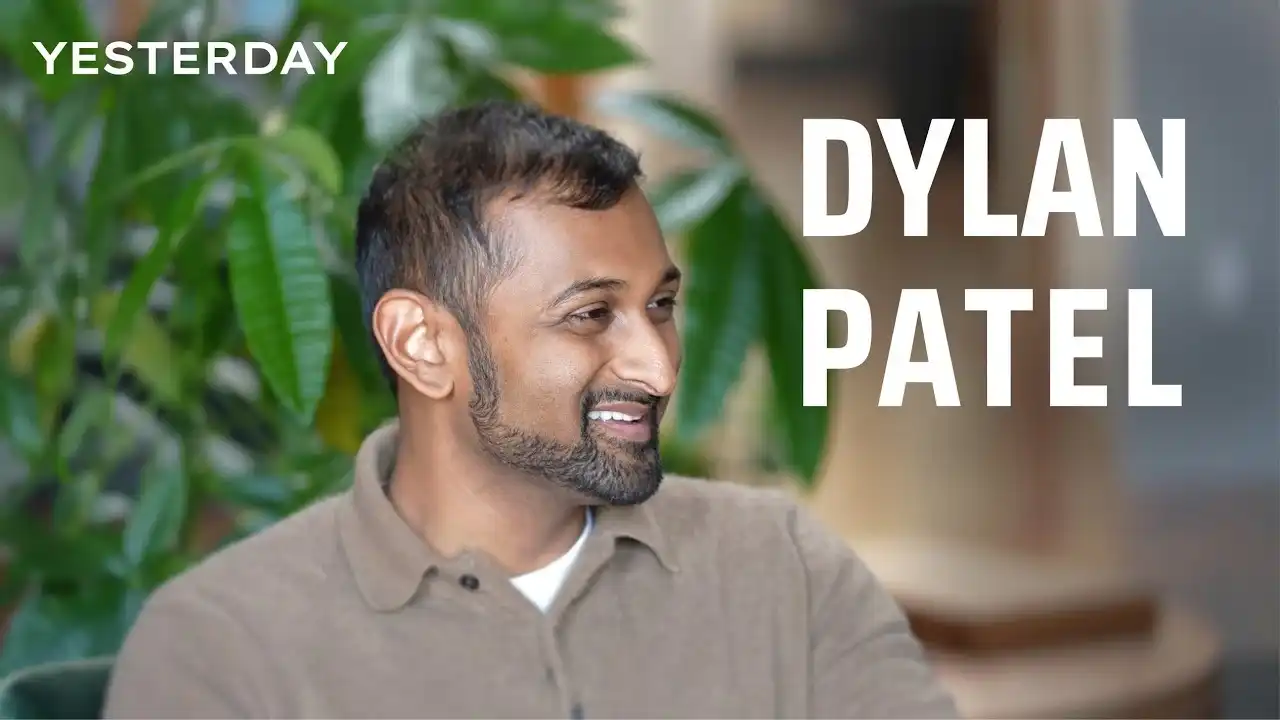
Early Experience: Georgia Countryside Beekeeper, American Version 'Forum Enthusiast'

According to Dylan's sharing during an interview on Latent Space's culinary-themed program, he grew up in rural Georgia, attending the University of Georgia. After college, he even worked as a beekeeper in Minnesota for about a year and a half.

At that time, he was somewhat in a 'lost state'. Now, summarizing his past in his own words, he said: 'I feel like I've just gone through many stages of life... It seems there wasn't any clear, direct path to follow.' (Odaily Planet Daily Note: This refers to his identity shifts from chip enthusiast, semiconductor forum moderator, anonymous chip blogger, to investment research institution founder, hedge fund founder, and even more roles)

His entry into the industry was also 'full of twists and turns'.

As early as between the ages of 8 and 12, he was highly active on semiconductor forums as a 'forum warrior' (Odaily Planet Daily Note: similar to the domestic tech enthusiast gathering spots like Baidu Tieba, commonly known as 'Tieba old-timers'). He taught himself semiconductor knowledge by reading chip documentation while repairing hardware devices like Xbox and exchanging ideas with community enthusiasts.

Thus, starting as an anonymous chip blogger, he began sharing chip knowledge, discussing chip manufacturing technology, chip industry supply chains, and other hardcore topics on platforms like Reddit, WordPress, and Silicon Twitter.

In May 2020, Dylan officially founded his personal blog channel, SemiAnalysis, with the goal of providing accurate, independent technical analysis of the semiconductor industry. Looking at the timing back then, this was before the 'AI explosion moment driven by GPT', and the semiconductor industry was still a technically niche field, with very few such in-depth contents available in the market.

Initially, SemiAnalysis was just a very niche personal content channel built on WordPress. Upon repeated suggestions from his good friend Doug, Dylan later migrated it to the Substack platform and switched from a free model to a paid subscription model. (Odaily Planet Daily Note: According to Dylan himself, this friend later joined Substack a few years later)

From then on, Dylan began building his 'personal business system' around the paid content channel, including technical content analysis, business consulting, and research report production covering semiconductor supply chains, AI infrastructure products, cloud ecosystems, machine learning models, and even more cutting-edge industries.

SemiAnalysis: From a One-Person Company to a Global Team of Over 60

By 2025, SemiAnalysis had gradually transformed from Dylan's original 'One-Person Company model' (OPC) into a global company with a professional research team of about 60 people. They also established a professional chip and semiconductor product teardown laboratory, STEEL (SemiAnalysis Teardown Engineering & Evaluation Lab), in Oregon, USA.

Last year, the institution's revenue reached a scale of $20 million; this year, according to The Information's report, SemiAnalysis' revenue is expected to break $100 million, with main income coming from hyperscalers, semiconductor giants, startups, and institutional subscriptions/models/consulting. Dylan himself has indicated plans to subsequently establish a VC investment firm. Previously, he had personally invested/invested via SPV structures in about 20 startups, and even helped computing power giant Fluidstack raise $50 million in funding through an SPV structure.

External Influence: High Recognition from Jensen Huang, AMD CEO, and Others

After nearly six years of development, Dylan and SemiAnalysis have become the 'industry textbook' and 'must-read guide' in the current AI track and semiconductor industry.

Previously, Nvidia founder Jensen Huang mentioned SemiAnalysis multiple times during his speeches at the GTC Developer Conference, publicly praising the details of their reports, especially benchmarks like Nvidia's InferenceX, which could be considered a 'public endorsement'.

Earlier, in December 2024, after conducting about five months of in-depth testing and benchmark evaluation of AMD's MI300X GPU, the SemiAnalysis team published a critical report titled 'MI300X vs H100 vs H200 Benchmark Part 1: Training - CUDA Moat Still Alive'. The report pointed out that although the AMD MI300X GPU hardware had decent paper specifications, its ROCm software stack had significant gaps (e.g., many bugs, poor usability, immature ecosystem), resulting in a far inferior actual user experience compared to Nvidia's CUDA software stack architecture, making it ineffective as a powerful product for training workloads.

Within hours of the report's release, AMD CEO Lisa Su personally contacted Dylan and had a phone conversation with him the next day. Notably, this exchange was originally scheduled for 30 minutes but ultimately extended to 90 minutes due to the large amount of information, numerous feedback issues, and technical detail discussions involving engineers. This is a rare, in-depth dialogue between the CEO of a trillion-dollar market cap listed company and an independent third-party investment research institution. Finally, Lisa Su publicly thanked him for his 'constructive feedback' (even if it was critical) (Odaily Planet Daily Note: The original quote was 'Feedback is a gift even when it's critical').
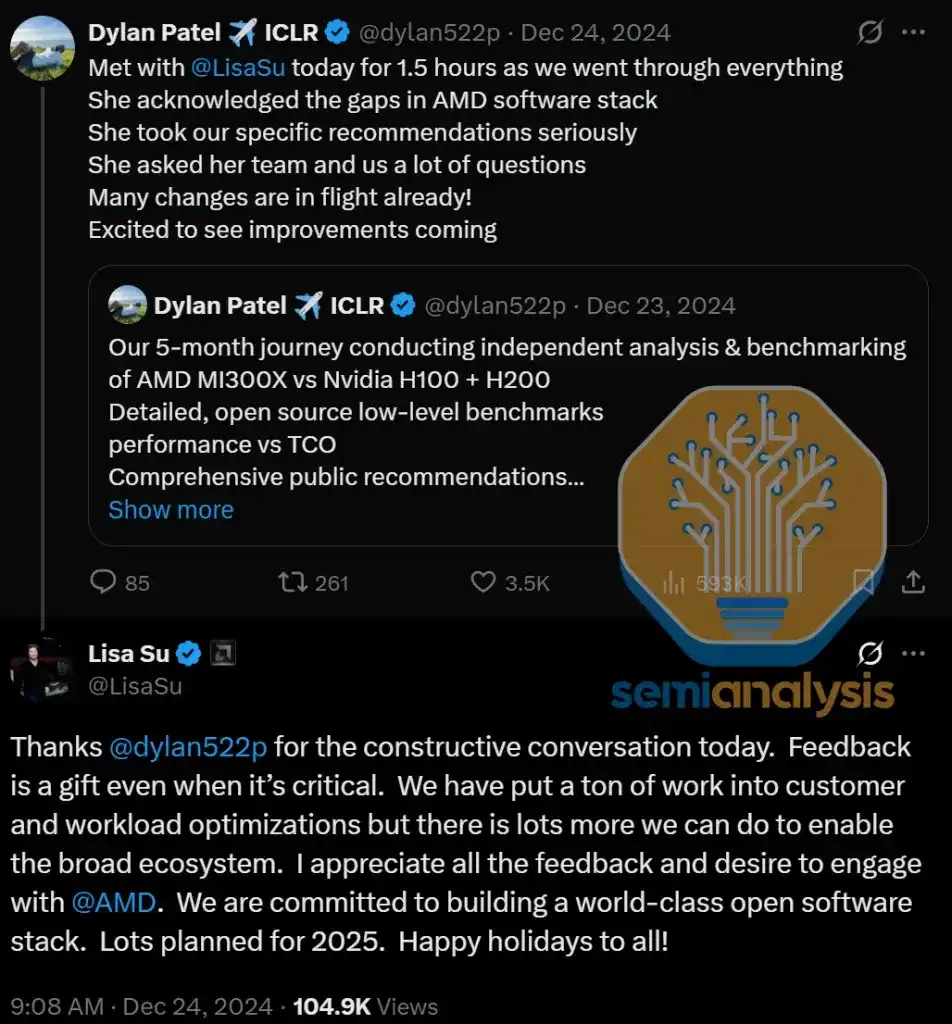
High praise and positive response from AMD CEO Lisa Su

In April 2025, SemiAnalysis againpublished a follow-up reportstating 'Over four months later, AMD is accelerating progress in ROCm, developer relations, CI/CD, etc. AMD MI450X is expected to beat Nvidia,' also acknowledging AMD's subsequent improvements, becoming a landmark case of its 'independent research directly influencing major company decisions.'

In early June, Citrini analyst Jukan forwarded parts of a SemiAnalysis research report, which indicated that 'Nvidia's next-generation AI server cluster Rubin NVL72 made significant adjustments to its memory configuration. To address tight supply chain constraints and ensure the on-time delivery of Rubin racks, the single-rack capacity was drastically reduced from the originally planned 55TB to 28TB, a reduction of about 50%, using scaled-down 96GB SOCAMM memory modules instead of the previous 192GB high-spec modules.' Possibly influenced by this news, many memory-related stocks including Micron and SK Hynix came under pressure and fell that day.

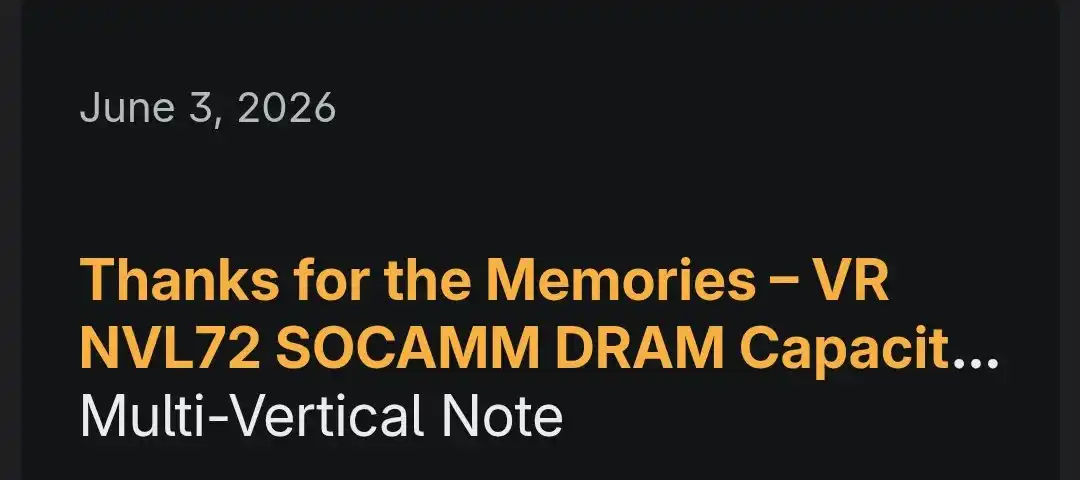
In response, Dylan stated: 'I love this: When people forward what we say, they often take it out of context. Actually, our original report did not use such a clickbait headline.' The image he subsequently posted showed the original report title was 'Thanks for the Memories...'.
In comparison, SemiAnalysis places greater emphasis on 'technical implementation details,' focusing on real bottlenecks in AI construction (power shortages, supply chain inheritance, inference scaling, Nvidia ecosystem dynamics, etc.). It often embeds realistic constraint analysis within optimistic demand judgments, making it more suitable for guiding specific investments and industrial decisions. For more details on SemiAnalysis, see 'From Community 'Hardware Geek' to AI Circle's 'Muddy Waters': How SemiAnalysis, Nearing $100 Million in Annual Revenue, Stirs the Semiconductor Market?'

Recommended Reading:

Latent Space Episode One: Scene Cooking with SemiAnalysis Founder Dylan Patel

Preguntas relacionadas

QWhat is the unique professional background of SemiAnalysis founder Dylan Patel before becoming a research analyst?

AHe worked as a beekeeper in Minnesota and was an active member on semiconductor hobbyist forums, essentially a 'forum warrior' or 'tech enthusiast' who taught himself about chips from a young age.

QHow did Dylan Patel's personal blog, SemiAnalysis, evolve into a major independent research firm?

AIt started as a small, free WordPress blog. Following a friend's advice, he moved it to Substack, implemented a paid subscription model, and gradually built a business around it, expanding into analysis, consulting, and reports. It has grown from a one-person company to a global team of about 60 people.

QWhat notable response did AMD CEO Lisa Su have after a critical SemiAnalysis report on the MI300X GPU?

ALisa Su personally contacted Dylan Patel and had a 90-minute call to discuss the report's findings. She publicly thanked him for the 'constructive feedback,' stating 'Feedback is a gift even when it's critical.'

QHow did a recent SemiAnalysis report reportedly impact the financial markets in early June 2025?

AA report excerpt, discussing potential memory configuration changes in Nvidia's upcoming Rubin server, was circulated. This was interpreted as signaling supply chain issues and led to a drop in the stock prices of memory-related companies like Micron and SK Hynix.

QWhat are the primary revenue sources for SemiAnalysis as of 2025, and what is its projected revenue?

AIts revenue primarily comes from subscriptions, models, and consulting services for hyperscalers, semiconductor giants, startups, and institutions. It reportedly achieved $20 million in revenue last year and is projected to surpass $100 million in 2025.

Lecturas Relacionadas

Los Oso Mantienen el Control Mientras que el ETH Rechaza la Resistencia de la Línea de Tendencia

El último rebote de Ethereum no ha convencido a todos los analistas de que la tendencia bajista haya terminado. En una idea publicada en TradingView el 20 de junio, TheSignalyst argumenta que ETH se mantiene en territorio bajista. Esto se debe a que continúa cotizando por debajo de una línea de tendencia roja descendente y ha formado una secuencia de máximos y mínimos más bajos. El gráfico del analista muestra que el precio de ETH fue rechazado en una zona de confluencia que incluye dicha línea de tendencia y una zona de resistencia horizontal. Este tipo de resistencia combinada suele atraer a vendedores de forma más agresiva. El fracaso en superar ambos niveles se interpreta como una confirmación de que los vendedores mantienen el control. El área de soporte clave se sitúa entre 1.350 y 1.500 dólares. Una ruptura decisiva por debajo de este rango debilitaría significativamente la estructura general de ETH. Por ahora, el precio está comprimido entre este soporte y la línea de tendencia bajista. El desempeño de Ethereum es crucial para el mercado altcoin en general. Cuando ETH lucha frente al dólar, el apetito por el riesgo en DeFi y activos de menor capitalización suele debilitarse también. Por lo tanto, este análisis sirve como advertencia: los alcistas necesitan una ruptura clara por encima de la resistencia antes de poder hablar de un cambio de tendencia sostenido.

bitcoinistHace 26 min(s)

Los Oso Mantienen el Control Mientras que el ETH Rechaza la Resistencia de la Línea de Tendencia

bitcoinistHace 26 min(s)

TechFlow Oficina de Inteligencia: Las probabilidades de que Anthropic realice una OPI superan el 80%, Irán vuelve a cerrar el estrecho de Ormuz y desestabiliza los precios del petróleo

Resumen del informe TechFlow: Los mercados anticipan que Anthropic anunciará su OPV antes de noviembre de 2026, planteando dudas sobre si una valoración billonaria puede coexistir con su promesa central de seguridad en IA. Otras tendencias clave: * **Marketing digital:** Marcas adoptan influencers virtuales generados por IA para promocionar productos. * **Energía y Geopolítica:** Irán anuncia el cierre del estrecho de Ormuz, causando volatilidad en el precio del petróleo, aunque datos de seguimiento muestran cierto tráfico marítimo persistente. Paralelamente, Irán reanuda la carga de crudo en la isla de Kharg. * **Finanzas/Tecnología:** Goldman Sachs advierte que los gastos de capital en IA (5,3 billones de dólares) podrían acercarse al límite de crédito. En Europa, se produce la primera incumplimiento en acciones de CLO desde la crisis financiera. * **Empresas tecnológicas:** Cloudflare introduce cuentas temporales para agentes de IA; el tráfico IPv6 de Google supera el 50%; Hyundai adquiere el control total de Boston Dynamics. * **Mercados:** Inversores minoristas invierten fuertemente en la OPV de SpaceX. Elon Musk especula sobre futuras inversiones astronómicas en antimateria para viajes interestelares. **Conclusión subyacente:** Tres señales (tensión en Ormuz, incumplimiento en CLO y advertencias sobre gasto en IA) apuntan a una creciente restricción de la liquidez global y al aumento de los costes marginales. Mientras tanto, el capital sigue buscando narrativas de crecimiento a gran escala (como la OPV de Anthropic, SpaceX y los proyectos de Musk), indicando una bifurcación entre un "viejo mundo" con creciente presión financiera y un "nuevo mundo" que construye narrativas aún más ambiciosas.

marsbitHace 1 hora(s)

TechFlow Oficina de Inteligencia: Las probabilidades de que Anthropic realice una OPI superan el 80%, Irán vuelve a cerrar el estrecho de Ormuz y desestabiliza los precios del petróleo

marsbitHace 1 hora(s)

El cazador cazado: el bot MEV más rentable fue hackeado

**El cazador cazado: El bot de MEV más rentable es hackeado** El conocido bot de MEV en Ethereum, Jaredfromsubway.eth, sufrió un ataque dirigido el sábado, perdiendo más de 7,5 millones de dólares. Según investigaciones, no fue un phishing tradicional ni una explotación de contrato inteligente, sino un sofisticado "ataque de honeypot contra-MEV" diseñado específicamente para explotar la lógica de comportamiento de estos bots. El atacante desplegó durante semanas 66 contratos de tokens falsos y pools de liquidez, disfrazados como activos principales como WETH, USDC o USDT, para crear rutas de arbitraje falsas. El bot, al detectar la aparente oportunidad, ejecutó una transacción que concedió permisos a un contrato controlado por el atacante. Estos permisos no fueron revocados, permitiendo finalmente que el atacante drenara los fondos del bot en una sola transacción. Jaredfromsubway.eth es uno de los bots de MEV más activos e infames de Ethereum, especializado en ataques de "sándwich" para capturar ganancias de los deslizamientos de precio en las transacciones de usuarios. Se estima que ha acumulado decenas de millones en ganancias y estaba relacionado con alrededor del 70% de estos ataques en un período reciente. Este incidente subraya la creciente sofisticación de las amenazas en cripto, demostrando que incluso los actores más agresivos y automatizados ("depredadores") ahora son vulnerables a ataques multidimensionales que explotan sus propias reglas y automatizaciones. Tras el hackeo, una cuenta no oficial en X se hizo pasar por el bot ofreciendo una recompensa falsa, lo que ha generado advertencias de seguridad adicionales.

marsbitHace 2 hora(s)

El cazador cazado: el bot MEV más rentable fue hackeado

marsbitHace 2 hora(s)

La realidad de los pagos en Latinoamérica es muy distinta a lo que imaginas

La realidad de los pagos en Latinoamérica desafía las percepciones. Tras una investigación de 500 horas, estos son los hallazgos clave: 1. Las tarjetas cripto generan volumen principalmente de profesionales que reciben salarios en dólares o USDT y convierten a moneda local vía Pix, no de compras minoristas pequeñas. 2. Los pagos con código QR (como Pix en Brasil) dominan en mercados emergentes, superando a las tarjetas. Es el sistema de pago principal para la mayoría de la población mundial. 3. Existe una gran oportunidad en la interoperabilidad internacional entre sistemas de pago instantáneo, ya que actualmente están aislados por país. 4. La competencia en pagos ahora se centra en controlar la infraestructura de liquidación, no solo en adquirir clientes. Las empresas líderes buscan licencias bancarias. 5. Latinoamérica no es un mercado único. Brasil, México, Argentina y otros tienen economías, regulaciones y flujos de capital muy diferentes. 6. El negocio de las remesas y el cambio de stablecoins se está commoditizando, con márgenes cayendo hacia cero. El valor está en los productos construidos encima. 7. La próxima generación de empresas de pagos debe tener una marca y tecnología escalable internacionalmente desde el inicio. 8. Brasil y México son mercados saturados ("rojos"). Oportunidades menos exploradas existen en países como Guatemala, Honduras, El Salvador, Nicaragua y República Dominicana. 9. El marketing debe segmentarse finamente según el flujo de fondos del usuario (ej. turistas, nómadas digitales, residentes extranjeros), no tratar a un país como un grupo homogéneo. 10. La regulación en Latinoamérica está más avanzada que en EE.UU. en aspectos como pagos instantáneos y cripto, con marcos más claros y pragmáticos. La conclusión: el futuro de los pagos en la región no está en replicar modelos basados en tarjetas, sino en conectar los sistemas QR locales, resolver la interoperabilidad transfronteriza y construir para segmentos de usuarios específicos.

marsbitHace 2 hora(s)

La realidad de los pagos en Latinoamérica es muy distinta a lo que imaginas

marsbitHace 2 hora(s)

Trading

Spot
Futuros
活动图片