[Key interpretation] BTC trading volume reached 58 billion US dollars, and the cooperation between LINK and SWIFT was beneficial for the price to rise

HuobiPublicado a 2022-09-29Actualizado a 2022-09-30

Resumen

250000 BTC high-value transactions were completed within a day, boosting BTC's potential for change.

1. BTC transaction volume reaches a new high

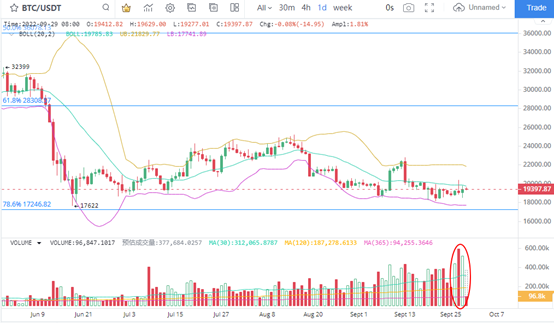
The BTC price fluctuates quite frequently in the short term, making the trading volume record high in the near future. According to statistics, the BTC spot trading volume on September 28 has reached a historical high of 58 billion US dollars. The daily K line chart also shows that BTC's recent trading volume has continued to grow, reaching a very important stage of long short competition.

Since August 27, the closing price of BTC has been significantly lower than 20000 US dollars in most trading days, which means that the recent consolidation is also a short-term accumulation in the final stage. As the US dollar index is still strong, it not only appreciates against most currencies, but also may push BTC prices to break. Therefore, it is necessary to be relatively cautious about the low absorption around 20000 dollars.
2. Significant recovery of BTC large transactions

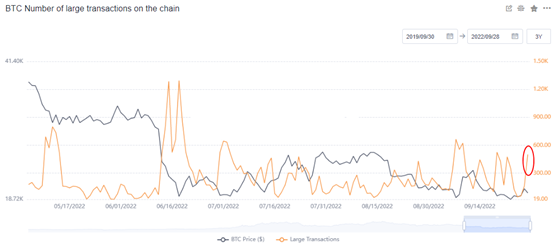
BTC's large transactions rebounded significantly, reaching a high of 501 on September 28, which is a good performance in recent years. 501 large BTC transactions, with the number of transactions reaching 250000 BTCs. Considering the large volume of spot and chain transactions, the activity of the main force is also increasing, but BTC did not rise significantly, but maintained a horizontal consolidation below 20000 dollars. This shows that the large-scale operation of BTC may be the trading signal of the main position reduction, and the price is ready to break down in the near future.
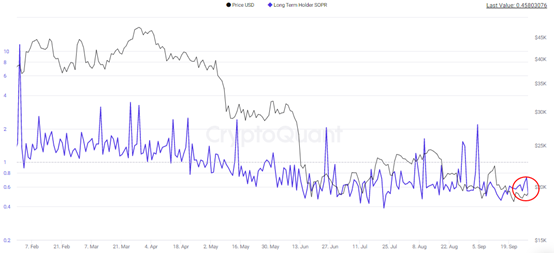
3. BTC long-term main loss trading continuation

BTC's long-term investors' loss trading has not ended. According to the SOPR indicator measuring long-term investors' profit and loss performance, the recent SOPR indicator value of long-term investors continues to be lower than 0.6, which means that investors' loss trading space has reached - 40%. At the same time, on September 28, the SOPR index continued to fall back to the low of 0.458, which means that the loss space reached 0.542%. Considering that the SOPR index has been continuously lower than 1 since May, it means that the loss trading of long-term investors has never ended. However, after the loss intensified on the 28th of the 9th page, the selling pressure of BTC may push the price down.
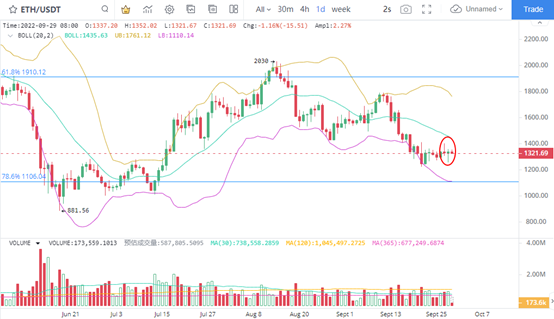
4. ETH double cross star prompt will change the wheel

In the daily K line chart, after the appearance of the ETH double cross oscillation pattern, the price is on the eve of the change. At present, ETH has taken 6 trading days to collate the sideways market. The closing price fluctuates very little, and the maximum intraday fluctuation is within 8%. Due to the long period of sideways trading, the cost price of investors was released around 1300 dollars, and the selling pressure also increased at this time.
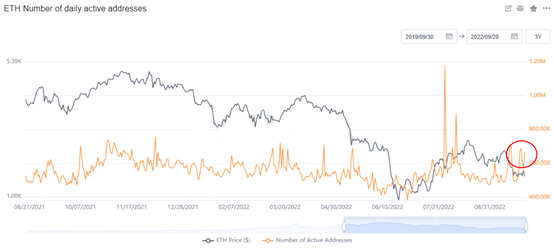
5. The number of ETH active addresses rebounds

The number of active ETH addresses has remained strong recently, in sharp contrast to the low price performance. Therefore, ETH's investor trading activity is at a high level. Further analysis shows that the number of sending addresses of ETH remains at a high level, while the number of receiving addresses is relatively low, which means that investors' trading enthusiasm or selling is maintained. There are not many investors who really enter the market to copy the bottom, and the support effect for ETH is relatively limited.
6. The cooperation between LINK and SWIFT benefits the currency price

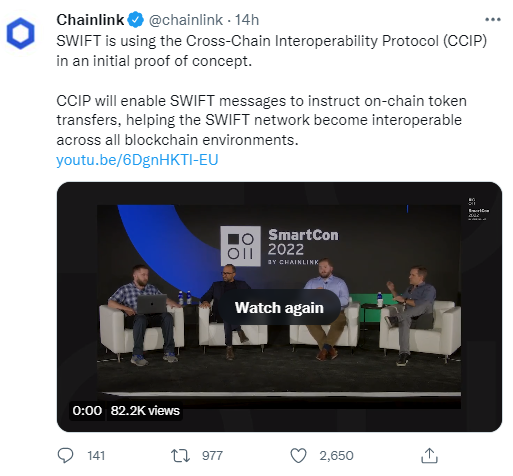
The international capital clearing system SWIFT cooperates with Chainlink (LINK), a price oracle provider, to carry out a proof of concept (POC) project, which will enable traditional financial companies to conduct transactions across block chain networks.

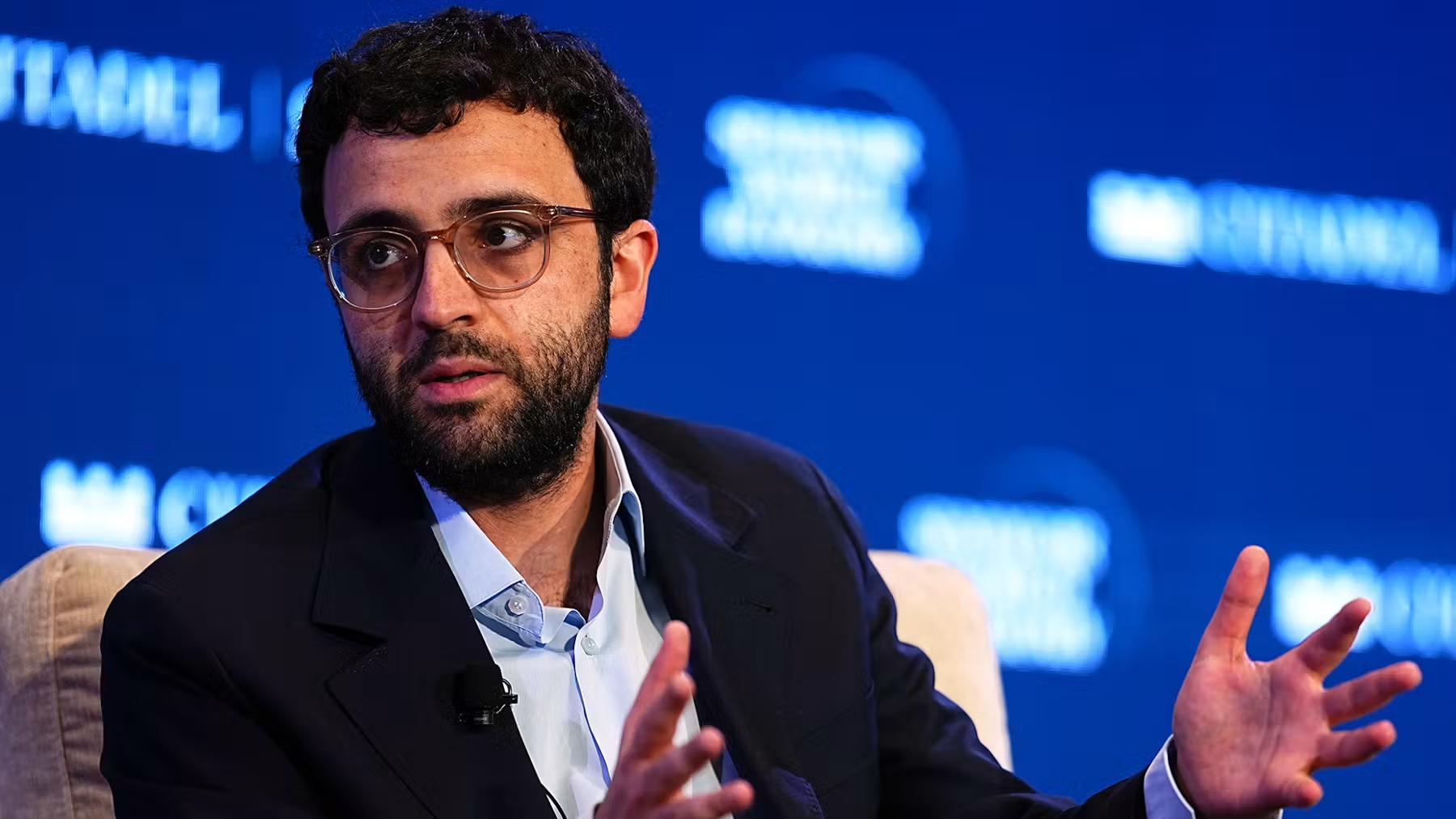
Chainlink co-founder Sergey Nazarov and SWIFT strategic director Jonathan Ehrenfeld Sol é announced the project at the SmartCon 2022 conference held in New York on September 28.

Sol é said at the meeting that "institutional investors have undeniable interest in digital assets", and added that these traditional financial participants want to access digital assets and traditional assets on a platform.

POC uses Chainlink's Cross Chain Interoperability Protocol (CCIP) to allow SWIFT messages to indicate token transfers in almost every blockchain network. According to Nazarov, this will accelerate the adoption of DLT blockchains in capital markets and traditional financial fields.

SWIFT inter-bank messaging system is the most widely used platform in traditional cross-border legal currency transactions, connecting more than 11000 banks worldwide. In August, the system recorded 44.8 million messages on average every day.

However, transactions on the SWIFT network may take several days to complete. The company has also been exploring blockchain and DLT technologies as well as central bank digital currency (CBDC) to promote faster payment.

Chainlink added that this cooperation with SWIFT enables financial institutions to obtain blockchain functions without replacing, developing and integrating new connections into the old system. It said that this requires a large number of modifications at an "abnormally high" cost.
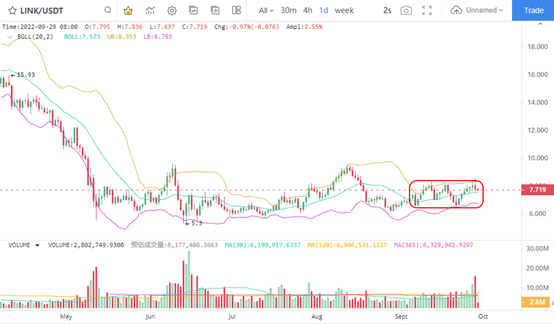
In terms of price, LINK has been in line with the trend of mainstream currencies recently, continuing the sideways consolidation. In fact, this pattern is also a sign of the price readiness. It is believed that under the positive stimulus, some bullish trading signals may appear below $8 during the continuous high volume period of LINK, which deserves further attention from investors.
Lecturas Relacionadas

Datos de exportación de almacenamiento se disparan, el mercado está redefiniendo el anclaje de valoración del almacenamiento

TL;DR: Los datos de exportación de almacenamiento de Corea del Sur para los primeros 20 días de junio muestran un fuerte crecimiento tanto en valor como en precio por kilogramo, lo que sugiere que la demanda de IA podría estar impulsando una reevaluación del sector. Los datos provisionales de exportación de Corea del Sur indican aumentos significativos interanuales en el valor de exportación de DRAM, NAND/Flash y SSD. Además, el precio por kilogramo de algunas categorías se disparó más de un 500%. Esto es crucial porque sugiere una recuperación no solo en volumen, sino también en precios y una migración hacia productos de mayor valor, como la memoria de alto ancho de banda (HBM), un cuello de botella clave para los servidores de IA. La narrativa del mercado se centra en si la escasez y los precios premium de la HBM, dominada por SK Hynix, se están extendiendo a productos de almacenamiento más amplios como DRAM, NAND y SSD, lo que podría cambiar la valoración de empresas como Samsung y Micron de un "ciclo de inventarios" a un "cuello de botella de la infraestructura de IA". Sin embargo, se necesitan advertencias. El precio por kilogramo refleja una combinación de aumento de precios y un cambio hacia productos de mayor densidad de valor, no un aumento uniforme. Además, los datos son preliminares. El riesgo principal sigue siendo la naturaleza cíclica del sector. La validación final llegará con los resultados financieros del Q2 y Q3 de los principales fabricantes, que deben confirmar mejoras sostenidas en los precios, el mix de productos y los márgenes para que se consolide un cambio en la valoración.

marsbitHace 52 min(s)

Datos de exportación de almacenamiento se disparan, el mercado está redefiniendo el anclaje de valoración del almacenamiento

marsbitHace 52 min(s)

¿Por qué SpaceX tiene un techo de valoración tan alto? La respuesta está en el mapa comercial de Musk

SpaceX debutó en Nasdaq el 12 de junio de 2026, alcanzando una valoración histórica y convirtiendo a Elon Musk en el primer billonario en superar 1.1 billones de dólares. Este hito forma parte de un ecosistema tecnológico integral diseñado por Musk, que integra inteligencia artificial (xAI), transporte espacial (Starship), redes de comunicación (Starlink), fabricación (Tesla y Optimus) e interfaces humano-máquina (Neuralink y X). El objetivo es crear un circuito cerrado donde los datos, la energía, la fabricación y la logística se refuercen mutuamente. Por ejemplo, los lanzamientos de bajo costo de Starship permitirían implementar centros de cálculo en órbita, alimentados por energía solar y conectados mediante Starlink. Tesla y sus robots Optimus aportarían capacidad de fabricación y ejecución física, mientras que Neuralink exploraría interfaces neurales avanzadas. Este modelo busca superar los límites de la computación terrestre, reducir costos mediante la reutilización y la automatización, y acelerar la innovación mediante simulaciones de IA y datos en tiempo real. Sin embargo, enfrenta riesgos como la complejidad técnica, la gobernanza corporativa y los marcos regulatorios globales. La alta valoración de SpaceX refleja su papel central en esta visión, más allá de los lanzamientos espaciales, como futuro proveedor de infraestructura crítica para comunicaciones, computación y logística espacial.

marsbitHace 54 min(s)

¿Por qué SpaceX tiene un techo de valoración tan alto? La respuesta está en el mapa comercial de Musk

marsbitHace 54 min(s)

Snap, nueve años sin beneficios, y una obsesión por la RA sin retorno en una década

El 16 de junio, el CEO de Snap, Evan Spiegel, presentó las gafas de realidad aumentada Specs con un precio de 2.195 dólares, lo que provocó una caída del 10% en las acciones de la compañía. Los críticos cuestionan la estrategia de una empresa con nueve años sin beneficios que apuesta por un producto inaccesible para su base de usuarios joven. Snapchat, famoso por sus filtros AR como el perro virtual, ha sido pionero en funciones como las historias efímeras, pero a menudo ha visto cómo sus innovaciones eran copiadas por competidores como Instagram. A pesar del crecimiento en usuarios e ingresos, Snap sigue reportando pérdidas, en parte porque su audiencia juvenil es menos atractiva para los anunciantes. En este contexto, Spiegel ha intensificado su apuesta por la RA, invirtiendo más de 35.000 millones de dólares en una línea de gafas que comenzó en 2016 con las Spectacles, un dispositivo básico para grabar vídeos. La nueva Specs representa un salto tecnológico: es un dispositivo AR independiente que superpone información digital al mundo real, reconoce gestos y ejecuta funciones de IA. Sin embargo, su elevado precio, su peso y su corta autonomía la hacen poco práctica para el uso diario, y sus funciones principales ya están disponibles en los smartphones. Mientras inversores como Irenic Capital presionan para desmantelar la división de RA y preservar efectivo, Spiegel se mantiene firme, definiendo 2026 como un "momento crucial". La compañía ha despedido al 16% de su plantilla, atribuyéndolo a la automatización mediante IA, pero continúa financiando su costosa visión a largo plazo. La historia de Snap es la de un innovador que lucha por convertir sus ideas pioneras en éxito comercial sostenible, planteando la pregunta de si su obstinada fe en la RA es la visión de un visionario o la apuesta arriesgada de un jugador.

marsbitHace 1 hora(s)

Snap, nueve años sin beneficios, y una obsesión por la RA sin retorno en una década

marsbitHace 1 hora(s)

Trading

Spot
Futuros
活动图片