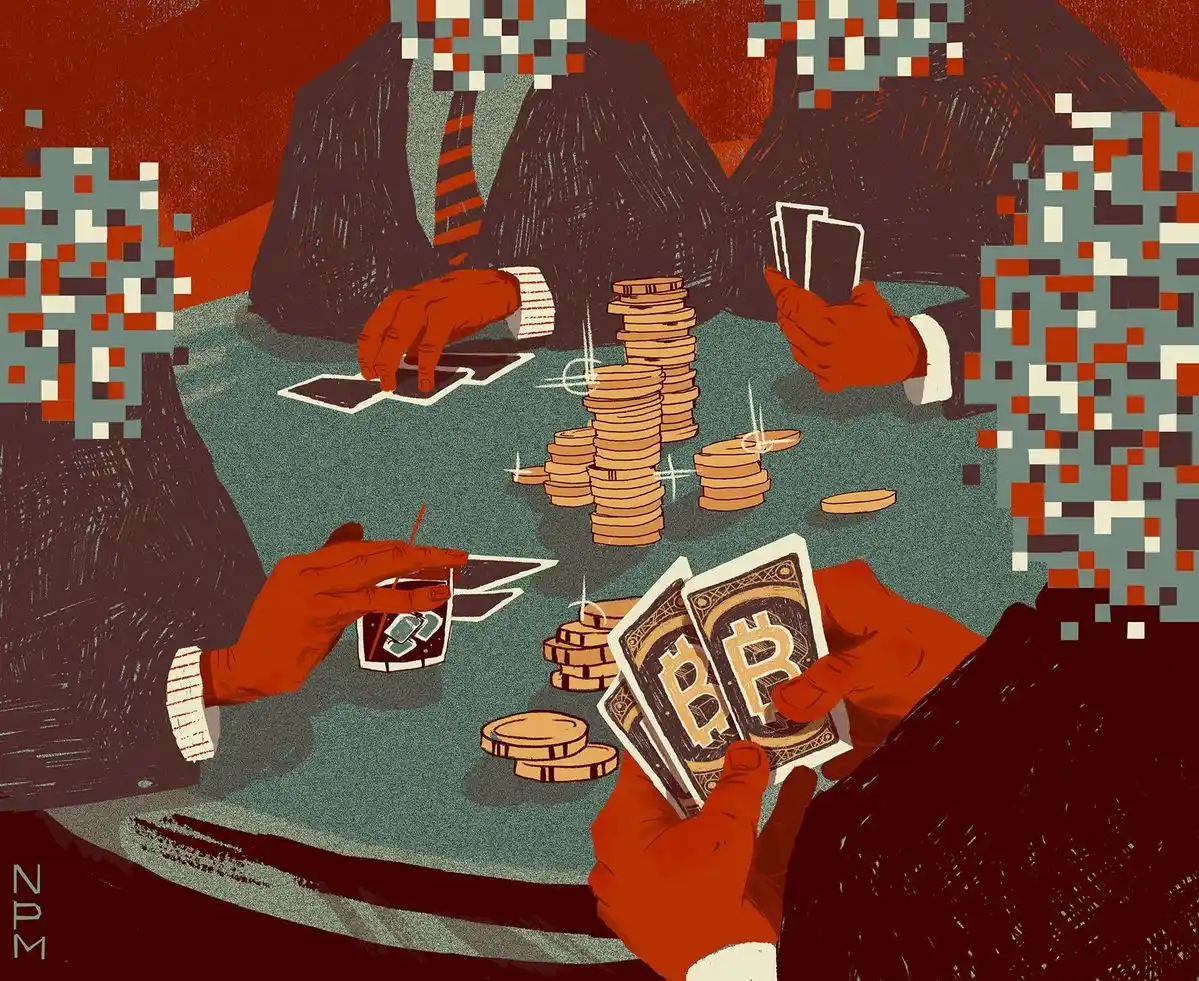
Tether Freezes $131M in USDT Tied to U.S.-Sanctioned Iranian Addresses on TRON

TheNewsCryptoPublicado a 2026-07-15Actualizado a 2026-07-15

Resumen

Tether has frozen four wallets on the TRON network, containing a total of $131 million in USDT, linked to sanctioned Iranian entities: the Islamic Revolutionary Guard Corps and the Central Bank of Iran. The U.S. Treasury's OFAC sanctioned the wallets directly, with Treasury Secretary Scott Bessent confirming the action as part of efforts to disrupt Iran's use of digital assets for illicit finance. Most funds originated from identifiable platforms, DTC Pay and Bitso, raising questions about due diligence in the payment and exchange layer. While Tether has not publicly stated its reason, the connection to sanctioned entities provides a clear explanation. This freeze signals that stablecoin issuers are active participants in sanctions enforcement and shows Tether's willingness to cooperate with regulators, which may reassure institutional players. However, it also demonstrates that USDT on TRON can be frozen, challenging narratives of censorship resistance. The U.S. Treasury indicated it will continue tracking illicit crypto flows, implying more actions could follow. The event increases pressure on exchanges and payment providers to enhance compliance, highlighting the permanent auditability of transactions on distributed ledgers.

Tether has frozen four wallets on the TRON network holding a combined $131 million in USDT. The funds have been linked to two of the most heavily sanctioned entities, Iran’s Islamic Revolutionary Guard Corps (IRGC) and the Central Bank of Iran. Moreover, both are sitting on the U.S. Treasury’s OFAC sanctions list.

The move did not happen in isolation. U.S. Treasury Secretary Scott Bessent confirmed the action publicly, stating the Treasury is committed to disrupting Iran’s use of digital assets for illicit financial activity. Furthermore, OFAC sanctioned the wallets directly, and the freeze followed.

Where Did the Money Come From?

Most of the funds are traced back to two sources: DTC Pay, a payment service provider, and Bitso, a cryptocurrency exchange.

Neither has been accused of wrongdoing at this stage, but the fact that $131 million moved through identifiable platforms before landing in sanctioned wallets. It raises serious questions about the due diligence happening across the payment and exchange layer.

Tether has not yet disclosed the official reason for the blacklisting publicly. However, the established nexus between the Islamic Revolutionary Guard Corps and the Central Bank of Iran provides the most comprehensive explanation of the situation.

How This Moves the Needle for the Broader Market?

On the surface, a freeze of this size does not move markets directly. But what it does is send a very clear signal: stablecoin issuers are now active participants in sanctions enforcement. Not passive infrastructure. Significantly, for the broader crypto market, it shows that Tether can and will cooperate with regulators when pushed. That’s reassuring for institutional players who worry about regulatory exposure.

On the other hand, it proves that USDT on TRON can be frozen at any point, which quietly rattles the narrative around censorship resistance that a large portion of the crypto community still holds onto.

Additionally, the statement of Bessent made one thing clear: that the U.S. is far from finished. Treasury will continue tracking illicit crypto flows, and more freezes could follow.

For exchanges and payment providers moving large USDT volumes, the pressure to tighten compliance is no longer optional. Also, the broader implications are straightforward: the inherent traceability of distributed ledger technology ensures that the movement of funds remains permanently auditable.

Crypto Market Highlights

MemeCore Flashes Strength: Can It Extend Its Bullish Streak?

TagsIranTetherTronUnited States

Criptos en tendencia

Preguntas relacionadas

QWhat action did Tether take regarding USDT linked to Iranian addresses on the TRON network?

ATether froze four wallets on the TRON network holding a combined $131 million in USDT, which were linked to U.S.-sanctioned Iranian entities.

QWhich two sanctioned Iranian entities were the frozen funds linked to?

AThe frozen funds were linked to Iran's Islamic Revolutionary Guard Corps (IRGC) and the Central Bank of Iran, both on the U.S. Treasury's OFAC sanctions list.

QAccording to the article, what are the two main sources that most of the frozen funds were traced back to?

AMost of the funds were traced back to two sources: DTC Pay, a payment service provider, and Bitso, a cryptocurrency exchange.

QWhat signal does the article suggest this freeze sends to the broader crypto market?

AThe freeze signals that stablecoin issuers like Tether are now active participants in sanctions enforcement, not just passive infrastructure, and that they can and will cooperate with regulators.

QWhat does the U.S. Treasury Secretary's statement imply about future actions?

AThe statement from U.S. Treasury Secretary Scott Bessent implies that the U.S. is committed to tracking illicit crypto flows, and more freezes of this nature could follow in the future.

Lecturas Relacionadas

S&P Dow Jones se une a Pantera para lanzar un índice cripto, pero excluye a Bitcoin por "no generar ingresos"

**Resumen: S&P y Pantera lanzan índice cripto basado en 'rentabilidad', excluyendo a Bitcoin** S&P Dow Jones Indices, en colaboración con Pantera Capital, ha lanzado el **Índice de Activos Digitales S&P Pantera**. Este nuevo índice introduce un marco de selección basado en los **fundamentos financieros**, inspirado en los criterios del S&P 500. La premisa central es simple: los activos incluidos deben demostrar **rentabilidad sostenida y tangible**. **Criterios de Selección:** Para ser considerado, un protocolo debe haber generado **ingresos positivos por protocolo durante múltiples trimestres consecutivos** (verificados por la firma Artemis), superando un umbral mínimo. Además, estos ingresos deben fluir hacia los tenedores del token a través de mecanismos como recompras, recompensas de staking (ajustadas por inflación) o distribuciones desde una tesorería controlada por la comunidad. **Exclusión Notable: Bitcoin** Bitcoin ha sido **excluido explícitamente** del índice. Pantera argumenta tres razones principales: 1. Bitcoin es un **activo monetario** (como el oro digital), para el cual los inversores institucionales ya tienen vías de exposición específicas (como los ETF). 2. No genera **ingresos por protocolo**, por lo que no cumple el criterio fundamental de "viabilidad financiera". 3. El índice busca diferenciar claramente entre protocolos con modelos de negocio reales y tokens sin fundamentos económicos, evitando mezclar Bitcoin con memecoins. **Componentes del Índice:** El índice incluye inicialmente **18 activos**, seleccionados y ponderados según su capitalización de mercado ajustada por flotación. Los **cinco principales componentes** son: Ethereum (ETH), BNB, Solana (SOL), Tron (TRX) e Hyperliquid (HYPE). Se confirma que Aave también forma parte. Todos los protocolos incluidos reportan colectivamente ingresos anualizados superiores a los **30.000 millones de dólares**. **Contexto y Próximos Pasos:** Este lanzamiento responde a una **brecha de productos** identificada por Pantera para inversores institucionales, que demandan vehículos de inversión que distingan activos por su utilidad y generación de valor. El índice se presenta primero como un **benchmark o referencia**. Pantera ya está en conversaciones con gestoras de activos para desarrollar **ETF u otros productos** basados en este índice, potenciado por su relación con Morgan Stanley. **Discusión en la Comunidad:** La exclusión de Bitcoin ha generado debate. Algunos ven una oportunidad para que las altcoins obtengan mayor exposición institucional por separado. Otros argumentan que esto refuerza la narrativa de Bitcoin como **reserva de valor pura** ("oro digital"), mientras que otros criptoactivos son categorizados como **plataformas tecnológicas o redes de utilidad** generadoras de ingresos.

marsbitHace 14 min(s)

S&P Dow Jones se une a Pantera para lanzar un índice cripto, pero excluye a Bitcoin por "no generar ingresos"

marsbitHace 14 min(s)

Claude presenta una función revolucionaria: Grabar pantalla + voz, destila tu habilidad en un Skill para que trabaje por ti

Anthropic ha presentado una nueva función "Record a Skill" en la versión de escritorio de Claude. Esta herramienta permite a los usuarios grabar su pantalla mientras realizan una tarea y la complementan con una explicación de voz. A continuación, Claude analiza la grabación y la convierte automáticamente en una Skill reutilizable. Actualmente, esta función está disponible para usuarios Pro, Max y Team. La creación de estas Skills ahora se simplifica enormemente: en lugar de redactar manualmente instrucciones complejas en formato Markdown, los usuarios solo necesitan ejecutar y describir su flujo de trabajo. Esto reduce significativamente la barrera de entrada, especialmente para usuarios no técnicos, y captura no solo los pasos visibles, sino también la lógica de decisión y el conocimiento tácito que se comunica verbalmente. Aunque esta innovación se promociona como una herramienta de eficiencia, también plantea implicaciones más profundas. Facilita la externalización y automatización de conocimientos especializados, lo que podría transformar la gestión del conocimiento dentro de las empresas y afectar la naturaleza de ciertos roles laborales. La barrera competitiva podría desplazarse de simplemente "saber hacer" una tarea a poseer habilidades únicas y complejas que sean difíciles de automatizar.

marsbitHace 19 min(s)

Claude presenta una función revolucionaria: Grabar pantalla + voz, destila tu habilidad en un Skill para que trabaje por ti

marsbitHace 19 min(s)

Trading

Spot

Artículos destacados

Cómo comprar TRX

¡Bienvenido a HTX.com! Hemos hecho que comprar TRON (TRX) sea simple y conveniente. Sigue nuestra guía paso a paso para iniciar tu viaje de criptos.Paso 1: crea tu cuenta HTXUtiliza tu correo electrónico o número de teléfono para registrarte y obtener una cuenta gratuita en HTX. Experimenta un proceso de registro sin complicaciones y desbloquea todas las funciones.Obtener mi cuentaPaso 2: ve a Comprar cripto y elige tu método de pagoTarjeta de crédito/débito: usa tu Visa o Mastercard para comprar TRON (TRX) al instante.Saldo: utiliza fondos del saldo de tu cuenta HTX para tradear sin problemas.Terceros: hemos agregado métodos de pago populares como Google Pay y Apple Pay para mejorar la comodidad.P2P: tradear directamente con otros usuarios en HTX.Over-the-Counter (OTC): ofrecemos servicios personalizados y tipos de cambio competitivos para los traders.Paso 3: guarda tu TRON (TRX)Después de comprar tu TRON (TRX), guárdalo en tu cuenta HTX. Alternativamente, puedes enviarlo a otro lugar mediante transferencia blockchain o utilizarlo para tradear otras criptomonedas.Paso 4: tradear TRON (TRX)Tradear fácilmente con TRON (TRX) en HTX's mercado spot. Simplemente accede a tu cuenta, selecciona tu par de trading, ejecuta tus trades y monitorea en tiempo real. Ofrecemos una experiencia fácil de usar tanto para principiantes como para traders experimentados.

2.3k Vistas totalesPublicado en 2024.12.10Actualizado en 2026.06.02

Cómo comprar TRX

Discusiones

Bienvenido a la comunidad de HTX. Aquí puedes mantenerte informado sobre los últimos desarrollos de la plataforma y acceder a análisis profesionales del mercado. A continuación se presentan las opiniones de los usuarios sobre el precio de TRX (TRX).

活动图片