SBF Defends FTX: ‘We Had $8 Billion, Not Insolvency’

bitcoinistPublicado a 2025-10-31Actualizado a 2025-10-31

Resumen

Sam Bankman-Fried on Friday pushed back against the common view of FTX’s collapse, saying the exchange was not insolvent when...

Trusted Editorial content, reviewed by leading industry experts and seasoned editors. Ad Disclosure

Sam Bankman-Fried on Friday pushed back against the common view of FTX’s collapse, saying the exchange was not insolvent when it failed in November 2022.

According to a document posted on X on October 31, 2025, his team argues the company suffered a sudden liquidity run rather than a balance-sheet shortfall.

The filing claims there are roughly $14.6 billion in estate assets versus about $8 billion in customer claims.

Claims Of Solvency And Asset Totals

Bankman-Fried’s filing asserts that roughly $8 billion of customer liabilities never left the exchange’s estate. It says legal and advisory costs have been sizable — roughly $1 billion — but that large asset recoveries since 2022 mean creditors are in line for healthy payouts.

Reports have disclosed that 98% of creditors have already been repaid about 120% of their claims, and the filing projects final customer repayments could fall between 119% and 143%.

The document shifts blame in part to outside advisers and the emergency management team brought in after the collapse.

It names the law firm Sullivan & Cromwell and interim CEO John J. Ray III as having steered the bankruptcy process in ways that, the filing contends, made rescue or rapid resolution harder.

The tone is defensive, and the numbers are presented as evidence that the estate can cover claims.

Critics Challenge The Account

But not everyone accepts that account. Based on reports from on-chain investigators and others, critics say the figures don’t settle the key question: was FTX solvent at the moment customers tried to withdraw funds?

On-chain researcher ZachXBT and other analysts point out that the value of many recovered assets has risen since November 2022, and that using today’s prices to declare past solvency can mislead.

BTCUSD currently trading at $109,734. Chart: TradingView

The distinction between having assets that can eventually pay people and having liquid cash at the height of a run is at the center of the disagreement.

Investigators, court filings and prior testimony in criminal proceedings highlighted governance failures and risky ties with Alameda Research.

Those findings remain part of the public record and complicate any simple claim that the business was merely a victim of timing.

Legal observers also note that bankruptcy costs and litigation risk can meaningfully reduce what is ultimately available to customers.

What This Means For Customers And The Industry

For former customers, the most immediate question is how repayments are calculated. Reports have disclosed that some sums will be based on November 2022 valuations rather than current market prices.

That approach can leave users short if asset prices later climbed. Even if the estate yields payouts above 100% of claims, the timing and basis of those payments matter to actual recoveries.

If Bankman-Fried’s portrayal gains traction, it would reframe parts of the story from one of clear insolvency to a debate about timing, liquidity and post-collapse management.

Regulators and creditors are watching closely. The legal and financial aftermath of FTX’s failure is still unfolding, and competing narratives about responsibility and recovery will shape how similar collapses are handled in the future.

Featured image from Tom Williams/Getty Images, chart from TradingView

Editorial Process for bitcoinist is centered on delivering thoroughly researched, accurate, and unbiased content. We uphold strict sourcing standards, and each page undergoes diligent review by our team of top technology experts and seasoned editors. This process ensures the integrity, relevance, and value of our content for our readers.

Christian, a journalist and editor with leadership roles in Philippine and Canadian media, is fueled by his love for writing and cryptocurrency. Off-screen, he's a cook and cinephile who's constantly intrigued by the size of the universe.

Lecturas Relacionadas

De Mint a TapeOut: Guía de Primeros Pasos para Novatos en TapeOut

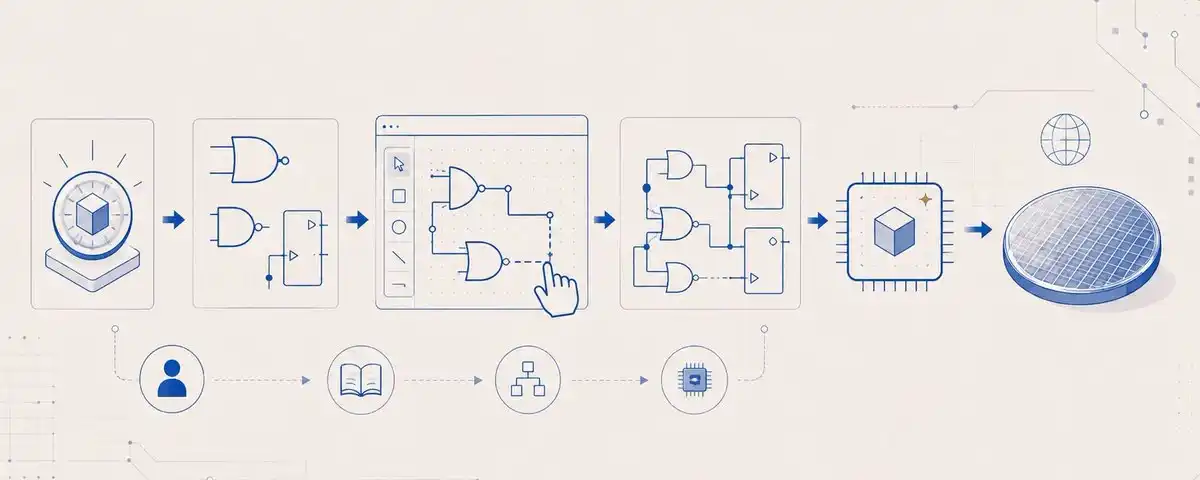
De Mint a cinta: Guía para principiantes en su primera experiencia con TapeOut Descargo de responsabilidad: No soy asesor financiero autorizado. Esta guía está basada en información pública y no constituye asesoramiento de inversión. Esta guía ofrece un camino mínimo y de bajo riesgo para explorar TapeOut, una plataforma que permite crear y "fabricar" (TapeOut) circuitos lógicos en cadena (blockchain). En lugar de centrarte primero en el precio o en qué "chip" mintear (acuñar), se recomienda entender el proceso desde la funcionalidad. **Preparación: Usa una billetera de prueba** Accede a https://tapeout.net/ en BNB Smart Chain. Usa una billetera separada con una pequeña cantidad de BNB para gas y pruebas. Conectarse no tiene consecuencias, pero acciones como mintear, crear órdenes o autorizar son firmas con efectos. **Paso 1: Elige un Procesador, no una tendencia** TapeOut funciona con procesadores individuales. Cada uno tiene su propio suministro de componentes (NAND y LATCH) y ecosistema de circuitos. Antes de actuar, revisa la página de detalles del procesador: nombre, creador, suministro total, cantidad ya minteada, etc. "Oficial" o "Génesis" no son garantías de seguridad. **Paso 2: Mintear con precaución** Si un procesador tiene suministro disponible, puedes mintear componentes NAND o LATCH. Sigue estos pasos: 1) Verifica el precio unitario y el total a pagar. 2) Introduce una cantidad mínima (ej. 1). 3) Revisa el resumen en tu billetera antes de firmar. Mintear no es "comprar TapeOut", es obtener componentes específicos para un procesador concreto. **Paso 3: Mercado de órdenes (Order Book)** Si un procesador está completamente minteado, debes usar el mercado. Es un order book descentralizado donde compradores y vendedores coinciden. No confundas el "último precio" con un precio garantizado. Comprende bien la interfaz antes de crear una orden de compra (que bloquea fondos) o de vender a una orden existente (lo que requiere una autorización inicial para el contrato del mercado). **Paso 4: El núcleo: Crear un circuito mínimo** La esencia de TapeOut está en el lienzo (https://tapeout.net/#canvas). Aquí puedes conectar componentes lógicos. Para empezar, carga un ejemplo mínimo (como un sumador) y observa cómo funcionan las entradas y salidas. Solo cuando quieras guardar el circuito en la cadena, se realiza el "TapeOut" o "fabricación", lo cual consume componentes y es una transacción irreversible. Empieza con un circuito muy pequeño. **Paso 5: Después del TapeOut, interactúa con tu circuito** Un circuito TapeOut es una función en cadena que puede ser leída o ejecutada (step). Completa el ciclo verificando tu circuito, por ejemplo, usando la función "Read Contract" en BscScan para consultas sin costo. No te limites a coleccionar NFTs de circuitos. **Consejos de seguridad finales** Antes de cada firma, pregúntate: ¿Estoy en el sitio web oficial (tapeout.net)? ¿Estoy en la red correcta (BSC)? ¿Qué estoy firmando exactamente (Mintear, orden, autorización, TapeOut)? ¿Cuánto estoy pagando o bloqueando? ¿Puedo revertir esta acción? ¿Puedo aceptar perder estos fondos? Esta guía te permite entender el ciclo "componente - TapeOut - circuito - interacción" de manera segura. No conviertas una lección interesante de lógica en cadena en una costosa lección por no verificar los detalles.

marsbitHace 5 min(s)

De Mint a TapeOut: Guía de Primeros Pasos para Novatos en TapeOut

marsbitHace 5 min(s)

Trading

Spot
活动图片