Blockchain Enters The City: London Stock Exchange Launches Private Funds Platform

bitcoinistPublicado a 2025-09-16Actualizado a 2025-09-16

Resumen

London Stock Exchange Group (LSEG) has launched a blockchain-based platform aimed at private funds and completed its first live transaction,...

Trusted Editorial content, reviewed by leading industry experts and seasoned editors. Ad Disclosure

London Stock Exchange Group (LSEG) has launched a blockchain-based platform aimed at private funds and completed its first live transaction, a move that seeks to bring tokenization and faster settlement to traditionally slow fund markets.

According to LSEG, the new system — called Digital Markets Infrastructure (DMI) — runs on Microsoft Azure and is designed to handle everything from issuance through to post-trade servicing.

Blockchain: Platform Handles Full Life Cycle

Reports have disclosed that DMI is built to cover the whole lifecycle of an asset. That means issuance, tokenization, distribution, post-trade settlement and servicing can be recorded and tracked on the platform rather than handled only by paper or siloed systems.

The exchange group said the design emphasizes interoperability between distributed ledger technologies and existing financial systems.
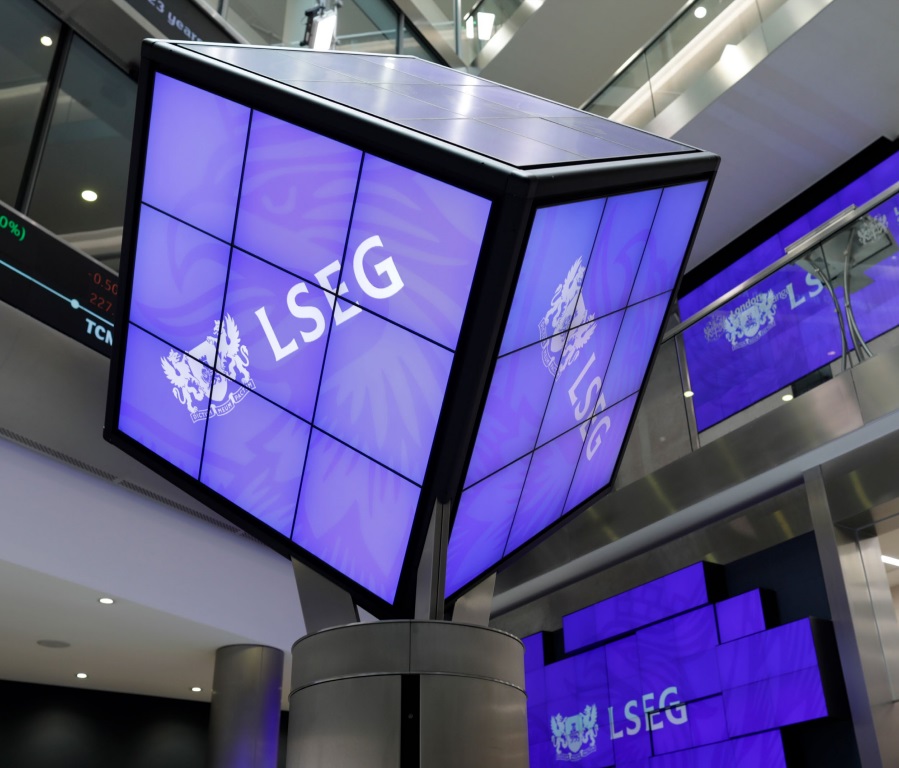
Image: EuropaWire

The First Deal And Who Took Part

LSEG said it facilitated its first transaction on the platform on Monday, with MembersCap acting as general partner for a primary fundraise of MCM Fund 1 and Archax serving as nominee.

Based on reports, MembersCap and Archax were onboarded as the first clients and executed the maiden fundraise live on DMI.

Financial outlets noted the transaction as a milestone because it was carried out on a regulated exchange’s blockchain system.

Total crypto market cap currently at $3.93 trillion. Chart: TradingView

Regulatory Backing And Market Players

According to coverage, the involvement of Archax — an FCA-regulated digital securities exchange — gives the project a regulatory anchor, which market participants say matters when tokenized private assets are issued to professional investors.

Microsoft’s role is also highlighted: the platform runs on Azure, and earlier business ties between Microsoft and LSEG were noted in reporting. Those ties have framed the project as a partnership between a major cloud provider and a major exchange.

What This Might Mean For Private Funds

Observers say tokenization could reduce manual steps, speed up settlement and make ownership records easier to audit, though none of that is automatic.

Secondary market activity for tokenized fund interests will depend on rules, market structure and how custodians and platforms respond.

Adoption by fund managers is another question: managers will weigh costs, investor appetite and legal clarity before shifting large pools of assets onto a ledger.

Reports indicate LSEG plans to expand DMI beyond private funds to other asset types over time.

Featured image from Yuichiro Chino/Getty Images, chart from TradingView

Editorial Process for bitcoinist is centered on delivering thoroughly researched, accurate, and unbiased content. We uphold strict sourcing standards, and each page undergoes diligent review by our team of top technology experts and seasoned editors. This process ensures the integrity, relevance, and value of our content for our readers.

Christian, a journalist and editor with leadership roles in Philippine and Canadian media, is fueled by his love for writing and cryptocurrency. Off-screen, he's a cook and cinephile who's constantly intrigued by the size of the universe.

Lecturas Relacionadas

XRP enfrentará una dilución anual de oferta del 5.5 % en medio de un desplome del 81.6% en los ingresos de XRPL

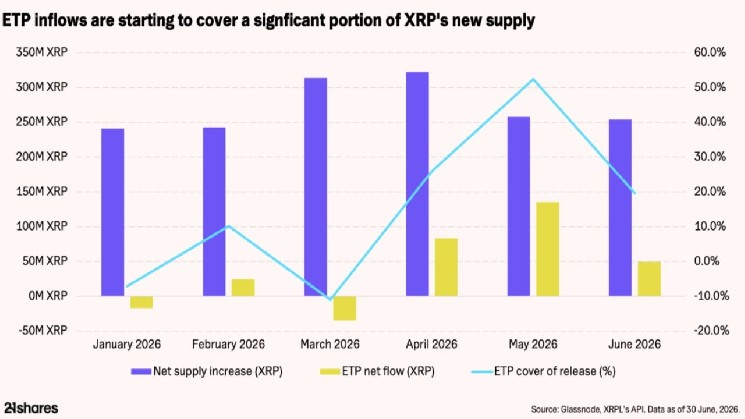
El suministro en circulación de XRP ha aumentado un 5,5% anual debido a emisiones mensuales desde fondos en custodia que superan las reintegraciones, según un análisis de 21Shares. Este incremento diluye el valor para los tenedores, resultando en una pérdida neta anual estimada del 5,5% con las tarifas actuales. Para compensar esta expansión, los ingresos de la red necesitarían multiplicarse aproximadamente 12.700 veces. Los productos cotizados (ETP) de XRP en EE.UU. absorbieron solo el 14,8% del nuevo suministro en el primer semestre de 2026. Aunque las compras cubrieron más de la mitad en mayo, sus entradas anuales (588 millones de dólares) representan solo una séptima parte de la emisión neta. La demanda futura depende de un uso más amplio, como en pagos corporativos o gestión de tesorería, pero su adopción en flujos de pagos tradicionales aún es incierta. Los ingresos de XRPL cayeron un 81,6% interanual en el primer semestre, a 1,18 millones de dólares, afectados por menores comisiones de swaps y regalías de NFT. Solo el 10,6% de estos ingresos benefician indirectamente a los tenedores mediante la reducción de oferta. Por otro lado, la stablecoin de Ripple, RLUSD, creció significativamente, con una oferta de 1.560 millones de dólares y un 52% alojado en XRPL, mejorando la liquidez institucional. Aviva Investors lanzó un fondo tokenizado en XRPL, sumándose a activos tokenizados por valor de unos 4.000 millones de dólares en la red.

cryptonews.ruHace 23 min(s)

XRP enfrentará una dilución anual de oferta del 5.5 % en medio de un desplome del 81.6% en los ingresos de XRPL

cryptonews.ruHace 23 min(s)

Trading

Spot
活动图片