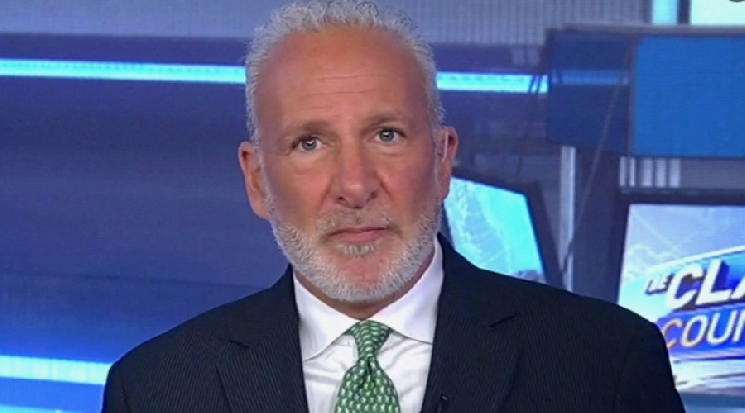
BJP national spokesperson Pradeep Bhandari has suggested that India explore a rupee-backed digital currency to make cross-border payments faster, cheaper, and more reliable. In an opinion piece, he said a Digital Rupee, backed one-to-one by Government of India bonds, could complement the RBI’s ongoing e-rupee pilot and provide a stable, non-speculative tool for international transactions.
Bhandari pointed out that stablecoins, which are digital tokens tied to a government currency, are already being adopted worldwide. The U.S. has introduced a legal framework for stablecoins, while countries such as the UAE and Bahrain are moving forward with their own digital payment systems. China is reportedly working on its version as well.
In this context, he argued, India has the chance to take a lead by introducing a regulated, rupee-backed digital asset.
Easing remittances
India receives more remittances than any other country, totaling over ₹11 lakh crore annually. Bhandari said that current transfer systems remain costly and slow for many families.
A blockchain-based Digital Rupee, he added, could enable near-instant transfers at lower costs, operating around the clock and on transparent networks. For millions of households, this could significantly reduce delays and fees.
Supporting government finances
Bhandari said a Digital Rupee could also bring economic benefits at home. Since each unit would be backed by government bonds, it could create steady demand for government debt and help lower borrowing costs. This would also give the Reserve Bank of India (RBI) more room to adjust interest rates and help keep the economy steady.
Bhandari suggested rolling out the Digital Rupee step by step, starting with regions like West Asia, where India has strong trade and a big diaspora. At first, it could be used for trade payments and remittances for NRIs.
He made it clear that the Digital Rupee wouldn’t replace the RBI’s e-rupee but would work alongside it to make the rupee more widely used.
Stablecoin policy needed
On the broader policy front, former RBI Executive Director G Padmanabhan recently urged the government to take a clear position on stablecoins. Ahead of the Global Fintech Festival 2025, he said that if the government doesn’t take a clear call on stablecoins, India could face the same uncertainty it saw with cryptocurrencies. He urged regulators to have detailed discussions and stay aligned with what’s happening globally.
Bhandari added that a Digital Rupee could help the rupee gain more global acceptance, lower the cost of remittances, and put India ahead in digital finance.
Also Read: Crypto Rules Could Legitimize Digital Assets in India: RBI