Stock Exchange Expert Highlights What Will Spark An XRP Price Explosion

bitcoinistPublicado a 2025-09-12Actualizado a 2025-09-13

Resumen

The XRP price could be on the verge of a significant move, according to stock exchange expert Oliver Michel. Michel...

Trusted Editorial content, reviewed by leading industry experts and seasoned editors. Ad Disclosure

The XRP price could be on the verge of a significant move, according to stock exchange expert Oliver Michel. Michel points out that XRP is waiting for a catalyst, and the right event could push it much higher. Demand for the digital asset is already building, and if market conditions align, Michel believes the token could reach a new peak in the near term.

Price Could See Key Trigger From Spot XRP ETFs In October

According to his market study, Oliver Michel, CEO of Tokentus, highlights that the most significant spark for the XRP price could be the approval of spot XRP ETFs. He notes that more than seven applications are now waiting for SEC decisions, with deadlines falling between October 18 and 25. If the SEC approves these ETFs, Michel believes they would bring real demand into the market and set the XRP price up for an intense climb.

He recalls that the rollout of Bitcoin and Ethereum ETFs in the past brought a surge of activity and greater attention to the market. In his view, similar approval for XRP would not only confirm rising demand but also draw in a new wave of investors. Current signs already indicate growing interest, as XRP futures at the CME Group reached $1 billion in open interest in just over three months, making it the fastest crypto contract on CME to reach that milestone.

Beyond futures, funds tied to XRP are also seeing heavy inflows. Michel emphasizes that futures-based XRP ETFs have already attracted over $800 million in assets. For him, the next step is Spot ETFs, which bring stronger direct demand. If XRP begins to rally in October, Michel believes these ETFs could quickly fuel the move and lift prices even higher.

XRP Price Consolidation Signals A Decisive Breakout Ahead

From the Frankfurt Stock Exchange floor, Michel observes that XRP is trading around $2.97, consolidating below its recent swing high of $3.66. He explains that the token will need the broader market to build momentum as it is unlikely to climb on its own. Michel notes that while Bitcoin still has potential, altcoins like XRP and Ethereum could see much larger gains. He believes altcoins could rise as much as 300%, while Bitcoin might only see increases of around 30%.

Michel emphasizes that XRP is approaching a decisive moment. If spot ETFs are approved, the token could experience a strong upside move. He joins other analysts predicting a new peak for the XRP price, with popular year-end expectations above $10. Michel says growing demand and shifting market momentum could push the altcoin higher. He explains that XRP’s current consolidation shows it is waiting for a catalyst to break higher. He says October could be the time when the XRP price finally makes a strong rally.

XRP price chart from TradingView.com
Price struggles against bearish headwinds | Source: XRPUSDT on TradingView.com
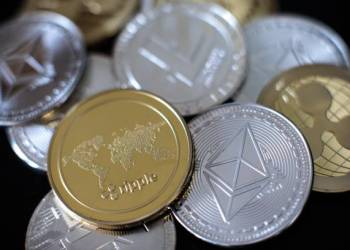
Featured image from DALL.E, chart from TradingView.com
Editorial Process for bitcoinist is centered on delivering thoroughly researched, accurate, and unbiased content. We uphold strict sourcing standards, and each page undergoes diligent review by our team of top technology experts and seasoned editors. This process ensures the integrity, relevance, and value of our content for our readers.

I'm Sandra White, a writer at Bitcoinist, and I provide the latest updates on the world of cryptocurrencies. I believe crypto a gateway to a new order and I have made it my life's mission to help educate as much people as possible. When I'm not at work, I love listening to music, learning new things, and dream of traveling around the world.

Lecturas Relacionadas

Los creadores de ChatGPT ya no usan ChatGPT para trabajar

Los creadores de ChatGPT ya no lo utilizan para trabajar. En su lugar, OpenAI ha adoptado de forma masiva el agente de IA "Codex", que ahora genera el 99,8% de los tokens de salida semanales de la empresa, frente a menos del 10% hace solo 10 meses. Codex, impulsado por GPT-5.5, ha evolucionado de una herramienta de codificación a un agente autónomo capaz de manejar flujos de trabajo completos y prolongados, desde tareas legales y financieras hasta ingeniería. El cambio, acelerado desde septiembre del año pasado, es generalizado: ingenieros (99% de tokens), así como departamentos legales, financieros y de recursos humanos (más del 85% cada uno) utilizan Codex como herramienta principal. Su adopción crece más rápido entre usuarios no desarrolladores. Codex permite delegar tareas que requieren desde 30 minutos hasta más de 8 horas de trabajo humano, y el 25% de las tareas que realizan con él profesionales no técnicos implican programación, desdibujando los límites tradicionales entre roles. La transformación clave es el cambio de paradigma: de la interacción de preguntas y respuestas con un chatbot a la delegación de tareas complejas y de larga duración a un agente autónomo. Los usuarios más intensivos llegan a generar más de 60 horas de trabajo de agente en un solo día. Codex optimiza incluso su propia infraestructura. El informe sugiere que la futura ventaja competitiva residirá en la capacidad de delegar flujos de trabajo cada vez más extensos y críticos a los agentes de IA.

marsbitHace 12 min(s)

Los creadores de ChatGPT ya no usan ChatGPT para trabajar

marsbitHace 12 min(s)

El auge de las stablecoins en América Latina no es, en esencia, una 'victoria de la criptotecnología'

El auge de las stablecoins en América Latina no es, en esencia, una "victoria de la tecnología cripto". Surge de una necesidad histórica y profundamente arraigada: enviar dinero a casa. Durante siglos, desde las "cartas de plata" de los inmigrantes chinos hasta las remesas modernas, la región ha buscado formas de mover valor a través de fronteras de manera confiable. Hoy, stablecoins como USDT o USDC llenan ese vacío. No son vistas como activos especulativos, sino como dólares digitales que resuelven problemas prácticos: evitar la inflación (Argentina, Venezuela), reducir costos y tiempo en las remesas (México, Centroamérica), o facilitar pagos transfronterizos para freelancers y comercio. Su adopción responde al fracaso de los sistemas financieros tradicionales, demasiado lentos, caros o inaccesibles. Sin embargo, el desafío real no está en la tecnología blockchain, sino en los extremos de la transacción: cómo convertir ingresos locales en stablecoins y, sobre todo, cómo convertirlas nuevamente en moneda local de forma rápida y segura, ya sea en una cuenta Pix (Brasil), SPEI (México) o en efectivo. El éxito dependerá de integrarse de manera invisible en infraestructuras de pago locales, cumplir con marcos regulatorios emergentes y, ante todo, ofrecer la certeza que millones de familias necesitan: saber que el dinero llegó.

marsbitHace 1 hora(s)

El auge de las stablecoins en América Latina no es, en esencia, una 'victoria de la criptotecnología'

marsbitHace 1 hora(s)

Trading

Spot
活动图片