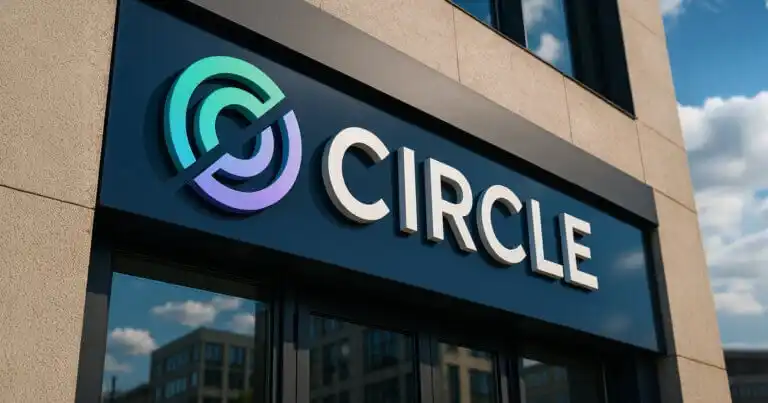
Arthur Hayes: The US Dollar’s Next Weapon Isn’t Bonds, It’s Stablecoins

ccn.comPublicado a 2025-08-01Actualizado a 2025-08-27

Key Takeaways

  • In his latest blog post, Arthur Hayes argues that stablecoins will prove key to dollar revival.
  • He argued that Treasury Secretary Bessent could use USD-pegged stablecoins to enrich the US Treasury.
  • Stablecoin demand has surged to new highs after the passage of the GENIUS Act.

Arthur Hayes, the co-founder and CIO of Maelstrom, has never shied away from making bold predictions about the trajectory of the crypto market.

However, this time, his prediction is not about Bitcoin (BTC), but on the very instrument many crypto purists dismiss as unsexy: stablecoins.

In his latest essay , Hayes argues that U.S.–dollar–pegged stablecoins could become Treasury Secretary Scott Bessent’s “new weapon” as Washington seeks to shore up dollar dominance.

Unlike traditional government bonds, he wrote, stablecoins have the potential to reroute trillions in offshore liquidity, reshaping both global finance and the crypto landscape.

Top Crypto Tax Accounting Software
Sponsored
Disclosure
We sometimes use affiliate links in our content, when clicking on those we might receive a commission at no extra cost to you. By using this website you agree to our terms and conditions and privacy policy.

From Eurodollars to Stablecoins

Hayes framed the fight in historical terms, tying it to “Pax Americana,” the U.S.-led global order propped up by financial and military power.

He argued that the Treasury could exploit stablecoins to wrestle control back from the Eurodollar system—those vast pools of offshore dollar deposits that have long operated outside U.S. regulatory reach.

Hayes suggested that the U.S. could funnel global deposits into safe, yield-bearing assets like Treasury bills by promoting dollar-pegged tokens.

In his words, a stablecoin functions like a narrow bank: issuers take in dollars, invest them in T-bills, and mint tokens redeemable 1:1. That cycle not only reinforces demand for Treasuries but ensures that dollar flows return home.

“The only risk-free debt instruments in nominal dollar terms are Treasury debt securities.” Therefore, the more stablecoins that circulate, the more Treasury bill buyers there are, Hayes argued.

A Regulatory Tailwind

The timing, Hayes noted, is no accident. In July, U.S. lawmakers passed the GENIUS Act, creating the first comprehensive framework for stablecoin issuers.

The law has already unleashed a flood of applications from banks, fintech firms, and crypto companies eager to issue compliant tokens.

With regulatory clarity in place, stablecoins are quickly moving from speculative rails into mainstream settlement infrastructure.

Hayes argued that this is exactly what Bessent and the Treasury want: an influx of foreign retail deposits, especially from countries plagued by inflation and currency instability, flowing directly into the U.S. financial system.

Argentina as a Case Study

To make his case, Hayes pointed to Argentina, where the peso has lost 97% of its value against the dollar since 2018.

In such environments, he noted, locals increasingly bypass banks altogether and transact directly in USDT, a dollar-pegged stablecoin.

Paying service workers in crypto-stable dollars, Hayes said, reflects a growing global preference for dollar-based digital money over failing national currencies.

The implication is clear: if stablecoins become the default savings tool in the Global South, Washington gains a direct pipeline of capital that both undercuts de-dollarization efforts and deepens demand for Treasuries.

The Future of Pax Americana

For Hayes, the strategic use of stablecoins could mark the next evolution of American monetary power.

Where Eurodollars once slipped through Washington’s grasp, stablecoins—regulated, dollar-pegged, and Treasury-backed—could bring those flows home.

It’s a thesis that cuts against the grain of crypto’s anti-establishment ethos but highlights the paradox at the heart of digital finance: the same tools designed to decentralize money may end up reinforcing the world’s most centralized one.

Was this Article helpful? Yes No

Criptos en tendencia

Lecturas Relacionadas

Standard Chartered se hace cargo del acceso a USDC, Circle cede control a cambio de escala

El 2 de julio, Standard Chartered y Circle anunciaron una asociación que permitirá a clientes institucionales crear o canjear USDC directamente a través de las cuentas bancarias de Standard Chartered, sin necesidad de una cuenta separada en Circle. Este servicio se lanzará inicialmente en el Centro Financiero Internacional de Dubái (DIFC). Como primer Banco de Importancia Sistémica Global (G-SIB) en ofrecer este acceso "integrado" a USDC, Standard Chartered actúa como un puente de confianza para grandes capitales institucionales, como fondos de pensiones o soberanos, que anteriormente podían verse disuadidos por barreras de cumplimiento normativo. Para Circle, este acuerdo representa un intercambio estratégico: cede cierta relación directa con el cliente a cambio de acceder a la amplia red de distribución institucional del banco, con el objetivo de impulsar la escala y circulación de USDC, base de su modelo de negocio. Este movimiento señala un cambio significativo en la narrativa de las stablecoins. En lugar de eludir el sistema financiero tradicional, se integran en él, con un banco global proporcionando la infraestructura de acceso y cumplimiento. La elección de DIFC como punto de lanzamiento refleja una estrategia para probar el modelo en un entorno regulatorio favorable antes de posibles expansiones. El acuerdo redefine las relaciones en el sector, trasladando la cuestión central de la legitimidad a la de quién controlará la relación con el cliente y la tarificación en esta nueva configuración.

marsbitHace 1 hora(s)

Standard Chartered se hace cargo del acceso a USDC, Circle cede control a cambio de escala

marsbitHace 1 hora(s)

Trading

Spot

Artículos destacados

Cómo comprar T

¡Bienvenido a HTX.com! Hemos hecho que comprar Threshold Network Token (T) sea simple y conveniente. Sigue nuestra guía paso a paso para iniciar tu viaje de criptos.Paso 1: crea tu cuenta HTXUtiliza tu correo electrónico o número de teléfono para registrarte y obtener una cuenta gratuita en HTX. Experimenta un proceso de registro sin complicaciones y desbloquea todas las funciones.Obtener mi cuentaPaso 2: ve a Comprar cripto y elige tu método de pagoTarjeta de crédito/débito: usa tu Visa o Mastercard para comprar Threshold Network Token (T) al instante.Saldo: utiliza fondos del saldo de tu cuenta HTX para tradear sin problemas.Terceros: hemos agregado métodos de pago populares como Google Pay y Apple Pay para mejorar la comodidad.P2P: tradear directamente con otros usuarios en HTX.Over-the-Counter (OTC): ofrecemos servicios personalizados y tipos de cambio competitivos para los traders.Paso 3: guarda tu Threshold Network Token (T)Después de comprar tu Threshold Network Token (T), guárdalo en tu cuenta HTX. Alternativamente, puedes enviarlo a otro lugar mediante transferencia blockchain o utilizarlo para tradear otras criptomonedas.Paso 4: tradear Threshold Network Token (T)Tradear fácilmente con Threshold Network Token (T) en HTX's mercado spot. Simplemente accede a tu cuenta, selecciona tu par de trading, ejecuta tus trades y monitorea en tiempo real. Ofrecemos una experiencia fácil de usar tanto para principiantes como para traders experimentados.

594 Vistas totalesPublicado en 2024.12.10Actualizado en 2026.06.02

Cómo comprar T

Discusiones

Bienvenido a la comunidad de HTX. Aquí puedes mantenerte informado sobre los últimos desarrollos de la plataforma y acceder a análisis profesionales del mercado. A continuación se presentan las opiniones de los usuarios sobre el precio de T (T).

活动图片