Cambodian Tycoon Sanctioned For Involvement In Crypto Scams And Human Trafficking

bitcoinistPublicado a 2024-09-14Actualizado a 2024-09-14

Resumen

The US Department of the Treasury sanctioned a Cambodian mogul and his businesses for their role in crypto-related human trafficking...

The US Department of the Treasury sanctioned a Cambodian mogul and his businesses for their role in crypto-related human trafficking operations. The magnate’s companies have been investigated for their serious human rights abuse related to trafficking crimes and online scams for the past two years.

US Sanctions Cambodian Senator

On Thursday, the US Department of the Treasury’s Office of Foreign Assets Control (OFAC) sanctioned Cambodian businessman and Senator Ly Yong Phat, alongside his conglomerates L.Y.P Group and O-Smash resort, for their alleged involvement in human trafficking and crypto scams.

According to the press release, the O-Smach Resort, owned by the Cambodian Senator, has been investigated by the police for an “extensive and systemic serious human rights abuse.” The investigation revealed that victims were reportedly lured to the resort with false employment opportunities.

Upon arrival, the victims would have their phones and passports confiscated and were forced to work on scam operations, including crypto-related fraud. The trafficked people are forced to take part in ‘pig butchering’ schemes, having to develop relationships with their victims to deceive them into investing in cryptocurrencies or over-the-counter (OTC) foreign exchanges.

Per the investigation, the trafficking victims who tried to ask for help were tortured with diverse methods, including beating and electric shocks. As a result, local authorities have conducted several rescue missions at Ly’s resort between October 2022 and March 2024, freeing victims from China, India, Indonesia, Malaysia, Singapore, and other countries.

In April, BBC reported that over 250 Indians were rescued by authorities. The report revealed that the victims were held in Cambodia against their will after arriving in the country under false promises. The victims were among thousands of others in Phnom Pehn allegedly forced to target people from their home country with crypto schemes and “love scams.”

Cambodia’s Crypto Fraud And Human Trafficking Problem

Earlier this year, the US Department of State’s Office to Monitor and Combat Trafficking in Persons published its Trafficking in Persons (TIP) Report. The report highlighted the human rights abuses in Cambodia, including the towns of O Smach and Koh Kong.

As a result, the OFAC also designated three Cambodia-based hotels – Garden City Hotel, Koh Kong Resort, and Phnom Penh Hotel– for being controlled by Senator Ly. The TIP report also noted the ongoing widespread corruption and official complicity in trafficking crimes, which resulted in selective and often politically motivated law enforcement.

As reported by Bitcoinist, Tether froze $28 million in USDT in July, linked to illicit activities in Cambodia. The tokens were connected to the Huione Group, accused of crypto-related theft and money laundering.

The investigation claims that the Cambodian conglomerate has ties to the country’s ruling Hun family. Additionally, it accused the company of making nearly $11 billion with its involvement in ‘pig butchering’ scams and other illegal activities, including human trafficking.

The FBI’s Internet Crime Complaint Center (IC3) has warned that these scams are largely perpetrated by criminal organizations based in Southeast Asia, noting a spike in cryptocurrency investment schemes.
crypto, BTC, BTCUSDT, Bitcoin

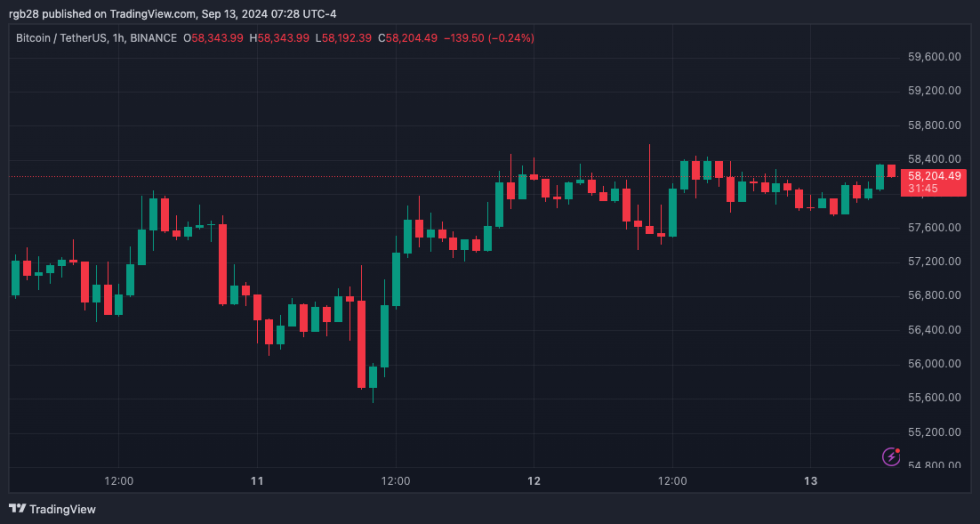
Bitcoin (BTC) is trading at $58,204 in the three-day chart. Source: BTCUSDT on TradingView
Featured Image from Unsplash.com, Chart from TradingView.com
Rubmar Garcia

Rubmar Garcia

Rubmar is a crypto enthusiast who likes learning and improving constantly. She enjoys reporting on the latest news and developments in the crypto industry. Rubmar also enjoys scrapbooking, crafting, simulation games, and watching football.

Lecturas Relacionadas

La computación cuántica se acerca al "Q-Day": cómo la política de cifrado, la lógica de inversión y la gestión de riesgos se están transformando

La tecnología cuántica está influyendo cada vez más en los debates sobre políticas de criptomonedas, acercándose el llamado "Q-day", el punto en que las computadoras cuánticas podrían vulnerar los algoritmos criptográficos actuales. En medio de un mercado cripto dinámico con avances legislativos, surge con fuerza la dimensión de la seguridad cuántica. La próxima fase de la inversión en cripto estará moldeada por la regulación y la evolución de la criptografía. Una mayor claridad regulatoria reduce la incertidumbre, mientras que la computación cuántica pasa de ser una preocupación teórica a un tema de planificación práctica. Para los inversores, los proyectos más sólidos serán aquellos que combinen preparación regulatoria y un plan de adaptación criptográfica a largo plazo. La preparación cuántica se convierte en un riesgo central: los sistemas blockchain dependen en gran medida de la criptografía, y una computadora cuántica suficientemente avanzada podría comprometer sus fundamentos. Los inversores deben empezar a preguntar por los planes de migración y resistencia cuántica de los proyectos. Los responsables políticos deben tratar la integridad criptográfica como infraestructura financiera crítica. A medida que los activos digitales se integran en los mercados, la resiliencia criptográfica es un problema sistémico. Las políticas deben fomentar la divulgación de riesgos, exigir planes de actualización a los intermediarios y apoyar la coordinación entre los actores del ecosistema. La sostenibilidad de las criptomonedas dependerá cada vez más de que su infraestructura de seguridad pueda adaptarse a estas presiones tecnológicas aceleradas.

Foresight NewsHace 57 min(s)

La computación cuántica se acerca al "Q-Day": cómo la política de cifrado, la lógica de inversión y la gestión de riesgos se están transformando

Foresight NewsHace 57 min(s)

El ajuste pentafásico de Bitcoin llega a su fase final, la zona de soporte de HYPE muestra oportunidades | Análisis invitado

**Análisis de BTC y HYPE: Ajuste en cinco etapas llega a su fase final, zona de soporte de HYPE presenta oportunidad** El BTC se encuentra en la etapa final de una estructura de ajuste en cinco segmentos. La formación del "punto final 44" determinará la dirección a corto plazo: si supera los 58,110 USD, es probable un rebote; si está por debajo sin divergencia alcista, hay riesgo de una caída mayor. Se mantiene una posición corta del 20% a medio plazo y un 30% para oportunidades de diferencial a corto plazo, con tres planes operativos (A, B, C) preparados. Por su parte, HYPE se ajusta desde su máximo de 76.94 USD y actualmente se encuentra en el segmento 55-56. Si el "punto final 56" forma un doble suelo por encima del mínimo anterior, la probabilidad de un rebote es significativa. Se puede probar con posiciones largas ligeras (menos del 30%) si el precio se estabiliza en la zona de soporte. El análisis incluye niveles clave de soporte y resistencia para ambos activos, así como un repaso de dos operaciones cortas exitosas en BTC la semana pasada, con un rendimiento total del ~6.21%. Se enfatiza la gestión de riesgos mediante órdenes de stop-loss dinámicas. **Descargo de responsabilidad:** Los mercados financieros son volátiles. Este análisis, basado en metodologías técnicas propias, es solo para fines informativos y no constituye asesoramiento de inversión.

marsbitHace 1 hora(s)

El ajuste pentafásico de Bitcoin llega a su fase final, la zona de soporte de HYPE muestra oportunidades | Análisis invitado

marsbitHace 1 hora(s)

Trading

Spot
活动图片