Vitalik: What We Need to Do Is Not Fight AI, But Create Sanctuaries

marsbitPublished on 2026-05-18Last updated on 2026-05-18

Abstract

Vitalik Buterin, in an a16z podcast, addresses the core challenge of the AI era: not to fight AI, but to build "sanctuary technologies" that protect humans without stripping away privacy and agency. He argues the greatest risk is not super-intelligent AI, but humans becoming passive passengers who outsource decisions to centralized systems and AI, leading to a disempowering safety. He redefines Ethereum/crypto's mission as creating such a sanctuary—a parallel, optional space for free coordination, not a fix for the existing system. This becomes crucial as AI and corporate power centralize. Reflecting on his journey from a 19-year-old on "autopilot" to an active "pilot," Vitalik emphasizes that the world reinvents itself every 5-10 years, demanding proactive adaptation. He stresses that active learning is 10x more effective than passive learning, even with equal time. His key advice is to intentionally maintain "manual mode" amidst powerful AI: do tasks yourself, engage in active learning, and avoid total cognitive outsourcing to prevent mental atrophy. For builders, the focus should be on creating tools that preserve human sovereignty, foster serendipity, and keep strategic control. In summary, the AI era demands greater human initiative. True value lies not in computational power, but in active, sovereign individuals who use technology as a tool for agency, not a replacement for it.

Author: Saito

Just finished listening to this episode of Vitalik's podcast on a16z, and it's absolutely packed with insights.

He founded Ethereum at 19, and now in his early 30s, he has shifted from living on "autopilot" to being an "active pilot."

The core topic of this episode is the question we're most anxious about right now: As AI grows increasingly powerful, what should humanity do?

Vitalik's answer is not to "fight AI," but to create sanctuary technologies. These technologies protect us without stripping away our privacy and agency.

Today, I'll break down the hardest counterintuitive points, practical advice, and Ethereum's new positioning from this episode.

The Greatest Risk in the AI Era Is Not AI Being Too Smart, But Humans Being Too Passive

Vitalik states bluntly that the world is less safe and less peaceful now than it was 10 to 15 years ago.

Many people are chasing a kind of "safety": handing everything over to "uncles in the sky"—big companies, super AIs, centralized systems—letting them make decisions, manage risks, and provide protection for us.

But the cost of this safety is the loss of our privacy and agency.

Vitalik calls this safety "disempowering safety"—safety that makes people increasingly powerless.

This is also where he reinterprets the mission of crypto/Ethereum. The significance of Ethereum is not to "fix the dollar" or repair the existing financial system, but to create a new option. You can freely choose to use it or not.

This is what a true sanctuary is: both safe and allowing you to retain sovereignty.

Sanctuary Technologies: Small Spaces That Preserve Human Freedom

Sanctuary Technologies is a term coined by Vitalik himself, and "sanctuary technologies" is a fitting translation.

It's not about turning the entire world into a safe house, nor is it about ruling everyone with a larger system. What it truly aims to do is: give you a safe, small space where you can think, coordinate, and create freely, without being completely controlled by external forces.

It has several core characteristics: not totalizing, not attempting to rule the world; preserving privacy and agency; everyone can freely enter and exit, no coercion.

Ethereum is a typical sanctuary tech. It doesn't try to fix the existing financial system; it gives you a parallel option. Use it if you want, don't if you don't.

This will become increasingly important in the AI era. Because as big companies and super AIs grow stronger, what humanity truly needs is not another system that "arranges everything for you," but spaces that allow you to retain choice.

From Autopilot to Active Pilot: Vitalik's Personal Growth

Reflecting on founding Ethereum at 19, Vitalik says he was largely on autopilot back then.

Many decisions were made by going with the flow: dropping out, writing the whitepaper, getting his visa denied by Ripple, which ironically became a life turning point. He was more like being pushed along by the world then.

But now he increasingly realizes: the world is changing too fast, no one is coming to save you, you must be the pilot yourself.

He gives several relatable examples. Ten years ago, people could go days without contacting friends; now, not replying to a message for a day causes anxiety. Ten years ago, you could genuinely get lost while walking; now, with phone navigation, cities have become a series of "teleportation points."

These changes remind us: the world "dies and is reborn" every 5 to 10 years. If you keep living by the old script, you'll quickly fall behind.

So what's truly important in the AI era is not passively waiting for technology to take you somewhere, but actively deciding how you want to use technology.

The Stronger the AI, the More Humans Need to Stay in "Manual Mode"

Vitalik emphasizes: active learning is 10 times more effective than passive learning, even with the same amount of time spent.

Since childhood, he has forced himself to do many things manually, like doing chemistry without a calculator, walking without navigation. The goal isn't to oppose technology, but to keep the brain engaged.

The stronger the AI, the more we must deliberately preserve some "manual mode."

Sometimes intentionally not using AI to write code, sometimes intentionally walking without navigation, sometimes intentionally not using a chatbot to think through problems for you.

This isn't nostalgia or rejecting efficiency; it's to prevent brain atrophy and maintain one's own agency.

AI can help us with many things, but if all thinking, judgment, and exploration are outsourced, people will gradually become passengers in the system. Vitalik's reminder is: you can use AI, but don't let yourself become utterly dependent on it.

Practical Advice for Builders

The insights Vitalik gives for ordinary builders in this episode are very direct.

First, force yourself to do things manually. Even if AI can help you, do it yourself from time to time to ensure your brain doesn't get rusty.

Second, active learning. Don't just let AI give you answers; derive, verify, and do things yourself.

Third, build sanctuary technologies. Whether you're working on open-source tools, decentralized protocols, or personal knowledge bases, prioritize one thing: does it help people retain sovereignty?

Fourth, don't outsource all brainpower. AI can handle execution, but strategy, direction, and values must be controlled by you.

Fifth, maintain serendipity. Attend more offline events, talk to real people more, don't leave all discoveries to algorithmic recommendations.

These points all point to the same core: the AI era isn't about using fewer tools, but about using tools more actively.

Ethereum's New Positioning: Not Fixing the Old World, But Creating New Options

Vitalik's positioning of crypto is also clear.

Crypto can't solve all the problems of the dollar, nor does it need to pretend it can solve all problems. But it can create something new that doesn't have those flaws.

Everyone can freely choose to use it or not.

This is crypto's greatest strength: it doesn't force you; it gives you a choice.

In an era of increasingly concentrated AI power, this will become increasingly precious. Because as more and more systems try to make decisions for you, filter information for you, and assess risk for you, a parallel, non-coercive option that allows free entry and exit becomes very important in itself.

The value of Ethereum/crypto is not "beating the old world," but giving you a new world you can freely choose.

The Most Counterintuitive Lines from This Episode

The greatest risk in the AI era is not AI replacing humans, but humans willingly turning themselves into passengers.

A sanctuary isn't about making the whole world safe, but giving you a safe, small space where you can still retain freedom.

Active learning is 10 times more effective than passive learning, even with the same time spent.

The world dies and is reborn every 5 to 10 years, and we must be the pilots ourselves.

Inspiration for Ordinary People

The stronger the AI, the more proactive people must be.

Don't outsource all thinking to models. Do more manual things to keep your brain engaged. Participate in building tools that preserve human sovereignty, whether open-source, decentralized, or personal knowledge management systems.

Remember: technology ultimately serves humanity; it doesn't replace it.

Vitalik concludes by saying that we humans are the brightest stars. AI can be strong, but what truly drives the world forward are active, agentic people.

One-Sentence Summary

Vitalik, drawing on his 10 years of personal experience, tells us: the AI era is not an era to lie back, but an era that requires humans to be even more proactive pilots.

Don't outsource your brain to models. Do more manual things, build sanctuary technologies, and preserve your privacy and agency.

My biggest takeaway from this episode is: we used to fear AI taking our jobs, but now it seems AI is actually upgrading humans from "executors" to "designers."

What's truly scarce has never been computing power, but people willing to think actively and retain sovereignty.


Related Questions

QAccording to Vitalik, what is the core purpose of 'Sanctuary Technologies'?

AThe core purpose of 'Sanctuary Technologies' is to provide safe spaces where people can freely think, coordinate, and create while preserving their privacy and agency. They are not designed to dominate or fix the entire world, but to offer a voluntary, non-compulsory alternative, giving people a choice in an era of increasingly centralized power from large corporations and super-AI.

QWhat is the main risk of the 'disempowering safety' that Vitalik warns against in the AI era?

AThe main risk of 'disempowering safety' is that it makes humans increasingly passive and powerless. By handing over decisions, risk management, and protection to centralized entities like big companies or super-AI, individuals lose their privacy and agency. The article argues the biggest danger is not AI being too smart, but humans willingly turning themselves into passive passengers.

QHow does Vitalik's view of Ethereum's mission differ from simply 'fixing' the existing financial system?

AVitalik's view is that Ethereum's mission is not to 'fix' the existing financial system (like the US dollar), but to create a new, parallel option. Its power lies in giving people the freedom to choose whether to use it or not, offering an alternative without the flaws of the old system. This approach of providing voluntary choice, rather than enforced replacement, is its key strength.

QWhat practical advice does Vitalik offer for builders and individuals to maintain agency in the AI age?

AVitalik offers several practical pieces of advice: 1) Force yourself to do things manually at times to keep your mind sharp. 2) Engage in active learning (self-driven exploration) rather than just passively accepting AI answers. 3) Build tools that prioritize preserving human sovereignty. 4) Do not outsource all strategic and creative thinking to AI. 5) Maintain serendipity through real-world interactions.

QWhat does Vitalik mean by saying 'the world dies and gets reborn every 5 to 10 years' and its implication for individuals?

AVitalik means that the world undergoes fundamental transformations every 5-10 years, making old patterns of living obsolete. The implication for individuals is that they cannot rely on an old 'script' or be passive. To keep up and thrive, people must actively 'pilot' their own lives, make conscious choices about how to use technology, and continuously adapt, rather than being passively carried along by change.

Related Reads

After Marvell's 32% Surge, the Chinese Chip Family Behind It Emerges

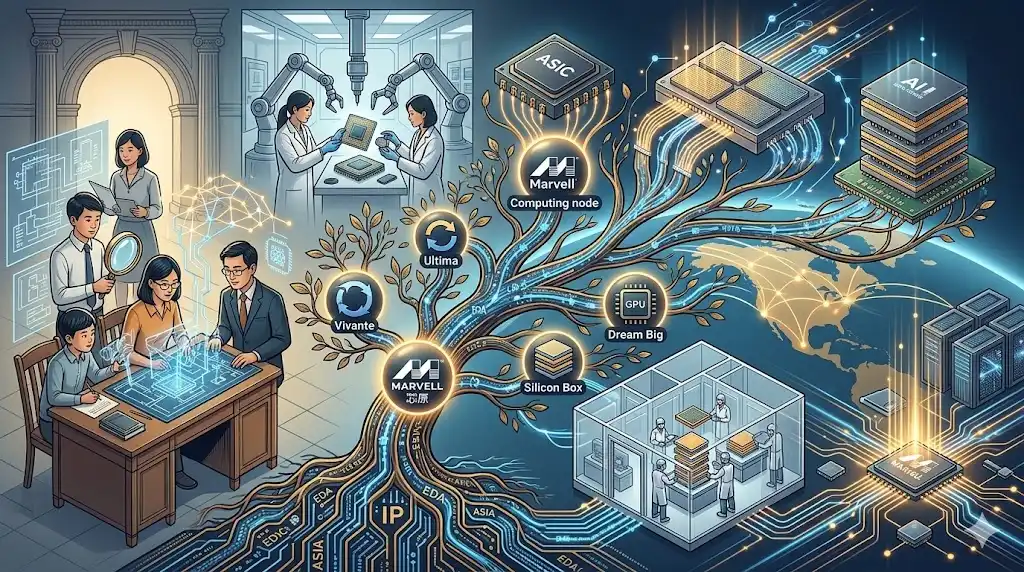
The stock price of Marvell Technology surged 32.5% on June 2nd, driven by NVIDIA CEO Jensen Huang highlighting its custom ASICs and optical interconnects as core to AI data center architecture. This event brought attention to the Chinese semiconductor family behind Marvell: the Dai siblings. The story centers on three siblings, all UC Berkeley graduates, whose three-decade entrepreneurial journey aligns with major semiconductor industry shifts. In 1995, youngest sister Dai Wei Li co-founded Marvell with her husband Sehat Sutardja and his brother, focusing on storage controllers. Eldest brother Dai Wei Min founded EDA company Ultima, later sold to Cadence, and later founded VeriSilicon (芯原) in China, becoming a leading semiconductor IP provider. Second brother Dai Wei Jin co-founded EDA firm Silicon Perspective (sold to Cadence) and GPU IP company Vivante, later acquired by VeriSilicon. The combined "Dai-Sutardja" family network extends beyond Marvell. Their ventures and investments form a comprehensive ecosystem for the post-Moore's Law, chiplet era. Key holdings include: Dream Big Semiconductor (AI SuperNICs, acquired by Arm), Alphawave (high-speed SerDes IP, acquired by Qualcomm), and Silicon Box (a chiplet advanced packaging foundry). VeriSilicon itself thrives on the AI ASIC and IP boom in China. Collectively, the family's AI infrastructure-related portfolio is estimated at over $22 billion. Their strategy represents a distinct path: building critical components for open standards and key manufacturing capacity in the chiplet era, rather than pursuing standalone AI chip dominance. While this path may not create the next NVIDIA, it has enabled repeated successful exits and sustained influence within the global semiconductor industry.

marsbit49m ago

After Marvell's 32% Surge, the Chinese Chip Family Behind It Emerges

marsbit49m ago

Microsoft is Afraid of Being Marginalized by AI Giants

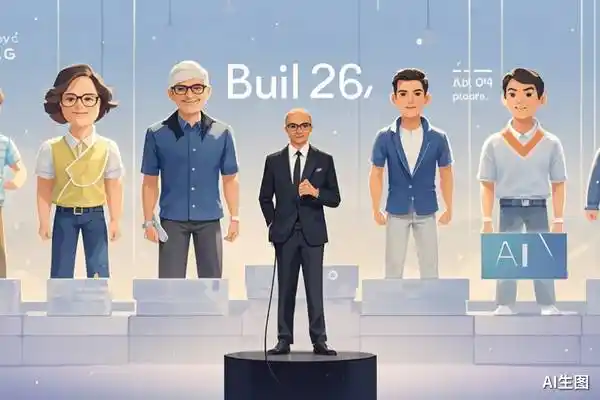
Microsoft, once the defining force of the PC era, now faces a familiar challenge in the AI age: the risk of being relegated to a profitable but invisible infrastructure provider. This anxiety was laid bare at Build 2026, where CEO Satya Nadella unveiled a major strategic pivot. The catalyst was a quiet April agreement that dissolved Microsoft's exclusive licensing and cloud-hosting deal with OpenAI, its once-vital partner. This erased Microsoft's key AI moat. With OpenAI and Anthropic defining AI applications and gaining enterprise traction—even within Microsoft's own ranks—Nadella had to answer: without exclusivity, what is Microsoft's role? The answer was a suite of seven in-house AI models, a developer-focused AI workstation (Surface RTX Spark Dev Box), and, most crucially, the Agent 365 platform for enterprise AI governance. The models, notably targeting Anthropic's strengths in coding and enterprise, signal a defensive move. However, the broader strategy is to make the models themselves less decisive. Financially, Microsoft's AI revenue is strong, driven largely by Azure running others' models. Yet its user-facing products like Copilot show weak penetration and engagement. Microsoft earns infrastructure money but lacks direct user mindshare. Nadella's core fear is being "hollowed out." As OpenAI and Anthropic prepare for IPOs and gain financial independence, they may build their own infrastructure, threatening Azure's lucrative AI revenue stream. Microsoft's window is to entrench itself deeper: not as the model creator, but as the indispensable platform for securely deploying, managing, and governing all AI models within the enterprise through Agent 365. Build 2026 revealed Microsoft's bet: in the AI era, the ultimate power lies not in any single model, but in the enterprise "operating system" that controls them. Nadella is determined to ensure Microsoft is the driver of this new era, not just a passenger.

marsbit1h ago

Microsoft is Afraid of Being Marginalized by AI Giants

marsbit1h ago

CPU, Quietly Returning to the Center of the AI Computing Power Stage

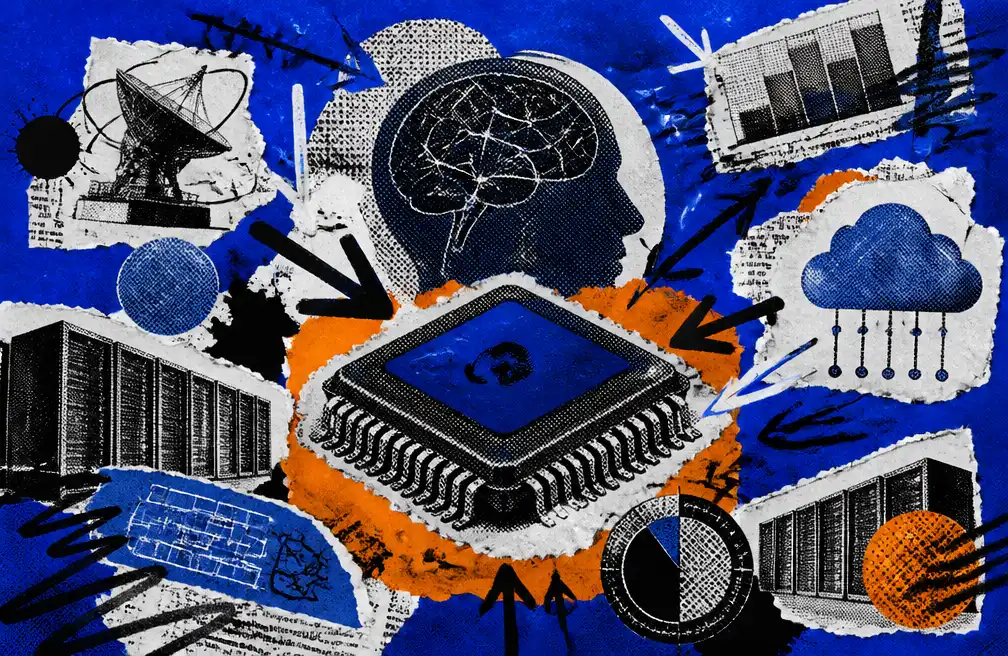
Over the past three years, AI computing power narratives have been dominated by GPUs. However, starting in 2026, this story began to shift. While training large models remains GPU-intensive, the rapid growth of inference and AI agent workloads, which require high levels of task orchestration, concurrency, and data flow management, has highlighted a renewed critical role for CPUs. These are tasks GPUs are not designed to handle. Intel's recent launch of the Xeon 6+ processor, built on its Intel 18A process and featuring up to 288 efficiency cores (E-cores), exemplifies this strategic pivot. It is positioned not as a mere companion to GPUs but as the essential "control plane" for AI infrastructure, optimized for high-density, energy-efficient, and high-throughput workloads characteristic of AI agents and inference. This "CPU resurgence" is not about CPUs outperforming GPUs in raw computation. It reflects a systemic bottleneck: as AI scales from training single models to deploying countless intelligent agents, the demand for coordination and data handling surges. Major cloud providers are also developing their own high-density ARM-based server CPUs for similar workloads. However, Intel's success with this strategy faces significant challenges. Competition includes NVIDIA's integrated CPU-GPU solutions, the expanding adoption of cloud vendors' in-house ARM CPUs, and the crucial market test of Intel's 18A manufacturing process against rivals like TSMC's N2. In conclusion, CPUs are indeed reclaiming a central, though redefined, role in AI compute—managing the complex orchestration that enables massive-scale AI deployment. While the trend is clear, which company will ultimately lead this CPU resurgence remains an open question to be decided in the data centers of 2027 and beyond.

marsbit1h ago

CPU, Quietly Returning to the Center of the AI Computing Power Stage

marsbit1h ago

Trading

Spot
Futures

Hot Articles

Discussions

Welcome to the HTX Community. Here, you can stay informed about the latest platform developments and gain access to professional market insights. Users' opinions on the price of AI (AI) are presented below.

活动图片