NFT games are Non-fungible token games that use them as a core part of the game ecosystem. Every unique NFT gives users complete ownership over their in-game assets and items, not just in the game but also outside it.
In traditional games, players don’t usually own their in-game items, currencies or achievements, as they exist over a centralized server controlled by game publishers/developers/companies, and they can be taken away at any moment and cannot be used outside the game. With NFTs, players get sovereign ownership over their digital assets in the same way that one can own physical items. Players get to own, build, and trade however they want.
Here are the top 11 NFT games to play in July 2026:
1. RavenQuest
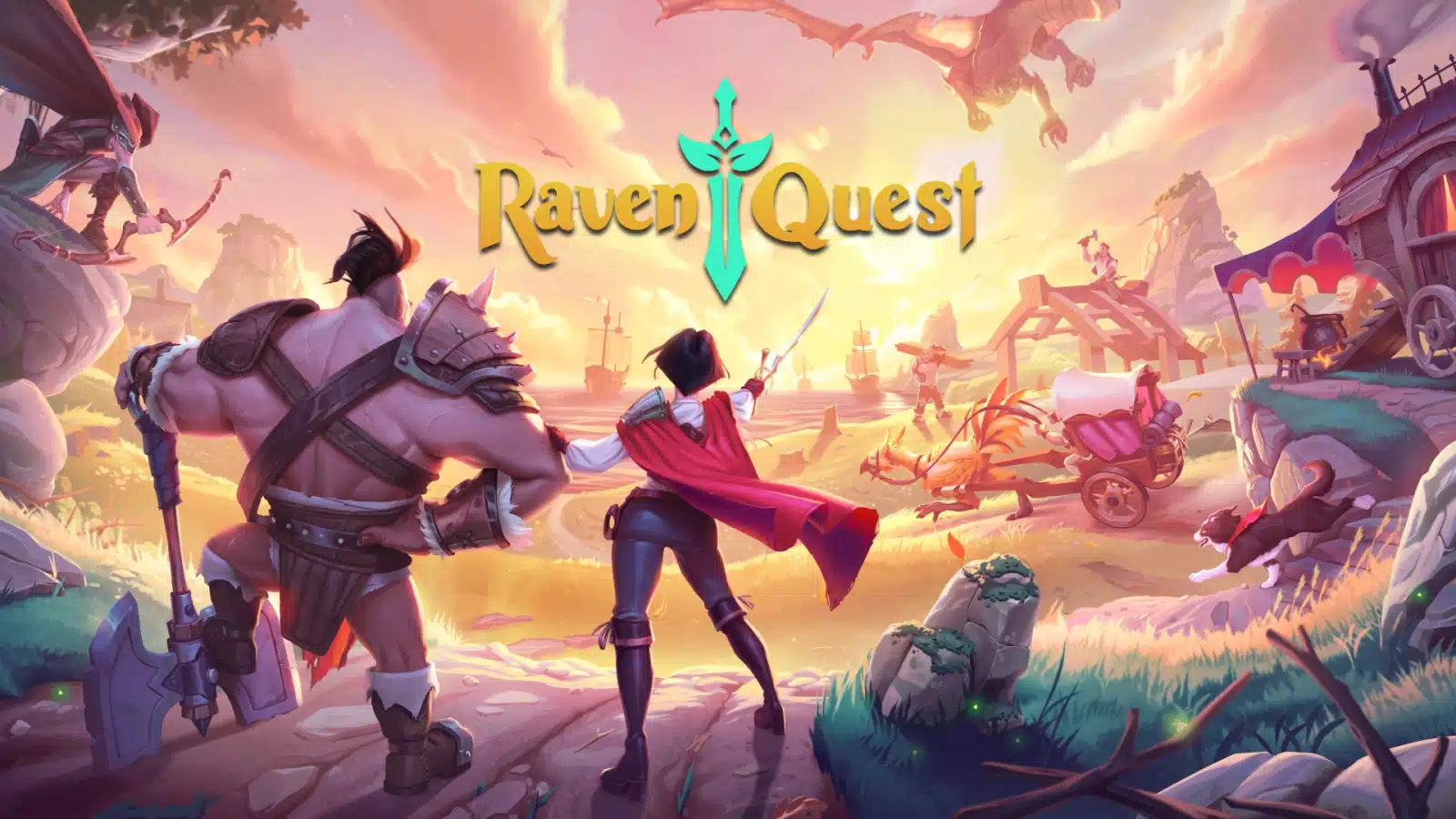
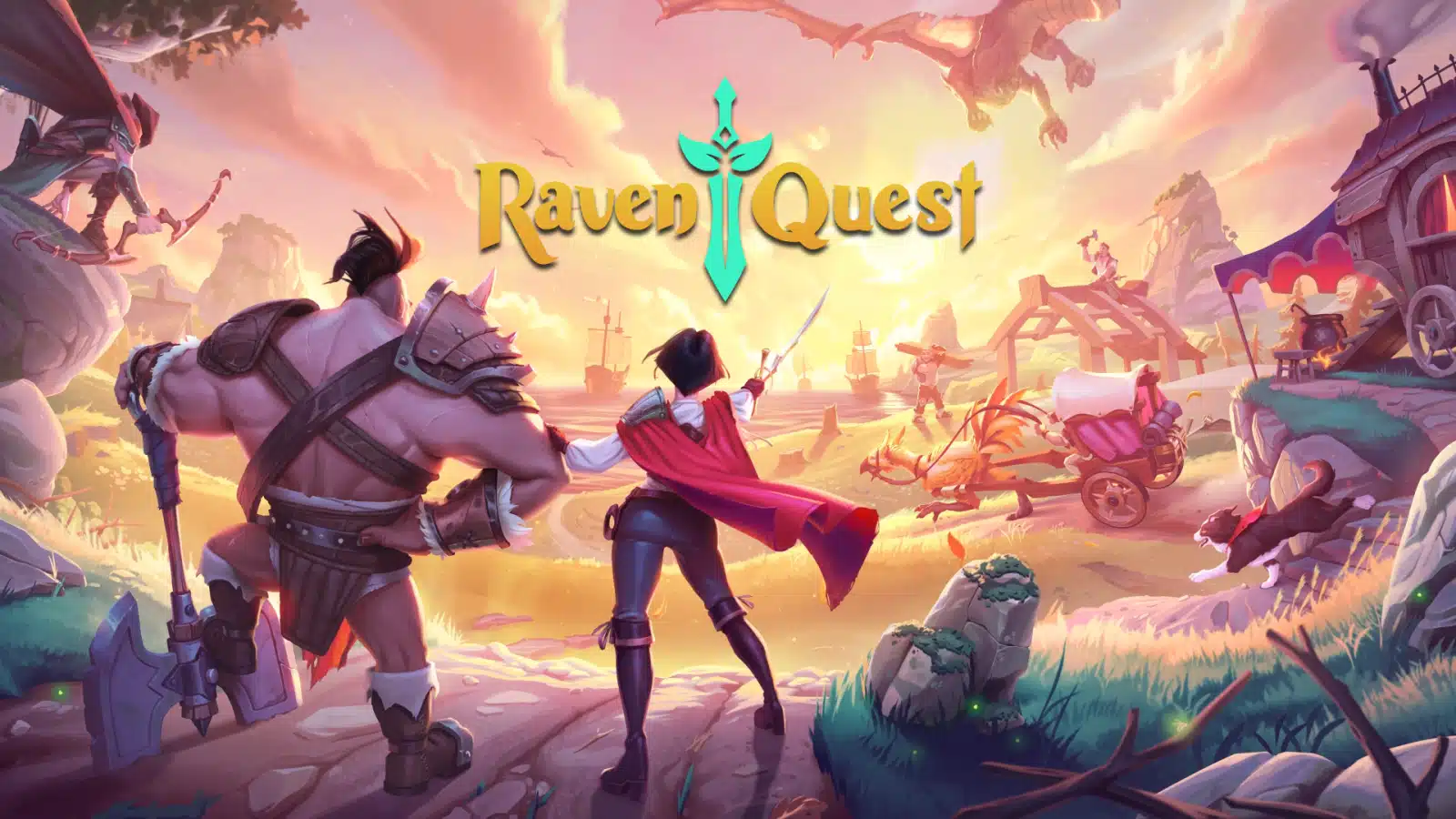
RavenQuest is a free-to-play MMORPG retro-style game where players can experience a dynamic, player-driven ecosystem. It is an open-world progression offering full ownership of in-game assets. The game includes action-packed combat, crafting, farming, housing, and guild wars.
It has PvP mechanics, and NFTs are used in the form of houses; landowners get to build houses on their lands and can customize their house design and variations. Players can also get RavenCards that are collectibles.
2. Decentraland
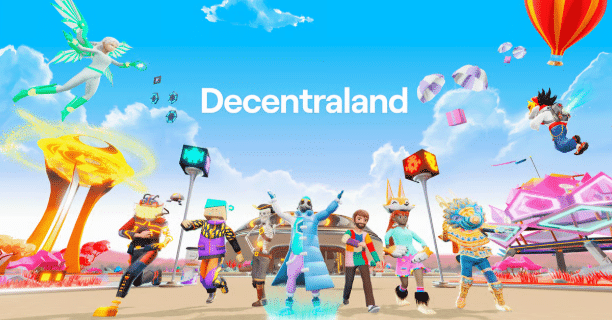
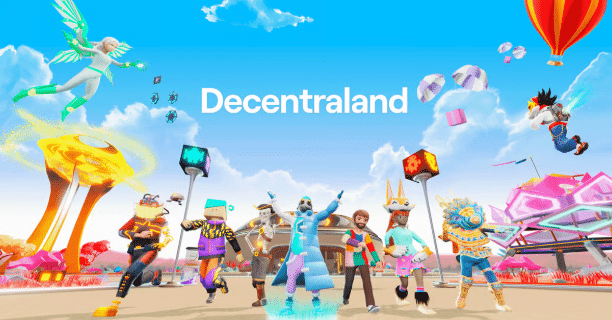
Decentraland is a user-owned virtual world built on the Ethereum blockchain and works as an immersive platform that lets users socialize, play games, attend events, and buy digital real estate. It also functions as a marketplace and a virtual community center where users can buy and sell digital real estate.
Players can socialize, play games, exchange collectibles, and catch music artists in concert, and also build virtual stores, art galleries, and game arenas. The game is built on Ethereum and revolves around digital land ownership, with each piece of it existing as an NFT. MANA is the native token that facilitates in-game purchases, trade, and governance.
3. Axie Infinity
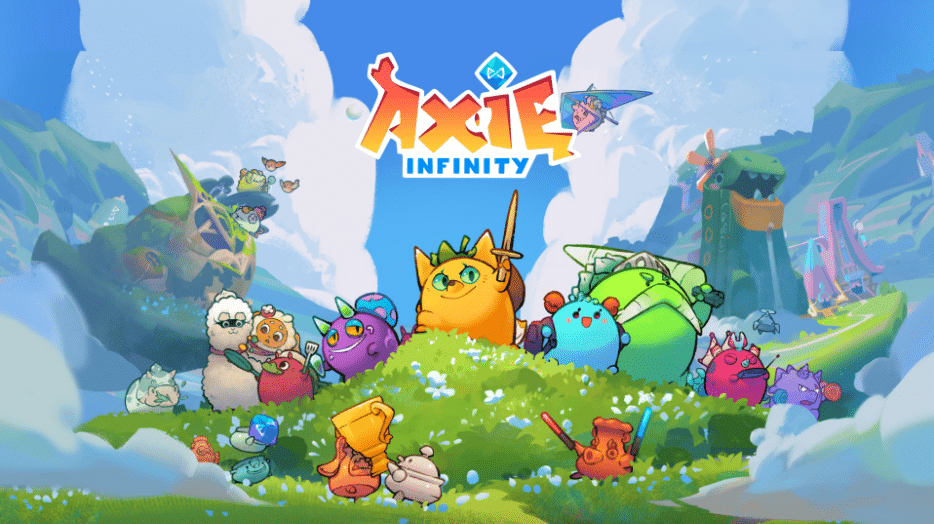
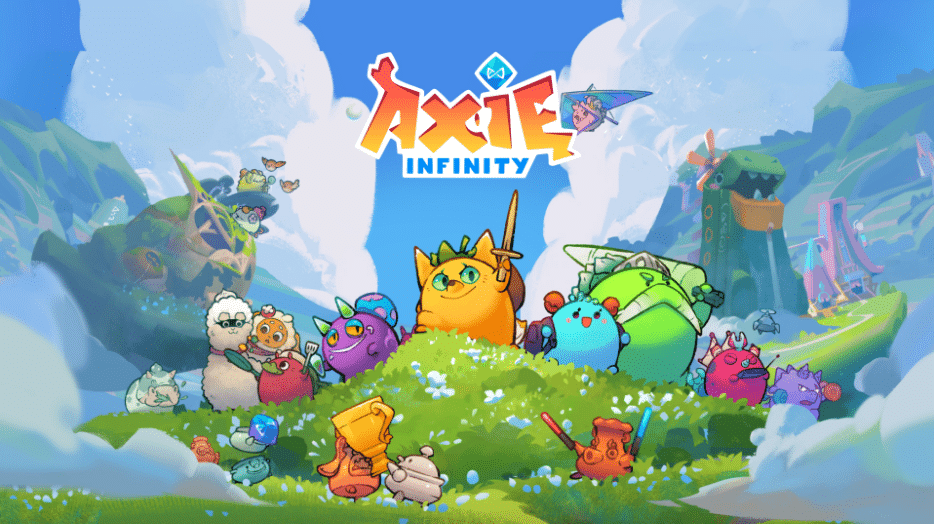
One of the first blockchain games, Axie Infinity paved the way for other play-to-earn games in the space. It revolves around collecting, breeding, and battling fantasy creatures called Axies, each of which exists as an NFT. The gameplay itself is fairly simple and strategy-focused. Axie also has a strong user community and gives players a chance to have experiences and compete with each other using complex strategy and tactics to get the top rankings or be rewarded.
The game is built on Ethereum and Sky Mavis’ Ronin network, while the ecosystem runs on 2 tokens: AXS and SLP. Players get to compete with each other using complex strategies and tactics to get the highest ranks or be rewarded with resources; they can also complete quests, defeat bosses, and unlock in-depth storylines.
4. Pixels
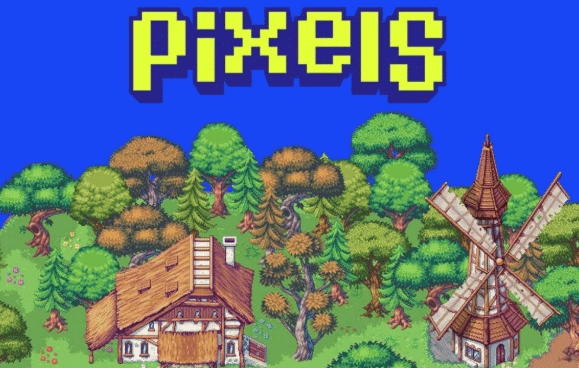
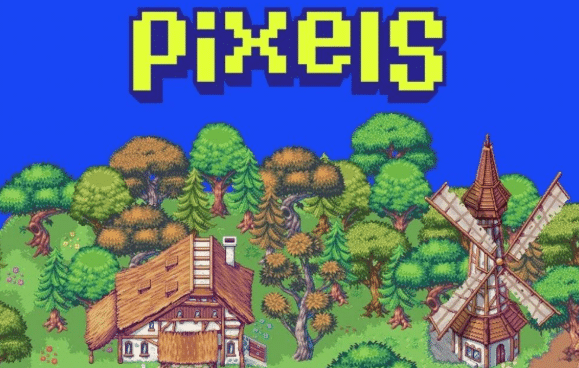
Pixels is a free-to-play game built on the Ronin network. Users get to collect, breed, and manage their game avatars known as Pixelmons. Players can also farm, build structures, craft, and take part in battles all while customizing their land and assets for style and utility. Players can craft items, manage farms, and trade goods and assets with the in-game token $PIXEL.
Players can monetize their progress by selling crafted goods, rare discoveries, and agricultural products on the marketplace, and players who own land get to earn a passive income through farming, leasing, and production. It mixes the loops of relaxing farming and resource gathering with a deep, player-driven economy.
5. Gods Unchained
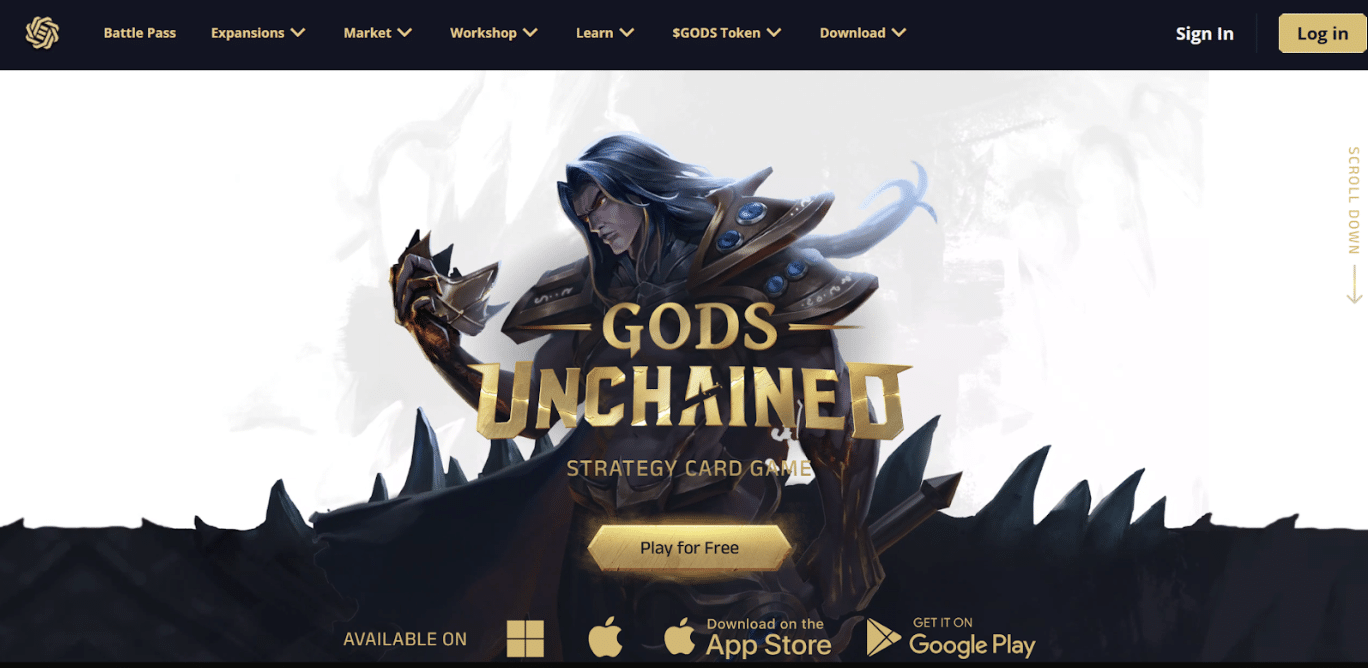
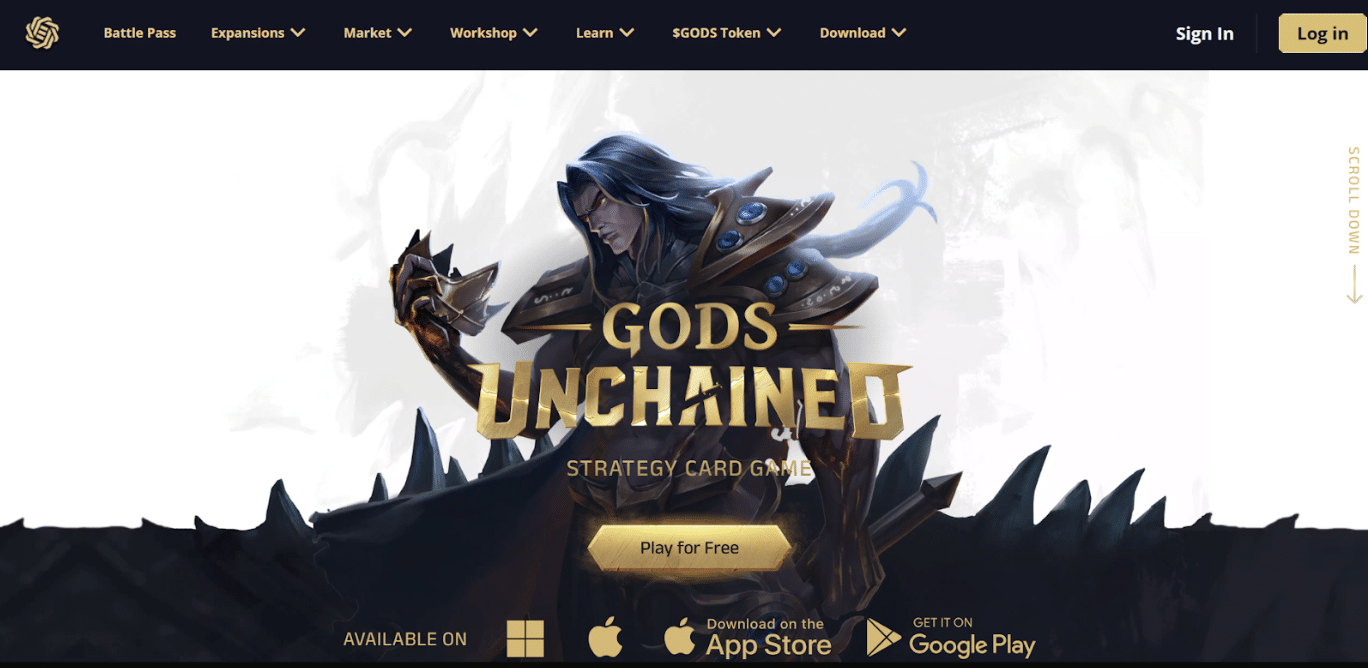
A free-to-play strategy card game, Gods Unchained gives players a chance to master 6 domains and over 1800 cards and navigate various game modes. It is a trading card game (TCG) where users can build their own decks, use spells, creatures, and relics to defeat their opponents. Every card exists as an NFT, and players own the cards they collect and can trade or sell them.
The game is built on Ethereum and is supported by Immutable X and avoids high transaction fees while keeping the ownership intact. There are 4 modes in the game, namely Tutorial, Solo, Ranked, and Direct Challenge. The game also has a strong and complex ranking system that keeps the players wanting more and chasing their next rank.
6. My DeFi Pet
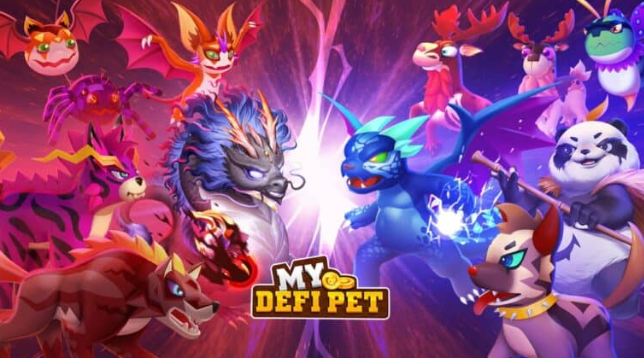
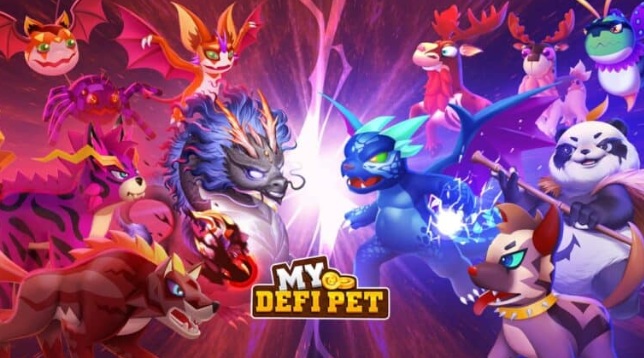
A pet-themed blockchain game combining elements of digital pet collection, breeding, and battling along with DeFi mechanics. Each pet has its own unique traits and appearances and can be trained, enhanced, and used in battle against others in turn-based matches.
The basics of the game are user-friendly, but in order to earn any substantial rewards, deeper user involvement is required. This includes breeding high-value pets or mastering battle strategies. DPET is the native token of the platform and requires participation in events.
7. Alien Worlds
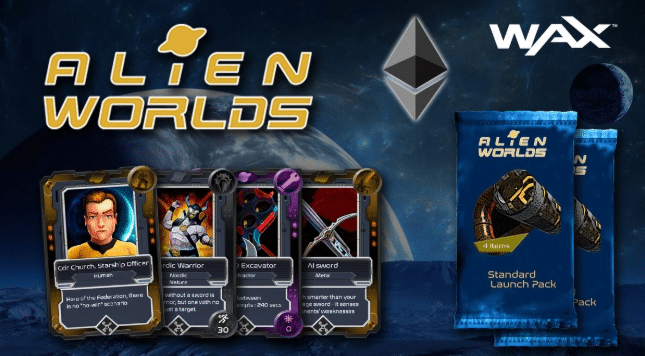
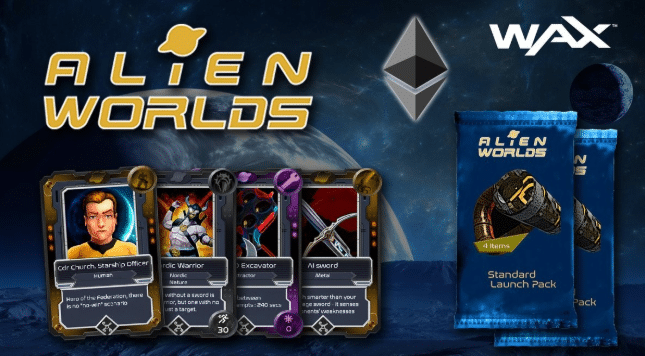
Alien Worlds is a fast-paced free-to-play game that simulates the Earth’s economy using the Trilium game token or TLM. Players are called ‘explorers’ and compete with each other for the TLM. The game is designed as a decentralized metaverse where players directly influence the economy and narrative.
The game heavily relies on the community-owned sci-fi metaverse combining NFT gaming, decentralized governance, and cross-chain DeFi into a single and interactive universe. A major part of the gameplay revolves around managing resources and choosing where to mine. There is also PvP combat, spaceship missions and community-built mini-games.
8. The Sandbox
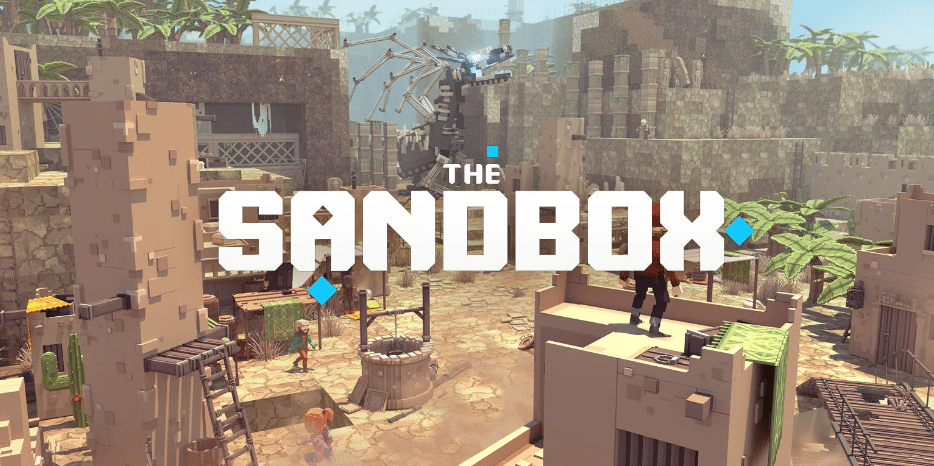
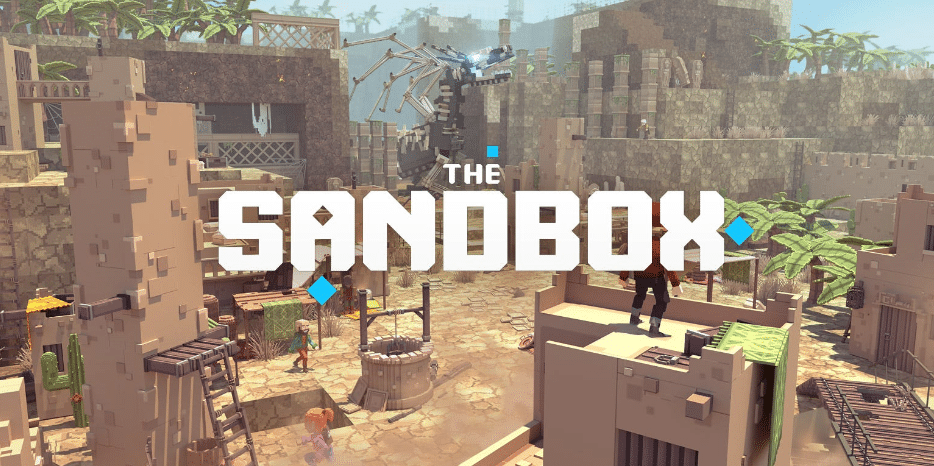
Sandbox is a blockchain-based metaverse that gives users a chance to build, own and monetize gaming experiences. It has a strong focus on player ownership and operates like a virtual world that lets users buy LAND NFTs and build experiences on them. Users can choose to either approach it like a digital real estate or monetize experiences they build on it.
This creator-focused approach gives users a chance to customize and use tools like VoxEdit and Game Maker to design their own assets, and mini-games without needing any advanced development skills. The SAND token also powers the marketplace transactions, staking and governance features.
9. Wreck League
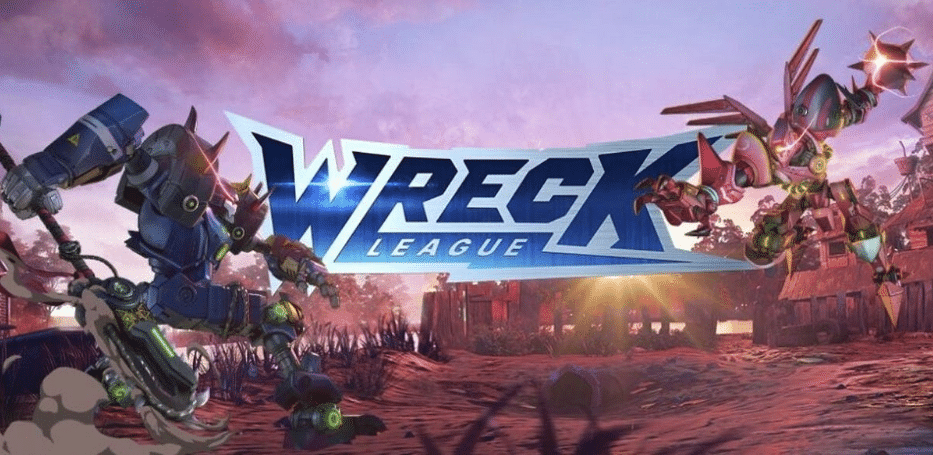
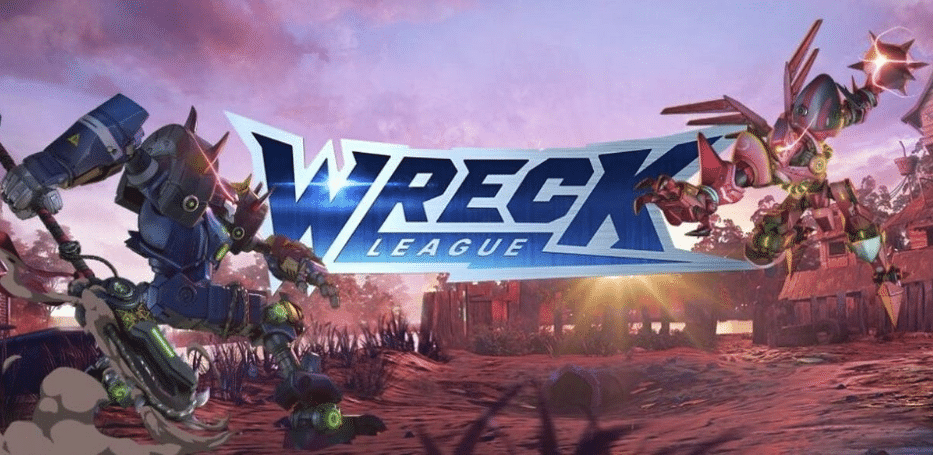
Wreck League is a fighting game that is built as a fast-paced mech battle game letting players create fighters using different NFT mech parts where each piece affects the combat stats and abilities. This type of customization gives it a strategic feel and makes the gaming experience more immersive.
The game has a Web2 and Web3 hybrid model that lets players build, trade and battle their fighters. There are daily missions, battle passes, and skill-focused gameplay that bring it closer to a traditional multiplayer game than majority of NFT games in the space.
10. Undeads Game
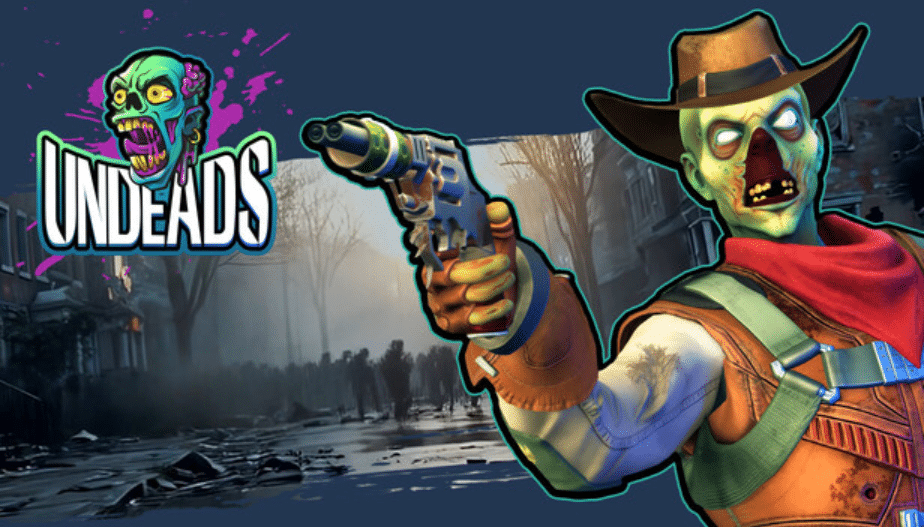
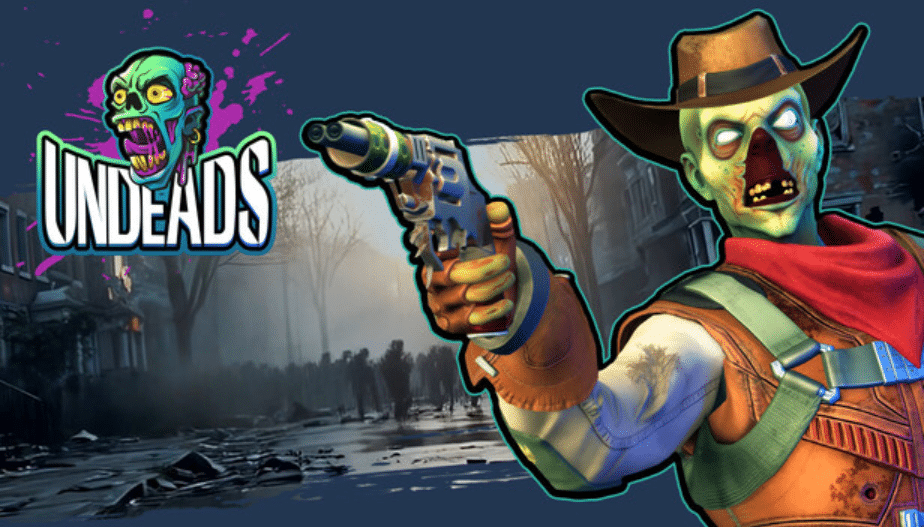
Undeads Games offers a mix of feature-rich gameplay along with engaging game designs that are carefully crafted. Players get to embark on an adventurous journey through the world of Undeads and find weapons, armor, supplies, and medicine. They can sell their loots, fight battles and survive or hunt survivors, all against the backdrop of the zombie apocalypse set in 2035.
Players can choose to either be human or zombies at the start of a match and by the end of the match they are ranked and rewarded with in-game currency. Points can be earned by performing in-game activities like dealing damage, killing NPCs and defeating other players. All characters, assets, weapons and land plots are tradable assets in the game. There is a free-to-play mercenary mode that lets players explore the game without having to buy any NFTs. The game uses a dual-token system with UDS and UGOLD providing multiple utilities.
11. Shrapnel
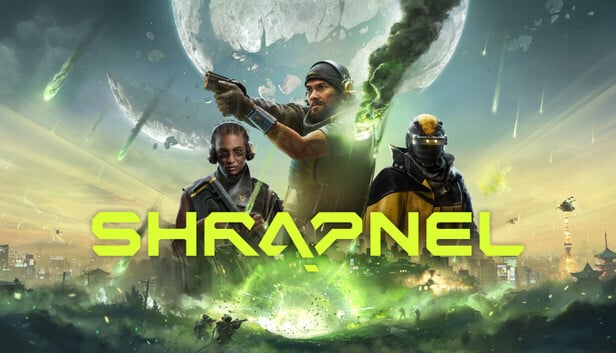
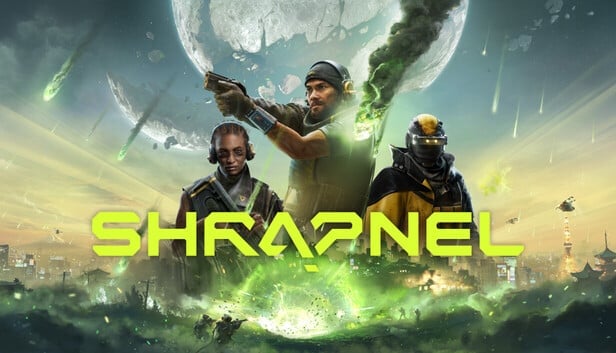
A first-person shooter game set in 2043, Shrapnel is set in a lunar-impacted area called the Sacrifice Zone. Players act as elite Operators who enter the zone with their squad and battle rival squads for control while racing to locate Sigma- a resource obtained from meteorites. The more sigma the team collects, the stronger their individual and squad abilities become.
The game is fast-paced with weapons, gear, and cosmetic items being a major part of the experience. These weapons and gears exist as NFTs in the game and players can choose to trade or sell the items they own through external marketplaces.
Final conclusion
NFT games give developers a chance to create and test out new gaming formats, experiences and push the limits of ownership and progression. New games that come up put in more effort into the gameplay, community, and long-term worlds using blockchain systems as their core.
While these games are a great opportunity to play and experience new ideas, users need to take out the time to understand and see how they work before committing to any of them.
Disclaimer. Readers are encouraged to do their own research. Ambcrypto is not liable for any outcomes related to the use of information, products, or services mentioned. This content may include affiliate or partner links.