# US-China Related Articles

HTX News Center provides the latest articles and in-depth analysis on "US-China", covering market trends, project updates, tech developments, and regulatory policies in the crypto industry.

BIT Research: After U.S.-China Summit, Markets Begin Repricing "Long-Term Competition"

The market is undergoing a macro repricing driven by geopolitics and policy expectations. Initial interpretations of the recent U.S.-China summit as a signal of eased tensions triggered a risk-on rally, boosting tech stocks and Bitcoin while weakening the dollar. However, as details emerged, this optimism faded due to a lack of concrete progress on tariffs, AI export controls, or key geopolitical issues like Taiwan and Iran. Inflation concerns have resurfaced, renewing selling pressure on bonds and precious metals. Longer-term, the summit underscored ongoing strategic competition: a marginal decline in dollar dominance, a push for diversified global reserve assets, AI and semiconductor supply chain restructuring, and intensified rivalry in frontier tech like low-earth orbit satellites. Bitcoin's price action mirrored high-beta tech stocks more than a structural hedge, highlighting its continued sensitivity to risk appetite and liquidity over traditional safe-haven characteristics. While the meeting yielded modest outcomes like a U.S. agricultural purchase pledge and continued dialogue mechanisms, it primarily reflects "managed competition." Structural tensions remain unresolved in areas like tech and geopolitics, affirming trends toward strategic decoupling and prolonged geopolitical risk. The key for markets is the broader repricing of global liquidity, real yields, and this enduring competitive landscape.

marsbit05/22 03:22

BIT Research: After U.S.-China Summit, Markets Begin Repricing "Long-Term Competition"

marsbit05/22 03:22

China-US 'Execution Line' Comparison: The Economic Pressure and Survival Reality of the Middle Class

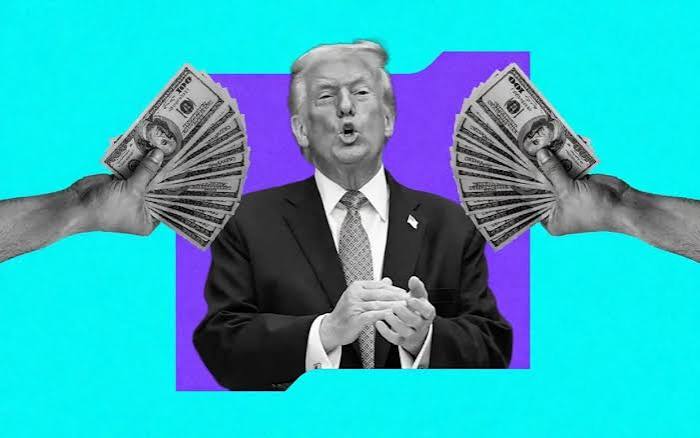
The article "China-US 'Kill Line' Comparison of Middle-Class Pressure and Survival Reality" discusses the concept of a "kill line" — an income threshold where middle-class families face severe financial strain due to loss of benefits and rising costs. Originating from Mike Green’s "140k poverty line" theory in the U.S., the idea went viral and was adapted in China. Green argues that the U.S. official poverty line ($31,200 for a family of four) is outdated. When adjusted for modern costs like housing, healthcare, and childcare, the real "dignity threshold" is around $140,000. Middle-income earners are particularly vulnerable: as their income rises, they lose welfare benefits while facing high taxes and essential costs, effectively making them financially worse off than lower-income households receiving aid. The article attributes rising costs to "Baumol’s Cost Disease": sectors like education and healthcare, which rely heavily on human labor, become more expensive without gains in efficiency, while automated sectors (e.g., manufacturing) drive down prices for goods. In the U.S., services like healthcare and childcare consume a growing share of income, creating a "kill line" effect. In contrast, the author suggests China may not have a similar "kill line" due to different social and economic structures. Services are often undervalued, and welfare systems are less extensive, allowing living costs to remain low — but at the expense of service workers' conditions and dignity. The piece concludes that while the U.S. middle class is "killed" by rising service costs and lost benefits, China’s challenge lies in the hidden social costs of suppressed service wages and intensity.

比推12/24 13:54
China-US 'Execution Line' Comparison: The Economic Pressure and Survival Reality of the Middle Class

比推12/24 13:54

活动图片