# Independence Related Articles

HTX News Center provides the latest articles and in-depth analysis on "Independence", covering market trends, project updates, tech developments, and regulatory policies in the crypto industry.

China's AI Computing Counterattack

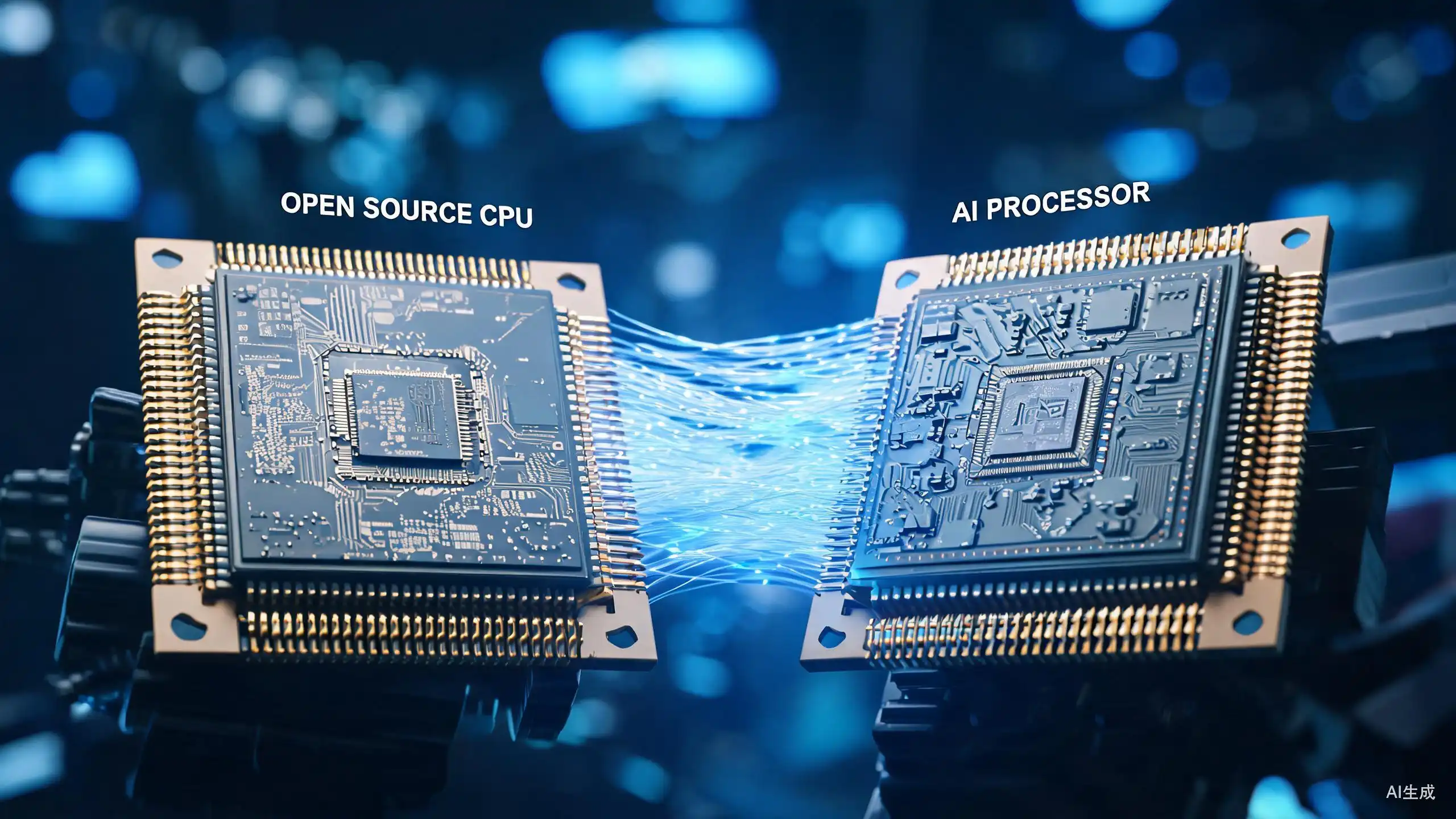
Eight years after the ZTE crisis, China's AI industry is fighting back against U.S. chip restrictions. In 2018, ZTE nearly collapsed under U.S. sanctions but survived with heavy fines and oversight. Today, Chinese AI firms like DeepSeek are pivoting away from NVIDIA by developing domestic alternatives and optimizing algorithms to reduce reliance on foreign technology. DeepSeek’s V4 model will use entirely domestic chips, signaling a strategic shift toward computational independence. The real challenge isn’t just hardware—it’s NVIDIA’s CUDA ecosystem, which dominates global AI development with over 4.5 million developers. U.S. export controls have tightened since 2022, banning high-end chips like the A100, H100, and their downgraded versions. In response, Chinese companies are adopting technical workarounds like Mixture-of-Experts models, which activate only parts of the network during inference, slashing costs. DeepSeek’s API is up to 75x cheaper than competitors, driving rapid global adoption. By early 2026, Chinese models accounted for nearly 60% of API calls on OpenRouter. Domestic chips, such as Huawei’s Ascend series, are now capable of full-scale training, not just inference. Production lines in cities like Xinghua manufacture servers with homegrown processors, supporting major AI training projects. Meanwhile, the U.S. faces an electricity shortage as data centers consume growing power, while China benefits from greater energy capacity and lower costs. Chinese AI is also going global via “Token exports,” with services reaching users in India, Indonesia, and beyond. The situation echoes Japan’s semiconductor decline in the 1980s, but China is building an independent ecosystem rather than relying on global supply chains. Domestic chip firms report surging revenues but ongoing losses—reflecting the high cost of achieving true technological independence. The battle is difficult, but progress is underway.

marsbit03/04 05:09

China's AI Computing Counterattack

marsbit03/04 05:09

Trump "Gets Serious": Powell Faces Investigation, Interest Rate Dispute Escalates

US Federal Reserve Chair Jerome Powell has publicly accused the US Department of Justice (DOJ) of threatening criminal charges to pressure the Fed into aligning interest rate policy with former President Donald Trump's demands. In a rare video statement, Powell condemned the action as an unprecedented attack on the central bank’s independence. The investigation, initiated by the Washington DC US Attorney’s office, focuses on allegations that Powell misled Congress regarding a $250 million renovation project at the Fed’s headquarters. The conflict stems from Trump's longstanding criticism of Powell for being too slow to cut interest rates. Since returning to office, Trump has intensified pressure on the Fed to lower rates to stimulate economic growth. Market reactions were immediate, with US stock index futures falling, gold and silver prices rising, and Bitcoin holding near $91,000. Powell reaffirmed the Fed’s commitment to data-driven policy, emphasizing its mandate to ensure price stability and maximize employment, not to yield to political influence. Legal experts suggest the evidence against Powell is weak, but if charges proceed, he could face resignation or even imprisonment. Meanwhile, speculation about his potential replacements includes Kevin Warsh and Kevin Hassett, both seen as favorable to Trump’s economic agenda. The situation has raised concerns about institutional independence and potential constitutional crisis.

marsbit01/12 04:45

Trump "Gets Serious": Powell Faces Investigation, Interest Rate Dispute Escalates

marsbit01/12 04:45

Kevin Warsh Emerges as a Surprise Contender: How Did an Inflation Hawk Become a Top Candidate for Fed Chair?

Kevin Warsh, a former Federal Reserve governor known for his hawkish stance on inflation, has unexpectedly re-emerged as a top contender for the next Fed chair, competing against Trump’s longtime economic advisor Kevin Hassett. President Trump has indicated his next Fed pick will aggressively cut interest rates, a priority for his administration. Warsh brings a blend of Wall Street experience, academic credentials, and prior Fed service during the 2008 financial crisis. Despite his historical skepticism toward quantitative easing and concerns over inflation, Warsh has recently signaled openness to rate cuts, aligning with Trump’s demands. He has proposed a “rate cuts plus balance sheet reduction” strategy to reconcile stimulus with inflation control. Hassett, by contrast, is seen as a loyalist who would more directly implement Trump’s preference for looser monetary policy. However, some within Trump’s circle question his technical competence compared to Warsh’s deeper central banking experience. The competition reflects a broader tension between professional independence and political alignment. Warsh is viewed as more institutionally cautious, while demonstrating recent flexibility, whereas Hassett advocates for a Fed more directly responsive to the White House. The outcome will significantly influence the Fed’s future direction and perceived independence.

marsbit12/18 08:43

Kevin Warsh Emerges as a Surprise Contender: How Did an Inflation Hawk Become a Top Candidate for Fed Chair?

marsbit12/18 08:43

Fed Rate Cut Tonight Almost Certain, This Meeting More Like a 'Political Pressure Test'!

This week's Federal Reserve policy meeting is set to be one of the most contentious in recent years. With key economic data missing due to a 43-day U.S. government shutdown, the meeting has evolved into a stress test of the Fed’s independence and decision-making process. Market expectations for a rate cut have surged from 30% to 97%, reflecting both data uncertainty and growing political influence. Internally, the Fed is deeply divided, with a 4-4 split among key officials between holding rates and cutting. The dot plot shows a rare "bimodal distribution," with 7 officials favoring no change and 8 supporting a 50-basis-point cut. Doves point to a weakening labor market—unemployment rose to 4.3% in August, a four-year high—while hawks emphasize persistent inflation, with core PCE at 2.7%, above the 2% target. Political pressure has intensified, notably through appointments like Stephen Milan, who voted for a deeper cut just one day into his role, aligning with former President Trump’s public demands. The upcoming Fed leadership transition adds further uncertainty, as officials may be positioning for future roles. Amid data gaps and political interference, the Fed faces a complex risk-management dilemma: balancing concerns over slowing employment against inflation risks and soaring government debt interest costs. Communication challenges are heightened by internal divisions, forcing the Fed to rely more on high-frequency and alternative data. This meeting may mark a shift toward a new monetary policy framework where data scarcity and political pressure become persistent challenges to the Fed’s independence.

marsbit12/10 02:29

Fed Rate Cut Tonight Almost Certain, This Meeting More Like a 'Political Pressure Test'!

marsbit12/10 02:29

活动图片