# COMEX Related Articles

HTX News Center provides the latest articles and in-depth analysis on "COMEX", covering market trends, project updates, tech developments, and regulatory policies in the crypto industry.

Silver Faces a 'Delivery Failure' Crisis? March May Be a 'Critical Moment' for Precious Metals

A potential delivery crisis is looming in the silver market, with veteran analyst Bill Holter warning that COMEX could face a physical silver default as early as March 2026. Such an event would destroy the credibility of the current pricing mechanism and trigger a chain reaction spreading to gold and credit markets, potentially causing a systemic financial collapse. Unusually high delivery demand has already emerged, with over 40 million ounces of silver requested for delivery in January—a traditionally non-delivery month—compared to the usual 1-2 million ounces. As the key March delivery month approaches, demand could reach 70-80 million ounces, potentially exhausting COMEX's registered inventory of 110-120 million ounces. This warning comes amid an unprecedented rally, with silver prices surging 154% year-to-date and 40% in January alone. If COMEX fails to deliver, contract values could collapse, undermining trust in paper contracts and triggering a liquidity crisis reminiscent of the 1980 Silver Thursday event. Despite prices exceeding $100/ounce, analysts believe the market remains in early stages, with predictions of $300/ounce or even extreme valuations based on monetary recalibration. Strong industrial demand from solar, EV, and electronics sectors, combined with investment demand as an inflation hedge, contrasts with constrained supply, setting the stage for continued volatility and potential long-term price appreciation.

marsbit01/29 06:24

Silver Faces a 'Delivery Failure' Crisis? March May Be a 'Critical Moment' for Precious Metals

marsbit01/29 06:24

The Crisis Behind Silver's Surge: When the Paper System Begins to Fail

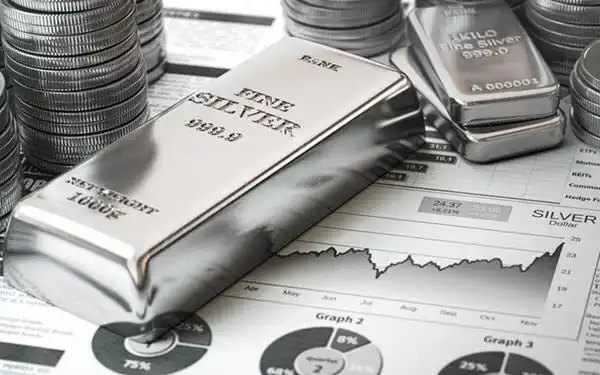
Silver has emerged as the star performer in the precious metals market, with its price surging nearly 110% year-to-date, far outpacing gold's 60% gain. This dramatic rise, driven by seemingly rational factors like Fed rate cut expectations and strong industrial demand from solar, EVs, and AI, masks a deeper and more dangerous reality. The core of the crisis lies in the market's structure. Unlike gold, which is backed by central bank purchases, silver is an "island asset" with almost no official reserves and a much smaller, less liquid market. Its daily trading volume is a fraction of gold's. The rally is increasingly fueled by a futures market squeeze, where paper contracts (derivatives, ETFs) vastly outweigh physical metal. This has created a dangerous inversion where futures prices trade at a persistent premium to spot—a sign of potential market manipulation or a short squeeze. A major red flag is the surge in physical silver withdrawals from key exchanges like COMEX, LBMA, and Shanghai. Investors are increasingly demanding physical delivery, distrusting the "paper silver" system. This has led to plunging exchange inventories, exposing the system's fragility: a small physical base supports a massive pyramid of paper claims. Suspicions of market manipulation are heightened by the dominant role of JPMorgan, which holds nearly half of COMEX silver inventory and is the custodian for a major silver ETF. While no wrongdoing is proven, its immense influence over both physical supply and paper markets places it at the center of the volatility. Ultimately, the silver surge signals a broader crisis of confidence in financialized paper assets. A global shift is underway from financial instruments to physical possession, a movement driven by de-dollarization and a quest for certainty. The rules of the game are changing: when the music stops, only those holding real metal will have a seat.

marsbit12/14 06:09
The Crisis Behind Silver's Surge: When the Paper System Begins to Fail

marsbit12/14 06:09

The Silver Crisis: When the Paper System Begins to Fail

Silver Crisis: When the Paper System Begins to Fail In December, silver became the most volatile asset in the precious metals market, surging from $40 to over $64 per ounce—a year-to-date increase of nearly 110%, far outpacing gold. While the rally appears fundamentally justified—driven by Fed rate cut expectations, industrial demand from solar/EV/AI sectors, and declining global inventories—it masks deeper structural risks. Unlike gold, which is backed by central bank purchases, silver lacks institutional support and has minimal official reserves. Its market is shallow, with a daily trading volume of only $5 billion (vs. gold’s $150 billion), dominated by paper derivatives like futures and ETFs. This makes it vulnerable to volatility and manipulation. The real driver of the rally is a futures squeeze. The market has entered a persistent “backwardation” (futures prices exceeding spot prices), indicating either extreme bullishness or deliberate market manipulation. Physical delivery demands have surged, with COMEX and Shanghai exchange inventories dropping sharply. The system—where paper claims vastly exceed physical silver—is under stress. JPMorgan, a historically dominant player in silver markets, controls ~43% of COMEX silver inventory and acts as custodian for major silver ETFs. Its influence over physical supply and delivery eligibility adds to market fragility. The silver crisis reflects a broader shift: investors are losing faith in financialized paper assets and moving toward physical holdings. This “physicalization” trend, also seen in gold, signals declining trust in traditional financial intermediaries and a reevaluation of monetary security in a deglobalizing world. As the paper system strains, those holding physical silver—and gold—may hold the ultimate advantage.

深潮12/13 10:27

The Silver Crisis: When the Paper System Begins to Fail

深潮12/13 10:27

From Gatekeeper to Gravedigger: JPMorgan Bets on Physical Precious Metals, Shorts Dollar Credit

JPMorgan Chase, a long-standing guardian of the U.S. dollar-centric financial system, is reportedly shifting its core precious metals trading team to Singapore—a move interpreted as a strategic pivot away from Western dollar hegemony. The bank has reclassified approximately 169 million ounces of silver in COMEX vaults from “deliverable” to “non-deliverable,” effectively locking down nearly 10% of global annual supply. This signals a broader bet on physical metal accumulation and a loss of confidence in paper-based derivatives. The London and New York systems, built on leveraged paper contracts (with claims far exceeding physical metal), are showing strain. Central banks are accelerating gold repatriation, while industrial demand—especially for silver in green technology—is draining physical inventories. Extreme backwardation in silver and extended delivery wait times at the Bank of England suggest a structural rupture between paper markets and physical reality. Meanwhile, Shanghai has emerged as the world’s largest physical gold exchange, emphasizing full physical settlement and rejecting the Western paper-gold model. China’s industrial demand and central bank purchasing are pulling vast metal volumes eastward, reshaping global liquidity and pricing power. Singapore is positioning itself as a neutral hub with tax-free private vaults, attracting Western institutions like JPMorgan seeking a safe, politically acceptable base near Asian demand centers. Yet it remains caught between dollar liquidity and yuan-driven physical trade anchored in Shanghai. JPMorgan’s maneuver reflects a deeper shift: the end of financial alchemy based on unlimited paper leverage and the return to a tangible asset system where physical metal defines value and trust.

比推12/12 15:31

From Gatekeeper to Gravedigger: JPMorgan Bets on Physical Precious Metals, Shorts Dollar Credit

比推12/12 15:31

活动图片