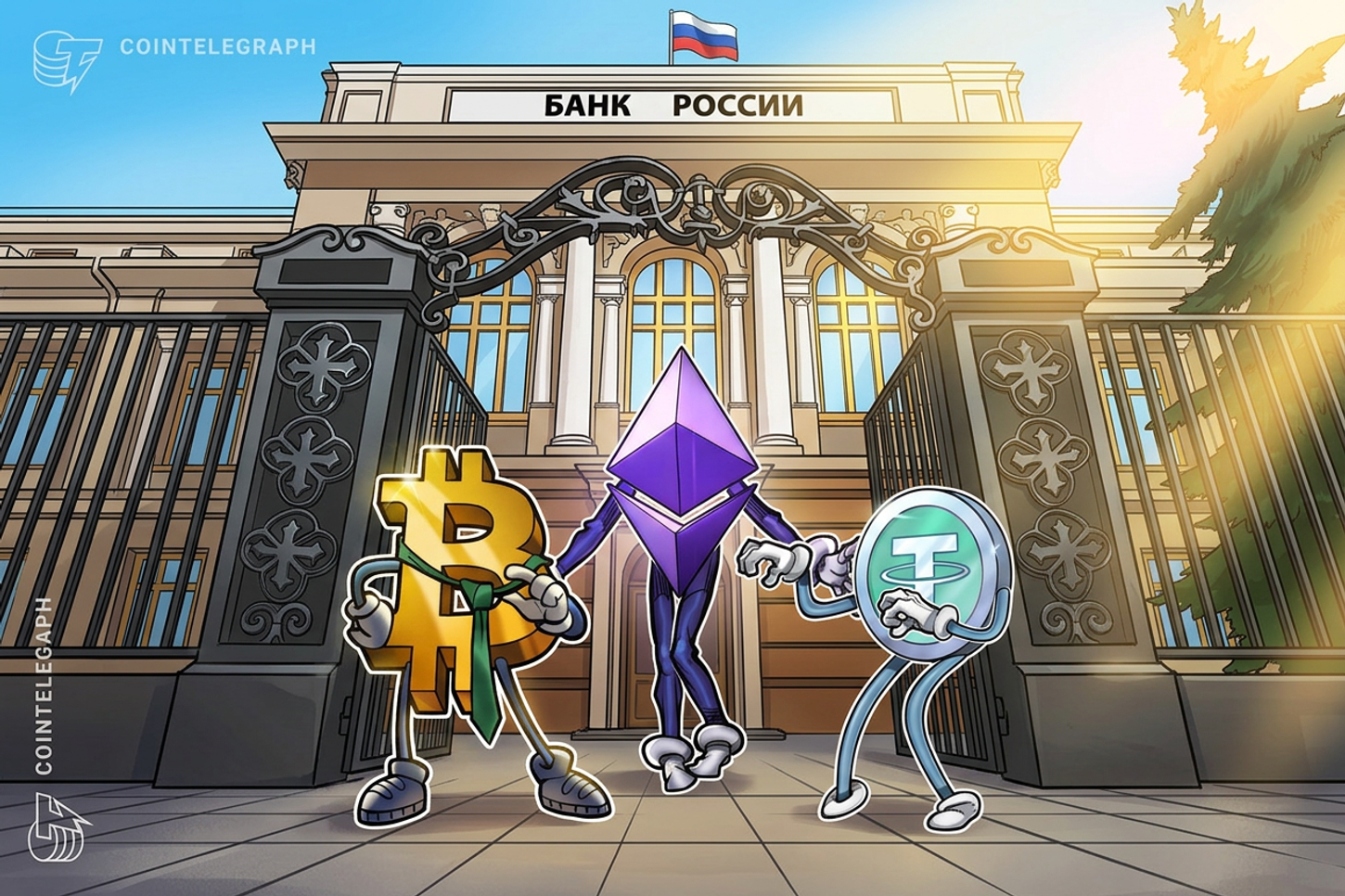
Solmate Continues to Buy Up SOL

cryptonews.ruPublished on 2026-08-11Last updated on 2026-08-11

Abstract

Solmate Infrastructure (NASDAQ: SLMT), a company specializing in blockchain, staking, and AI solutions, has purchased an additional 1,001 SOL. This acquisition brings the company's total holdings to approximately 1.26 million SOL. The purchase coincides with Solana validators supporting proposals to reduce the issuance of new SOL tokens and increase the volume of tokens burned through network fees, changes that could impact Solana's long-term economic model by slowing supply growth. Solmate plans to stake the acquired SOL through its institutional validator infrastructure, aiming to increase its participation in the Solana network and earn additional staking rewards. This move is part of Solmate's broader strategy to develop infrastructure for institutional engagement within the Solana ecosystem, building up its SOL reserves while expanding its validator operations, staking services, and partnerships.

Solmate Infrastructure (NASDAQ: SLMT) — a company specializing in blockchain and staking infrastructure, as well as AI solutions, has acquired another 1,001 $SOL. The company's balance now holds approximately 1.26 million $SOL.

The purchase occurred against the backdrop of Solana validators supporting proposals to reduce the issuance of new $SOL and increase the volume of tokens burned due to network activity. If these changes are approved, they could impact Solana's long-term economic model: the growth rate of the $SOL supply will decrease, while the volume of tokens burned from fees will increase.

Solmate plans to stake the acquired $SOL through its institutional validator infrastructure. This will allow the company to participate more actively in the Solana network's operations and earn additional staking revenue.

The purchase is part of Solmate's strategy to develop infrastructure for institutional participation in the Solana ecosystem. The company is building up its $SOL reserves while simultaneously developing its own validator infrastructure, staking services, and partnerships within the ecosystem.

Image: Magnific

end-content
Trending Cryptos

Related Questions

QWhat is Solmate Infrastructure's NASDAQ ticker symbol?

ASolmate Infrastructure's NASDAQ ticker symbol is SLMT.

QHow many SOL tokens did Solmate Infrastructure purchase according to the article?

ASolmate Infrastructure purchased an additional 1,001 SOL tokens.

QWhat is the total amount of SOL that Solmate now holds on its balance sheet?

ASolmate currently holds approximately 1.26 million SOL on its balance sheet.

QAccording to the article, what changes on the Solana network might affect its long-term economic model?

AProposals supported by Solana validators to reduce the issuance of new SOL and increase the volume of tokens burned from network activity could affect its long-term economic model.

QWhat does Solmate plan to do with the newly acquired SOL tokens?

ASolmate plans to stake the newly acquired SOL through its institutional validator infrastructure to participate more actively in the Solana network and earn additional staking revenue.

Related Reads

Trading Volume Halved: Korea's Two Major Crypto Exchanges Launch Listing Wars

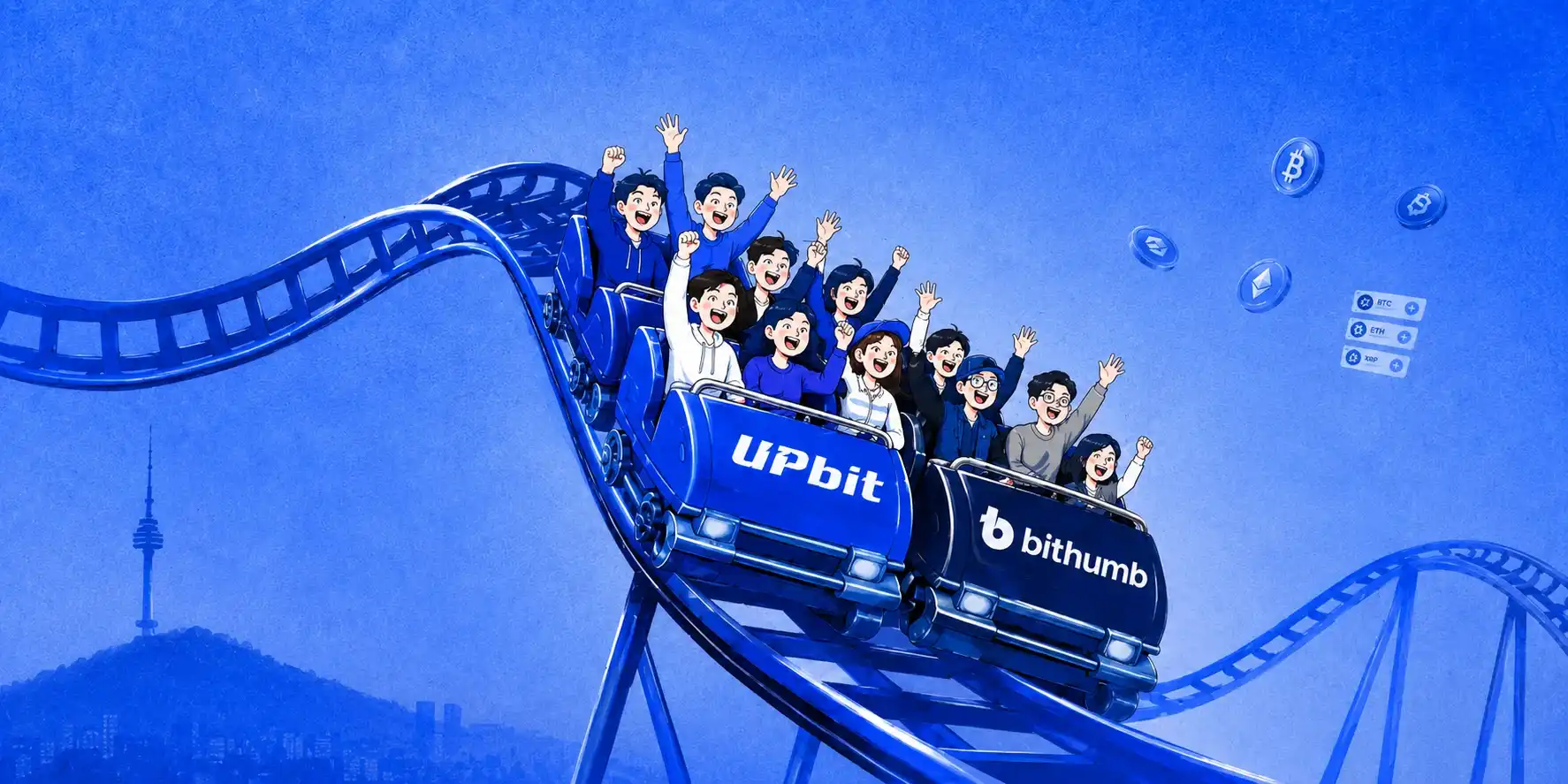
As South Korea's stock market cools from its peak summer performance, leading cryptocurrency exchanges Upbit and Bithumb are intensifying their competition to list new digital assets. Following a significant slump in crypto trading volume during the first half of 2025—with total volume across five major KRW-based exchanges falling nearly 50% year-on-year as capital flooded into equities—the two exchanges have sharply increased their listing pace since July. In just over a month, both Upbit and Bithumb have each added 17 new KRW-trading pairs, far exceeding their average of 6-10 listings per month earlier in the year. This acceleration coincides with a decline in the Korean Composite Stock Price Index's (KOSPI) daily trading volume and a reduction in the proportion of retail investor participation in stocks. Analysts suggest that with the stock market's "wealth effect" diminishing, crypto exchanges are now competing more aggressively for the limited attention and risk capital of local retail investors. The newly listed assets are already contributing significantly to trading activity on the platforms. On Upbit, for example, several coins listed since July now rank among its top-traded assets by volume, collectively accounting for nearly 20% of its 24-hour trading volume recently. However, this surge in new listings appears to be primarily redistracting existing capital within the shrunken crypto market rather than attracting substantial new inflows. Consequently, the strategies of the two dominant exchanges, which together control about 96% of the KRW crypto trading market, are becoming increasingly similar, with both rushing to list the same trending assets to prevent the other from capturing all available trading demand.

marsbit19m ago

Trading Volume Halved: Korea's Two Major Crypto Exchanges Launch Listing Wars

marsbit19m ago

Behind a 26-Year-Old Hong Kong Trader's $150 Million Loss: A South Korean Stock Market 'Great Escape'

In 2026, the South Korean stock market, propelled by the AI boom's demand for high-performance memory chips, witnessed a dramatic rally and subsequent crash, illustrating the perils of excessive leverage, structural market flaws, and retail investor frenzy. The initial surge was driven by soaring share prices of memory giants Samsung Electronics and SK Hynix. This "once-in-a-lifetime" wealth creation story captivated local Korean retail investors, many of whom invested heavily using leverage, and attracted global capital through products like Hong Kong-listed leveraged ETFs. However, the market's heavy reliance on these two stocks and widespread leverage created systemic fragility. The turning point came in June 2026. A series of circuit-breaker halts triggered a vicious cycle of forced liquidations, leading to a steep market plunge. The collapse erased fortunes, leaving many leveraged retail investors in debt. It also exposed a high-profile case in Hong Kong where a 26-year-old trader, using unauthorized company funds and double leverage on a SK Hynix ETF, incurred massive losses of HKD 150 million. Analysis points to key factors behind the extreme volatility: the overwhelming dominance of two stocks in the KOSPI index, a culture of rampant retail leverage, and a fundamental mispricing where investors treated cyclical semiconductor stocks as perpetual growth stories. As the market entered a volatile consolidation phase, seasoned investors emphasized core risk management principles: avoiding leverage, understanding industry cycles, maintaining a margin of safety, and being wary of extreme market consensus. The episode serves as a stark reminder that high returns are inextricably linked to high risk, especially when amplified by leverage.

marsbit29m ago

Behind a 26-Year-Old Hong Kong Trader's $150 Million Loss: A South Korean Stock Market 'Great Escape'

marsbit29m ago

Trading

Spot

Hot Articles

Discussions

Welcome to the HTX Community. Here, you can stay informed about the latest platform developments and gain access to professional market insights. Users' opinions on the price of SOL (SOL) are presented below.

活动图片