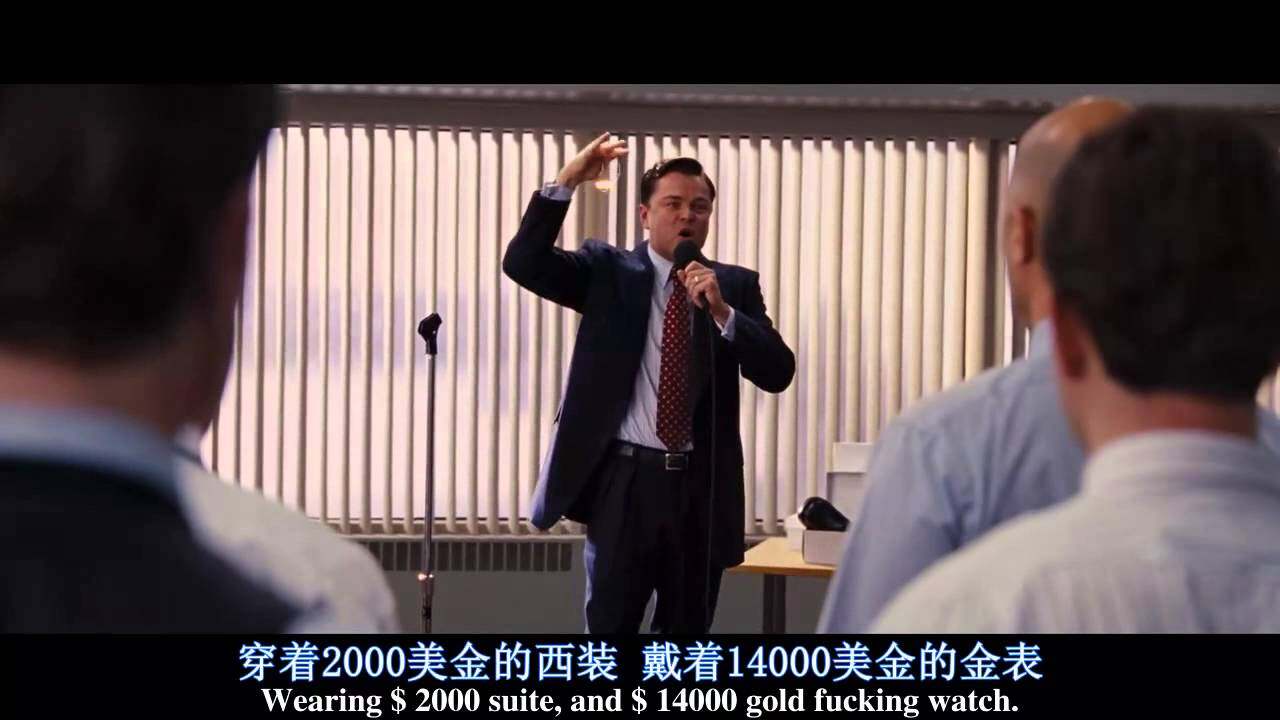
RALPH memecoin collapses by 97% after developer sale sparks backlash – Details

ambcryptoPublished on 2026-01-24Last updated on 2026-01-24

Abstract

The AI-themed memecoin RALPH, associated with the "Ralph Wiggum" trend, collapsed by 97% after a developer sold $300k worth of tokens into thin liquidity. The sale of 7.68 million RALPH tokens caused an 80% drop in a single 4-hour session, crashing the market cap from $50 million to around $5 million. The developer, who received the tokens for free, defended the move as "de-risking," sparking community backlash. A new investor lost $355k after buying just before the crash. The incident highlights the high risks of memecoins and the importance of personal research and risk management in cryptocurrency investments.

Ralph Coin [RALPH], the AI memecoin linked to the “Ralph Wiggum” trend, saw an 80% price drop after a developer sold $300k of the token into thin liquidity. The losses came in a single 4-hour trading session.

In an update on X on 22 January, Lookonchain noted that the developer sold 7.68 million RALPH tokens worth 1,888 Solana [SOL]. This was worth $245k at the time, and the memecoin’s market cap crashed from $50 million to around $5 million.

Bubblemaps shared on Thursday that the seller’s cluster still held 3% of the supply. At the time of writing, the token was down 97% since the initial selling.

What is RALPH?

Ralph Wiggum is a prompting technique. It loops the same AI instruction until a task is completed. Later on, the community created the RALPH memecoin. 99% of the token royalties go to the creator, Geoffrey Huntley, after a vesting schedule.

Given this position for free, the developer felt the need to “de-risk” his position, claiming on social media that “moments like this will test the paperhands from the diamond hands”. Understandably, this has drawn the community’s ire.

Other social media denizens have pointed out that the project developer did not create the token, did not ask to be given the token, and complained when the developer sold everything.

Lookonchain reported that a newly created wallet spent $470k to purchase RALPH. Hours later, the price crash occurred, forcing the wallet to sell its 10.19 million RALPH stash at a $355k loss.

Instead of debating who is in the right and who isn’t in this debacle, traders, investors, and especially new entrants to crypto should use this event to understand the importance of “do your own research.”

Even good investment theses are not infallible, underscoring the importance of risk management. Be prepared for the rug and when you encounter one, at least you won’t be surprised.


Final Thoughts

  • The Ralph Wiggum prompting technique places a coding agent in a continuous loop until the problem at hand is solved.
  • Developer sold the tokens given to him for roughly $300,000, causing the price to crash hard.

Related Questions

QWhat caused the RALPH memecoin to experience a 97% price collapse?

AThe price collapsed after a developer sold 7.68 million RALPH tokens (worth 1,888 SOL or approximately $245k) into thin liquidity, causing a massive sell-off.

QHow much did the memecoin's market capitalization drop following the developer's sale?

AThe market cap crashed from $50 million to around $5 million.

QWhat is the Ralph Wiggum prompting technique mentioned in the article?

AIt is an AI prompting technique that places a coding agent in a continuous loop until a given task is completed.

QWhat percentage of the token royalties go to the creator, Geoffrey Huntley?

A99% of the token royalties go to the creator after a vesting schedule.

QWhat key lesson should traders and investors take from this event according to the article?

AThe event underscores the importance of 'do your own research' (DYOR) and risk management, as even good investment theses are not infallible and one should always be prepared for potential 'rug pulls'.

Related Reads

Anthropic Starts Poaching Scientists? $27K Weekly Onsite Stipend to Fix Claude's Expert-Level Errors

Anthropic has launched a new STEM Fellow program, offering $3,800 per week for a three-month, in-person residency in San Francisco. The role targets experts from science, technology, engineering, and mathematics (STEM) fields—machine learning experience is helpful but not required. Instead, Anthropic values scientific judgment and a willingness to learn quickly. Fellows will work with Claude models and internal tools under the guidance of an Anthropic researcher. Example projects include a materials scientist identifying errors in Claude’s reasoning or a climate scientist integrating atmospheric modeling software with Claude. The goal is to have experts "tell Claude where it's wrong" and improve its scientific capabilities. This initiative is part of Anthropic’s broader strategy to strengthen its scientific ecosystem, following earlier programs like the AI Safety Fellows and AI for Science programs. The company acknowledges that current AI models, while powerful, still produce high-confidence errors and lack end-to-end research autonomy. The program aims to embed domain expertise directly into model development, turning scientists into "high-level reviewers" for AI. Anthropic CEO Dario Amodei has previously emphasized AI’s potential to accelerate scientific breakthroughs, particularly in biology and healthcare. The company believes that the next phase of AI competition will depend not on scaling parameters, but on integrating human expertise to refine model accuracy and reliability.

marsbit26m ago

Anthropic Starts Poaching Scientists? $27K Weekly Onsite Stipend to Fix Claude's Expert-Level Errors

marsbit26m ago

On the Eve of X Money's Launch, Musk Dismantles the Referee First

"X Money Launches After Dismantling Regulator: Musk's 9-Day Power Play" In February 2025, a team from the "Department of Government Efficiency" (DOGE), led by Elon Musk, entered the Consumer Financial Protection Bureau (CFPB) headquarters. Shortly after, the CFPB was effectively dismantled—its funding frozen, activities suspended, and nearly 90% of staff laid off. This move came just nine days after X announced a partnership with Visa and as X Money prepared to launch. The article contrasts this with the decade-long regulatory battles faced by companies like Coinbase and PayPal. Coinbase spent over $75 million in political contributions and endured a major SEC lawsuit to operate legally. PayPal complied with strict state and federal rules for its stablecoin PYUSD, including 100% reserve requirements and monthly audits. However, Musk’s approach was different. After the CFPB introduced a rule placing large digital payment apps under federal oversight, Musk tweeted "Delete CFPB." Within months, the rule was revoked by Congress. Meanwhile, DOGE operatives gained "god-tier" access to CFPB databases, potentially obtaining sensitive competitive information from rivals like Apple, Google, and PayPal. The article also highlights a "suspicious exemption clause" in the GENIUS Act, which allows private companies like X to issue stablecoins with fewer restrictions. Senator Elizabeth Warren questioned whether Musk, who was a senior presidential advisor during the Act’s drafting, influenced this clause. X Money offers a 6% APY on deposits, despite FDIC warnings that stablecoin users are not insured. As X Money launches to 600 million monthly users, the article questions the fairness of a system where Musk can bypass regulations that others spent years and millions to comply with. The dismantling of the CFPB and the alleged regulatory advantages raise concerns about the future of equitable rule-making in the U.S. financial system.

marsbit35m ago

On the Eve of X Money's Launch, Musk Dismantles the Referee First

marsbit35m ago

Trading

Spot
Futures

Hot Articles

Discussions

Welcome to the HTX Community. Here, you can stay informed about the latest platform developments and gain access to professional market insights. Users' opinions on the price of AI (AI) are presented below.

活动图片