Share
- Share
- Tweet
-
ambcryptoPublished on 2026-02-05Last updated on 2026-02-05
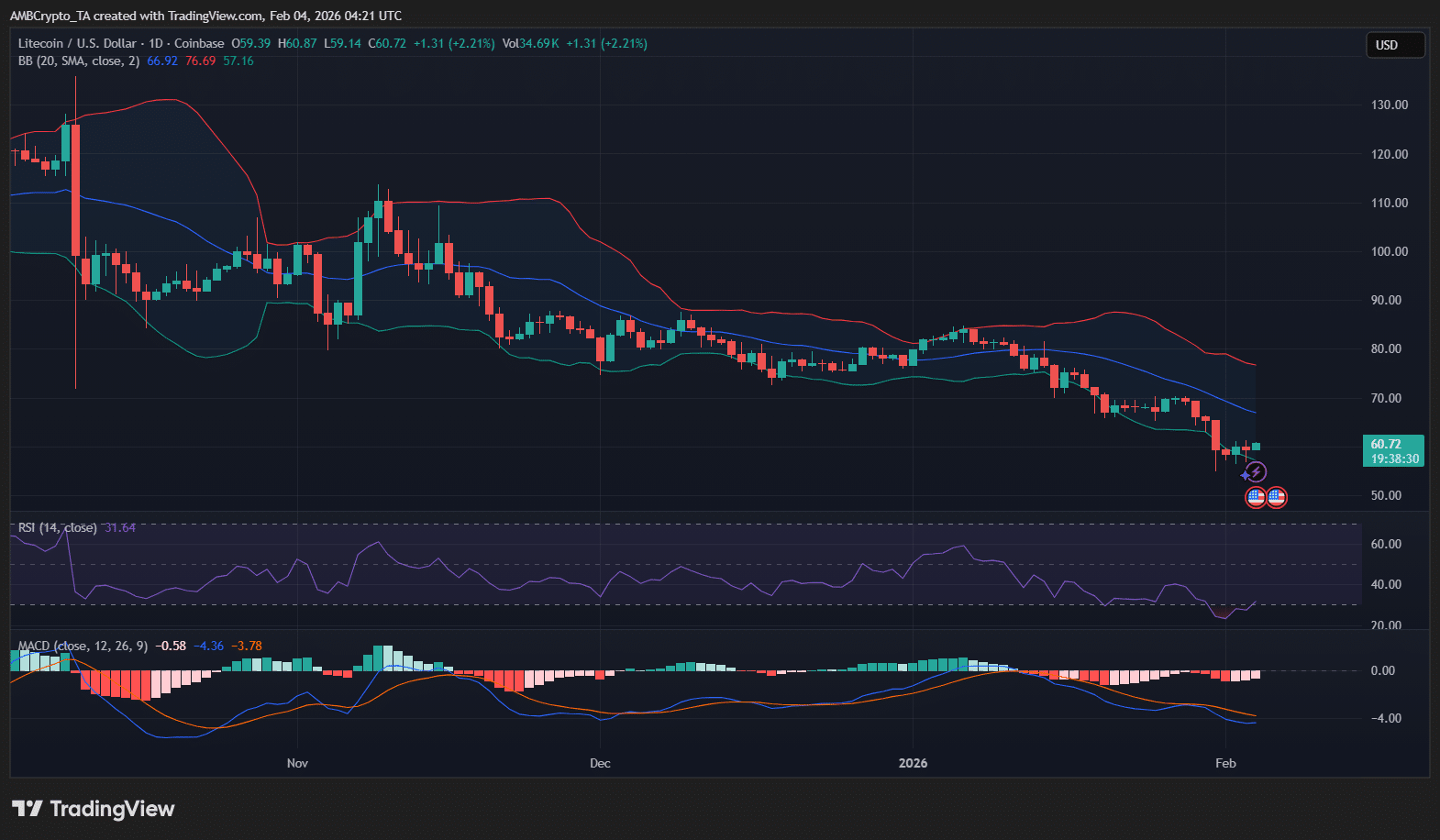
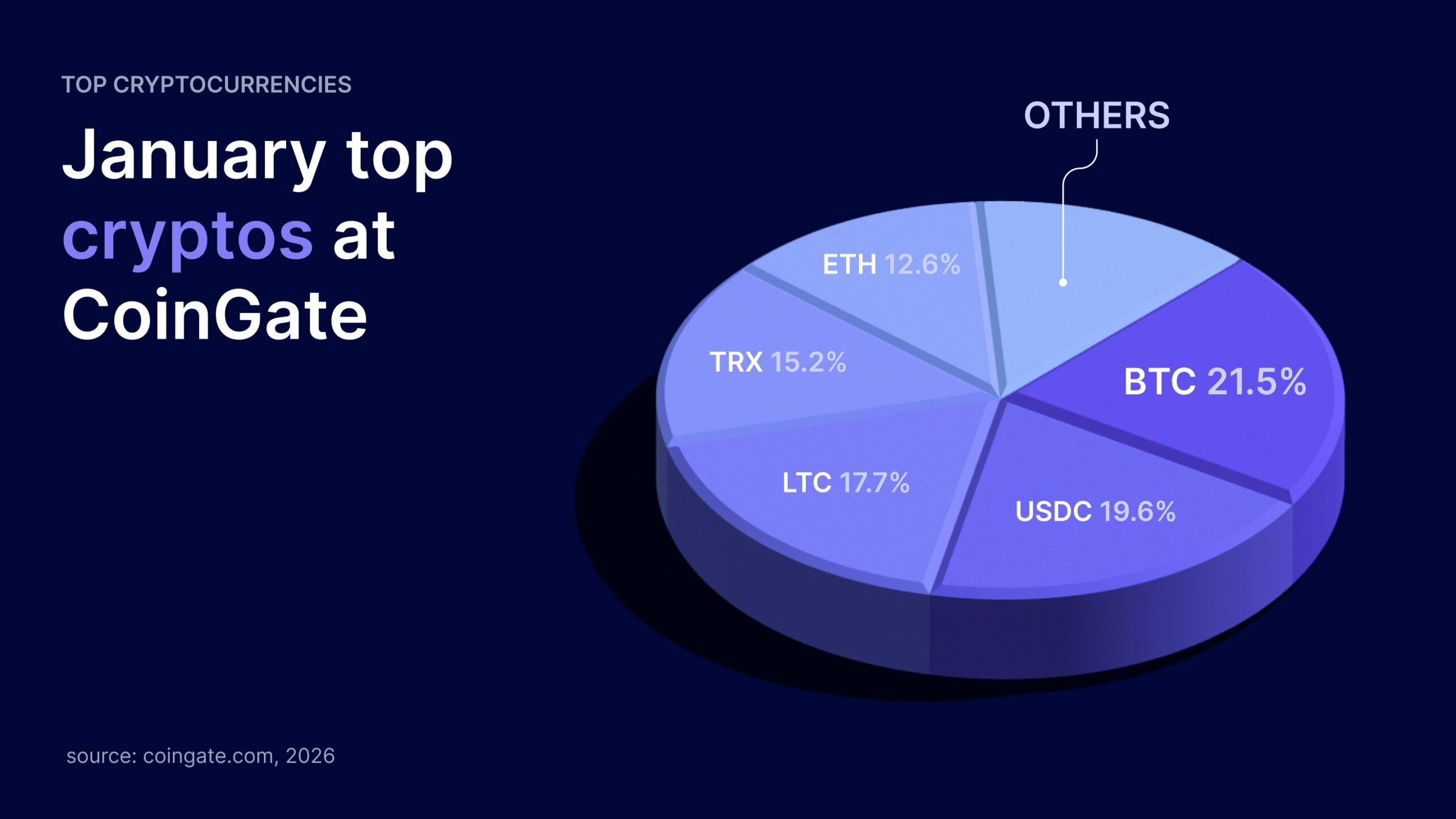
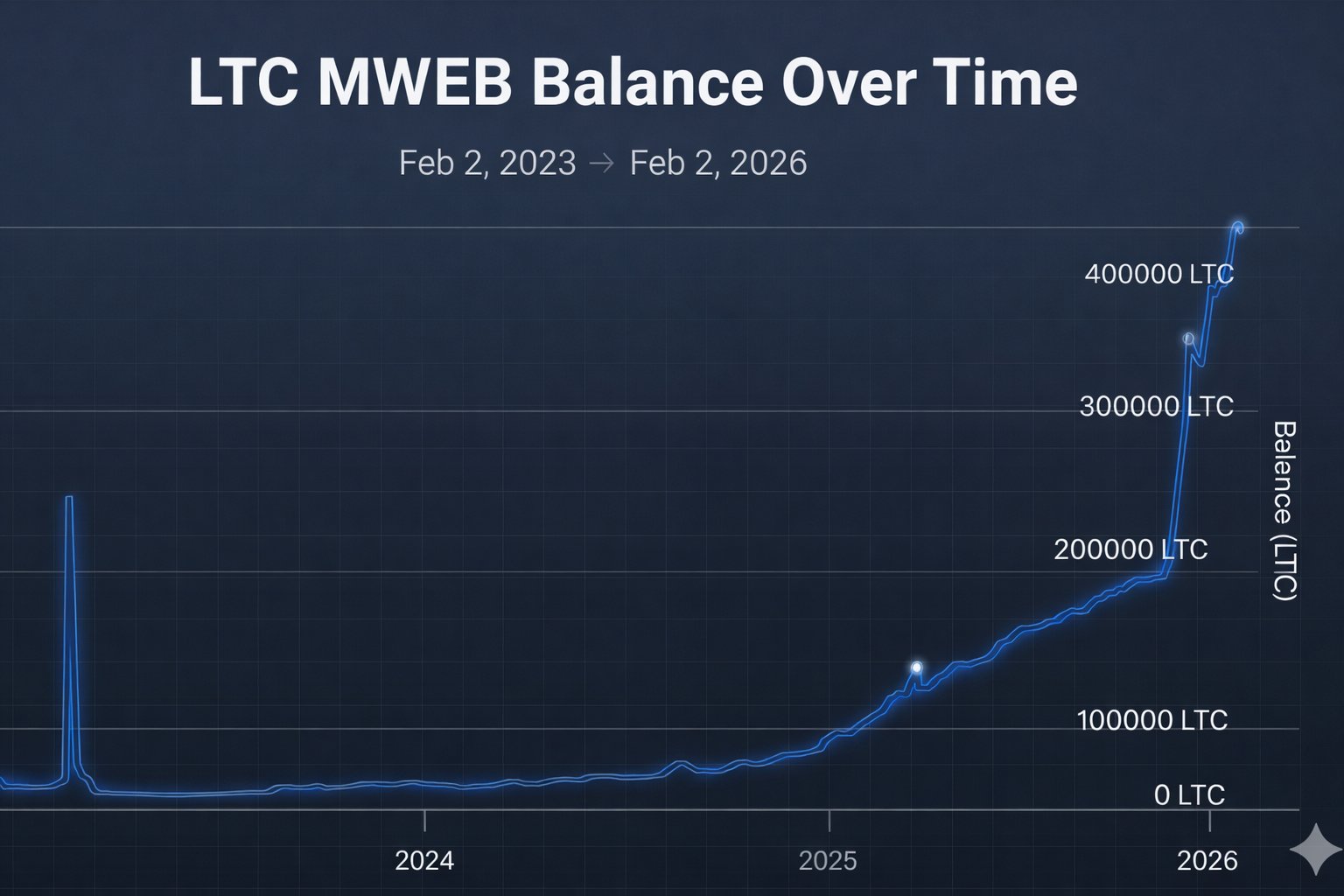
Litecoin (LTC) has declined to its lowest price level in over four months, dropping nearly 12% in the past week. Despite the bearish price trend, with LTC trading below key moving averages and showing negative momentum on indicators like RSI and MACD, its real-world usage and institutional adoption continue to grow. SBI VC Trade, a Japanese crypto exchange backed by SBI Holdings, recently added Litecoin to its crypto lending service, allowing users to earn interest by lending LTC. This places Litecoin alongside major cryptocurrencies like Bitcoin and Ethereum in terms of institutional recognition. Additionally, data from CoinGate shows Litecoin was the third most-used cryptocurrency for payments in January, accounting for 17.7% of transactions—a significant increase from December. Only Bitcoin and USD Coin were used more frequently. At the same time, activity on Litecoin’s privacy-focused MWEB layer reached a new high, with a substantial increase in LTC locked via peg-ins over the past month. Despite weak market sentiment, Litecoin’s utility as a payment method and growing adoption in both retail and institutional contexts indicate strong underlying demand.
QWhat is the current price trend of Litecoin (LTC) according to the article?
ALitecoin has slipped to its lowest level in more than four months, falling nearly 12% over the past week, with the greater trend being bearish.
QWhich Japanese company's crypto exchange recently added Litecoin to its lending offerings?
ASBI VC Trade, a crypto exchange backed by Japan's SBI Holdings, recently added Litecoin to its crypto lending offerings.
QWhat was Litecoin's ranking in cryptocurrency payments for January according to CoinGate data?
ALitecoin was the third most used cryptocurrency for payments in January, accounting for 17.7% of transactions, just behind Bitcoin and USD Coin.
QWhat aspect of Litecoin's network activity reached a new high despite weak market sentiment?
AActivity on Litecoin's opt-in privacy layer, MWEB, hit a new high with record peg-ins and a massive increase in LTC locked into MWEB over the past month.
QWhat two technical indicators mentioned in the article showed negative signals for LTC's price?
AThe RSI showed heavy selling and the MACD stayed negative, indicating that downside momentum had yet to fully fade.
Welcome to HTX.com! We've made purchasing Litecoin (LTC) simple and convenient. Follow our step-by-step guide to embark on your crypto journey.Step 1: Create Your HTX AccountUse your email or phone number to sign up for a free account on HTX. Experience a hassle-free registration journey and unlock all features.Get My AccountStep 2: Go to Buy Crypto and Choose Your Payment MethodCredit/Debit Card: Use your Visa or Mastercard to buy Litecoin (LTC) instantly.Balance: Use funds from your HTX account balance to trade seamlessly.Third Parties: We've added popular payment methods such as Google Pay and Apple Pay to enhance convenience.P2P: Trade directly with other users on HTX.Over-the-Counter (OTC): We offer tailor-made services and competitive exchange rates for traders.Step 3: Store Your Litecoin (LTC)After purchasing your Litecoin (LTC), store it in your HTX account. Alternatively, you can send it elsewhere via blockchain transfer or use it to trade other cryptocurrencies.Step 4: Trade Litecoin (LTC)Easily trade Litecoin (LTC) on HTX's spot market. Simply access your account, select your trading pair, execute your trades, and monitor in real-time. We offer a user-friendly experience for both beginners and seasoned traders.
9.7k Total ViewsPublished 2024.03.29Updated 2026.06.02


















