Is South Korea set to get its own KRW-pegged stablecoin soon?

ambcryptoPublished on 2026-03-28Last updated on 2026-03-28

Abstract

South Korea is moving closer to potentially launching its own KRW-pegged stablecoin, driven by its large and active retail crypto market. With over 18 million citizens already participating in crypto trading, the market is fast-moving and retail-focused, at times rivalling traditional equity markets. However, inefficiencies like the "Kimchi Premium"—where crypto assets trade at higher prices on local exchanges—highlight strong local demand and limited capital flow flexibility. A KRW-backed stablecoin could reduce reliance on USD-based stablecoins, improve liquidity in KRW trading pairs, enable faster settlement, and leverage existing market support from large players on Korean exchanges. Despite the potential benefits, regulatory hurdles remain a significant challenge.

South Korea could be closer than expected to launching its own stablecoin! With chatter around a KRW-backed token picking up, the country is becoming one of the most closely watched markets.

Here’s why.

South Korea – One of the world’s biggest retail markets

With over 18 million citizens already participating, South Korean crypto trading is fast-moving and retail-centric. At multiple points, their activity has rivalled traditional equity markets!
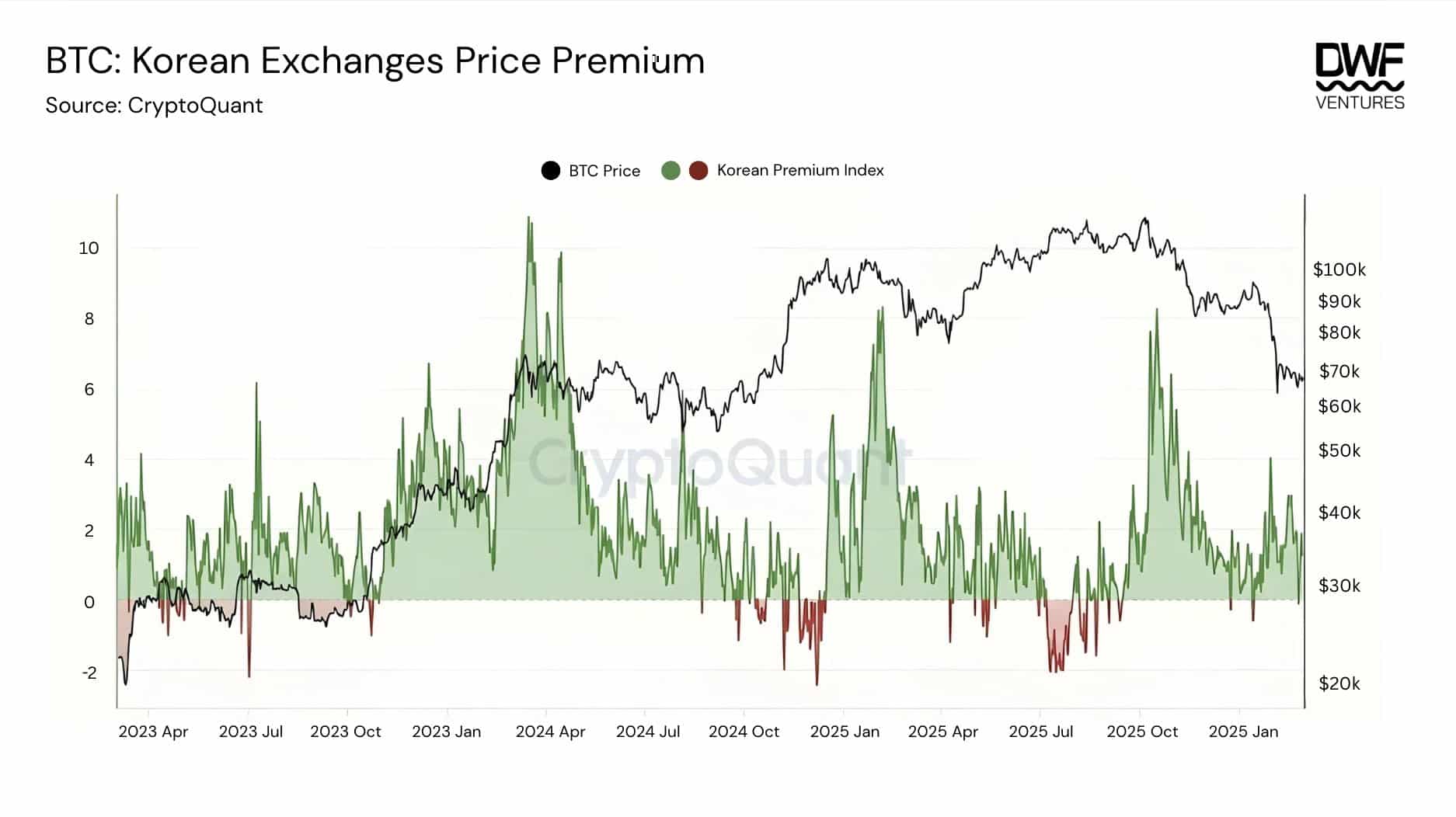
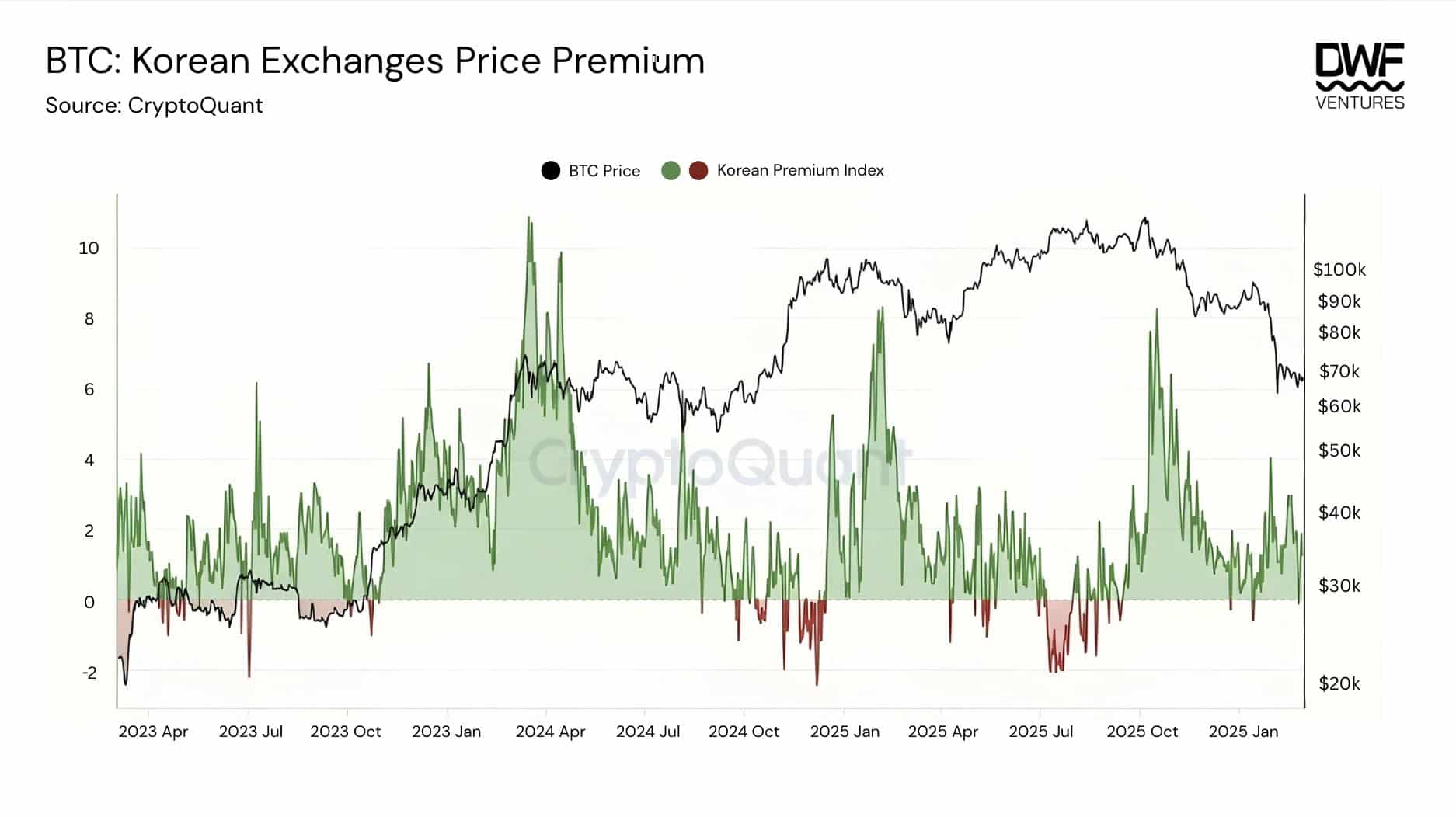
Source: DWF Ventures

However, this demand hasn’t always been efficient. The “Kimchi Premium,” where assets trade at higher prices on local exchanges, makes the gap between domestic and global markets clear. There’s both local demand and limited capital flow flexibility.

This is where a KRW stablecoin starts to make sense. A local alternative could reduce reliance on USD-based stablecoins and improve liquidity in KRW trading pairs. At the same time, it also helps achieve faster settlement.
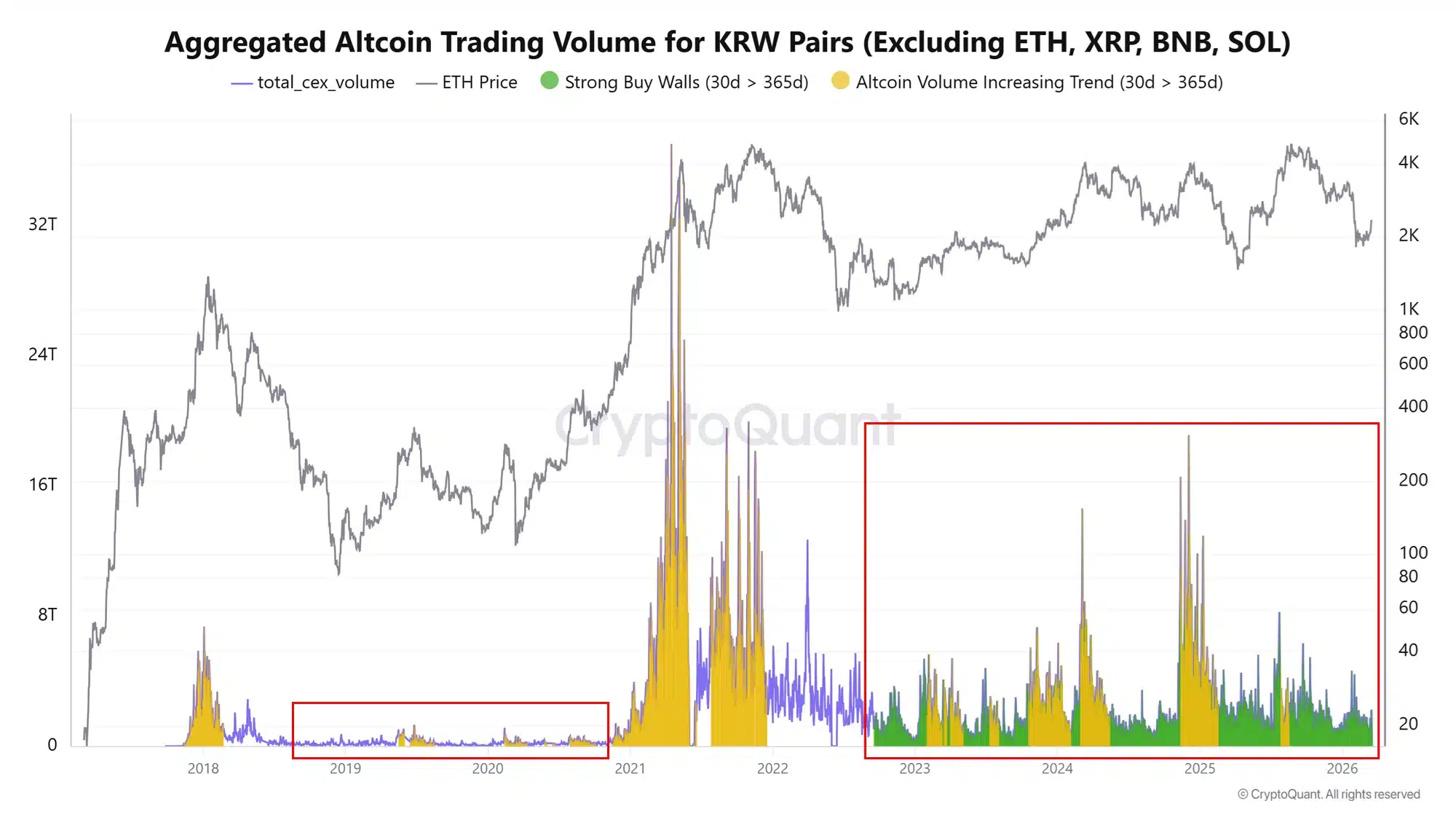
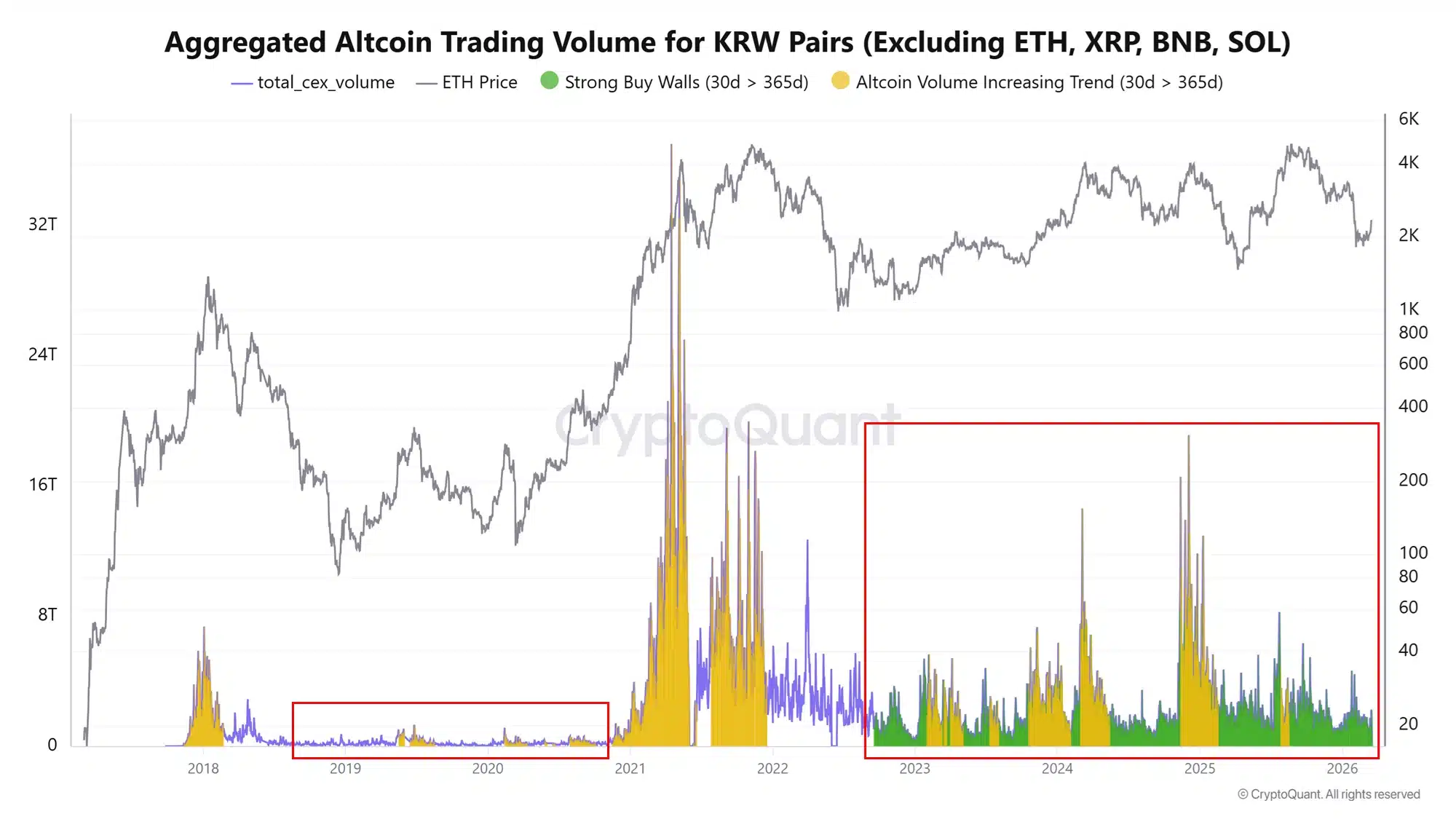
Source: Cryptoquant

And, here’s where it gets interesting; it’s not just the retail market. Large players on Korean exchanges have been absorbing sell-side pressure for years, creating a nice support wall that keeps liquidity intact.


Regulation is a hurdle

Related Questions

QWhat is the main topic of the article regarding South Korea's financial market?

AThe article discusses the potential for South Korea to launch its own KRW-pegged stablecoin.

QWhy is South Korea considered a significant market for cryptocurrency trading?

ASouth Korea is one of the world's biggest retail markets for crypto, with over 18 million citizens participating in fast-moving, retail-centric trading.

QWhat is the 'Kimchi Premium' mentioned in the article?

AThe 'Kimchi Premium' refers to the phenomenon where crypto assets trade at higher prices on South Korean exchanges compared to global markets, highlighting local demand and limited capital flow flexibility.

QHow could a KRW-backed stablecoin benefit South Korea's crypto market?

AA KRW stablecoin could reduce reliance on USD-based stablecoins, improve liquidity in KRW trading pairs, and achieve faster settlement.

QWhat is identified as a major hurdle for the implementation of a KRW stablecoin in South Korea?

ARegulation is mentioned as a hurdle for the implementation of a KRW stablecoin in South Korea.

Related Reads

IREN's Insanity: Selling Miners, Buying GPUs, Stock Price Up 16%

IREN, a Bitcoin mining company, saw its stock price surge 16% after releasing its quarterly earnings on May 8th. The surge was not driven by Bitcoin's price, but by the company's radical strategic shift away from cryptocurrency mining and towards AI infrastructure. The company reported a $140 million impairment charge after decommissioning and listing for sale 5,800 of its Bitmain S21 Pro mining rigs. It also maintains a policy of selling all mined Bitcoin daily, holding zero crypto assets. Despite this dismantling of its core business, investor sentiment was positive due to IREN's aggressive pivot into AI. This shift is backed by massive, long-term contracts. IREN announced a new 5-year, $3.4 billion collaboration with NVIDIA, which includes an equity investment commitment. This follows a previously secured 5-year, $9.7 billion GPU cloud services agreement with Microsoft. To support these deals, IREN acquired European data center capacity and cloud software capabilities. Management targets 480 megawatts of AI capacity, 150,000 GPUs, and $3.7 billion in annual recurring revenue by late 2026. While other North American miners are exploring hybrid "mining + AI" models, IREN is making a clean break, betting entirely on the booming demand for AI compute power. The move highlights a broader industry trend where the value of mining hardware is declining while GPU-based AI infrastructure is in critically short supply.

marsbit3h ago

IREN's Insanity: Selling Miners, Buying GPUs, Stock Price Up 16%

marsbit3h ago

Trading

Spot
Futures
活动图片




