Ethereum's Meme Season Is Back

marsbitPublished on 2026-04-22Last updated on 2026-04-22

Abstract

The Ethereum meme season has reignited, sparked by Elon Musk's brief reply to a post about a girl's memorial Shiba Inu toy, Asteroid, which flew on a SpaceX mission. This triggered a 1,000%+ surge in the dormant $ASTEROID token within hours, causing Ethereum gas fees to spike over 10x and meme trading volume to surpass major DeFi protocols. This wave features memes with real-world anchors: - **Space-themed tokens** like $RISE (leveraging NASA imagery) and $FLOAT (inspired by SpaceX’s zero-gravity indicators) capitalized on the space narrative. - **Event-driven memes** such as $CLUTCH (FIFA World Cup mascot) and $RIZO (a Tesla-associated hedgehog meme endorsed by Musk) gained traction. - **Comic IP-based tokens** like $MYSTERY (Pepe creator’s early character) and $FLORK (from a popular webcomic) saw explosive gains, with derivatives ($FLORKY, $BABYFLORK) following. - **Political memes** (e.g., $MAGA aliens variant, $BRITAIN) tapped into niche audiences with strong identity-driven narratives. Unlike Solana’s fast-paced meme trading, Ethereum memes tend to build slower but denser narratives, benefiting from reduced gas fees post-EIP-4844 and concentrated attention. While most may fade, they reflect evolving cultural and speculative dynamics in crypto. *Note: Mentioned tokens are highly speculative, unaudited, and not investment advice.*

This round of Ethereum memes started with a little dog and a reply from Musk.

A few days ago, SpaceX founder Elon Musk replied to a post by media personality Glenn Beck on X. The post was about a teenage girl who, before passing away from cancer, designed a Shiba Inu plushie named Asteroid and sent it on the 2024 SpaceX Polaris Dawn mission. The plushie served as a zero-gravity indicator inside the spacecraft—the first object to float when humans enter a state of weightlessness. One of the girl's final wishes was for Asteroid to become the official mascot of SpaceX.
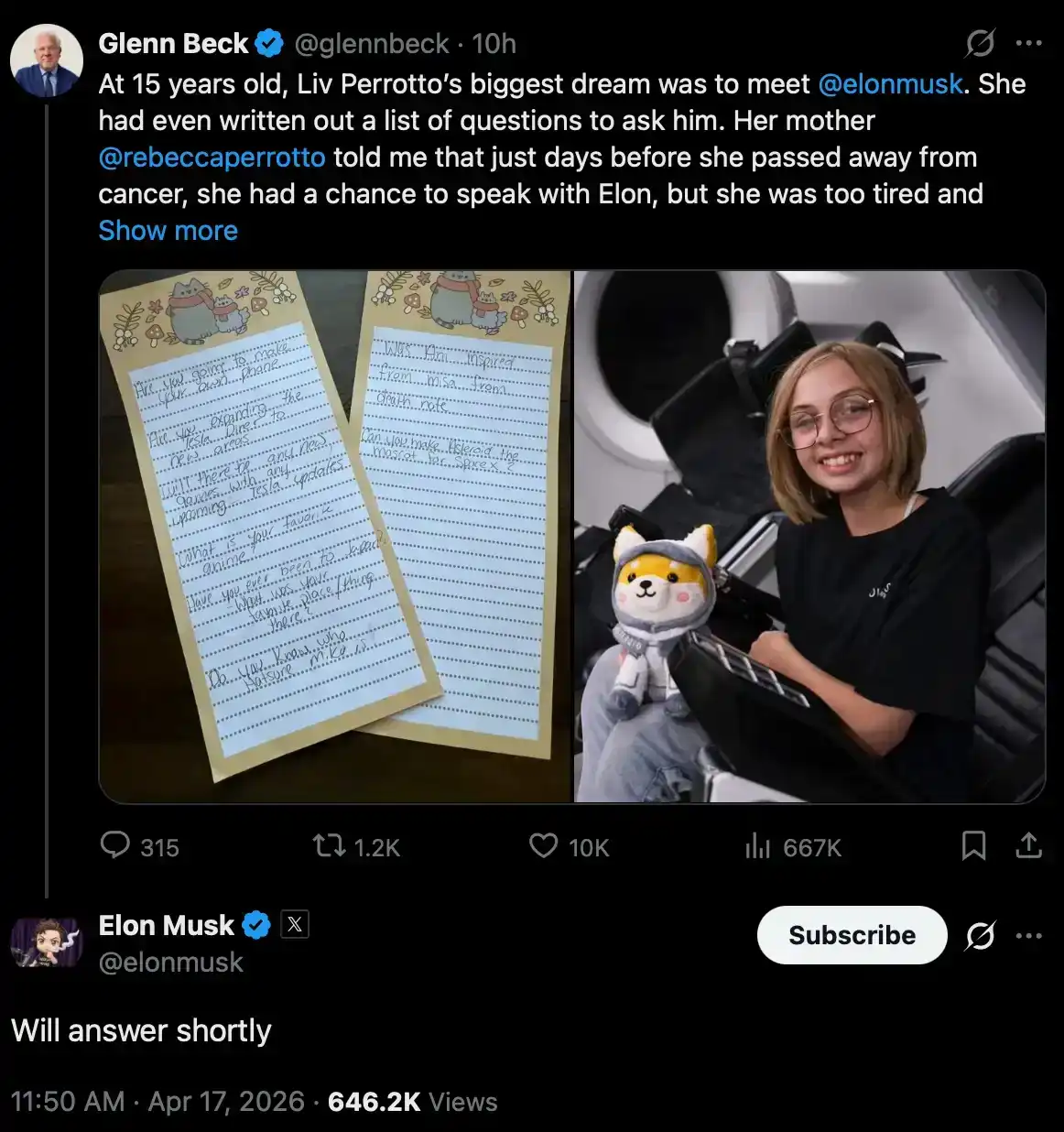
Musk's reply was just four words: Will answer shortly.

On-chain traders, with their keen sense of smell, immediately took action. They found a memecoin called $ASTEROID on Ethereum, which had existed for 19 months with little attention. But that day, it surged over 1,000% in six hours. Someone put in 1 ETH and cashed out $470,000 three hours later. This wealth creation story spread quickly on social media, triggering a new round of FOMO.

The gas fee on the Ethereum mainnet subsequently rose from 0.052 Gwei to 0.6 Gwei, an increase of more than tenfold, and stabilized around that level for several days. The number of Uniswap V2 trading pairs began to surge, and the 24-hour trading volume of the meme sector briefly surpassed that of mainstream DeFi protocols.

Gas fees are a good barometer. They are telling us: Ethereum's meme season is back. Today, we'll look at the characteristics of this batch of Ethereum memes and their respective narrative logics.

Mascot Concept

$ASTEROID, this dog, could ignite not only because Musk mentioned it, but also because it has a "real physical existence": it actually flew into space, with photos and mission records that can be verified. This is different from ordinary凭空捏造 (fabricated out of thin air) memes; it has an anchor point in the real world.
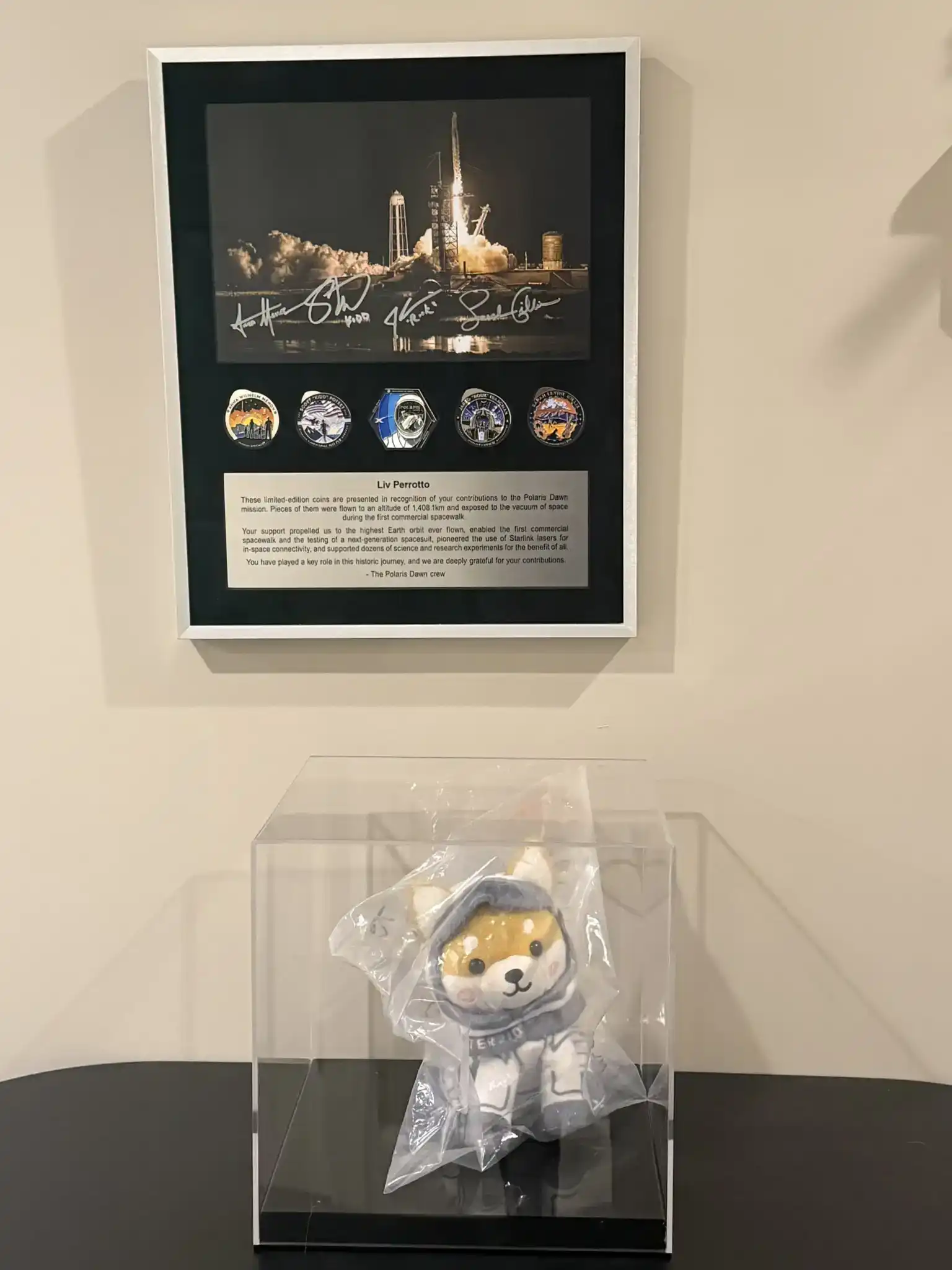
This logic subsequently spawned a batch of new projects themed around "real-existing mascot characters":

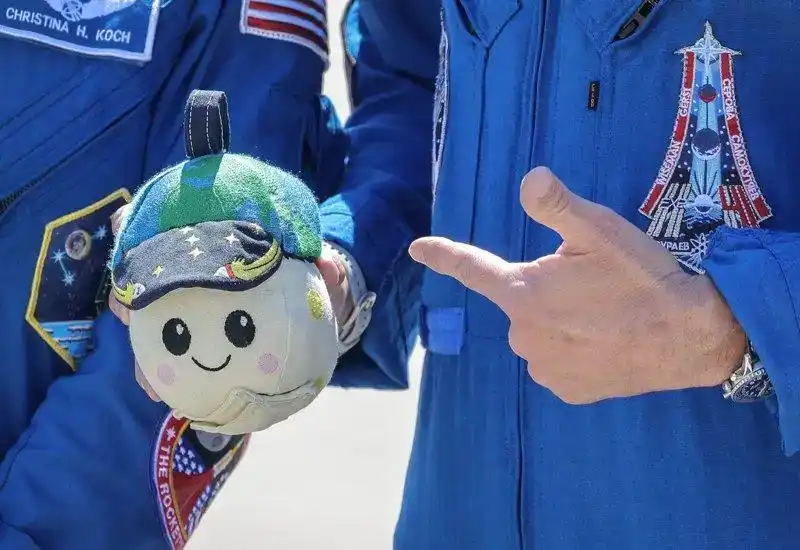
For example, $RISE flies the NASA flag, describing itself as the "official NASA mascot." Of course, NASA has not authorized any Token; this is a standard operation of "leveraging official imagery." But the narrative is clear enough: space agency + American symbol + riding the wave after $ASTEROID. After being online for a few days, its market cap has exceeded $900,000, making it the project with the deepest liquidity in this wave of space concepts.
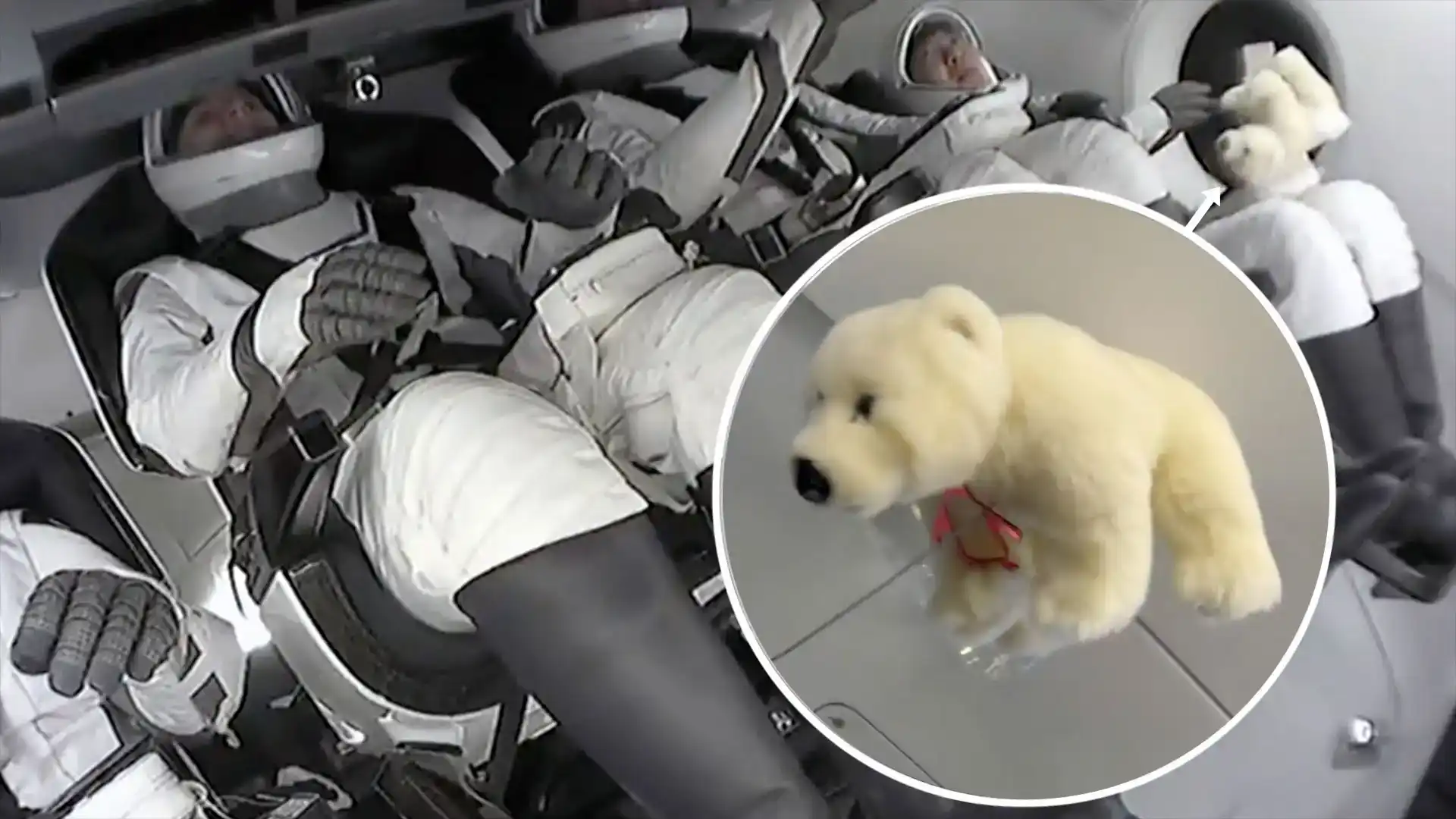
Then there's $FLOAT, which directly reuses the core prop of $ASTEROID: the zero-gravity indicator. The project is called "SpaceX Zero-G Squad," and its website is floatsquad.xyz. The logic is to turn the ritual represented by ASTEROID (throwing a plushie into the spacecraft before each launch to confirm weightlessness) into a group narrative. It saw a 24-hour increase of over 2000%, but its size is extremely small and is currently in a pullback.
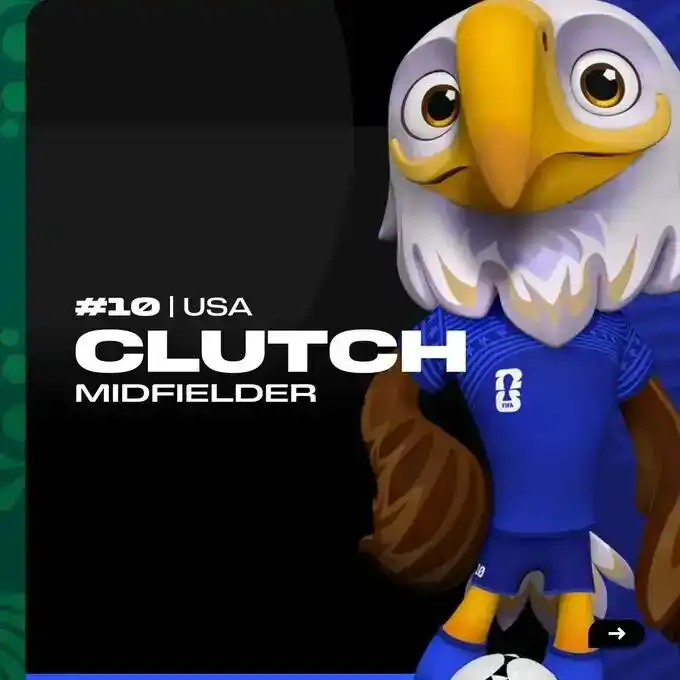
There's also an outlier in the space narrative. $CLUTCH doesn't follow the space line but leverages another upcoming real event: the FIFA World Cup opening on June 11, 2026. Clutch is the official mascot for the US team released by FIFA, a bald eagle wearing the number 10 jersey.

The $CLUTCH project team directly filled in the URL of FIFA's mascot page in a section of their website, an unabashed posture. Clearly, this meme is betting on a "calendar catalyst"—as the event approaches, external events will continuously drive traffic in. The 24-hour increase once exceeded 43,000%, but the market cap is still less than $700,000, indicating it's in a very early stage.
Besides the mascot concept, the $ASTEROID dog also reignited the Musk and Tesla concept, such as $RIZO.

Rizo's narrative is about a hedgehog, originally created as a corporate mascot in 2008 by the Spanish insurance company Génesis Seguros. The hedgehog makes an "OK" gesture with a kind expression, initially just commercial material. Around 2013, netizens turned it into the "haha yes" series of memes, widely spread—paired with various affirmative captions, it became a universal reaction image to express "this is right" or "I'm satisfied."
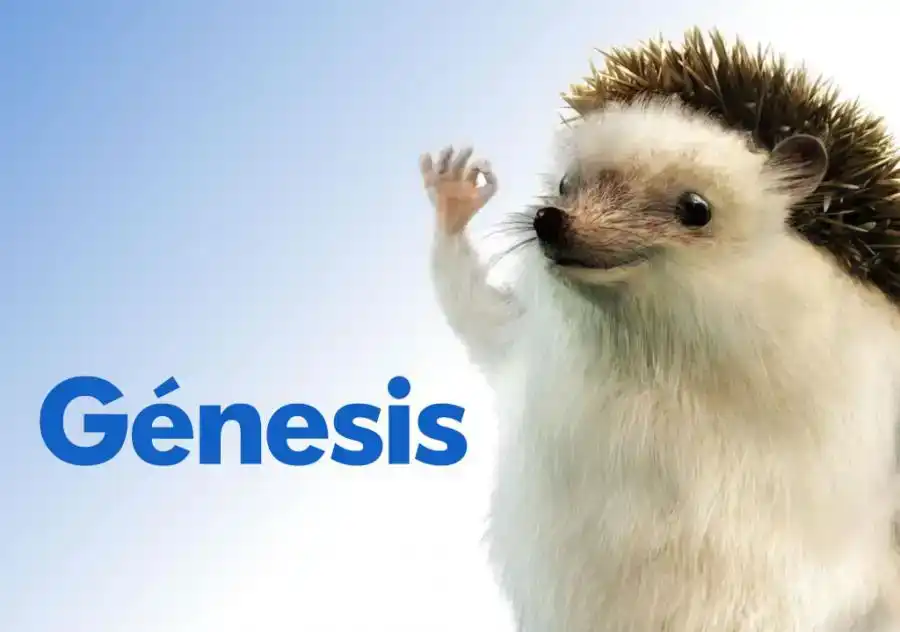
Musk brought it into the Tesla product experience in 2019: the hedgehog appeared on the confirmation page for purchasing a Model Y, with the caption "S3XY." In the following years, Rizo陆续 appeared on the subtle patterns of Tesla's limited Cyber Beer bottles, an Easter egg on the flagpole at Gigafactory Texas (only visible from a drone's aerial view), a cyberpunk version on the Cybertruck purchase confirmation page, and official Tesla T-shirts.

This is a meme symbol that Musk himself has持续 and repeatedly acknowledged, not a one-sided interpretation by fans. The logic of the $RIZO memecoin is built on this relationship. The current market cap is接近 $200,000, with a rebound of over 28% in the last hour.

Comic IPs Are a Rich Source of Memes

Pepe the Frog's Brother MYSTERY
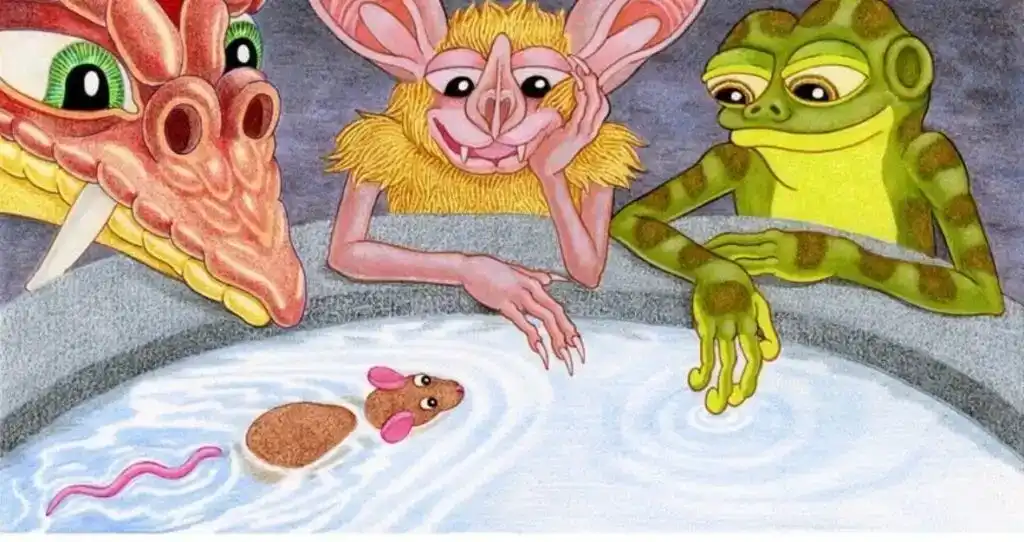
Matt Furie, the creator of Pepe the Frog, published his first book, "The Night Riders," in 1999. It's a wordless picture book featuring four animal characters: a frog, a mouse, a dragon, and a bat. For years, no one knew the frog's name until someone found a note at the end of the book revealing it was called Mystery.
In Furie's own NFT series HEDZ, there is also a character named Mystery, his avatar wearing an orange hood—in a sense, an authorial declaration of identification with this character.

The narrative framework given by the $MYSTERY community is just one sentence: "You missed PEPE, this is the second chance."

This sentence resonates in the crypto circle not because it's logically sound, but because everyone who experienced the PEPE行情 remembers the feeling of "not daring to buy" at that time. This fear is precisely summoned. The marketing team behind $MYSTERY has partnered with the team behind Brett (Brett's current market cap is about $2 billion), which provides some endorsement. The current market cap is接近 $1.9 million, making it one of the projects with the thickest liquidity in this batch of new launches, with 24-hour trading volume exceeding one million dollars.

FLORK and Its Derivative Universe

Among all these new launches, $FLORK is also an IP that, while本身 unrelated to crypto, saw the largest short-term surge. It rose nearly 6,000% in 6 hours, with 24-hour trading volume exceeding $8 million.

Flork of Cows is a webcomic that started updating in 2012, created by Brian DiAntonio. The art style is extremely simple, featuring abstract stick figures in an MS Paint style that look like unfinished sock puppets, with expressions and dialogues following an existentialist daily吐槽 (roasting) route. That "low-cost but highly addictive" vibe is similar to early Rage Comics,类似 Trollface, but it has survived longer because Flork's content is universal; people from any cultural background can recognize themselves in those absurd little characters. It's especially popular in Latin America, becoming part of the daily emotional language of the Spanish-speaking internet.

The contract for the ETH version of $FLORK was created as early as April 2023 and lay dormant for three years, waiting for this wave. Its market cap is接近 $10 million, making it a major player among this batch of new launches.

Its爆发 subsequently led to the expansion of the "Flork universe." $FLORKY is a female version of Flork that just launched today. Female characters occasionally appear in the Flork of Cows comics. It saw a 1331% increase in 6 hours and even opened an Instagram account. $BABYFLORK is the baby version, with a 24-hour increase of 1722%. This path of "main coin →衍生 baby / girl" has basically been tread by all major IPs and is a highly mature expansion logic in the meme sector.

Political Memes, MAGA Variants

If the mascot concept and space narrative are driven by emotion, political memes follow another logic: opposition and identity.

$MAGA, short for Make Aliens Great Again, twists Trump's campaign slogan by changing one word,嫁接 (grafting) it onto the recent UFO/alien narrative. This isn't random拼凑 (piecing together): in 2025, the U.S. government did begin systematically releasing UAP (Unidentified Aerial Phenomena) files, an event that highly overlaps with conspiracy theories, Tucker Carlson's audience, and MAGA political symbols in the English-speaking crypto circle.
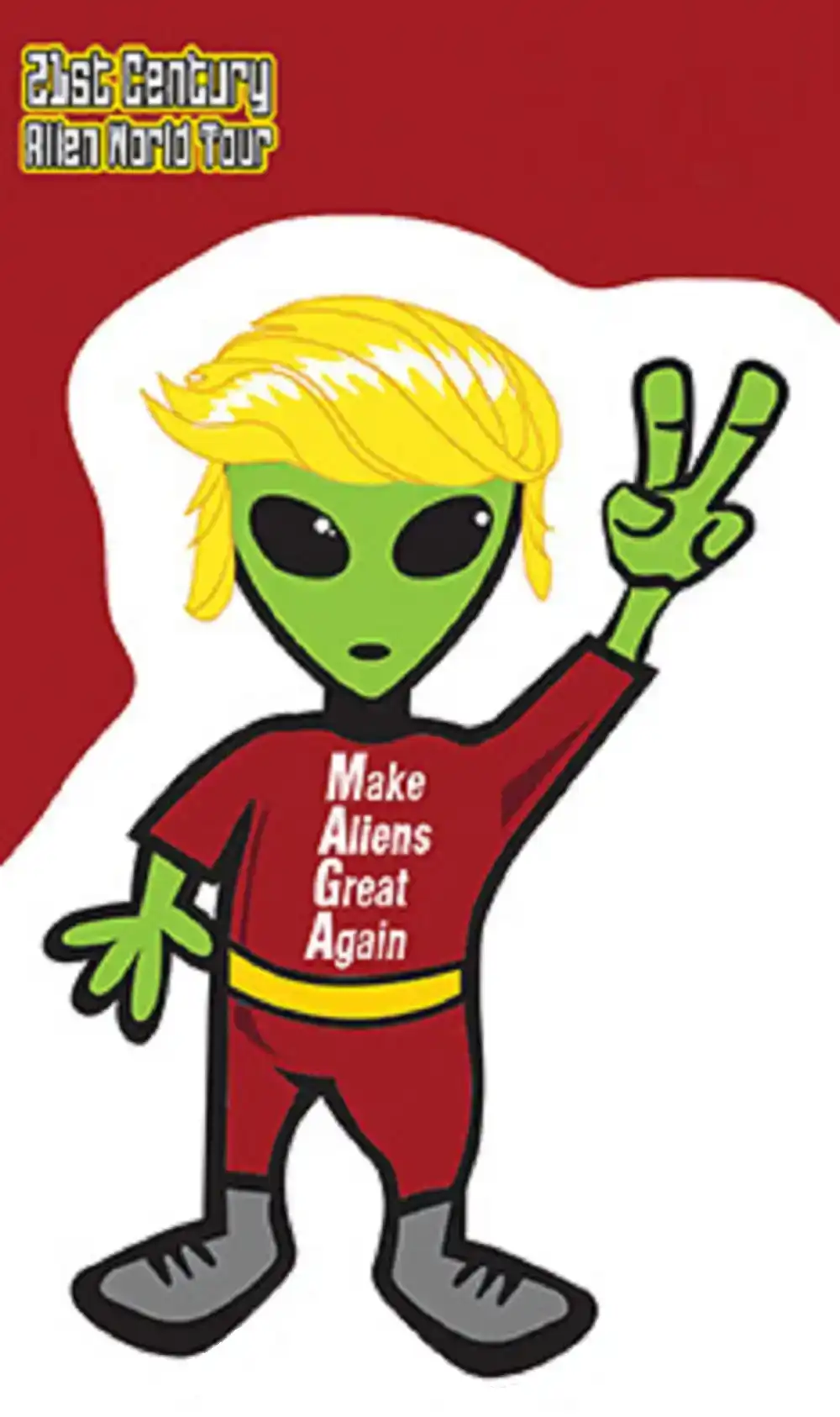
The meme coin's website directly links to aliens.gov, the U.S. government's official UAP information disclosure page. This operation of "directly citing real official assets" is the same narrative technique used by $CLUTCH linking to the FIFA website and $RISE using NASA imagery.

There's also $BRITAIN, a meme that follows the UK version of the MAGA route, against the backdrop of the political aftershocks from Nigel Farage's Reform UK party's unexpected rise in the 2024 general election. "Restore Britain" is a real political slogan. The meme's TikTok account reaches out to right-wing political audiences outside the crypto circle. The 24-hour increase is 220%, relatively moderate, but its stability is higher than other very new projects in this batch. It has been online for several days, with balanced buying and selling, showing signs of continuous operation.
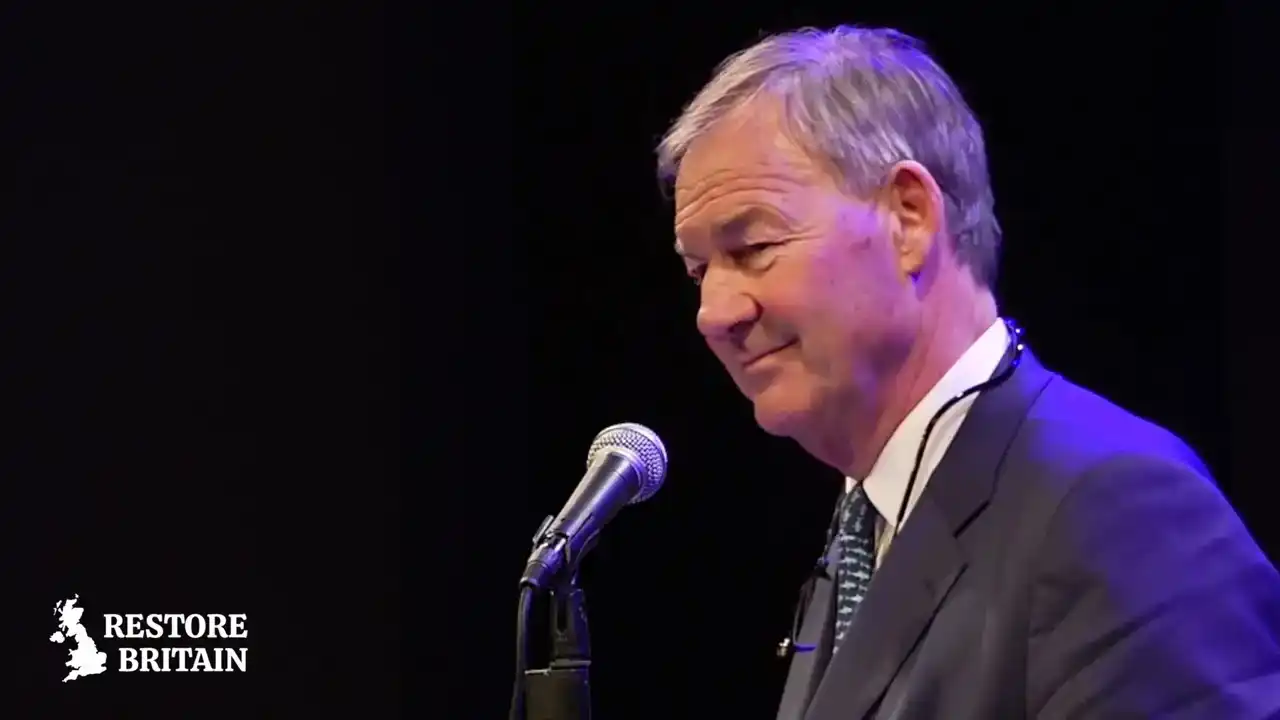
However, the risk with political memes is that their audience is fixed, and their ability to break through circles is weaker than purely cultural memes. But community cohesion is often stronger, making them less likely to quickly disintegrate when the market cools.

An Observation

This is very different from the Solana game.

Communities pointed this out on April 18th: Memes on Solana are PvP: fast in and out, mainly a game between traders, with an on-chain lifecycle measured in hours. Memes on Ethereum are different; they are slower but tend to accumulate more narrative density. PEPE built a community lasting years on Ethereum, SHIB developed its own Layer 2 on Ethereum.

From a technical condition perspective, the activation of this round of Ethereum memes恰好 occurred in a special window: after EIP-4844, gas is no longer a barrier, but the分流 (diversion) of traffic to L2 also means that traffic on the mainnet is格外 scarce. Once something truly hot appears, the资金聚焦效应 (capital focusing effect) will be stronger than before.

$ASTEROID was the initial ignition device. What followed is what we see now: $MYSTERY rose tens of thousands of times overnight, $FLORK waited three years for its moment, $CLUTCH awaits its calendar catalyst before the World Cup opens.

Most of these memes will still disappear, but these narratives and perspectives are still very meaningful.

Note: The Tokens mentioned above are purely community-driven speculative assets, unaudited, with no roadmap, and are used only for case analysis. They do not constitute any investment advice.


Related Questions

QWhat event triggered the recent surge in meme coins on Ethereum?

AThe recent surge in meme coins on Ethereum was triggered by Elon Musk's reply 'Will answer shortly' to a post about a teenage girl's cancer story and her designed Shiba Inu doll named Asteroid, which was part of a SpaceX mission.

QWhat is the unique characteristic of $ASTEROID that differentiates it from typical meme coins?

A$ASTEROID has a real-world anchor: it is based on a physical doll that actually flew into space as part of a SpaceX mission, with verifiable photos and mission records, unlike many purely fictional meme coins.

QWhich meme coin is associated with the FIFA World Cup 2026 and what is its narrative?

A$CLUTCH is associated with the FIFA World Cup 2026, leveraging the official U.S. team mascot, a bald eagle named Clutch wearing a number 10 jersey. Its narrative banks on the 'catalyst calendar' effect, expecting increased attention as the event approaches.

QHow does the meme coin $MYSTERY relate to the famous Pepe the Frog, and what is its community's pitch?

A$MYSTERY is based on a character from Pepe the Frog creator Matt Furie's early work, positioned as 'the second chance' for those who missed out on PEPE. It is backed by collaborations with the team behind Brett, adding credibility.

QWhat is a key difference between meme coin dynamics on Ethereum compared to Solana, as mentioned in the article?

AEthereum meme coins tend to be slower but accumulate more narrative density and community longevity, like PEPE and SHIB, which built sustained communities. In contrast, Solana meme coins are more about fast PvP trading with shorter lifespans, often measured in hours.

Related Reads

Warsh Hearing Concludes: What Are the Notable Signals for the Crypto Industry?

The Senate Banking Committee held a confirmation hearing for Judy Shelton, a Federal Reserve nominee, who faced intense questioning regarding her ability to maintain the central bank's independence amid pressure from President Trump to lower interest rates. Shelton denied any pre-arranged commitments on rate cuts and emphasized her independence, though Democrats remained skeptical, citing contradictions with Trump's public statements. Shelton characterized post-pandemic inflation as a major policy failure and called for a "regime change" in the Fed’s approach, including reforms to inflation measurement and communication strategies. She criticized the current practice of Fed officials frequently signaling future rate moves and did not commit to maintaining post-meeting press conferences, suggesting potential reductions in transparency. Regarding crypto markets, Shelton’s extensive investments in digital asset companies—including Solana, DeFi, and blockchain infrastructure—were noted, though she has pledged to divest these holdings due to ethics rules. Her familiarity with the crypto industry and deregulatory leanings may signal a more open, though cautious, stance toward digital assets. However, concerns were raised about potential conflicts of interest, especially given Trump family involvement in crypto-financial ventures. The timing of her confirmation remains uncertain, pending a Justice Department investigation into current Chair Powell. Shelton’s potential leadership could lead to a more hawkish, productivity-focused Fed with tighter policy communication—factors that may significantly influence liquidity conditions and macro narratives for crypto markets.

marsbit32m ago

Warsh Hearing Concludes: What Are the Notable Signals for the Crypto Industry?

marsbit32m ago

Trading

Spot
Futures

Hot Articles

What is SONIC

Sonic: Pioneering the Future of Gaming in Web3 Introduction to Sonic In the ever-evolving landscape of Web3, the gaming industry stands out as one of the most dynamic and promising sectors. At the forefront of this revolution is Sonic, a project designed to amplify the gaming ecosystem on the Solana blockchain. Leveraging cutting-edge technology, Sonic aims to deliver an unparalleled gaming experience by efficiently processing millions of requests per second, ensuring that players enjoy seamless gameplay while maintaining low transaction costs. This article delves into the intricate details of Sonic, exploring its creators, funding sources, operational mechanics, and the timeline of significant events that have shaped its journey. What is Sonic? Sonic is an innovative layer-2 network that operates atop the Solana blockchain, specifically tailored to enhance the existing Solana gaming ecosystem. It accomplishes this through a customised, VM-agnostic game engine paired with a HyperGrid interpreter, facilitating sovereign game economies that roll up back to the Solana platform. The primary goals of Sonic include: Enhanced Gaming Experiences: Sonic is committed to offering lightning-fast on-chain gameplay, allowing players and developers to engage with games at previously unattainable speeds. Atomic Interoperability: This feature enables transactions to be executed within Sonic without the need to redeploy Solana programmes and accounts. This makes the process more efficient and directly benefits from Solana Layer1 services and liquidity. Seamless Deployment: Sonic allows developers to write for Ethereum Virtual Machine (EVM) based systems and execute them on Solana’s SVM infrastructure. This interoperability is crucial for attracting a broader range of dApps and decentralised applications to the platform. Support for Developers: By offering native composable gaming primitives and extensible data types - dining within the Entity-Component-System (ECS) framework - game creators can craft intricate business logic with ease. Overall, Sonic's unique approach not only caters to players but also provides an accessible and low-cost environment for developers to innovate and thrive. Creator of Sonic The information regarding the creator of Sonic is somewhat ambiguous. However, it is known that Sonic's SVM is owned by the company Mirror World. The absence of detailed information about the individuals behind Sonic reflects a common trend in several Web3 projects, where collective efforts and partnerships often overshadow individual contributions. Investors of Sonic Sonic has garnered considerable attention and support from various investors within the crypto and gaming sectors. Notably, the project raised an impressive $12 million during its Series A funding round. The round was led by BITKRAFT Ventures, with other notable investors including Galaxy, Okx Ventures, Interactive, Big Brain Holdings, and Mirana. This financial backing signifies the confidence that investment foundations have in Sonic’s potential to revolutionise the Web3 gaming landscape, further validating its innovative approaches and technologies. How Does Sonic Work? Sonic utilises the HyperGrid framework, a sophisticated parallel processing mechanism that enhances its scalability and customisability. Here are the core features that set Sonic apart: Lightning Speed at Low Costs: Sonic offers one of the fastest on-chain gaming experiences compared to other Layer-1 solutions, powered by the scalability of Solana’s virtual machine (SVM). Atomic Interoperability: Sonic enables transaction execution without redeployment of Solana programmes and accounts, effectively streamlining the interaction between users and the blockchain. EVM Compatibility: Developers can effortlessly migrate decentralised applications from EVM chains to the Solana environment using Sonic’s HyperGrid interpreter, increasing the accessibility and integration of various dApps. Ecosystem Support for Developers: By exposing native composable gaming primitives, Sonic facilitates a sandbox-like environment where developers can experiment and implement business logic, greatly enhancing the overall development experience. Monetisation Infrastructure: Sonic natively supports growth and monetisation efforts, providing frameworks for traffic generation, payments, and settlements, thereby ensuring that gaming projects are not only viable but also sustainable financially. Timeline of Sonic The evolution of Sonic has been marked by several key milestones. Below is a brief timeline highlighting critical events in the project's history: 2022: The Sonic cryptocurrency was officially launched, marking the beginning of its journey in the Web3 gaming arena. 2024: June: Sonic SVM successfully raised $12 million in a Series A funding round. This investment allowed Sonic to further develop its platform and expand its offerings. August: The launch of the Sonic Odyssey testnet provided users with the first opportunity to engage with the platform, offering interactive activities such as collecting rings—a nod to gaming nostalgia. October: SonicX, an innovative crypto game integrated with Solana, made its debut on TikTok, capturing the attention of over 120,000 users within a short span. This integration illustrated Sonic’s commitment to reaching a broader, global audience and showcased the potential of blockchain gaming. Key Points Sonic SVM is a revolutionary layer-2 network on Solana explicitly designed to enhance the GameFi landscape, demonstrating great potential for future development. HyperGrid Framework empowers Sonic by introducing horizontal scaling capabilities, ensuring that the network can handle the demands of Web3 gaming. Integration with Social Platforms: The successful launch of SonicX on TikTok displays Sonic’s strategy to leverage social media platforms to engage users, exponentially increasing the exposure and reach of its projects. Investment Confidence: The substantial funding from BITKRAFT Ventures, among others, emphasizes the robust backing Sonic has, paving the way for its ambitious future. In conclusion, Sonic encapsulates the essence of Web3 gaming innovation, striking a balance between cutting-edge technology, developer-centric tools, and community engagement. As the project continues to evolve, it is poised to redefine the gaming landscape, making it a notable entity for gamers and developers alike. As Sonic moves forward, it will undoubtedly attract greater interest and participation, solidifying its place within the broader narrative of blockchain gaming.

1.1k Total ViewsPublished 2024.04.04Updated 2024.12.03

What is SONIC

What is $S$

Understanding SPERO: A Comprehensive Overview Introduction to SPERO As the landscape of innovation continues to evolve, the emergence of web3 technologies and cryptocurrency projects plays a pivotal role in shaping the digital future. One project that has garnered attention in this dynamic field is SPERO, denoted as SPERO,$$s$. This article aims to gather and present detailed information about SPERO, to help enthusiasts and investors understand its foundations, objectives, and innovations within the web3 and crypto domains. What is SPERO,$$s$? SPERO,$$s$ is a unique project within the crypto space that seeks to leverage the principles of decentralisation and blockchain technology to create an ecosystem that promotes engagement, utility, and financial inclusion. The project is tailored to facilitate peer-to-peer interactions in new ways, providing users with innovative financial solutions and services. At its core, SPERO,$$s$ aims to empower individuals by providing tools and platforms that enhance user experience in the cryptocurrency space. This includes enabling more flexible transaction methods, fostering community-driven initiatives, and creating pathways for financial opportunities through decentralised applications (dApps). The underlying vision of SPERO,$$s$ revolves around inclusiveness, aiming to bridge gaps within traditional finance while harnessing the benefits of blockchain technology. Who is the Creator of SPERO,$$s$? The identity of the creator of SPERO,$$s$ remains somewhat obscure, as there are limited publicly available resources providing detailed background information on its founder(s). This lack of transparency can stem from the project's commitment to decentralisation—an ethos that many web3 projects share, prioritising collective contributions over individual recognition. By centring discussions around the community and its collective goals, SPERO,$$s$ embodies the essence of empowerment without singling out specific individuals. As such, understanding the ethos and mission of SPERO remains more important than identifying a singular creator. Who are the Investors of SPERO,$$s$? SPERO,$$s$ is supported by a diverse array of investors ranging from venture capitalists to angel investors dedicated to fostering innovation in the crypto sector. The focus of these investors generally aligns with SPERO's mission—prioritising projects that promise societal technological advancement, financial inclusivity, and decentralised governance. These investor foundations are typically interested in projects that not only offer innovative products but also contribute positively to the blockchain community and its ecosystems. The backing from these investors reinforces SPERO,$$s$ as a noteworthy contender in the rapidly evolving domain of crypto projects. How Does SPERO,$$s$ Work? SPERO,$$s$ employs a multi-faceted framework that distinguishes it from conventional cryptocurrency projects. Here are some of the key features that underline its uniqueness and innovation: Decentralised Governance: SPERO,$$s$ integrates decentralised governance models, empowering users to participate actively in decision-making processes regarding the project’s future. This approach fosters a sense of ownership and accountability among community members. Token Utility: SPERO,$$s$ utilises its own cryptocurrency token, designed to serve various functions within the ecosystem. These tokens enable transactions, rewards, and the facilitation of services offered on the platform, enhancing overall engagement and utility. Layered Architecture: The technical architecture of SPERO,$$s$ supports modularity and scalability, allowing for seamless integration of additional features and applications as the project evolves. This adaptability is paramount for sustaining relevance in the ever-changing crypto landscape. Community Engagement: The project emphasises community-driven initiatives, employing mechanisms that incentivise collaboration and feedback. By nurturing a strong community, SPERO,$$s$ can better address user needs and adapt to market trends. Focus on Inclusion: By offering low transaction fees and user-friendly interfaces, SPERO,$$s$ aims to attract a diverse user base, including individuals who may not previously have engaged in the crypto space. This commitment to inclusion aligns with its overarching mission of empowerment through accessibility. Timeline of SPERO,$$s$ Understanding a project's history provides crucial insights into its development trajectory and milestones. Below is a suggested timeline mapping significant events in the evolution of SPERO,$$s$: Conceptualisation and Ideation Phase: The initial ideas forming the basis of SPERO,$$s$ were conceived, aligning closely with the principles of decentralisation and community focus within the blockchain industry. Launch of Project Whitepaper: Following the conceptual phase, a comprehensive whitepaper detailing the vision, goals, and technological infrastructure of SPERO,$$s$ was released to garner community interest and feedback. Community Building and Early Engagements: Active outreach efforts were made to build a community of early adopters and potential investors, facilitating discussions around the project’s goals and garnering support. Token Generation Event: SPERO,$$s$ conducted a token generation event (TGE) to distribute its native tokens to early supporters and establish initial liquidity within the ecosystem. Launch of Initial dApp: The first decentralised application (dApp) associated with SPERO,$$s$ went live, allowing users to engage with the platform's core functionalities. Ongoing Development and Partnerships: Continuous updates and enhancements to the project's offerings, including strategic partnerships with other players in the blockchain space, have shaped SPERO,$$s$ into a competitive and evolving player in the crypto market. Conclusion SPERO,$$s$ stands as a testament to the potential of web3 and cryptocurrency to revolutionise financial systems and empower individuals. With a commitment to decentralised governance, community engagement, and innovatively designed functionalities, it paves the way toward a more inclusive financial landscape. As with any investment in the rapidly evolving crypto space, potential investors and users are encouraged to research thoroughly and engage thoughtfully with the ongoing developments within SPERO,$$s$. The project showcases the innovative spirit of the crypto industry, inviting further exploration into its myriad possibilities. While the journey of SPERO,$$s$ is still unfolding, its foundational principles may indeed influence the future of how we interact with technology, finance, and each other in interconnected digital ecosystems.

54 Total ViewsPublished 2024.12.17Updated 2024.12.17

What is $S$

What is AGENT S

Agent S: The Future of Autonomous Interaction in Web3 Introduction In the ever-evolving landscape of Web3 and cryptocurrency, innovations are constantly redefining how individuals interact with digital platforms. One such pioneering project, Agent S, promises to revolutionise human-computer interaction through its open agentic framework. By paving the way for autonomous interactions, Agent S aims to simplify complex tasks, offering transformative applications in artificial intelligence (AI). This detailed exploration will delve into the project's intricacies, its unique features, and the implications for the cryptocurrency domain. What is Agent S? Agent S stands as a groundbreaking open agentic framework, specifically designed to tackle three fundamental challenges in the automation of computer tasks: Acquiring Domain-Specific Knowledge: The framework intelligently learns from various external knowledge sources and internal experiences. This dual approach empowers it to build a rich repository of domain-specific knowledge, enhancing its performance in task execution. Planning Over Long Task Horizons: Agent S employs experience-augmented hierarchical planning, a strategic approach that facilitates efficient breakdown and execution of intricate tasks. This feature significantly enhances its ability to manage multiple subtasks efficiently and effectively. Handling Dynamic, Non-Uniform Interfaces: The project introduces the Agent-Computer Interface (ACI), an innovative solution that enhances the interaction between agents and users. Utilizing Multimodal Large Language Models (MLLMs), Agent S can navigate and manipulate diverse graphical user interfaces seamlessly. Through these pioneering features, Agent S provides a robust framework that addresses the complexities involved in automating human interaction with machines, setting the stage for myriad applications in AI and beyond. Who is the Creator of Agent S? While the concept of Agent S is fundamentally innovative, specific information about its creator remains elusive. The creator is currently unknown, which highlights either the nascent stage of the project or the strategic choice to keep founding members under wraps. Regardless of anonymity, the focus remains on the framework's capabilities and potential. Who are the Investors of Agent S? As Agent S is relatively new in the cryptographic ecosystem, detailed information regarding its investors and financial backers is not explicitly documented. The lack of publicly available insights into the investment foundations or organisations supporting the project raises questions about its funding structure and development roadmap. Understanding the backing is crucial for gauging the project's sustainability and potential market impact. How Does Agent S Work? At the core of Agent S lies cutting-edge technology that enables it to function effectively in diverse settings. Its operational model is built around several key features: Human-like Computer Interaction: The framework offers advanced AI planning, striving to make interactions with computers more intuitive. By mimicking human behaviour in tasks execution, it promises to elevate user experiences. Narrative Memory: Employed to leverage high-level experiences, Agent S utilises narrative memory to keep track of task histories, thereby enhancing its decision-making processes. Episodic Memory: This feature provides users with step-by-step guidance, allowing the framework to offer contextual support as tasks unfold. Support for OpenACI: With the ability to run locally, Agent S allows users to maintain control over their interactions and workflows, aligning with the decentralised ethos of Web3. Easy Integration with External APIs: Its versatility and compatibility with various AI platforms ensure that Agent S can fit seamlessly into existing technological ecosystems, making it an appealing choice for developers and organisations. These functionalities collectively contribute to Agent S's unique position within the crypto space, as it automates complex, multi-step tasks with minimal human intervention. As the project evolves, its potential applications in Web3 could redefine how digital interactions unfold. Timeline of Agent S The development and milestones of Agent S can be encapsulated in a timeline that highlights its significant events: September 27, 2024: The concept of Agent S was launched in a comprehensive research paper titled “An Open Agentic Framework that Uses Computers Like a Human,” showcasing the groundwork for the project. October 10, 2024: The research paper was made publicly available on arXiv, offering an in-depth exploration of the framework and its performance evaluation based on the OSWorld benchmark. October 12, 2024: A video presentation was released, providing a visual insight into the capabilities and features of Agent S, further engaging potential users and investors. These markers in the timeline not only illustrate the progress of Agent S but also indicate its commitment to transparency and community engagement. Key Points About Agent S As the Agent S framework continues to evolve, several key attributes stand out, underscoring its innovative nature and potential: Innovative Framework: Designed to provide an intuitive use of computers akin to human interaction, Agent S brings a novel approach to task automation. Autonomous Interaction: The ability to interact autonomously with computers through GUI signifies a leap towards more intelligent and efficient computing solutions. Complex Task Automation: With its robust methodology, it can automate complex, multi-step tasks, making processes faster and less error-prone. Continuous Improvement: The learning mechanisms enable Agent S to improve from past experiences, continually enhancing its performance and efficacy. Versatility: Its adaptability across different operating environments like OSWorld and WindowsAgentArena ensures that it can serve a broad range of applications. As Agent S positions itself in the Web3 and crypto landscape, its potential to enhance interaction capabilities and automate processes signifies a significant advancement in AI technologies. Through its innovative framework, Agent S exemplifies the future of digital interactions, promising a more seamless and efficient experience for users across various industries. Conclusion Agent S represents a bold leap forward in the marriage of AI and Web3, with the capacity to redefine how we interact with technology. While still in its early stages, the possibilities for its application are vast and compelling. Through its comprehensive framework addressing critical challenges, Agent S aims to bring autonomous interactions to the forefront of the digital experience. As we move deeper into the realms of cryptocurrency and decentralisation, projects like Agent S will undoubtedly play a crucial role in shaping the future of technology and human-computer collaboration.

547 Total ViewsPublished 2025.01.14Updated 2025.01.14

What is AGENT S

Discussions

Welcome to the HTX Community. Here, you can stay informed about the latest platform developments and gain access to professional market insights. Users' opinions on the price of S (S) are presented below.

活动图片












