Crypto Money Printer Wants to Buy Juventus: The Battle Between Europe's Old and New Money

marsbitPublished on 2025-12-15Last updated on 2025-12-15

Abstract

Tether, the world's largest stablecoin issuer, has launched a bold bid to acquire Italian football giant Juventus, offering a 20.74% premium for the 65.4% stake held by Exor, the holding company of the Agnelli family. The all-cash offer includes an additional €1 billion investment pledge. However, Exor swiftly rejected the proposal, stating there are "no negotiations" for a sale. The move is led by Tether’s CEO Paolo Ardoino, an Italian native and lifelong Juventus fan. His attempt to buy his childhood club follows months of tension. After becoming the club’s second-largest shareholder earlier in 2025, Ardoino was excluded from a capital increase and faced resistance when seeking board representation. Exor instead backed club legend Giorgio Chiellini in a symbolic move to defend tradition. The Agnellis, who have controlled Juventus for over a century, view the club as a family legacy and symbol of Italian industrial heritage. Despite the club’s financial struggles—including massive losses, accounting scandals, and exclusion from Champions League revenue—Exor has repeatedly injected funds to maintain control. The family perceives crypto-based wealth as speculative and unstable, in contrast to their industrial-rooted fortune. The clash represents a broader cultural conflict between “old money” and “new money.” While European football clubs increasingly partner with crypto firms, traditional dynasties like the Agnellis remain resistant. Ardoino’s determination, however, signa...

Tether, the world's largest stablecoin giant, is preparing to buy Italy's most iconic football powerhouse, Juventus.

On December 12, Tether submitted a takeover offer to the Italian stock exchange, proposing to acquire the 65.4% stake in Juventus held by the Exor Group at a price of €2.66 per share, a 20.74% premium over the market price. If the deal is successful, Tether will also inject an additional €1 billion into the club.

This is an all-cash offer. No bets, no conditions, just a simple exchange of 'cash for goods'. In the world of capital, this is the most brutal form of sincerity, and Tether has given the Exor Group only a mere 10 days to consider it.

However, the Exor Group, controlled by the Agnelli family, quickly issued a statement: 'There are currently no negotiations regarding the sale of Juventus shares.'

The implication is clear: Not for sale.

In less than 24 hours, renowned Italian journalist Eleonora Trotta reported that Tether was preparing to double its offer, directly valuing Juventus at €2 billion.

At the center of the storm is a man named Paolo Ardoino.

In 1984, Paolo was born in an ordinary small town in Italy. His parents were civil servants, and his grandparents tended a traditional olive grove. It was a typical Italian childhood; the black and white striped jersey, the cheers at the Allianz Stadium in Turin, and the glory of the Agnelli family together formed the spiritual totem of his growing memories.
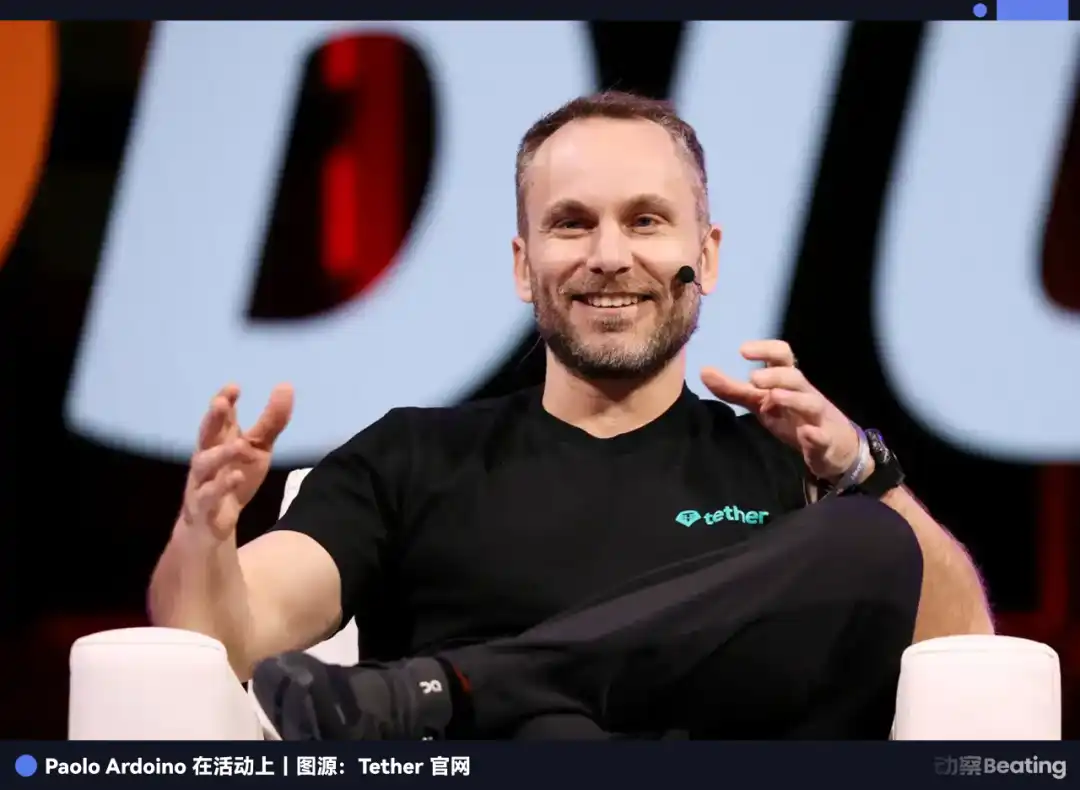
Thirty-two years later, the boy under the olive trees grew into the Caesar of the cryptocurrency world, presiding over Tether, a super money printer with annual profits of $13 billion. Now, returning home in glory, he attempts to buy the dream of his childhood, to give back to that black and white faith flowing in his blood.

But reality taught sentimentality a lesson.

When Paolo enthusiastically knocked on the door of Juventus, he was met not with flowers or applause. What awaited him was a nine-month-long ordeal of exclusion and humiliation from the old world.

The 9 Months of Exclusion

The honeymoon period began in a way that was almost unrequited.

In February 2025, Tether announced it had acquired an 8.2% stake in Juventus, becoming the second-largest shareholder after the Exor Group. In the official statement, Paolo shed his businessman's shrewdness and rarely showed his soft side: 'For me, Juventus has always been a part of my life.'

Paolo thought it was a business deal where everyone got what they needed: I have money, you need money, it's a perfect match. However, in Italy, some doors aren't opened just with money.

Two months later, Juventus announced a capital increase plan of up to €110 million. At this critical moment needing a cash infusion, Paolo, as the second-largest shareholder, was deliberately 'forgotten'. No phone call, no email, not a single explanation. The Exor Group couldn't even be bothered to send him a polite rejection.

Paolo typed out a message full of grievance on social media: 'We hoped to increase our stake in Juventus through a possible capital increase by the club, but this wish was ignored.'

Paolo had probably never been so humiliated in his life. A financial titan managing $13 billion in annual profits could only use social media to 'remind' Juventus: I want to participate in the capital increase, I want to invest more, but I'm being ignored.

Some sympathized with Paolo, seeing him as a genuine Juventus fan; others questioned his motives, believing he just wanted to use Juventus to whitewash Tether's image.

Whether外界 was sympathy or doubt, in the eyes of the Agnelli family, Paolo was still an 'outsider'. The relationship from the start was not cooperation but 'defense'.

Since sentiment couldn't buy respect, he would use money.

From April to October, Tether increased its shareholding from 8.2% to 10.7% through the open market. According to Italian law, a stake exceeding 10% grants the right to nominate a board member.

November 7, Turin, Juventus Annual General Meeting. The atmosphere became tense and unpredictable due to Tether's disruption.
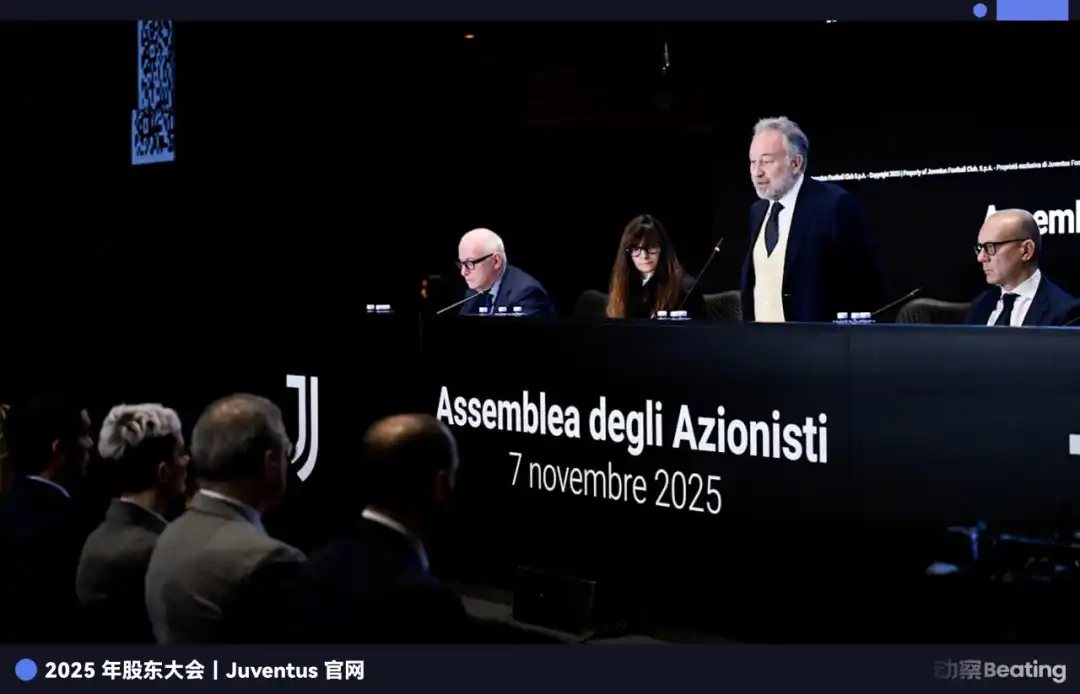
Tether nominated Francesco Garino as a board candidate, a renowned local Turin doctor and lifelong Juventus fan. Paolo tried to tell everyone: We are not barbarians, we are sons of Turin, bound by blood.

The shrewd Exor Group countered with a trump card: Giorgio Chiellini. This legendary captain, who served Juventus for 17 years and lifted 9 Serie A trophies, was pushed to the forefront.

This was Exor's strategy: use a club legend against capital, use sentiment against money.

In the end, Tether barely won a seat on the board. But in a boardroom where the Agnelli family holds absolute control, one seat means you can listen, you can suggest, but you cannot touch the steering wheel.

The concluding remarks from John Elkann, the fifth-generation leader of the Agnelli family: 'We are proud to have been shareholders of Juventus for over a century. We have no intention of selling our shares, but we are open to constructive ideas from all stakeholders.'

To translate this more bluntly: This is not just business; this is our family's territory. You can come in for tea, but don't expect to be the master here.

The Arrogance and Prejudice of Old Money

John's words carry the weight of 102 years of a family's glory and pride.

On July 24, 1923, 31-year-old Edoardo Agnelli took up the mantle of President of Juventus. From that day on, the fate of the Agnelli family and Juventus were tightly bound. The family's Fiat auto empire was, for most of the 20th century, Italy's largest private enterprise, employing countless workers and supporting millions of families.

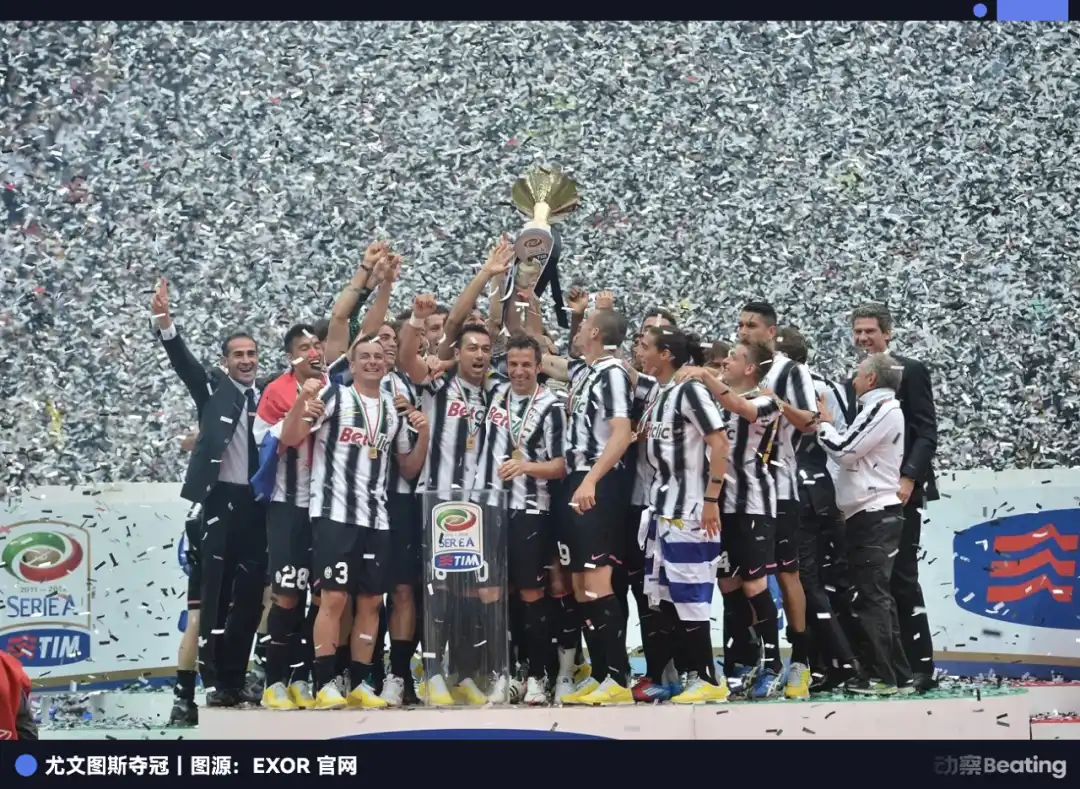
And Juventus is another symbol of this family's power. 36 Serie A titles, 2 Champions League titles, 14 Coppa Italia trophies. Juventus is the most successful club in Italian football history and a source of national pride for Italians.
However, the Agnelli family's history of succession is written with blood and fractures.

In 2000, the Agnelli family heir, Edoardo Agnelli, jumped from a viaduct, ending his battle with depression. Three years later, the family patriarch, Gianni Agnelli, passed away. The baton of power had to be passed to his grandson, John Elkann.

John was born in New York and grew up in Paris. He speaks English, French, and Italian, but his Italian carries a noticeable foreign accent. In the eyes of many old-school Italians, he is merely a proxy who gained power through bloodline.

It took John a full 20 years to prove himself worthy of the Agnelli name.

He restructured Fiat, swallowed up Chrysler, and created Stellantis, the world's fourth-largest automotive group; he took Ferrari to the capital markets, doubling its市值; he bought The Economist, extending the Agnelli family's influence from Italy to the globe.

Unfortunately, the cracks within the family are becoming public. In September 2025, John Elkann's mother, Margherita, submitted a 'will' from 1998 to a Turin court, claiming that the inheritance left to her by her father Gianni had been misappropriated by John. Mother and son facing off in court is a huge scandal in Italy, where family honor is paramount.
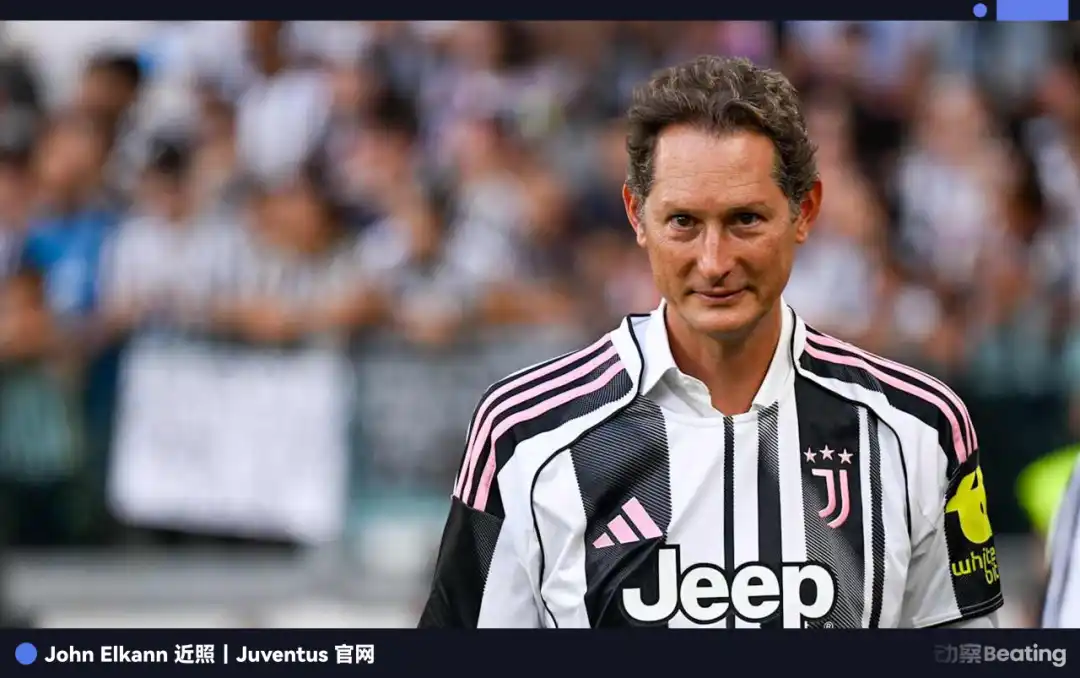
In this context, selling Juventus would be equivalent to admitting the end of the family's glory, admitting inferiority to their ancestors.

To hold onto Juventus, John is frantically selling off other family assets.

Just days before Tether made its offer, the Exor Group was busy selling its GEDI media group to the Greek media group Antenna Group for €140 million. GEDI owns the influential newspapers La Repubblica and La Stampa. The status of these two papers in Italy is no less than that of Juventus in Italian football.

The news caused an uproar in Italy. The Italian government even invoked the 'Golden Power' law, requiring Exor to protect jobs and editorial independence during the sale.

Newspapers losing money? They are a liability, cut them. Juventus losing money? It is a totem, keep it.

This choice exposes the窘迫 of the old aristocracy. They can no longer maintain their former empire and can only strive to retain the one that best represents the family's glory.

Therefore, even though Paolo's offer came with a hefty 20% market premium, John Elkann still sees it as a threat.

In the value system of European old money, the quality of wealth has a hierarchy.

Every penny of the Agnelli family's fortune is steeped in the smell of engine oil. It is an industrial monument forged from steel, rubber, the roar of engines, and the sweat of millions of workers. This kind of wealth is tangible, it represents order, control, and a social contract spanning a century.

Paolo's money, however, comes from cryptocurrency, from an industry that has grown wildly and controversially over the past decade.

Precedents are still fresh.

Just a few years ago, the blockchain company DigitalBits signed €85 million sponsorship deals with Inter Milan and AS Roma, two Serie A giants. But DigitalBits failed to pay the sponsorship fees due to a broken capital chain, forcing both clubs to terminate the contracts, leaving a mess behind.

Not to mention the chain of collapses in the cryptocurrency industry in 2022. Back then, Luna's logo was plastered on the Washington Nationals' stadium, and FTX's name adorned the Miami Heat's arena. In the eyes of the Agnelli family, the cryptocurrency industry is full of speculation and bubbles.

In the Agnelli family's eyes, Paolo will always be an 'outsider'. Not because of his origin, but because of his money.

A Totem in Need of Saving

But the problem is, Juventus really needs money.

Today's Juventus is deeply mired in trouble, all stemming from that day, July 10, 2018, when Juventus announced the signing of 33-year-old Cristiano Ronaldo. €100 million transfer fee, €30 million net annual salary, for 4 years.
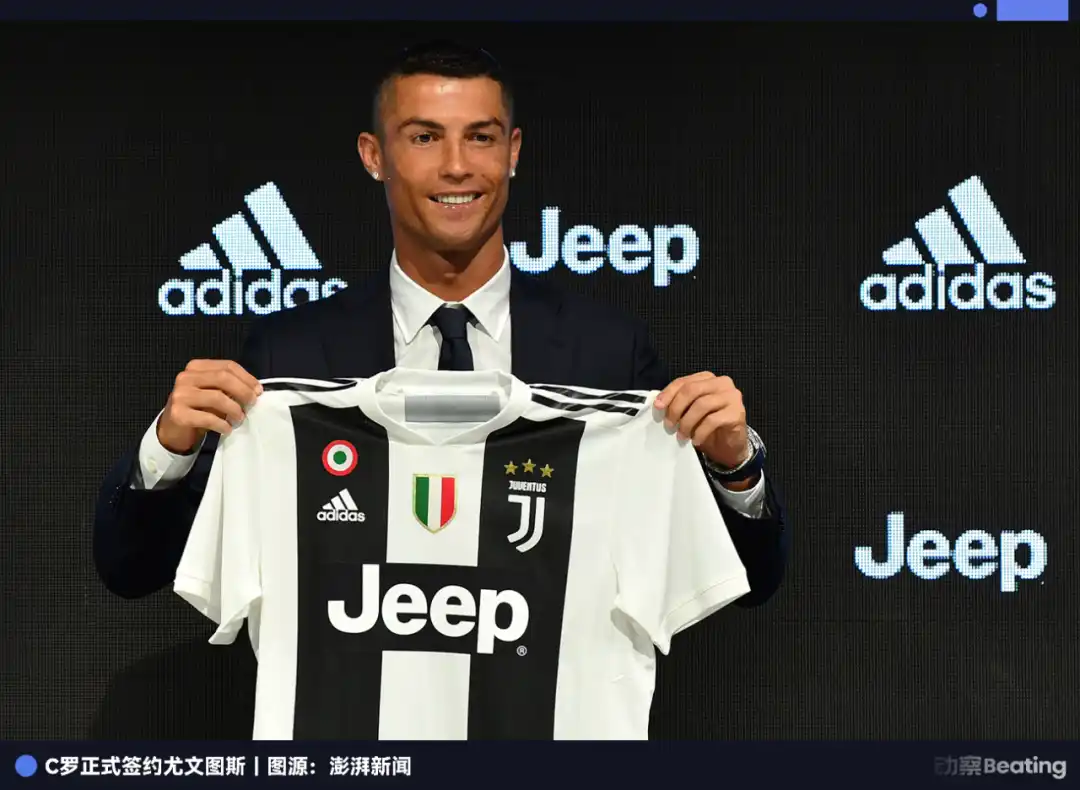
This was the biggest transfer in Serie A history and the highest wage in Serie A history. The then Juventus president, Andrea Agnelli, the fourth-generation leader of the Agnelli family, said excitedly at the shareholders' meeting: 'This is the most important signing in Juventus history. We will win the Champions League with Ronaldo.'

The city of Turin沸腾了. Fans flocked to the Juventus store, snapping up jerseys with Ronaldo's name. In just the first 24 hours after the announcement, the club sold over 520,000 jerseys, setting a record in football history. Everyone believed Ronaldo would lead Juventus to the top of Europe.

But Juventus did not win the Champions League. In 2019, knocked out by Ajax; in 2020, eliminated by Lyon; in 2021, defeated by Porto. In August 2021, Ronaldo suddenly left the team, moving to Manchester United. Juventus not only failed to recoup its investment but sank into deeper financial trouble.

Accountants later calculated the total cost: including the transfer fee, salary, and taxes, the total cost of signing Ronaldo reached a staggering €340 million. In his three years at Juve, he scored 101 goals, averaging €2.8 million per goal.

For a club the size of Juventus, the Champions League is less about honor and more about a cash flow switch: broadcast shares, matchday revenue, bonus clauses in sponsorships—many are tied to the Champions League. Once you lose the Champions League, the books immediately thin, and the team is forced to use accounting手段 to plug the hole.

Juventus sold Miralem Pjanić to Spanish giants Barcelona for €60 million, while simultaneously buying Arthur from Barcelona for €72 million. Both transactions were officially claimed to be unrelated, but everyone knew it was a carefully designed swap. Juventus实际上 only needed to pay a €12 million cash difference but could record tens of millions of euros in 'capital gains' on its books.

This kind of accounting is not uncommon in football circles, but Juventus overdid it.

Prosecutors found that over three years, the club had inflated profits by €282 million through 42 similar suspicious transactions. After the scandal was exposed, the entire board, including President Andrea Agnelli, resigned en masse.

Punishment for the team followed: deducted league points, exclusion from the Champions League, long-term bans for executives. This led to an even more terrible vicious cycle: poor team performance led to sharp revenue decline, revenue decline led to inability to sign players, inability to sign players led to worse performance.

Starting from a loss of €39.6 million in the 2018-19 season, Juventus's financial situation deteriorated. By the 2022-23 season, the loss had reached €123.7 million. From the peak of nine consecutive Serie A titles to years of huge losses, in November 2025, the Exor Group had to inject nearly €100 million into Juventus again.

This was already the third time the Exor Group had to bail out Juventus in two years. The Exor Group also owns assets like Ferrari, Stellantis automotive group, and The Economist magazine. Juventus's continuous losses are eroding the group's overall profits. In the 2024 financial report, Exor Group's net profit fell by 12%. Analysts pointed out that Juventus has become a drag on the group's performance.

John Elkann is in a dilemma, unsure how to decide.

And Paolo, holding $13 billion in annual profits, is knocking on the door. He has plenty of money, he has patience, he has love for Juventus.

This should have been a perfect deal, if not for that mountain called 'class' standing in between.

The Dream Under the Olive Trees

Paolo's knocks received no response, so he made his choice.

On December 12, Paolo bypassed all private roundtable meetings and made the offer public directly through the Italian stock exchange. Paolo backed John Elkann into a corner, forcing him to answer this question in front of all of Italy: Do you want money, or do you want the family's face?

The news sent Juventus's stock price soaring, as the market expressed its desire for 'new money'. Both Gazzetta dello Sport and Tuttosport reported it on their front pages. The entire Apennine Peninsula awaited the Agnelli family's decision.

The Agnelli family's refusal was expected, yet unreasonable.

Expected, because the family's pride does not allow them to bow to new money. Unreasonable, because given their current financial situation, rejecting such a huge sum requires an almost tragic stubbornness.

For Paolo, he wants to use the money he earned to save the idol of his childhood. Companies ultimately have a nationality. Although Tether is a digitally nomadic business with a global reach, its CEO is Italian, its heart is in Italy.

From the Agnelli family's perspective, they are guarding not just a club, but 102 years of family glory and a symbol of Italy's industrial age.

This is no longer a博弈 of business logic; it is a collision of two faiths.

In John Elkann's eyes, that bronze gate must remain shut because outside stands a speculator trying to whitewash his identity. But in Paolo's eyes, that gate should open because outside stands a child of Italian blood who can save this team.

However, the times are not on the side of the old aristocracy.
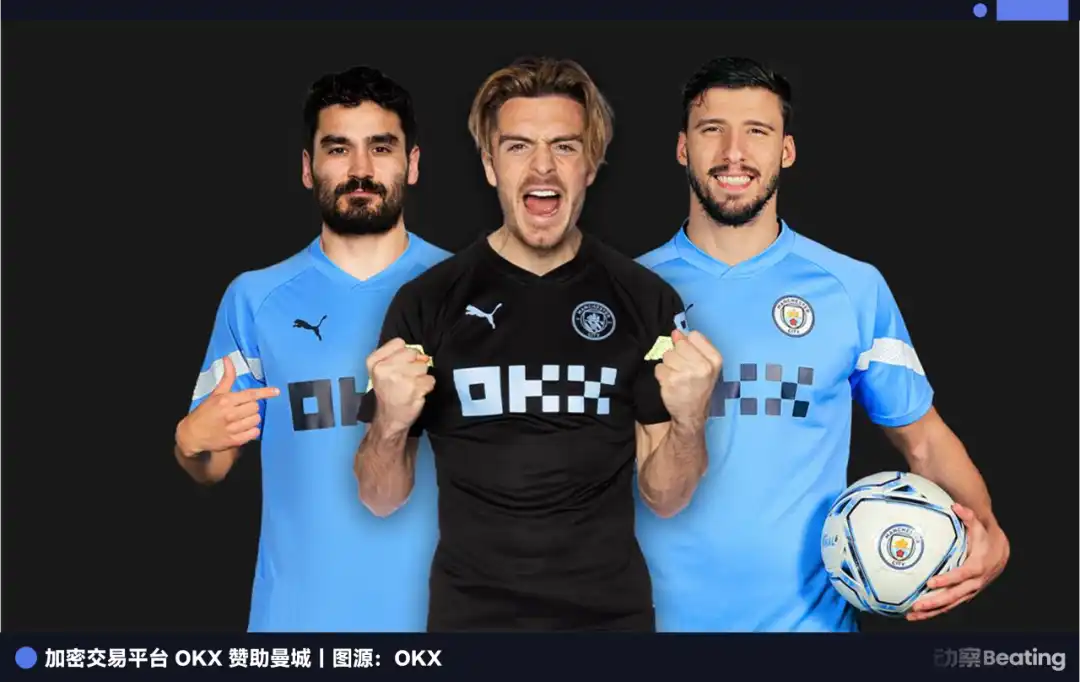
In the same week that Exor rejected Tether, Premier League champions Manchester City announced a renewal of their partnership with the crypto exchange OKX, with the chest sponsorship worth over €100 million. European giants like Paris Saint-Germain, Barcelona, and AC Milan have already established deep cooperation with crypto companies. In Asia, South Korea's K League and Japan's J League have also begun accepting cryptocurrency sponsorships.

New money entering traditional industries controlled by old money is no longer a question of 'if' but 'how'. Football is just one battlefield. In the art auction field, Sotheby's and Christie's have begun accepting cryptocurrency payments; in real estate, luxury home transactions in cities like Dubai and Miami can already be completed with Bitcoin. The same conflicts are playing out globally.

Paolo's charge, whether successful or not, is testing the boundaries of this era: When a generation creates enormous wealth in new ways, do they deserve a seat at the old world's table controlled by old money?

At the end of the story, the画面定格在那片郊外的橄榄园.

Thirty-two years ago, a dark-haired boy sat there, accompanied by the sounds of his grandparents working, cheering at the black and white figures on the TV. He would never have imagined that one day he would stand outside that gate, waiting for an answer.

That tightly shut bronze gate remains cold and威严. Behind it lies a century of Agnelli family glory, the last afterglow of the old industrial era.

It did not open for new money this time, but the person knocking will not retreat. Because he knows that pushing this door open is only a matter of time.

Related Questions

QWhat is the main reason Tether's attempt to acquire Juventus is being resisted by the Exor Group?

AThe Exor Group, controlled by the Agnelli family, views Tether's cryptocurrency-based wealth as 'new money' with a controversial and speculative background, contrasting with their century-old industrial legacy. Selling Juventus stake would symbolize a loss of family honor and control over a cultural icon.

QHow did the Agnelli family's internal conflicts impact their stance on the Juventus sale?

AInternal family strife, including a public legal battle between John Elkann and his mother over inheritance, heightened the need to preserve Juventus as a symbol of family unity and legacy, making them more resistant to selling.

QWhat financial missteps led to Juventus's current crisis, making external investment necessary?

AJuventus's financial decline began with the costly signing of Cristiano Ronaldo (total cost €340 million), followed by accounting scandals involving €282 million in inflated profits from player swaps, resulting in point deductions, Champions League exclusion, and annual losses exceeding €120 million.

QHow did Tether initially try to increase its influence in Juventus before the public takeover bid?

ATether first acquired an 8.2% stake in February 2025, later raising it to 10.7% through open market purchases to gain board nomination rights. They nominated a local Turin doctor as director but were countered by Exor's appointment of club legend Giorgio Chiellini, limiting Tether's influence.

QWhat broader trend does Tether's bid for Juventus represent in global sports and high-value assets?

AIt reflects a global trend of 'new money' from crypto and tech industries challenging old-guard elites in traditional sectors like sports (e.g., crypto sponsorships in Premier League), art (crypto payments at auctions), and real estate (Bitcoin transactions for luxury properties), testing the boundaries of wealth legitimacy and access.

Related Reads

Trading

Spot
Futures

Hot Articles

What is SONIC

Sonic: Pioneering the Future of Gaming in Web3 Introduction to Sonic In the ever-evolving landscape of Web3, the gaming industry stands out as one of the most dynamic and promising sectors. At the forefront of this revolution is Sonic, a project designed to amplify the gaming ecosystem on the Solana blockchain. Leveraging cutting-edge technology, Sonic aims to deliver an unparalleled gaming experience by efficiently processing millions of requests per second, ensuring that players enjoy seamless gameplay while maintaining low transaction costs. This article delves into the intricate details of Sonic, exploring its creators, funding sources, operational mechanics, and the timeline of significant events that have shaped its journey. What is Sonic? Sonic is an innovative layer-2 network that operates atop the Solana blockchain, specifically tailored to enhance the existing Solana gaming ecosystem. It accomplishes this through a customised, VM-agnostic game engine paired with a HyperGrid interpreter, facilitating sovereign game economies that roll up back to the Solana platform. The primary goals of Sonic include: Enhanced Gaming Experiences: Sonic is committed to offering lightning-fast on-chain gameplay, allowing players and developers to engage with games at previously unattainable speeds. Atomic Interoperability: This feature enables transactions to be executed within Sonic without the need to redeploy Solana programmes and accounts. This makes the process more efficient and directly benefits from Solana Layer1 services and liquidity. Seamless Deployment: Sonic allows developers to write for Ethereum Virtual Machine (EVM) based systems and execute them on Solana’s SVM infrastructure. This interoperability is crucial for attracting a broader range of dApps and decentralised applications to the platform. Support for Developers: By offering native composable gaming primitives and extensible data types - dining within the Entity-Component-System (ECS) framework - game creators can craft intricate business logic with ease. Overall, Sonic's unique approach not only caters to players but also provides an accessible and low-cost environment for developers to innovate and thrive. Creator of Sonic The information regarding the creator of Sonic is somewhat ambiguous. However, it is known that Sonic's SVM is owned by the company Mirror World. The absence of detailed information about the individuals behind Sonic reflects a common trend in several Web3 projects, where collective efforts and partnerships often overshadow individual contributions. Investors of Sonic Sonic has garnered considerable attention and support from various investors within the crypto and gaming sectors. Notably, the project raised an impressive $12 million during its Series A funding round. The round was led by BITKRAFT Ventures, with other notable investors including Galaxy, Okx Ventures, Interactive, Big Brain Holdings, and Mirana. This financial backing signifies the confidence that investment foundations have in Sonic’s potential to revolutionise the Web3 gaming landscape, further validating its innovative approaches and technologies. How Does Sonic Work? Sonic utilises the HyperGrid framework, a sophisticated parallel processing mechanism that enhances its scalability and customisability. Here are the core features that set Sonic apart: Lightning Speed at Low Costs: Sonic offers one of the fastest on-chain gaming experiences compared to other Layer-1 solutions, powered by the scalability of Solana’s virtual machine (SVM). Atomic Interoperability: Sonic enables transaction execution without redeployment of Solana programmes and accounts, effectively streamlining the interaction between users and the blockchain. EVM Compatibility: Developers can effortlessly migrate decentralised applications from EVM chains to the Solana environment using Sonic’s HyperGrid interpreter, increasing the accessibility and integration of various dApps. Ecosystem Support for Developers: By exposing native composable gaming primitives, Sonic facilitates a sandbox-like environment where developers can experiment and implement business logic, greatly enhancing the overall development experience. Monetisation Infrastructure: Sonic natively supports growth and monetisation efforts, providing frameworks for traffic generation, payments, and settlements, thereby ensuring that gaming projects are not only viable but also sustainable financially. Timeline of Sonic The evolution of Sonic has been marked by several key milestones. Below is a brief timeline highlighting critical events in the project's history: 2022: The Sonic cryptocurrency was officially launched, marking the beginning of its journey in the Web3 gaming arena. 2024: June: Sonic SVM successfully raised $12 million in a Series A funding round. This investment allowed Sonic to further develop its platform and expand its offerings. August: The launch of the Sonic Odyssey testnet provided users with the first opportunity to engage with the platform, offering interactive activities such as collecting rings—a nod to gaming nostalgia. October: SonicX, an innovative crypto game integrated with Solana, made its debut on TikTok, capturing the attention of over 120,000 users within a short span. This integration illustrated Sonic’s commitment to reaching a broader, global audience and showcased the potential of blockchain gaming. Key Points Sonic SVM is a revolutionary layer-2 network on Solana explicitly designed to enhance the GameFi landscape, demonstrating great potential for future development. HyperGrid Framework empowers Sonic by introducing horizontal scaling capabilities, ensuring that the network can handle the demands of Web3 gaming. Integration with Social Platforms: The successful launch of SonicX on TikTok displays Sonic’s strategy to leverage social media platforms to engage users, exponentially increasing the exposure and reach of its projects. Investment Confidence: The substantial funding from BITKRAFT Ventures, among others, emphasizes the robust backing Sonic has, paving the way for its ambitious future. In conclusion, Sonic encapsulates the essence of Web3 gaming innovation, striking a balance between cutting-edge technology, developer-centric tools, and community engagement. As the project continues to evolve, it is poised to redefine the gaming landscape, making it a notable entity for gamers and developers alike. As Sonic moves forward, it will undoubtedly attract greater interest and participation, solidifying its place within the broader narrative of blockchain gaming.

1.3k Total ViewsPublished 2024.04.04Updated 2024.12.03

What is SONIC

What is $S$

Understanding SPERO: A Comprehensive Overview Introduction to SPERO As the landscape of innovation continues to evolve, the emergence of web3 technologies and cryptocurrency projects plays a pivotal role in shaping the digital future. One project that has garnered attention in this dynamic field is SPERO, denoted as SPERO,$$s$. This article aims to gather and present detailed information about SPERO, to help enthusiasts and investors understand its foundations, objectives, and innovations within the web3 and crypto domains. What is SPERO,$$s$? SPERO,$$s$ is a unique project within the crypto space that seeks to leverage the principles of decentralisation and blockchain technology to create an ecosystem that promotes engagement, utility, and financial inclusion. The project is tailored to facilitate peer-to-peer interactions in new ways, providing users with innovative financial solutions and services. At its core, SPERO,$$s$ aims to empower individuals by providing tools and platforms that enhance user experience in the cryptocurrency space. This includes enabling more flexible transaction methods, fostering community-driven initiatives, and creating pathways for financial opportunities through decentralised applications (dApps). The underlying vision of SPERO,$$s$ revolves around inclusiveness, aiming to bridge gaps within traditional finance while harnessing the benefits of blockchain technology. Who is the Creator of SPERO,$$s$? The identity of the creator of SPERO,$$s$ remains somewhat obscure, as there are limited publicly available resources providing detailed background information on its founder(s). This lack of transparency can stem from the project's commitment to decentralisation—an ethos that many web3 projects share, prioritising collective contributions over individual recognition. By centring discussions around the community and its collective goals, SPERO,$$s$ embodies the essence of empowerment without singling out specific individuals. As such, understanding the ethos and mission of SPERO remains more important than identifying a singular creator. Who are the Investors of SPERO,$$s$? SPERO,$$s$ is supported by a diverse array of investors ranging from venture capitalists to angel investors dedicated to fostering innovation in the crypto sector. The focus of these investors generally aligns with SPERO's mission—prioritising projects that promise societal technological advancement, financial inclusivity, and decentralised governance. These investor foundations are typically interested in projects that not only offer innovative products but also contribute positively to the blockchain community and its ecosystems. The backing from these investors reinforces SPERO,$$s$ as a noteworthy contender in the rapidly evolving domain of crypto projects. How Does SPERO,$$s$ Work? SPERO,$$s$ employs a multi-faceted framework that distinguishes it from conventional cryptocurrency projects. Here are some of the key features that underline its uniqueness and innovation: Decentralised Governance: SPERO,$$s$ integrates decentralised governance models, empowering users to participate actively in decision-making processes regarding the project’s future. This approach fosters a sense of ownership and accountability among community members. Token Utility: SPERO,$$s$ utilises its own cryptocurrency token, designed to serve various functions within the ecosystem. These tokens enable transactions, rewards, and the facilitation of services offered on the platform, enhancing overall engagement and utility. Layered Architecture: The technical architecture of SPERO,$$s$ supports modularity and scalability, allowing for seamless integration of additional features and applications as the project evolves. This adaptability is paramount for sustaining relevance in the ever-changing crypto landscape. Community Engagement: The project emphasises community-driven initiatives, employing mechanisms that incentivise collaboration and feedback. By nurturing a strong community, SPERO,$$s$ can better address user needs and adapt to market trends. Focus on Inclusion: By offering low transaction fees and user-friendly interfaces, SPERO,$$s$ aims to attract a diverse user base, including individuals who may not previously have engaged in the crypto space. This commitment to inclusion aligns with its overarching mission of empowerment through accessibility. Timeline of SPERO,$$s$ Understanding a project's history provides crucial insights into its development trajectory and milestones. Below is a suggested timeline mapping significant events in the evolution of SPERO,$$s$: Conceptualisation and Ideation Phase: The initial ideas forming the basis of SPERO,$$s$ were conceived, aligning closely with the principles of decentralisation and community focus within the blockchain industry. Launch of Project Whitepaper: Following the conceptual phase, a comprehensive whitepaper detailing the vision, goals, and technological infrastructure of SPERO,$$s$ was released to garner community interest and feedback. Community Building and Early Engagements: Active outreach efforts were made to build a community of early adopters and potential investors, facilitating discussions around the project’s goals and garnering support. Token Generation Event: SPERO,$$s$ conducted a token generation event (TGE) to distribute its native tokens to early supporters and establish initial liquidity within the ecosystem. Launch of Initial dApp: The first decentralised application (dApp) associated with SPERO,$$s$ went live, allowing users to engage with the platform's core functionalities. Ongoing Development and Partnerships: Continuous updates and enhancements to the project's offerings, including strategic partnerships with other players in the blockchain space, have shaped SPERO,$$s$ into a competitive and evolving player in the crypto market. Conclusion SPERO,$$s$ stands as a testament to the potential of web3 and cryptocurrency to revolutionise financial systems and empower individuals. With a commitment to decentralised governance, community engagement, and innovatively designed functionalities, it paves the way toward a more inclusive financial landscape. As with any investment in the rapidly evolving crypto space, potential investors and users are encouraged to research thoroughly and engage thoughtfully with the ongoing developments within SPERO,$$s$. The project showcases the innovative spirit of the crypto industry, inviting further exploration into its myriad possibilities. While the journey of SPERO,$$s$ is still unfolding, its foundational principles may indeed influence the future of how we interact with technology, finance, and each other in interconnected digital ecosystems.

54 Total ViewsPublished 2024.12.17Updated 2024.12.17

What is $S$

What is AGENT S

Agent S: The Future of Autonomous Interaction in Web3 Introduction In the ever-evolving landscape of Web3 and cryptocurrency, innovations are constantly redefining how individuals interact with digital platforms. One such pioneering project, Agent S, promises to revolutionise human-computer interaction through its open agentic framework. By paving the way for autonomous interactions, Agent S aims to simplify complex tasks, offering transformative applications in artificial intelligence (AI). This detailed exploration will delve into the project's intricacies, its unique features, and the implications for the cryptocurrency domain. What is Agent S? Agent S stands as a groundbreaking open agentic framework, specifically designed to tackle three fundamental challenges in the automation of computer tasks: Acquiring Domain-Specific Knowledge: The framework intelligently learns from various external knowledge sources and internal experiences. This dual approach empowers it to build a rich repository of domain-specific knowledge, enhancing its performance in task execution. Planning Over Long Task Horizons: Agent S employs experience-augmented hierarchical planning, a strategic approach that facilitates efficient breakdown and execution of intricate tasks. This feature significantly enhances its ability to manage multiple subtasks efficiently and effectively. Handling Dynamic, Non-Uniform Interfaces: The project introduces the Agent-Computer Interface (ACI), an innovative solution that enhances the interaction between agents and users. Utilizing Multimodal Large Language Models (MLLMs), Agent S can navigate and manipulate diverse graphical user interfaces seamlessly. Through these pioneering features, Agent S provides a robust framework that addresses the complexities involved in automating human interaction with machines, setting the stage for myriad applications in AI and beyond. Who is the Creator of Agent S? While the concept of Agent S is fundamentally innovative, specific information about its creator remains elusive. The creator is currently unknown, which highlights either the nascent stage of the project or the strategic choice to keep founding members under wraps. Regardless of anonymity, the focus remains on the framework's capabilities and potential. Who are the Investors of Agent S? As Agent S is relatively new in the cryptographic ecosystem, detailed information regarding its investors and financial backers is not explicitly documented. The lack of publicly available insights into the investment foundations or organisations supporting the project raises questions about its funding structure and development roadmap. Understanding the backing is crucial for gauging the project's sustainability and potential market impact. How Does Agent S Work? At the core of Agent S lies cutting-edge technology that enables it to function effectively in diverse settings. Its operational model is built around several key features: Human-like Computer Interaction: The framework offers advanced AI planning, striving to make interactions with computers more intuitive. By mimicking human behaviour in tasks execution, it promises to elevate user experiences. Narrative Memory: Employed to leverage high-level experiences, Agent S utilises narrative memory to keep track of task histories, thereby enhancing its decision-making processes. Episodic Memory: This feature provides users with step-by-step guidance, allowing the framework to offer contextual support as tasks unfold. Support for OpenACI: With the ability to run locally, Agent S allows users to maintain control over their interactions and workflows, aligning with the decentralised ethos of Web3. Easy Integration with External APIs: Its versatility and compatibility with various AI platforms ensure that Agent S can fit seamlessly into existing technological ecosystems, making it an appealing choice for developers and organisations. These functionalities collectively contribute to Agent S's unique position within the crypto space, as it automates complex, multi-step tasks with minimal human intervention. As the project evolves, its potential applications in Web3 could redefine how digital interactions unfold. Timeline of Agent S The development and milestones of Agent S can be encapsulated in a timeline that highlights its significant events: September 27, 2024: The concept of Agent S was launched in a comprehensive research paper titled “An Open Agentic Framework that Uses Computers Like a Human,” showcasing the groundwork for the project. October 10, 2024: The research paper was made publicly available on arXiv, offering an in-depth exploration of the framework and its performance evaluation based on the OSWorld benchmark. October 12, 2024: A video presentation was released, providing a visual insight into the capabilities and features of Agent S, further engaging potential users and investors. These markers in the timeline not only illustrate the progress of Agent S but also indicate its commitment to transparency and community engagement. Key Points About Agent S As the Agent S framework continues to evolve, several key attributes stand out, underscoring its innovative nature and potential: Innovative Framework: Designed to provide an intuitive use of computers akin to human interaction, Agent S brings a novel approach to task automation. Autonomous Interaction: The ability to interact autonomously with computers through GUI signifies a leap towards more intelligent and efficient computing solutions. Complex Task Automation: With its robust methodology, it can automate complex, multi-step tasks, making processes faster and less error-prone. Continuous Improvement: The learning mechanisms enable Agent S to improve from past experiences, continually enhancing its performance and efficacy. Versatility: Its adaptability across different operating environments like OSWorld and WindowsAgentArena ensures that it can serve a broad range of applications. As Agent S positions itself in the Web3 and crypto landscape, its potential to enhance interaction capabilities and automate processes signifies a significant advancement in AI technologies. Through its innovative framework, Agent S exemplifies the future of digital interactions, promising a more seamless and efficient experience for users across various industries. Conclusion Agent S represents a bold leap forward in the marriage of AI and Web3, with the capacity to redefine how we interact with technology. While still in its early stages, the possibilities for its application are vast and compelling. Through its comprehensive framework addressing critical challenges, Agent S aims to bring autonomous interactions to the forefront of the digital experience. As we move deeper into the realms of cryptocurrency and decentralisation, projects like Agent S will undoubtedly play a crucial role in shaping the future of technology and human-computer collaboration.

571 Total ViewsPublished 2025.01.14Updated 2025.01.14

What is AGENT S

Discussions

Welcome to the HTX Community. Here, you can stay informed about the latest platform developments and gain access to professional market insights. Users' opinions on the price of S (S) are presented below.

活动图片