Which way is Ethereum headed? What to expect as bulls and bears fight for ETH

ambcryptoPublished on 2026-07-13Last updated on 2026-07-13

Abstract

Ethereum (ETH) failed to sustain above the $1,800 resistance, dropping to around $1,780. Amid this volatility, large traders are placing opposing bets: one opened a 20x short position on $53.49 million worth of ETH, while another opened a 10x long of the same size, highlighting a fierce battle between bulls and bears. Despite these significant individual positions, overall market sentiment in the derivatives market is bearish. Key metrics like the Derivatives Taker Buy Sell Ratio and Futures Netflow show aggressive selling and capital outflows. However, technical indicators like the ADX and +DI suggest underlying upside momentum remains relatively strong, setting up a potential recovery towards $1,800. Conversely, continued selling pressure could push ETH back below $1,700.

Ethereum [ETH] failed to hold the $1.8k level and dropped to a low of $1,773 before making slight gains. As of this writing, Ethereum was trading around $1,780 after dropping 1.26% on the daily chart.

Amid this market volatility, traders on both sides are staging a fierce battle seeking to retake the market.

Ethereum: Bears and bulls fight for market control

As Ethereum failed to maintain its upside momentum, with $1.8k turning into stubborn resistance, traders have taken notice. As a result, high-net-worth investors have deployed significant capital to open both short and long positions.

According to Lookonchain, a trader opened a 20x short on 30,000 ETH worth $53.49 million. With ETH showing some strength, the trader is already up $846.4k on this position.

Historically, this trader has a strong winning record, having previously made over $444k on trading other coins. This short position showcased the whale’s bearish expectations.
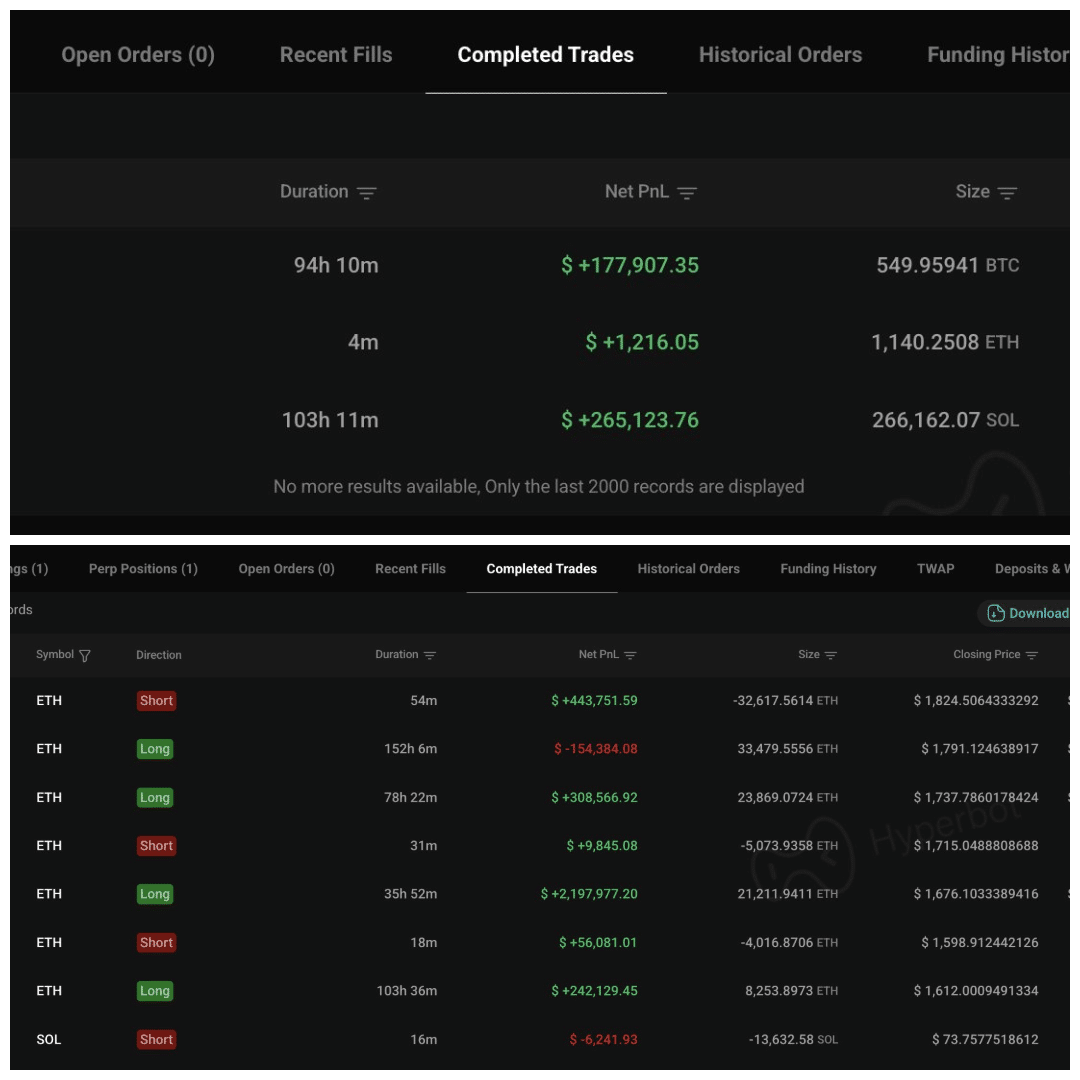
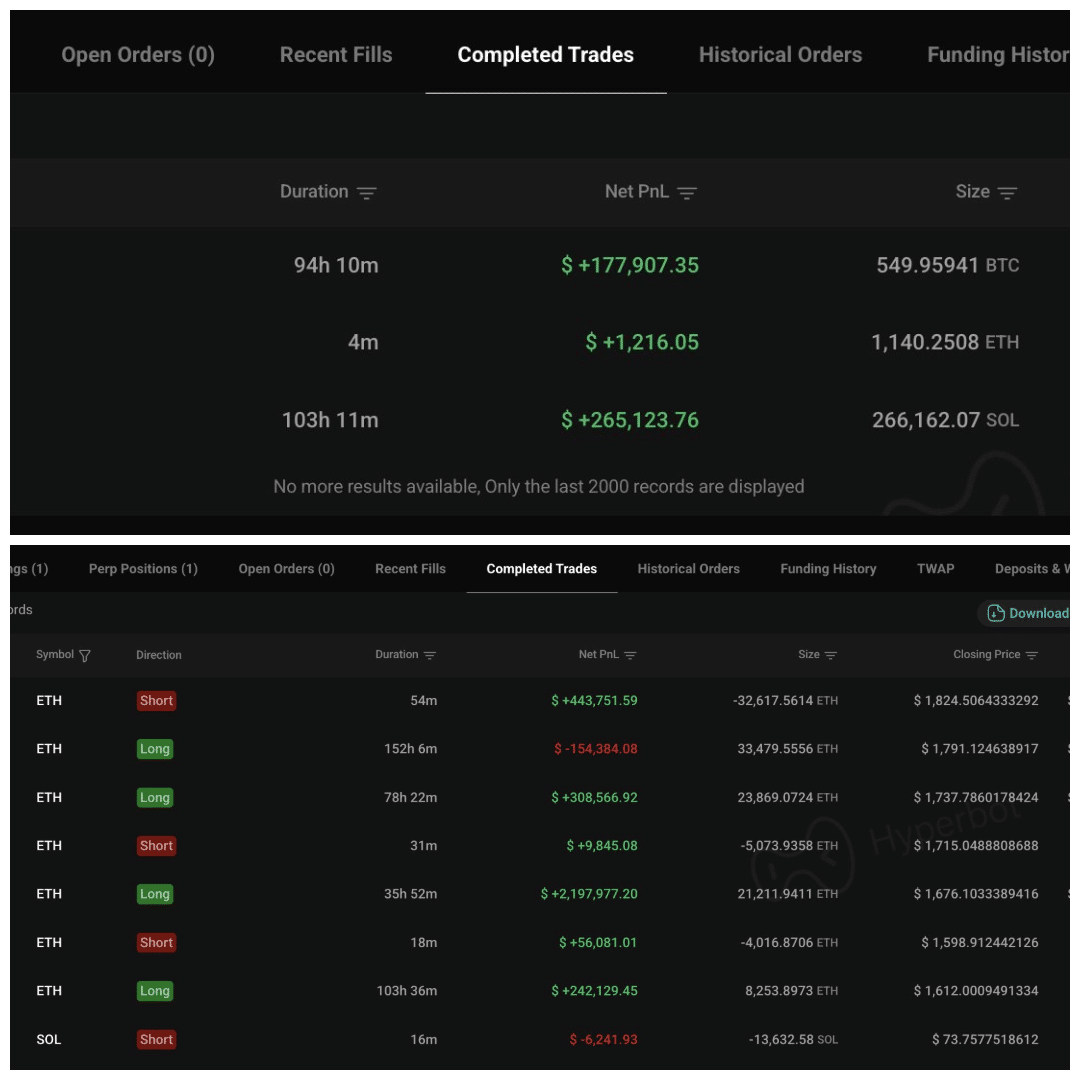
Source: Lookonchain

The second trader opened a 10x long on 30,000 ETH worth $53.49 million. So far, the whale is down $823.1k as ETH continues to drop.

This trader has a strong winning record, too, and previously closed eight trades, winning six and totaling $3.1 million in profit. The whale’s decision to open longs suggested they were bullish and expected ETH to rebound.

Derivatives traders remain bearish

Although the above two traders showed interest, overall market participants remained bearish and were aggressively selling at press time.

Notably, the Derivatives Taker Buy Sell Ratio fell back below 1. Currently, it is around 0.946, levels last witnessed two weeks ago.
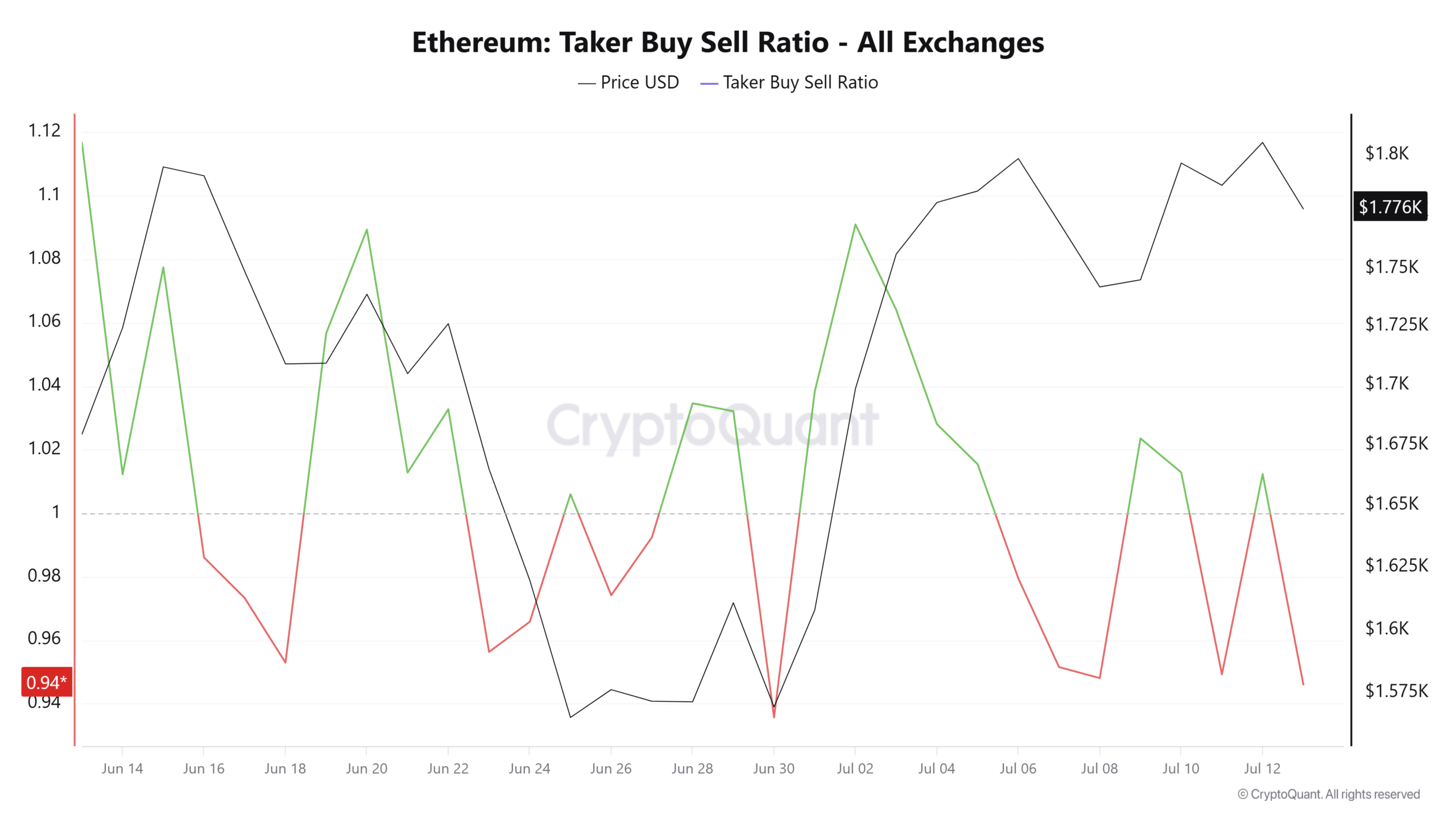
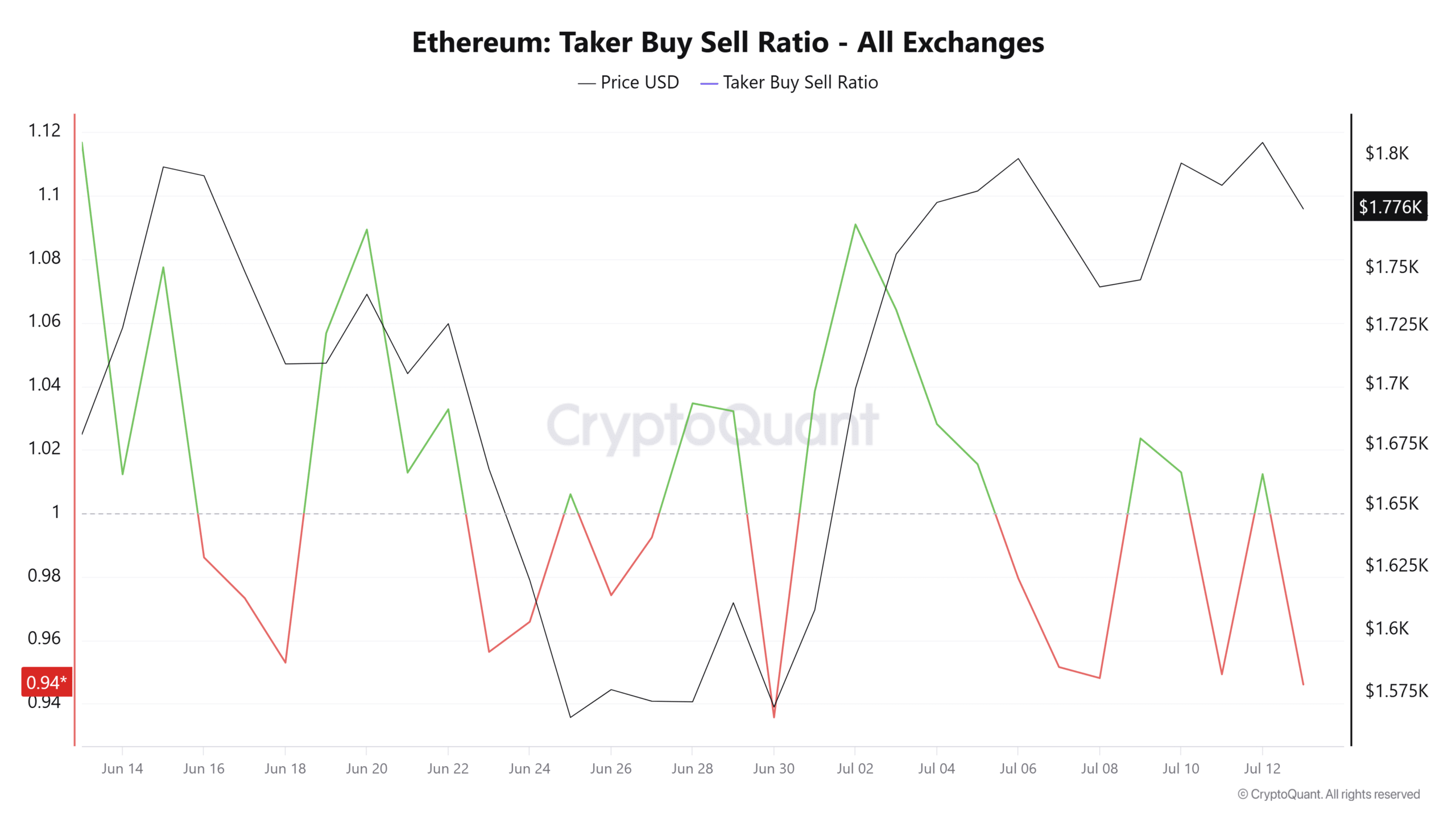
Source: CryptoQuant

When this metric sits below 1, it suggests that more sell-side trades were executed in the derivatives market. A look at the Futures Netflow metric confirms this view.

Over the past 12 hours, for instance, $5.94 billion flowed out of the Futures position. The altcoin’s Futures Netflow dropped to -$88 million.
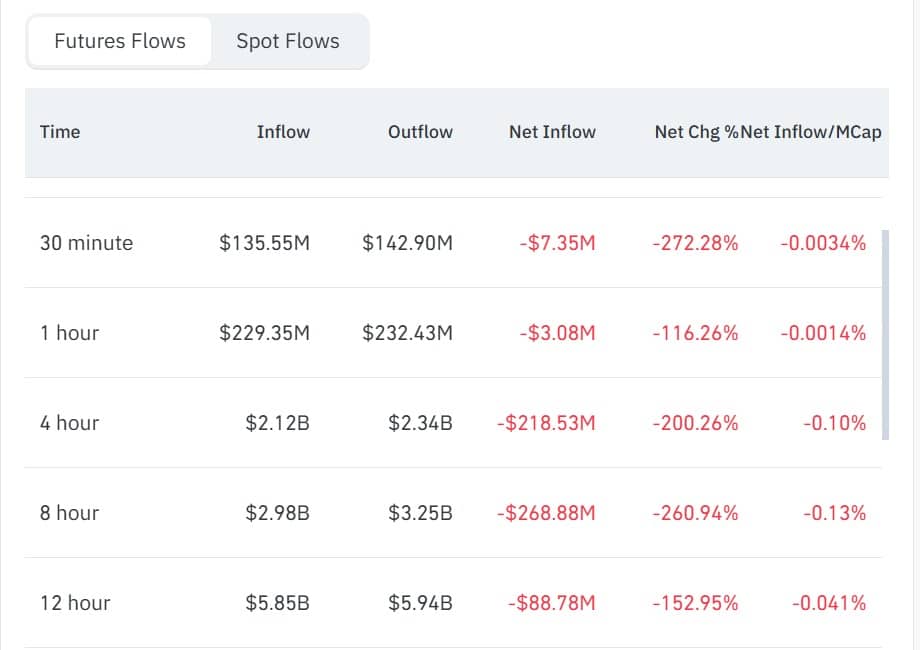
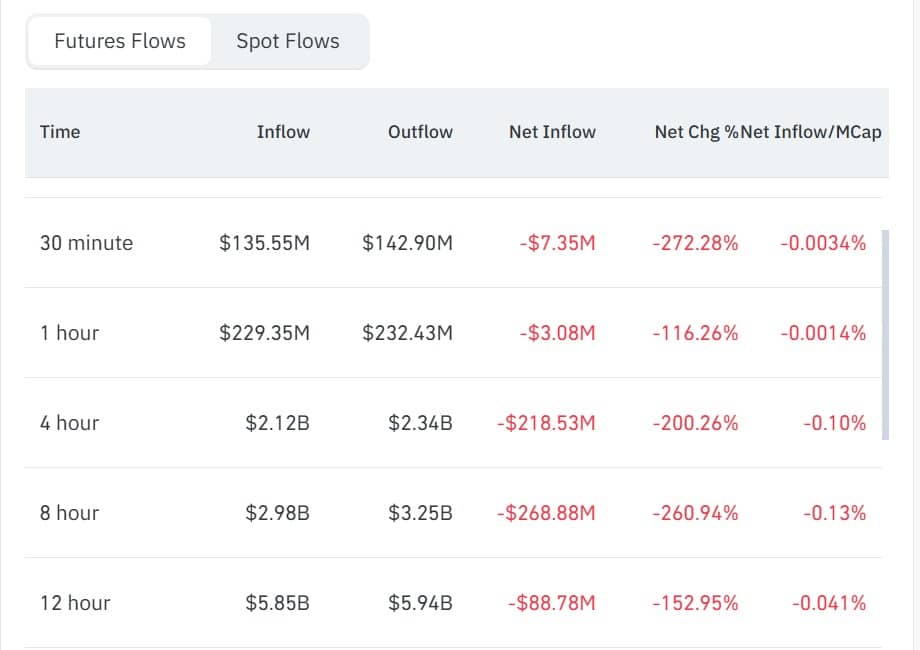
Source: CoinGlass

The outflows are even more extreme in the 8- and 4-hour time frames, periods during which Netflow fell toward -$200 million.

What’s next for ETH?

Although sellers dominate derivatives, Ethereum’s overall directional momentum shows some stability. Thus, capital flowing into both longs and shorts is boosting momentum.

When we look at the ADX with the SMA indicator, the positive index is significantly above the negative index. At the same time, SMA and ADX are also below the +DI, suggesting that upside momentum is currently stronger.
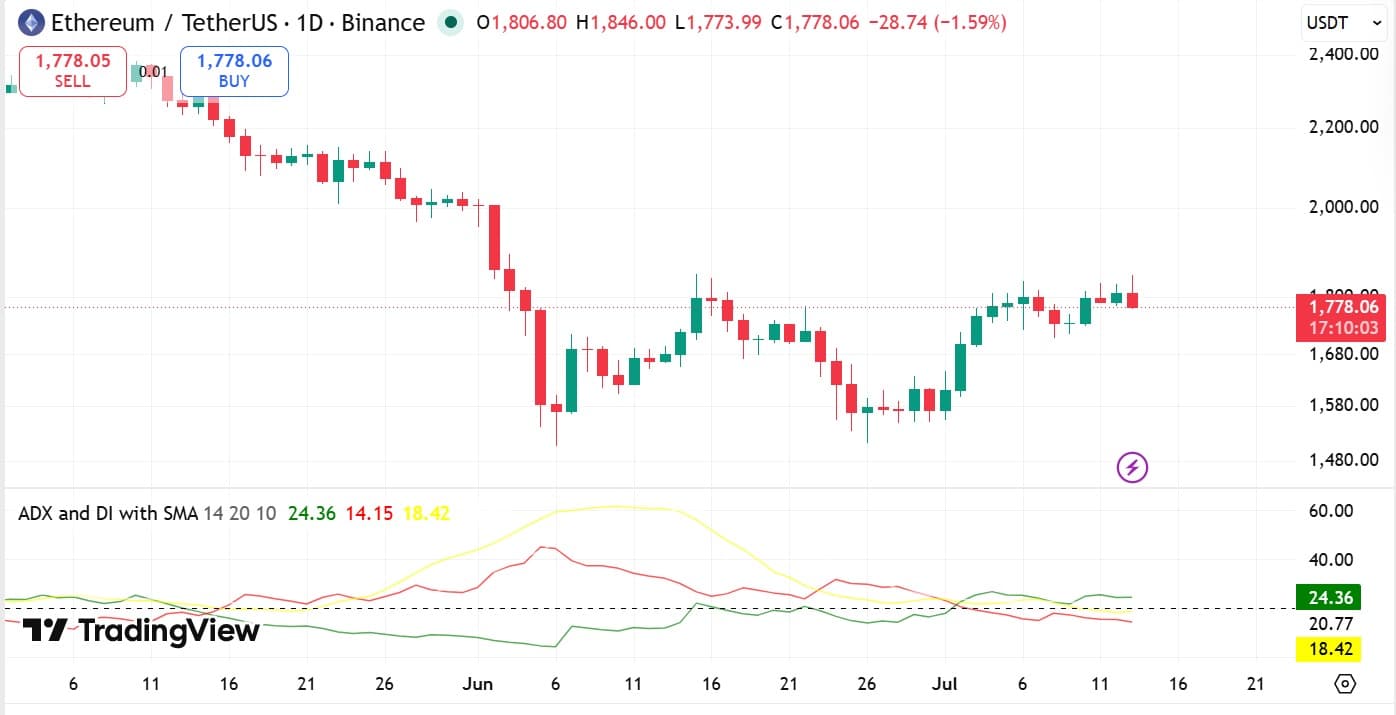
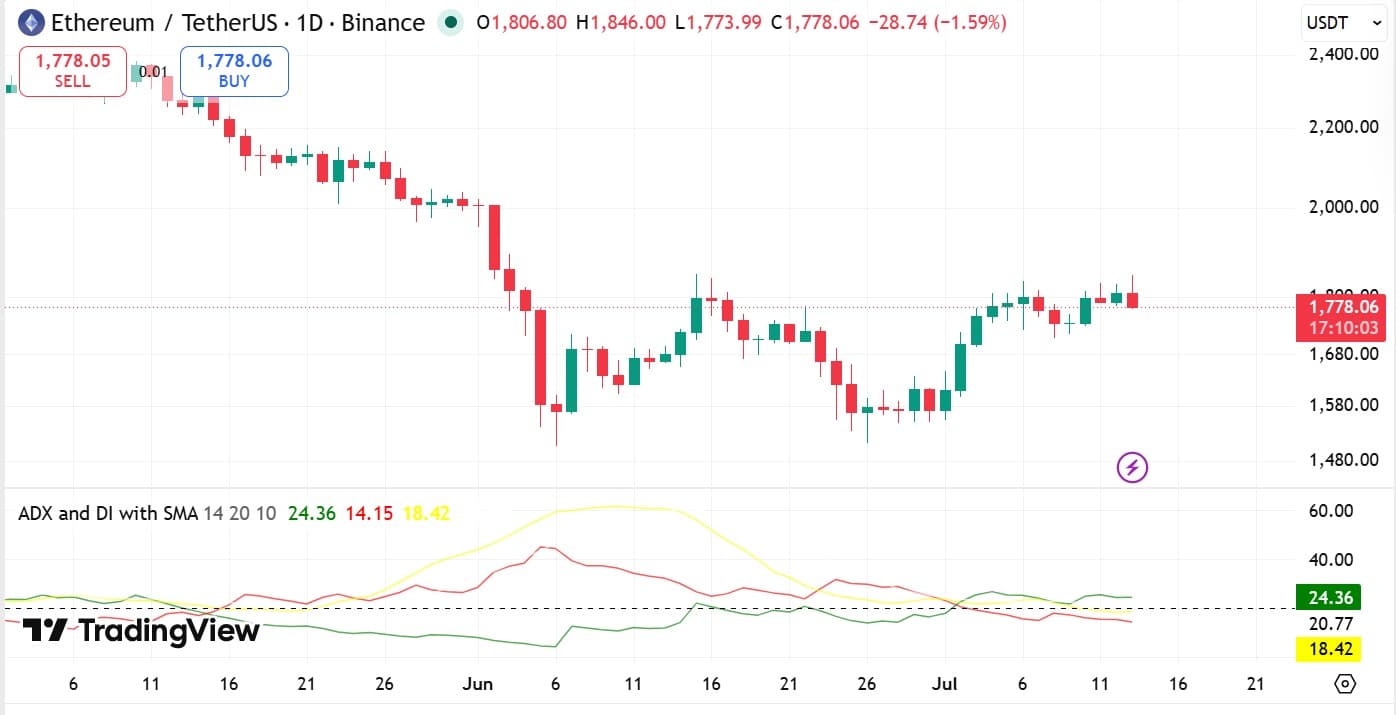
Source: TradingView

When this indicator is set in this manner, it often signals a likelihood of upside recovery. If the battle between bulls and bears persists, capital flows could help ETH reclaim $1.8k, setting it up for another upside move.

However, if the downtrend continues and liquidates bulls, we could see another slip below $1.7k.


Final Summary

  • The battle between bulls and bears in Ethereum heats up: a trader opened a $53.49 million short position, while another opened a $53.49 million long position.
  • ETH failed to hold $1.8k and dropped to a low of $1,773, but directional momentum remains stable.


Trending Cryptos

Related Reads

Prime Minister Backing, SBI's "Shopping Spree," Lawson's Pilot: Japan Seizing the Compliance Dividend in Crypto

Japan is moving decisively to establish itself as a leader in the compliant crypto ecosystem through a coordinated national strategy. This commitment is underscored by consistent high-level political support, with successive prime ministers addressing the WebX conference to promote regulatory reform and position Web3 as a core industry. The financial giant SBI Holdings is executing a strategic, multi-billion dollar investment spree to build a comprehensive infrastructure stack. Key moves include acquiring the major exchange Bitbank, investing in core infrastructure firms like Gauntlet and EDX Markets, and forming "SBI Solana Global" to develop a yen-denominated stablecoin (JPYSC) and tokenized assets on the Solana network. Concurrently, a pilot by convenience store chain Lawson will test stablecoin payments in a real-world retail setting. The Japanese approach combines high regulatory barriers, which limit competition, with strategic capital from established financial conglomerates (zaibatsu) rather than standalone crypto firms. Upcoming tax reforms, planning to slash crypto capital gains tax from 55% to 20%, are designed to attract domestic savings. This integrated model—strict licensing, deep-pocketed traditional finance, real-world use cases, and favorable taxation—creates a formidable, closed-loop system for early entrants like SBI. It offers a potential blueprint for other jurisdictions seeking to formalize their crypto industries, signaling a shift from regulatory arbitrage to a race for compliance and legitimacy.

marsbit1h ago

Prime Minister Backing, SBI's "Shopping Spree," Lawson's Pilot: Japan Seizing the Compliance Dividend in Crypto

marsbit1h ago

An AI Uncovers a 15-Year-Old Linux Vulnerability in 5 Seconds, While Another AI Turns an Innocent Journalist into a Car Thief Suspect

AI Discovered a 15-Year-Old Linux Bug but Also Wrongly Targeted a Journalist An AI security tool, VEGA, identified "GhostLock" (CVE-2026-43499), a severe Linux kernel vulnerability hidden for 15 years since 2011, affecting nearly all distributions. Exploiting a flaw in the kernel's lock management, an attacker could gain root privileges in about 5 seconds from a standard user account. This demonstrates AI's growing ability to find complex bugs humans missed. In a stark contrast, another AI system caused a dangerous police confrontation. Automotive journalist Joel Feder was surrounded by four police cars after Flock Safety's automated license plate recognition (ALPR) cameras mistakenly flagged his vehicle. The error originated from a typo in a national stolen vehicle database ("34 03 DTM" was entered as "34 DTM"). Feder's manufacturer plate, "34 10 DTM," was misread due to its small font, triggering a nationwide alert. Police, with hands on holsters, detained Feder for an hour before resolving the mistake. The two cases highlight the dual nature of AI in security. On one hand, it can efficiently uncover critical software vulnerabilities, enhancing safety. On the other, it can exponentially amplify human errors—like a simple data entry mistake—when deployed in automated, large-scale surveillance systems without adequate human oversight. The incident underscores the critical need for robust review mechanisms in AI-driven decision systems, especially in high-stakes areas like law enforcement. The greatest vulnerability in the AI era may not be in code, but in the unchecked delegation of final judgment to automated processes.

marsbit1h ago

An AI Uncovers a 15-Year-Old Linux Vulnerability in 5 Seconds, While Another AI Turns an Innocent Journalist into a Car Thief Suspect

marsbit1h ago

Is Ethereum Truly a "World Computer"?

Ethereum has long been branded as a "world computer," yet its current infrastructure reveals significant geographic concentration, challenging this claim. An analysis of validator node distribution shows the network heavily leans toward Western nations. The U.S. alone hosts 38.19% of all validators, while Germany accounts for 13.04%, meaning these two countries comprise over half the network. Notably, a substantial portion of U.S. validators are residential nodes run from home connections, reflecting grassroots participation. In contrast, representation from Asia, South America, the Middle East, and Africa is minimal. Examining only professionally-operated institutional validators shows a more balanced picture, with countries like Singapore, Hong Kong, Japan, and South Korea collectively reaching nearly 25%. This shift indicates strategic institutional deployment to meet local regulatory requirements and reduce latency for regional users. A core problem is Ethereum's peer-to-peer gossip protocol, which systematically disadvantages regions with low node density. Late message arrival reduces a node's "peer score," pushing it to the network's periphery, further delaying future messages. This can impact validator rewards and network performance in these areas, posing a challenge to decentralization. However, this geographic imbalance also presents a significant opportunity. For Ethereum to truly become a global settlement layer, localized infrastructure is essential. Pioneering reliable validator operations in underserved regions like the Middle East, South America, or Africa could establish a crucial first-mover advantage, meeting growing demand for compliant, low-latency staking services in these markets.

marsbit2h ago

Is Ethereum Truly a "World Computer"?

marsbit2h ago

Trading

Spot

Hot Articles

Discussions

Welcome to the HTX Community. Here, you can stay informed about the latest platform developments and gain access to professional market insights. Users' opinions on the price of ETH (ETH) are presented below.

活动图片