盘点2022年的“巨亏王”:17位加密大亨资产缩水约1160亿美元

PanewsPublished on 2022-12-26Last updated on 2022-12-26

Abstract

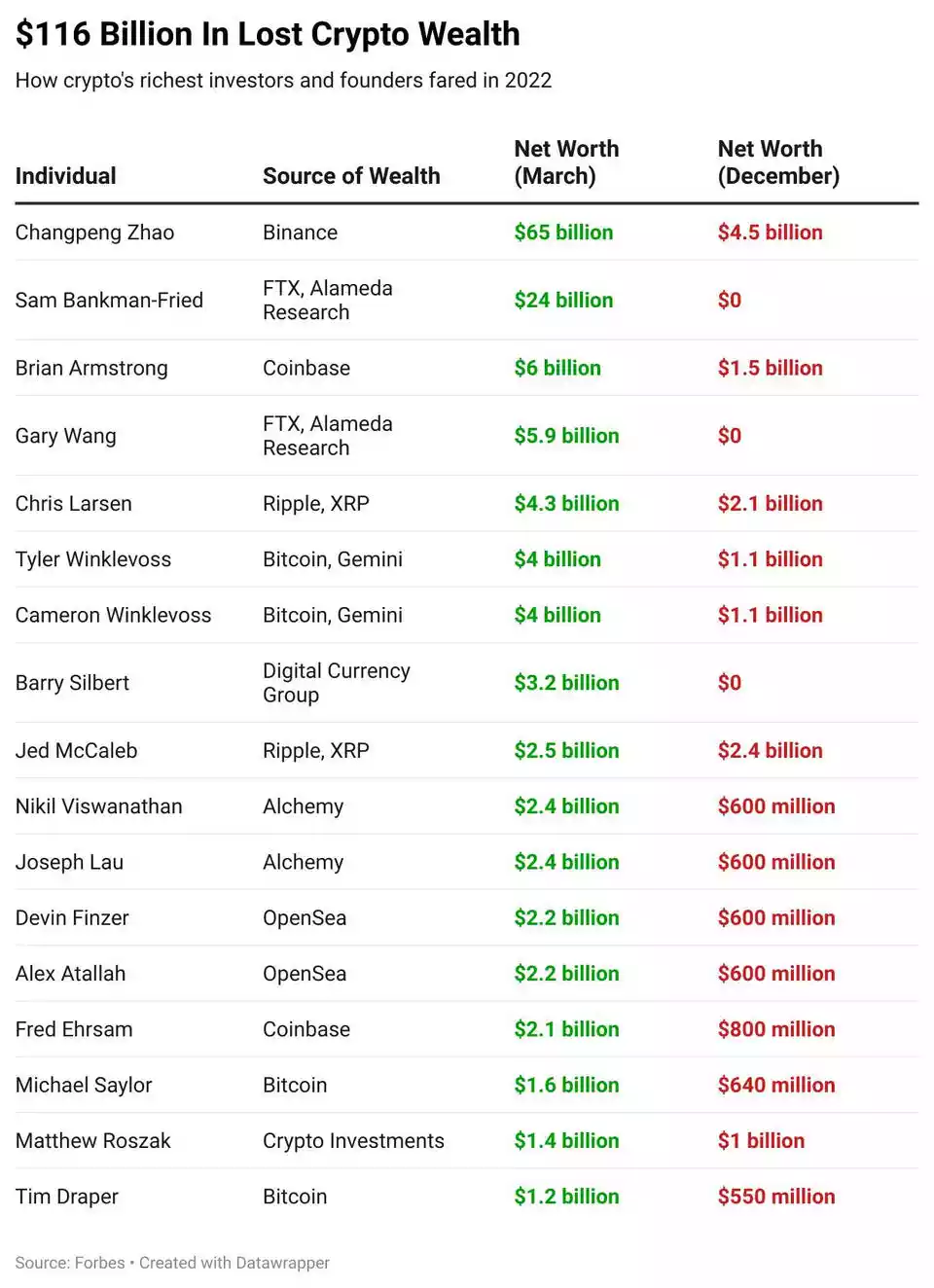
自今年3月以来,加密领域最富有的17位投资者和创始人共损失约1160亿美元的个人财富。

2022年的加密寒冬之下,除了万亿市值被蒸发外,不少加密企业和创始人也面临了前所未有的亏损,甚至陷入破产清算的窘境。

近日,《福布斯》发文称,自今年3月以来,加密领域最富有的17位投资者和创始人共损失约1160亿美元的个人财富。其中,15人在过去9个月里损失了超过一半的个人财富,10人则失去了亿万富翁的地位,FTX创始人SBF及联创Gary Wang、DCG创始人Barry Silbert的身价估值均降至0。而鉴于FTX危机削弱了投资者的信心,并引发了整个加密行业流动性危机,加密熊市不太可能很快结束,市场下跌预计将持续到2023年底。

以下为全文:

在加密货币交易所FTX和加密对冲基金Alameda Research倒闭后,陷入困境的加密行业及其富有的先驱们面临着清算的时刻。

风投机构Ripple Ventures创始人Matt Cohen认为,“我们正处于加密的转折点,每个人都必须停下来说,‘好吧,我们在过去几个月里看到了大量的经济财富被摧毁,我们需要开始认真对待这个问题 ’。有太多的区块链技术和加密公司为本就不需要修复的问题构建了解决方案,我认为行业是时候需要被‘重置’下。”

SBF和Gary Wang

今年年初,SBF的帝国可谓是一路高歌猛进,除了总部位于巴哈马的FTX以320亿美元估值从知名投资机构手中募集到4亿美元,他本人更是在2022年福布斯亿万富豪榜上以240亿美元净资产成为加密领域第二大富豪。

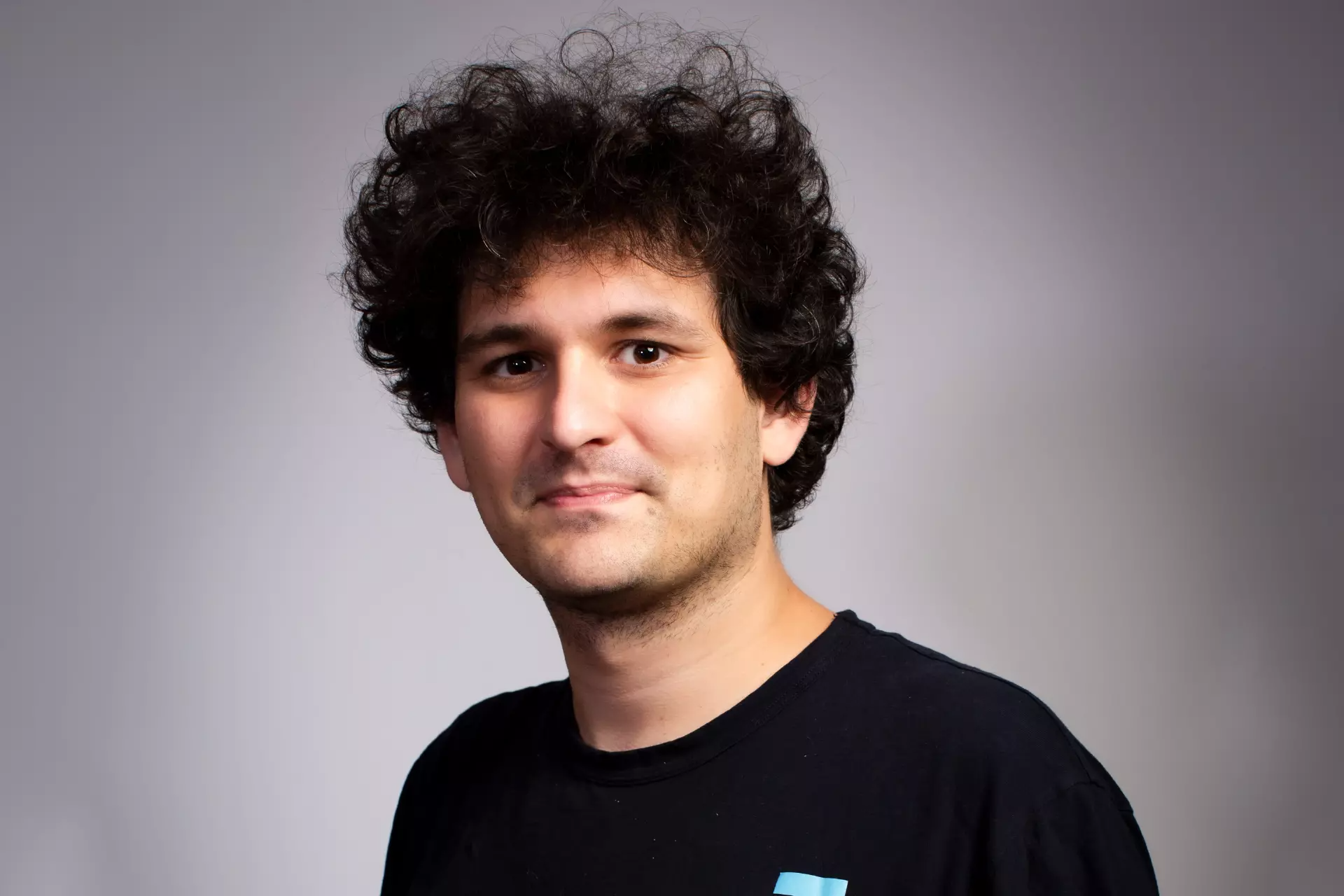
如今SBF可能已经破产,并正等待着刑事审判。在被巴哈马当局逮捕之前,SBF对外声称银行账户只剩下10万美元,他“不确定”如何支付律师费用。而FTX另一位联合创始人兼前首席技术官 Gary Wang则已向美SEC认罪,曾经59亿美元的身价“灰飞烟灭”。

FTX的消亡为今年的加密财富破灭画上了句号。实际上,疫情下的经济冲击导致了通货膨胀居高不下及利率不断上升,从而使得资本从具有投机性的加密生态中被“抽走”,包括从5月份市值超过400亿美元的算法稳定币TerraUSD崩溃,到7月份加密对冲基金Three Arrows倾塌,再到知名加密借贷机构Voyager Digital、Celsius和BlockFi等破产。这些动荡导致大概约2万亿美元的加密市值蒸发,其中“领头羊”比特币也从2021年11月的6.9万美元峰值下跌了65%。

CZ

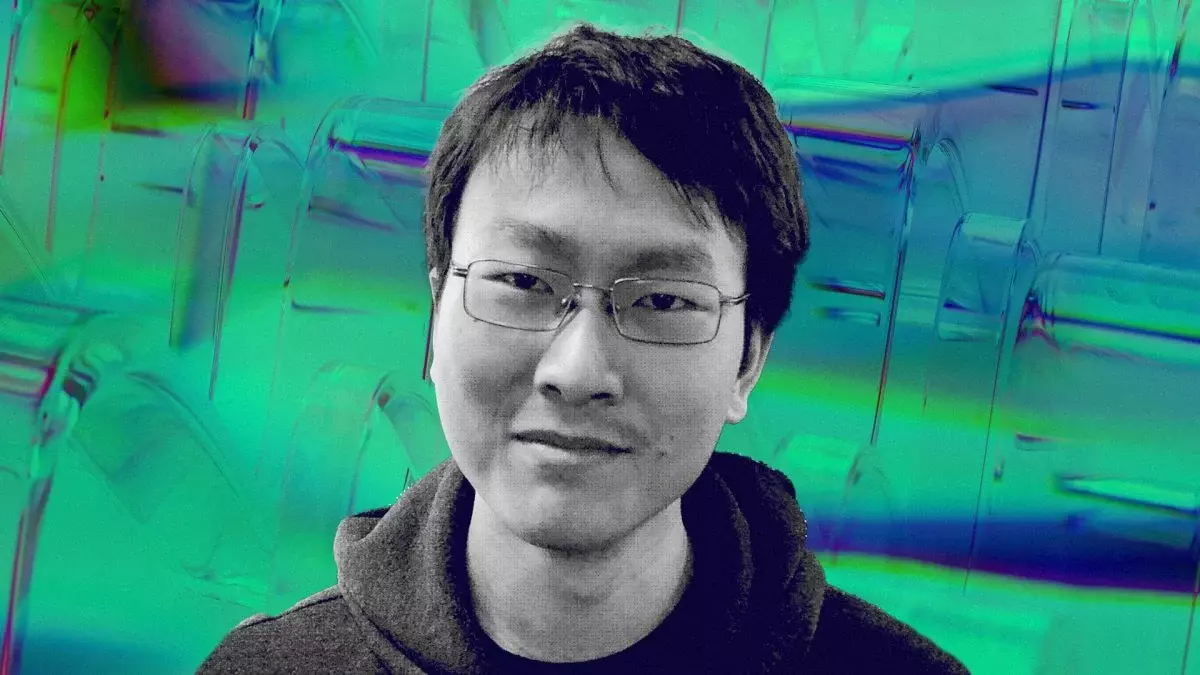
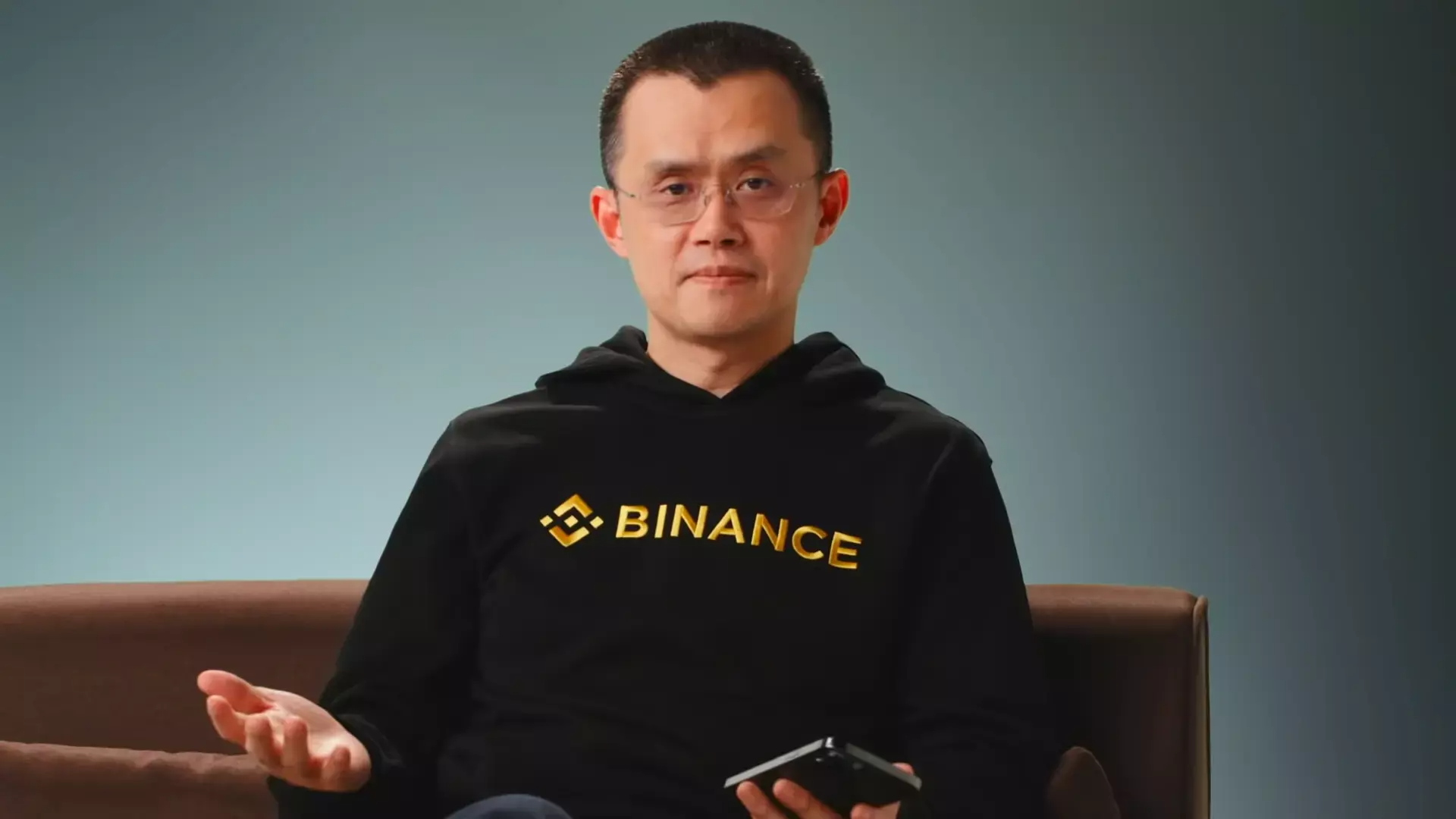
币安CEO赵长鹏的个人资产缩水幅度最大。币安是全球最大的加密交易所,由很多子公司组成的庞大全球网络。CZ至少拥有币安70%的股份,目前福布斯对该公司的估值为45亿美元,远低于今年3月份的650亿美元。

11月6日,CZ发布推文称币安将出售其持有的剩余FTT代币,进而引发大量用户恐慌性提款,引发了FTX的挤兑风波。虽然CZ战胜了竞争对手,但FTX破产的让他必须面临后果,包括破产法院将追回币安在2021夏天将其在FTX股份卖回给SBF所赚得的超21亿美元的收益(CZ于2019年帮助SBF创立了FTX)。

不仅如此,CZ正面临着越来越多的监管调查(尤其是币安),包括欧洲和美国当局正在就涉嫌协助洗钱和其他金融犯罪的指控对他和他的公司进行持续调查(币安对此否认)。最近几周,CZ试图向币安用户力证他们的加密存款得到充分支持,并委托会计师事务所Mazars(曾为美国前总统特朗普公司服务)制作“储备证明”报告,但却因未披露负债的基金财务报表而被外界广泛批评,认为不足以全面反映一家公司的财务健康状况。 此后,Mazars还暂停了与加密企业的合作,这似乎增加了币安财务以及交易所未来的不确定性。

而CZ在12月23日的网络研讨会上针对币安的负债为零解释称:“我们是一个非常独特的组织,我们没有从任何其他组织获得贷款。”他说。 “我们将证明所有FUD币安是错的。” 与此同时,币安的一位发言人表示,福布斯对CZ净资产的估计对CZ来说不是一个重要的指标,更重要的是为加密领域创建有意义的用例。

Barry Silbert

Barry Silbert背后的加密货币集团Digital Currency Group加密市场发展的核心力量之一。 据一位熟悉此事的消息人士透露,DCG旗下的加密货币经纪商Genesis Global Capital的债务规模最近已达到18亿美元,并且很有可能继续增长。不仅如此DCG还背负着债务,对Genesis欠款超11亿美元,主要是由Genesis向现已破产的3AC提供的不良贷款所致。 此外,Genesis的资产负债表显示,DCG还欠Genesis 5.75亿美元,该款项将于2023年5月到期。雪上加霜的是,据《金融时报》报道,若Genesis破产,DCG需立即向Eldridge偿还3.5亿美元的贷款。

为了维持生计,Silbert可能不得不筹集外部资金或解散他的DCG加密帝国,其中包括对加密公司和代币的约200项投资,如加密货币新闻网站CoinDesk、比特币挖矿公司Foundry和资产管理公司Grayscale Investments,提供公开交易的比特币信托基金的股份。福布斯估计DCG未偿还负债的价值高于其资产在当前市场环境下的公平市场价值,该公司也可能难以剥离流动性差的质押资产。出于以上这些原因,福布斯认为Silbert在DCG的40%股权的当前价值约为0美元。当然,Silbert的个人投资无法确定。目前,DCG 发言人拒绝置评。

“他们在Genesis遇到了偿付能力问题,后来变成了流动性问题,但这些损失并没有消失。”Lumida Wealth Management首席执行官Ram Ahluwalia认为,他指出即使Genesis宣布破产,Genesis债权人也将对DCG资产提出索赔。 “如果DCG不筹集新的股权资本,它将被视为‘僵尸’企业。”

Cameron Winklevoss和Tyler Winklevoss

因在Facebook的创立过程中发挥的作用而打响名气的比特币亿万富翁Cameron Winklevoss和Tyler Winklevoss也陷入了DCG的困境中。 此外,这对双胞胎创立的加密货币交易所Gemini也因通过旗下Gemini Earn产品在牛市期间为用户提供高达8%的回报,并将该产品将贷款业务外包给Genesis,而被该公司欠下Gemini客户大约9亿美元。11月16日,Genesis 暂停提款激怒了客户,使得该交易所的稳定币Gemini Dollar,也是Gemini Earn借贷计划的重要组成部分出现大量资金外溢。 不过,Winklevii家族一直保持着沉默,只是简单在Twitter上更新了关于Gemini组建债权人委员会的消息。

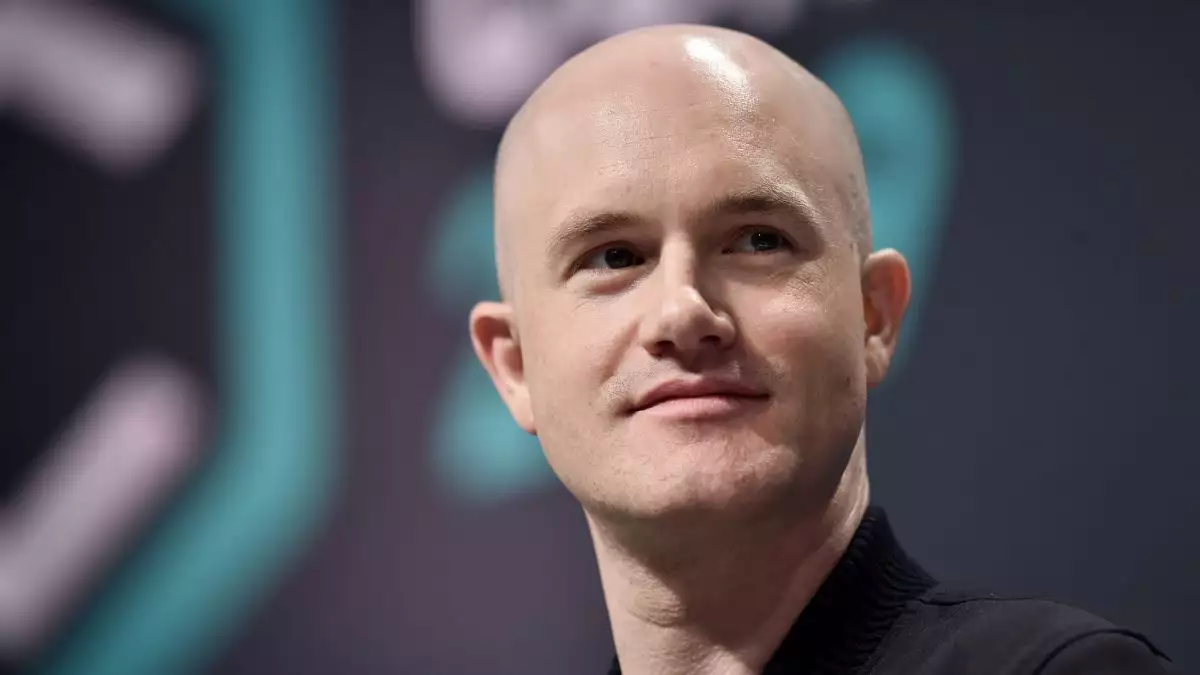
Brian Armstrong

对于加密交易所Coinbase CEO Brian Armstrong来说,FTX 的崩盘提供了一个出击的机会。11月8日,在币安宣布初步收购FTX意愿后的混乱时期,Armstrong大肆宣传他对加密的愿景,同时贬低币安的CZ。 “Coinbase与币安不同的是,Coinbse正在努力遵循一种受监管、值得信赖的方法。从理智上诚实地看待它,我们选择遵守规则。 这是一条更艰难的道路,有时你会束手无策,但我认为这是正确的长期战略。” 在同一天的13条推文中,Armstrong重申了这些主题。

但投资者似乎并不关心。自今年8月以来,Coinbase的股票下跌了64%,较2021年4月估值达1000亿美元的IPO的股价下跌了95%以上,Armstrong的大部分财产化为乌有。与此同时,Coinbase的董事会成员Fred Ehrsam被SBF惹火了,他的加密风投公司Paradigm向FTX股权投资了2.78亿美元。目前,Ehrsam尚未就该投资发表任何公开声明。

Devin Finzer和Alex Atallahh

Ripple Ventures创始人Matt Cohen表示,在2021年或今年早些时候以高估值筹集资金的私人加密公司在二级市场和场外交易中的交易价格大幅下跌。随着这些公司准备的年终投资者报告,第四季度将出现更大的降价。第四季度的审计季将是决定适当减记哪些资金的关键时候。”

例如,根据私募市场交易所ApeVue和CapLight的数据显示,自今年1月份以来,估值一度达到133亿美元的NFT交易平台OpenSea的交易额已经下降了75%。而根据加密网站DappRadar的数据显示,上个月(11月)OpenSea的NFT每日交易量低于1000万美元,而在1月份则超过2亿美元。这也意味着OpenSea的联合创始人Devin Finzer和Alex Atallahh不再是亿万富翁。

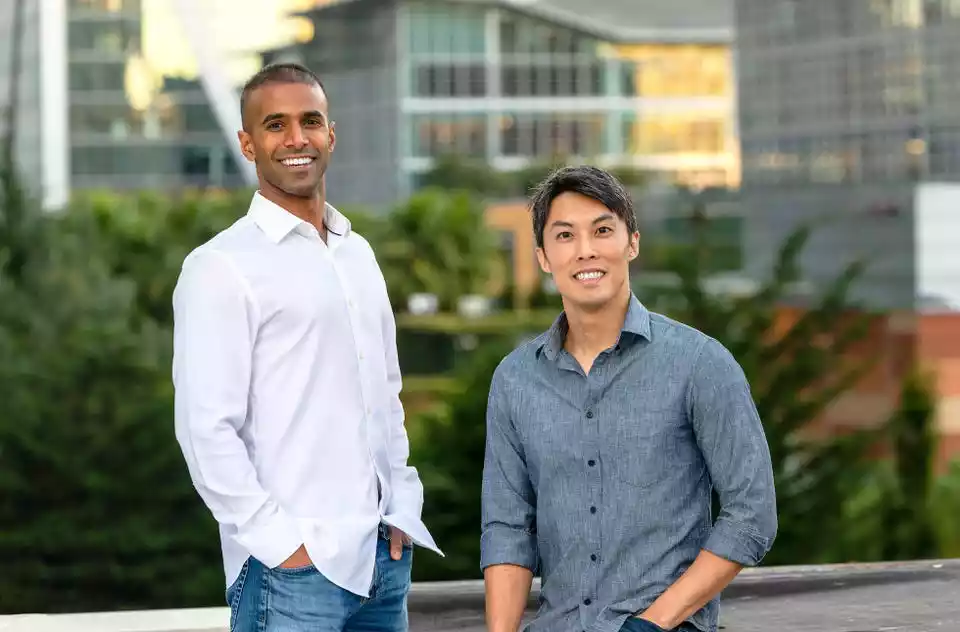
Nikil Viswanathan和Joe Lau

区块链公司Alchemy创始人Nikil Viswanathan和Joe Lau也被排除在Three Comma Club(亿万富豪俱乐部)外,基于他们在Alchemy股份的估价降价,Alchemy最后一次在2月份以102亿美元的估值筹集了2亿美元外部资金。根据Viswanathan的说法,FTX的崩盘损害了消费者对 加密领域的认知,这一点在2008年的雷曼兄弟和Bernie Madoff的倒闭中就可以看出,复苏需要一定时间。” 但Viswanathan表示,Alchemy在整个熊市中一直在持续增长。“不同之处在于,在 Web3中,即使在最动荡的时期,我们也看到开发人员活动的加速,这表明了一个非常强大的、以使命为导向的构建者社区。”

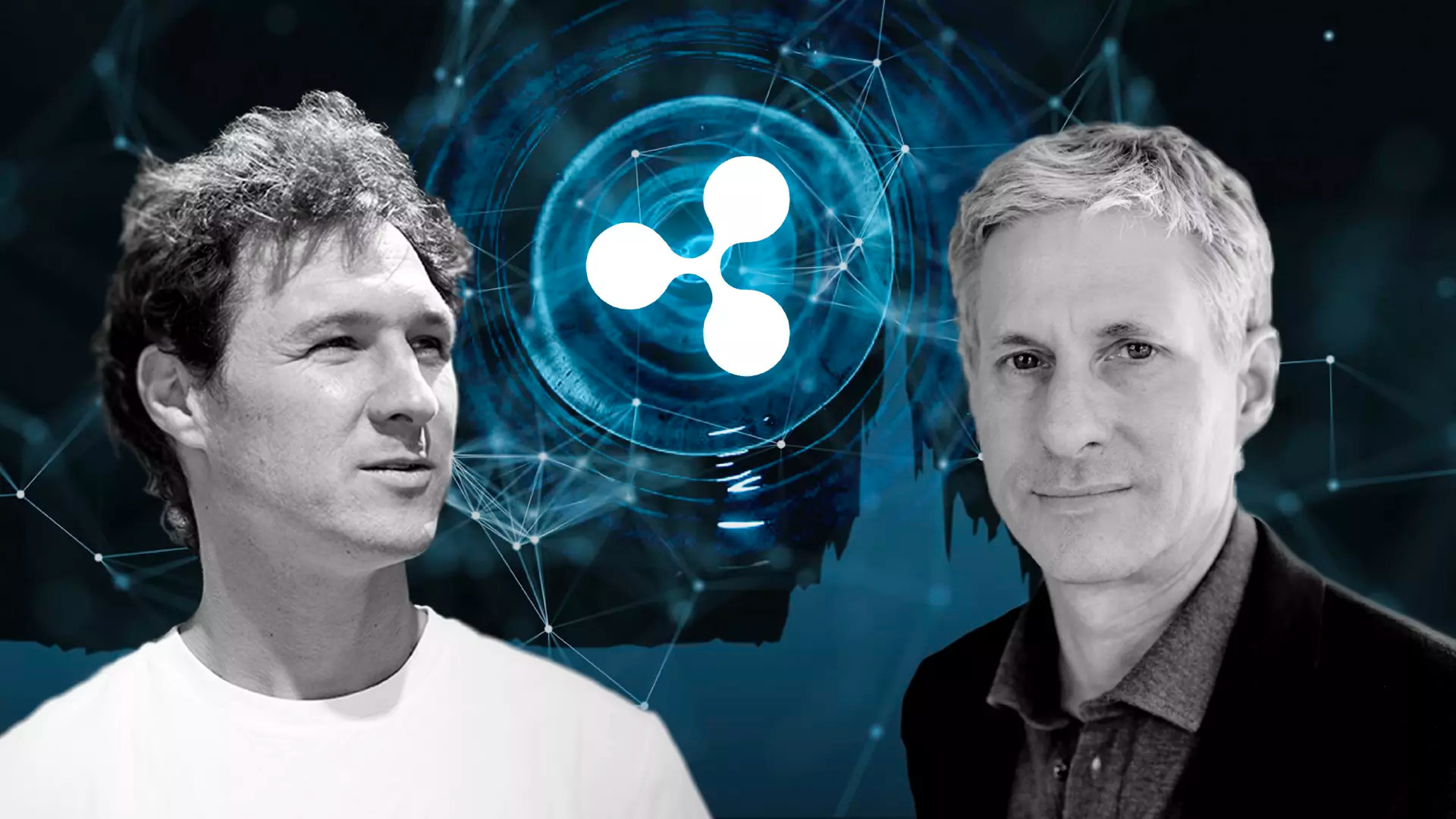
Jed McCaleb和Chris Larse

Ripple联合创始人Jed McCaleb被认为是唯一一个在加密领域发家致富并在经济低迷时期保留了大部分财富的人,但那是因为他在崩盘前几乎全部卖光了。McCaleb在2020年12月至2022年 7 月期间出售了价值约25亿美元的Ripple原生代币XRP,履行了他在2013年与Ripple其他创始人签署的分离协议。如今,XRP的交易价格约为每枚代币0.4美元,较今年早些时候下降了约50%,当时McCaleb每周抛售价值数百万美元的XRP代币。

由于XRP的价格下跌及福布斯对Ripple估值的折扣,Ripple另一位创始人兼董事长Chris Larsen 今年损失了超过20亿美元。Ripple最后一次在2019年以100亿美元的估值筹集资金,在该投资者就2020年12月针对美SEC对Ripple提起的诉讼而起诉Ripple后,Ripple宣布以150亿美元的估值从其C系列的投资者中回购股票。目前,关于Ripple的诉讼仍在法庭审理中。

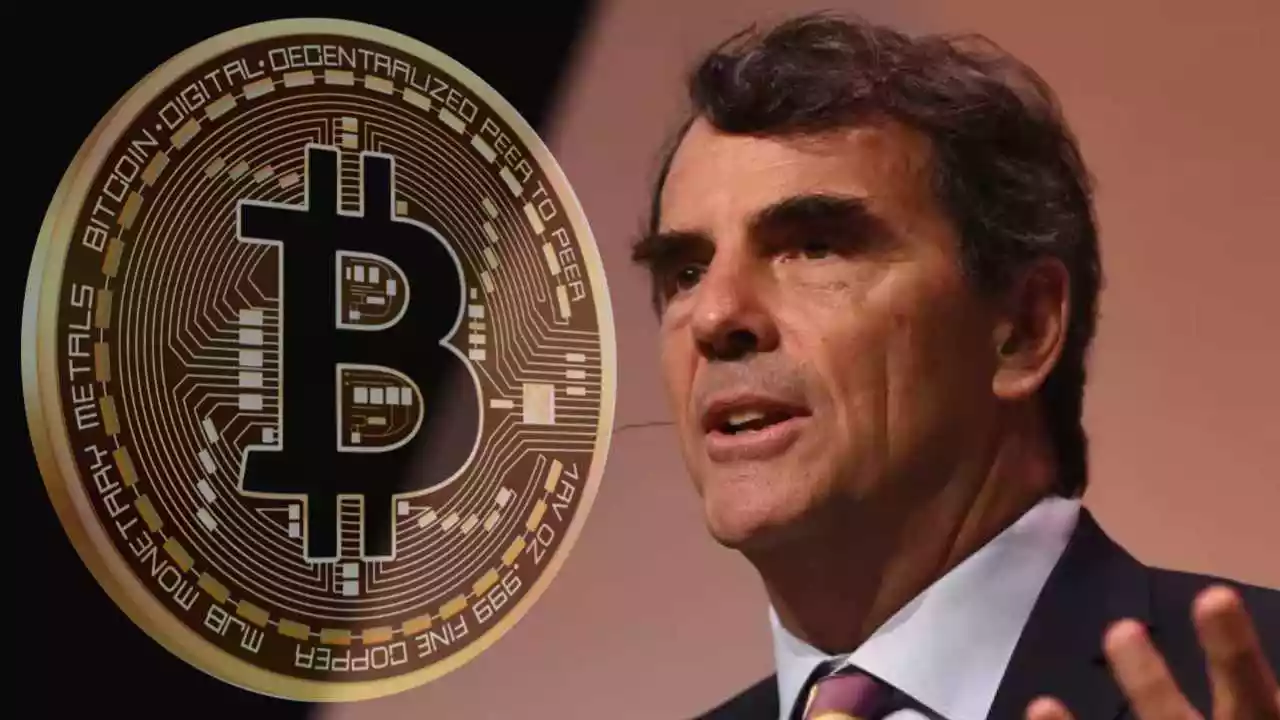
Tim Draper

持有约3万枚比特币的风险投资家Tim Draper在今年早些时候跌出了亿万富翁的行列,当时比特币达到33,000美元。 与以往一样,Draper对比特币的未来仍然持乐观态度,尽管他经常重复的25万美元的价格目标如今看起来更加天方夜谭。 “我怀疑这是中心化代币终结的开始,”Draper告诉福布斯, “如果代币是中心化的,你就会受到控制货币的人的摆布。FTX绝对是这种情况。”


Trending Cryptos

Related Reads

Two Legends Lost in Three Days: Is Google's AI Talent Dam Cracking?

In three days, Google lost two AI legends. On June 18, Noam Shazeer, co-author of the seminal "Attention is All You Need" paper and Gemini co-lead, left for OpenAI. Just 48 hours later, John Jumper, 2024 Nobel laureate and AlphaFold lead, departed DeepMind for Anthropic. This follows Andrej Karpathy joining Anthropic in May. These moves highlight a structural trend: top AI talent is concentrating at mission-driven, pre-IPO firms like OpenAI and Anthropic, while Google becomes a primary source. The exodus stems from a core mission mismatch. Google's ad-centric model often subordinates AI research to product and revenue goals, creating friction for pioneers like Shazeer, who returned in 2024 only to leave again. In contrast, OpenAI and Anthropic offer singular focus on pushing AI boundaries, whether towards AGI or safety-aligned models, which deeply appeals to top researchers like Jumper. Financial incentives amplify the pull. With both OpenAI and Anthropic nearing IPO, employees stand to gain immensely from equity, an upside Google's mature stock cannot match. Furthermore, the 2023 merger of Google Brain and DeepMind, intended to consolidate strength, has instead created cultural tension and slowed the path from research to product, as evidenced by Gemini's pace. This talent redistribution is reshaping the AI landscape. While Google retains vast data and compute resources, its true crisis is the quiet, continuous loss of the people who define the field's future. The real moat in AI is not infrastructure, but the concentration of brilliant minds—a battle Google is currently losing.

marsbit10m ago

Two Legends Lost in Three Days: Is Google's AI Talent Dam Cracking?

marsbit10m ago

Behind the AI Report Card, Lies a Chinese 'Exam Setter'

Beyond the familiar performance charts like MMLU-Pro and MMMU, which major AI models strive to ace, stands a key "examiner": Chinese-Canadian researcher Wenhu Chen. An assistant professor at the University of Waterloo and founder of TIGERLab, Chen addresses the crucial need for more rigorous AI evaluation. As models like GPT-4 began scoring near-perfect results on older benchmarks like MMLU, it became difficult to distinguish their true capabilities. In response, Chen introduced MMLU-Pro in 2024, featuring harder, more reasoning-focused questions with more answer choices, successfully reintroducing meaningful performance gaps. His work extends to multi-modal evaluation with MMMU and its enhanced version, MMMU-Pro. These benchmarks test a model's ability to understand and reason with complex information from images, charts, and text across diverse academic subjects, exposing the significant challenges even top models face in genuine comprehension. Chen's background in complex QA, table reasoning, and his experience at Google DeepMind on projects like Gemini inform his approach. He understands that effective benchmarks must anticipate how models might "cheat" by memorizing data or avoiding visual analysis. His lab also actively researches video understanding and generation models (e.g., UniVideo, Vamba), ensuring his evaluation work is grounded in practical model-building challenges. Now at Meta's Super Intelligence Lab, Chen continues his focus on multi-modal data and evaluation, representing the deep yet often unseen contributions of Chinese talent in shaping the fundamental tools of the AI industry.

marsbit22m ago

Behind the AI Report Card, Lies a Chinese 'Exam Setter'

marsbit22m ago

Alliance Co-founder's Letter to Entrepreneurs: Written at the Moment Cursor Sold for $600 Billion

Alliance Co-founder's Letter to Entrepreneurs: On Cursor's $60 Billion Sale Many aspiring founders see massive exits like Cursor's $60B sale and wonder why they can't achieve the same, often concluding opportunities are exhausted. But great companies aren't built in obvious, crowded spaces. Cursor, like Stripe, Figma, and Shopify before it, started with a non-consensus belief about the future. Before ChatGPT, they believed AI would transform knowledge work. They focused on a genuinely exciting domain, became their own customer, and obsessed over power users. Their journey involved years of "glass-chewing" effort before the market was ready. The pattern is consistent: identify a long-term technological shift, find a missed entry point, and execute for years before the trend becomes obvious. First-generation products (PayPal, Adobe, Amazon) prove a market exists. Second-generation winners (Stripe, Figma, Shopify) rebuild that market around new insights, technology, or changing customer behaviors. Founders must identify their phase in the cycle. Early entrants like Coinbase or Cursor focus on making new technology usable for power users. Later entrants find the "yin" to the established "yang"—the blind spots incumbents miss as they grow distant from individual users. The key is deep market immersion. Use every product in your space. Talk to users. Build an audience. Stop looking for ideas and start *seeing* them everywhere. Then, choose one. The idea must offer a 10x improvement or solve a "hair-on-fire" pain point—something severe enough that users are already crafting workarounds. When building, avoid feature bloat. Ask: why would someone switch? Great startups rarely force new behaviors; they improve familiar workflows with drastically lower friction (e.g., Cursor forked VS Code instead of creating a new editor). Distribution is the underestimated moat. Before product-market fit, achieve distribution-market fit. How do customers discover new tools? Founders like those at Airbnb, Stripe, and Cursor did unscalable, manual work to recruit early users. The final, unteachable ingredient is resilience. Cursor built for years pre-market, faced rejection, and persisted. So did Airbnb, Nvidia, and Rain (which launched post-FTX collapse). The lesson isn't that these founders were smarter, but that they stayed in the game long enough for their insights to compound. Framework: Spot technological cycles. Cultivate unique insight. Obsess over your market. Talk to customers. Find a hair-on-fire problem. Build the simplest wedge. Win your distribution channel. Above all, don't quit when it gets hard. Most people won't do these things consistently. The few who do build the next generation of great companies. Go build.

marsbit25m ago

Alliance Co-founder's Letter to Entrepreneurs: Written at the Moment Cursor Sold for $600 Billion

marsbit25m ago

Weekly Editor's Picks (0613-0619)

Weekly Editor's Picks (0613-0619): Market Insights & Analysis This weekly digest curates in-depth analysis often lost in the information flow, focusing on key insights across macro trends, investment, and technology. **Macro & Geopolitics:** With the Strait of Hormuz reopening and military conflict shifting to negotiation, markets are pivoting from "war shock" to "supply restoration." Trades include shorting crude risk premiums, longing airlines/tourism, Asian energy importers, and bond duration, while shorting inflation expectations. LNG, fertilizer, and chemical chains are also being repriced. **Investment & VC:** Ray Dalio advises against betting on concentrated AI giants dominating indices, advocating for diversified portfolios of high-quality, low-correlation assets instead. Analysis covers the 4-year crypto cycle, predicting the core surviving product by 2029 will be asset trading markets. Current BTC metrics suggest a potential bottoming zone, presenting a patient accumulation window. SpaceX's high-profile IPO at a $2.1T valuation faces scrutiny over fundamentals, with key watchpoints being its likely inclusion in the Nasdaq index and Q2 earnings. Concerns are raised about potential "gamma squeeze" and systemic risks if its narrative-driven valuation gets amplified by passive index funds. Robinhood (HOOD) is noted for breaking its high correlation with crypto, bolstered by its stock trading and new underwriting business. **Web3 & AI:** A warning highlights ~$1.8T in off-balance-sheet AI infrastructure commitments (purchase commitments, leases) as a potential systemic risk if AI monetization lags. AI models are being used for World Cup predictions, adding a new layer for betting markets. A cost breakdown of a $20 AI subscription reveals the supply chain from model companies to cloud, GPUs, and power. **Prediction Markets:** The emergence of prediction market "concept stocks" is noted, with Robinhood developing its own platform, Rothera, signaling a shift from market competition to a "channel war" for user access. **CeFi & DeFi:** The SpaceX IPO tested perpetual contract mechanisms for pre-IPO assets, highlighting challenges in handling corporate actions like stock splits on-chain. The de-pegging of STRC (Strategy's preferred share) to ~$89 reflects market concerns over MicroStrategy's capital structure and BTC-backed leverage model. BlackRock's covered-call Bitcoin ETF (BITA) offers yield but caps upside, appealing to yield-seeking institutions. **Ethereum:** An opinion piece argues Ethereum's core strength is its vast developer community and composability, solidifying its role as the default operating system for the financial internet. **Weekly Hot Topics:** Include the US-Iran deal reopening the Strait of Hormuz, Fed's hawkish hold, Anthropic restricting model access, SpaceX acquiring Cursor, and a humorous stock surge for "Liuliumei" due to its "LLM" ticker.

marsbit30m ago

Weekly Editor's Picks (0613-0619)

marsbit30m ago

Alliance's Co-Founder's Letter to Entrepreneurs: Written on the Occasion of Cursor's $60 Billion Sale

In this letter to entrepreneurs, Alliance reflects on the success of Cursor's $60 billion sale to Elon Musk, using it as a case study to counter the misconception that opportunities in crowded fields like AI or crypto are exhausted. The piece argues that great companies like Cursor, Stripe, Figma, and Shopify are not built by geniuses with perfect ideas, but by founders who start with a non-consensus belief about the future and build for years before that future becomes obvious to everyone. They identify long-term shifts, find overlooked entry points, and execute relentlessly. The framework for success involves: 1. **Identifying your place in the technology cycle**: Early-stage opportunities focus on making new tech usable for power users (e.g., Coinbase, Cursor). Later-stage opportunities involve finding the "yin" to an existing "yang"—the blind spots of first-generation players (e.g., Stripe vs. PayPal, Figma vs. Adobe). 2. **Cultivating unique insights**: Immerse yourself deeply in the market. Use every product, talk to users, and build an audience. Insights will emerge naturally from deep engagement. 3. **Finding a "hair-on-fire" problem**: Look for a 10x improvement or a severe, urgent pain point. The strongest signal is people already building clumsy workarounds. 4. **Building a focused MVP**: Don't just add features because you can. Ask why users would abandon their current tool for yours. The best startups rarely force new behaviors; they improve familiar workflows with drastically lower friction. 5. **Winning a distribution channel**: Distribution is often the moat. Before product-market fit, achieve channel-market fit. Find where your customers are and build an engine to reach them, even through unscalable, manual efforts initially. 6. **Persistence**: The final, unteachable ingredient is resilience. Success stories like Cursor, Airbnb, and Nvidia involved years of grinding, rejection, and perseverance when the path forward seemed unclear. The conclusion is that there is no secret. Most people fail to consistently execute these steps over the long term. The few who do build the companies that define the next era. The world is yours to create.

链捕手36m ago

Alliance's Co-Founder's Letter to Entrepreneurs: Written on the Occasion of Cursor's $60 Billion Sale

链捕手36m ago

Trading

Spot
Futures

Hot Articles

What is $BITCOIN

DIGITAL GOLD ($BITCOIN): A Comprehensive Analysis Introduction to DIGITAL GOLD ($BITCOIN) DIGITAL GOLD ($BITCOIN) is a blockchain-based project operating on the Solana network, which aims to combine the characteristics of traditional precious metals with the innovation of decentralized technologies. While it shares a name with Bitcoin, often referred to as “digital gold” due to its perception as a store of value, DIGITAL GOLD is a separate token designed to create a unique ecosystem within the Web3 landscape. Its goal is to position itself as a viable alternative digital asset, although specifics regarding its applications and functionalities are still developing. What is DIGITAL GOLD ($BITCOIN)? DIGITAL GOLD ($BITCOIN) is a cryptocurrency token explicitly designed for use on the Solana blockchain. In contrast to Bitcoin, which provides a widely recognized value storage role, this token appears to focus on broader applications and characteristics. Notable aspects include: Blockchain Infrastructure: The token is built on the Solana blockchain, known for its capacity to handle high-speed and low-cost transactions. Supply Dynamics: DIGITAL GOLD has a maximum supply capped at 100 quadrillion tokens (100P $BITCOIN), although details regarding its circulating supply are currently undisclosed. Utility: While precise functionalities are not explicitly outlined, there are indications that the token could be utilized for various applications, potentially involving decentralized applications (dApps) or asset tokenization strategies. Who is the Creator of DIGITAL GOLD ($BITCOIN)? At present, the identity of the creators and development team behind DIGITAL GOLD ($BITCOIN) remains unknown. This situation is typical among many innovative projects within the blockchain space, particularly those aligning with decentralized finance and meme coin phenomena. While such anonymity may foster a community-driven culture, it intensifies concerns about governance and accountability. Who are the Investors of DIGITAL GOLD ($BITCOIN)? The available information indicates that DIGITAL GOLD ($BITCOIN) does not have any known institutional backers or prominent venture capital investments. The project seems to operate on a peer-to-peer model focused on community support and adoption rather than traditional funding routes. Its activity and liquidity are primarily situated on decentralized exchanges (DEXs), such as PumpSwap, rather than established centralized trading platforms, further highlighting its grassroots approach. How DIGITAL GOLD ($BITCOIN) Works The operational mechanics of DIGITAL GOLD ($BITCOIN) can be elaborated on based on its blockchain design and network attributes: Consensus Mechanism: By leveraging Solana’s unique proof-of-history (PoH) combined with a proof-of-stake (PoS) model, the project ensures efficient transaction validation contributing to the network's high performance. Tokenomics: While specific deflationary mechanisms have not been extensively detailed, the vast maximum token supply implies that it may cater to microtransactions or niche use cases that are still to be defined. Interoperability: There exists the potential for integration with Solana’s broader ecosystem, including various decentralized finance (DeFi) platforms. However, the details regarding specific integrations remain unspecified. Timeline of Key Events Here is a timeline that highlights significant milestones concerning DIGITAL GOLD ($BITCOIN): 2023: The initial deployment of the token occurs on the Solana blockchain, marked by its contract address. 2024: DIGITAL GOLD gains visibility as it becomes available for trading on decentralized exchanges like PumpSwap, allowing users to trade it against SOL. 2025: The project witnesses sporadic trading activity and potential interest in community-led engagements, although no noteworthy partnerships or technical advancements have been documented as of yet. Critical Analysis Strengths Scalability: The underlying Solana infrastructure supports high transaction volumes, which could enhance the utility of $BITCOIN in various transaction scenarios. Accessibility: The potential low trading price per token could attract retail investors, facilitating wider participation due to fractional ownership opportunities. Risks Lack of Transparency: The absence of publicly known backers, developers, or an audit process may yield skepticism regarding the project's sustainability and trustworthiness. Market Volatility: The trading activity is heavily reliant on speculative behavior, which can result in significant price volatility and uncertainty for investors. Conclusion DIGITAL GOLD ($BITCOIN) emerges as an intriguing yet ambiguous project within the rapidly evolving Solana ecosystem. While it attempts to leverage the “digital gold” narrative, its departure from Bitcoin's established role as a store of value underscores the need for a clearer differentiation of its intended utility and governance structure. Future acceptance and adoption will likely depend on addressing the current opacity and defining its operational and economic strategies more explicitly. Note: This report encompasses synthesised information available as of October 2023, and developments may have transpired beyond the research period.

402 Total ViewsPublished 2025.05.13Updated 2025.05.13

What is $BITCOIN

Discussions

Welcome to the HTX Community. Here, you can stay informed about the latest platform developments and gain access to professional market insights. Users' opinions on the price of BTC (BTC) are presented below.

活动图片