深度剖析 NIKE Web3 平台:为什么 Web3 对品牌很重要?

白泽研究院Published on 2022-11-24Last updated on 2022-11-24

Abstract

上周,NIKE 宣布了其新的 Web3 平台 .SWOOSH,这是 NIKE Virtual Sudios (耐克虚拟工作室) 的一项新举措,将成为 NIKE 所有数字资产创作的“大本营”。继去年收购 RTFKT 之后,此次宣布标志着NIKE 向 Web3 又迈出了一大步。

上周,NIKE 宣布了其新的 Web3 平台 .SWOOSH,这是 NIKE Virtual Sudios (耐克虚拟工作室) 的一项新举措,将成为 NIKE 所有数字资产创作的“大本营”。继去年收购 RTFKT 之后,此次宣布标志着NIKE 向 Web3 又迈出了一大步。

.SWOOSH 的构建具有独特的意向性,以 NIKE 丰富的历史为基础,并以“通过文化和体育的视角重新构想社区、忠诚度和共同创造的愿景”为基础。

无独有偶,“我的公司为什么要使用 Web3?”——这也是我们经常被问到的一个问题。询问我们的通常是来自消费者品牌、消费者市场和许多其他“Web2”公司。

Web3 仍然是一项相对“年轻”的技术,它的许多优势仍然需要数年才能实现。那么为什么品牌如今应该关心 Web3 呢?

我们根据这个问题展开了思考,例如:品牌忠诚度和社区的未来会是什么样子?以及:Web3 如何改变客户参与的性质?

在 200 多次访谈和客户对话之后,我们对回答这个问题有了真正的信心。

Web3 对于消费者意味着什么?

Web3 代表了关于数据、资产和身份的所有权和互操作性。

让我们剖析一下。

“所有权”:在现实世界中,如果我购买了一件商品,我会得到一张用于证明的收据,我可以在物理上“存储”它,防止其他人拿走和使用它:我的东西显然是我的。相比之下,在互联网上复制这种产权概念基本上是不可能的,但 Web3 改变了这种范式。具体来说,NFT 是数据所有权的原生记录。这些数据可以是数字资产、交易数据,甚至是身份数据。

使用 Web3,我可以证明我拥有数字资产,我可以证明我的身份,“我就是我”,并且我属于一个特定的社区。而且我可以独立于任何 Web2 集中式平台(例如 Google 或 Facebook)这样做。这很重要,因为它使我能够证明和保护我的数据——甚至有可能将这些数据自行商业化。它使我能够证明我是谁以及我属于哪个群体,而无需依赖第三方。它使我能够保持对我的个人数据的控制,而不会成为可能操纵或破坏它的公司实体或恶意行为者的“牺牲品”。

“互操作性”:使用 Web3,通过共享数据,任何人都可以读取、交互从你的 ID 到与该 ID 关联的资产的所有内容。

即使消费者不一定想要承担额外对于数据所有权的责任,但如果他们能够传输自己的身份和相关数据,而不必在他们想要与之交互的每个平台中重新创建,那么对他们来说也是一种更好的体验。现在,从亚马逊到 Netflix 再到 Target,每当消费者切换不同的平台时,都要重新创建帐户,就像去看医生一样,必须一遍又一遍地填写相同的表格。

而 Web3 创造了一个新世界,在这个世界中,消费者的身份不再存储在一座座“孤岛”(不关联的平台)中,而是由消费者所拥有,并在需要时共享给其他人。

因此,当我们说 Web3 对品牌很重要时,可以归结为:我们相信消费者越来越希望获得更多的所有权和对他们的身份和数据的控制,虽然这可能会在短期内导致品牌减少对消费者的控制,但是通过 Web3 的互操作性,Web3 将让品牌获得令人难以置信的优势。

也就是说,品牌今天正在努力解决的一个关键问题是 Web3 在当下如何能够帮助它们——而不是三年、五年甚至十年后。事实上,Web3 的许多优势仍然需要数年时间才能完全实现。Web3 有能力彻底改变消费者与品牌互动的方式,以及品牌之间互动的方式。但大多数品牌都没有足够的时间来思考如此长远的问题,他们当下正面临着生存挑战、来自同行的挑战。

NIKE 进一步拥抱 Web3

上周,NIKE 宣布了其新的 Web3 平台 .SWOOSH,这是 NIKE Virtual Sudios (耐克虚拟工作室) 的一项新举措,将成为 NIKE 所有数字资产创作的“大本营”。继去年收购 RTFKT 之后,此次宣布标志着NIKE 向 Web3 又迈出了一大步。

根据 .SWOOSH 的博客介绍(略有修改):

.SWOOSH 是 NIKE 所有虚拟创作的大本营。NIKE 虚拟创作通常是可交互式的数字对象(虚拟鞋或服饰),可作为可穿戴设备在视频游戏或其他沉浸式体验中佩戴。

.SWOOSH 最初是一个消费者可以收集喜欢的虚拟鞋子、服饰或配饰的“商店”。但随着时间的推移,它将成为 NIKE 整个消费者社区购买、交易和共同创造虚拟产品的“家园”。

在 .SWOOSH 上,社区中的一些人将有机会学习如何构建可以在视频游戏和体验中佩戴的虚拟产品。而且,对于赢得社区挑战的少数创作者,可以从与 NIKE 共同创作的虚拟产品中赚取版税。

从本质上讲,.SWOOSH 是 NIKE、签约运动员、创作者和粉丝可以共同创造和交易未来数字资产的平台。这些资产将在游戏中可穿戴,可以解锁对一些线下活动的访问权限,甚至解锁对限量产品的访问权限。

虽然 .SWOOSH 还处于早期,但我们现在已经知道 4 种与平台互动的方式:

1. 策划虚拟创作:NIKE 将于明年初推出其首个虚拟资产系列产品;这些产品将由 NIKE 自己、他们的合作伙伴(运动员、名人等)甚至特定用户共同创建。

2. 通过市场购买、交易、出售:.SWOOSH 最重要的效用就是能让消费者收集虚拟资产并自由交易。这在形式上类似于星巴克推出的 Odyssey。为了安全起见,用户一开始无法将资产转移到自己的数字钱包中;但 NIKE 的目标是尽快与第三方钱包兼容。

3. 社区创作:随着时间的推移,社区的参与走向共同创作。“社区挑战”的获胜者将有机会共同创造资产并从这些资产的销售中赚取版税。与 NIKE 合作的知名运动员共同创造的潜力非常强大。

4. 在线学习:NIKE 正在投资于教育,并将围绕 Web3 和如何使用 Blender 等软件创建虚拟资产开设教程和活动。

还有一些细节值得一提。首先,NIKE 还将推出 .SWOOSH ID,它提供了对平台的访问并代表你在社区中的唯一数字身份。根据对 ID 的一些初步了解,它们似乎具有时间戳、唯一标识符和级别,这表明用户可以升级并获得更多特权。

其次,第一批虚拟产品很可能与 NIKE Air Force 1 运动鞋相关,社区成员可以投票选出他们最喜欢的鞋以让 NIKE 创建虚拟产品。

NIKE 为什么选择押注 Web3?

这个平台的重要性与 NIKE 的分销(不仅仅是它的规模,还有它在文化中的嵌入程度)以及它作为一个引领潮流的品牌有关。.SWOOSH 有可能将数百万用户带入 Web3 世界。

从根本上说,NIKE 认识到其与消费者的关系正在发生变化,并且借助新技术,他们有机会与消费者更紧密地联系,不仅可以在 NIKE 消费,还可以参与其中,与之共同创造。这在以前根本是不可能实现的,尤其是在 NIKE 这样的品牌规模上。

NIKE 不仅拥有庞大的线上和线下分销渠道,具有真正的全球影响力,而且其品牌还通过运动员和其他文化偶像而存在。举几个例子,NIKE 与迈克尔·乔丹、德雷克、特拉维斯·斯科特、C·罗纳尔多、勒布朗·詹姆斯等知名运动员都有合作关系。这些名人是全世界人民钦佩的榜样和英雄。能够与社区共同策划和创建与这些名人有关的新产品,这将让消费者更具体验感,让消费者从“静态消费”转变为“动态消费”。虚拟鞋不仅仅是一双虚拟鞋,它还是一种与服务相关的产品——一种与消费者共同发展的产品。

正如 NIKE 虚拟工作室的负责人 Ron Faris 所说:“这是历史上第一次,当品牌销售产品时,旅程并没有结束,而是旅程的开始。”

NIKE 把握住了几点优势:

首先,NIKE 认识到他们作为教育者的角色:帮助用户进入 Web3。NIKE 绝对比绝大多数品牌更能成为值得信赖的 Web3 代言人,他们正在通过社区会议、教程等来引导他们的用户正确进入 Web3。

其次,NIKE 植根于其文化,以社区为先。NIKE 虚拟工作室知道 Web3 是以社区为基础的,你可以从它如何邀请运动员作为合作伙伴,以及它如何以 Air Force 1s 作为第一个系列看出来。

最后,NIKE 了解他们的受众,他们通过将 .SWOOSH 与 RTFKT 分开来证明这一点,.SWOOSH 是针对 Web3 新手和广泛市场的,而后者更优质且深深植根在 Web3 中。

总的来说,NIKE 创建的 .SWOOSH,使他们能够为消费者建立一种新的社区参与形式,并为他们现有的业务增加全新的收入流和产品线。

为什么 Web3 对于品牌很重要?

看完 NIKE 的案例后,我们回到本文开头的问题,即为什么 Web3 对于品牌很重要?

“决策是由当今存在的实际问题所驱动的”。根据我们的采访和研究,品牌当下正面临这些问题:

新消费者逐渐成熟,他们花更多时间在截然不同的平台上。美国成年人每天上网 7 小时。 前三大虚拟(游戏)平台的月活跃用户超过 4 亿。 75% 的美国 9 至 12 岁儿童定期使用 Roblox。

消费者对个性化的期望比以往任何时候都高:“83% 的消费者期望他们喜爱的品牌提供个性化的内容和体验。”

而且,消费者拥有比以往更多的选择。自疫情以来,77% 的美国消费者尝试了新的购物行为,包括新渠道、商店和品牌。而这些选择是由更多的意图和动机引导的。消费者关心品牌的“文化可信度与 [产品] 一样多”。 例如,年轻的消费者更有可能优先考虑购买可持续性的品牌。

技术正在以依赖程序化营销工具的方式发生变化。随着苹果在 iOS 14 中以隐私为中心的变化,谷歌也在考虑类似的变化,跟踪个人用户行为变得越来越困难。一些品牌认为这些变化对于它们的收入产生了 10-35% 的影响。

这不仅仅是假设——数据很清楚。获取客户的成本 (CAC) 在过去 8 年中增长了 222%,仅在过去一年中就增长了 41%。

品牌如何进入 Web3?

那么,品牌如何进入 Web3 呢?有四种主要方式。

短期:

1. 建立更强大、投资更多的社区

品牌可以建立和投资社区,社区既可以是引擎,又可以是销售的燃料。社区代表了忠诚度,消费品牌应该重视它。

加强社区的最有效方法之一是通过提供“主人翁意识”来调整激励措施。

通过调整品牌与社区成员之间的激励机制,品牌实际上是正在重新定义品牌与消费者之间的关系,合作实现共同目标——在这种体验中,消费者会更加积极地参与到品牌的未来方向和决策中。可以是对产品路线图的建议;一种新口味或颜色的选择;塑造公司愿景和价值观;或邀请社区成员参与专属的线上、线下活动。

重要的是,要让社区感受到作为利益相关者的价值,当品牌获胜时,社区也会获胜。

2. 可组合的商务

通过建立一个去中心化的、无需信任的数据基础层,Web3 将“对抗游戏”转变为“协调游戏”——竞争关系可以转变为合作关系。这对品牌有着巨大的影响,因为他们现在有机会将孤立的社区和计划转变为完整的生态系统,在这个生态系统中,多个品牌和创作者可以相互协作、相互促进,从而为消费者带来更好的体验。

品牌应该对这种可能性感到兴奋。从表面上看,这听起来像是同行或其他品牌开放自己客户群,但它实际上代表了巨大的增长机会。选择“可组合的商务”意味着可以获得其他创作者、其他品牌的客户。

长期:

3. 利用新的分销渠道

如果你想从“拥抱 Web3”这样博人眼球的流量中受益,与其将其视为纯粹的成本,不如将其视为一项投资和一个以全新的方式从你的 IP 中获利的机会。
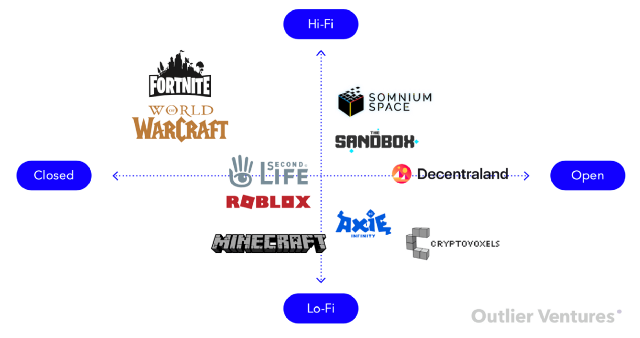
在 Web3 和元宇宙中出现只是第一步,更有趣的是,这些平台也是一种新的分销渠道。它们是新的销售场所(例如元宇宙平台),具有新的分发机制(加密货币、公开可见的加密钱包等),因此新的创作者已经认识到机会——为创作者经济赋予新的意义。

4. 构建真正的、多维度的商务体验

我们已经看到了未来的一瞥:你通过在线下实体店购买一些产品,产品中包含虚拟产品,你可以在线上虚拟平台中参加仅限社区的活动。

虽然在今天,它仍然感觉有些脱节和缺乏说服力。但开放式的元宇宙平台正在减少我们的数字世界和物理世界之间的摩擦,通过更多的数据丰富我们的体验。对于商业而言,这意味着分销渠道的扩大,并且可以通过提供更多的连续性、更多的便利性和更多的个性化来显著改善用户体验。

NFT 是第一步,因为它们不仅代表对数字资产的所有权记录,它们还可以提供对应的实物商品(通常称为“数字孪生”),物理和数字之间的联系将是创造线上+线下多维度无缝体验的关键。通过 NFT,消费者可以在线证明他们对数字产品和实体产品的所有权,他们可以验证产品的真伪,交易它们或将它们用作抵押品,还可以将这些实物带入数字世界中,就像我们上面提到的元宇宙平台一样。

总结

并非每个品牌都能创建像 NIKE 的 .SWOOSH 这样的平台。但任何品牌都可以利用相同的底层——Web3 基础设施从新的分发、社区和参与方法中获益,同时产生新的收入流。

Web3 是关于数据、资产和身份的所有权和互操作性。作为一种差异化机制,Web3 在短期内很重要,以让品牌应对由于技术变化而导致的商业环境变化。拥抱 Web3 意味着建立强大的社区,在拥抱可组合商务的同时,这些社区可以作为强大的引擎和分销的燃料。

从长远来看,品牌拥抱 Web3 是为更实质性的分配变化和商业模式过时做好准备,各个品牌和面向消费者的 Web2 公司必须为这个未来做好准备,抓住由新分销渠道提供支持的多维度商务的红利。

Trending Cryptos

Related Reads

Idle Macs Can Also Make Money? An Overview of Eigen Labs' Decentralized AI Inference Network Darkbloom

AI inference is becoming a crucial layer of internet infrastructure, yet it remains largely dependent on costly, capacity-limited centralized systems with potential security risks. Meanwhile, millions of powerful computers sit idle globally. Eigen Labs' Darkbloom network aims to utilize this idle capacity by enabling distributed AI inference on Mac computers, specifically those with Apple Silicon chips. Darkbloom's architecture consists of three components: users who send inference requests, a coordinator (operated by Eigen Labs) that routes these requests, and providers (Mac owners) whose machines run the models and return outputs without being able to see the request content. The system prioritizes privacy through a hardened provider process, software integrity checks, and hardware-supported attestation based on Apple's security architecture to ensure verifiable privacy. Economically, Darkbloom differs from traditional models. It leverages existing hardware, with marginal costs primarily driven by electricity, allowing it to offer pricing roughly 50% lower than major API aggregators. Providers keep 100% of the inference revenue, and the project does not rely on token subsidies; earnings come solely from real AI inference demand. However, early-stage earnings are modest, with top providers currently earning under $6 per day, influenced by factors like hardware specs, uptime, and network demand. The network currently supports models like Google's Gemma 4 and OpenAI's GPT-OSS via OpenRouter. To participate as a provider, users need an Apple Silicon Mac running macOS 14 or later, must install the Darkbloom provider software, and keep the machine online with a stable internet connection.

marsbit11m ago

Idle Macs Can Also Make Money? An Overview of Eigen Labs' Decentralized AI Inference Network Darkbloom

marsbit11m ago

Which Crypto Sectors Have Been "Eaten" by AI Agents?

The article examines which crypto sectors have been increasingly dominated by AI Agents and which remain human-centric. In certain high-speed, efficiency-driven areas, AI Agents have taken clear control. This includes derivatives/perpetuals trading, where bots outperform humans significantly (e.g., a contest showed 0% of AI Agents were liquidated vs. 43% of humans), arbitrage/MEV extraction, and yield optimization (with ~68% of new DeFi protocols in Q1 2026 featuring autonomous AI Agents). Spot trading and portfolio optimization are also seeing heavy Agent adoption. However, the shift is not universal. In "battleground" sectors, both Agents and humans coexist. In prediction markets, Agents dominate short-term arbitrage, but humans still outperform in long-term, nuanced judgment calls. In DeFi lending, while liquidation is automated, core deposit/borrow decisions remain largely human-driven. Sectors still firmly led by human activity include stablecoin payments and card-based spending (driven by real-world economic activity and remittances) and wallets, which serve as the crucial human-verification and approval layer. The rise of Agents increases the need for robust human-Agent verification layers. Projects like World/AgentKit, t54, Self Protocol, and Kite AI are building infrastructure to create trust, security, and accountability by binding Agents to verified human identities. In conclusion, while AI Agents have decisively "eaten" speed and optimization-focused crypto sectors, human judgment, trust, and real-world context remain dominant in areas that create broad economic value, such as payments and identity. The future likely involves a symbiotic relationship where Agents require human verification and oversight to operate effectively.

Foresight News18m ago

Which Crypto Sectors Have Been "Eaten" by AI Agents?

Foresight News18m ago

After Rising 11 Times in a Year, Micron's Earnings Report Becomes a Stress Test for the AI Memory Market

**Micron's Upcoming Earnings: A Crucial Test for the AI Memory Rally** Investors in AI memory stocks face a critical moment on June 24th, when Micron Technology reports quarterly earnings. The stock, having surged approximately 11-fold from $103 to $1,134 over the past year, carries immense market expectations. Wall Street consensus forecasts a staggering ~932% year-over-year jump in EPS to around $19.72 and ~270% revenue growth to ~$345 billion, largely driven by sold-out HBM (High Bandwidth Memory) capacity through 2026. Analysts have aggressively revised estimates upward over the last 90 days, with EPS expectations rising 68%. This creates a high bar: even strong results risk a sell-off if they fail to meet these elevated projections. Notably, price forecasts from institutions like Citi (predicting ~200% DRAM price increases in 2026) are already among the most bullish on Wall Street, not conservative. The key metric to watch is gross margin, guided to a record ~81%. Such peak profitability raises questions about sustainability in the historically cyclical memory sector. While management has signaled continued strength, the stock's direction post-earnings will likely hinge more on forward guidance for the next quarter and details on HBM capacity expansion for 2027, rather than the already-anticipated stellar past results. The report represents a major pressure test for the high-flying AI memory trade.

marsbit22m ago

After Rising 11 Times in a Year, Micron's Earnings Report Becomes a Stress Test for the AI Memory Market

marsbit22m ago

Trading

Spot
Futures

Hot Articles

What is $BITCOIN

DIGITAL GOLD ($BITCOIN): A Comprehensive Analysis Introduction to DIGITAL GOLD ($BITCOIN) DIGITAL GOLD ($BITCOIN) is a blockchain-based project operating on the Solana network, which aims to combine the characteristics of traditional precious metals with the innovation of decentralized technologies. While it shares a name with Bitcoin, often referred to as “digital gold” due to its perception as a store of value, DIGITAL GOLD is a separate token designed to create a unique ecosystem within the Web3 landscape. Its goal is to position itself as a viable alternative digital asset, although specifics regarding its applications and functionalities are still developing. What is DIGITAL GOLD ($BITCOIN)? DIGITAL GOLD ($BITCOIN) is a cryptocurrency token explicitly designed for use on the Solana blockchain. In contrast to Bitcoin, which provides a widely recognized value storage role, this token appears to focus on broader applications and characteristics. Notable aspects include: Blockchain Infrastructure: The token is built on the Solana blockchain, known for its capacity to handle high-speed and low-cost transactions. Supply Dynamics: DIGITAL GOLD has a maximum supply capped at 100 quadrillion tokens (100P $BITCOIN), although details regarding its circulating supply are currently undisclosed. Utility: While precise functionalities are not explicitly outlined, there are indications that the token could be utilized for various applications, potentially involving decentralized applications (dApps) or asset tokenization strategies. Who is the Creator of DIGITAL GOLD ($BITCOIN)? At present, the identity of the creators and development team behind DIGITAL GOLD ($BITCOIN) remains unknown. This situation is typical among many innovative projects within the blockchain space, particularly those aligning with decentralized finance and meme coin phenomena. While such anonymity may foster a community-driven culture, it intensifies concerns about governance and accountability. Who are the Investors of DIGITAL GOLD ($BITCOIN)? The available information indicates that DIGITAL GOLD ($BITCOIN) does not have any known institutional backers or prominent venture capital investments. The project seems to operate on a peer-to-peer model focused on community support and adoption rather than traditional funding routes. Its activity and liquidity are primarily situated on decentralized exchanges (DEXs), such as PumpSwap, rather than established centralized trading platforms, further highlighting its grassroots approach. How DIGITAL GOLD ($BITCOIN) Works The operational mechanics of DIGITAL GOLD ($BITCOIN) can be elaborated on based on its blockchain design and network attributes: Consensus Mechanism: By leveraging Solana’s unique proof-of-history (PoH) combined with a proof-of-stake (PoS) model, the project ensures efficient transaction validation contributing to the network's high performance. Tokenomics: While specific deflationary mechanisms have not been extensively detailed, the vast maximum token supply implies that it may cater to microtransactions or niche use cases that are still to be defined. Interoperability: There exists the potential for integration with Solana’s broader ecosystem, including various decentralized finance (DeFi) platforms. However, the details regarding specific integrations remain unspecified. Timeline of Key Events Here is a timeline that highlights significant milestones concerning DIGITAL GOLD ($BITCOIN): 2023: The initial deployment of the token occurs on the Solana blockchain, marked by its contract address. 2024: DIGITAL GOLD gains visibility as it becomes available for trading on decentralized exchanges like PumpSwap, allowing users to trade it against SOL. 2025: The project witnesses sporadic trading activity and potential interest in community-led engagements, although no noteworthy partnerships or technical advancements have been documented as of yet. Critical Analysis Strengths Scalability: The underlying Solana infrastructure supports high transaction volumes, which could enhance the utility of $BITCOIN in various transaction scenarios. Accessibility: The potential low trading price per token could attract retail investors, facilitating wider participation due to fractional ownership opportunities. Risks Lack of Transparency: The absence of publicly known backers, developers, or an audit process may yield skepticism regarding the project's sustainability and trustworthiness. Market Volatility: The trading activity is heavily reliant on speculative behavior, which can result in significant price volatility and uncertainty for investors. Conclusion DIGITAL GOLD ($BITCOIN) emerges as an intriguing yet ambiguous project within the rapidly evolving Solana ecosystem. While it attempts to leverage the “digital gold” narrative, its departure from Bitcoin's established role as a store of value underscores the need for a clearer differentiation of its intended utility and governance structure. Future acceptance and adoption will likely depend on addressing the current opacity and defining its operational and economic strategies more explicitly. Note: This report encompasses synthesised information available as of October 2023, and developments may have transpired beyond the research period.

416 Total ViewsPublished 2025.05.13Updated 2025.05.13

What is $BITCOIN

Discussions

Welcome to the HTX Community. Here, you can stay informed about the latest platform developments and gain access to professional market insights. Users' opinions on the price of BTC (BTC) are presented below.

活动图片