Tendance des marchés américains (21 août) : L'échec du rachat des obligations longues et la surprise de Walmart font plonger le Dow Jones de 700 points

marsbitPublished on 2026-08-21Last updated on 2026-08-21

Abstract

Le marché boursier américain a connu une forte correction, avec le Dow Jones chutant de 703 points (-1,32 %). La tentative du Trésor américain d'apaiser les tensions sur les obligations à long terme par des rachats s'est révélée de courte durée. Les rendements des bons du Trésor à 30 ans sont remontés vers 5,26 %, proches de leurs sommets récents, reflet des inquiétudes structurelles concernant la dette et le déficit. La forte hausse des prix du pétrole (WTI +2,33 %) a ravivé les craintes inflationnistes, tandis que les résultats décevants de Walmart, avec une croissance des ventes au plus bas depuis six ans, ont mis en lumière les pressions sur le pouvoir d'achat des consommateurs. Les actions technologiques ont été globalement affectées, les "sept grandes" (Magnificent Seven) reculant. Moderna a chuté de plus de 23 % après une envolée spéculative. Des divergences subsistent dans les semi-conducteurs, certains titres comme Marvell et Micron progressant grâce à des catalyseurs sectoriels spécifiques. Le bitcoin a franchi les 72 000 dollars, et l'or a oscillé autour de 4 500 dollars. Les actions chinoises étaient focalisées sur les résultats, Alibaba affichant une croissance solide du cloud AI mais des flux de trésorerie négatifs en raison d'investissements massifs. Les regards se portent désormais sur la parole de la Fed et sur la capacité des rendements obligataires longs à se stabiliser, facteurs clés pour une éventuelle stabilisation des marchés.

Auteur : Recherche Tide
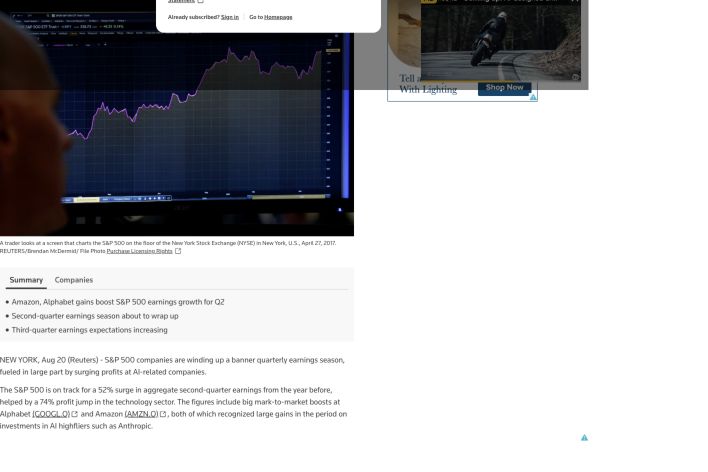
Après avoir enrayé sa chute la veille grâce au rachat d'obligations longues par le Trésor américain, le marché actions américain a été de nouveau mis sous pression durant la nuit par la remontée des rendements des obligations à longue échéance et du prix du pétrole. Le Dow Jones a plongé de 703,84 points (-1,32 %), le S&P 500 a perdu 0,87 % à 7 641,16 points, et le Nasdaq a reculé de 1,00 % à 26 067,17 points, le Nasdaq 100 enregistrant cinq séances consécutives de baisse. Le VIX a progressé de 7,51 % à 16,38, sa plus forte hausse quotidienne depuis fin juillet. Le signal du marché est clair : le Trésor peut apaiser à court terme la liquidité du marché obligataire, mais tant que le rendement des obligations du Trésor à 30 ans se rapproche de ses sommets, les actifs surévalués auront du mal à se redresser véritablement. Ce réajustement n'est pas uniquement dû à des actions technologiques ; la forte hausse du pétrole a ravivé les craintes inflationnistes, les résultats de Walmart ont exposé les pressions sur la consommation, les « Sept Magnifiques » ont généralement reculé, seuls les secteurs du stockage, des communications optiques, de la cryptographie et des ressources conservant encore une certaine résistance locale.

La pression sur les obligations longues revient, l'effet de l'intervention du Trésor n'a duré qu'un jour

L'effet de l'élargissement du rachat d'obligations longues par le Trésor américain n'a duré qu'un jour. Durant la nuit, le rendement des obligations du Trésor à 10 ans a augmenté de 4,35 points de base pour s'établir à 4,6902 %, dépassant déjà son niveau avant l'annonce de l'intensification des rachats par le Trésor ; le rendement des obligations à 30 ans a progressé d'environ 4 points de base vers 5,26 %, effaçant presque entièrement les pertes de mercredi et se rapprochant du sommet du 18 août à 5,3361 %, son plus haut niveau depuis près de 20 ans. Le rendement des obligations à 2 ans a augmenté de 1,88 point de base à 4,1811 %.

C'est précisément ce que le marché redoute le plus. Les rachats peuvent améliorer la liquidité à court terme du marché des obligations longues, mais ils ne peuvent pas changer les pressions structurelles que sont l'ampleur de la dette américaine, le déficit budgétaire, la persistance de l'inflation et la lutte pour les capitaux due aux dépenses d'investissement dans l'IA. La dette fédérale américaine a dépassé les 40 000 milliards de dollars, ayant plus que doublé en dix ans. Les entreprises technologiques se financent massivement pour leurs centres de données IA, tandis que le Trésor a besoin d'émettre continuellement des obligations, la demande de capitaux pesant simultanément sur les taux d'intérêt à long terme. Les déclarations de Besant selon lesquelles « les rachats peuvent encore être intensifiés » n'ont pas calmé le marché, mais ont au contraire fait prendre conscience aux investisseurs que le Trésor lui-même ne peut pas faire grand-chose face aux obligations longues. Si les rachats pouvaient résoudre le problème, il ne serait pas nécessaire de répéter que « nous pouvons en faire plus ».

L'indice dollar a effectué un retournement en V, rebondissant à un moment donné de 0,38 % par rapport à son plus bas de la journée. Le yen s'est déprécié d'environ 0,6 % dans la journée, et la précédente force du yuan offshore s'est également atténuée. La performance des devises indique que le marché n'est pas entré en mode de vente massive du dollar, mais semble plutôt exiger à nouveau une prime de risque pour la dette à long terme.

La forte hausse du pétrole ravive les craintes inflationnistes, énergie et consommation exercent une pression simultanée

La deuxième ligne directrice de la nuit fut le prix du pétrole. Les menaces de sanctions accrues de Trump contre l'Iran, combinées aux risques de transport dans le détroit d'Ormuz, ont propulsé les contrats à terme sur le pétrole brut WTI à 87,83 dollars le baril (+2,33 %) et le Brent à 93,78 dollars le baril (+2,36 %), touchant tous deux leurs plus hauts niveaux depuis le 24 juillet. L'impact de la hausse du pétrole va bien au-delà du seul secteur énergétique ; plus important encore, elle affaiblit la confiance du marché en un repli de l'inflation et pousse à la hausse la prime de risque sur les taux d'intérêt à long terme. Le Trésor vient à peine de contenir les obligations longues la veille, et le pétrole ramène le thème de l'inflation le lendemain.

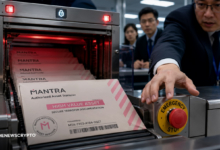
La hausse du pétrole ronge le revenu disponible des ménages, et la pression sur la consommation apparaît simultanément. Walmart a été le plus grand frein pour le Dow Jones durant la nuit. Bien que ses revenus du deuxième trimestre (1879,4 milliards de dollars) et son bénéfice ajusté par action (0,81 dollar) aient tous deux dépassé les attentes du marché, son action a quand même plongé de plus de 9 %. Ce qui inquiète vraiment le marché, c'est que la croissance des ventes en magasin comparables aux États-Unis est tombée à 2,6 %, son niveau le plus bas depuis plus de six ans, et que les prévisions de bénéfice pour l'année entière sont inférieures aux attentes du marché. L'importance de Walmart ne réside pas seulement dans les résultats d'une seule entreprise ; en tant que plus grand détaillant américain, il reflète le pouvoir d'achat réel des consommateurs à revenus faibles et moyens. Le nombre de transactions peut se maintenir, mais le montant moyen par transaction diminue, indiquant que les consommateurs adoptent déjà une attitude plus prudente. Les attentes de redressement du commerce de détail apportées par les résultats de Target la veille n'ont pas été confirmées par ceux de Walmart, et le segment de la consommation revient à une différenciation basée sur les fondamentaux.

Moderna plonge de 23 % après avoir explosé, poursuite de la différenciation au sein de la technologie

Moderna a chuté de plus de 23 % jeudi, après avoir bondi de près de 180 % la veille en raison du succès de l'essai de phase III de son vaccin anticancéreux à ARNm. Merck a également corrigé d'environ 5 % en synchronisation. La hausse de 180 % incorporait déjà des attentes extrêmement élevées. Le marché a directement valorisé le « succès de l'essai de phase III » comme un « succès commercial », mais il reste un long chemin entre le succès de l'essai et l'approbation, puis la génération d'un flux de trésorerie stable pour le vaccin. Après l'explosion de mercredi, les capitaux ont choisi de réaliser rapidement leurs gains, indiquant que la spéculation à court terme s'est dissipée plus vite que prévu.

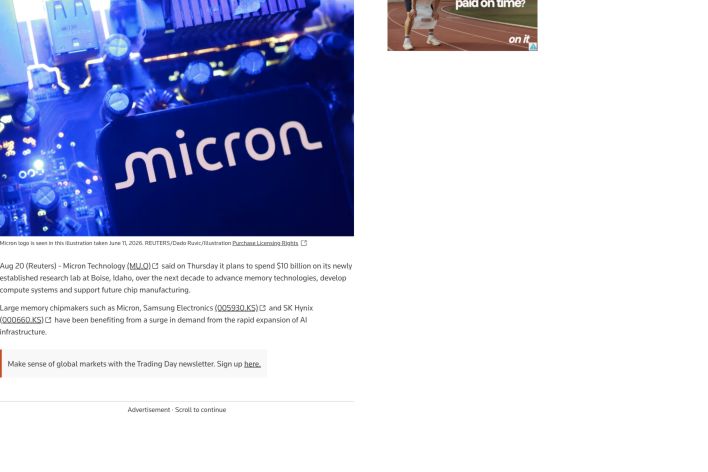
La chute de Moderna n'est que la partie émergée de l'iceberg de la pression sur les actions technologiques de la journée. Ce qui a vraiment pesé sur les indices, c'est l'affaiblissement collectif des Sept Magnifiques. Les Sept Magnifiques ont généralement baissé durant la nuit, Amazon perdant plus de 2 % en tête des grandes capitalisations technologiques, Tesla reculant nettement. En période de baisse du marché, les géants n'ont pas constitué une force de soutien. Cependant, les semi-conducteurs n'ont pas tous faibli ; le stockage et les communications optiques ont résisté à la tendance, Marvell gagnant 5,8 %, Lumentum 6,2 % et Micron 3,97 %. Leur point commun est d'avoir des catalyseurs industriels spécifiques : Marvell est soutenu par la logique de collaboration avec Google sur les puces IA sur mesure, Micron bénéficie en plus d'un investissement de 10 milliards de dollars dans la R&D sur la mémoire pour la prochaine décennie. Cela ne signifie pas pour autant que la pression sur le matériel IA a disparu. Le ralentissement de la croissance des revenus d'OpenAI, la ruée vers l'IPO d'Anthropic, et la recherche de plus de 60 milliards de dollars de financement par dette par Broadcom poussent tous la valorisation de la chaîne d'approvisionnement de l'IA de la « croissance des commandes » vers la « durabilité des dépenses d'investissement ». Le marché commence à poser des questions plus précises : qui a de véritables flux de trésorerie, qui est simplement poussé par le financement. Les capitaux ne quittent pas toute la chaîne de l'IA, mais les critères de sélection deviennent plus stricts.

Bitcoin franchit 72 000 dollars, l'or oscille autour de 4 500 dollars

Les monnaies numériques ont fortement progressé pour le deuxième jour consécutif. Le Bitcoin a franchi les 72 000 dollars pour la première fois depuis début juin, avec une hausse intrajournalière d'environ 5 % et une progression cumulative de 15 % sur la semaine ; l'Ethereum a augmenté de plus de 20 % sur deux jours. L'or est brièvement tombé en dessous de 4 500 dollars avant de récupérer ses pertes intrajournalières, rebondissant de plus de 2 % par rapport à son plus bas de la journée. L'or au comptant a clôturé à 4 519,36 dollars l'once (+0,08 %), l'argent au comptant à 68,09 dollars l'once (+1,16 %). Le prix de l'or oscille autour de 4 500 dollars, soutenu par les risques géopolitiques et l'affaiblissement du dollar, mais la remontée des rendements des obligations du Trésor américain limite les hausses.

Les actions chinoises recentrent l'attention sur les résultats

Les revenus d'Alibaba au deuxième trimestre ont augmenté de 9 % en glissement annuel à 2 689,5 milliards de yuans, légèrement supérieurs aux attentes, mais les investissements dans les infrastructures IA ont augmenté les dépenses d'investissement, le flux de trésorerie disponible net sur le trimestre s'élargissant à une sortie de 44,7 milliards de yuans. La conférence téléphonique a révélé que le revenu annuel récurrent (ARR) des produits liés à l'IA avait dépassé 49,5 milliards de yuans, et que les puces Pingtouge continueront de se développer au second semestre. Les revenus commerciaux externes d'AliCloud ont augmenté de 45 % en glissement annuel, les revenus liés à l'IA affichant une croissance à trois chiffres pendant 12 trimestres consécutifs, indiquant que le cloud IA commence déjà à générer des revenus, mais le cycle des dépenses d'investissement pèse sur le flux de trésorerie à court terme. Unitree Technology a chuté de plus de 18 % le deuxième jour de sa cotation. Son fondateur, Wang Xingxing, a mentionné que la commercialisation prendrait encore du temps. Le secteur de la robotique passe d'une valorisation basée sur la rareté à une valorisation basée sur la capacité de livraison.

À surveiller aujourd'hui

L'attention du marché ce vendredi se portera sur deux directions.

Premièrement, la capacité des rendements des obligations américaines à longue échéance à se stabiliser. Après la dissipation rapide de l'effet des rachats du Trésor, la capacité du rendement à 30 ans à se maintenir en dessous de 5,3 % déterminera directement l'espace de redressement des actions technologiques.

Deuxièmement, le discours de la présidente de la Fed, Lael Brainard, lors de la réunion annuelle des banques centrales à Jackson Hole. Les comptes-rendus de la réunion de mercredi ont déjà envoyé des signaux plutôt hawkish. Le discours de Brainard donnera le ton pour la réunion de septembre. Si elle continue d'insister sur les risques inflationnistes, les anticipations de hausse des taux augmenteront davantage ; si elle mentionne les risques de ralentissement économique, le sentiment du marché pourrait obtenir un répit.

Le signal central des marchés américains de la nuit est que le marché a confirmé que le sauvetage des obligations par le Trésor ne peut qu'acheter du temps, pas inverser la tendance. Par la suite, les obligations longues sont le commutateur principal, le pétrole est le commutateur de l'inflation, et le véritable retour au calme des actions technologiques dépendra de la capacité du secteur des semi-conducteurs (indice Philadelphie) et des Sept Magnifiques à se redresser simultanément.


Trending Cryptos

Related Questions

QQuel a été l'impact principal des performances de Walmart sur le Dow Jones le 21 août ?

ALes résultats de Walmart ont fortement déçu le marché, entraînant une baisse de plus de 9 % de son action. En tant que plus grand détaillant américain, ses chiffres reflétant une pression sur le pouvoir d'achat des consommateurs à revenu faible ou intermédiaire, cela en a fait le principal facteur de poids du Dow Jones, qui a chuté de 703,84 points.

QPourquoi l'intervention du Trésor américain sur les obligations à long terme n'a-t-elle eu qu'un effet de courte durée ?

ALes rachats d'obligations à long terme par le Trésor ne peuvent améliorer que la liquidité à court terme du marché. Ils ne résolvent pas les pressions structurelles sous-jacentes telles que le niveau élevé de la dette publique américaine (dépassant 40 000 milliards de dollars), les déficits budgétaires, la persistance de l'inflation et la concurrence pour les capitaux provenant des investissements en IA, qui continuent de peser sur les rendements à long terme.

QQuels sont les deux principaux facteurs qui ont ravivé les craintes d'inflation et pesé sur les marchés ?

ADeux facteurs principaux ont ravivé les craintes d'inflation : 1) La forte hausse des prix du pétrole (WTI +2,33 %, Brent +2,36 %), alimentée par les menaces de sanctions contre l'Iran et les risques dans le détroit d'Ormuz. 2) La remontée persistante des rendements des obligations d'État à long terme (30 ans approchant 5,3361 %), augmentant la prime de risque liée à l'inflation.

QPourquoi l'action Moderna a-t-elle chuté de plus de 23 % le 21 août après une forte hausse la veille ?

AL'action Moderna a chuté de plus de 23 % après une hausse de près de 180 % la veille, car les investisseurs ont réalisé des profits rapidement. Le marché avait probablement surévalué la nouvelle positive du succès de l'essai de phase 3 du vaccin anticancéreux à ARNm, en l'assimilant prématurément à un succès commercial, alors que le chemin vers l'approbation réglementaire et la génération de flux de trésorerie stables reste long.

QQuelles étaient les principales tendances observées dans le secteur technologique et des semi-conducteurs malgré la baisse générale ?

AMalgré la baisse générale du secteur technologique et des 'sept grands', certains segments ont résisté ou progressé. Les sous-secteurs de la mémoire (ex: Micron, +3,97 %) et des communications optiques (ex: Lumentum, +6,2 %) ont montré une force localisée, soutenus par des catalyseurs industriels spécifiques comme les investissements dans la R&D ou les partenariats de puces IA. Cela indique que les capitaux ne quittent pas la chaîne de valeur de l'IA, mais sélectionnent davantage les actifs basés sur des flux de trésorerie réels et des catalyseurs tangibles.

Related Reads

Trading

Spot

Hot Articles

What is SONIC

Sonic: Pioneering the Future of Gaming in Web3 Introduction to Sonic In the ever-evolving landscape of Web3, the gaming industry stands out as one of the most dynamic and promising sectors. At the forefront of this revolution is Sonic, a project designed to amplify the gaming ecosystem on the Solana blockchain. Leveraging cutting-edge technology, Sonic aims to deliver an unparalleled gaming experience by efficiently processing millions of requests per second, ensuring that players enjoy seamless gameplay while maintaining low transaction costs. This article delves into the intricate details of Sonic, exploring its creators, funding sources, operational mechanics, and the timeline of significant events that have shaped its journey. What is Sonic? Sonic is an innovative layer-2 network that operates atop the Solana blockchain, specifically tailored to enhance the existing Solana gaming ecosystem. It accomplishes this through a customised, VM-agnostic game engine paired with a HyperGrid interpreter, facilitating sovereign game economies that roll up back to the Solana platform. The primary goals of Sonic include: Enhanced Gaming Experiences: Sonic is committed to offering lightning-fast on-chain gameplay, allowing players and developers to engage with games at previously unattainable speeds. Atomic Interoperability: This feature enables transactions to be executed within Sonic without the need to redeploy Solana programmes and accounts. This makes the process more efficient and directly benefits from Solana Layer1 services and liquidity. Seamless Deployment: Sonic allows developers to write for Ethereum Virtual Machine (EVM) based systems and execute them on Solana’s SVM infrastructure. This interoperability is crucial for attracting a broader range of dApps and decentralised applications to the platform. Support for Developers: By offering native composable gaming primitives and extensible data types - dining within the Entity-Component-System (ECS) framework - game creators can craft intricate business logic with ease. Overall, Sonic's unique approach not only caters to players but also provides an accessible and low-cost environment for developers to innovate and thrive. Creator of Sonic The information regarding the creator of Sonic is somewhat ambiguous. However, it is known that Sonic's SVM is owned by the company Mirror World. The absence of detailed information about the individuals behind Sonic reflects a common trend in several Web3 projects, where collective efforts and partnerships often overshadow individual contributions. Investors of Sonic Sonic has garnered considerable attention and support from various investors within the crypto and gaming sectors. Notably, the project raised an impressive $12 million during its Series A funding round. The round was led by BITKRAFT Ventures, with other notable investors including Galaxy, Okx Ventures, Interactive, Big Brain Holdings, and Mirana. This financial backing signifies the confidence that investment foundations have in Sonic’s potential to revolutionise the Web3 gaming landscape, further validating its innovative approaches and technologies. How Does Sonic Work? Sonic utilises the HyperGrid framework, a sophisticated parallel processing mechanism that enhances its scalability and customisability. Here are the core features that set Sonic apart: Lightning Speed at Low Costs: Sonic offers one of the fastest on-chain gaming experiences compared to other Layer-1 solutions, powered by the scalability of Solana’s virtual machine (SVM). Atomic Interoperability: Sonic enables transaction execution without redeployment of Solana programmes and accounts, effectively streamlining the interaction between users and the blockchain. EVM Compatibility: Developers can effortlessly migrate decentralised applications from EVM chains to the Solana environment using Sonic’s HyperGrid interpreter, increasing the accessibility and integration of various dApps. Ecosystem Support for Developers: By exposing native composable gaming primitives, Sonic facilitates a sandbox-like environment where developers can experiment and implement business logic, greatly enhancing the overall development experience. Monetisation Infrastructure: Sonic natively supports growth and monetisation efforts, providing frameworks for traffic generation, payments, and settlements, thereby ensuring that gaming projects are not only viable but also sustainable financially. Timeline of Sonic The evolution of Sonic has been marked by several key milestones. Below is a brief timeline highlighting critical events in the project's history: 2022: The Sonic cryptocurrency was officially launched, marking the beginning of its journey in the Web3 gaming arena. 2024: June: Sonic SVM successfully raised $12 million in a Series A funding round. This investment allowed Sonic to further develop its platform and expand its offerings. August: The launch of the Sonic Odyssey testnet provided users with the first opportunity to engage with the platform, offering interactive activities such as collecting rings—a nod to gaming nostalgia. October: SonicX, an innovative crypto game integrated with Solana, made its debut on TikTok, capturing the attention of over 120,000 users within a short span. This integration illustrated Sonic’s commitment to reaching a broader, global audience and showcased the potential of blockchain gaming. Key Points Sonic SVM is a revolutionary layer-2 network on Solana explicitly designed to enhance the GameFi landscape, demonstrating great potential for future development. HyperGrid Framework empowers Sonic by introducing horizontal scaling capabilities, ensuring that the network can handle the demands of Web3 gaming. Integration with Social Platforms: The successful launch of SonicX on TikTok displays Sonic’s strategy to leverage social media platforms to engage users, exponentially increasing the exposure and reach of its projects. Investment Confidence: The substantial funding from BITKRAFT Ventures, among others, emphasizes the robust backing Sonic has, paving the way for its ambitious future. In conclusion, Sonic encapsulates the essence of Web3 gaming innovation, striking a balance between cutting-edge technology, developer-centric tools, and community engagement. As the project continues to evolve, it is poised to redefine the gaming landscape, making it a notable entity for gamers and developers alike. As Sonic moves forward, it will undoubtedly attract greater interest and participation, solidifying its place within the broader narrative of blockchain gaming.

2.4k Total ViewsPublished 2024.04.04Updated 2024.12.03

What is SONIC

What is $S$

Understanding SPERO: A Comprehensive Overview Introduction to SPERO As the landscape of innovation continues to evolve, the emergence of web3 technologies and cryptocurrency projects plays a pivotal role in shaping the digital future. One project that has garnered attention in this dynamic field is SPERO, denoted as SPERO,$$s$. This article aims to gather and present detailed information about SPERO, to help enthusiasts and investors understand its foundations, objectives, and innovations within the web3 and crypto domains. What is SPERO,$$s$? SPERO,$$s$ is a unique project within the crypto space that seeks to leverage the principles of decentralisation and blockchain technology to create an ecosystem that promotes engagement, utility, and financial inclusion. The project is tailored to facilitate peer-to-peer interactions in new ways, providing users with innovative financial solutions and services. At its core, SPERO,$$s$ aims to empower individuals by providing tools and platforms that enhance user experience in the cryptocurrency space. This includes enabling more flexible transaction methods, fostering community-driven initiatives, and creating pathways for financial opportunities through decentralised applications (dApps). The underlying vision of SPERO,$$s$ revolves around inclusiveness, aiming to bridge gaps within traditional finance while harnessing the benefits of blockchain technology. Who is the Creator of SPERO,$$s$? The identity of the creator of SPERO,$$s$ remains somewhat obscure, as there are limited publicly available resources providing detailed background information on its founder(s). This lack of transparency can stem from the project's commitment to decentralisation—an ethos that many web3 projects share, prioritising collective contributions over individual recognition. By centring discussions around the community and its collective goals, SPERO,$$s$ embodies the essence of empowerment without singling out specific individuals. As such, understanding the ethos and mission of SPERO remains more important than identifying a singular creator. Who are the Investors of SPERO,$$s$? SPERO,$$s$ is supported by a diverse array of investors ranging from venture capitalists to angel investors dedicated to fostering innovation in the crypto sector. The focus of these investors generally aligns with SPERO's mission—prioritising projects that promise societal technological advancement, financial inclusivity, and decentralised governance. These investor foundations are typically interested in projects that not only offer innovative products but also contribute positively to the blockchain community and its ecosystems. The backing from these investors reinforces SPERO,$$s$ as a noteworthy contender in the rapidly evolving domain of crypto projects. How Does SPERO,$$s$ Work? SPERO,$$s$ employs a multi-faceted framework that distinguishes it from conventional cryptocurrency projects. Here are some of the key features that underline its uniqueness and innovation: Decentralised Governance: SPERO,$$s$ integrates decentralised governance models, empowering users to participate actively in decision-making processes regarding the project’s future. This approach fosters a sense of ownership and accountability among community members. Token Utility: SPERO,$$s$ utilises its own cryptocurrency token, designed to serve various functions within the ecosystem. These tokens enable transactions, rewards, and the facilitation of services offered on the platform, enhancing overall engagement and utility. Layered Architecture: The technical architecture of SPERO,$$s$ supports modularity and scalability, allowing for seamless integration of additional features and applications as the project evolves. This adaptability is paramount for sustaining relevance in the ever-changing crypto landscape. Community Engagement: The project emphasises community-driven initiatives, employing mechanisms that incentivise collaboration and feedback. By nurturing a strong community, SPERO,$$s$ can better address user needs and adapt to market trends. Focus on Inclusion: By offering low transaction fees and user-friendly interfaces, SPERO,$$s$ aims to attract a diverse user base, including individuals who may not previously have engaged in the crypto space. This commitment to inclusion aligns with its overarching mission of empowerment through accessibility. Timeline of SPERO,$$s$ Understanding a project's history provides crucial insights into its development trajectory and milestones. Below is a suggested timeline mapping significant events in the evolution of SPERO,$$s$: Conceptualisation and Ideation Phase: The initial ideas forming the basis of SPERO,$$s$ were conceived, aligning closely with the principles of decentralisation and community focus within the blockchain industry. Launch of Project Whitepaper: Following the conceptual phase, a comprehensive whitepaper detailing the vision, goals, and technological infrastructure of SPERO,$$s$ was released to garner community interest and feedback. Community Building and Early Engagements: Active outreach efforts were made to build a community of early adopters and potential investors, facilitating discussions around the project’s goals and garnering support. Token Generation Event: SPERO,$$s$ conducted a token generation event (TGE) to distribute its native tokens to early supporters and establish initial liquidity within the ecosystem. Launch of Initial dApp: The first decentralised application (dApp) associated with SPERO,$$s$ went live, allowing users to engage with the platform's core functionalities. Ongoing Development and Partnerships: Continuous updates and enhancements to the project's offerings, including strategic partnerships with other players in the blockchain space, have shaped SPERO,$$s$ into a competitive and evolving player in the crypto market. Conclusion SPERO,$$s$ stands as a testament to the potential of web3 and cryptocurrency to revolutionise financial systems and empower individuals. With a commitment to decentralised governance, community engagement, and innovatively designed functionalities, it paves the way toward a more inclusive financial landscape. As with any investment in the rapidly evolving crypto space, potential investors and users are encouraged to research thoroughly and engage thoughtfully with the ongoing developments within SPERO,$$s$. The project showcases the innovative spirit of the crypto industry, inviting further exploration into its myriad possibilities. While the journey of SPERO,$$s$ is still unfolding, its foundational principles may indeed influence the future of how we interact with technology, finance, and each other in interconnected digital ecosystems.

429 Total ViewsPublished 2024.12.17Updated 2024.12.17

What is $S$

What is AGENT S

Agent S: The Future of Autonomous Interaction in Web3 Introduction In the ever-evolving landscape of Web3 and cryptocurrency, innovations are constantly redefining how individuals interact with digital platforms. One such pioneering project, Agent S, promises to revolutionise human-computer interaction through its open agentic framework. By paving the way for autonomous interactions, Agent S aims to simplify complex tasks, offering transformative applications in artificial intelligence (AI). This detailed exploration will delve into the project's intricacies, its unique features, and the implications for the cryptocurrency domain. What is Agent S? Agent S stands as a groundbreaking open agentic framework, specifically designed to tackle three fundamental challenges in the automation of computer tasks: Acquiring Domain-Specific Knowledge: The framework intelligently learns from various external knowledge sources and internal experiences. This dual approach empowers it to build a rich repository of domain-specific knowledge, enhancing its performance in task execution. Planning Over Long Task Horizons: Agent S employs experience-augmented hierarchical planning, a strategic approach that facilitates efficient breakdown and execution of intricate tasks. This feature significantly enhances its ability to manage multiple subtasks efficiently and effectively. Handling Dynamic, Non-Uniform Interfaces: The project introduces the Agent-Computer Interface (ACI), an innovative solution that enhances the interaction between agents and users. Utilizing Multimodal Large Language Models (MLLMs), Agent S can navigate and manipulate diverse graphical user interfaces seamlessly. Through these pioneering features, Agent S provides a robust framework that addresses the complexities involved in automating human interaction with machines, setting the stage for myriad applications in AI and beyond. Who is the Creator of Agent S? While the concept of Agent S is fundamentally innovative, specific information about its creator remains elusive. The creator is currently unknown, which highlights either the nascent stage of the project or the strategic choice to keep founding members under wraps. Regardless of anonymity, the focus remains on the framework's capabilities and potential. Who are the Investors of Agent S? As Agent S is relatively new in the cryptographic ecosystem, detailed information regarding its investors and financial backers is not explicitly documented. The lack of publicly available insights into the investment foundations or organisations supporting the project raises questions about its funding structure and development roadmap. Understanding the backing is crucial for gauging the project's sustainability and potential market impact. How Does Agent S Work? At the core of Agent S lies cutting-edge technology that enables it to function effectively in diverse settings. Its operational model is built around several key features: Human-like Computer Interaction: The framework offers advanced AI planning, striving to make interactions with computers more intuitive. By mimicking human behaviour in tasks execution, it promises to elevate user experiences. Narrative Memory: Employed to leverage high-level experiences, Agent S utilises narrative memory to keep track of task histories, thereby enhancing its decision-making processes. Episodic Memory: This feature provides users with step-by-step guidance, allowing the framework to offer contextual support as tasks unfold. Support for OpenACI: With the ability to run locally, Agent S allows users to maintain control over their interactions and workflows, aligning with the decentralised ethos of Web3. Easy Integration with External APIs: Its versatility and compatibility with various AI platforms ensure that Agent S can fit seamlessly into existing technological ecosystems, making it an appealing choice for developers and organisations. These functionalities collectively contribute to Agent S's unique position within the crypto space, as it automates complex, multi-step tasks with minimal human intervention. As the project evolves, its potential applications in Web3 could redefine how digital interactions unfold. Timeline of Agent S The development and milestones of Agent S can be encapsulated in a timeline that highlights its significant events: September 27, 2024: The concept of Agent S was launched in a comprehensive research paper titled “An Open Agentic Framework that Uses Computers Like a Human,” showcasing the groundwork for the project. October 10, 2024: The research paper was made publicly available on arXiv, offering an in-depth exploration of the framework and its performance evaluation based on the OSWorld benchmark. October 12, 2024: A video presentation was released, providing a visual insight into the capabilities and features of Agent S, further engaging potential users and investors. These markers in the timeline not only illustrate the progress of Agent S but also indicate its commitment to transparency and community engagement. Key Points About Agent S As the Agent S framework continues to evolve, several key attributes stand out, underscoring its innovative nature and potential: Innovative Framework: Designed to provide an intuitive use of computers akin to human interaction, Agent S brings a novel approach to task automation. Autonomous Interaction: The ability to interact autonomously with computers through GUI signifies a leap towards more intelligent and efficient computing solutions. Complex Task Automation: With its robust methodology, it can automate complex, multi-step tasks, making processes faster and less error-prone. Continuous Improvement: The learning mechanisms enable Agent S to improve from past experiences, continually enhancing its performance and efficacy. Versatility: Its adaptability across different operating environments like OSWorld and WindowsAgentArena ensures that it can serve a broad range of applications. As Agent S positions itself in the Web3 and crypto landscape, its potential to enhance interaction capabilities and automate processes signifies a significant advancement in AI technologies. Through its innovative framework, Agent S exemplifies the future of digital interactions, promising a more seamless and efficient experience for users across various industries. Conclusion Agent S represents a bold leap forward in the marriage of AI and Web3, with the capacity to redefine how we interact with technology. While still in its early stages, the possibilities for its application are vast and compelling. Through its comprehensive framework addressing critical challenges, Agent S aims to bring autonomous interactions to the forefront of the digital experience. As we move deeper into the realms of cryptocurrency and decentralisation, projects like Agent S will undoubtedly play a crucial role in shaping the future of technology and human-computer collaboration.

1.1k Total ViewsPublished 2025.01.14Updated 2025.01.14

What is AGENT S

Discussions

Welcome to the HTX Community. Here, you can stay informed about the latest platform developments and gain access to professional market insights. Users' opinions on the price of S (S) are presented below.

活动图片