Các Trader và Nhà Đầu Tư Hàng Đầu Ấn Độ Sẽ Tụ Hội Tại Money Expo India 2026

TheNewsCryptoPublished on 2026-08-18Last updated on 2026-08-18

Abstract

Với thời gian còn lại chỉ hai tuần, Money Expo India 2026 sẽ diễn ra vào ngày 29–30 tháng 8 năm 2026 tại Trung tâm Hội nghị Jio World, Mumbai. Sự kiện lần thứ 5 này quy tụ hơn 120 nhà triển lãm và hơn 100 diễn giả, cùng các nhà giao dịch, nhà đầu tư, chuyên gia fintech, tổ chức tài chính, công ty môi giới và nhà cung cấp công nghệ, tạo cơ hội để chia sẻ thông tin, kết nối mạng lưới và khám phá sản phẩm. Sự kiện tập trung vào các công nghệ và cơ hội đang định hình thị trường tài chính Ấn Độ, từ giao dịch trực tuyến, thị trường chứng khoán đến thanh toán kỹ thuật số, nền tảng đầu tư, quỹ tương hỗ, ETF và fintech mới nổi. Người tham dự có cơ hội tương tác trực tiếp với các công ty và chuyên gia hàng đầu trong ngành. Danh sách diễn giả gồm hơn 100 chuyên gia, trong đó có Prasanna Lohar (India Blockchain Forum), Vijay Krishnamurthy (India INX, GIFT City), Niranjan Avasthi (Edelweiss Mutual Fund), cùng nhiều nhà lãnh đạo và chiến lược gia từ các tổ chức như London Stock Exchange Group, ANZ, RBL Bank, Kotak Securities, Motilal Oswal, Angel One và các chuyên gia thị trường. Chương trình sẽ thảo luận về các chủ đề như quản lý rủi ro trong thị trường phái sinh, tiêu chí lựa chọn công ty môi giới, kỷ luật giao dịch và các tiêu chuẩn nền tảng. Sự kiện là cơ hội để các nhà giao dịch, nhà đầu tư và doanh nghiệp tài chính tiếp cận thông tin chi tiết, trao đổi ý tưởng và tìm kiếm đối tác tiềm năng trong bối cảnh thị trường đang thay đổi nhanh chóng.

Mumbai, Ấn Độ: Chỉ còn hai tuần nữa, Money Expo India 2026 sẽ quy tụ ngành công nghiệp tài chính tại Trung tâm Hội nghị Jio World, Mumbai, vào ngày 29–30 tháng 8 năm 2026.

Trở lại với phiên bản thứ 5, triển lãm sẽ đón tiếp hơn 120 nhà triển lãm và hơn 100 diễn giả, cùng với các trader, nhà đầu tư, chuyên gia fintech, tổ chức tài chính, nhà môi giới và nhà cung cấp công nghệ, trong hai ngày với các thông tin chi tiết, cơ hội kết nối mạng lưới, khám phá sản phẩm và cơ hội kinh doanh.

Thị trường Ấn Độ đang phát triển nhanh chóng, và phiên bản này mang đến cái nhìn cận cảnh hơn về các công nghệ, chiến lược và cơ hội đang định hình tương lai — từ giao dịch trực tuyến và thị trường chứng khoán đến thanh toán kỹ thuật số, nền tảng đầu tư, quỹ tương hỗ, ETF và fintech mới nổi. Đối với những người tham dự, đây là cơ hội để vượt ra ngoài các cuộc trò chuyện trực tuyến và tương tác trực tiếp với các công ty, chuyên gia và chuyên gia dẫn đầu ngành.

Gặp Gỡ Những Người Đang Định Hình Tương Lai

Một phần quan trọng của trải nghiệm tại Money Expo India là danh sách diễn giả, với hơn 100 chuyên gia ngành và nhà tư tưởng lãnh đạo sẽ xuất hiện trên sân khấu trong suốt sự kiện kéo dài hai ngày, bao gồm:

  • Prasanna Lohar — Chủ tịch, Diễn đàn Blockchain Ấn Độ
  • Vijay Krishnamurthy — Giám đốc Điều hành & CEO, India INX, GIFT City
  • Niranjan Avasthi — Chủ tịch & Trưởng ban Sản phẩm, Tiếp thị và Kỹ thuật số, Edelweiss Mutual Fund
  • Balakrishnan Ilango — Quản lý Đổi mới Cấp cao, Phân tích APAC, London Stock Exchange Group
  • Dhiraj Nim — Nhà kinh tế học / Chiến lược gia FX, Australia and New Zealand Banking Group
  • Sanjiv Roy — Trưởng ban Ngân hàng Khách hàng Giàu có, Quản lý Tài sản & Sản phẩm Phí, RBL Bank
  • Anindya Banerjee — Trưởng ban Nghiên cứu, Bàn giao dịch FICC, Kotak Securities
  • Chandan Taparia — Trưởng ban Nghiên cứu Kỹ thuật & Phái sinh, Motilal Oswal Financial Services
  • Saurabh Patwa — Trưởng ban Cổ phiếu & Quản lý Danh mục, Quest Investment Management
  • Aamar Deo Singh — Phó Chủ tịch Cấp cao, Nghiên cứu, Angel One
  • Chintan Thakkar — Chuyên gia Thị trường Tài chính Toàn cầu
  • Kunal Bothra — Chuyên gia Kỹ thuật Thị trường & Nhà phân tích Nghiên cứu Đã đăng ký SEBI

Chương trình nghị sự năm nay giải quyết những thay đổi đang định nghĩa lại giao dịch ngày nay — từ việc quản lý đòn bẩy và rủi ro trong một thị trường phái sinh thắt chặt hơn, đến những yếu tố thực sự thúc đẩy lựa chọn nhà môi giới của các trader Ấn Độ có hiểu biết hơn và giá trị cao hơn. Hãy mong đợi những cuộc thảo luận sắc sảo, thực tế về kỷ luật đằng sau hiệu suất bền vững và các tiêu chuẩn nền tảng mà trader hiện nay kỳ vọng trước khi cam kết.

Đối với các trader và nhà đầu tư, điều này có nghĩa là tiếp cận trực tiếp các quan điểm có thể giúp họ hiểu rõ hơn về một thị trường đang thay đổi nhanh chóng. Đối với các chuyên gia tài chính và doanh nghiệp, nó tạo ra một không gian để trao đổi ý tưởng, xác định các cơ hội mới nổi và kết nối với các đối tác tiềm năng.

Đặt vé của bạn cho Money Expo India 2026.

Về Money Expo India

Money Expo India là một sự kiện tài chính kết nối các trader, nhà đầu tư, công ty fintech, tổ chức tài chính và chuyên gia ngành. Sự kiện cung cấp một nền tảng cho các cuộc thảo luận chuyên gia, kết nối mạng lưới, khám phá sản phẩm và các cuộc trò chuyện xoay quanh tương lai của tài chính, giao dịch và công nghệ tài chính.

Tuyên bố miễn trừ trách nhiệm: TheNewsCrypto không xác nhận bất kỳ nội dung nào trên trang này. Nội dung được mô tả trong Thông cáo Báo chí này không đại diện cho bất kỳ lời khuyên đầu tư nào. TheNewsCrypto khuyến nghị độc giả của chúng tôi đưa ra quyết định dựa trên nghiên cứu của riêng họ. TheNewsCrypto không chịu trách nhiệm về bất kỳ thiệt hại hoặc mất mát nào liên quan đến nội dung, sản phẩm hoặc dịch vụ được nêu trong Thông cáo Báo chí này.


TagsMoney Expo India 2026Thông cáo Báo chí

Trending Cryptos

Related Questions

QMoney Expo India 2026 sẽ được tổ chức khi nào và ở đâu?

AHội chợ Money Expo India 2026 sẽ diễn ra từ ngày 29 đến 30 tháng 8 năm 2026 tại Trung tâm Hội nghị Jio World, Mumbai, Ấn Độ.

QSự kiện Money Expo India 2026 có những điểm nổi bật gì về người tham gia và diễn giả?

ASự kiện sẽ quy tụ hơn 120 đơn vị triển lãm và hơn 100 diễn giả. Các diễn giả bao gồm nhiều chuyên gia hàng đầu như Prasanna Lohar (India Blockchain Forum), Vijay Krishnamurthy (India INX, GIFT City), Niranjan Avasthi (Edelweiss Mutual Fund) cùng nhiều nhà lãnh đạo và chuyên gia tài chính khác.

QNgười tham gia Money Expo India có thể kỳ vọng điều gì từ sự kiện này?

ANgười tham gia có cơ hội tiếp cận trực tiếp với các công ty và chuyên gia hàng đầu trong ngành, tìm hiểu về công nghệ, chiến lược, cơ hội đầu tư mới nổi, mở rộng mạng lưới kinh doanh và khám phá các sản phẩm tài chính, fintech.

QChương trình nghị sự của hội chợ tập trung vào những chủ đề nào?

AChương trình tập trung vào những thay đổi định hình giao dịch hiện nay, như quản lý đòn bẩy và rủi ro trong thị trường phái sinh, các yếu tố ảnh hưởng đến lựa chọn nhà môi giới, kỷ luật để có hiệu suất bền vững và các tiêu chuẩn nền tảng giao dịch mà nhà đầu tư kỳ vọng.

QMục tiêu và nội dung chính của Money Expo India là gì?

AMoney Expo India là sự kiện tài chính kết nối nhà giao dịch, nhà đầu tư, công ty fintech, tổ chức tài chính và chuyên gia ngành. Sự kiện cung cấp một nền tảng cho các cuộc thảo luận chuyên sâu, kết nối mạng lưới, khám phá sản phẩm và thảo luận về tương lai của tài chính, giao dịch và công nghệ tài chính.

Related Reads

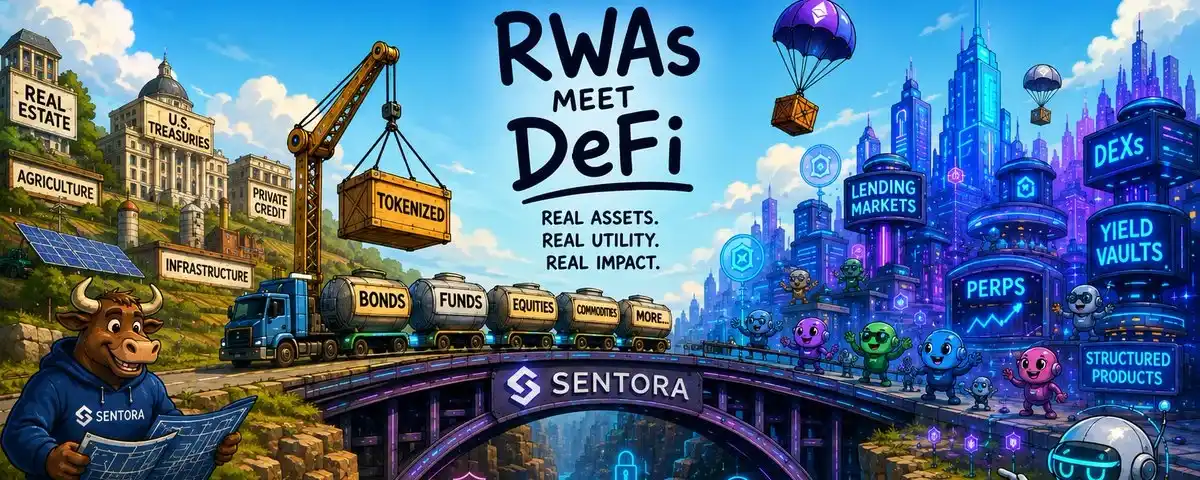
Is RWA Still Meaningful Without DeFi?

The article "Would RWA Still Matter Without DeFi?" argues that tokenizing real-world assets (RWA) alone, like putting a barcode on a container, is not transformative. True value emerges when these tokenized assets are integrated into decentralized finance (DeFi) ecosystems, enabling valuation, financing, hedging, trading, and loss management in a programmable, automated manner. Tokenization provides digital representation, but DeFi provides utility through leverage, liquidity, and composability. The core challenge lies in aligning the different "time clocks" of blockchain (fast, 24/7), traditional markets (limited hours), and asset redemption (slow processes), which creates liquidation risks and gaps. Effective RWA integration requires more than a token; it needs a full stack: legally enforceable rights, reliable data oracles, clear transfer rules, executable secondary liquidity, appropriate collateral parameters, and credible loss resolution paths. Liquidity is defined not by total value locked (TVL) but by the ability to exit a position under stress within a required timeframe. Risk management for RWAs must be modeled as a dependency graph, monitoring interconnected nodes like issuers, custodians, oracles, and liquidity pools for early warning signs beyond just price data. While tokenized government bonds serve as an initial "ping test," the future lies in more complex assets like computing power and energy, which require bespoke risk models. Tokenized stocks paired with perpetual futures present a major test, combining global equity ownership with crypto-native leverage, necessitating robust architectural safeguards like isolation and dynamic collateral rules. The conclusion is that without DeFi, RWA tokenization offers limited value—improving distribution and transparency. The significant opportunity arises when tokenized assets become functional components within open, programmable capital markets, where they can be used as collateral and facilitate complex financial strategies. The token is merely the barcode; the market operating system is the real machine.

marsbit6m ago

Is RWA Still Meaningful Without DeFi?

marsbit6m ago

Government Intervention in the Bond Market: What Does It Mean?

On August 19, 2026, the U.S. Treasury unexpectedly announced it would at least double the size of its long-term Treasury buyback operations, starting September 9. The move triggered an immediate market reaction, with the 30-year yield falling 9 basis points. This intervention came against a backdrop of the 30-year yield hitting a 19-year high of 5.34% the previous day, driven by persistent inflation, high oil prices, deteriorating U.S. fiscal health with public debt surpassing $40 trillion, and a global "buyers' strike" for long-dated bonds. Treasury buybacks involve the government repurchasing older, less liquid bonds from the market via reverse auctions to improve market functioning, not to reduce overall debt. While the action provided tactical relief and signaled the Treasury's willingness to intervene, analysts caution it does not address core structural issues: massive fiscal deficits, high borrowing needs, and fading demand from traditional buyers like foreign central banks. For investors, the announcement offered short-term support for long-duration bond ETFs and boosted assets like gold, which rose 2.7%. However, it's unlikely to significantly lower mortgage rates or alter the challenging environment for long-term bonds. The key takeaway is the distinction between a tactical market operation and the unresolved structural pressures that continue to push yields higher, requiring close monitoring of upcoming economic data, Treasury auctions, and potential signals of more aggressive policy measures.

marsbit10m ago

Government Intervention in the Bond Market: What Does It Mean?

marsbit10m ago

After 'Bessent Put', How Far Is the U.S. from Restarting QE?

Following an unscheduled announcement from the U.S. Treasury Department on August 19th, investor discussions have intensified regarding the potential for future policy interventions in long-term bond markets. The Treasury increased the maximum size of its regular buyback operations for 10-to-30 year bonds from $2 billion to $4 billion, citing a desire to improve liquidity. This move came shortly after a surge in long-term yields, with the 30-year Treasury yield briefly touching 5.34%. Market analysts, rather than focusing on the modest operational size, have interpreted the timing—outside the normal quarterly communication window—as a significant signal. The move has been dubbed the "Bessent Put," implying the market's growing expectation that Treasury officials, led by Deputy Secretary Josh Bessent, may act to prevent a disorderly rise in long-term borrowing costs. This perception represents a potential shift in the market's view of the government's "policy reaction function." The underlying pressures on long-term bonds are multifaceted, including large fiscal deficits, increased Treasury supply, a rise in corporate debt issuance for AI infrastructure (creating a "crowding out" effect), and uncertainty around foreign holdings, particularly from Japan. Geopolitical risks in the Middle East further complicate the policy landscape, potentially creating conflicting pressures between fighting inflation and managing financing costs. However, the article clarifies that this Treasury buyback program is distinct from Quantitative Easing (QE). It is a debt management operation, not a Federal Reserve balance sheet expansion. While the announcement opens the door for market speculation about more forceful tools like Yield Curve Control (YCC) or a return to QE, analysts note that conditions would need to deteriorate significantly for such measures to be implemented. For now, the "Bessent Put" reflects a change in market expectations about possible policy boundaries, not an imminent launch of new monetary stimulus.

marsbit10m ago

After 'Bessent Put', How Far Is the U.S. from Restarting QE?

marsbit10m ago

Is Stablecoin Really Necessary for Cross-border Payments?

"Is Stablecoin Truly Necessary for Cross-Border Payments? While stablecoins are often praised as superior for cross-border transfers—especially if the recipient desires crypto—their advantage is less clear in traditional cross-currency scenarios (e.g., USD to Mexican Peso). The existing correspondent banking system is slow and costly (≈15% fees) due to multiple intermediaries. Modern fintech solutions like Wise have dramatically improved this by using a netting model: they hold local currency pools and settle payments domestically, avoiding actual cross-border fund movement. This offers near-instant transfers with low, transparent fees (averaging ~0.52%). The 'stablecoin sandwich' model (convert fiat to stablecoin, transfer on-chain, convert to local fiat) offers similar user experience but doesn't inherently provide major cost or speed advantages over fintech. Its on-chain transfer is cheap, but fiat conversion spreads remain. Stablecoin's real innovation is 'unbundling' the cross-border payment stack. Instead of requiring a proprietary global network like Wise, businesses only need reliable on- and off-ramps in specific corridors. This lowers market entry barriers, fosters competition among local providers, and can drive down costs, particularly for niche or underserved corridors (e.g., US to Africa). While vertical integration may reoccur, the open, permissionless nature of the underlying blockchain layer makes monopolistic pricing difficult. The long-term benefit is the potential redistribution of value—previously captured as intermediary rents—to consumers through lower costs."

marsbit14m ago

Is Stablecoin Really Necessary for Cross-border Payments?

marsbit14m ago

Ethereum Finally 'Bounces Back'! ETH Returns to the Golden Line, What's Different About This Rally?

Ethereum has surged above $2,300, a level not seen in over three months, marking a significant recovery and technical breakthrough by reclaiming key resistance levels, including the weekly EMA50 for the first time in the current bear market. The rally has been fueled by a combination of factors: improved market risk appetite, positive regulatory sentiment, and a major short squeeze where over 88% of recent ETH liquidations were short positions. The ETH/BTC ratio has also broken its long-term downtrend, indicating renewed strength for Ethereum relative to Bitcoin. Fundamentally, Ethereum spot ETFs have shown strong inflows, outperforming their Bitcoin counterparts in recent months. Wall Street institutions like Morgan Stanley and JPMorgan have notably increased their ETH exposure, while several banks have added or expanded positions in ETH ETFs. On-chain fundamentals remain robust, with the proportion of staked ETH reaching a new all-time high of nearly 33.7%. Data indicates long-term holding sentiment, as small wallet holdings increased while large outflows were often directed towards staking or contracts, not selling. However, potential headwinds include declining staking yields and community debate over proposals to adjust staking rewards at high participation levels. The upcoming Glamsterdam upgrade, featuring improvements to validator exit efficiency, could enhance liquidity and further attract institutional stakers. While the rebound is supported by sentiment, capital flows, and fundamentals, its sustainability hinges on continued positive developments.

marsbit14m ago

Ethereum Finally 'Bounces Back'! ETH Returns to the Golden Line, What's Different About This Rally?

marsbit14m ago

Trading

Spot

Hot Articles

What is SONIC

Sonic: Pioneering the Future of Gaming in Web3 Introduction to Sonic In the ever-evolving landscape of Web3, the gaming industry stands out as one of the most dynamic and promising sectors. At the forefront of this revolution is Sonic, a project designed to amplify the gaming ecosystem on the Solana blockchain. Leveraging cutting-edge technology, Sonic aims to deliver an unparalleled gaming experience by efficiently processing millions of requests per second, ensuring that players enjoy seamless gameplay while maintaining low transaction costs. This article delves into the intricate details of Sonic, exploring its creators, funding sources, operational mechanics, and the timeline of significant events that have shaped its journey. What is Sonic? Sonic is an innovative layer-2 network that operates atop the Solana blockchain, specifically tailored to enhance the existing Solana gaming ecosystem. It accomplishes this through a customised, VM-agnostic game engine paired with a HyperGrid interpreter, facilitating sovereign game economies that roll up back to the Solana platform. The primary goals of Sonic include: Enhanced Gaming Experiences: Sonic is committed to offering lightning-fast on-chain gameplay, allowing players and developers to engage with games at previously unattainable speeds. Atomic Interoperability: This feature enables transactions to be executed within Sonic without the need to redeploy Solana programmes and accounts. This makes the process more efficient and directly benefits from Solana Layer1 services and liquidity. Seamless Deployment: Sonic allows developers to write for Ethereum Virtual Machine (EVM) based systems and execute them on Solana’s SVM infrastructure. This interoperability is crucial for attracting a broader range of dApps and decentralised applications to the platform. Support for Developers: By offering native composable gaming primitives and extensible data types - dining within the Entity-Component-System (ECS) framework - game creators can craft intricate business logic with ease. Overall, Sonic's unique approach not only caters to players but also provides an accessible and low-cost environment for developers to innovate and thrive. Creator of Sonic The information regarding the creator of Sonic is somewhat ambiguous. However, it is known that Sonic's SVM is owned by the company Mirror World. The absence of detailed information about the individuals behind Sonic reflects a common trend in several Web3 projects, where collective efforts and partnerships often overshadow individual contributions. Investors of Sonic Sonic has garnered considerable attention and support from various investors within the crypto and gaming sectors. Notably, the project raised an impressive $12 million during its Series A funding round. The round was led by BITKRAFT Ventures, with other notable investors including Galaxy, Okx Ventures, Interactive, Big Brain Holdings, and Mirana. This financial backing signifies the confidence that investment foundations have in Sonic’s potential to revolutionise the Web3 gaming landscape, further validating its innovative approaches and technologies. How Does Sonic Work? Sonic utilises the HyperGrid framework, a sophisticated parallel processing mechanism that enhances its scalability and customisability. Here are the core features that set Sonic apart: Lightning Speed at Low Costs: Sonic offers one of the fastest on-chain gaming experiences compared to other Layer-1 solutions, powered by the scalability of Solana’s virtual machine (SVM). Atomic Interoperability: Sonic enables transaction execution without redeployment of Solana programmes and accounts, effectively streamlining the interaction between users and the blockchain. EVM Compatibility: Developers can effortlessly migrate decentralised applications from EVM chains to the Solana environment using Sonic’s HyperGrid interpreter, increasing the accessibility and integration of various dApps. Ecosystem Support for Developers: By exposing native composable gaming primitives, Sonic facilitates a sandbox-like environment where developers can experiment and implement business logic, greatly enhancing the overall development experience. Monetisation Infrastructure: Sonic natively supports growth and monetisation efforts, providing frameworks for traffic generation, payments, and settlements, thereby ensuring that gaming projects are not only viable but also sustainable financially. Timeline of Sonic The evolution of Sonic has been marked by several key milestones. Below is a brief timeline highlighting critical events in the project's history: 2022: The Sonic cryptocurrency was officially launched, marking the beginning of its journey in the Web3 gaming arena. 2024: June: Sonic SVM successfully raised $12 million in a Series A funding round. This investment allowed Sonic to further develop its platform and expand its offerings. August: The launch of the Sonic Odyssey testnet provided users with the first opportunity to engage with the platform, offering interactive activities such as collecting rings—a nod to gaming nostalgia. October: SonicX, an innovative crypto game integrated with Solana, made its debut on TikTok, capturing the attention of over 120,000 users within a short span. This integration illustrated Sonic’s commitment to reaching a broader, global audience and showcased the potential of blockchain gaming. Key Points Sonic SVM is a revolutionary layer-2 network on Solana explicitly designed to enhance the GameFi landscape, demonstrating great potential for future development. HyperGrid Framework empowers Sonic by introducing horizontal scaling capabilities, ensuring that the network can handle the demands of Web3 gaming. Integration with Social Platforms: The successful launch of SonicX on TikTok displays Sonic’s strategy to leverage social media platforms to engage users, exponentially increasing the exposure and reach of its projects. Investment Confidence: The substantial funding from BITKRAFT Ventures, among others, emphasizes the robust backing Sonic has, paving the way for its ambitious future. In conclusion, Sonic encapsulates the essence of Web3 gaming innovation, striking a balance between cutting-edge technology, developer-centric tools, and community engagement. As the project continues to evolve, it is poised to redefine the gaming landscape, making it a notable entity for gamers and developers alike. As Sonic moves forward, it will undoubtedly attract greater interest and participation, solidifying its place within the broader narrative of blockchain gaming.

2.4k Total ViewsPublished 2024.04.04Updated 2024.12.03

What is SONIC

What is $S$

Understanding SPERO: A Comprehensive Overview Introduction to SPERO As the landscape of innovation continues to evolve, the emergence of web3 technologies and cryptocurrency projects plays a pivotal role in shaping the digital future. One project that has garnered attention in this dynamic field is SPERO, denoted as SPERO,$$s$. This article aims to gather and present detailed information about SPERO, to help enthusiasts and investors understand its foundations, objectives, and innovations within the web3 and crypto domains. What is SPERO,$$s$? SPERO,$$s$ is a unique project within the crypto space that seeks to leverage the principles of decentralisation and blockchain technology to create an ecosystem that promotes engagement, utility, and financial inclusion. The project is tailored to facilitate peer-to-peer interactions in new ways, providing users with innovative financial solutions and services. At its core, SPERO,$$s$ aims to empower individuals by providing tools and platforms that enhance user experience in the cryptocurrency space. This includes enabling more flexible transaction methods, fostering community-driven initiatives, and creating pathways for financial opportunities through decentralised applications (dApps). The underlying vision of SPERO,$$s$ revolves around inclusiveness, aiming to bridge gaps within traditional finance while harnessing the benefits of blockchain technology. Who is the Creator of SPERO,$$s$? The identity of the creator of SPERO,$$s$ remains somewhat obscure, as there are limited publicly available resources providing detailed background information on its founder(s). This lack of transparency can stem from the project's commitment to decentralisation—an ethos that many web3 projects share, prioritising collective contributions over individual recognition. By centring discussions around the community and its collective goals, SPERO,$$s$ embodies the essence of empowerment without singling out specific individuals. As such, understanding the ethos and mission of SPERO remains more important than identifying a singular creator. Who are the Investors of SPERO,$$s$? SPERO,$$s$ is supported by a diverse array of investors ranging from venture capitalists to angel investors dedicated to fostering innovation in the crypto sector. The focus of these investors generally aligns with SPERO's mission—prioritising projects that promise societal technological advancement, financial inclusivity, and decentralised governance. These investor foundations are typically interested in projects that not only offer innovative products but also contribute positively to the blockchain community and its ecosystems. The backing from these investors reinforces SPERO,$$s$ as a noteworthy contender in the rapidly evolving domain of crypto projects. How Does SPERO,$$s$ Work? SPERO,$$s$ employs a multi-faceted framework that distinguishes it from conventional cryptocurrency projects. Here are some of the key features that underline its uniqueness and innovation: Decentralised Governance: SPERO,$$s$ integrates decentralised governance models, empowering users to participate actively in decision-making processes regarding the project’s future. This approach fosters a sense of ownership and accountability among community members. Token Utility: SPERO,$$s$ utilises its own cryptocurrency token, designed to serve various functions within the ecosystem. These tokens enable transactions, rewards, and the facilitation of services offered on the platform, enhancing overall engagement and utility. Layered Architecture: The technical architecture of SPERO,$$s$ supports modularity and scalability, allowing for seamless integration of additional features and applications as the project evolves. This adaptability is paramount for sustaining relevance in the ever-changing crypto landscape. Community Engagement: The project emphasises community-driven initiatives, employing mechanisms that incentivise collaboration and feedback. By nurturing a strong community, SPERO,$$s$ can better address user needs and adapt to market trends. Focus on Inclusion: By offering low transaction fees and user-friendly interfaces, SPERO,$$s$ aims to attract a diverse user base, including individuals who may not previously have engaged in the crypto space. This commitment to inclusion aligns with its overarching mission of empowerment through accessibility. Timeline of SPERO,$$s$ Understanding a project's history provides crucial insights into its development trajectory and milestones. Below is a suggested timeline mapping significant events in the evolution of SPERO,$$s$: Conceptualisation and Ideation Phase: The initial ideas forming the basis of SPERO,$$s$ were conceived, aligning closely with the principles of decentralisation and community focus within the blockchain industry. Launch of Project Whitepaper: Following the conceptual phase, a comprehensive whitepaper detailing the vision, goals, and technological infrastructure of SPERO,$$s$ was released to garner community interest and feedback. Community Building and Early Engagements: Active outreach efforts were made to build a community of early adopters and potential investors, facilitating discussions around the project’s goals and garnering support. Token Generation Event: SPERO,$$s$ conducted a token generation event (TGE) to distribute its native tokens to early supporters and establish initial liquidity within the ecosystem. Launch of Initial dApp: The first decentralised application (dApp) associated with SPERO,$$s$ went live, allowing users to engage with the platform's core functionalities. Ongoing Development and Partnerships: Continuous updates and enhancements to the project's offerings, including strategic partnerships with other players in the blockchain space, have shaped SPERO,$$s$ into a competitive and evolving player in the crypto market. Conclusion SPERO,$$s$ stands as a testament to the potential of web3 and cryptocurrency to revolutionise financial systems and empower individuals. With a commitment to decentralised governance, community engagement, and innovatively designed functionalities, it paves the way toward a more inclusive financial landscape. As with any investment in the rapidly evolving crypto space, potential investors and users are encouraged to research thoroughly and engage thoughtfully with the ongoing developments within SPERO,$$s$. The project showcases the innovative spirit of the crypto industry, inviting further exploration into its myriad possibilities. While the journey of SPERO,$$s$ is still unfolding, its foundational principles may indeed influence the future of how we interact with technology, finance, and each other in interconnected digital ecosystems.

429 Total ViewsPublished 2024.12.17Updated 2024.12.17

What is $S$

What is AGENT S

Agent S: The Future of Autonomous Interaction in Web3 Introduction In the ever-evolving landscape of Web3 and cryptocurrency, innovations are constantly redefining how individuals interact with digital platforms. One such pioneering project, Agent S, promises to revolutionise human-computer interaction through its open agentic framework. By paving the way for autonomous interactions, Agent S aims to simplify complex tasks, offering transformative applications in artificial intelligence (AI). This detailed exploration will delve into the project's intricacies, its unique features, and the implications for the cryptocurrency domain. What is Agent S? Agent S stands as a groundbreaking open agentic framework, specifically designed to tackle three fundamental challenges in the automation of computer tasks: Acquiring Domain-Specific Knowledge: The framework intelligently learns from various external knowledge sources and internal experiences. This dual approach empowers it to build a rich repository of domain-specific knowledge, enhancing its performance in task execution. Planning Over Long Task Horizons: Agent S employs experience-augmented hierarchical planning, a strategic approach that facilitates efficient breakdown and execution of intricate tasks. This feature significantly enhances its ability to manage multiple subtasks efficiently and effectively. Handling Dynamic, Non-Uniform Interfaces: The project introduces the Agent-Computer Interface (ACI), an innovative solution that enhances the interaction between agents and users. Utilizing Multimodal Large Language Models (MLLMs), Agent S can navigate and manipulate diverse graphical user interfaces seamlessly. Through these pioneering features, Agent S provides a robust framework that addresses the complexities involved in automating human interaction with machines, setting the stage for myriad applications in AI and beyond. Who is the Creator of Agent S? While the concept of Agent S is fundamentally innovative, specific information about its creator remains elusive. The creator is currently unknown, which highlights either the nascent stage of the project or the strategic choice to keep founding members under wraps. Regardless of anonymity, the focus remains on the framework's capabilities and potential. Who are the Investors of Agent S? As Agent S is relatively new in the cryptographic ecosystem, detailed information regarding its investors and financial backers is not explicitly documented. The lack of publicly available insights into the investment foundations or organisations supporting the project raises questions about its funding structure and development roadmap. Understanding the backing is crucial for gauging the project's sustainability and potential market impact. How Does Agent S Work? At the core of Agent S lies cutting-edge technology that enables it to function effectively in diverse settings. Its operational model is built around several key features: Human-like Computer Interaction: The framework offers advanced AI planning, striving to make interactions with computers more intuitive. By mimicking human behaviour in tasks execution, it promises to elevate user experiences. Narrative Memory: Employed to leverage high-level experiences, Agent S utilises narrative memory to keep track of task histories, thereby enhancing its decision-making processes. Episodic Memory: This feature provides users with step-by-step guidance, allowing the framework to offer contextual support as tasks unfold. Support for OpenACI: With the ability to run locally, Agent S allows users to maintain control over their interactions and workflows, aligning with the decentralised ethos of Web3. Easy Integration with External APIs: Its versatility and compatibility with various AI platforms ensure that Agent S can fit seamlessly into existing technological ecosystems, making it an appealing choice for developers and organisations. These functionalities collectively contribute to Agent S's unique position within the crypto space, as it automates complex, multi-step tasks with minimal human intervention. As the project evolves, its potential applications in Web3 could redefine how digital interactions unfold. Timeline of Agent S The development and milestones of Agent S can be encapsulated in a timeline that highlights its significant events: September 27, 2024: The concept of Agent S was launched in a comprehensive research paper titled “An Open Agentic Framework that Uses Computers Like a Human,” showcasing the groundwork for the project. October 10, 2024: The research paper was made publicly available on arXiv, offering an in-depth exploration of the framework and its performance evaluation based on the OSWorld benchmark. October 12, 2024: A video presentation was released, providing a visual insight into the capabilities and features of Agent S, further engaging potential users and investors. These markers in the timeline not only illustrate the progress of Agent S but also indicate its commitment to transparency and community engagement. Key Points About Agent S As the Agent S framework continues to evolve, several key attributes stand out, underscoring its innovative nature and potential: Innovative Framework: Designed to provide an intuitive use of computers akin to human interaction, Agent S brings a novel approach to task automation. Autonomous Interaction: The ability to interact autonomously with computers through GUI signifies a leap towards more intelligent and efficient computing solutions. Complex Task Automation: With its robust methodology, it can automate complex, multi-step tasks, making processes faster and less error-prone. Continuous Improvement: The learning mechanisms enable Agent S to improve from past experiences, continually enhancing its performance and efficacy. Versatility: Its adaptability across different operating environments like OSWorld and WindowsAgentArena ensures that it can serve a broad range of applications. As Agent S positions itself in the Web3 and crypto landscape, its potential to enhance interaction capabilities and automate processes signifies a significant advancement in AI technologies. Through its innovative framework, Agent S exemplifies the future of digital interactions, promising a more seamless and efficient experience for users across various industries. Conclusion Agent S represents a bold leap forward in the marriage of AI and Web3, with the capacity to redefine how we interact with technology. While still in its early stages, the possibilities for its application are vast and compelling. Through its comprehensive framework addressing critical challenges, Agent S aims to bring autonomous interactions to the forefront of the digital experience. As we move deeper into the realms of cryptocurrency and decentralisation, projects like Agent S will undoubtedly play a crucial role in shaping the future of technology and human-computer collaboration.

1.1k Total ViewsPublished 2025.01.14Updated 2025.01.14

What is AGENT S

Discussions

Welcome to the HTX Community. Here, you can stay informed about the latest platform developments and gain access to professional market insights. Users' opinions on the price of S (S) are presented below.

活动图片