¿Puede Manus, que reinicia su vida, reiniciar las reglas del juego de la IA para la expansión global?

marsbitPublished on 2026-08-14Last updated on 2026-08-14

Abstract

El manuscrito de noticias describe el resurgimiento de Manus, una empresa de IA que recuperó su independencia tras una fallida adquisición por Meta, un proceso influenciado por la nueva regulación china de inversión exterior (Decreto 837). El artículo analiza el caso de Manus como un ejemplo de los riesgos de una estructura corporativa no cumplida establecida tardíamente, destacando la creciente importancia para las startups de IA de definir desde el principio una arquitectura legal global y clara para operar en el extranjero. Se señala una tendencia hacia una elección binaria: enfocarse en el mercado interno chino o en el exterior, siendo la ruta "investigación y desarrollo en China, ventas en el extranjero" una opción viable si se gestiona correctamente la exportación de tecnología. Los inversores, aunque aún activos, ahora priorizan proyectos con estructuras sólidas desde su fundación. Finalmente, se distingue entre los retos de los mercados B2C, donde los emprendedores chinos son fuertes, y los B2B, donde la penetración en grandes empresas occidentales requiere capacidades comerciales locales complejas. El decreto 837 convierte la "arquitectura previa" en una obligación, y la historia de Manus advierte sobre los costes de operar en períodos de ambigü regulatoria.

Artículo | Laboratorio de IA Xia Guang, autor | Li Xiaotian

Cuando casi todo el sector de la IA lo había olvidado, Manus regresó.

El 11 de agosto, Manus publicó en su sitio web una carta dirigida a los usuarios: recuperaría su estatus de empresa independiente y continuaría sirviendo a usuarios de todo el mundo. La carta no mencionaba los progresos específicos de la recompra por parte de antiguos accionistas como Tencent o ZhenFund, y su tono era comedido, casi impasible. El único detalle digno de atención estaba escondido en un apéndice: para cumplir con los requisitos regulatorios de regiones específicas, algunos datos generados por los usuarios después del 29 de diciembre de 2025 serían eliminados entre el 23 y el 24 de agosto. Ese día fue justo cuando Meta anunció la adquisición de Manus. Trazar una línea fronteriza de datos para poner punto final a una relación de adquisición es, en cierto sentido, también la forma más digna de separación entre Manus y Meta.

Desde su explosión de popularidad en marzo de 2025, hasta su venta a Meta a finales de ese año con una valoración de entre 2,000 y 3,000 millones de dólares, pasando por la suspensión de la transacción por parte de los reguladores chinos en abril de 2026, y finalmente la recompra por inversores nacionales y la recuperación de su independencia, Manus comprimió en poco más de un año una trama que la mayoría de las startups no llegan a vivir en toda su existencia. Y su momento de reinicio coincide justo después de otro acontecimiento: las "Disposiciones del Consejo de Estado sobre Inversiones en el Exterior" (Decreto N° 837 del Consejo de Estado) entraron en vigor el 1 de julio.

Ver estos dos hechos juntos es más interesante que ver cualquiera de ellos por separado.

Una nueva regulación, un caso ejemplar negativo

El Decreto 837 fue aprobado en la 83ª reunión ejecutiva del Consejo de Estado el 17 de abril de 2026. Consta de 34 artículos que aclaran el ámbito de aplicación de la inversión en el exterior, con el objetivo de "promover una apertura de alto nivel, fomentar el desarrollo de calidad de la inversión en el exterior" y, al mismo tiempo, "salvaguardar la soberanía, la seguridad y los intereses de desarrollo nacionales". Las disposiciones enfatizan que los inversores tienen, según la ley, autonomía para invertir en el exterior y pueden tomar decisiones independientes, asumir sus propios riesgos y responsabilizarse por sus ganancias y pérdidas. Pero la premisa de esta autonomía es la legalidad y conformidad desde el establecimiento inicial de la estructura.

Ellen, quien trabaja en Singapur en servicios de inversión y crecimiento para la expansión global de la IA (anteriormente dirigía inversiones en fondos de capital de riesgo en dólares en China), considera que esta nueva regulación y el caso de Manus son casi las dos caras de la misma lógica: la política está delimitando los límites, y Manus justamente pisó el terreno durante el período de ambigüedad regulatoria. En su opinión, el problema de Manus no fue la falta de dinero ni de usuarios, sino un "cambio de estructura oportunista". La compañía completó la transferencia de una entidad china a una entidad de Singapur durante un período de ambigüedad política, sin haber aclarado la estructura de cumplimiento desde su fundación. Sumado a la excesiva exposición del producto en sí, atrajo una atención mucho mayor de la esperada en una ventana sensible.

Este juicio también concuerda con la esencia tecnológica de Manus: el científico jefe, Ji Yichao, admitió públicamente que Manus se construyó sobre capacidades de modelos externos como Claude y Qwen, y diversas tecnologías de código abierto. Su ventaja competitiva clave no reside en un código base que nadie más pueda escribir, sino en su capacidad de integración de producto y en la mentalidad de usuario que logró establecer anticipadamente en marzo de 2025.

En otras palabras, Manus carecía de barreras tecnológicas lo suficientemente fuertes como para justificar su alto perfil. Una vez que fue alcanzado por problemas estructurales y la atención de la opinión pública, casi no tuvo espacio de amortiguación.

Después de Manus, ¿qué se considera una "expansión global robusta"?

El colapso de Manus no significa que el camino de la expansión global sea inviable. En el contexto del mercado actual, al menos hay dos capas de realidad que vale la pena desglosar.

En primer lugar, el lado del capital no ha enfriado su entusiasmo debido al caso de Manus. Según Ellen, los principales fondos de capital de riesgo en dólares en Singapur y Australia están contratando específicamente a gerentes de inversión nativos de chino para descubrir proyectos de emprendedores chinos de IA que buscan expandirse globalmente. La lógica de inversión de los fondos de capital de riesgo en dólares en China tampoco se ha endurecido significativamente por el incidente de Manus; el capital sigue fluyendo activamente hacia proyectos dirigidos a mercados extranjeros. La tensión geopolítica no ha reducido el dinero, sino que lo ha vuelto más exigente.

Al mismo tiempo, la conformidad se ha vuelto particularmente importante. Los inversores ahora seleccionan por estructura: un tipo de proyecto se posiciona en el mercado global desde su fundación, adoptando directamente una entidad en el extranjero; otro tipo es el "cambio de estructura tardío" al estilo de Manus, trasladando el negocio al exterior una vez que ha crecido. El primero es diseño, el segundo es remediación, y el costo de la remediación suele ser un agujero de cumplimiento interminable. Esto es precisamente lo que el Decreto 837 pretende tapar: las empresas deben respetar tanto las líneas rojas en China como cumplir con la seguridad de datos y la conformidad comercial del mercado objetivo. No hay opción para elegir en el cumplimiento dual.
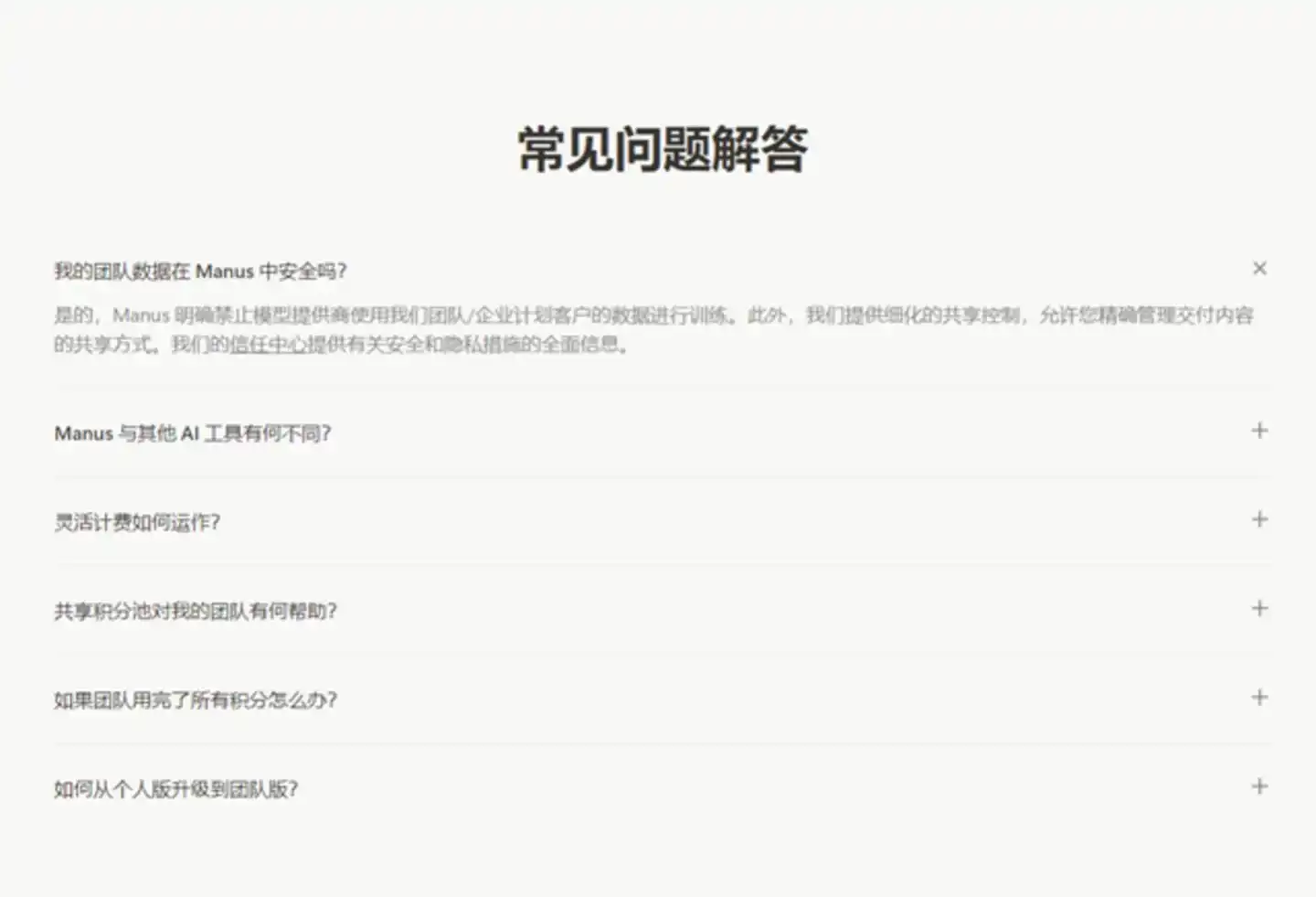
Fuente de la imagen: Sitio web oficial de Manus

Sin embargo, es fácil confundir la estructuración anticipada con otra operación más superficial: cambiar la dirección de registro, fingiendo ser una "compañía extranjera". Esta línea divisoria fue expresada con claridad por el inversor Zhu Xiaohu en un evento público anterior: "No importa a dónde traslades tu compañía, los inversores y los clientes saben que seguirán considerándote una empresa china. Fingir es inútil." Su ejemplo también fue directo: recientemente, varias compañías trasladaron su sede a Estados Unidos, esperando que un cambio de dirección les permitiera obtener financiación del Valle del Silicio. El resultado fue que no lograron la financiación y volvieron a buscar inversores chinos. "Se mudaron en vano."

Al respecto, Ellen compartió con Xia Guang AI un caso de estudio que puede servir como grupo de contraste para Manus: ccMonet.AI, una empresa nativa de IA en finanzas con base en Singapur. Se enfoca en automatización de contabilidad, conciliación e impuestos para pequeñas y medianas empresas, destacando "procesamiento por IA + revisión por contadores certificados". Ya sirve a más de 1,000 clientes corporativos, con presencia en Singapur, Estados Unidos y el Reino Unido. La entidad legal, 2ND BRAIN PTE. LTD., está registrada en Singapur. El fundador, Hua Mao, es un emprendedor en serie que abarca China y Singapur. Desde 2022, la sede y el negocio principal se establecieron en Singapur desde el primer día, con el desarrollo subcontratado a un equipo en China, aprovechando la ventaja de eficiencia en I+D china. La estructura de cumplimiento se completó desde el punto de partida, sin necesidad de recuperar el tiempo perdido después de que la compañía creciera.

El mercado está forzando una elección binaria, y las formas de producto también se están dividiendo

Además, Ellen mencionó una tendencia más estructural: las startups de IA están siendo empujadas hacia una elección binaria de "o profundizan en el mercado nacional, o se enfocan en el mercado extranjero". Intentar cubrir ambos frentes es extremadamente difícil.

Detrás de esto hay un reconocimiento pragmático. Un inversor cercano a Manus le dijo a los medios: "Para el talento de primer nivel, la movilidad no existe. Siempre que quieras emprender, ese emprendimiento debe pertenecer a un tiempo y espacio específicos. Estos nuevos emprendedores en China, como las personas más inteligentes entre la multitud, deberían tener la capacidad suficiente para interpretar estas cosas."

Esto también significa que las empresas deben aclarar su posicionamiento lo antes posible. Si se opta por la ruta de "I+D en China, ventas en el extranjero", el plan óptimo es que la empresa extranjera solo se encargue de las ventas, manteniendo toda la tecnología clave en China, evitando así problemas de cumplimiento relacionados con la exportación o transferencia de tecnología desde la raíz. Siempre que el desempeño del negocio de ventas en el extranjero sea estable, o que el producto se base en modelos de código abierto, la financiación posterior en el extranjero o la cotización en bolsa no encontrarán obstáculos importantes. Sin embargo, si se busca empaquetar de manera integrada la I+D con las ventas en el extranjero para buscar una valoración más alta, se debe definir claramente si la empresa tiene su sede en China o en Estados Unidos. Ambos escenarios enfrentarán requisitos de control de exportación de tecnología china completamente diferentes, requiriendo una planificación integral anticipada.

Para las empresas de IA que buscan expandirse globalmente, la elección entre los segmentos B2B y B2C es una decisión estratégica tan crucial como la ubicación del mercado principal.

En la opinión de Zhu Xiaohu, para los usuarios finales (C), los emprendedores chinos no tienen rival en el mercado global. Casi todas las aplicaciones de consumo que alcanzaron una escala de decenas de miles de millones de dólares en la última década fueron creadas por equipos chinos. Esta es también una de las razones por las que los capitalistas de riesgo estadounidenses han invertido menos en el segmento de consumo en los últimos años. Pero para el sector empresarial (B), especialmente vender a grandes empresas estadounidenses, la comercialización (Go-to-Market) es una batalla difícil, con cadenas de adquisición largas y una lenta construcción de confianza. El punto de inflexión que él señala es un ingreso recurrente anual (ARR) de 50 millones de dólares: antes de eso, el crecimiento impulsado por el producto (PLG) puede sostenerlo; después, se debe cambiar al crecimiento impulsado por ventas (SLG), formando un equipo de ventas que pueda penetrar en las redes de relaciones locales. Este paso presenta una dificultad abruptamente mayor para los fundadores chinos.

La conclusión de Zhu Xiaohu representa el consenso actual de muchos inversores de primera línea: la estructura de cumplimiento determina si se puede sobrevivir, pero la fuerza del producto y la rentabilidad determinan qué tan bien se puede vivir. Después de la entrada en vigor del Decreto 837, la "estructuración anticipada" pasará de ser una elección de los astutos a una lección obligatoria para todos. Y Manus, con su año de experiencias dramáticas, demostró una cosa: la ventana de oportunidad no espera a nadie. Los períodos de ambigüedad política pueden parecer una oportunidad, pero el costo a menudo se paga después de que la ventana se cierra.

Trending Cryptos

Related Questions

Q¿Quién es Manus y qué ha sucedido recientemente en su trayectoria?

AManus es una empresa de IA que ganó popularidad en marzo de 2025 y fue adquirida por Meta a finales de ese año con una valoración de 20.000 a 30.000 millones de dólares. En abril de 2026, la transacción fue detenida por los reguladores chinos, y finalmente los antiguos inversores recompraron la empresa, permitiéndole recuperar su independencia. El 11 de agosto, anunció que reanudaría sus operaciones como empresa independiente.

Q¿Qué es el Decreto 837 del Consejo de Estado y qué relación tiene con el caso de Manus?

AEl Decreto 837 del Consejo de Estado (o 'Disposiciones sobre Inversiones en el Extranjero') entró en vigor el 1 de julio. Establece el marco para las inversiones en el exterior, promoviendo la apertura y el desarrollo, al tiempo que salvaguarda la soberanía, seguridad e intereses nacionales. El caso de Manus se considera un ejemplo de los riesgos de no tener una estructura legal y de cumplimiento clara desde el inicio, lo que el decreto busca prevenir.

QSegún el artículo, ¿cuál fue el principal error estratégico de Manus según los expertos citados?

AEl principal error estratégico de Manus, según expertos como Ellen, fue la 'cambio especulativo de estructura' o 'cambio de caparazón'. La empresa transfirió su entidad principal de China a Singapur durante un período de ambigüedad regulatoria, en lugar de establecer una estructura global y cumplidora desde su fundación. Esto, unido a su gran exposición pública en un momento sensible, la hizo vulnerable.

Q¿Qué modelo de negocio se presenta como un ejemplo positivo de 'salida al exterior robusta' en IA?

ASe presenta como ejemplo positivo ccMonet.AI, una empresa de contabilidad nativa de IA con sede en Singapur (2ND BRAIN PTE. LTD.). Su fundador estableció la entidad comercial y la sede en Singapur desde el primer día, subcontratando el I+D a equipos en China. Esta 'estructuración anticipada' garantizó el cumplimiento normativo desde el origen, sin necesidad de ajustes posteriores costosos.

Q¿Cómo ha afectado el caso Manus y las nuevas regulaciones a las estrategias de los inversores y emprendedores en IA?

ALos inversores (tanto en Singapur como en China) siguen interesados en proyectos de IA para mercados globales, pero ahora son más exigentes con la estructura legal y el cumplimiento. Se prefieren empresas diseñadas para ser globales desde su inicio. Además, los emprendedores deben elegir tempranamente entre enfocarse en el mercado doméstico chino o en el exterior, ya que intentar abarcar ambos es muy difícil. La 'estructuración anticipada' se ha vuelto una lección obligatoria.

Related Reads

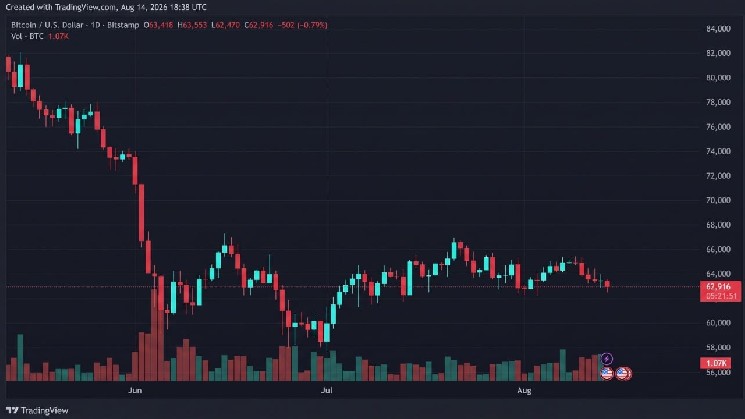
Bitcoin Price Drops to $62,470 as Sellers Retest $63,000 Support Level

Bitcoin's price fell below $63,000 for a second consecutive day on Friday, hitting an intraday low of $62,470. The cryptocurrency later recovered to trade just above $63,000, leaving it nearly flat for the past 24 hours and for August overall, with a weekly loss of 2.6%. The volatility triggered significant liquidations, with $26 million of leveraged long Bitcoin positions liquidated over 24 hours. Market sentiment was further dampened by data showing over $131 million in outflows from spot Bitcoin ETFs for a second straight day, signaling a potential pullback by institutional investors. Adding to the negative pressure, index provider MSCI has proposed new criteria for "non-operating companies" in its global indexes, which could lead to the exclusion of firms holding significant digital assets like Bitcoin on their balance sheets. Companies such as Strategy and Metaplanet could be affected, potentially forcing index-tracking funds to sell their shares. Strategy publicly criticized the proposal, arguing digital assets are legitimate assets and index providers should not dictate what companies can own. Public consultations on MSCI's proposal end September 30, with a final decision expected by October 16. If approved, exclusions could begin in November, potentially triggering sustained institutional selling and damaging a key bridge for Bitcoin adoption in the corporate sector.

cryptonews.ru4m ago

Bitcoin Price Drops to $62,470 as Sellers Retest $63,000 Support Level

cryptonews.ru4m ago

Trading

Spot

Hot Articles

What is SONIC

Sonic: Pioneering the Future of Gaming in Web3 Introduction to Sonic In the ever-evolving landscape of Web3, the gaming industry stands out as one of the most dynamic and promising sectors. At the forefront of this revolution is Sonic, a project designed to amplify the gaming ecosystem on the Solana blockchain. Leveraging cutting-edge technology, Sonic aims to deliver an unparalleled gaming experience by efficiently processing millions of requests per second, ensuring that players enjoy seamless gameplay while maintaining low transaction costs. This article delves into the intricate details of Sonic, exploring its creators, funding sources, operational mechanics, and the timeline of significant events that have shaped its journey. What is Sonic? Sonic is an innovative layer-2 network that operates atop the Solana blockchain, specifically tailored to enhance the existing Solana gaming ecosystem. It accomplishes this through a customised, VM-agnostic game engine paired with a HyperGrid interpreter, facilitating sovereign game economies that roll up back to the Solana platform. The primary goals of Sonic include: Enhanced Gaming Experiences: Sonic is committed to offering lightning-fast on-chain gameplay, allowing players and developers to engage with games at previously unattainable speeds. Atomic Interoperability: This feature enables transactions to be executed within Sonic without the need to redeploy Solana programmes and accounts. This makes the process more efficient and directly benefits from Solana Layer1 services and liquidity. Seamless Deployment: Sonic allows developers to write for Ethereum Virtual Machine (EVM) based systems and execute them on Solana’s SVM infrastructure. This interoperability is crucial for attracting a broader range of dApps and decentralised applications to the platform. Support for Developers: By offering native composable gaming primitives and extensible data types - dining within the Entity-Component-System (ECS) framework - game creators can craft intricate business logic with ease. Overall, Sonic's unique approach not only caters to players but also provides an accessible and low-cost environment for developers to innovate and thrive. Creator of Sonic The information regarding the creator of Sonic is somewhat ambiguous. However, it is known that Sonic's SVM is owned by the company Mirror World. The absence of detailed information about the individuals behind Sonic reflects a common trend in several Web3 projects, where collective efforts and partnerships often overshadow individual contributions. Investors of Sonic Sonic has garnered considerable attention and support from various investors within the crypto and gaming sectors. Notably, the project raised an impressive $12 million during its Series A funding round. The round was led by BITKRAFT Ventures, with other notable investors including Galaxy, Okx Ventures, Interactive, Big Brain Holdings, and Mirana. This financial backing signifies the confidence that investment foundations have in Sonic’s potential to revolutionise the Web3 gaming landscape, further validating its innovative approaches and technologies. How Does Sonic Work? Sonic utilises the HyperGrid framework, a sophisticated parallel processing mechanism that enhances its scalability and customisability. Here are the core features that set Sonic apart: Lightning Speed at Low Costs: Sonic offers one of the fastest on-chain gaming experiences compared to other Layer-1 solutions, powered by the scalability of Solana’s virtual machine (SVM). Atomic Interoperability: Sonic enables transaction execution without redeployment of Solana programmes and accounts, effectively streamlining the interaction between users and the blockchain. EVM Compatibility: Developers can effortlessly migrate decentralised applications from EVM chains to the Solana environment using Sonic’s HyperGrid interpreter, increasing the accessibility and integration of various dApps. Ecosystem Support for Developers: By exposing native composable gaming primitives, Sonic facilitates a sandbox-like environment where developers can experiment and implement business logic, greatly enhancing the overall development experience. Monetisation Infrastructure: Sonic natively supports growth and monetisation efforts, providing frameworks for traffic generation, payments, and settlements, thereby ensuring that gaming projects are not only viable but also sustainable financially. Timeline of Sonic The evolution of Sonic has been marked by several key milestones. Below is a brief timeline highlighting critical events in the project's history: 2022: The Sonic cryptocurrency was officially launched, marking the beginning of its journey in the Web3 gaming arena. 2024: June: Sonic SVM successfully raised $12 million in a Series A funding round. This investment allowed Sonic to further develop its platform and expand its offerings. August: The launch of the Sonic Odyssey testnet provided users with the first opportunity to engage with the platform, offering interactive activities such as collecting rings—a nod to gaming nostalgia. October: SonicX, an innovative crypto game integrated with Solana, made its debut on TikTok, capturing the attention of over 120,000 users within a short span. This integration illustrated Sonic’s commitment to reaching a broader, global audience and showcased the potential of blockchain gaming. Key Points Sonic SVM is a revolutionary layer-2 network on Solana explicitly designed to enhance the GameFi landscape, demonstrating great potential for future development. HyperGrid Framework empowers Sonic by introducing horizontal scaling capabilities, ensuring that the network can handle the demands of Web3 gaming. Integration with Social Platforms: The successful launch of SonicX on TikTok displays Sonic’s strategy to leverage social media platforms to engage users, exponentially increasing the exposure and reach of its projects. Investment Confidence: The substantial funding from BITKRAFT Ventures, among others, emphasizes the robust backing Sonic has, paving the way for its ambitious future. In conclusion, Sonic encapsulates the essence of Web3 gaming innovation, striking a balance between cutting-edge technology, developer-centric tools, and community engagement. As the project continues to evolve, it is poised to redefine the gaming landscape, making it a notable entity for gamers and developers alike. As Sonic moves forward, it will undoubtedly attract greater interest and participation, solidifying its place within the broader narrative of blockchain gaming.

2.3k Total ViewsPublished 2024.04.04Updated 2024.12.03

What is SONIC

What is $S$

Understanding SPERO: A Comprehensive Overview Introduction to SPERO As the landscape of innovation continues to evolve, the emergence of web3 technologies and cryptocurrency projects plays a pivotal role in shaping the digital future. One project that has garnered attention in this dynamic field is SPERO, denoted as SPERO,$$s$. This article aims to gather and present detailed information about SPERO, to help enthusiasts and investors understand its foundations, objectives, and innovations within the web3 and crypto domains. What is SPERO,$$s$? SPERO,$$s$ is a unique project within the crypto space that seeks to leverage the principles of decentralisation and blockchain technology to create an ecosystem that promotes engagement, utility, and financial inclusion. The project is tailored to facilitate peer-to-peer interactions in new ways, providing users with innovative financial solutions and services. At its core, SPERO,$$s$ aims to empower individuals by providing tools and platforms that enhance user experience in the cryptocurrency space. This includes enabling more flexible transaction methods, fostering community-driven initiatives, and creating pathways for financial opportunities through decentralised applications (dApps). The underlying vision of SPERO,$$s$ revolves around inclusiveness, aiming to bridge gaps within traditional finance while harnessing the benefits of blockchain technology. Who is the Creator of SPERO,$$s$? The identity of the creator of SPERO,$$s$ remains somewhat obscure, as there are limited publicly available resources providing detailed background information on its founder(s). This lack of transparency can stem from the project's commitment to decentralisation—an ethos that many web3 projects share, prioritising collective contributions over individual recognition. By centring discussions around the community and its collective goals, SPERO,$$s$ embodies the essence of empowerment without singling out specific individuals. As such, understanding the ethos and mission of SPERO remains more important than identifying a singular creator. Who are the Investors of SPERO,$$s$? SPERO,$$s$ is supported by a diverse array of investors ranging from venture capitalists to angel investors dedicated to fostering innovation in the crypto sector. The focus of these investors generally aligns with SPERO's mission—prioritising projects that promise societal technological advancement, financial inclusivity, and decentralised governance. These investor foundations are typically interested in projects that not only offer innovative products but also contribute positively to the blockchain community and its ecosystems. The backing from these investors reinforces SPERO,$$s$ as a noteworthy contender in the rapidly evolving domain of crypto projects. How Does SPERO,$$s$ Work? SPERO,$$s$ employs a multi-faceted framework that distinguishes it from conventional cryptocurrency projects. Here are some of the key features that underline its uniqueness and innovation: Decentralised Governance: SPERO,$$s$ integrates decentralised governance models, empowering users to participate actively in decision-making processes regarding the project’s future. This approach fosters a sense of ownership and accountability among community members. Token Utility: SPERO,$$s$ utilises its own cryptocurrency token, designed to serve various functions within the ecosystem. These tokens enable transactions, rewards, and the facilitation of services offered on the platform, enhancing overall engagement and utility. Layered Architecture: The technical architecture of SPERO,$$s$ supports modularity and scalability, allowing for seamless integration of additional features and applications as the project evolves. This adaptability is paramount for sustaining relevance in the ever-changing crypto landscape. Community Engagement: The project emphasises community-driven initiatives, employing mechanisms that incentivise collaboration and feedback. By nurturing a strong community, SPERO,$$s$ can better address user needs and adapt to market trends. Focus on Inclusion: By offering low transaction fees and user-friendly interfaces, SPERO,$$s$ aims to attract a diverse user base, including individuals who may not previously have engaged in the crypto space. This commitment to inclusion aligns with its overarching mission of empowerment through accessibility. Timeline of SPERO,$$s$ Understanding a project's history provides crucial insights into its development trajectory and milestones. Below is a suggested timeline mapping significant events in the evolution of SPERO,$$s$: Conceptualisation and Ideation Phase: The initial ideas forming the basis of SPERO,$$s$ were conceived, aligning closely with the principles of decentralisation and community focus within the blockchain industry. Launch of Project Whitepaper: Following the conceptual phase, a comprehensive whitepaper detailing the vision, goals, and technological infrastructure of SPERO,$$s$ was released to garner community interest and feedback. Community Building and Early Engagements: Active outreach efforts were made to build a community of early adopters and potential investors, facilitating discussions around the project’s goals and garnering support. Token Generation Event: SPERO,$$s$ conducted a token generation event (TGE) to distribute its native tokens to early supporters and establish initial liquidity within the ecosystem. Launch of Initial dApp: The first decentralised application (dApp) associated with SPERO,$$s$ went live, allowing users to engage with the platform's core functionalities. Ongoing Development and Partnerships: Continuous updates and enhancements to the project's offerings, including strategic partnerships with other players in the blockchain space, have shaped SPERO,$$s$ into a competitive and evolving player in the crypto market. Conclusion SPERO,$$s$ stands as a testament to the potential of web3 and cryptocurrency to revolutionise financial systems and empower individuals. With a commitment to decentralised governance, community engagement, and innovatively designed functionalities, it paves the way toward a more inclusive financial landscape. As with any investment in the rapidly evolving crypto space, potential investors and users are encouraged to research thoroughly and engage thoughtfully with the ongoing developments within SPERO,$$s$. The project showcases the innovative spirit of the crypto industry, inviting further exploration into its myriad possibilities. While the journey of SPERO,$$s$ is still unfolding, its foundational principles may indeed influence the future of how we interact with technology, finance, and each other in interconnected digital ecosystems.

368 Total ViewsPublished 2024.12.17Updated 2024.12.17

What is $S$

What is AGENT S

Agent S: The Future of Autonomous Interaction in Web3 Introduction In the ever-evolving landscape of Web3 and cryptocurrency, innovations are constantly redefining how individuals interact with digital platforms. One such pioneering project, Agent S, promises to revolutionise human-computer interaction through its open agentic framework. By paving the way for autonomous interactions, Agent S aims to simplify complex tasks, offering transformative applications in artificial intelligence (AI). This detailed exploration will delve into the project's intricacies, its unique features, and the implications for the cryptocurrency domain. What is Agent S? Agent S stands as a groundbreaking open agentic framework, specifically designed to tackle three fundamental challenges in the automation of computer tasks: Acquiring Domain-Specific Knowledge: The framework intelligently learns from various external knowledge sources and internal experiences. This dual approach empowers it to build a rich repository of domain-specific knowledge, enhancing its performance in task execution. Planning Over Long Task Horizons: Agent S employs experience-augmented hierarchical planning, a strategic approach that facilitates efficient breakdown and execution of intricate tasks. This feature significantly enhances its ability to manage multiple subtasks efficiently and effectively. Handling Dynamic, Non-Uniform Interfaces: The project introduces the Agent-Computer Interface (ACI), an innovative solution that enhances the interaction between agents and users. Utilizing Multimodal Large Language Models (MLLMs), Agent S can navigate and manipulate diverse graphical user interfaces seamlessly. Through these pioneering features, Agent S provides a robust framework that addresses the complexities involved in automating human interaction with machines, setting the stage for myriad applications in AI and beyond. Who is the Creator of Agent S? While the concept of Agent S is fundamentally innovative, specific information about its creator remains elusive. The creator is currently unknown, which highlights either the nascent stage of the project or the strategic choice to keep founding members under wraps. Regardless of anonymity, the focus remains on the framework's capabilities and potential. Who are the Investors of Agent S? As Agent S is relatively new in the cryptographic ecosystem, detailed information regarding its investors and financial backers is not explicitly documented. The lack of publicly available insights into the investment foundations or organisations supporting the project raises questions about its funding structure and development roadmap. Understanding the backing is crucial for gauging the project's sustainability and potential market impact. How Does Agent S Work? At the core of Agent S lies cutting-edge technology that enables it to function effectively in diverse settings. Its operational model is built around several key features: Human-like Computer Interaction: The framework offers advanced AI planning, striving to make interactions with computers more intuitive. By mimicking human behaviour in tasks execution, it promises to elevate user experiences. Narrative Memory: Employed to leverage high-level experiences, Agent S utilises narrative memory to keep track of task histories, thereby enhancing its decision-making processes. Episodic Memory: This feature provides users with step-by-step guidance, allowing the framework to offer contextual support as tasks unfold. Support for OpenACI: With the ability to run locally, Agent S allows users to maintain control over their interactions and workflows, aligning with the decentralised ethos of Web3. Easy Integration with External APIs: Its versatility and compatibility with various AI platforms ensure that Agent S can fit seamlessly into existing technological ecosystems, making it an appealing choice for developers and organisations. These functionalities collectively contribute to Agent S's unique position within the crypto space, as it automates complex, multi-step tasks with minimal human intervention. As the project evolves, its potential applications in Web3 could redefine how digital interactions unfold. Timeline of Agent S The development and milestones of Agent S can be encapsulated in a timeline that highlights its significant events: September 27, 2024: The concept of Agent S was launched in a comprehensive research paper titled “An Open Agentic Framework that Uses Computers Like a Human,” showcasing the groundwork for the project. October 10, 2024: The research paper was made publicly available on arXiv, offering an in-depth exploration of the framework and its performance evaluation based on the OSWorld benchmark. October 12, 2024: A video presentation was released, providing a visual insight into the capabilities and features of Agent S, further engaging potential users and investors. These markers in the timeline not only illustrate the progress of Agent S but also indicate its commitment to transparency and community engagement. Key Points About Agent S As the Agent S framework continues to evolve, several key attributes stand out, underscoring its innovative nature and potential: Innovative Framework: Designed to provide an intuitive use of computers akin to human interaction, Agent S brings a novel approach to task automation. Autonomous Interaction: The ability to interact autonomously with computers through GUI signifies a leap towards more intelligent and efficient computing solutions. Complex Task Automation: With its robust methodology, it can automate complex, multi-step tasks, making processes faster and less error-prone. Continuous Improvement: The learning mechanisms enable Agent S to improve from past experiences, continually enhancing its performance and efficacy. Versatility: Its adaptability across different operating environments like OSWorld and WindowsAgentArena ensures that it can serve a broad range of applications. As Agent S positions itself in the Web3 and crypto landscape, its potential to enhance interaction capabilities and automate processes signifies a significant advancement in AI technologies. Through its innovative framework, Agent S exemplifies the future of digital interactions, promising a more seamless and efficient experience for users across various industries. Conclusion Agent S represents a bold leap forward in the marriage of AI and Web3, with the capacity to redefine how we interact with technology. While still in its early stages, the possibilities for its application are vast and compelling. Through its comprehensive framework addressing critical challenges, Agent S aims to bring autonomous interactions to the forefront of the digital experience. As we move deeper into the realms of cryptocurrency and decentralisation, projects like Agent S will undoubtedly play a crucial role in shaping the future of technology and human-computer collaboration.

1.0k Total ViewsPublished 2025.01.14Updated 2025.01.14

What is AGENT S

Discussions

Welcome to the HTX Community. Here, you can stay informed about the latest platform developments and gain access to professional market insights. Users' opinions on the price of S (S) are presented below.

活动图片