Manus tái khởi động cuộc đời, liệu có thể tái khởi động các quy tắc trò chơi cho AI vươn ra biển lớn?

marsbitPublished on 2026-08-14Last updated on 2026-08-14

Abstract

Toàn bộ giới AI gần như đã lãng quên Manus thì họ đã trở lại. Ngày 11/8, Manus thông báo trên trang chủ về việc khôi phục tư cách công ty độc lập và tiếp tục phục vụ người dùng toàn cầu. Điều này diễn ra ngay sau khi "Quy định về Đầu tư Ra nước ngoài của Nhà nước" (Nghị định 837) chính thức có hiệu lực từ ngày 1/7. Sự kiện Manus, từ khi nổi tiếng vào tháng 3/2025, bị Meta thâu tóm rồi bị cơ quan quản lý Trung Quốc dừng giao dịch, cho đến khi được các cổ đông cũ mua lại, đã trở thành một trường hợp điển hình cho bài học về sự tuân thủ quy định. Các chuyên gia chỉ ra vấn đề cốt lõi của Manus là "thay đổi cấu trúc công ty một cách cơ hội" trong thời kỳ quy định còn mơ hồ, thay vì thiết lập một cơ cấu pháp lý minh bạch ngay từ đầu. Sự cố này không làm nguội lòng các nhà đầu tư đối với AI hướng ra thị trường nước ngoài, nhưng khiến họ kỹ lưỡng hơn. Xu hướng hiện nay là các công ty khởi nghiệp AI phải lựa chọn rõ ràng giữa việc tập trung vào thị trường nội địa Trung Quốc hoặc thị trường nước ngoài. Việc thiết lập một cơ cấu công ty tuân thủ ngay từ giai đoạn đầu tiên đã trở thành yêu cầu bắt buộc. Nghị định 837 nhấn mạnh sự tuân thủ kép: các doanh nghiệp vừa phải tuân thủ các quy định của Trung Quốc, vừa phải đáp ứng các yêu cầu về an toàn dữ liệu và kinh doanh của thị trường mục tiêu. Một ví dụ thành công được đưa ra là ccMonet.AI, một công ty AI về tài chính có trụ sở chính và chủ thể thương mại đặt tại Singapore ngay từ ngày đầu thành lập. Ngoài ra, lựa chọn giữa thị trường ...

Văn | Phòng thí nghiệm AI Xia Guang, Tác giả | Li Xiaotian

Khi cả làng AI sắp quên mất nó, Manus đã trở lại.

Ngày 11 tháng 8, Manus đã đăng một bức thư gửi người dùng trên trang web chính thức: sắp khôi phục tư cách công ty độc lập, tiếp tục phục vụ người dùng toàn cầu. Trong thư không đề cập đến tiến độ cụ thể của việc các cổ đông cũ như Tencent, ZhenFund mua lại cổ phần, giọng điệu kìm nén đến mức gần như không gợn sóng. Chi tiết duy nhất đáng chú ý ẩn trong phần phụ lục: để đáp ứng yêu cầu quy định của một số khu vực cụ thể, dữ liệu của người dùng được tạo ra sau ngày 29 tháng 12 năm 2025 sẽ bị xóa từ ngày 23 đến 24 tháng 8 - ngày đó chính là ngày Meta tuyên bố mua lại Manus. Dùng một ranh giới dữ liệu để vẽ dấu chấm hết cho mối quan hệ mua bán này, theo một nghĩa nào đó, đây cũng là cách chia tay lịch sự nhất giữa Manus và Meta.

Từ cơn sốt một đêm vào tháng 3 năm 2025, đến việc bán mình cho Meta với định giá 2-3 tỷ USD vào cuối năm, rồi đến tháng 4 năm 2026 bị cơ quan quản lý Trung Quốc đình chỉ giao dịch, cuối cùng được các cổ đông cũ trong nước mua lại và giành lại độc lập, Manus đã dùng hơn một năm để trải qua một cách nén chặt những tình tiết mà hầu hết các công ty khởi nghiệp cả đời chưa chắc đã trải qua hết. Và thời điểm nó tái khởi động này, lại vừa khớp sau một sự kiện khác: "Quy định của Hội đồng Nhà nước về Đầu tư Nước ngoài" (Nghị định số 837 của Hội đồng Nhà nước) đã chính thức có hiệu lực từ ngày 1 tháng 7.

Đặt hai sự việc này cạnh nhau để xem, sẽ thú vị hơn nhiều so với việc chỉ xem riêng từng sự việc.

Một quy định mới, một ví dụ phản diện

Nghị định 837 được thông qua tại phiên họp thứ 83 của Ủy ban Thường vụ Hội đồng Nhà nước ngày 17 tháng 4 năm 2026, gồm 34 điều, quy định rõ phạm vi áp dụng của đầu tư nước ngoài, mục đích là "thúc đẩy mở cửa cao cấp, thúc đẩy phát triển chất lượng cao cho đầu tư nước ngoài", đồng thời "bảo vệ chủ quyền, an ninh, lợi ích phát triển của quốc gia". Quy định nhấn mạnh nhà đầu tư được hưởng quyền tự chủ đầu tư nước ngoài theo pháp luật, có thể tự quyết định, tự chịu rủi ro, tự chịu lỗ lãi - nhưng tiền đề của quyền tự chủ là phải hợp pháp, tuân thủ ngay từ khi thiết lập cơ cấu.

Ellen (người trước đây chủ trì đầu tư cho quỹ đô la Mỹ ở Trung Quốc), hiện đang làm dịch vụ đầu tư và tăng trưởng cho AI vươn ra biển lớn tại Singapore, cho rằng quy định mới này và sự kiện Manus gần như là hai mặt của cùng một logic: chính sách đang làm rõ giới hạn, còn Manus lại vừa đạp phải thời kỳ giới hạn còn mờ nhạt. Theo cô, vấn đề của Manus không phải là thiếu tiền, cũng không phải thiếu người dùng, mà là "đổi vỏ để đầu cơ" - công ty chỉ hoàn thành việc chuyển từ chủ thể Trung Quốc sang chủ thể Singapore trong thời kỳ chính sách mờ nhạt, không suy nghĩ rõ ràng về cơ cấu tuân thủ ngay từ khi thành lập, cộng thêm bản thân sản phẩm quá nổi tiếng, đã thu hút sự chú ý vượt xa dự kiến trong thời kỳ cửa sổ nhạy cảm.

Nhận định này cũng phù hợp với bản chất công nghệ của chính Manus: Nhà khoa học trưởng Ji Yichao thừa nhận công khai, Manus được xây dựng dựa trên khả năng của các mô hình bên ngoài như Claude, Qwen và nhiều công nghệ mã nguồn mở khác, lợi thế cạnh tranh cốt lõi không nằm ở một đoạn mã nền tảng mà người khác không viết được, mà nằm ở khả năng tích hợp sản phẩm và tâm lý người dùng được xây dựng tiên phong vào tháng 3 năm 2025.

Nói cách khác, Manus không có rào cản công nghệ để trả giá cho sự nổi tiếng, một khi bị phản tác dụng bởi vấn đề cơ cấu và sự chú ý của dư luận, hầu như không có không gian đệm.

Sau Manus, thế nào mới là "vươn ra biển lớn vững chắc"?

Sự sụp đổ của Manus không có nghĩa là con đường vươn ra biển lớn tự nó là không thể đi được. Đặt trong thị trường hiện tại để xem, ít nhất có hai tầng thực tế đáng được mổ xẻ.

Trước hết, giới vốn đầu tư không hề nguội lạnh nhiệt tình vì sự kiện Manus. Theo Ellen giới thiệu, các quỹ đô la Mỹ hàng đầu ở Singapore và Úc, đang chuyên tuyển các quản lý đầu tư nói tiếng Trung bản địa, để khai thác các dự án của nhà khởi nghiệp AI Trung Quốc vươn ra biển lớn; logic đầu tư của các quỹ đô la Mỹ trong nước cũng không thắt chặt rõ rệt vì sự kiện Manus, vốn vẫn đang tích cực rót vào các dự án hướng đến thị trường nước ngoài - sự căng thẳng địa chính trị không làm tiền ít đi, mà làm tiền trở nên kén chọn hơn.

Đồng thời, việc tuân thủ trở nên đặc biệt quan trọng. Giới đầu tư bây giờ chọn lựa về cơ cấu: một loại dự án ngay từ khi thành lập đã định vị thị trường toàn cầu, trực tiếp sử dụng chủ thể nước ngoài; loại khác là kiểu "đổi vỏ muộn" như Manus, sau khi nghiệp vụ làm lớn mới chuyển ra ngoài. Loại trước là thiết kế, loại sau là cứu chữa, cái giá của việc cứu chữa thường là những lỗ hổng tuân thủ không bao giờ vá hết - đây cũng là lỗ hổng mà Nghị định 837 muốn bịt: doanh nghiệp vừa phải giữ vững ranh giới đỏ ở phía Trung Quốc, vừa phải đáp ứng an ninh dữ liệu và tuân thủ nghiệp vụ của thị trường mục tiêu, tuân thủ kép không có bài toán lựa chọn nào để làm.
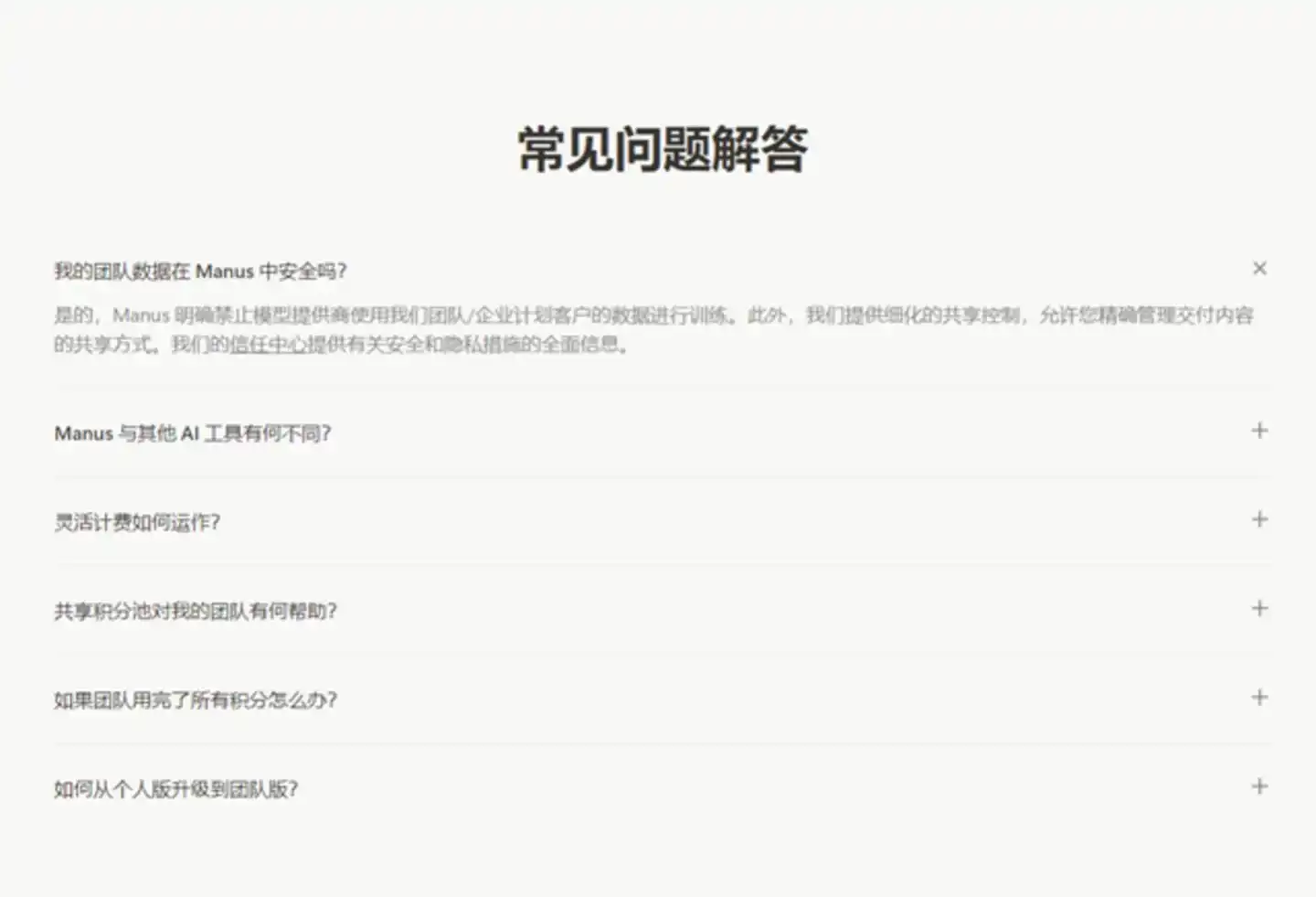
Nguồn ảnh: Trang web chính thức Manus

Nhưng việc đặt cơ cấu lên trước rất dễ bị lẫn lộn với một thao tác nông cạn hơn khác - đổi địa chỉ đăng ký, giả làm một "công ty nước ngoài". Ranh giới này, nhà đầu tư Zhu Xiaohu đã nói rất thẳng thắn trong một sự kiện công khai trước đó: "Bất kể bạn chuyển công ty đến đâu, nhà đầu tư, khách hàng đều biết, vẫn sẽ coi bạn là công ty Trung Quốc, giả bộ là vô dụng." Ví dụ ông đưa ra cũng rất chua xót: gần đây có mấy công ty chuyển trụ sở sang Mỹ, hy vọng đổi địa chỉ là có thể lấy được tiền từ Silicon Valley, kết quả huy động vốn không thành, lại quay đầu tìm nhà đầu tư Trung Quốc, "chuyển trắng".

Về vấn đề này, Ellen đã chia sẻ với Phòng thí nghiệm AI Xia Guang một trường hợp đối chiếu có thể làm nhóm tham chiếu với Manus: công ty tài chính nguyên sinh AI base Singapore ccMonet.AI - hướng đến doanh nghiệp vừa và nhỏ làm sổ sách kế toán, đối chiếu, tự động hóa thuế, chủ đạo "Xử lý AI + Kiểm toán bởi kế toán viên có chứng chỉ", đã phục vụ hơn 1000 khách hàng doanh nghiệp, đã triển khai tại Singapore, Mỹ, Anh. Chủ thể pháp lý 2ND BRAIN PTE. LTD. đăng ký tại Singapore, người sáng lập Hua Mao là nhà khởi nghiệp liên tiếp trải dài cả Trung Quốc và Singapore, từ năm 2022 trụ sở chính và chủ thể kinh doanh ngay từ ngày đầu thành lập đã đặt tại Singapore, nghiên cứu phát triển thuê ngoài cho đội ngũ trong nước, tận dụng lợi thế hiệu quả cao của nghiên cứu phát triển Trung Quốc, cơ cấu tuân thủ đã hoàn thành ngay từ điểm xuất phát, không cần đợi công ty lớn lên rồi mới quay đầu bổ sung bài học.

Thị trường đang lựa chọn một trong hai, hình thái sản phẩm cũng đang theo đó phân liệt

Ngoài ra, Ellen còn đề cập đến một xu hướng cấu trúc hơn: các công ty khởi nghiệp AI đang bị đẩy vào sự lựa chọn nhị nguyên "hoặc là đào sâu thị trường trong nước, hoặc là tập trung thị trường nước ngoài", độ khó của việc cố gắng làm cả hai đầu là cực kỳ lớn.

Đằng sau đó là một nhận thức thực tế. Một nhà đầu tư gần gũi với Manus nói với giới truyền thông, "Đối với nhân tài đỉnh cao mà nói, tính lưu động là không tồn tại, hễ bạn muốn đi khởi nghiệp, sự khởi nghiệp này nhất định phải thuộc về một thời gian và không gian cụ thể. Những nhà khởi nghiệp thế hệ mới của Trung Quốc hiện nay, với tư cách là những người thông minh nhất trong đám đông, họ nên có đủ khả năng giải đọc những sự việc này."

Điều này cũng có nghĩa là doanh nghiệp phải sớm làm rõ định vị của chính mình. Nếu đi theo lộ trình "Trong nước làm nghiên cứu phát triển, nước ngoài làm bán hàng", phương án tối ưu là công ty nước ngoài chỉ phụ trách bán hàng, công nghệ cốt lõi hoàn toàn giữ lại trong nước, tránh né vấn đề tuân thủ xuất khẩu, chuyển giao công nghệ từ nguồn gốc. Chỉ cần nghiệp vụ bán hàng nước ngoài biểu hiện ổn định, hoặc sản phẩm dựa trên mô hình mã nguồn mở, việc huy động vốn nước ngoài, lên sàn sau này của doanh nghiệp sẽ không tồn tại trở ngại lớn. Nhưng nếu muốn đóng gói nhất thể hóa nghiên cứu phát triển với bán hàng nước ngoài, để giành định giá cao hơn, thì phải làm rõ chủ thể doanh nghiệp thuộc Trung Quốc hay Mỹ, hai bên sẽ đối mặt với yêu cầu kiểm soát xuất khẩu công nghệ Trung Quốc hoàn toàn khác nhau, cần phải lên kế hoạch toàn diện trước.

Mà đối với doanh nghiệp AI vươn ra biển lớn, sự lựa chọn giữa đường đua To B và To C, là mệnh đề chiến lược then chốt ngang bằng với việc định vị thị trường chủ thể.

Theo quan điểm của Zhu Xiaohu, hướng đến người dùng C, các nhà khởi nghiệp Trung Quốc trên thị trường toàn cầu "hoàn toàn không có đối thủ" - trong mười năm qua, những ứng dụng tiêu dùng có thể đạt quy mô mười tỷ đô la Mỹ, hầu như đều xuất phát từ đội ngũ Trung Quốc, đây cũng là lý do các VC Mỹ gần đây không mấy đầu tư vào đường đua Consumer. Nhưng hướng đến đầu doanh nghiệp, đặc biệt là bán cho doanh nghiệp lớn Mỹ, Go-to-Market là một trận chiến cứng, chuỗi mua sắm của doanh nghiệp dài, thiết lập niềm tin chậm. Ông đưa ra ranh giới chia cắt là ARR 50 triệu USD: trước đó dựa vào sản phẩm thúc đẩy tăng trưởng (PLG) có thể duy trì, sau đó phải chuyển sang bán hàng thúc đẩy tăng trưởng (SLG), xây dựng đội ngũ bán hàng có thể thâm nhập vào mạng lưới quan hệ địa phương, bước này đối với người sáng lập Trung Quốc mà nói độ khó tăng vọt.

Kết luận của Zhu Xiaohu đại diện cho sự đồng thuận hiện tại của nhiều nhà đầu tư tuyến đầu: cơ cấu tuân thủ quyết định liệu có thể sống sót hay không, còn năng lực sản phẩm và năng lực sinh lợi mới quyết định sống tốt thế nào. Sau khi Nghị định 837 có hiệu lực, "đặt cơ cấu lên trước" sẽ từ lựa chọn của người thông minh trở thành bài học bắt buộc của tất cả mọi người, còn Manus đã dùng trọn vẹn một năm trải nghiệm kịch tính của mình để chứng minh một điều - thời kỳ cửa sổ không chờ người, thời kỳ chính sách mờ nhạt nhìn như là cơ hội, cái giá thường phải trả sau khi cửa sổ đóng lại mới thanh toán xong.

Trending Cryptos

Related Questions

QManus gặp phải những vấn đề chính nào dẫn đến tình huống hiện tại?

AVấn đề chính của Manus được bài viết chỉ ra là 'đầu cơ thay vỏ' – tức chuyển đổi chủ thể từ Trung Quốc sang Singapore trong thời kỳ chính sách chưa rõ ràng, thay vì thiết lập một cơ cấu tuân thủ hợp pháp ngay từ đầu. Công ty không có rào cản công nghệ thực sự (dựa nhiều vào mô hình bên ngoài như Claude, Qwen và mã nguồn mở) để đối phó với sự giám sát chặt chẽ và quan tâm dư luận quá mức trong giai đoạn nhạy cảm, dẫn đến hậu quả nghiêm trọng khi cửa sổ cơ hội đóng lại.

QQuy định mới của Quốc vụ viện (Sắc lệnh số 837) nhấn mạnh điều gì đối với hoạt động đầu tư ra nước ngoài?

ASắc lệnh số 837 của Quốc vụ viện, có hiệu lực từ ngày 1 tháng 7, nhấn mạnh việc 'thúc đẩy mở cửa cao cấp và phát triển chất lượng đầu tư ra nước ngoài', đồng thời 'bảo vệ chủ quyền, an ninh và lợi ích phát triển quốc gia'. Quy định khẳng định quyền tự chủ đầu tư của nhà đầu tư, nhưng tiền đề là phải tuân thủ pháp luật ngay từ khi thiết lập cơ cấu doanh nghiệp, đảm bảo tuân thủ kép cả theo quy định của Trung Quốc và thị trường mục tiêu.

QTheo bài viết, các công ty AI nên lựa chọn chiến lược xuất khẩu như thế nào sau sự kiện Manus?

ABài viết chỉ ra rằng các công ty AI đang bị đẩy vào sự lựa chọn nhị phân: hoặc tập trung sâu vào thị trường nội địa, hoặc chuyên tâm vào thị trường nước ngoài. Cố gắng cân bằng cả hai là rất khó. Để xuất khẩu thành công, cần 'thiết lập cơ cấu từ trước': ngay từ ngày đầu thành lập, chủ thể pháp lý và trụ sở thương mại chính nên đặt ở thị trường mục tiêu (ví dụ Singapore), trong khi có thể tận dụng hiệu quả của đội ngũ R&D tại Trung Quốc. Tránh tình trạng 'thay vỏ muộn' như Manus.

QNhà đầu tư Chu Xiaohu đưa ra sự khác biệt nào giữa thị trường To C và To B cho các công ty AI xuất khẩu?

AChu Xiaohu chỉ ra sự khác biệt rõ ràng: Đối với thị trường người tiêu dùng (To C), các nhà sáng lập Trung Quốc 'không có đối thủ' trên toàn cầu, với nhiều ứng dụng thành công trị giá hàng chục tỷ USD. Tuy nhiên, đối với thị trường doanh nghiệp (To B), đặc biệt là bán cho các tập đoàn lớn ở Mỹ, là một trận chiến khó khăn. Mốc quan trọng là doanh thu hàng năm lặp lại (ARR) 50 triệu USD: trước đó có thể dựa vào tăng trưởng dẫn dắt bởi sản phẩm (PLG), sau đó bắt buộc phải chuyển sang tăng trưởng dẫn dắt bởi bán hàng (SLG) và xây dựng đội ngũ bán hàng địa phương, điều này là thách thức lớn đối với các nhà sáng lập Trung Quốc.

QBài viết đề cập đến dự án ccMonet.AI như một ví dụ đối chiếu với Manus. ccMonet.AI có điểm mạnh gì?

AccMonet.AI được nêu làm ví dụ đối chiếu thành công với Manus. Công ty này có trụ sở chính và chủ thể thương mại đặt tại Singapore ngay từ ngày đầu thành lập (dưới tên pháp lý 2ND BRAIN PTE. LTD.). Người sáng lập là một doanh nhân kỳ cựu hoạt động ở cả Trung Quốc và Singapore. Họ tận dụng lợi thế hiệu quả của đội ngũ R&D tại Trung Quốc, nhưng cơ cấu tuân thủ đã được hoàn thiện từ điểm khởi đầu, không phải 'chắp vá' sau khi công ty đã phát triển. Điều này giúp họ tránh được những rắc rối về tuân thủ mà Manus gặp phải.

Related Reads

Elon Musk Building Terafab: The Largest Chip Factory for AI, Robots, and Space Data Centers

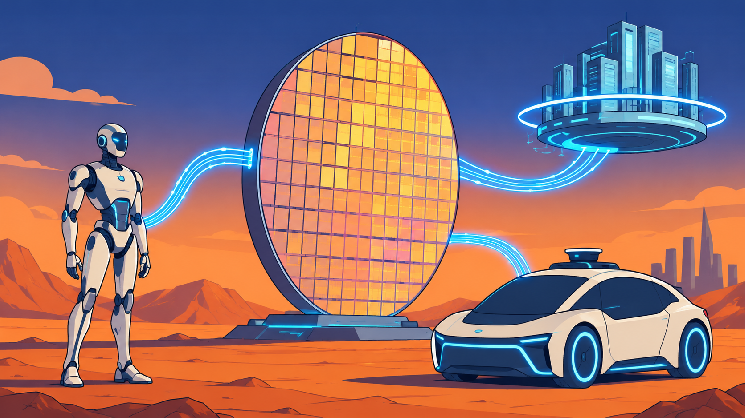
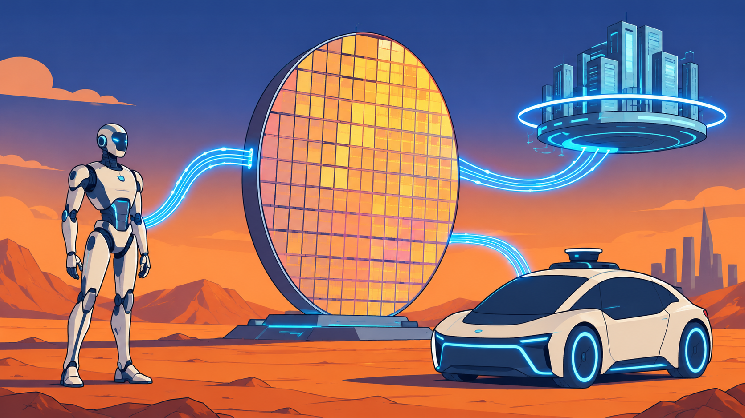
Elon Musk's SpaceX and Tesla have launched the Terafab project to build a massive semiconductor facility in Grimes County, Texas. The plant, exceeding 9.3 million square meters, aims to integrate logic chip manufacturing, memory production, advanced packaging, and testing. The initial phase requires $16.8 billion in capital investment, with a long-term goal of producing over 1 terawatt of computing power annually. This capacity will support Tesla's Optimus robots and Cybercab autonomous vehicles, as well as SpaceX's orbital data centers. Texas Governor Greg Abbott confirmed the project's start in August 2026, highlighting 3,000 new jobs and a $30 million state grant. Elon Musk emphasized the strategic advantage of combining logic, memory, and packaging under one roof. Musk called the future complex the "largest and most valuable building on Earth," with an area roughly 50 times that of the Pentagon. Intel is the key technology partner, with plans to use its 14A process node for chip production. This partnership aims to diversify supply chains currently dominated by TSMC. The project aligns with the U.S. Pax Silica initiative to secure semiconductor supply chains. An AI analysis notes the project's scale and potential challenges, comparing it to delays seen in other U.S. megafab projects like Intel's Ohio facility. It questions whether Terafab can avoid similar pitfalls related to timelines, budgets, workforce, and supply chain stability. The facility's success could significantly shift the global semiconductor balance and strengthen the U.S. position in the tech race.

cryptonews.ru1h ago

Elon Musk Building Terafab: The Largest Chip Factory for AI, Robots, and Space Data Centers

cryptonews.ru1h ago

Elon Musk is Building Terafab: The Largest Chip Plant for AI, Robots, and Space Data Centers

Elon Musk's SpaceX and Tesla have launched the massive Terafab project to build a semiconductor plant in Grimes County, Texas. Spanning over 9.3 million square meters, the facility will integrate logic chip and memory production, advanced packaging, and testing. The initial phase requires $16.8 billion in capital investment, with a long-term goal of producing over 1 terawatt of computing power annually. This output is intended to supply Tesla's Optimus robots and Cybercab autonomous vehicles, as well as SpaceX's orbital data centers. Texas Governor Greg Abbott confirmed the project's start on August 6, 2026, highlighting the creation of 3,000 jobs and a $30 million grant from the Texas Enterprise Fund. Musk emphasized the strategic advantage of combining chip design, memory production, and packaging under one roof to accelerate hardware development. He stated the fully built complex would be "the largest and most valuable building on Earth," about 50 times larger than the Pentagon. An estimated 25% of production is earmarked for Tesla's robotics, with 75% for SpaceX's space-based AI systems. Earlier tax documents suggested a total project cost of up to $119 billion, but this has not been officially confirmed. Intel is the key technology partner, with plans to use its 14A process node for chip manufacturing. This partnership aims to diversify supply chains and reduce dependence on dominant foundries like TSMC. The initiative aligns with the broader U.S. Pax Silica program, which seeks to build secure international semiconductor supply chains with allied nations. An AI-driven analysis notes that megafab projects, such as Intel's delayed Ohio facility, often face schedule and budget overruns. While Terafab represents a significant step toward U.S. semiconductor self-sufficiency and could shift the global tech balance, its success will depend on factors like skilled labor availability, energy supply, and supply chain stability. The final outcome may not be clear until the late 2030s.

cryptonews.ru1h ago

Elon Musk is Building Terafab: The Largest Chip Plant for AI, Robots, and Space Data Centers

cryptonews.ru1h ago

"AI God of Stocks" Blowup Dragged Down, Jane Street Suffered Massive 15 Billion Loss in July, First Monthly Loss in a Decade

Jane Street, a major proprietary trading firm, suffered an estimated $15 billion loss in July, marking its first monthly loss in about a decade. The loss was primarily triggered by the blow-up of the AI-focused hedge fund Situational Awareness, which faced massive margin calls amid a sharp sell-off in AI and semiconductor stocks in July. Jane Street, an investor in the fund, was significantly impacted. Compounding the loss were substantial declines in Jane Street's own Asian non-AI equity long positions, which had performed well earlier in the year. The firm described the losses as a concentrated reversal of previously successful trading strategies in AI and tech sectors. Despite the historic monthly loss, Jane Street's net trading income for the year to date remains strong at over $40 billion. In response, the firm stated it has become more selective in risk-taking, closing specific losing exposures and reducing risk in other strategies. Coinciding with the loss, Jane Street is undergoing a major debt refinancing of approximately $14.6 billion, led by JPMorgan. The move aims to shift more debt from public markets to private investors like Pimco and Fidelity, accepting higher costs for greater flexibility and less public disclosure. The Situational Awareness incident highlights systemic risks in the prime brokerage ecosystem, where leveraged bets on crowded AI trades can lead to forced liquidations and market volatility. Jane Street's subsequent risk reduction and debt restructuring are seen as key responses to this costly lesson.

marsbit1h ago

"AI God of Stocks" Blowup Dragged Down, Jane Street Suffered Massive 15 Billion Loss in July, First Monthly Loss in a Decade

marsbit1h ago

Trading

Spot

Hot Articles

What is SONIC

Sonic: Pioneering the Future of Gaming in Web3 Introduction to Sonic In the ever-evolving landscape of Web3, the gaming industry stands out as one of the most dynamic and promising sectors. At the forefront of this revolution is Sonic, a project designed to amplify the gaming ecosystem on the Solana blockchain. Leveraging cutting-edge technology, Sonic aims to deliver an unparalleled gaming experience by efficiently processing millions of requests per second, ensuring that players enjoy seamless gameplay while maintaining low transaction costs. This article delves into the intricate details of Sonic, exploring its creators, funding sources, operational mechanics, and the timeline of significant events that have shaped its journey. What is Sonic? Sonic is an innovative layer-2 network that operates atop the Solana blockchain, specifically tailored to enhance the existing Solana gaming ecosystem. It accomplishes this through a customised, VM-agnostic game engine paired with a HyperGrid interpreter, facilitating sovereign game economies that roll up back to the Solana platform. The primary goals of Sonic include: Enhanced Gaming Experiences: Sonic is committed to offering lightning-fast on-chain gameplay, allowing players and developers to engage with games at previously unattainable speeds. Atomic Interoperability: This feature enables transactions to be executed within Sonic without the need to redeploy Solana programmes and accounts. This makes the process more efficient and directly benefits from Solana Layer1 services and liquidity. Seamless Deployment: Sonic allows developers to write for Ethereum Virtual Machine (EVM) based systems and execute them on Solana’s SVM infrastructure. This interoperability is crucial for attracting a broader range of dApps and decentralised applications to the platform. Support for Developers: By offering native composable gaming primitives and extensible data types - dining within the Entity-Component-System (ECS) framework - game creators can craft intricate business logic with ease. Overall, Sonic's unique approach not only caters to players but also provides an accessible and low-cost environment for developers to innovate and thrive. Creator of Sonic The information regarding the creator of Sonic is somewhat ambiguous. However, it is known that Sonic's SVM is owned by the company Mirror World. The absence of detailed information about the individuals behind Sonic reflects a common trend in several Web3 projects, where collective efforts and partnerships often overshadow individual contributions. Investors of Sonic Sonic has garnered considerable attention and support from various investors within the crypto and gaming sectors. Notably, the project raised an impressive $12 million during its Series A funding round. The round was led by BITKRAFT Ventures, with other notable investors including Galaxy, Okx Ventures, Interactive, Big Brain Holdings, and Mirana. This financial backing signifies the confidence that investment foundations have in Sonic’s potential to revolutionise the Web3 gaming landscape, further validating its innovative approaches and technologies. How Does Sonic Work? Sonic utilises the HyperGrid framework, a sophisticated parallel processing mechanism that enhances its scalability and customisability. Here are the core features that set Sonic apart: Lightning Speed at Low Costs: Sonic offers one of the fastest on-chain gaming experiences compared to other Layer-1 solutions, powered by the scalability of Solana’s virtual machine (SVM). Atomic Interoperability: Sonic enables transaction execution without redeployment of Solana programmes and accounts, effectively streamlining the interaction between users and the blockchain. EVM Compatibility: Developers can effortlessly migrate decentralised applications from EVM chains to the Solana environment using Sonic’s HyperGrid interpreter, increasing the accessibility and integration of various dApps. Ecosystem Support for Developers: By exposing native composable gaming primitives, Sonic facilitates a sandbox-like environment where developers can experiment and implement business logic, greatly enhancing the overall development experience. Monetisation Infrastructure: Sonic natively supports growth and monetisation efforts, providing frameworks for traffic generation, payments, and settlements, thereby ensuring that gaming projects are not only viable but also sustainable financially. Timeline of Sonic The evolution of Sonic has been marked by several key milestones. Below is a brief timeline highlighting critical events in the project's history: 2022: The Sonic cryptocurrency was officially launched, marking the beginning of its journey in the Web3 gaming arena. 2024: June: Sonic SVM successfully raised $12 million in a Series A funding round. This investment allowed Sonic to further develop its platform and expand its offerings. August: The launch of the Sonic Odyssey testnet provided users with the first opportunity to engage with the platform, offering interactive activities such as collecting rings—a nod to gaming nostalgia. October: SonicX, an innovative crypto game integrated with Solana, made its debut on TikTok, capturing the attention of over 120,000 users within a short span. This integration illustrated Sonic’s commitment to reaching a broader, global audience and showcased the potential of blockchain gaming. Key Points Sonic SVM is a revolutionary layer-2 network on Solana explicitly designed to enhance the GameFi landscape, demonstrating great potential for future development. HyperGrid Framework empowers Sonic by introducing horizontal scaling capabilities, ensuring that the network can handle the demands of Web3 gaming. Integration with Social Platforms: The successful launch of SonicX on TikTok displays Sonic’s strategy to leverage social media platforms to engage users, exponentially increasing the exposure and reach of its projects. Investment Confidence: The substantial funding from BITKRAFT Ventures, among others, emphasizes the robust backing Sonic has, paving the way for its ambitious future. In conclusion, Sonic encapsulates the essence of Web3 gaming innovation, striking a balance between cutting-edge technology, developer-centric tools, and community engagement. As the project continues to evolve, it is poised to redefine the gaming landscape, making it a notable entity for gamers and developers alike. As Sonic moves forward, it will undoubtedly attract greater interest and participation, solidifying its place within the broader narrative of blockchain gaming.

2.4k Total ViewsPublished 2024.04.04Updated 2024.12.03

What is SONIC

What is $S$

Understanding SPERO: A Comprehensive Overview Introduction to SPERO As the landscape of innovation continues to evolve, the emergence of web3 technologies and cryptocurrency projects plays a pivotal role in shaping the digital future. One project that has garnered attention in this dynamic field is SPERO, denoted as SPERO,$$s$. This article aims to gather and present detailed information about SPERO, to help enthusiasts and investors understand its foundations, objectives, and innovations within the web3 and crypto domains. What is SPERO,$$s$? SPERO,$$s$ is a unique project within the crypto space that seeks to leverage the principles of decentralisation and blockchain technology to create an ecosystem that promotes engagement, utility, and financial inclusion. The project is tailored to facilitate peer-to-peer interactions in new ways, providing users with innovative financial solutions and services. At its core, SPERO,$$s$ aims to empower individuals by providing tools and platforms that enhance user experience in the cryptocurrency space. This includes enabling more flexible transaction methods, fostering community-driven initiatives, and creating pathways for financial opportunities through decentralised applications (dApps). The underlying vision of SPERO,$$s$ revolves around inclusiveness, aiming to bridge gaps within traditional finance while harnessing the benefits of blockchain technology. Who is the Creator of SPERO,$$s$? The identity of the creator of SPERO,$$s$ remains somewhat obscure, as there are limited publicly available resources providing detailed background information on its founder(s). This lack of transparency can stem from the project's commitment to decentralisation—an ethos that many web3 projects share, prioritising collective contributions over individual recognition. By centring discussions around the community and its collective goals, SPERO,$$s$ embodies the essence of empowerment without singling out specific individuals. As such, understanding the ethos and mission of SPERO remains more important than identifying a singular creator. Who are the Investors of SPERO,$$s$? SPERO,$$s$ is supported by a diverse array of investors ranging from venture capitalists to angel investors dedicated to fostering innovation in the crypto sector. The focus of these investors generally aligns with SPERO's mission—prioritising projects that promise societal technological advancement, financial inclusivity, and decentralised governance. These investor foundations are typically interested in projects that not only offer innovative products but also contribute positively to the blockchain community and its ecosystems. The backing from these investors reinforces SPERO,$$s$ as a noteworthy contender in the rapidly evolving domain of crypto projects. How Does SPERO,$$s$ Work? SPERO,$$s$ employs a multi-faceted framework that distinguishes it from conventional cryptocurrency projects. Here are some of the key features that underline its uniqueness and innovation: Decentralised Governance: SPERO,$$s$ integrates decentralised governance models, empowering users to participate actively in decision-making processes regarding the project’s future. This approach fosters a sense of ownership and accountability among community members. Token Utility: SPERO,$$s$ utilises its own cryptocurrency token, designed to serve various functions within the ecosystem. These tokens enable transactions, rewards, and the facilitation of services offered on the platform, enhancing overall engagement and utility. Layered Architecture: The technical architecture of SPERO,$$s$ supports modularity and scalability, allowing for seamless integration of additional features and applications as the project evolves. This adaptability is paramount for sustaining relevance in the ever-changing crypto landscape. Community Engagement: The project emphasises community-driven initiatives, employing mechanisms that incentivise collaboration and feedback. By nurturing a strong community, SPERO,$$s$ can better address user needs and adapt to market trends. Focus on Inclusion: By offering low transaction fees and user-friendly interfaces, SPERO,$$s$ aims to attract a diverse user base, including individuals who may not previously have engaged in the crypto space. This commitment to inclusion aligns with its overarching mission of empowerment through accessibility. Timeline of SPERO,$$s$ Understanding a project's history provides crucial insights into its development trajectory and milestones. Below is a suggested timeline mapping significant events in the evolution of SPERO,$$s$: Conceptualisation and Ideation Phase: The initial ideas forming the basis of SPERO,$$s$ were conceived, aligning closely with the principles of decentralisation and community focus within the blockchain industry. Launch of Project Whitepaper: Following the conceptual phase, a comprehensive whitepaper detailing the vision, goals, and technological infrastructure of SPERO,$$s$ was released to garner community interest and feedback. Community Building and Early Engagements: Active outreach efforts were made to build a community of early adopters and potential investors, facilitating discussions around the project’s goals and garnering support. Token Generation Event: SPERO,$$s$ conducted a token generation event (TGE) to distribute its native tokens to early supporters and establish initial liquidity within the ecosystem. Launch of Initial dApp: The first decentralised application (dApp) associated with SPERO,$$s$ went live, allowing users to engage with the platform's core functionalities. Ongoing Development and Partnerships: Continuous updates and enhancements to the project's offerings, including strategic partnerships with other players in the blockchain space, have shaped SPERO,$$s$ into a competitive and evolving player in the crypto market. Conclusion SPERO,$$s$ stands as a testament to the potential of web3 and cryptocurrency to revolutionise financial systems and empower individuals. With a commitment to decentralised governance, community engagement, and innovatively designed functionalities, it paves the way toward a more inclusive financial landscape. As with any investment in the rapidly evolving crypto space, potential investors and users are encouraged to research thoroughly and engage thoughtfully with the ongoing developments within SPERO,$$s$. The project showcases the innovative spirit of the crypto industry, inviting further exploration into its myriad possibilities. While the journey of SPERO,$$s$ is still unfolding, its foundational principles may indeed influence the future of how we interact with technology, finance, and each other in interconnected digital ecosystems.

397 Total ViewsPublished 2024.12.17Updated 2024.12.17

What is $S$

What is AGENT S

Agent S: The Future of Autonomous Interaction in Web3 Introduction In the ever-evolving landscape of Web3 and cryptocurrency, innovations are constantly redefining how individuals interact with digital platforms. One such pioneering project, Agent S, promises to revolutionise human-computer interaction through its open agentic framework. By paving the way for autonomous interactions, Agent S aims to simplify complex tasks, offering transformative applications in artificial intelligence (AI). This detailed exploration will delve into the project's intricacies, its unique features, and the implications for the cryptocurrency domain. What is Agent S? Agent S stands as a groundbreaking open agentic framework, specifically designed to tackle three fundamental challenges in the automation of computer tasks: Acquiring Domain-Specific Knowledge: The framework intelligently learns from various external knowledge sources and internal experiences. This dual approach empowers it to build a rich repository of domain-specific knowledge, enhancing its performance in task execution. Planning Over Long Task Horizons: Agent S employs experience-augmented hierarchical planning, a strategic approach that facilitates efficient breakdown and execution of intricate tasks. This feature significantly enhances its ability to manage multiple subtasks efficiently and effectively. Handling Dynamic, Non-Uniform Interfaces: The project introduces the Agent-Computer Interface (ACI), an innovative solution that enhances the interaction between agents and users. Utilizing Multimodal Large Language Models (MLLMs), Agent S can navigate and manipulate diverse graphical user interfaces seamlessly. Through these pioneering features, Agent S provides a robust framework that addresses the complexities involved in automating human interaction with machines, setting the stage for myriad applications in AI and beyond. Who is the Creator of Agent S? While the concept of Agent S is fundamentally innovative, specific information about its creator remains elusive. The creator is currently unknown, which highlights either the nascent stage of the project or the strategic choice to keep founding members under wraps. Regardless of anonymity, the focus remains on the framework's capabilities and potential. Who are the Investors of Agent S? As Agent S is relatively new in the cryptographic ecosystem, detailed information regarding its investors and financial backers is not explicitly documented. The lack of publicly available insights into the investment foundations or organisations supporting the project raises questions about its funding structure and development roadmap. Understanding the backing is crucial for gauging the project's sustainability and potential market impact. How Does Agent S Work? At the core of Agent S lies cutting-edge technology that enables it to function effectively in diverse settings. Its operational model is built around several key features: Human-like Computer Interaction: The framework offers advanced AI planning, striving to make interactions with computers more intuitive. By mimicking human behaviour in tasks execution, it promises to elevate user experiences. Narrative Memory: Employed to leverage high-level experiences, Agent S utilises narrative memory to keep track of task histories, thereby enhancing its decision-making processes. Episodic Memory: This feature provides users with step-by-step guidance, allowing the framework to offer contextual support as tasks unfold. Support for OpenACI: With the ability to run locally, Agent S allows users to maintain control over their interactions and workflows, aligning with the decentralised ethos of Web3. Easy Integration with External APIs: Its versatility and compatibility with various AI platforms ensure that Agent S can fit seamlessly into existing technological ecosystems, making it an appealing choice for developers and organisations. These functionalities collectively contribute to Agent S's unique position within the crypto space, as it automates complex, multi-step tasks with minimal human intervention. As the project evolves, its potential applications in Web3 could redefine how digital interactions unfold. Timeline of Agent S The development and milestones of Agent S can be encapsulated in a timeline that highlights its significant events: September 27, 2024: The concept of Agent S was launched in a comprehensive research paper titled “An Open Agentic Framework that Uses Computers Like a Human,” showcasing the groundwork for the project. October 10, 2024: The research paper was made publicly available on arXiv, offering an in-depth exploration of the framework and its performance evaluation based on the OSWorld benchmark. October 12, 2024: A video presentation was released, providing a visual insight into the capabilities and features of Agent S, further engaging potential users and investors. These markers in the timeline not only illustrate the progress of Agent S but also indicate its commitment to transparency and community engagement. Key Points About Agent S As the Agent S framework continues to evolve, several key attributes stand out, underscoring its innovative nature and potential: Innovative Framework: Designed to provide an intuitive use of computers akin to human interaction, Agent S brings a novel approach to task automation. Autonomous Interaction: The ability to interact autonomously with computers through GUI signifies a leap towards more intelligent and efficient computing solutions. Complex Task Automation: With its robust methodology, it can automate complex, multi-step tasks, making processes faster and less error-prone. Continuous Improvement: The learning mechanisms enable Agent S to improve from past experiences, continually enhancing its performance and efficacy. Versatility: Its adaptability across different operating environments like OSWorld and WindowsAgentArena ensures that it can serve a broad range of applications. As Agent S positions itself in the Web3 and crypto landscape, its potential to enhance interaction capabilities and automate processes signifies a significant advancement in AI technologies. Through its innovative framework, Agent S exemplifies the future of digital interactions, promising a more seamless and efficient experience for users across various industries. Conclusion Agent S represents a bold leap forward in the marriage of AI and Web3, with the capacity to redefine how we interact with technology. While still in its early stages, the possibilities for its application are vast and compelling. Through its comprehensive framework addressing critical challenges, Agent S aims to bring autonomous interactions to the forefront of the digital experience. As we move deeper into the realms of cryptocurrency and decentralisation, projects like Agent S will undoubtedly play a crucial role in shaping the future of technology and human-computer collaboration.

1.0k Total ViewsPublished 2025.01.14Updated 2025.01.14

What is AGENT S

Discussions

Welcome to the HTX Community. Here, you can stay informed about the latest platform developments and gain access to professional market insights. Users' opinions on the price of S (S) are presented below.

活动图片