报道:日本央行最早9月加息,后续加息节奏或提速

marsbitPublished on 2026-08-14Last updated on 2026-08-14

Abstract

日本央行正面临退出超宽松政策以来最紧迫的加息压力。据路透社援引知情人士消息,该行最早可能在9月加息,并考虑此后加快紧缩节奏,超越目前每年约两次的步伐。9月17-18日的政策会议被视为关键节点,市场已将9月加息概率定价至近80%。 自2024年退出超宽松政策以来,日本央行加息节奏约为每年两次。若9月如期行动,分析认为可能为12月再次加息打开空间,使全年达到三次,强化市场对“每季度加息一次”的预期。此举部分旨在回应日元持续疲软,加息有助于支撑汇率。 央行考虑加速紧缩的底层逻辑在于通胀风险从多维度升温:日元贬值推高进口成本;批发价格维持高位;家庭、企业和经济学家的通胀预期已接近或超过2%的目标;此外,中东冲突和全球AI需求旺盛也带来额外的输入性通胀压力。 日本央行在7月会议上已发出强烈信号,警告通胀压力可能推动核心通胀突破目标。会议意见摘要显示,部分委员明确呼吁加快行动以避免“落后于曲线”。行长植田和男也表示,若金融条件过于宽松,可能加快加息步伐。知情人士称,鉴于通胀风险上升,日本央行可能不想在加息问题上等待太久。

日本央行正面临2024年退出超宽松政策以来最紧迫的加息压力。

据路透社8月14日报道,三位熟悉日本央行(BOJ)内部讨论的知情人士透露,该行最早将于9月加息,并正考虑此后加快紧缩节奏,超越目前每年约两次的步伐。

一位知情人士直言:“提前加息已进入视野。”另一位知情人士则表示:“日本央行也可能加快加息节奏。”

这一信号意味着,9月17-18日的政策会议将成为关键节点。目前市场已将9月加息概率定价至近80%。

从“每年两次”到“每季度一次”

自2024年退出长达十年的超宽松刺激政策以来,日本央行的加息节奏约为每年两次。今年6月,该行将利率上调至1%,创31年新高。

若9月如期加息,路透社援引部分分析师认为,12月再度加息的空间将随之打开。这将使全年加息次数达到三次,市场对“每季度加息一次”的预期也将随之强化。

日美上月联合干预日元汇率,以及美国财政部长贝森特的施压,进一步将市场目光聚焦于日本央行如何回应日元持续疲软。加息本身也是支撑日元的政策工具之一——利率走高通常会吸引资本回流,对汇率形成支撑。

通胀压力从多个方向同时袭来

日本央行此番加速紧缩的底层逻辑,是通胀风险正从多个维度同步升温。

日元贬值。 日元上月触及40年低点,尽管日美随后罕见联合干预,贬值趋势仍未逆转。日元走弱直接推高进口成本,并向广泛消费品价格传导。

批发价格高企。 7月日本年度批发通胀维持在三年高位,意味着企业端的成本压力尚未充分传导至消费端——一旦企业开始转嫁成本,消费者价格将进一步上行。

通胀预期抬升。 调查显示,家庭、企业和经济学家的通胀预期均已接近或超过2%。这是央行最为警惕的信号之一——预期一旦脱锚,控制通胀的难度将成倍上升。

外部冲击叠加。 中东冲突持续扰动能源和大宗商品价格,全球AI需求旺盛则推高相关设备和能源需求,两者均构成额外的输入性通胀压力。

央行内部:不能等太久

日本央行7月维持利率不变,但同时发出了迄今最强烈的提前加息信号——警告通胀压力持续累积,可能推动核心通胀突破2%目标。

7月会议的意见摘要显示,部分委员明确呼吁加快加息节奏,以避免在应对通胀上“落后于曲线”——这是央行政策圈的惯用说法,意指若行动迟缓,事后需要更大幅度的紧缩来补救。

行长植田和男(Kazuo Ueda)在7月会后记者会上表示,将在主持未来会议时充分考虑委员会对通胀风险日益增长的警惕,并指出若金融条件被认定过于宽松,央行可能加快加息步伐。

一位第三知情人士的表述更为直接:“鉴于通胀风险上升,日本央行可能不想在加息问题上等待太久。”

Trending Cryptos

Related Questions

Q日本央行最早可能在何时加息?

A日本央行最早可能在2024年9月17-18日的政策会议上加息。

Q根据报道,日本央行正在考虑将加息节奏从每年两次加快至什么频率?

A报道中提到,央行内部正考虑加快紧缩节奏,市场预期可能从“每年两次”加快至“每季度一次”。

Q推动日本央行考虑加速紧缩的主要通胀风险有哪些?

A主要有四个方面的通胀风险:日元贬值推高进口成本、批发价格维持在三年高位、家庭和企业通胀预期抬升接近或超过2%,以及中东冲突和全球AI需求旺盛带来的外部输入性通胀压力。

Q日本央行行长植田和男在7月会后记者会上,关于加息节奏传达了什么信息?

A植田和男表示,央行将在未来的会议中充分考虑委员会对通胀风险日益增长的警惕,并指出如果金融条件被认定过于宽松,央行可能会加快加息的步伐。

Q根据文章内容,市场目前对日本央行9月加息的概率预期是多少?

A市场已将日本央行9月加息的概率定价至近80%。

Related Reads

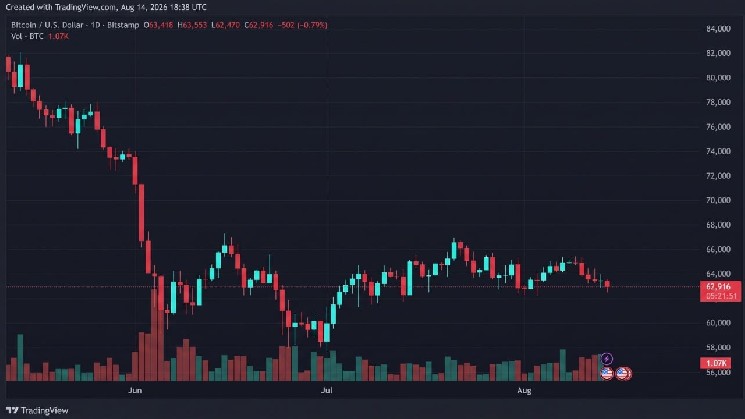
Bitcoin Price Drops to $62,470 as Sellers Retest $63,000 Support Level

Bitcoin's price fell below $63,000 for a second consecutive day on Friday, hitting an intraday low of $62,470. The cryptocurrency later recovered to trade just above $63,000, leaving it nearly flat for the past 24 hours and for August overall, with a weekly loss of 2.6%. The volatility triggered significant liquidations, with $26 million of leveraged long Bitcoin positions liquidated over 24 hours. Market sentiment was further dampened by data showing over $131 million in outflows from spot Bitcoin ETFs for a second straight day, signaling a potential pullback by institutional investors. Adding to the negative pressure, index provider MSCI has proposed new criteria for "non-operating companies" in its global indexes, which could lead to the exclusion of firms holding significant digital assets like Bitcoin on their balance sheets. Companies such as Strategy and Metaplanet could be affected, potentially forcing index-tracking funds to sell their shares. Strategy publicly criticized the proposal, arguing digital assets are legitimate assets and index providers should not dictate what companies can own. Public consultations on MSCI's proposal end September 30, with a final decision expected by October 16. If approved, exclusions could begin in November, potentially triggering sustained institutional selling and damaging a key bridge for Bitcoin adoption in the corporate sector.

cryptonews.ru29m ago

Bitcoin Price Drops to $62,470 as Sellers Retest $63,000 Support Level

cryptonews.ru29m ago

Trading

Spot

Hot Articles

What is $BANK

Bank AI: A Revolutionary Step in the Future of Banking Introduction In an era marked by rapid advancements in technology, Bank AI stands at the intersection of artificial intelligence (AI) and banking services. This innovative project seeks to redefine the financial landscape, enhancing operational efficiency, security measures, and customer experiences through the power of AI. As we embark on this exploration of Bank AI, we will delve into what the project entails, its operational dynamics, its historical context, and significant milestones. What is Bank AI? At its core, Bank AI represents a transformative initiative aimed at integrating artificial intelligence into various banking operations. This project harnesses the capabilities of AI to automate processes, improve risk management protocols, and enhance customer interaction through personalised services. The primary objectives of Bank AI include: Automation of Banking Functions: By leveraging AI technologies, Bank AI aims to automate routine tasks, reducing the burden on human resources and enhancing efficiency. Enhanced Risk Management: The project utilises AI algorithms to predict and identify risks, thereby fortifying security measures against fraud and other threats. Personalisation of Banking Services: Bank AI focuses on offering tailored financial products and services by analysing customer data and behaviours. Improving Customer Experience: The implementation of AI-driven solutions, such as chatbots and virtual assistants, aims to provide users with more human-like interactions, revolutionising the way customers engage with banks. With these goals, Bank AI positions itself as a crucial player in rendering banking more efficient, secure, and user-centric. Who is the Creator of Bank AI? Details regarding the creator of Bank AI remain unknown. As such, no specific individual or organisation has been identified in the available information. The anonymity surrounding the project's inception raises questions but does not detract from its ambitious vision and objectives. Who are the Investors of Bank AI? Similar to the project's creator, specific information regarding the investors or supporting organisations of Bank AI has not been disclosed. Without this information, it is challenging to outline the financial backing and institutional support that might be propelling the project forward. Nevertheless, the importance of having a robust investment foundation is pivotal for sustaining development in such an innovative field. How Does Bank AI Work? Bank AI operates on several innovative fronts, focusing on unique factors that differentiate it from traditional banking frameworks. Below are key operational features: Automation: By applying machine learning algorithms, Bank AI automates various manual processes within banks. This results in reduced operational costs and allows human workers to redirect their efforts towards more strategic activities. Advanced Risk Management: The integration of AI into risk management practices equips banks with tools to accurately predict potential threats such as fraud, ensuring that customer information and assets remain secure. Tailored Financial Recommendations: Through continuous learning from customer interactions, the AI systems develop a nuanced understanding of user needs, enabling them to offer tailored advice on financial decisions. Enhanced Customer Interactions: Utilizing chatbots and virtual assistants powered by AI, Bank AI enables a more engaging customer experience, allowing users to have their queries resolved quickly, thus reducing wait times and improving satisfaction levels. Together, these operational features position Bank AI as a pioneer in the banking sector, establishing new benchmarks for service delivery and operational excellence. Timeline of Bank AI Understanding the trajectory of Bank AI requires a look at its historical context. Below is a timeline highlighting important milestones and developments: Early 2010s: The conceptualisation of AI integration into banking services began to gain attention as banking institutions recognised the potential benefits. 2018: A marked increase in the implementation of AI technologies occurred when banks started using AI tools like chatbots for basic customer service and risk management systems for improved security handling. 2023: The sophistication of AI continued to advance, with generative AI being introduced for more complex tasks such as document processing and real-time investment analysis. This year marked a significant leap in the capabilities afforded to banks by AI technology. 2024-Current Status: As of this year, Bank AI is on an upward trajectory, with ongoing research and developments poised to further enhance capabilities in banking operations. Continued exploration of AI applications hints at exciting developments yet to come. Key Points About Bank AI Integration of AI in Banking: Bank AI focuses on adopting artificial intelligence to streamline banking processes and improve user experiences. Automation and Risk Management Focus: The project strongly emphasises these areas, aiming to shift the burden of routine tasks while enhancing security frameworks through predictive analytics. Personalised Banking Solutions: By harnessing customer data, Bank AI enables tailored banking services that cater to individual user needs. Commitment to Development: Bank AI remains committed to ongoing research and development efforts, ensuring its adaptability and ongoing relevance as technology continues to evolve. Conclusion In summary, Bank AI exemplifies a crucial step forward in the banking industry, leveraging artificial intelligence to reshape operational paradigms, enhance security, and promote customer satisfaction. Despite gaps in information surrounding the creator and investors, the clear objectives and functional mechanisms of Bank AI provide a strong foundation for its ongoing evolution. As AI technology continues to advance and merge with the banking sector, Bank AI is well-positioned to significantly impact the future of financial services, enhancing the way we understand and interact with banking.

362 Total ViewsPublished 2024.04.06Updated 2024.12.03

What is $BANK

Discussions

Welcome to the HTX Community. Here, you can stay informed about the latest platform developments and gain access to professional market insights. Users' opinions on the price of BANK (BANK) are presented below.

活动图片