ENS lên kế hoạch mở rộng quy mô hoạt động tổ chức thông qua việc ra mắt quỹ

cryptonews.ruPublished on 2026-08-11Last updated on 2026-08-11

Abstract

Chủ sở hữu token $ENS đã phê chuẩn đề xuất "Kỷ nguyên tiếp theo của $ENS DAO" và khởi chạy mã thực thi trên blockchain, chính thức thành lập $ENS Foundation. Đây là thực thể pháp lý đầu tiên của ENS, được thiết kế để xử lý các nhiệm vụ ngoài chuỗi mà DAO không thể thực hiện, như ký kết thỏa thuận tiêu chuẩn, thuê nhân viên toàn thời gian, hay tham gia với các cơ quan quản lý. Nhiệm vụ chính của Quỹ là tiếp quản các hoạt động hàng ngày và đại diện pháp lý, cho phép $ENS Labs tập trung vào phát triển kỹ thuật, bao gồm nâng cấp lên ENSv2. Quỹ sẽ tham gia các diễn đàn như ICANN, theo đuổi việc công nhận tên miền cấp cao .ens, và bảo vệ thương hiệu ENS. Quỹ được tài trợ bởi doanh thu từ đăng ký tên miền .eth và có cơ chế an toàn: mọi giao dịch của Quỹ đều bị trì hoãn 9 ngày, trong thời gian đó Hội đồng Bảo mật $ENS có thể hủy bỏ các giao dịch nằm ngoài phạm vi ủy quyền. Hội đồng quản trị 5 thành viên đầu tiên của Quỹ bao gồm Giám đốc điều hành Alexander Urbelis, người sáng lập Nick Johnson (cũng là CEO của $ENS Labs), và ba giám đốc độc lập khác. Nhiệm kỳ của họ là hai năm. Việc thành lập Quỹ diễn ra trong bối cảnh có một số tranh cãi về quản trị trước đó, liên quan đến ảnh hưởng biểu quyết lớn từ những chủ sở hữu token lớn như Nick Johnson.

Chủ sở hữu token $ENS đã phê chuẩn đề xuất "Kỷ nguyên tiếp theo của $ENS DAO" và kích hoạt mã thực thi trên blockchain, thành lập $ENS Foundation như một tổ chức vận hành với một Giám đốc điều hành được trả lương, nhân viên và một hội đồng quản trị năm thành viên, $ENS Labs thông báo trong một bài đăng blog vào ngày 11 tháng 8.

Thay đổi này cung cấp cho $ENS một thực thể pháp lý đầu tiên có thể tham gia các cuộc họp nơi mà DAO không thể. Ngoài ra, thực thể này sẽ đảm nhận các hoạt động hàng ngày, trong khi các cử tri nắm giữ token tiếp tục kiểm soát giao thức.

Tại sao DAO không thể ký tài liệu

Theo dữ liệu từ $ENS Labs, DAO không có khả năng ký kết các thỏa thuận chuẩn hóa, thuê nhân viên toàn thời gian, kiện chủ sở hữu nhãn hiệu vì bản sao lừa đảo hoặc trả lời các yêu cầu từ tòa án.

Cho đến nay, phần lớn công việc đại diện vẫn chưa được thực hiện, một phần được đảm nhận bởi công ty $ENS Labs, tuy nhiên, xét rằng họ chủ yếu chuyên về phát triển kỹ thuật, họ chưa sẵn sàng để đưa ra đánh giá khách quan cho vai trò này.

Giờ đây khi Quỹ đã được ra mắt, $ENS Labs tuyên bố có thể tập trung vào phát triển, bao gồm nâng cấp lên ENSv2.

Quỹ được giao nhiệm vụ đảm nhận khối lượng công việc liên quan đến tính toán ngoài chuỗi. Giờ đây, họ có thể tham gia thảo luận với ICANN, IETF và W3C và theo đuổi việc công nhận tên miền cấp cao nhất .ens.

Là một thực thể pháp lý, họ cũng chịu trách nhiệm tương tác với các cơ quan quản lý, đăng ký viên, tổ chức tiêu chuẩn và tòa án. Ngoài ra, nhiệm vụ của họ bao gồm củng cố nhãn hiệu và tài sản thương hiệu của $ENS để có khả năng chống lại những kẻ mạo danh.

$ENS nói gì về việc tiền ở đâu?

Phần sở hữu của $ENS DAO trong tổng nguồn cung token là 54,6% và sẽ tiếp tục nằm dưới sự kiểm soát của DAO, bao gồm các chủ sở hữu token.

Quỹ, được tài trợ từ doanh thu đăng ký tên miền .eth, lưu trữ tài sản của mình tại chỗ; tuy nhiên, các giao dịch của Quỹ hiện bị khóa trong chín ngày.

Trong chín ngày này, Hội đồng An ninh $ENS có thể hủy bỏ bất kỳ giao dịch nào vượt ra ngoài phạm vi nhiệm vụ của Quỹ.

Cùng bài đăng nhấn mạnh rằng $ENS Foundation và $ENS Labs không giống nhau về mặt pháp lý, và mỗi bên hoạt động như một thực thể pháp lý riêng biệt. Quỹ không sở hữu $ENS Labs, và công ty sau không có quyền quản lý Quỹ, ngân quỹ của Quỹ hoặc giao thức.

Mối liên hệ chặt chẽ nhất của Labs với Quỹ là người sáng lập chiếm một ghế trong hội đồng quản trị năm người của Quỹ; tuy nhiên, ông không tham gia vào các quyết định liên quan đến việc tài trợ cho Labs.

Ai nằm trong hội đồng quản trị năm người của Quỹ $ENS?

Hội đồng quản trị đầu tiên bao gồm Alexandre Urbelis, một luật sư an ninh mạng, trước đây giữ chức vụ cố vấn trưởng pháp lý và giám đốc an ninh thông tin (CISO) tại $ENS Labs, và là CISO tại NFL, người hiện giữ chức vụ Giám đốc điều hành.

Nick Johnson, người sáng lập và CEO của $ENS Labs, giữ vị trí Người sáng lập.

Ba giám đốc còn lại trong hội đồng quản trị là: Kartik Talwar từ A.Capital Ventures và ETHGlobal, Brett Sun, đồng sáng lập Prelude, và Anthony Leutenegger, CEO của Aragon.

Các giám đốc sẽ phục vụ nhiệm kỳ hai năm, và thời hạn của họ có thể được gia hạn bởi các chủ sở hữu token.

Bản cập nhật từ $ENS xuất hiện trong một năm vốn đã chứng kiến một số xung đột quản trị trên nền tảng. Vào tháng Sáu, một đề xuất đánh giá tạm thời nhằm tái cơ cấu hoạt động của họ với trọng tâm vào DAO và quỹ đã được thông qua.

Johnson, CEO, sở hữu khoảng 3,26 triệu $ENS (tương đương với trái phiếu Mỹ), cũng là nguồn gốc của một số tranh cãi, vì với quy mô nắm giữ, ông có khả năng ảnh hưởng đến kết quả bỏ phiếu. Điều này xảy ra khi ông được báo cáo là vào cuối tháng Sáu đã có thể khiến khoảng 80% phiếu bầu chống lại việc gia hạn thỏa thuận với Hội đồng An ninh.

Sau đó, họ đã phê chuẩn một hội đồng an ninh mới gồm tám thành viên với yêu cầu nghiêm ngặt hơn là 5 trên 8 phiếu cho nhiệm kỳ hai năm.

Hiện tại, $ENS đang giao dịch quanh mức 4,12 USD, giảm hơn 1,9% trong 24 giờ qua, theo dữ liệu từ CoinMarketCap. Mức giá này hiện thấp hơn hơn 95% so với mức đỉnh 85,69 USD đạt được vào tháng 11 năm 2021.

end-content

Trending Cryptos

Related Questions

QTổ chức nào mới được thành lập theo đề xuất "Kỷ nguyên tiếp theo của DAO $ENS"?

ATổ chức mới được thành lập là ENS Foundation. Đây là một thực thể pháp lý hoạt động với Giám đốc điều hành được trả lương, các nhân viên và một hội đồng quản trị gồm 5 thành viên.

QVì sao cần phải thành lập ENS Foundation theo bài viết?

ACần thành lập ENS Foundation vì DAO hiện tại không có tư cách pháp nhân để thực hiện các công việc như ký kết hợp đồng tiêu chuẩn hóa, thuê nhân viên chính thức, kiện các đối tượng giả mạo thương hiệu hoặc phản hồi các yêu cầu tư pháp. Foundation sẽ đảm nhận những hoạt động ngoài chuỗi này.

QNhiệm vụ chính của ENS Foundation là gì?

ANhiệm vụ chính của ENS Foundation là đảm nhận các hoạt động ngoài chuỗi như: tham gia thảo luận với các tổ chức như ICANN, IETF, W3C để xin công nhận tên miền cấp cao .ens; tương tác với cơ quan quản lý, cơ quan đăng ký, tổ chức tiêu chuẩn và tòa án; củng cố tài sản thương hiệu và nhãn hiệu của ENS để chống lại các hành vi giả mạo.

QAi là thành viên của Hội đồng quản trị đầu tiên gồm 5 người của ENS Foundation?

AHội đồng quản trị đầu tiên gồm: Alexander Urbelis (Giám đốc điều hành), Nick Johnson (người sáng lập ENS Labs, giữ vị trí Founder), và ba Giám đốc độc lập là Karhik Talwar từ A.Capital Ventures và ETHGlobal, Brett Sun (đồng sáng lập Prelude), và Anthony Leutenegger (CEO Aragon).

QLàm thế nào để ENS Foundation được tài trợ và ai giám sát các giao dịch của nó?

AENS Foundation được tài trợ bằng nguồn thu từ việc đăng ký tên miền .eth. Các giao dịch của Foundation bị khóa trong 9 ngày, trong thời gian đó Hội đồng Bảo mật $ENS có quyền hủy bỏ bất kỳ giao dịch nào vượt quá phạm vi ủy quyền của Foundation.

Related Reads

Grayscale: Zcash, Financial Privacy in the Age of AI

Grayscale Research suggests a third wave of public focus on financial privacy is approaching, driven by stablecoin/blockchain adoption and new AI-powered surveillance tools. In this context, Zcash emerges as a decentralized digital currency, similar to Bitcoin but with built-in, robust privacy mechanisms via its "shielded" transactions that conceal sender, receiver, and amount using zero-knowledge proofs. While privacy is often seen as a niche feature, it is argued to be a core requirement for functional money, needed by individuals and businesses alike. Zcash's optional privacy is distinct from mixers or default-private chains like Monero. After years of development (Sapling, Orchard/NU5, Ironwood upgrades) to improve usability, key metrics show growing adoption: shielded transactions comprise ~90% of network activity, and ~25% of circulating ZEC is in shielded pools—a historical high. Despite this, ZEC's market valuation remains low (~0.6% of the "digital currency" sector), implying the market prices privacy as a marginal concern. The investment thesis hinges on a potential re-rating if the value of financial privacy is recognized more broadly. Risks include regulatory challenges around shielded transactions, legacy trusted setup pools, quantum computing threats, and execution risks for upcoming upgrades like Tachyon for scaling. In summary, Zcash represents a significant, technologically mature option in the privacy currency space, with current valuation offering potential upside if privacy demand grows.

marsbit16m ago

Grayscale: Zcash, Financial Privacy in the Age of AI

marsbit16m ago

The Bear Market Has Ended, A New Bull Cycle Has Begun

**Title: Bear Market Over, New Bull Cycle Begins** Bitcoin surged over 20% in just three days, from a low of $64,100 on August 19th to a high of $79,500 by August 21st, marking a dramatic shift in market sentiment. This rapid rise triggered massive liquidations exceeding $4 billion, with short positions accounting for $3.7 billion—the largest short squeeze since 2021. The rally was fueled by several key factors. Macroeconomic conditions improved as the US Treasury doubled its long-term bond buyback size, easing pressure. Significant regulatory developments included a White House meeting where former President Trump urged Senate action on the CLARITY Act and hinted at potential US Bitcoin reserves, followed by the CFTC Chairman stating the agency would establish crypto market rules if the bill stalls. On-chain data revealed a fierce battle: large whales faced substantial liquidations on short positions, while others took profits or doubled down on longs. Major altcoins like ETH and XRP also saw impressive gains. Analysts are divided but increasingly bullish. Many, including CryptoQuant's founder, declare the bear market over and a new bull cycle begun. Price targets range from $100k by year-end to ambitious long-term projections of $200k. However, some caution against immediate chasing, noting overbought conditions and viewing the move as a potential "trap" ahead of the crucial September 15th Senate vote on the CLARITY Act. The market's next test is sustaining the momentum with real buying pressure, holding above key resistance near $78k-$80k, and watching ETF inflows and the upcoming regulatory vote.

marsbit21m ago

The Bear Market Has Ended, A New Bull Cycle Has Begun

marsbit21m ago

Xiaomi Defended Its Smartphone Gross Margin, Yet to Find a Profit Successor

Xiaomi's Q2 2026 financial report reveals a company navigating a complex transition. While smartphone gross margin held steady at 8.5% through strategic product mix and a record-high average selling price (ASP), this came at the cost of a 26.5% year-over-year decline in global shipments, pressuring its core user acquisition engine. This illustrates Xiaomi's central challenge: managing the "timing gap" between its established and emerging growth engines. Its smartphone business is pivoting from scale to premiumization, but it's unclear if high-end models can fully offset the volume loss from more price-sensitive segments, especially in markets like India and Africa. Meanwhile, the electric vehicle segment has become a significant revenue contributor, delivering 104,200 units and generating ¥23.9 billion. However, its profit contribution remains unclear as it, along with AI investments, is still in a scaling and investment phase. The AI and humanoid robot initiatives, though strategically prioritized and tested in Xiaomi's own factories, are in early-stage validation with no near-term commercialization timeline. Financially, the company remains stable, supported by a robust cash position and its high-margin internet services business, which hit a new high in monthly active users. Management emphasized continued heavy investment in AI, chips, and robotics to fuel the next growth cycle. The key question is whether these new engines—cars, AI, robotics—can achieve commercial scale and profitability before the smartphone engine's growth slows further.

marsbit21m ago

Xiaomi Defended Its Smartphone Gross Margin, Yet to Find a Profit Successor

marsbit21m ago

Is RWA Still Meaningful Without DeFi?

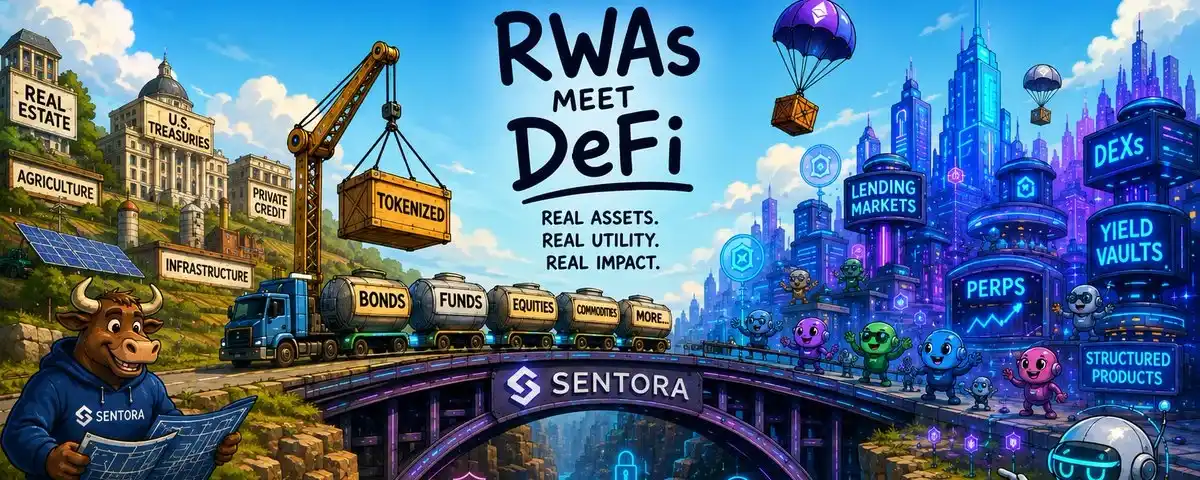
The article "Would RWA Still Matter Without DeFi?" argues that tokenizing real-world assets (RWA) alone, like putting a barcode on a container, is not transformative. True value emerges when these tokenized assets are integrated into decentralized finance (DeFi) ecosystems, enabling valuation, financing, hedging, trading, and loss management in a programmable, automated manner. Tokenization provides digital representation, but DeFi provides utility through leverage, liquidity, and composability. The core challenge lies in aligning the different "time clocks" of blockchain (fast, 24/7), traditional markets (limited hours), and asset redemption (slow processes), which creates liquidation risks and gaps. Effective RWA integration requires more than a token; it needs a full stack: legally enforceable rights, reliable data oracles, clear transfer rules, executable secondary liquidity, appropriate collateral parameters, and credible loss resolution paths. Liquidity is defined not by total value locked (TVL) but by the ability to exit a position under stress within a required timeframe. Risk management for RWAs must be modeled as a dependency graph, monitoring interconnected nodes like issuers, custodians, oracles, and liquidity pools for early warning signs beyond just price data. While tokenized government bonds serve as an initial "ping test," the future lies in more complex assets like computing power and energy, which require bespoke risk models. Tokenized stocks paired with perpetual futures present a major test, combining global equity ownership with crypto-native leverage, necessitating robust architectural safeguards like isolation and dynamic collateral rules. The conclusion is that without DeFi, RWA tokenization offers limited value—improving distribution and transparency. The significant opportunity arises when tokenized assets become functional components within open, programmable capital markets, where they can be used as collateral and facilitate complex financial strategies. The token is merely the barcode; the market operating system is the real machine.

marsbit42m ago

Is RWA Still Meaningful Without DeFi?

marsbit42m ago

Trading

Spot

Hot Articles

How to Buy ENS

Welcome to HTX.com! We've made purchasing Ethereum Name Service (ENS) simple and convenient. Follow our step-by-step guide to embark on your crypto journey.Step 1: Create Your HTX AccountUse your email or phone number to sign up for a free account on HTX. Experience a hassle-free registration journey and unlock all features.Get My AccountStep 2: Go to Buy Crypto and Choose Your Payment MethodCredit/Debit Card: Use your Visa or Mastercard to buy Ethereum Name Service (ENS) instantly.Balance: Use funds from your HTX account balance to trade seamlessly.Third Parties: We've added popular payment methods such as Google Pay and Apple Pay to enhance convenience.P2P: Trade directly with other users on HTX.Over-the-Counter (OTC): We offer tailor-made services and competitive exchange rates for traders.Step 3: Store Your Ethereum Name Service (ENS)After purchasing your Ethereum Name Service (ENS), store it in your HTX account. Alternatively, you can send it elsewhere via blockchain transfer or use it to trade other cryptocurrencies.Step 4: Trade Ethereum Name Service (ENS)Easily trade Ethereum Name Service (ENS) on HTX's spot market. Simply access your account, select your trading pair, execute your trades, and monitor in real-time. We offer a user-friendly experience for both beginners and seasoned traders.

5.7k Total ViewsPublished 2024.03.29Updated 2026.06.02

How to Buy ENS

Discussions

Welcome to the HTX Community. Here, you can stay informed about the latest platform developments and gain access to professional market insights. Users' opinions on the price of ENS (ENS) are presented below.

活动图片