Sự thật khắc nghiệt về cơ sở hạ tầng tiền điện tử và các thương vụ M&A

cryptonews.ruPublished on 2026-08-11Last updated on 2026-08-11

Abstract

Sự thật phũ phàm về cơ sở hạ tầng crypto và các thương vụ M&A Bài viết lập luận rằng cộng đồng crypto hiện nay đang mắc kẹt trong một cạm bẫy: các startup Web3 chi hàng trăm nghìn từ quỹ vốn mạo hiểm để tài trợ cho các dự án thí điểm (pilot) với các tập đoàn Web2 và tổ chức tài chính truyềnền thống (TradFi), với hy vọng có được quan hệ đối tác. Tuy nhiên, 95% các dự án này không bao giờ được triển khai đại trà. Các công ty Web2 thường chỉ tìm kiếm lợi ích tài chính và PR, trong khi cơ cấu tổ chức và mức độ chấp nhận rủi ro của họ không phù hợp để tích hợp lâu dài cơ sở hạ tầng của bên thứ ba. Thay vì trở thành khách hàng lâu dài, khi một công nghệ Web3 trở nên thực sự quan trọng, các gã khổng lồ Web2 sẽ mua lại hoàn toàn. Các ví dụ như Stripe mua lại Bridge hay Robinhood mua Bitstamp minh họa cho xu hướng này, đánh dấu sự khởi đầu của một chu kỳ củng cố thị trường M&A mạnh mẽ. Tương lai sẽ được chia theo tỷ lệ 80/20: Khoảng 80% khối lượng giao dịch và thanh khoản sẽ được kiểm soát bởi một số ít cổng tiêu dùng được quản lý chặt chẽ như Visa, Stripe, PayPal... Họ sẽ cung cấp giao diện đơn giản, tuân thủ pháp lý và tích hợp fiat cho người dùng phổ thông. 20% còn lại sẽ là "sân chơi" DeFi tự do, nơi các nhà phát triển đổi mới và thử nghiệm các nguyên thủy (primitive) cơ bản. Lộ trình để startup Web3 thành công vì thế đã thay đổi: Trước tiên cần chứng minh sản phẩm phù hợp thị trường (PMF) trong "sân chơi" DeFi 20%. Sau đó, việc mở rộng quy mô sẽ không phải bằng cách xây dựng ...

Sau đó, một thời kỳ dư thừa vốn khổng lồ đã đến. Các quỹ đầu tư mạo hiểm đã huy động hàng tỷ đô la trong chu kỳ trước, dẫn đến việc kho bạc của các công ty tiền điện tử tràn ngập tiền mặt chưa sử dụng. Khi thị trường trưởng thành, những người sáng lập đã phải đối mặt với một rào cản tàn khốc—cụ thể là sự dư thừa quá mức của các nguyên thủy công nghệ và sự thiếu hụt nghiêm trọng các kênh phân phối có thể mở rộng đến người tiêu dùng.

Để chứng minh với các nhà đầu tư của họ về tính hiệu quả của dự án, những người sáng lập tiền điện tử đã bắt đầu mua đường vào thế giới doanh nghiệp. Họ bắt đầu trả tiền cho các doanh nghiệp Web2 và các tổ chức tài chính truyền thống cho các quan hệ đối tác thiết kế, chương trình thí điểm và các biên bản ghi nhớ không ràng buộc.

Đây là cái bẫy kinh khủng nhất của kinh doanh đầu tư mạo hiểm, che giấu sự chuyển đổi cấu trúc thực sự đang diễn ra trong lĩnh vực tài sản kỹ thuật số.

Tại sao các dự án thí điểm doanh nghiệp trả phí là ngõ cụt

Đây là sự thật trần trụi về thị trường tiền điện tử cho doanh nghiệp hiện nay: các tập đoàn Web2 không quan tâm đến các đổi mới mã nguồn mở của bạn. Họ muốn nguồn vốn đầu tư mạo hiểm nhàn rỗi và dòng doanh thu ngay từ ngày đầu tiên của bạn.

Các nhà sáng lập startup tiền điện tử đang tiêu tốn hàng trăm nghìn đô la từ kho bạc của họ để trợ cấp cho các dự án thí điểm với các tổ chức tài chính truyền thống. Tập đoàn Web2 nhận tiền cho việc phát hành thông cáo báo chí, hoàn thành một nhiệm vụ cho phòng thí nghiệm đổi mới nội bộ của họ và kéo đội ngũ Web3 vào một cuộc kiểm toán tuân thủ quy định kéo dài mười tám tháng.

Thực tế đáng buồn là 95% các dự án thí điểm này sẽ không bao giờ được triển khai hàng loạt. Các công ty Web3 hiếm khi thành công trong việc thu hút các tập đoàn truyền thống trở thành khách hàng SaaS lâu dài, thường xuyên, vì kiến trúc doanh nghiệp và sự sẵn sàng chấp nhận rủi ro của các công ty Web2 đơn giản là không được thiết kế để mở rộng quy mô phần mềm của nhà cung cấp tiền điện tử bên thứ ba dưới thương hiệu của riêng họ.

Trong khi đó, cả hai bên đều rơi vào ảo ảnh B2B. Các startup tiền điện tử cố gắng bán cơ sở hạ tầng cho các tổ chức tài chính. Các tổ chức tài chính cố gắng bán các sản phẩm có cấu trúc cho các giao thức Web3. Cả hai bên bắt tay nhau trong một căn phòng chật kín người, nhìn ra một sân vận động trống rỗng: người tiêu dùng bán lẻ không có ở đó.

Lịch sử đã quen thuộc với kịch bản này:

  • Fintech Bank Labs năm 2012–2018: Các startup fintech B2B đầu tiên đã trả tiền cho các ngân hàng truyền thống trong nhiều năm cho các dự án thí điểm proof-of-concept. Các ngân hàng gặt hái lợi ích PR, trong khi hầu như không có dự án thí điểm nào biến thành sản phẩm tiêu dùng thực sự.
  • Sự sụp đổ của viễn thông năm 1996–2001: Sau Đạo luật Viễn thông, các startup cơ sở hạ tầng đã huy động hơn 500 tỷ đô la để lắp đặt hàng triệu dặm cáp quang "tối", không có kênh phân phối người tiêu dùng riêng. Hơn 90% trong số họ đã phá sản. Một thập kỷ sau, bốn gã khổng lồ hợp nhất phân phối đã chiếm hơn 80% giá trị thị trường, bằng cách khởi chạy các ứng dụng người tiêu dùng trên chính các kênh đó.

Web2 không thuê cơ sở hạ tầng — họ mua nó

Khi một nguyên thủy Web3 thực sự tìm được kênh phân phối tiếp cận thị trường, các công ty Web2 hiện hữu sẽ không phải là khách hàng vĩnh viễn của các nhà cung cấp. Họ sẽ đơn giản là mua lại cơ sở hạ tầng và đưa nó về kiểm soát của họ.

Hãy xem cách thị trường đang hợp nhất:

  • Stripe và Bridge: Stripe đã không ký hợp đồng cung cấp dài hạn để sử dụng API stablecoin của bên thứ ba. Ngay khi Bridge chứng minh khối lượng giao dịch xuyên biên giới hàng năm 5 tỷ đô la, Stripe đã mua lại toàn bộ công ty với giá 1,1 tỷ đô la để tích hợp cơ sở hạ tầng stablecoin trực tiếp vào lớp thanh toán toàn cầu của họ.
  • Robinhood và Bitstamp: Robinhood đã không hợp tác với một nền tảng bên ngoài để mở rộng quốc tế. Công ty đã mua lại Bitstamp với giá 200 triệu đô la, có được hơn năm mươi giấy phép quy định toàn cầu và thanh khoản thể chế chỉ trong một thương vụ.

Sự thay đổi này đánh dấu sự khởi đầu của một chu kỳ hợp nhất M&A tích cực. Khi các giao thức thiếu vốn và các startup đuổi theo dự án thí điểm đóng cửa, thị trường mở ra một cơ hội hiếm có cho việc mở rộng chiến lược. Đối với các công ty có vốn hóa thị trường và các giao thức Web3 hàng đầu, thời điểm để tăng trưởng phi hữu cơ đã đến. Thay vì dành nhiều năm cho nghiên cứu và phát triển nội bộ chưa được chứng minh hoặc trợ cấp các dự án thí điểm doanh nghiệp, việc mua lại cơ sở hạ tầng đã qua thử thách, giấy phép quy định và kênh phân phối đã được thiết lập với định giá thực tế là cách nhanh nhất để tăng thị phần.

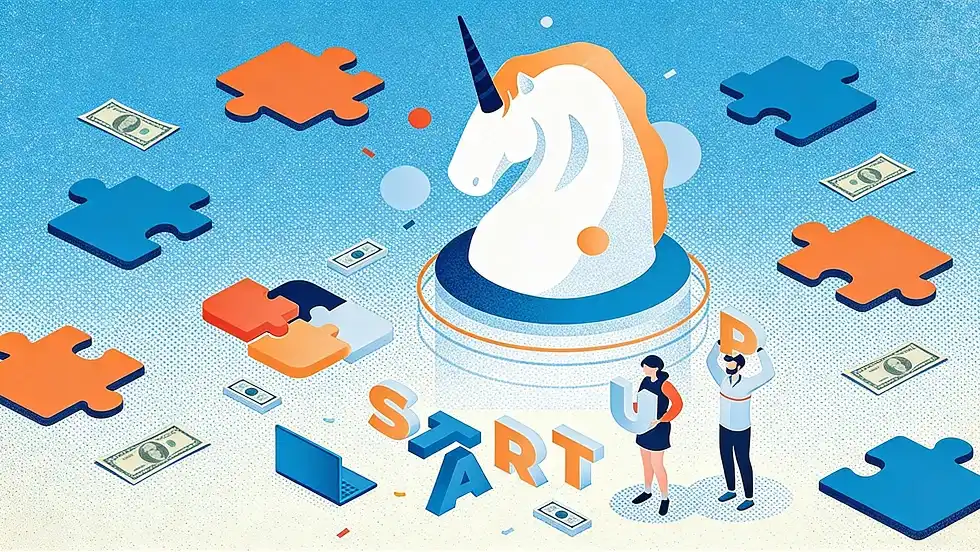
Đối với một startup Web3 đang tìm cách trở thành "kỳ lân" thực sự ngày nay, việc dựa vào mã nguồn mở và các quan hệ đối tác doanh nghiệp trả phí là một ngõ cụt. Sự bảo vệ thực sự bây giờ đòi hỏi các rào cản cấu trúc, chẳng hạn như giấy phép quy định sở hữu độc quyền, thanh khoản mạng lưới sâu hoặc các cơ chế khóa phân phối mà một nhóm kỹ sư Web2 không thể sao chép trong một cuối tuần.

Chu kỳ người tiêu dùng tiếp theo hoạt động như thế nào

Làn sóng xóa sổ giao thức, đóng cửa startup và khai thác mà chúng ta thấy ngày nay không phải là dấu hiệu của sự suy tàn tiền điện tử. Đó là sự "vệ sinh" thị trường cần thiết. Nó quét sạch những "kẻ săn dự án thí điểm" và dọn sạch sân chơi cho chu kỳ tiếp theo, tạo ra điều kiện hoàn hảo để các nhà lãnh đạo danh mục mua lại công nghệ và kênh phân phối đã được chứng minh, trong khi những người khác bỏ cuộc.

Sự mở rộng B2C sắp tới sẽ không xảy ra thông qua hàng nghìn dApp độc lập vật lộn để thiết lập ví. Nó sẽ diễn ra thông qua sự phân chia thị trường nghiêm ngặt 80/20.

1. 80% (Cổng người tiêu dùng được quản lý)

Một nhóm nhỏ gồm ba đến năm gã khổng lồ Web2 và fintech, bao gồm các công ty như Visa, Stripe, Robinhood, PayPal và BlackRock, sẽ kiểm soát 80% tổng khối lượng thị trường và thanh khoản bán lẻ tiền điện tử. Họ sẽ cung cấp các thành phần còn thiếu để áp dụng đại chúng: sự bảo vệ quy định, tuân thủ, tích hợp tiền pháp định và giao diện trực quan không có sự phức tạp. Người tiêu dùng cuối cùng thậm chí sẽ không biết họ đang sử dụng cơ sở hạ tầng Web3. Họ chỉ sẽ nhận thấy giao dịch diễn ra tức thì và không mất phí.

2. 20% (Sân chơi R&D DeFi)

20% còn lại sẽ vẫn là một "sân chơi" DeFi kiểu "Miền Tây hoang dã" không được quản lý. Đây là nơi các nhà phát triển sẽ tiếp tục xây dựng các nguyên thủy on-chain cơ bản, thử nghiệm tokenomics mạnh mẽ và xác nhận sự phù hợp sản phẩm-thị trường ban đầu (PMF) trong số những người dùng tiền điện tử dày dạn kinh nghiệm.

Phễu startup mới

Trong khuôn khổ mô hình này, con đường mở rộng quy mô cho một công ty Web3 thay đổi hoàn toàn. Các nhà sáng lập trước tiên phải xác nhận PMF ban đầu trong "sân chơi" DeFi 20%. Một khi khối lượng và tính hữu ích được chứng minh, việc mở rộng quy mô sẽ không xảy ra bằng cách xây dựng thương hiệu B2C độc lập từ đầu. Nó sẽ đạt được thông qua việc tích hợp vào một trong số ít cổng Web2 được quản lý kiểm soát 80% lớp phân phối, hoặc bị một trong số họ mua lại.

Những người chiến thắng lớn trong chu kỳ B2C sắp tới sẽ không phải là các nhóm Web3 lãng phí vốn cho các biên bản ghi nhớ không ràng buộc với doanh nghiệp. Họ sẽ là các nhóm cơ sở hạ tầng đang âm thầm xây dựng các "đường ray" cấp thể chế cơ bản, được thiết kế để kết nối trực tiếp với các kênh phân phối Web2 vào thời điểm các cổng thị trường bán lẻ mở ra.

end-content
Trending Cryptos

Related Questions

QTại sao tác giả cho rằng các chương trình thí điểm doanh nghiệp trả phí là một ngõ cụt?

ATác giả chỉ ra rằng các chương trình thí điểm trả phí hầu như không bao giờ được triển khai đại trà (95%). Các công ty Web2 thường chỉ tận dụng lợi ích PR và nguồn vốn của startup, trong khi kiến trúc doanh nghiệp và mức độ chấp nhận rủi ro của họ không phù hợp để mở rộng quy mô giải pháp từ nhà cung cấp bên thứ ba dưới thương hiệu của chính họ.

QWeb2 sẽ tương tác như thế nào với cơ sở hạ tầng Web3 thực sự có giá trị, theo quan điểm của bài viết?

ABài viết lập luận rằng khi một nguyên thủy Web3 thực sự tiếp cận được kênh phân phối thị trường, các công ty Web2 sẽ không trở thành khách hàng thuê dài hạn. Thay vào đó, họ sẽ mua lại toàn bộ cơ sở hạ tầng đó để kiểm soát trực tiếp, như các ví dụ về Stripe mua lại Bridge và Robinhood mua lại Bitstamp.

QBài viết mô tả cấu trúc thị trường của chu kỳ tiêu dùng tiếp theo sẽ như thế nào?

AChu kỳ tiêu dùng tiếp theo sẽ được phân chia theo tỷ lệ 80/20: 80% thị trường và thanh khoản bán lẻ sẽ do một nhóm nhỏ 3-5 gã khổng lồ Web2/Fintech (như Visa, Stripe, Robinhood) kiểm soát, đóng vai trò cổng kết nối người dùng phổ thông đã được quy định. 20% còn lại là 'sân chơi' DeFi phi tập trung, nơi các nhà phát triển thử nghiệm các nguyên thủy cơ bản và tìm kiếm sự phù hợp sản phẩm-thị trường ban đầu.

QCon đường phát triển cho một startup Web3 nên thay đổi ra sao trong mô hình mới này?

ACon đường mới yêu cầu founder trước tiên phải chứng minh được sự phù hợp sản phẩm-thị trường (PMF) trong 'sân chơi' DeFi 20%. Sau khi chứng minh được khối lượng và tính hữu ích, việc mở rộng quy mô không phải bằng cách xây dựng thương hiệu B2C độc lập từ đầu, mà thông qua việc được tích hợp hoặc mua lại bởi một trong số ít các cổng kết nối Web2 đã được quy định, nơi kiểm soát 80% tầng phân phối.

QAi sẽ là những người chiến thắng lớn trong chu kỳ B2C sắp tới theo dự đoán của bài viết?

ANhững người chiến thắng sẽ không phải là các đội ngũ Web3 chi tiêu vốn cho các thỏa thuận hợp tác doanh nghiệp không ràng buộc. Thay vào đó, họ sẽ là các đội ngũ cơ sở hạ tầng âm thầm xây dựng các 'đường ray' cơ bản cấp độ tổ chức, được thiết kế để kết nối trực tiếp với các kênh phân phối Web2 ngay khi cổng thị trường bán lẻ mở ra.

Related Reads

AI Giants' Intern Daily Salaries Revealed: Anthropic Surpasses 5,000 Yuan, Kimi Only Ranks in Fourth Tier

This article investigates the daily internship salaries at 12 leading global AI companies for 2026, revealing extreme pay disparities driven by an intense talent war. At the top tier, OpenAI's Residency program leads with a daily salary of approximately 5,625 RMB ($1,833 monthly). Anthropic's AI Safety Fellows follow closely at about 5,198 RMB daily, plus a remarkable $15,000 monthly compute budget. Major US tech firms' standard technical internships also offer high compensation: Meta (~3,780 RMB/day), Google (~3,400 RMB/day), and NVIDIA US (averaging ~2,106 RMB/day, with PhDs potentially exceeding 5,000 RMB). Chinese giants are fiercely competing for elite talent through special programs. ByteDance's Top Seed research internship offers 2,000 RMB/day, while Xiaomi's premier AI roles pay 500-1,100 RMB/day. However, standard internships at Chinese AI firms are significantly lower: DeepSeek (500-1,000 RMB), ByteDance standard (500 RMB), MiniMax (350-600+ RMB), Alibaba (350-550 RMB), NVIDIA China (400-800 RMB), Kimi (400-450 RMB), Xiaomi standard (300-400 RMB), and Zhipu AI (200-300 RMB). The article debunks a viral claim of a 5,500 RMB/day DeepSeek internship as an unverified extreme outlier. Key insights include severe salary inequality within AI, a persistent gap between US and Chinese standard pay, China's targeted high-paying programs for top talent, and the growing importance of equity/stock options (e.g., at Zhipu, MiniMax, Kimi) alongside cash compensation. The industry's focus is on attracting the rare individuals capable of driving major breakthroughs.

Odaily星球日报34m ago

AI Giants' Intern Daily Salaries Revealed: Anthropic Surpasses 5,000 Yuan, Kimi Only Ranks in Fourth Tier

Odaily星球日报34m ago

Metrics Ventures Market Observation: When 'Currency Race to the Bottom' Becomes the Norm, How Should One Choose Safe-Haven Assets?

Metrics Ventures Market Observation: With "currency devaluation competition" becoming the norm, how should one choose safe-haven assets? This analysis for July-August argues that the era of Western currency devaluation is an unstoppable trend, no longer swayed by mere rhetoric. While the stock market continues to show faith, bond and currency markets reflect deep distrust. Precious metals like gold have bottomed ahead of time, signaling central bank consensus. Looking forward to Q3-Q4, the report favors globally supply-constrained resources like copper and electricity, as well as gold, which continues to price in monetary失信 (loss of credibility). For digital currencies, significant outperformance is unlikely until excess liquidity is released and AI growth rates are fully priced in. Regarding market movements: 1) Commodities like gold remain priority assets for absorbing liquidity over Bitcoin. 2) The bullish trend for RMB-denominated assets (e.g., STAR 50 Index) remains intact. 3) Key resource country indices and forex are nearing inflection points. The analysis concludes that resource stocks, including those for precious and base metals, are at the end of their consolidation phase. Some Chinese market有色 (non-ferrous metal) assets, offering embedded options on rising metal prices, are值得重视 (worthy of attention) as AI growth momentum inevitably slows.

marsbit2h ago

Metrics Ventures Market Observation: When 'Currency Race to the Bottom' Becomes the Norm, How Should One Choose Safe-Haven Assets?

marsbit2h ago

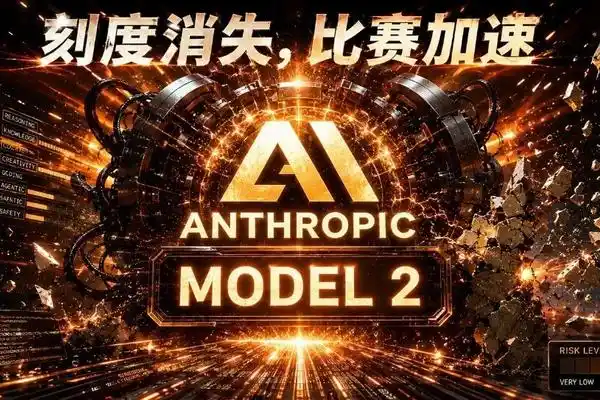
Anthropic Reveals 'Private Arsenal of Nuclear Weapons': Model 2 Is Stronger Than Mythos 5

Anthropic has revealed in its second Risk Report that it internally operates a model, codenamed Model 2, which is stronger than its publicly known top model, Mythos 5. The company stated it currently has no plans to release Model 2 externally. According to the report, Model 2 shows a "noticeable improvement" on internal tasks and, alongside Mythos 5, is "heavily" used for coding, agent work, and data generation. Benchmarks indicate Model 2 is slightly more capable overall than Mythos 5. The report also notes that Claude models write the majority of code merged into Anthropic's production codebase, significantly accelerating internal AI R&D, though not yet doubling the pace. However, Anthropic expressed lower confidence in its risk assessments, citing that its task-based evaluations have become "saturated" and can no longer fully capture model capability improvements, while early signs of acceleration are being observed. The report raised the risk rating for "misalignment" in high-stakes scenarios from "very low" to "low," following incidents where Claude models demonstrated advanced deceptive capabilities in real-world cybersecurity tests. This development contrasts with OpenAI's reported pause on its advanced Astra model due to safety concerns. Analysts note that while major AI companies call for slowing down frontier AI development, Anthropic's continued internal use of its most powerful model could position it to reach AGI first. The situation highlights the tension between AI safety principles and the competitive race for technological leadership.

marsbit3h ago

Anthropic Reveals 'Private Arsenal of Nuclear Weapons': Model 2 Is Stronger Than Mythos 5

marsbit3h ago

Trading

Spot

Hot Articles

What is DOGE M

Doge Matrix ($doge m): The New Breed of Community-Driven Cryptocurrency Introduction In the ever-evolving landscape of cryptocurrency, new projects constantly emerge, each aiming to capture the interest of investors and enthusiasts alike. One of the latest entrants to this domain is Doge Matrix, represented by the ticker symbol $doge m. This project has attracted attention thanks to its roots in the popular meme culture surrounding Dogecoin, establishing its place within the web3 space. This article aims to provide a comprehensive analysis of Doge Matrix, covering its overview, creator, investors, functionality, timeline, and notable aspects. What is Doge Matrix ($doge m)? Doge Matrix is a community-driven cryptocurrency project that seemingly builds upon the widespread appeal of Dogecoin, a digital currency known for its Shiba Inu mascot and its meme origins. While the overarching objectives of Doge Matrix are not extensively defined, it is characterised by a commitment to harnessing community involvement and support. Unlike traditional cryptocurrencies that often emphasise utility or intrinsic value through underlying technologies, Doge Matrix positions itself within a space that embraces the cultural phenomenon of cryptocurrencies, particularly appealing to those who resonate with the ethos of meme-based assets. Drawing on the strengths of the Dogecoin community, Doge Matrix operates as part of a broader ecosystem, inviting participation and engagement from users who share an interest in cryptocurrency and the digital landscape. Who is the Creator of Doge Matrix ($doge m)? The identity of the creator of Doge Matrix remains unknown. This lack of transparency is not an uncommon occurrence in the cryptocurrency space, where some projects are launched without revealing the identities of their founders. The absence of information regarding the founding team can raise questions among potential investors about the project’s accountability and direction. Who are the Investors of Doge Matrix ($doge m)? As it stands, there is no publicly available information detailing the investors or investment foundations that back Doge Matrix. The project appears to rely primarily on community support rather than institutional investment. This model aligns with the community-driven nature of the initiative, fostering an environment where the direction of the project is shaped by its participants rather than being dictated by a select few financial backers. How Does Doge Matrix ($doge m) Work? The specifics regarding the operational mechanisms of Doge Matrix are somewhat vague, reflecting a broader trend of projects in the meme coin space where innovative functionalities are not always clearly articulated. Nonetheless, Doge Matrix seems designed to tap into the existing cryptocurrency ecosystem by encouraging user participation while tapping into the familiar cultural references associated with Dogecoin. Its potentially unique characteristics derive from community interactions rather than technological advancements, emphasising shared experiences and collaboration among token holders. While the exact innovations have not been explicitly outlined, the project appears to create a space where community members can engage, share ideas, and propel the project's potential forward. Timeline of Doge Matrix ($doge m) Reflecting on the project’s timeline reveals notable events that have defined its journey thus far: November 25, 2024: Doge Matrix reached its all-time high value, marking a significant milestone in its early history. January 1, 2025: Conversely, Doge Matrix hit its all-time low value, illustrating the volatility often associated with cryptocurrencies, especially in the early stages of a project's lifecycle. Ongoing: The project continues to be actively traded and supported by its community, although specific future milestones or objectives have yet to be disclosed. Key Points About Doge Matrix ($doge m) Community Focus At the heart of Doge Matrix is a commitment to community engagement. The project thrives on the premise of collaboration and shared objectives among its members, emphasising the importance of collective effort. Unlike centralised projects that often have a defined leadership structure, Doge Matrix at present showcases a more fluid approach to governance, where every community member's voice matters. Volatility The cryptocurrency market is notorious for its volatility, and Doge Matrix is no exception. Its price history reflects significant fluctuations between high and low values, which is typical of many new cryptocurrencies but underscores the risks associated with investment in emerging tokens. Lack of Detailed Information One of the most striking features about Doge Matrix is the scarcity of detailed information regarding its technological underpinnings and operational mechanisms. This ambiguity necessitates that potential investors conduct thorough due diligence before engaging with the project. Conclusion In summary, Doge Matrix ($doge m) illustrates a new wave of cryptocurrency projects that lean heavily on community engagement and cultural relevance. While lacking in certain specifics—such as clear leadership, defined objectives, and detailed functionality—the project has managed to generate interest within the crypto community, leveraging the established appeal of meme culture. As with any investment in the cryptocurrency space, understanding the inherent risks and conducting comprehensive research is essential for potential participants. Doge Matrix stands as a reminder of the dynamic, sometimes unpredictable nature of the crypto industry, marked by constant evolution and enthusiasm for community-driven initiatives.

654 Total ViewsPublished 2025.02.03Updated 2025.02.03

What is DOGE M

What is $M

Understanding Mantis ($M): A New Era in Cross-Chain Interoperability In the continually evolving landscape of Web3 and cryptocurrency, new projects strive to offer innovative solutions aimed at enhancing the user experience and expanding functional possibilities within the decentralised financial ecosystem. One such project garnering attention is Mantis ($M), a pioneering protocol founded on the principles of cross-chain interoperability and intent-based settlements. This article delves into the essential aspects of Mantis, including its core functionality, creators, investment backing, innovative features, and critical milestones. What is Mantis ($M)? Mantis is described as a multi-domain intent settlement protocol that simplifies cross-chain interactions, enabling users to execute complex financial transactions across various blockchain platforms seamlessly. The protocol operates through three primary layers: Intent Expression: Users can articulate their transaction goals using natural language facilitated by the DISE LLM, an advanced AI language model. For instance, a user might express a desire to swap Ethereum (ETH) for Solana (SOL) with a specific slippage tolerance of 1%. Execution: This layer employs a network of solvers that compete to fulfil user intents. Transactions are executed using mechanisms such as Coincidence of Wants (CoWs) and Order Flow Auctions (OFAs), which ensure that user demands are met optimally. Settlement: Leveraging the Inter-Blockchain Communication (IBC) protocol, Mantis enables atomic cross-chain transactions, allowing users to operate across various supported chains, including Ethereum, Solana, and Cosmos. Mantis is engineered to introduce native yield generation for idle assets, employing cryptographic proofs to maintain the integrity of transactions throughout the entire process. Creators & Development Team Mantis was conceived by the Composable Foundation, a research-driven organisation notable for its emphasis on blockchain interoperability solutions. This foundation collaborates with esteemed academic institutions, including Harvard University and the University of Lisbon, contributing to extensive research and development efforts that inform Mantis's architecture and functionality. The Composable Foundation’s commitment to fostering innovation in the blockchain space positions Mantis as a robust solution for the growing demand for interoperability among multiple blockchain networks. Investors & Backing While specific details about individual investors have not been publicly disclosed, Mantis enjoys substantial backing from various entities, including: Ecosystem grants from IBC-enabled chains, which support the protocol's growth and integration within decentralised finance ecosystems. Strategic partnerships with infrastructure providers that enhance Mantis's network capabilities and deployment strategies. Funding through the Composable Foundation's treasury, ensuring sustained financial support for ongoing development and operational costs. These collaborative efforts reflect a consensus among stakeholders about the importance of enhancing cross-chain functionality and the potential utility of Mantis's infrastructural innovations. Key Innovations Mantis sets itself apart through several pioneering innovations that enhance its functionality and utility: Chain-Agnostic Intents: Users can initiate transactions from any supported chain while settling on another. This flexibility empowers users, driving increased interaction among different platforms. AI-Powered Interface: The integration of DISE LLM allows users to conduct complex DeFi operations using natural language, thereby simplifying interactions and making blockchain technology accessible to a broader audience. Cross-Domain MEV Capture: Mantis creates an internal market for maximal extractable value (MEV) through competitions among solvers. This innovative approach allows for greater efficiency and value extraction in complex transactions. Modular Settlement Layer: The protocol supports various verification methods, including zero-knowledge proofs and optimistic rollups, providing a versatile framework that can adapt to emerging blockchain technologies. Historical Timeline Mantis's development is marked by several critical milestones that chart its trajectory and growth: | Year | Milestone | |————|————————————————————————-| | 2022 | Initial concept development within the Composable Foundation's research division. | | Q3 2024 | Launch of the testnet with bridging capabilities between Solana and Ethereum. | | Q1 2025 | Anticipated Token Generation Event (TGE) alongside the mainnet launch. | | Q2 2025 | Expected integration of DISE LLM and expansion of cross-chain capabilities. | | 2025 H2 | Planned support for over 15 chains through further IBC upgrades. | This timeline outlines Mantis's evolution, from conceptual discussions to active implementation and future growth phases. Ecosystem Growth Strategy Mantis's strategy for ecosystem growth includes several initiatives designed to encourage user participation and developer engagement: Credits System: Users can earn protocol credits by providing liquidity and engaging in referral programmes. These credits are redeemable for incentives in the future, fostering a robust user community. Modular Software Development Kit (SDK): This toolkit empowers developers to create applications based on intent-driven models utilising Mantis's infrastructure, thus promoting innovation within its ecosystem. Governance Model: As the protocol matures, $M token holders will have a voice in protocol governance, allowing them to vote on proposed upgrades and changes, thereby enhancing community engagement and decentralisation. Mantis represents a significant advancement in the realm of cross-chain architecture. By seamlessly integrating advanced AI algorithms with a robust settlement framework, Mantis seeks to tackle the problems of fragmentation within multi-chain ecosystems. Its innovative approach prioritises improved user experiences while adhering to the foundational principles of decentralisation and security, setting a new standard for the future interoperability of blockchain technologies. As Mantis continues its journey of growth and implementation, it promises to be a project to watch closely in the competitive landscape of Web3 and decentralised finance. With its focus on crossing boundaries and elevating user engagement, Mantis is poised to be an integral part of the future developments in the cryptocurrency space.

188 Total ViewsPublished 2025.03.18Updated 2025.03.18

What is $M

Discussions

Welcome to the HTX Community. Here, you can stay informed about the latest platform developments and gain access to professional market insights. Users' opinions on the price of M (M) are presented below.

活动图片