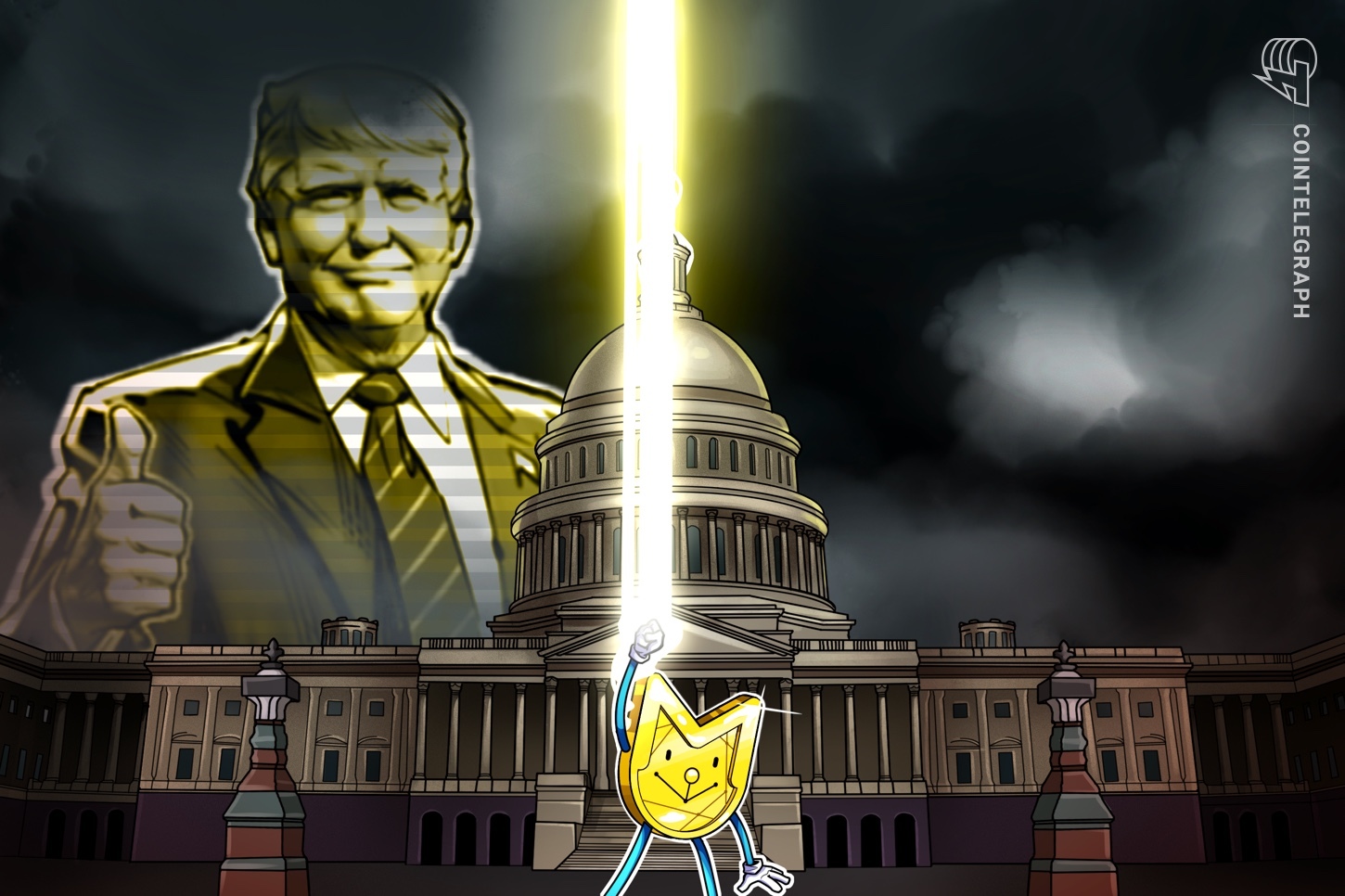
USDT recibe una luz roja

cryptonews.ruPublished on 2026-08-10Last updated on 2026-08-10

Abstract

Los titulares de tokens USDT en Rusia podrían ver sus activos bloqueados, según advirtió el presidente del banco PSB, Petr Fradkov. La empresa emisora, Tether, congela tokens a su discreción, con casos recientes que afectan a compañías en Irán y Rusia. Los montos bloqueados pueden llegar a millones de dólares. Tether utiliza herramientas AML para rastrear direcciones vinculadas a listas sancionadas y puede bloquear carteras incluso si solo un pequeño porcentaje de los fondos proviene de fuentes marcadas. No hay forma de que los usuarios se protejan completamente, ya que el marcado puede aplicarse retroactivamente. Tether coopera con autoridades como la OFAC y actúa para prevenir la evasión de sanciones. Sin embargo, el riesgo se limita principalmente a entidades bajo sanciones internacionales; los ciudadanos rusos comunes que usen USDT para fines privados y a través de exchanges legales no están afectados. En marzo del año pasado, Tether bloqueó carteras en la exchange rusa Garantex, inmovilizando activos por valor de más de 2.500 millones de rublos, tras sanciones del Tesoro de EE.UU.

A los titulares del token $USDT de Rusia podrían bloquérseles los activos. Al menos eso es lo que afirmó el presidente del banco PSB, Petr Fradkov, en una entrevista con RBC. Según sus palabras, la empresa emisora Tether congela los tokens a su discreción. Según datos del PSB, últimamente empresas de Irán y Rusia se han enfrentado a estos bloqueos. Los riesgos también son confirmados por interlocutores de “Ъ FM”.

A veces las cantidades alcanzan varios millones de dólares, dice Ignat Likhonov, fundador de la agencia legal Cartesius:

«Tether Limited lleva varios años utilizando activamente una herramienta como la congelación de tokens. La compañía lo hace en diferentes redes donde el token $USDT está emitido oficialmente — ERC-20, TRC-20 — con el propósito de combatir el crimen e implementar políticas de sanciones. Hay que entender que Tether Limited no ve el "color del pasaporte" en la cadena de bloques. La compañía utiliza herramientas de etiquetado AML, que establecen conexiones entre carteras. Si se descubre que en ciertas carteras hay tokens provenientes de direcciones afiliadas a listas sancionadas, Tether puede bloquear esas direcciones.

En nuestra práctica también ha habido tales casos: a personas les bloquearon, por ejemplo, una cartera con una suma de varios millones de dólares solo porque literalmente el 1% de los activos en ella provenían de direcciones que habían sido etiquetadas como $USDT blacklisted. ¿Es posible protegerse de alguna manera de la congelación de tokens $USDT? El usuario no puede asegurarse contra esto de ninguna manera, porque el etiquetado puede aparecer retroactivamente. La razón inicial del bloqueo sigue sin estar clara: el usuario solo ve que $USDT está marcado como blacklisted.

Tether Limited, por supuesto, trata de no abusar de tales bloqueos para no socavar la confianza en su token. Pero considerando los volúmenes de fondos que se congelan últimamente, este proceso se vuelve cada vez más notable. Tether tiene la capacidad de prácticamente confiscar fondos de un usuario y devolvérselos a otro. Por ejemplo, si a una persona le roban monedas y las transfieren a otra dirección, Tether puede congelarlas en esa dirección y luego quemarlas. Es un mecanismo especial: en términos generales, la compañía des-emite esos tokens, y luego los emite de nuevo, pero a la cartera de la víctima. Así, básicamente ocurre un proceso de confiscación de fondos y su devolución al propietario».

Sin embargo, en la zona de riesgo probablemente solo están aquellas empresas que directa o indirectamente caen bajo sanciones estadounidenses o europeas, señala Yuri Brisov, socio de la firma legal Digital & Analogue Partners. Según sus palabras, los titulares de tokens $USDT deben vigilar cuidadosamente en qué plataformas almacenan sus activos:

«Desde 2022, declararon inmediatamente que colaborarían con la OFAC y evitarían la elusión de sanciones sectoriales europeas. Y lo hacen de manera consistente y absolutamente abierta: siempre escriben la justificación de por qué se bloqueó tal o cual cartera o carteras. No actúan por algún criterio personal, sino que siempre lo coordinan con las fuerzas del orden, la OFAC y el Departamento de Justicia de EE.UU.

¿Quiénes de los titulares del token $USDT están en la mayor zona de riesgo? En la actualidad, si un ciudadano ruso compra tokens en cualquier intercambio legal que todavía preste tales servicios en Rusia, y los utiliza con fines privados, esto es absolutamente legal y no viola ninguna sanción. Solo la actividad de una persona sancionada que compre tokens para eludir sanciones puede ser bloqueada a través de $USDT. Esto no se aplica en absoluto a los ciudadanos comunes ni a las empresas ordinarias».

En marzo del año pasado, Tether bloqueó carteras en el intercambio cripto ruso Garantex. Posteriormente, el emisor explicó dicho paso como consecuencia de las sanciones contra la plataforma impuestas por el Tesoro de EE.UU. Según estimaciones de interlocutores de “Ъ FM”, los usuarios perdieron acceso a activos por un valor superior a 2500 millones de rublos.

Nikita Putyatin

end-content
Trending Cryptos

Related Questions

Q¿Quiénes corren el riesgo de que sus activos USDT sean bloqueados según el artículo?

ASegún el artículo, los titulares de tokens USDT en Rusia y empresas de Irán y Rusia pueden ver sus activos bloqueados. El riesgo es mayor para las empresas que directa o indirectamente están sujetas a sanciones estadounidenses o europeas.

Q¿Cómo funciona el proceso de congelación de tokens USDT por parte de Tether Limited?

ATether Limited utiliza herramientas AML (Anti-Money Laundering) para rastrear y marcar direcciones de carteras. Si se detecta que tokens USDT provienen o están en carteras asociadas a listas de sanciones (blacklisted), la compañía puede bloquear esos fondos, incluso de manera retroactiva.

Q¿Puede Tether Limited devolver tokens USDT robados a sus dueños legítimos?

ASí, según el artículo, Tether tiene un mecanismo para congelar tokens en direcciones vinculadas a robos, luego quemarlos (des-emitirlos) y volver a emitirlos en la cartera de la víctima, efectivamente devolviendo los fondos.

QSegún el experto Yuri Brisov, ¿están en riesgo todos los ciudadanos rusos que poseen USDT?

ANo, según Yuri Brisov, un ciudadano ruso que compre tokens en un intercambio legal y los use para fines privados no viola sanciones y no está en riesgo. El peligro existe principalmente para personas o entidades bajo sanciones que usen USDT para eludirlas.

Q¿Qué incidente importante relacionado con bloqueos de USDT en Rusia se menciona en el artículo?

AEn marzo del año pasado, Tether bloqueó carteras en la plataforma de criptomonedas rusa Garantex tras las sanciones impuestas por el Departamento del Tesoro de EE.UU. Los usuarios perdieron acceso a activos valorados en más de 2.5 mil millones de rublos.

Related Reads

Elon Musk Building Terafab: The Largest Chip Factory for AI, Robots, and Space Data Centers

Elon Musk's SpaceX and Tesla have launched the Terafab project to build a massive semiconductor facility in Grimes County, Texas. The plant, exceeding 9.3 million square meters, aims to integrate logic chip manufacturing, memory production, advanced packaging, and testing. The initial phase requires $16.8 billion in capital investment, with a long-term goal of producing over 1 terawatt of computing power annually. This capacity will support Tesla's Optimus robots and Cybercab autonomous vehicles, as well as SpaceX's orbital data centers. Texas Governor Greg Abbott confirmed the project's start in August 2026, highlighting 3,000 new jobs and a $30 million state grant. Elon Musk emphasized the strategic advantage of combining logic, memory, and packaging under one roof. Musk called the future complex the "largest and most valuable building on Earth," with an area roughly 50 times that of the Pentagon. Intel is the key technology partner, with plans to use its 14A process node for chip production. This partnership aims to diversify supply chains currently dominated by TSMC. The project aligns with the U.S. Pax Silica initiative to secure semiconductor supply chains. An AI analysis notes the project's scale and potential challenges, comparing it to delays seen in other U.S. megafab projects like Intel's Ohio facility. It questions whether Terafab can avoid similar pitfalls related to timelines, budgets, workforce, and supply chain stability. The facility's success could significantly shift the global semiconductor balance and strengthen the U.S. position in the tech race.

cryptonews.ru2h ago

Elon Musk Building Terafab: The Largest Chip Factory for AI, Robots, and Space Data Centers

cryptonews.ru2h ago

Elon Musk is Building Terafab: The Largest Chip Plant for AI, Robots, and Space Data Centers

Elon Musk's SpaceX and Tesla have launched the massive Terafab project to build a semiconductor plant in Grimes County, Texas. Spanning over 9.3 million square meters, the facility will integrate logic chip and memory production, advanced packaging, and testing. The initial phase requires $16.8 billion in capital investment, with a long-term goal of producing over 1 terawatt of computing power annually. This output is intended to supply Tesla's Optimus robots and Cybercab autonomous vehicles, as well as SpaceX's orbital data centers. Texas Governor Greg Abbott confirmed the project's start on August 6, 2026, highlighting the creation of 3,000 jobs and a $30 million grant from the Texas Enterprise Fund. Musk emphasized the strategic advantage of combining chip design, memory production, and packaging under one roof to accelerate hardware development. He stated the fully built complex would be "the largest and most valuable building on Earth," about 50 times larger than the Pentagon. An estimated 25% of production is earmarked for Tesla's robotics, with 75% for SpaceX's space-based AI systems. Earlier tax documents suggested a total project cost of up to $119 billion, but this has not been officially confirmed. Intel is the key technology partner, with plans to use its 14A process node for chip manufacturing. This partnership aims to diversify supply chains and reduce dependence on dominant foundries like TSMC. The initiative aligns with the broader U.S. Pax Silica program, which seeks to build secure international semiconductor supply chains with allied nations. An AI-driven analysis notes that megafab projects, such as Intel's delayed Ohio facility, often face schedule and budget overruns. While Terafab represents a significant step toward U.S. semiconductor self-sufficiency and could shift the global tech balance, its success will depend on factors like skilled labor availability, energy supply, and supply chain stability. The final outcome may not be clear until the late 2030s.

cryptonews.ru2h ago

Elon Musk is Building Terafab: The Largest Chip Plant for AI, Robots, and Space Data Centers

cryptonews.ru2h ago

Trading

Spot

Hot Articles

What is USDC(WORMHOLE)

USD Coin (Wormhole): A Comprehensive Overview Introduction In the rapidly evolving world of cryptocurrencies, USD Coin (Wormhole), referred to as $USDC(Wormhole), stands out as a pioneering solution within the DeFi (Decentralized Finance) landscape. Operating on several blockchain platforms, including Solana, USD Coin (Wormhole) is more than just a digital representation of the United States dollar. It embodies the innovative spirit of modern finance, enabling seamless cross-chain transactions and enhanced interoperability among diverse blockchain ecosystems through the advanced Wormhole protocol. What is USD Coin (Wormhole)? USD Coin (Wormhole) is a tokenized version of the US dollar designed to facilitate frictionless transactions across different blockchain networks. Its primary aim is to bolster liquidity and enhance the functionality of the DeFi ecosystem. By leveraging the Wormhole protocol, which establishes a robust cross-chain communication network, users can effortlessly transfer USDC tokens across various platforms. This cross-chain capability marks a significant advancement in cryptocurrency use, promoting a more interconnected and efficient ecosystem where assets can flow freely between different blockchains. The value proposition of USD Coin (Wormhole) lies not only in its stability, being pegged to the US dollar, but also in its ability to bridge gaps between disparate blockchain environments. This innovative approach fosters a greater level of participation among users and developers, paving the way for new and exciting applications within decentralized finance. Who is the creator of USD Coin (Wormhole)? The origins of USD Coin (Wormhole) are intricately tied to the Wormhole network, which was developed by Jump Crypto. While specific individual creators are not prominently documented, Jump Crypto is notable for its involvement in advancing blockchain technology and supporting its applications in finance. By creating the Wormhole network, Jump Crypto has played a vital role in promoting cross-chain asset transfers, enhancing the efficiency and diversity of cryptocurrency usage. Who are the investors of USD Coin (Wormhole)? The success of USD Coin (Wormhole) is supported by investments from several notable funds and organizations within the cryptocurrency realm. Key investors include: Coinbase Ventures: A prominent venture capital arm backed by one of the leading cryptocurrency exchanges in the industry, Coinbase Ventures provides essential capital and strategic support to promising blockchain projects. Arrington XRP Capital: Specializing in digital assets, Arrington XRP Capital recognizes the potential of innovative projects like USD Coin (Wormhole) and has invested accordingly to back its development. Jump Trading: As the parent organization of Jump Crypto, Jump Trading brings not only investment but a wealth of expertise in trading technology and market dynamics to bolster the Wormhole project. How Does USD Coin (Wormhole) Work? The operational framework of USD Coin (Wormhole) is intricately designed to facilitate effective cross-chain transactions, maximizing security and efficiency. Here’s a simplified overview of how it functions: Asset Locking: When a user wishes to transfer USDC from one blockchain to another, they first lock their tokens on the source blockchain. This process ensures that the assets are secure and are set to be either burned or moved later. Token Minting: After the tokens are locked, an equivalent amount of USDC is minted on the destination blockchain. This provides the user with access to their funds on a new platform, reflecting the flexibility that the Wormhole protocol enables. Cross-Chain Transfer: The Wormhole protocol efficiently facilitates the entire transfer process. It ensures that once the USDC is minted on the destination chain, the equivalent tokens are burned on the source chain. The result is a seamless transfer of value between two distinct blockchain environments. This cross-chain methodology ensures that transactions remain secure and transparent, significantly enhancing liquidity within the different DeFi ecosystems. Timeline of USD Coin (Wormhole) Understanding the evolution of USD Coin (Wormhole) provides vital context for its significance in the cryptocurrency arena. Here’s a timeline highlighting important milestones in the project’s history: 2021: The Wormhole project is launched, establishing a framework for cross-chain asset transfers and setting the stage for the development of USD Coin (Wormhole). 2022: The Wormhole network experiences a significant challenge with a security breach that results in a $325 million theft. However, the incident is later addressed and refunded by Jump Crypto, showcasing the project’s commitment to security and transparency. 2023: USD Coin (Wormhole) integrates with Circle’s Cross-Chain Transfer Protocol (CCTP), enhancing its capabilities for cross-chain transfers and further solidifying its place within the DeFi ecosystem. 2024: Ongoing development and expansion of the Wormhole network continue, aimed at increasing the utility and reach of USD Coin (Wormhole) as well as enhancing its operational framework. Key Features The success of USD Coin (Wormhole) can be attributed to several key features that differentiate it from other cryptocurrency offerings: Cross-Chain Interoperability At the core of USD Coin (Wormhole) is its ability to facilitate seamless transfers across multiple blockchain networks. This interoperability serves as a cornerstone for decentralized finance, allowing various platforms to interact with each other, thereby accelerating the evolution of financial services. Security Wormhole employs a well-designed Guardian Network comprised of node validators that ensure secure cross-chain transactions. This collective oversight minimizes the risk of fraud and provides users with confidence that their assets are protected during cross-chain transfers. Liquidity Enhancement By enabling USDC to circulate freely across different blockchains, USD Coin (Wormhole) enhances liquidity in the DeFi ecosystem. This increased liquidity can foster more efficient trading, contribute to better pricing strategies, and improve the overall market dynamics encompassing various digital assets. Conclusion USD Coin (Wormhole) is a pivotal innovation in the blockchain space, reinforcing the capabilities of decentralized finance (DeFi) and establishing a more connected financial ecosystem. With its robust framework for cross-chain transactions, security features, and strong backing from reputable investors, USD Coin (Wormhole) is positioned to play a key role in the future of cryptocurrency. As the digital finance landscape continues to evolve, USD Coin (Wormhole) not only embraces the future of interconnectivity among blockchain networks but also reaffirms the power of tokenization and blockchain technology in transforming how we perceive and utilize value in a digital world. By navigating the complexities of cross-chain functionality, it demonstrates a sophisticated approach to enabling financial inclusivity and innovation in the world of cryptocurrencies.

1.8k Total ViewsPublished 2024.04.01Updated 2024.12.03

What is USDC(WORMHOLE)

What is W$C

World$tateCoin ($W$C): A Comprehensive Exploration of the Emerging Cryptocurrency Project Introduction In the ever-evolving landscape of cryptocurrencies, World$tateCoin ($W$C) has emerged as a project that aims to harness the power of web3 technologies to create a distinctive digital ecosystem. As traditional models of online interaction undergo significant transformation, World$tateCoin seeks to establish itself in this budding third generation of the internet. This article will delve into the intricacies of World$tateCoin, providing an overview of the project, its objectives, and its potential impact on the web3 space. What is World$tateCoin ($W$C)? World$tateCoin ($W$C) is designed as a cryptocurrency that facilitates seamless transactions within a web3 environment. Aimed at creating a decentralized platform where users can interact with various web3 applications, $W$C intends to streamline user experience and enhance accessibility to digital services. While the project aspires to become an integral part of the web3 landscape, detailed insights into its specific objectives and use cases remain limited, raising questions regarding its potential role and utility in a rapidly advancing digital context. The essence of web3 revolves around decentralization and empowering users with greater control over their interactions online. World$tateCoin intends to align with these principles, although specific applications and functionalities of the currency are still under discussion within the community. Who is the Creator of World$tateCoin ($W$C)? In exploring the origins of World$tateCoin, information regarding its creator remains elusive. As of now, there is no publicly available data identifying the individuals or organizations behind the project. This obscurity may cast a shadow of uncertainty over the project’s credibility, but the commitment to innovation within the cryptocurrency framework could be a driving force for its adoption in the future. The lack of identifiable leadership may result in hurdles related to trust and transparency—elements that are crucial for establishing a strong community in the crypto space. Who are the Investors of World$tateCoin ($W$C)? Current research does not reveal any specific investors or backing organizations involved with World$tateCoin. It is not uncommon for emerging cryptocurrency projects to either attract discreet investments or operate in a minimalist financial structure during their initial phase. The ambiguity surrounding investment supports and funding methodologies could affect the project’s sustainability and growth prospects. When assessing new projects within the cryptocurrency domain, investors generally look for transparency regarding financial backing and support from established entities. The absence of this information might necessitate a cautious approach for potential users and stakeholders interested in the future of World$tateCoin. How Does World$tateCoin ($W$C) Work? The operational mechanics of World$tateCoin are grounded in the principles of decentralization, a hallmark of web3 technologies. By facilitating transactions directly between users without the intervention of intermediaries, $W$C is designed to enhance trust and efficiency. However, comprehensive documentation detailing the unique features and operational framework that distinguish World$tateCoin from other cryptocurrencies is markedly sparse. This lack of information complicates the understanding of how $W$C functions within the broader web3 ecosystem and what unique propositions it brings to users and developers alike. Nevertheless, the fundamental goal of allowing for decentralized transactions holds the promise of a more liberated financial landscape, should the project deliver on its aspirations of implementing robust mechanisms and user-friendly interfaces. Timeline of World$tateCoin ($W$C) Constructing a timeline that encapsulates the historical progression of World$tateCoin poses challenges due to an absence of significant documentation on key events and milestones. Nevertheless, an approximate sequence of hypothetical phases can be envisaged, constituting a path forward for the project: Initial Concept (Date Unknown): Conceptualization of the World$tateCoin framework in the broader context of web3 technologies. Development Phase (Date Unknown): Commencement of technical development and coding processes. Community Engagement (Date Unknown): Outreach to potential users and stakeholders to foster community interest in the project. Launch Target (Date Unknown): Announcing an expected launch date, contingent on the progress of development and testing phases. Due to the lack of substantiated dates and details surrounding these phases, stakeholders will need to remain vigilant and engaged with the project's communications for updates regarding its trajectory. Key Topics About World$tateCoin ($W$C) As the project unfolds, certain key subjects arise that embody the potential and aspirations of World$tateCoin: Decentralization: The core philosophy driving the project, aimed at fostering direct user interactions. Web3 Integration: The goal of mirroring web3 principles and enabling seamless user access to an array of digital services. Digital Currency: Positioned as a currency to facilitate internet-based transactions, World$tateCoin aims to inject additional liquidity into the web3 market. Challenge of Information Scarcity: The notable absence of detailed information regarding the project's foundations, creators, and operational methods, necessitating increased transparency from developers to build community trust. Conclusion World$tateCoin ($W$C) is positioned within an exciting yet uncertain terrain of cryptocurrency and web3 integration. While it aims to cultivate a decentralized environment, the limited availability of information regarding its creators, investors, and specific functionalities presents challenges for potential stakeholders and users. In the dynamic world of cryptocurrencies, transparency, engagement, and well-structured communication are vital for the success of projects such as World$tateCoin. As the landscape continues to evolve, stakeholders will be eager to see how the project can solidify its place within the web3 narrative and contribute to the ongoing transformation of the digital ecosystem.

1.5k Total ViewsPublished 2024.04.01Updated 2024.12.03

What is W$C

How to Buy W

Welcome to HTX.com! We've made purchasing Wormhole (W) simple and convenient. Follow our step-by-step guide to embark on your crypto journey.Step 1: Create Your HTX AccountUse your email or phone number to sign up for a free account on HTX. Experience a hassle-free registration journey and unlock all features.Get My AccountStep 2: Go to Buy Crypto and Choose Your Payment MethodCredit/Debit Card: Use your Visa or Mastercard to buy Wormhole (W) instantly.Balance: Use funds from your HTX account balance to trade seamlessly.Third Parties: We've added popular payment methods such as Google Pay and Apple Pay to enhance convenience.P2P: Trade directly with other users on HTX.Over-the-Counter (OTC): We offer tailor-made services and competitive exchange rates for traders.Step 3: Store Your Wormhole (W)After purchasing your Wormhole (W), store it in your HTX account. Alternatively, you can send it elsewhere via blockchain transfer or use it to trade other cryptocurrencies.Step 4: Trade Wormhole (W)Easily trade Wormhole (W) on HTX's spot market. Simply access your account, select your trading pair, execute your trades, and monitor in real-time. We offer a user-friendly experience for both beginners and seasoned traders.

6.7k Total ViewsPublished 2024.04.02Updated 2026.06.02

How to Buy W

Discussions

Welcome to the HTX Community. Here, you can stay informed about the latest platform developments and gain access to professional market insights. Users' opinions on the price of W (W) are presented below.

活动图片