Tunjukkan Padaku "The Lord of the Rings", Karpathy Rekomendasikan Tolok Ukur Baru untuk Evaluasi Model Besar

marsbitPublished on 2026-08-03Last updated on 2026-08-03

Abstract

Karpathy dari Anthropic memperkenalkan "The Lord of the Rings (LOTR) Benchmark", sebuah tolok ukur baru untuk menguji kemampuan model bahasa besar (LLM) dalam tugas pemahaman ruang dan pembuatan kode yang kompleks. Tantangannya adalah meminta LLM (Claude 3.5 Opus dalam demo ini) untuk membaca awal novel "The Lord of the Rings" dan menerjemahkannya menjadi dunia 3D interaktif yang berjalan di browser menggunakan Three.js. Proses ini membutuhkan sekitar 100 juta token, 2 jam, dan 5500 baris kode. Hasilnya adalah animasi 3D sederhana yang menunjukkan karakter dan adegan awal cerita, meskipun masih terdapat kesalahan teknis seperti karakter yang melayang. Benchmark ini diusulkan sebagai pengganti tes "Pelican Riding a Bicycle" SVG yang populer sebelumnya. Tes baru ini dianggap lebih menantang karena tidak hanya menguji pembuatan gambar statis, tetapi juga kemampuan model untuk memahami hubungan spasial, merencanakan proyek besar, menulis kode panjang, dan memelihara konsistensi visual sepanjang waktu. Demo ini memicu respons luas dari komunitas. Banyak pengguna mencoba tugas serupa dengan model lain seperti DeepSeek, menghasilkan proyek seperti model 3D kota New York, konser Kanye West virtual, hingga prototipe game. Hal ini menunjukkan potensi LLM dalam menurunkan ambang batas pembuatan konten 3D dan prototipe yang dapat dimainkan. Diskusi berlanjut tentang apakah tes ini benar-benar mengukur "pemahaman spasial" atau hanya keterampilan penulisan kode Three.js yang baik. Namu...

Tanpa basa-basi, langsung saja kita mulai bersantai harian (doge)!

Baru saja, sang legenda Karpathy mengumumkan, "kami" di Anthropic telah mulai menggunakan cara baru untuk memberikan tekanan pada model besar——

"The Lord of the Rings".
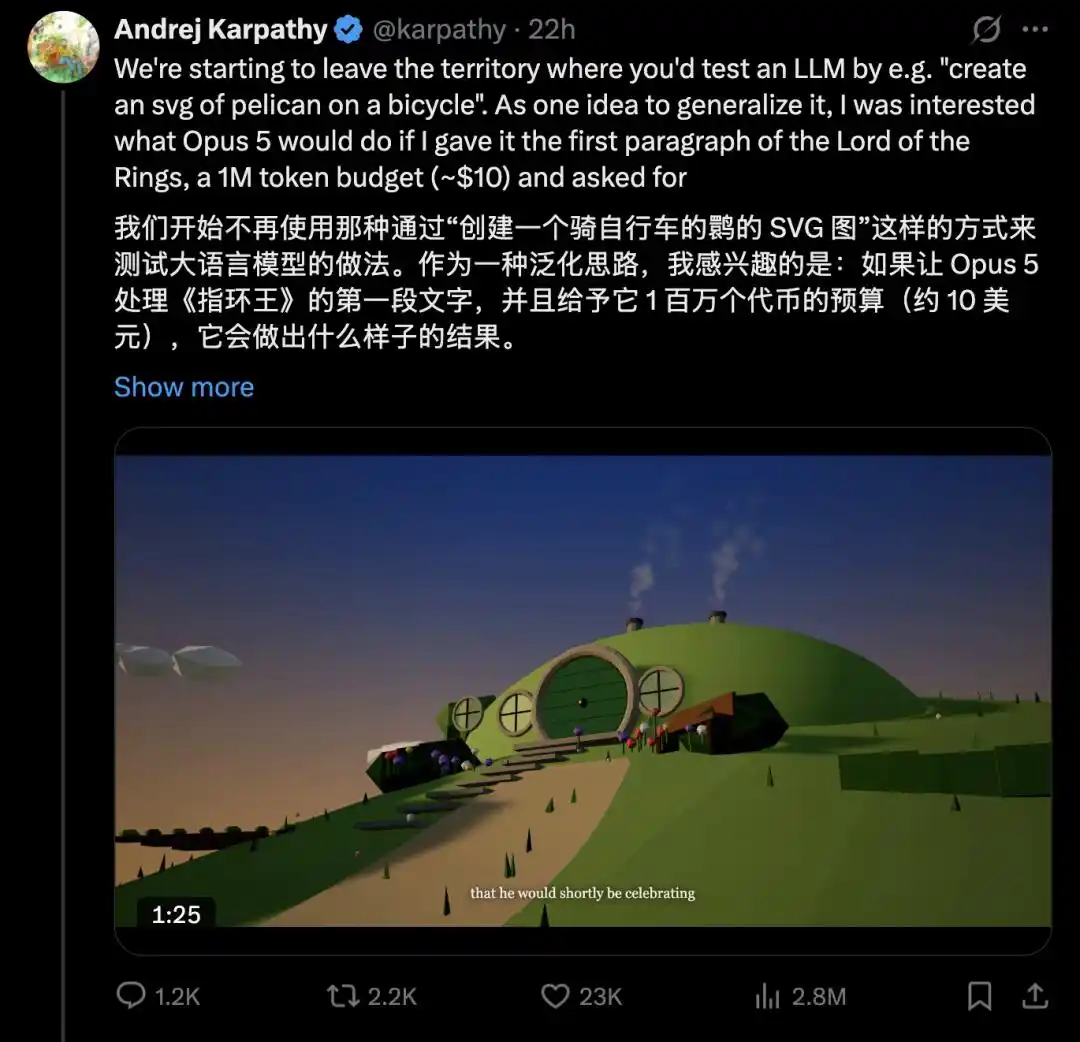
Menurut Karpathy, tolok ukur "Lord of the Rings" ini sedang mengambil alih tes SVG "Pelikan Mengendarai Sepeda" yang dulu sangat populer.
Secara spesifik, Karpathy langsung memberikan awal cerita "The Lord of the Rings" ke Opus 5, meminta model tersebut membuat seluruh "Dunia Tengah" dengan Three.js secara langsung.

Sedangkan hasil akhirnya, agak mirip dengan film animasi 3D buatan Tiongkok akhir tahun 90-an, awal 2000-an: sangat kasar dan abstrak.

Tapi secara objektif, jika diamati sebentar dan kamu kebetulan familiar dengan lokasi syuting "The Lord of the Rings" di Hobbiton, Selandia Baru, memang ada sedikit nuansanya~

Namun, hal yang terlihat tidak begitu halus ini, secara nyata menghabiskan Opus 5: 1 juta token, 2 jam, dan 5500 baris kode.

Tentu, di atas panggung bukan hanya Claude yang sendirian bersinar.

Yang paling lucu, adalah versi DeepSeek V4 Flash yang baru dihadirkan oleh netizen.

Langsung seluruhnya "Orang Tionghoa Bisa Terbang", semua karakter di layar melayang.

Menghadapi kesalahan yang terlihat jelas ini, Karpathy cukup jujur.

Dia menunjuk bahwa Opus 5 saat ini belum bisa benar-benar "masuk" ke dunia yang dihasilkannya sendiri, hanya bisa terus mengambil tangkapan layar di titik waktu berbeda, dan perlahan memeriksa di mana letak masalahnya.

Dan ini justru mengungkapkan sebuah kelemahan mencolok model besar saat ini:

Mereka sudah bisa menulis kode, membangun adegan, menghasilkan game, tetapi belum bisa benar-benar memahami video, juga belum bisa memainkan sendiri game yang mereka buat.

Dua Jam, Membangun Dunia Tengah dengan Tangan

Mari kita lihat bagaimana tes "Lord of the Rings" ini dilakukan secara spesifik.

Jika mengikuti makna harfiah dari cuitan Karpathy, petunjuk utama yang diberikan kepada Opus 5 seharusnya adalah awal Bab 1 "The Long-expected Party" dari buku "The Lord of the Rings".

Bilbo Baggins dari Bag End mengumumkan akan mengadakan pesta ulang tahun ke-111 yang meriah, Hobbiton langsung ramai dibicarakan......

Teman-teman yang berminat bisa mencobanya sendiri.

Selain itu, Karpathy juga menetapkan Three.js dalam petunjuknya, yaitu sebuah pustaka JavaScript untuk membangun adegan 3D dengan kode.

Dari sini, tugas Opus 5 adalah pertama memahami teks awal "The Lord of the Rings", lalu menerjemahkannya menjadi dunia 3D yang dapat berjalan secara real-time di browser.
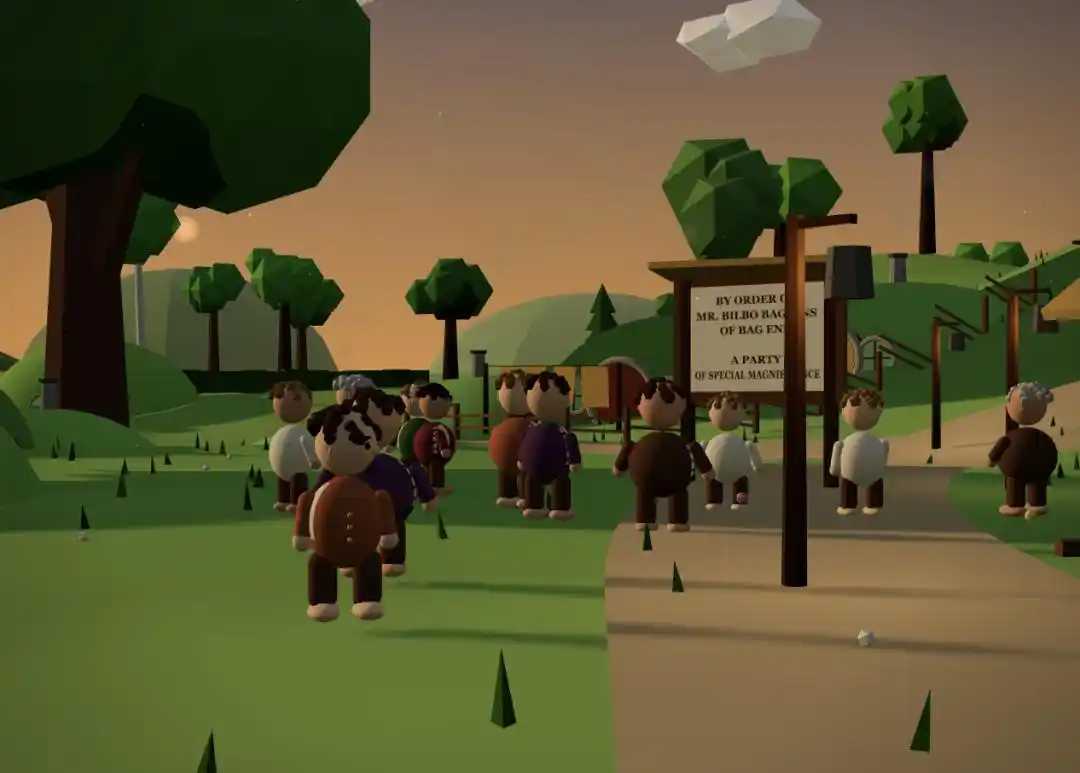
Sepanjang proses, Opus 5 perlu menggunakan poligon untuk menyusun karakter, bangunan, dan properti, menempatkannya satu per satu ke dalam sistem koordinat x, y, z, lalu mengatur kamera, pencahayaan, dan animasi.

Kapan karakter bergerak, kemana kamera berputar, bagaimana pencahayaan berubah, bagaimana objek dalam adegan berinteraksi, semua perlu didefinisikan oleh model dengan kode.

Meskipun tampilan akhirnya tidak bisa dibilang halus, dan sering muncul masalah clipping, melayang, seperti kepala dan badan karakter terpisah...... tapi setidaknya seluruh adegan berhasil dibangun.
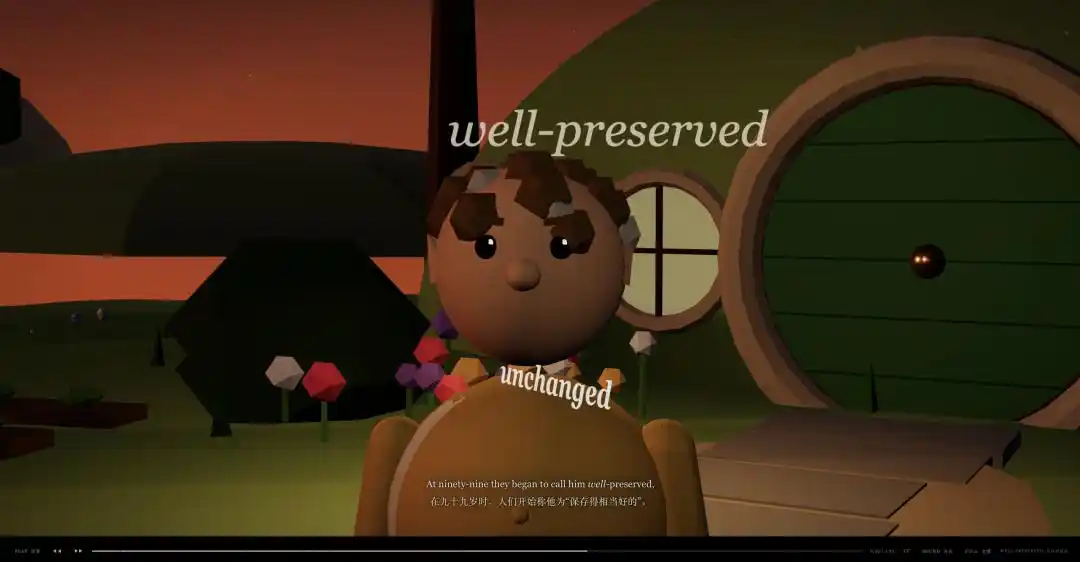
Perlu diperhatikan, ini bukan hal yang sama dengan model video yang langsung menghasilkan piksel per frame.

Three.js perlu membangun karakter, objek, dan adegan terlebih dahulu sebagai objek tiga dimensi, lalu menghitung posisi, sudut, dan status gerak mereka secara real-time berdasarkan kode.

Jadi, Demo yang kita lihat bukanlah video yang dihasilkan AI biasa, melainkan rekaman layar saat adegan 3D web sedang berjalan.

Namun, Karpathy di kolom komentar juga menyebutkan, 3D prosedural dan pembuatan video bukanlah pilihan satu-satunya.

Ada netizen yang menyarankan, rekaman Three.js yang kasar ini bisa diberikan ke Seedance sebagai video referensi, lalu biarkan model video merender ulang dengan kualitas yang lebih tinggi.
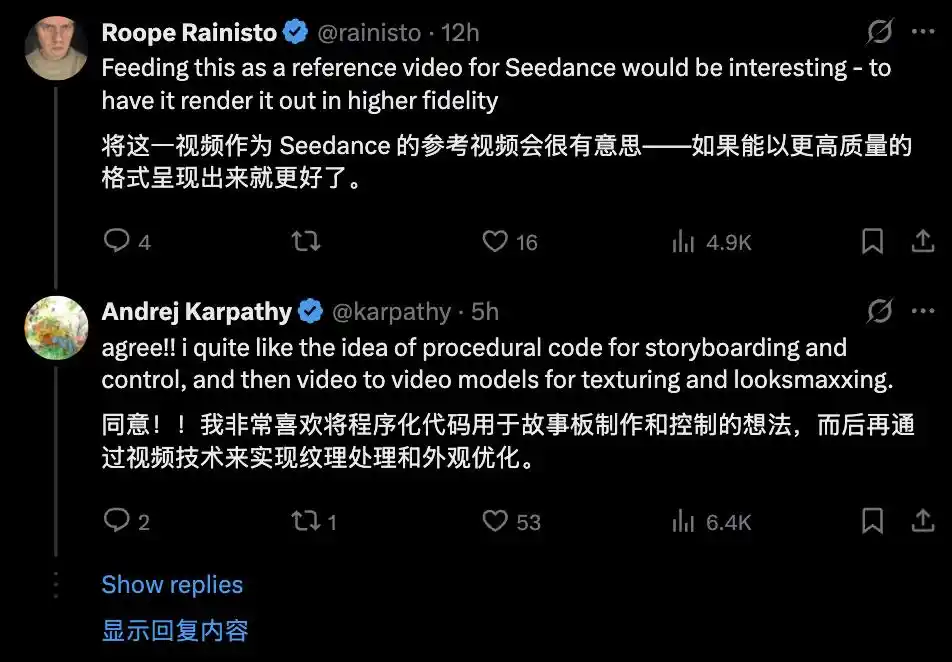
Karpathy dengan cepat menyetujui.

Menurut rencananya, kode prosedural dapat bertanggung jawab atas storyboard dan kontrol, menetapkan terlebih dahulu kerangka seperti di mana karakter berdiri, bagaimana kamera bergerak, bagaimana alur cerita berlanjut.

Selanjutnya, rekaman diserahkan ke model Video-to-Video, agar melengkapi tekstur, cahaya-bayang, dan detail, mempercantik "penampilan" seluruh Dunia Tengah.

Sedangkan untuk audio, Opus 5 kali ini tidak merangkap semuanya.

Karpathy menyatakan, karena permintaan pribadinya terhadap kualitas suara, akhirnya menggunakan ElevenLabs.
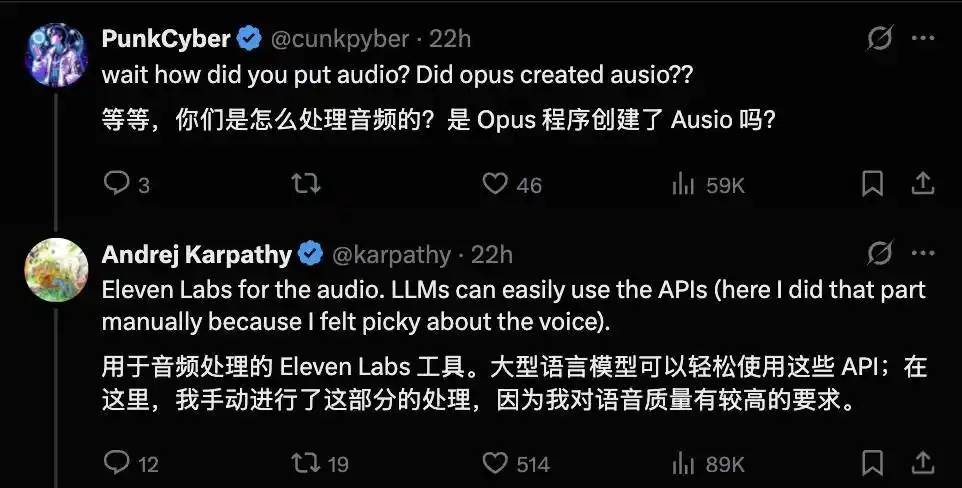
Maka, Demo "The Lord of the Rings" yang memiliki gambar, adegan, dan narasi tersebut, terlahir begitu saja.

Karpathy juga telah membuka sumber seluruh proyek, tautan spesifik dapat dilihat di akhir artikel.
Netizen Jauh Lebih Menarik daripada Karpathy

Setelah Karpathy merilis Demo, banyak netizen juga datang untuk mencobanya.

Secara keseluruhan, hanya bisa dikatakan:

Netizen kali ini jauh lebih imajinatif daripada Karpathy.

Ada yang meluncurkan proyek "Earth Online" dengan Claude, bertujuan untuk membangun seluruh bumi sedikit demi sedikit dengan sekelompok AI Agent.

Saat ini, Agent belum menyelesaikan seluruh bumi, hanya membangun kawasan tepi laut San Francisco dengan gaya poligon rendah. Namun dari tampilan yang ada, proporsi bangunan, skala karakter, dan keseluruhan gaya terpelihara cukup konsisten.

Efek ini agak mirip dengan film animasi dunia Lego. Gayanya tidak rumit, tetapi karakter, adegan, dan aksi bisa berjalan stabil di dunia yang sama.

Mengikuti arah ini, animasi dan game ringan dengan gambar sederhana, sudah memiliki sedikit bentuk asli AI.

Ada juga netizen yang membuat model digital 3D Kota New York dengan Fable 5 dan GPT-5.6 Sol, dan menghubungkannya dengan data real-time.

Model tidak hanya perlu menempatkan jalan dan bangunan New York dengan benar, tetapi juga mempertahankan hubungan spasial antar wilayah. Penulis juga mengusulkan bahwa tugas menghasilkan dunia virtual semacam ini mungkin dapat menjadi Tolok Ukur Penalaran Spasial baru.

Yang lebih ekstrem masih ada.

Ada netizen yang tidak berhasil membeli tiket konser Kanye West, akhirnya membuat konser untuk dirinya sendiri di browser dengan AI.

Seluruh proyek masih dibangun dengan Three.js. Hanya ada satu file HTML, tidak memanggil model 3D jadi apapun, panggung, karakter, dan pencahayaan semuanya dihasilkan oleh kode.

Seluruh konser menyiapkan 14 lagu, setiap lagu memiliki desain pencahayaan mandiri dan visual panggung berbentuk bola yang khusus.

Pengguna biasa dapat mendengarkan cuplikan, setelah terhubung dengan Spotify Premium, bahkan dapat memutar lagu lengkap dan seluruh pertunjukan.

Tidak dapat tiket, langsung buat konser pribadi untuk diri sendiri, terlalu gila!

Belum selesai!!!

Karpathy di akhir postingan asli juga membayangkan, selanjutnya dapat menambahkan gameplay ke dunia 3D ini, memungkinkan pemain masuk ke dalamnya sebagai pengamat, NPC, atau bahkan karakter cerita.

Hasilnya, versi game belum sempat diatur Karpathy, netizen sudah membuatnya.
Proyek ini juga menggunakan Opus 5 dan Three.js, tidak hanya dapat dijalankan dan berinteraksi, bahkan audio sudah dilengkapi.

Lebih banyak lagi kasus desain 3D terus bermunculan. Dari proporsi bangunan, tata ruang, hingga gaya adegan, Opus 5 sudah dapat mempertahankan konsistensi yang relatif stabil dalam proyek berskala cukup besar.

Contoh serupa masih banyak, di sini tidak akan ditampilkan satu per satu.

Secara objektif, karya-karya ini masih memiliki jarak dengan game yang benar-benar matang.

Apakah gameplay yang memusingkan itu menarik, apakah stabil jika dijalankan lama, apakah pemain benar-benar mau tinggal di dalamnya selama 15 menit, saat ini belum ada jawabannya.

Tapi, ambang batas pembuatan konten 3D real-time dan prototipe yang dapat dimainkan, memang sudah didorong jauh ke bawah.

Apalagi, jika ada metode baru untuk menguji kemampuan model, sekaligus cukup menarik dan menyenangkan, bukankah itu bagus?

Pelikan, Sampai di Sini Saja

Lalu, mengapa tiba-tiba meminta model besar menghasilkan "The Lord of the Rings"?

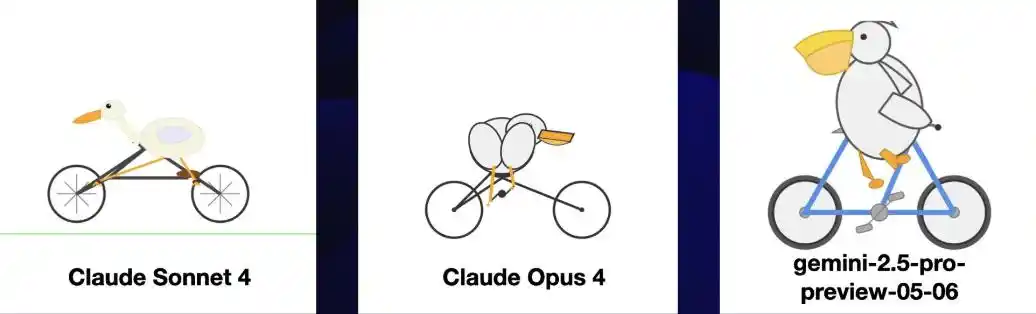
Ini harus dimulai dari tes "Pelikan Mengendarai Sepeda" yang meledak beberapa tahun lalu.

Pertanyaan ini awalnya berasal dari pengembang Simon Willison, permintaannya hanya satu kalimat:

Hasilkan gambar SVG pelikan mengendarai sepeda.
Meskipun pertanyaan ini terlihat sederhana, sebenarnya cukup menantang model.

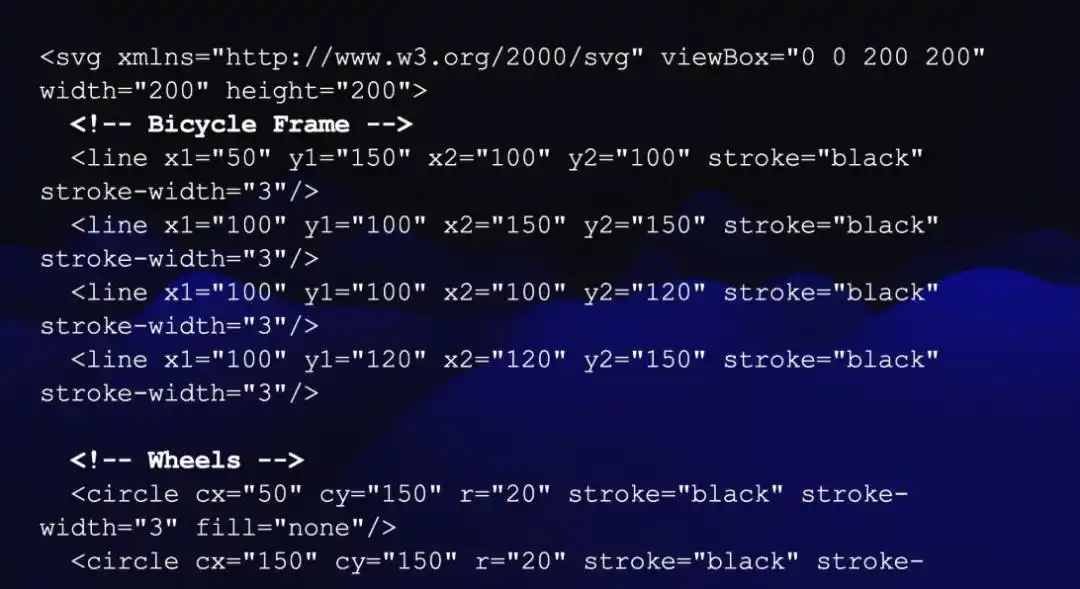
Karena SVG terlihat seperti gambar, dasarnya adalah serangkaian kode.

Model tidak hanya perlu tahu seperti apa pelikan dan sepeda, tetapi juga harus memecahnya menjadi garis, lingkaran, dan poligon, lalu mengatur posisi setiap komponen dengan koordinat.
Yang lebih penting, pelikan dan sepeda sendiri kurang cocok.

Rangka sepeda, ban, dan pedal harus mempertahankan struktur geometris yang benar; pelikan memiliki paruh besar, kaki pendek, dan tubuh yang tidak terlihat bisa mengayuh.
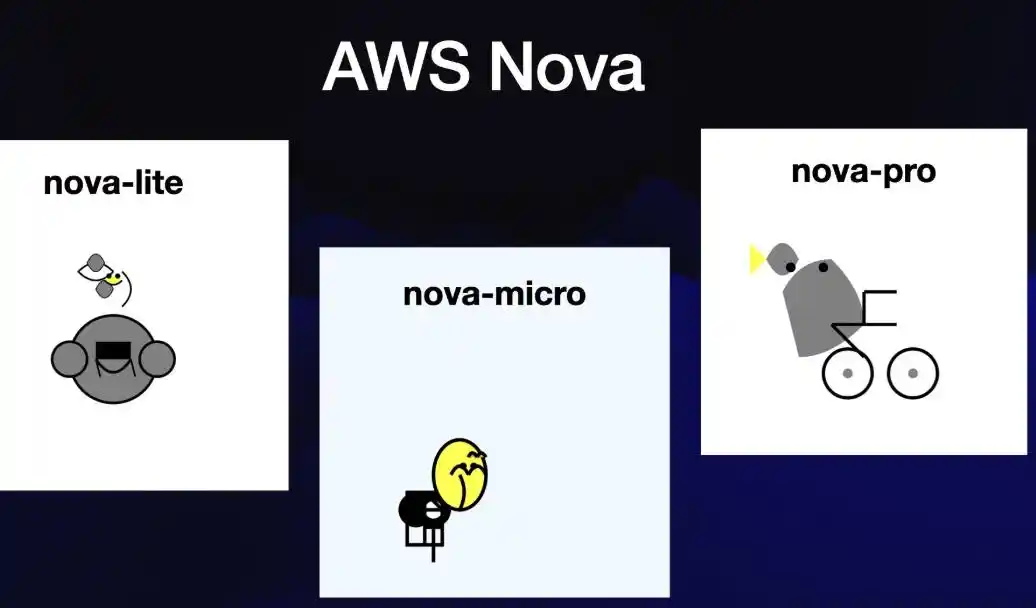
Keduanya digabungkan, apakah model benar-benar memahami hubungan spasial, hampir langsung terlihat:

Ban bengkok atau tidak, kaki menginjak pedal atau tidak, burung itu benar-benar mengendarai sepeda, atau langsung tercabik-cabik oleh rangka sepeda.

Lihatlah demo akhir tahun 2024 di atas~

Karena itulah, "Pelikan Mengendarai Sepeda" pernah menjadi tes klasik untuk mengamati kemampuan pemahaman spasial, kombinasi objek, dan pembuatan kode model besar di kalangan masyarakat.
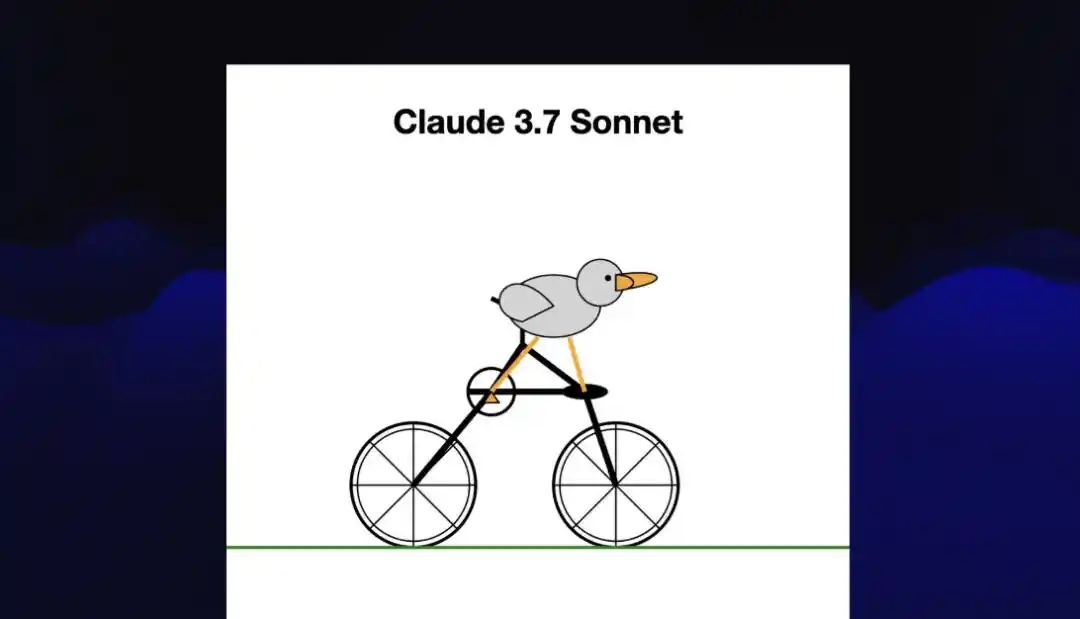
Tapi seiring model semakin kuat, pelikan ini juga hampir sampai di ujung perjalanannya.

Lihatlah performa DeepSeek R1 dan DeepSeek V4 di bawah ini, model sekarang sudah bisa menyelesaikan soal ini dengan cukup baik.
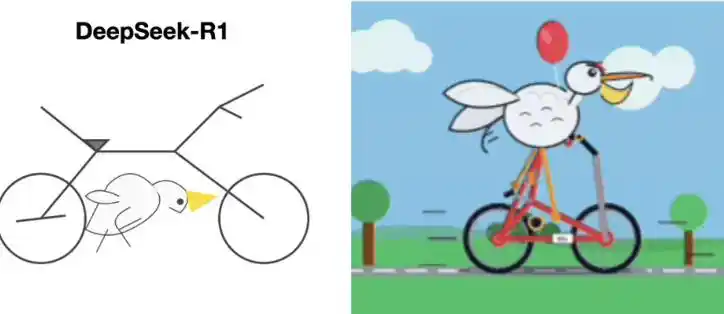
Yang lebih penting, satu gambar SVG hanya bisa menguji output satu kali model.

Ini tidak bisa menguji apakah model dapat merencanakan proyek kompleks, bekerja terus-menerus selama beberapa jam, dan berulang kali memeriksa serta memperbaiki kesalahannya sendiri dalam ribuan baris kode.

Maka, Karpathy mengganti soal kecil "gambar sebuah gambar", menjadi proyek besar "bangun sebuah dunia"——

Pelikan bisa turun sepeda, Dunia Tengah resmi mengambil alih.
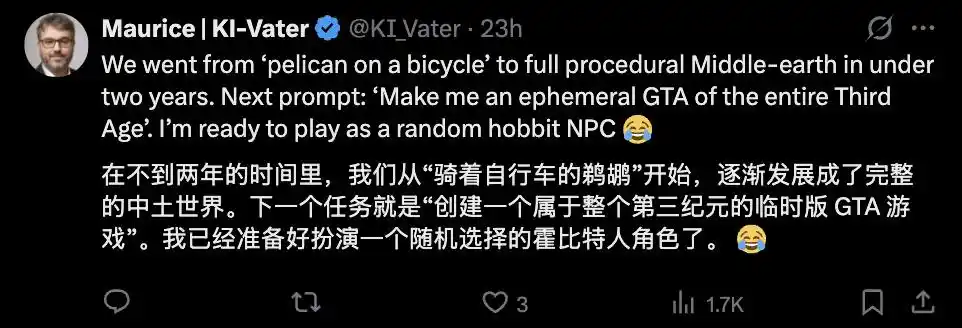
Pelikan Karpathy

Dengan cepat, berita bahwa Karpathy bersiap mengganti soal "Tes Pelikan" juga menyebar ke berbagai komunitas.

Komentar dengan banyak suka di Hacker News berpendapat, meskipun kualitas gambar Demo ini biasa saja, tetapi ini justru menunjukkan bahwa kita membutuhkan tes baru yang lebih sulit daripada menghasilkan gambar tunggal.

Tolok ukur baru tidak hanya harus melihat apakah model dapat menggambar dengan benar, tetapi juga menguji kemampuannya memahami sebuah dunia.
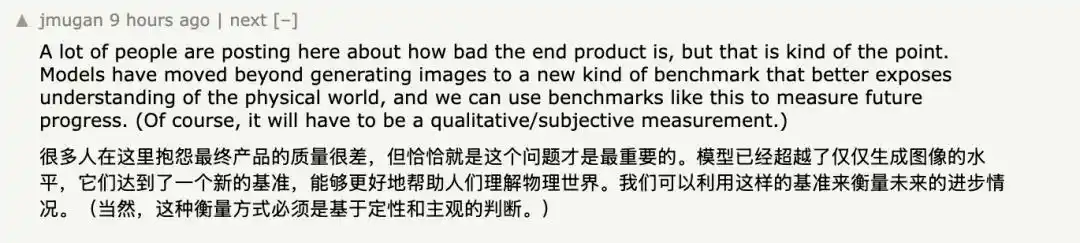
Lagi pula, "Pelikan Mengendarai Sepeda" sudah digunakan terlalu lama.

Model terus berkompetisi untuk tugas semacam ini, perbedaan di antara mereka semakin sulit dilihat.

Sebaliknya, menghasilkan dunia 3D lengkap membutuhkan model untuk memahami hubungan spasial antara karakter dan objek, menangani kamera, aksi, dan perubahan adegan, bukan sekadar memanggil model pembuat video untuk mengeluarkan serangkaian gambar.
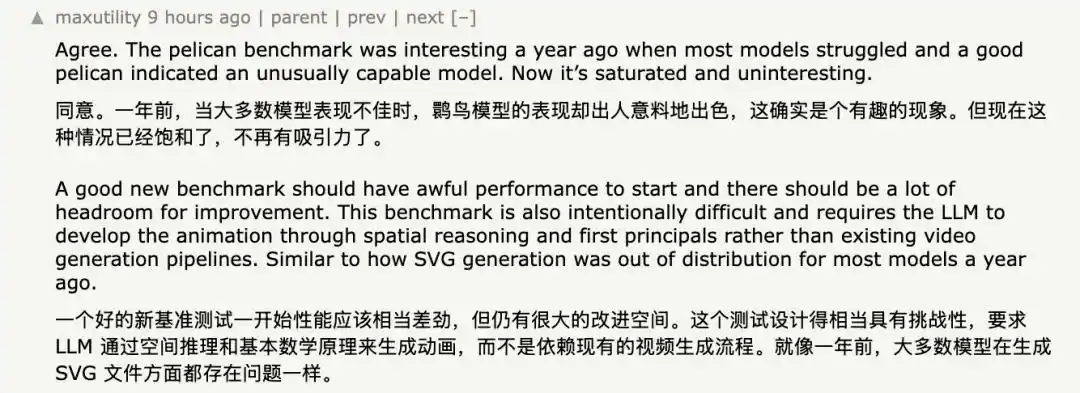
Tentu, ada juga yang mengajukan keberatan.

Tes Pelikan cukup ringkas, biaya rendah, hasilnya juga mudah dibandingkan.

Untuk menguji model sekali, menghabiskan begitu banyak Token untuk menghasilkan seluruh dunia 3D, agak seperti bermain kembang api dengan daya komputasi.
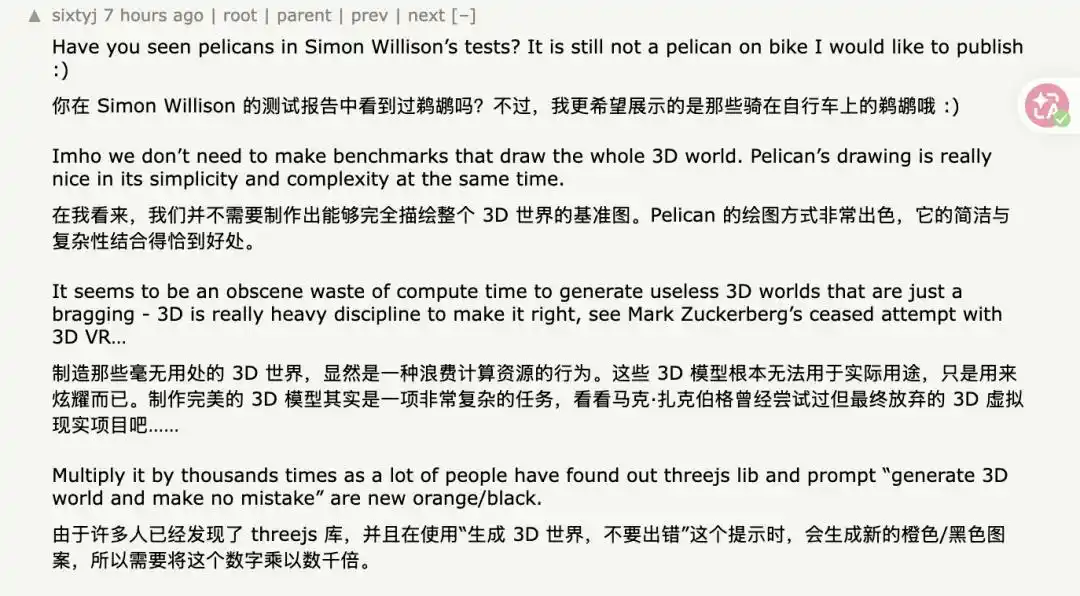
Sementara itu, apakah Three.js sendiri dapat mengukur kemampuan komprehensif model besar, juga dipertanyakan.

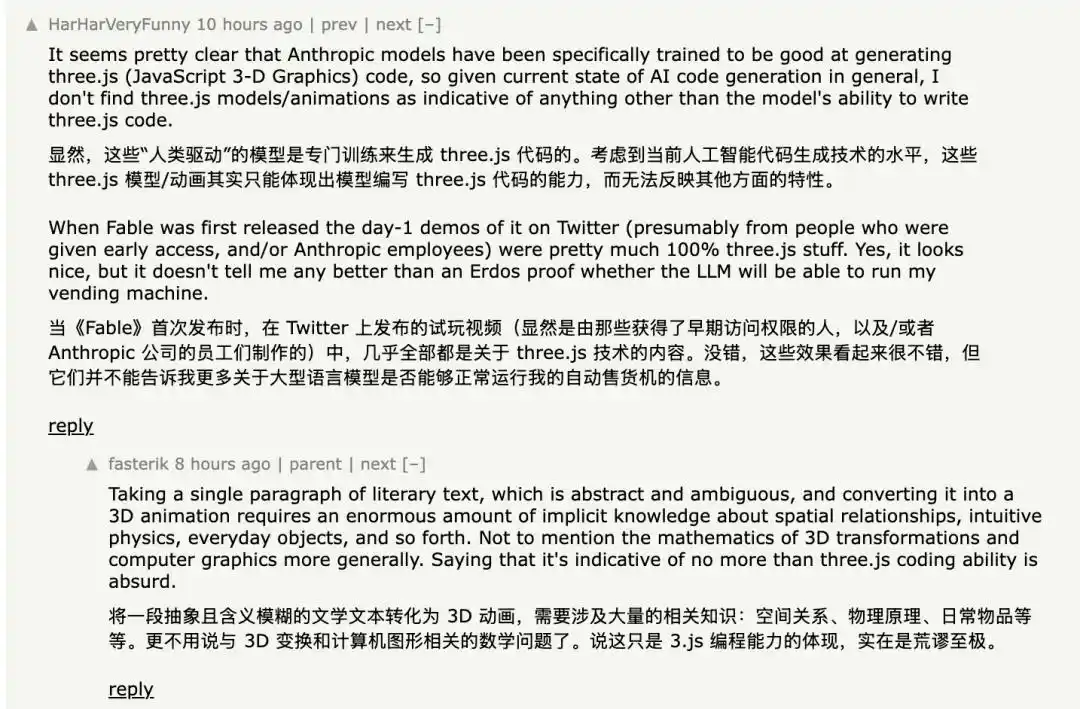
Beberapa berpendapat, Demo semacam ini paling-paling hanya dapat membuktikan Anthropic berhasil melatih kode Three.js dengan baik, tidak dapat membuktikan model benar-benar memahami ruang dan dunia fisik.

Tapi segera ada netizen yang membantah:

Mengubah teks sastra yang abstrak dan maknanya kabur menjadi animasi 3D, model perlu menangani hubungan spasial, hukum fisika, objek sehari-hari, serta transformasi 3D dan masalah matematika dalam grafika komputer secara bersamaan.

Jika ini masih dianggap hanya "bisa menulis Three.js", agak meremehkan 5500 baris kode ini.
Ada juga netizen yang mengajukan pertanyaan yang lebih terbuka:

Apakah yang disebut "Penalaran Spasial" benar-benar berbeda dengan penalaran model besar saat menangani teks dan kode sehari-hari?

Satu pandangan berpendapat, apakah sebuah gambar dapat terbentuk, bergantung pada apakah model memahami hubungan spasial seperti "depan-belakang, dalam-luar, jauh-dekat, tertutup", serta jarak, sudut, dan ukuran relatif objek dari berbagai sudut pandang.
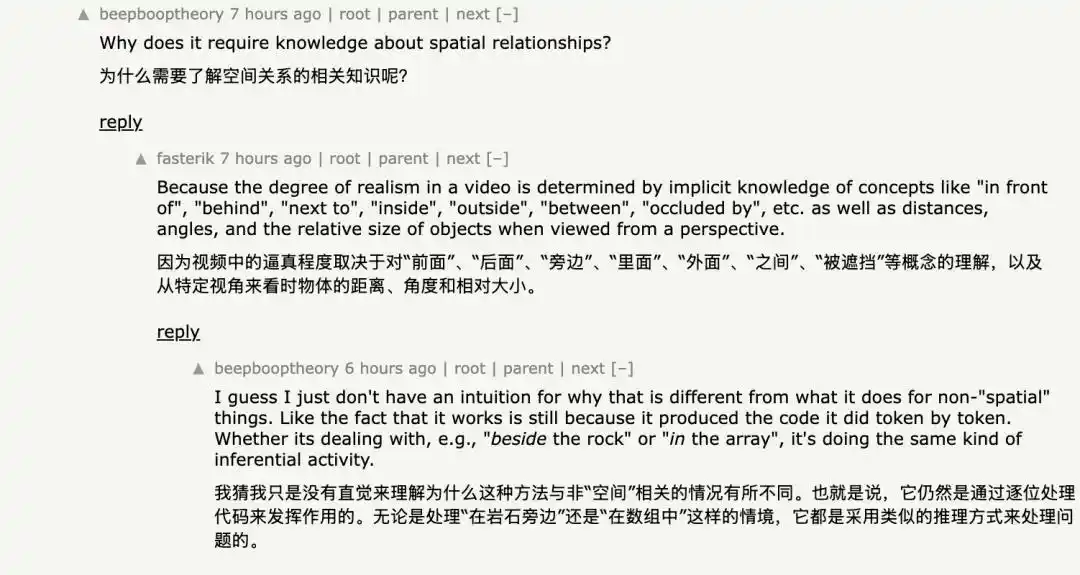
Tapi pandangan lain berpendapat, baik model menangani "di samping batu", atau "di dalam array", mungkin melakukan hal yang sama: menghasilkan Token satu per satu berdasarkan konteks, dan menyelesaikan penalaran dalam proses ini.

Jika demikian, maka yang ditunjukkan Opus 5 bukanlah hanya sebuah "kemampuan spasial" yang tiba-tiba muncul.

Kemungkinan yang lebih besar adalah, kemampuan penalaran umum model bahasa besar yang awalnya digunakan untuk memahami teks dan kode, sudah mulai secara alami meluas ke dunia tiga dimensi.

Dari menggambar seekor pelikan, hingga membangun sebuah Dunia Tengah, soalnya terlihat berubah, tetapi yang diuji di baliknya mungkin selalu adalah masalah yang sama:

Apakah model dapat mengubah pemahamannya tentang dunia, menjadi sebuah struktur yang benar-benar dapat dijalankan.

Dan di akhir, mungkin ada masalah yang lebih keterlaluan lagi——

Jika model besar umum sudah bisa menulis kode sendiri untuk membangun dunia 3D, lalu memanggil API seperti Seedance, ElevenLabs, dll untuk menyelesaikan gambar dan suara, lalu seberapa perlukah pengguna membuka sendiri produk pembuat video khusus untuk memasukkan Prompt?

Referensi

[1]https://karpathy.ai/lotr-movie/

[2]https://simonwillison.net/2025/Jun/6/six-months-in-llms/

[3] https://x.com/wizardbrainz/status/2083012159341203708

[4]https://x.com/aniketjart/status/2083645765097033845

[5]https://x.com/davidfromkansas/status/2075691129899528254

[6]https://x.com/MindaugasLT/status/2083488027343470939

Artikel ini berasal dari akun WeChat publik "Quantum Bit", penulis: henry

Trending Cryptos

Related Questions

QApa yang dimaksud dengan 'Benchmark The Lord of the Rings' yang diperkenalkan oleh Karpathy?

A'Benchmark The Lord of the Rings' adalah cara baru yang diperkenalkan oleh Andrej Karpathy untuk menguji kemampuan model bahasa besar. Ini melibatkan pemberian permintaan kepada model (seperti Claude Opus 5) untuk membuat dunia 3D interaktif berdasarkan teks pembuka buku 'The Lord of the Rings' menggunakan Three.js, menggantikan benchmark lama 'Pelican Riding a Bicycle'.

QApa saja kekurangan yang terungkap dari model AI saat ini berdasarkan proyek 'The Lord of the Rings' ini?

AProyek ini mengungkapkan bahwa model AI saat ini, meskipun mampu menulis kode dan membangun adegan, memiliki kelemahan dalam memahami dunia yang mereka buat. Mereka belum bisa secara aktif 'memasuki' atau mengalami dunia 3D yang dihasilkan, seperti memeriksa adegan dengan berjalan-jalan di dalamnya atau benar-benar memainkan game yang mereka buat. Mereka hanya dapat mengambil screenshot pada titik waktu yang berbeda untuk memeriksa masalah.

QApa tujuan utama dari benchmark 'Pelican Riding a Bicycle' yang sebelumnya populer, dan mengapa perlu diganti?

ABenchmark 'Pelican Riding a Bicycle' bertujuan untuk menguji pemahaman spasial, kombinasi objek, dan kemampuan generasi kode (SVG) model bahasa besar dengan cara yang sederhana dan mudah dibandingkan. Namun, perlu diganti karena model terbaru sudah sangat mahir dalam menyelesaikan tugas ini, sehingga perbedaannya sulit dilihat. Selain itu, benchmark baru seperti 'The Lord of the Rings' dapat menguji kemampuan perencanaan proyek kompleks, kerja berkelanjutan, dan koreksi diri dalam kode yang lebih panjang.

QBagaimana tanggapan komunitas online terhadap proyek benchmark baru ini?

AKomunitas online merespons dengan antusias dan kreatif. Banyak pengguna menguji ide serupa dengan model lain, seperti membuat dunia 3D San Francisco, model digital New York, atau bahkan konser virtual Kanye West. Mereka juga mengembangkan proyek menjadi bentuk yang dapat dimainkan, menunjukkan potensi AI dalam menciptakan konten dan prototipe game 3D secara real-time dengan门槛 yang lebih rendah.

QMenurut artikel, implikasi potensial apa yang dimiliki kemampuan model AI untuk membuat dunia 3D ini?

AKemampuan ini berpotensi mengubah cara konten 3D dan prototipe yang dapat dimainkan dibuat, dengan significantly menurunkan门槛 produksi. Lebih jauh, hal ini memunculkan pertanyaan tentang masa depan alat generasi konten khusus. Jika model bahasa umum sudah bisa menulis kode untuk dunia 3D dan memanggil API untuk video/audio, kebutuhan pengguna untuk menggunakan produk pembuatan video khusus dengan prompt mungkin akan berkurang.

Related Reads

Treasury Secretary's Move to Suppress Treasury Yields Ignites 'Currency Debasement Trade'! Gold Hits Three-Month High, Bitcoin Surges Over 25% in a Single Week

US Treasury Secretary Besant's efforts to lower long-term Treasury yields by announcing expanded buybacks had only a brief market impact. However, this move fueled a "currency devaluation trade," weakening the US dollar while boosting both gold (to a three-month high) and Bitcoin (up over 25% for the week). Analysts attribute this reaction to deepening market concerns over the massive US fiscal deficit and structural pressures keeping long-term rates elevated, including fierce competition for capital from global government borrowing and massive AI sector financing. Despite the Treasury's actions, fundamental forces like growth, inflation, and capital demand are seen as limiting its ability to sustainably suppress yields. Bitcoin's strong positive correlation with gold has reinforced its narrative as a hedge against devaluation. While equity markets have shown resilience, some strategists warn that Treasury yields nearing 5% increase pressure on the dollar and high-leverage assets. Figures like Ray Dalio have advised reducing bond exposure in favor of gold and some Bitcoin, citing US debt risks. Market opinions are divided on the sustainability of the devaluation trade, with some noting the lack of a near-term catalyst for its next leg higher. The underlying tension between the Treasury's desire for lower borrowing costs and the Federal Reserve's focus on inflation and reducing market intervention remains a key theme. Upcoming events like Nvidia's earnings and the Jackson Hole symposium will test whether AI profits can continue supporting stocks and if the Fed aligns more with Washington's preference for easier financial conditions.

华尔街日报1h ago

Treasury Secretary's Move to Suppress Treasury Yields Ignites 'Currency Debasement Trade'! Gold Hits Three-Month High, Bitcoin Surges Over 25% in a Single Week

华尔街日报1h ago

Alexander Shokhin: Business Needs an Interest Rate Below 10% and the Dollar at 90-95 Rubles

Alexander Shokhin, head of the Russian Union of Industrialists and Entrepreneurs (RSPP), has advocated for potentially using "non-market" tools to keep the ruble within a target exchange rate corridor. This, he argues on August 21, would help avoid excessive volatility, though he called the topic a separate discussion. Shokhin had previously raised the idea of a currency corridor in late May, noting the ruble's current exchange rate is not fully market-driven due to a limited currency segment and reduced foreign currency demand. He stated that many business community colleagues propose fixing a corridor, even through non-market methods, to ensure predictability. The business community's key targets, as outlined by Shokhin in late December 2025, are a Central Bank key rate of 12%, inflation of 4–5%, and a US dollar exchange rate of 90–95 rubles by the end of 2026. A turning point for investment, he said, would be lowering the rate to 12% with 6% inflation, though truly comfortable business conditions would require a rate below 10%. He stressed the critical importance of currency predictability for corporate investment decisions. From a data analysis perspective, the idea of a ruble corridor is not new. A similar mechanism was used in Russia from 1995 to 1998, where the central bank held the dollar within fixed boundaries through regular interventions. This regime lasted three years before ending abruptly during the 1998 default, illustrating the fragility of rigid targets under external shocks. The macro-economic link is clear: stricter corridors require more reserves to defend against currency pressure. The key unresolved technical aspect is the specific sources and volume of such interventions given the current market's limited liquidity. Whether this discussion remains theoretical or leads to concrete corridor parameters will be seen in the coming months.

cryptonews.ru3h ago

Alexander Shokhin: Business Needs an Interest Rate Below 10% and the Dollar at 90-95 Rubles

cryptonews.ru3h ago

Trading

Spot

Hot Articles

What is G$

Understanding GoodDollar ($G$): A Blueprint for Decentralised Universal Basic Income Introduction In the ever-evolving landscape of cryptocurrency and blockchain technology, initiatives that seek to address pressing social issues have garnered increased attention. One such project is GoodDollar ($G$), a Web3-based universal basic income (UBI) solution. GoodDollar endeavours to tackle inequality and bridge the wealth gap by creating and distributing accessible economic resources to those most in need. Through its innovative use of decentralised finance (DeFi), GoodDollar presents a unique model that could potentially reshape the way financial assistance is perceived and delivered globally. What is GoodDollar ($G$)? GoodDollar is a cryptocurrency protocol that facilitates the issuance and distribution of digital tokens, referred to as $G$, to its registered users on a daily basis. These tokens function as a form of universal basic income, promoting financial empowerment for individuals from various backgrounds, especially those traditionally excluded from the financial system. Operating on the blockchain, GoodDollar utilises multiple chains, including Ethereum, Celo, and Fuse, ensuring broad access and usability. The fundamental goal of GoodDollar is to make cryptocurrency accessible and beneficial to everyone, irrespective of their economic starting point. The Creator of GoodDollar ($G$) Details concerning the creator of GoodDollar remain somewhat obscure. However, it is notably highlighted that the project has strong backing from eToro, a widely recognised investment platform that provided the initial funding and foundational support for GoodDollar's development. The vision behind the project is not solely profit-driven but leans heavily towards social entrepreneurship, aiming for a systemic change in economic accessibility. Investors of GoodDollar ($G$) GoodDollar enjoys the financial backing and operational support of eToro. This partnership has played a significant role in launching the protocol and its subsequent developments. While eToro was instrumental in establishing the foundation of the project, GoodDollar envisions transitioning towards a model funded by its community in the long run. This shift to community funding is in line with GoodDollar's commitment to decentralisation, allowing its users to have a direct stake in the project's future. How Does GoodDollar ($G$) Work? GoodDollar's operational framework relies heavily on DeFi principles to generate interest from staked cryptocurrencies. This mechanism allows the project to mint and distribute $G$ tokens as a digital basic income for users worldwide. Several key features contribute to GoodDollar's uniqueness and innovation: Universal Basic Income (UBI): Every day, registered users receive free tokens, establishing an automatic income stream intended to alleviate financial pressures. Sustainable Economic Model: The project’s tokenomics aim to balance supply and demand for $G$ tokens, ensuring that the value remains stable over time. Reserve-Backed Tokens: Each $G$ token is backed by a reserve of cryptocurrencies, providing it with inherent value and reliability, a crucial aspect for maintaining user trust. Decentralised Governance: GoodDollar incorporates a democratic approach to decision-making through token-powered decentralised governance. This allows community members to actively participate in the shaping of the project's trajectory, making it truly community-driven. Global Accessibility: GoodDollar has established a considerable community footprint, boasting over 640,000 members spanning 181 countries. Such widespread reach is instrumental in facilitating UBI on a global scale. Timeline of GoodDollar ($G$) The evolution of GoodDollar is marked by several significant milestones throughout its history: 2019: The launch of the GoodDollar wallet marked the first step in operationalising its vision of delivering UBI through cryptocurrency. 2020: Following the successful wallet rollout, the GoodDollar protocol officially debuted. This marked a crucial phase in its mission to provide daily distributed income. 2021: The project advanced further with the introduction of its Decentralised Autonomous Organization (DAO), fostering a greater level of community involvement and governance. 2022: GoodDollar unveiled its DeFi-friendly version 2 (V2), striving for enhanced user engagement and operational efficiency. The same year also saw the transition to a decentralised governance structure via GoodDAO. 2022: A new roadmap was conceptualised, focusing on initiatives like a grant program designed to promote $G$-related entrepreneurial ventures and an upgraded GoodDollar Marketplace. Key Features of GoodDollar ($G$) The GoodDollar project introduces numerous critical features aimed at redefining the landscape of basic income: Universal Basic Income: Delivering daily free tokens to its users fundamentally underscores its mission to eliminate economic precarity. Multi-Chain Operation: Leveraging multiple blockchain networks enhances accessibility and scalability, ensuring broader participation. Engagement with Decentralised Finance: The use of DeFi allows for sustainable funding of the UBI model, reinforcing its viability as an economic solution. Community Engagement and Governance: GoodDollar envisions a model where the community influences operations through democratic participation, fostering transparency and accountability. Global Community: Boasting a diverse global community enables the project to implement UBI solutions tailored to various cultural and economic contexts. Conclusion GoodDollar represents a transformative leap towards incorporating the principles of universal basic income through the innovative lens of blockchain technology. By harnessing decentralised finance, the project not only provides a solution to financial inequality but also actively engages users in its governance and operations. With a growing community and evolving roadmap, GoodDollar stands as a significant player in the intersection of cryptocurrency and social good, paving the way for a more equitable financial future. As it continues to evolve, GoodDollar’s journey may ultimately inspire other initiatives to consider similar models, furthering the cause of economic empowerment for all.

338 Total ViewsPublished 2024.04.05Updated 2024.12.03

What is G$

What is @G

Graphite Network, $@G: Bridging TradFi and Web3 Introduction to Graphite Network, $@G In the vibrant world of cryptocurrencies and web3 projects, Graphite Network emerges as a beacon of innovation. With its native token, $@G, this Layer-1, Proof-of-Authority (PoA) blockchain is tailored to bridge the gap between traditional finance (TradFi) and the rapidly evolving Web3 ecosystem. As digital currencies gain traction, Graphite Network strives to offer a blockchain platform that prioritises security, compliance, and speed, presenting itself as a facilitator of trust and accountability. What is Graphite Network, $@G? Graphite Network is not merely another blockchain project; it aims to redefine how decentralisation, security, and user accountability are perceived in the digital finance realm. The project boasts a series of distinctive features: Reputation-Based Blockchain: At its core, Graphite Network implements a one-user, one-account policy, fortified with integrated Know Your Customer (KYC) verification and scoring mechanisms. This design ensures a balance between user privacy and transparency—a critical aspect of financial operations in today’s digital world. Entry-Point Node Income: The network incentivises users to set up entry-point nodes, allowing operators to earn rewards from network transactions. This income generation model not only boosts user engagement but also reinforces network health and decentralisation. EVM Compatibility: With an Ethereum-compatible virtual machine (VM), Graphite Network enables seamless integration of existing Solidity decentralised applications (dApps) and smart contracts, thereby inviting developers to leverage its capabilities without extensive modifications. KYC Integration: In an era where compliance is paramount, the integrated KYC framework with multiple verification tiers enhances control over financial operations without mandatory participation, setting a precedent for user autonomy. Who is the Creator of Graphite Network, $@G? The Graphite Network is borne out of the endeavours of the Graphite Foundation, a non-profit organisation dedicated to the development, maintenance, and evolution of the Graphite Network. The foundation’s commitment underscores the project’s vision to create a secure and sustainable blockchain environment focused on genuine user engagement and compliance. Who are the Investors of Graphite Network, $@G? Currently, there is limited information available on the specific investors backing the Graphite Network initiative. The founding organisation, the Graphite Foundation, functions independently in fostering the project’s growth while seeking partnerships that resonate with its vision of a compliant and accessible blockchain platform. How Does Graphite Network, $@G Work? Graphite Network’s operation is grounded in its unique Proof-of-Authority consensus mechanism, which strikes an impressive balance between high throughput and decentralisation. Let's delve into the various components that define its operation: Transport Nodes: Serving as the entry-point nodes, these are critical to the ecosystem. Operators can earn revenue from transactions that traverse the network, which not only empowers individual users but also bolsters network decentralisation. Authorised Nodes: At the heart of the Graphite Network are core validators who undergo rigorous compliance tests, encompassing robust KYC verification along with technical assessments. This layer of trust is essential for ensuring that transactions within the network maintain a high level of integrity. Ticker System: Graphite Network employs a distinctive ticker system for its wrapped tokens, denoted as @G. This feature enhances clarity in asset integration, making user transactions comprehensible and straightforward. Graphite Network’s innovative approach reflects a significant step in addressing the crucial issues of digital finance, positioning itself favourably for the future as more users transition from traditional forms of finance into the world of decentralised applications. Timeline of Graphite Network, $@G To understand the progression and milestones of Graphite Network, it is beneficial to overview key events in its timeline: 2021: The inception of Graphite Network by the Graphite Foundation marks the commencement of a new chapter in blockchain development, focusing on compliance and user empowerment. Key Developments: Following its launch, the introduction of entry-point node income, the establishment of a reputation-based model, integrated KYC verification, and the provision of EVM compatibility represent significant advancements in the project. Recent Activities: The continuous development and nurturing efforts of the Graphite Foundation have focused on augmenting network features while fostering the ecosystem's growth, demonstrating a long-term commitment to sustainability and innovation. Additional Key Points Beyond its foundational components, Graphite Network encompasses several tools and features that bolster its usability: Graphite Wallet: A user-friendly Chrome extension that facilitates access to various network features and applications across Ethereum-compatible chains, enhancing user convenience. Graphite Bridge: This utility allows seamless transfers of Graphite assets across different networks, fostering an integrated and interoperable ecosystem. Graphite Explorer: Serving as an essential tool within the ecosystem, this feature enables users to view and verify smart contract source code, track transactions, and explore other vital information in real-time. Graphite Testnet: The project provides a robust testing environment for developers, allowing them to ensure stability and scalability prior to mainnet deployment. This initiative not only empowers developers but also enhances the reliability of the entire network. Conclusion Graphite Network, with its native token $@G, represents a significant stride toward bridging traditional finance and cutting-edge blockchain technology. By focusing on security, compliance, and decentralisation, this innovative platform is set to lead the transition into the Web3 era. As user engagement grows and more projects leverage its capabilities, Graphite Network is poised to make lasting contributions to the rapidly evolving digital landscape. In conclusion, Graphite Network stands as a testament to what can be achieved when innovative thinking meets the growing demands of modern finance and technology. As the world explores the potential of decentralised finance, Graphite Network will undoubtedly remain a noteworthy player in this arena.

102 Total ViewsPublished 2025.01.06Updated 2025.01.06

What is @G

Discussions

Welcome to the HTX Community. Here, you can stay informed about the latest platform developments and gain access to professional market insights. Users' opinions on the price of G (G) are presented below.

活动图片