美伊军事行动突然暂停,国际油价大幅跳水,黄金、白银走高

华尔街见闻Published on 2026-07-27Last updated on 2026-07-27

Abstract

美国总统特朗普7月24日命令美军当天不要对伊朗发动打击,持续13天的美军对伊朗空袭暂告一段落。

美伊军事行动突然暂停,国际油价大幅跳水。7月27日,WTI原油期货跌幅扩大至5%,布伦特原油期货价格跌超4%。

同时,国际黄金和白银期货价格明显上涨,现货白银涨超2%。

与此同时,加密货币市场拉升,以太坊、SOL、狗狗币等均涨超2%。
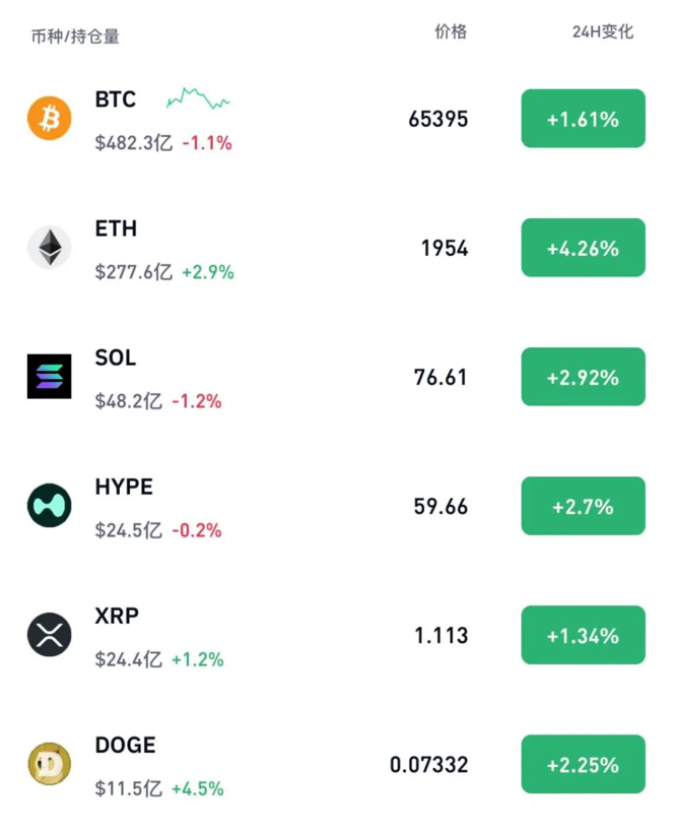
消息面上,据美国方面7月25日消息,美国总统特朗普于24日命令美军当天不要对伊朗发动打击,从而打破了此前美军连续13天对伊发动空袭的局面。

英国方面7月26日援引一名伊朗消息人士的话报道,只要美国停止军事打击,伊朗也将停止军事行动,但伊方仍对美方的意图持“怀疑态度”。

7月7日以来,美国以回应伊朗袭击通过霍尔木兹海峡的商船为由,连续对伊朗发动军事打击,国际原油期货近期显著上涨。

美被曝因多重顾虑暂缓打击伊朗

据央视新闻报道,据美国方面7月26日消息,多名美国官员透露,美国总统特朗普7月24日在与高级助手和内阁高官开会讨论扩大对伊朗军事行动时,遭到副总统万斯和美军参谋长联席会议主席丹·凯恩及多数幕僚的担忧和反对,会后特朗普决定,暂不恢复对伊朗大规模打击。多名官员担忧恢复对伊朗大规模打击将进一步消耗美军本已吃紧的弹药库存。

据透露,7月24日的会议核心内容是讨论美国“爱国者”防空系统拦截弹和其他防空武器库存持续消耗的现状。美军参谋长联席会议主席 ·凯恩警告,如果再次大规模打击伊朗,中东地区美军手中的“爱国者”拦截弹数量将告急。还有消息人士透露,副总统万斯在会上对大规模打击伊朗表达了顾虑。一名政府高官提及,伊朗弹道导弹日前突破美防空系统的防御,造成3名驻约旦美军士兵死亡。

《纽约时报》在4月底的报道中说,美军在伊朗战事中已经消耗了超过1200枚“爱国者”拦截弹,每枚价格超过400万美元,其库存已经下降至“令人担心的程度”。其他美国媒体也曾披露,美军主要武器弹药库存消耗量大且补充缓慢。

特朗普的顾问团队担心,恢复大规模打击伊朗势必受到猛烈报复,届时中东地区美军防空系统将面临巨大压力,他们建议应继续与伊朗谈判。一名美官员说,特朗普的团队中,几乎没有人认为再次大规模打击伊朗是明智之举。一位匿名的高级官员认为对伊朗再次发动大规模打击不会迫使其重返谈判桌,只会促使伊朗更加团结、一致对外。还有官员担心,扩大对伊朗军事行动将在中东更大地区引燃战火,易受伊朗报复的关键地区盟友会反对,且将导致能源和难民危机,冲击全球经济。

伊朗暂停报复性行动 但对美国持怀疑态度

据央视新闻报道,当地时间7月26日,伊朗方面表示,已经暂停了对美国的报复性打击行动,但对美方暂停打击伊朗一事持怀疑态度。

伊朗军队发言人阿克拉米尼亚7月26日表示,美国在过去两晚停止了针对伊朗的打击行动,由于伊朗方面采取的是报复性战略,因此伊方也暂停了报复性打击行动。阿克拉米尼亚称,美国在侵略伊朗的战争中未能实现其目标。伊朗武装力量已经为所有可能的情况做好了准备,并将对任何潜在的行动作出适当的回应。

此外,有伊朗消息人士透露,伊朗的立场还是“以反击回应攻击”。如果攻击停止,伊朗也同样会停止行动,这一立场已经传达给了美国。该消息人士还表示,伊方对于美方此次暂缓打击的诚意是怀疑大于乐观,并认为这一决定更多出于战术考量。在被美国欺骗一事上,伊朗已经积累了足够多的痛苦的经验。

美国总统特朗普7月24日命令美军当天不要对伊朗发动打击,持续13天的美军对伊朗空袭暂告一段落。

Trending Cryptos

Related Reads

A 'Difficult Midsummer' for Stock Market Bulls: $100 Oil, AI Backlash, and Tariff Resumption

Global equities face a triple threat this summer: surging oil prices, a burgeoning AI capex crisis, and resurgent tariffs, pressuring the core pillars of the current bull market. Brent crude topped $100/barrel amid Middle East and Red Sea supply disruptions, while proposed U.S. tariffs fueled inflation fears, pushing the 10-year Treasury yield to 4.66%. Simultaneously, the tech rally faltered as Alphabet's steep AI capex hike sparked concerns over returns, dragging down mega-caps and contributing to a weekly S&P 500 decline. The "Goldilocks" narrative of resilient profits, controlled inflation, and endless AI expansion is cracking. Rising oil prices threaten to reignite persistent inflation, forcing a repricing of interest rate risks. In tech, massive debt-fueled AI investments are facing investor scrutiny as higher rates raise the required return threshold. Fears are growing that the AI spending boom may be unsustainable, especially with moves toward cheaper, open-source models. Next week brings a crucial test with key central bank meetings and earnings from major tech firms like Microsoft and Apple. Technical indicators are deteriorating, with selling pressure mounting and assets like gold and the dollar gaining on避险 sentiment. Analysts warn that elevated valuations and compressed risk premiums leave markets vulnerable, with significant potential downside if the current headwinds persist.

链捕手8m ago

A 'Difficult Midsummer' for Stock Market Bulls: $100 Oil, AI Backlash, and Tariff Resumption

链捕手8m ago

Three 'Reflexivity' Shadows Hang Over the Market

Global markets are currently enveloped by three mutually reinforcing "reflexive" loops: oil price politics, outsized capital expenditure by hyperscale cloud providers, and AI debt risks. According to Goldman Sachs, the combined negative feedback from these factors places the market in a fragile and precarious state. The first loop involves the two-way feedback between surging oil prices and rising interest rates. Brent crude's brief breach of $100 per barrel tests expectations of a U.S. policy response to curb prices and inflation. However, the delay in such intervention forces markets to increasingly price in the risks themselves. Higher energy costs are already impacting corporate earnings, as seen with an airline's profit warning, and threaten to fuel broader inflation. The second loop concerns the massive, escalating capital expenditure (capex) by major tech firms like Google, which recently raised its 2026 capex forecast significantly. The market's tolerance for viewing such spending as a cost-free growth signal is waning, shifting focus to investment returns. This competitive capex spiral pressures the entire cloud and semiconductor sector. Furthermore, the competitive gap in AI between leading closed-source and Chinese open-source models is narrowing rapidly, threatening the economic rationale behind massive investments. The third reflexive danger lies in the financing structures supporting this expansion. Bond prices for entities funding AI infrastructure, such as a Meta financing vehicle, have fallen sharply from issue price. While hyperscale balance sheets remain strong, soaring capex is eroding free cash flow conversion. There is a growing risk that today's capacity build-out leads to future oversupply and significant depreciation charges. Key near-term tests for these dynamics include Microsoft's upcoming earnings, which will scrutinize its balance of growth, spending, and cash flow, and the IPO of Chinese memory chipmaker CXMT, a major new competitor. The current environment is characterized by reflexivity, where each variable is both a cause and an effect, creating a self-reinforcing cycle of uncertainty.

链捕手14m ago

Three 'Reflexivity' Shadows Hang Over the Market

链捕手14m ago

Claude Doesn't Submit Code Directly After Writing It: Runs 4 Skills for Self-Check, Fixes Issues, Then Comes Back to You

Claude No Longer Submits Code Directly: 4 Self-Check Skills to Run Before Coming Back to You AI already writes code, but the burden of reviewing it still falls on you. To address this, Anthropic has built a "verification loop" into Claude Code. After writing code, Claude now runs four self-check skills before delivering the work: * `/code-review`: Finds potential bugs and provides review feedback. * `/simplify`: Cleans up the diff, removing redundant or over-complex implementations to reduce future maintenance costs. * `/verify`: Performs end-to-end validation, actually running the application to confirm the feature works, not just appears to. * `/design`: Used only for UI changes; cross-references the implementation against the project's DESIGN.md file. This loop extends the AI agent's workflow from "gather context → execute" to "gather context → execute → auto-verify → fix → re-verify." It tackles the new bottleneck in AI-assisted development: the speed of verifying code now outpaces human review. These skills are built on Claude Code's existing verification foundation (like running apps and using linters). Teams can create their own custom verification skills by documenting their repetitive manual checks in plain language as Markdown files. Verification can be triggered at four levels: manually (Standalone), embedded in a task, chained with other skills, or automatically on every PR (On every PR). The shift signifies that competition in AI programming is moving from code generation to robust verification and self-correction. Well-built verification loops allow AI agents to run longer and more autonomously with less human supervision. Skills, which encapsulate team knowledge and workflows, are becoming a cross-vendor standard, meaning a team's efficiency gap will depend less on the AI model and more on their investment in these automated workflows and verification mechanisms.

marsbit20m ago

Claude Doesn't Submit Code Directly After Writing It: Runs 4 Skills for Self-Check, Fixes Issues, Then Comes Back to You

marsbit20m ago

Trading

Spot

Hot Articles

Discussions

Welcome to the HTX Community. Here, you can stay informed about the latest platform developments and gain access to professional market insights. Users' opinions on the price of XAUT (XAUT) are presented below.

活动图片