DeXe下跌13%——但这次回调或许只是暂时的

ambcryptoPublished on 2026-07-14Last updated on 2026-07-14

Abstract

DeXe代币在近期经历显著上涨,过去180天内涨幅超过1000%,仅过去一周就上涨45%。然而,在过去24小时内,价格出现约13%的回调,主要原因是买家获利了结。 技术分析显示,价格图表上出现了墓碑十字线和蜻蜓十字线,表明买卖双方存在对峙。目前价格处于短期看跌状态,关键支撑位位于需求区1和需求区2。需求区1能否守住尤为重要,若成功支撑,价格可能恢复上涨势头。 动量指标并未完全确认看跌趋势。累积/分配指标在价格下跌时仍小幅上升,显示有逢低买盘介入。相对强弱指数位于52,处于50-70的看涨区间内,表明市场情绪中性偏多,而非彻底转向看跌。 现货市场数据也显示卖压正在缓解。7月12日净流出高达538万美元,但目前已急剧收缩至39.1万美元,表明卖方力量已大幅减弱,买方可能正在回归。 综上所述,DeXe近期的下跌更像是强劲上涨后的技术性回调与获利盘消化,而非趋势逆转。多个指标暗示卖压减弱,买盘有望在关键支撑位附近重新占据主动,中长期上行趋势可能尚未结束。

数周以来,DeXe [DEXE] 持续创下新高,仅过去七天就上涨了45%,过去180天内涨幅更是超过1,000%,正如图表所示。

在过去24小时内,随着买家获利了结并选择观望,资金开始流出,这一转变导致该资产在此期间下跌了约13%。

然而,图表结构显示这可能是一次暂时的回调,价格在长期内仍有望延续上涨趋势。

DeXe的十字星蜡烛图暴露对峙局面

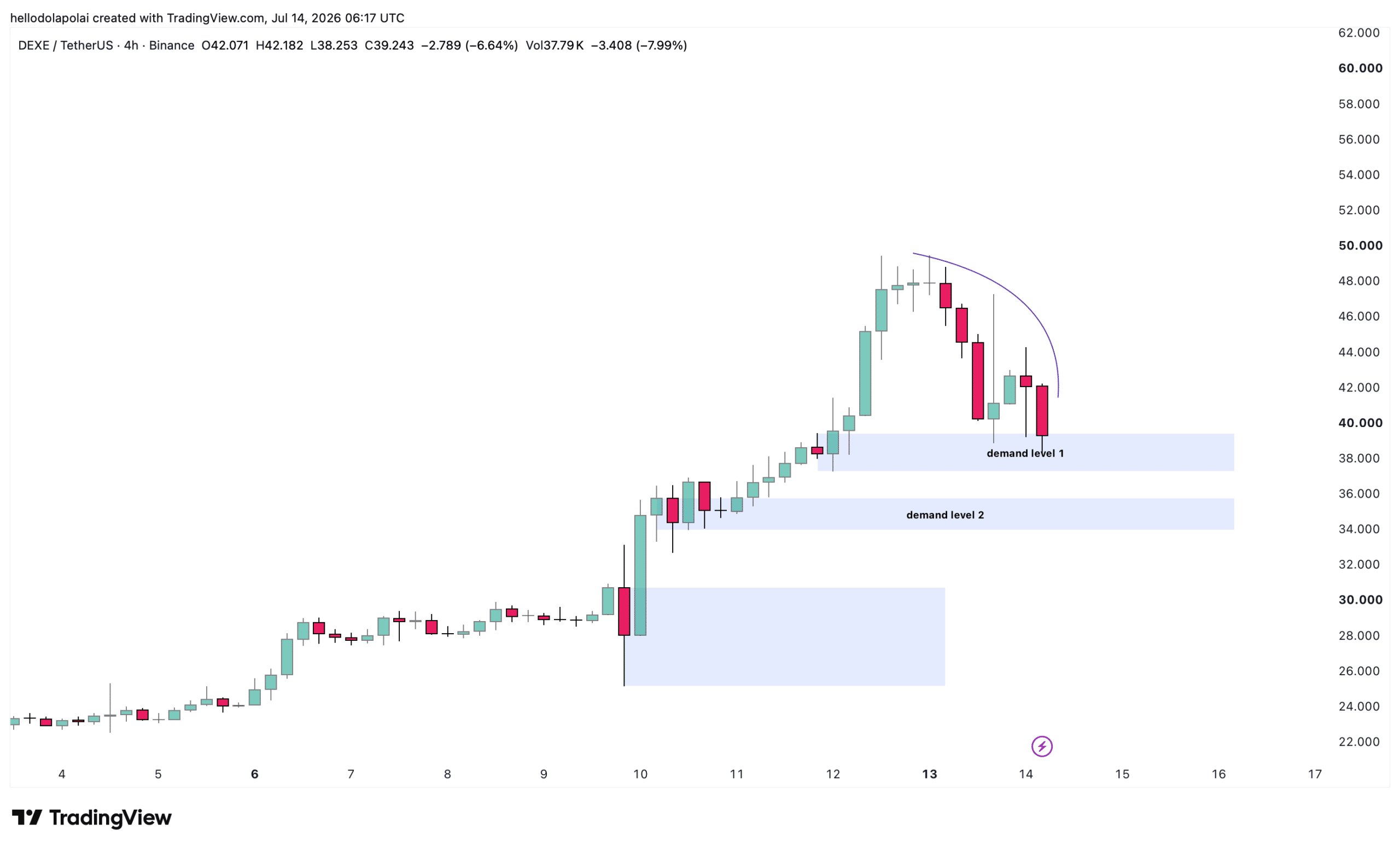
DeXe在今天早些时候形成了两根关键的十字星蜡烛图。

第一根是墓碑十字星,反映出当价格试图延续涨势时遭遇了强烈的卖压;而几根蜡烛图之后形成的蜻蜓十字星则表明多头正在重新介入。

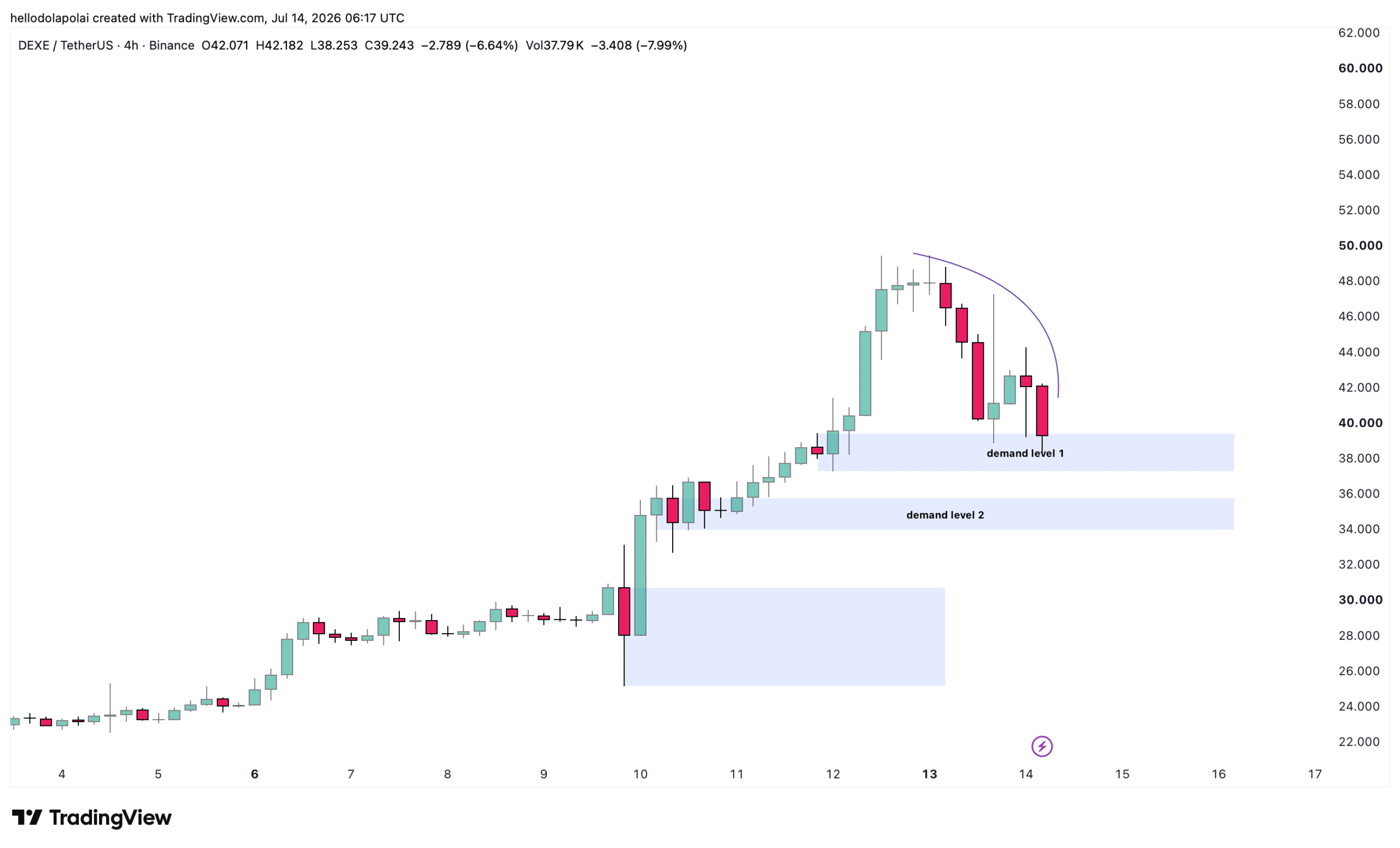
目前价格明确处于看跌状态,短期走势将取决于图表上标注的关键需求区。
来源:TradingView

需求区1提供了第一道支撑线,如果在此处获得有效反弹,价格可能会向上突破左侧曲线所标示的上方流动性区域。

如果卖压持续增加,该支撑位失守,那么需求区2将随时准备托底,并吸收当日大部分时间压制该资产的抛压。

需求区1得以守住仍然是可能性更大的情景,成交量数据也支持这一判断——该时段内成交量下降了36%。

成交量下降伴随价格下跌,通常表明推动走势的动能较弱,这为买家重新掌控局面提供了空间。

指标指向放缓而非反转

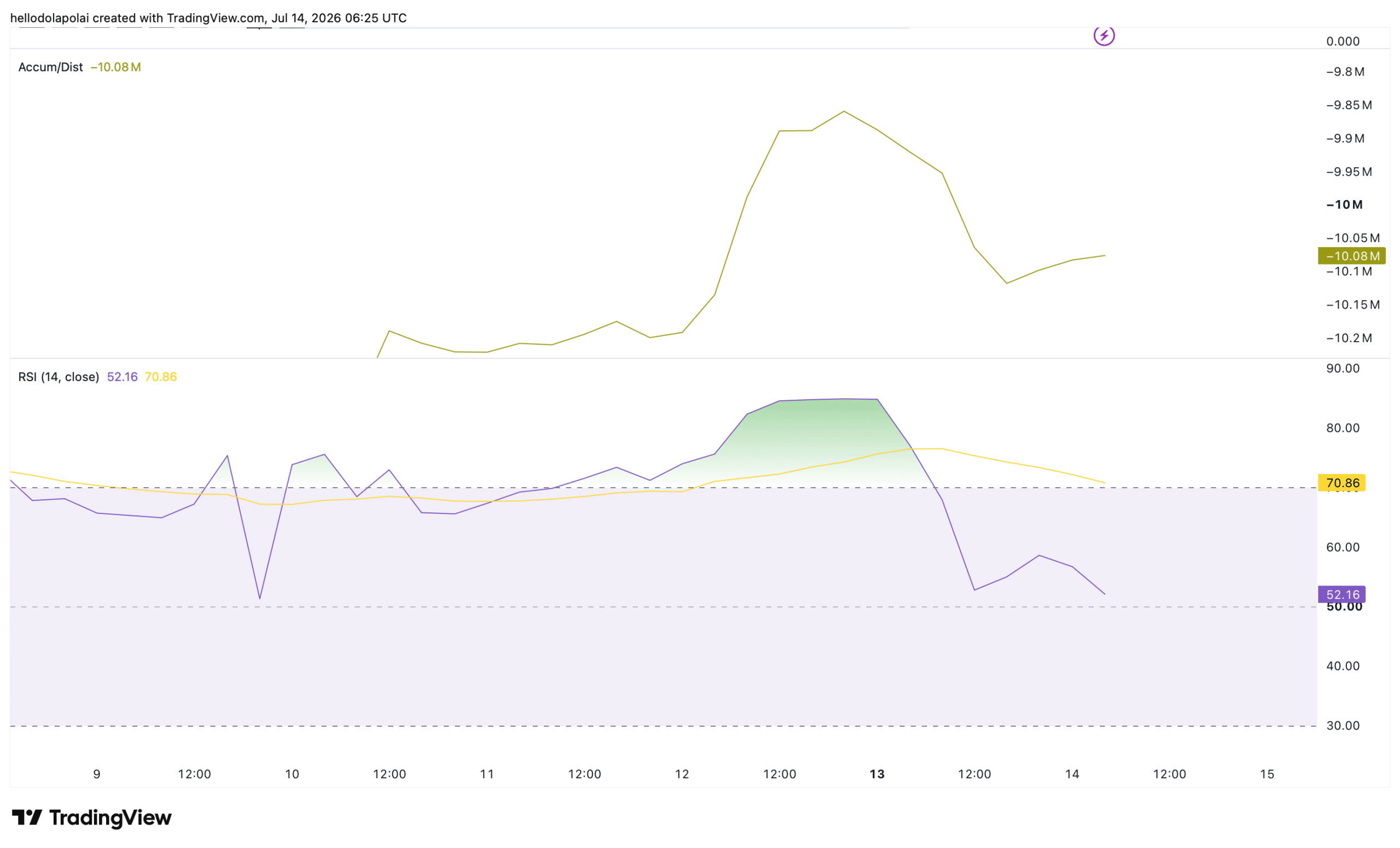
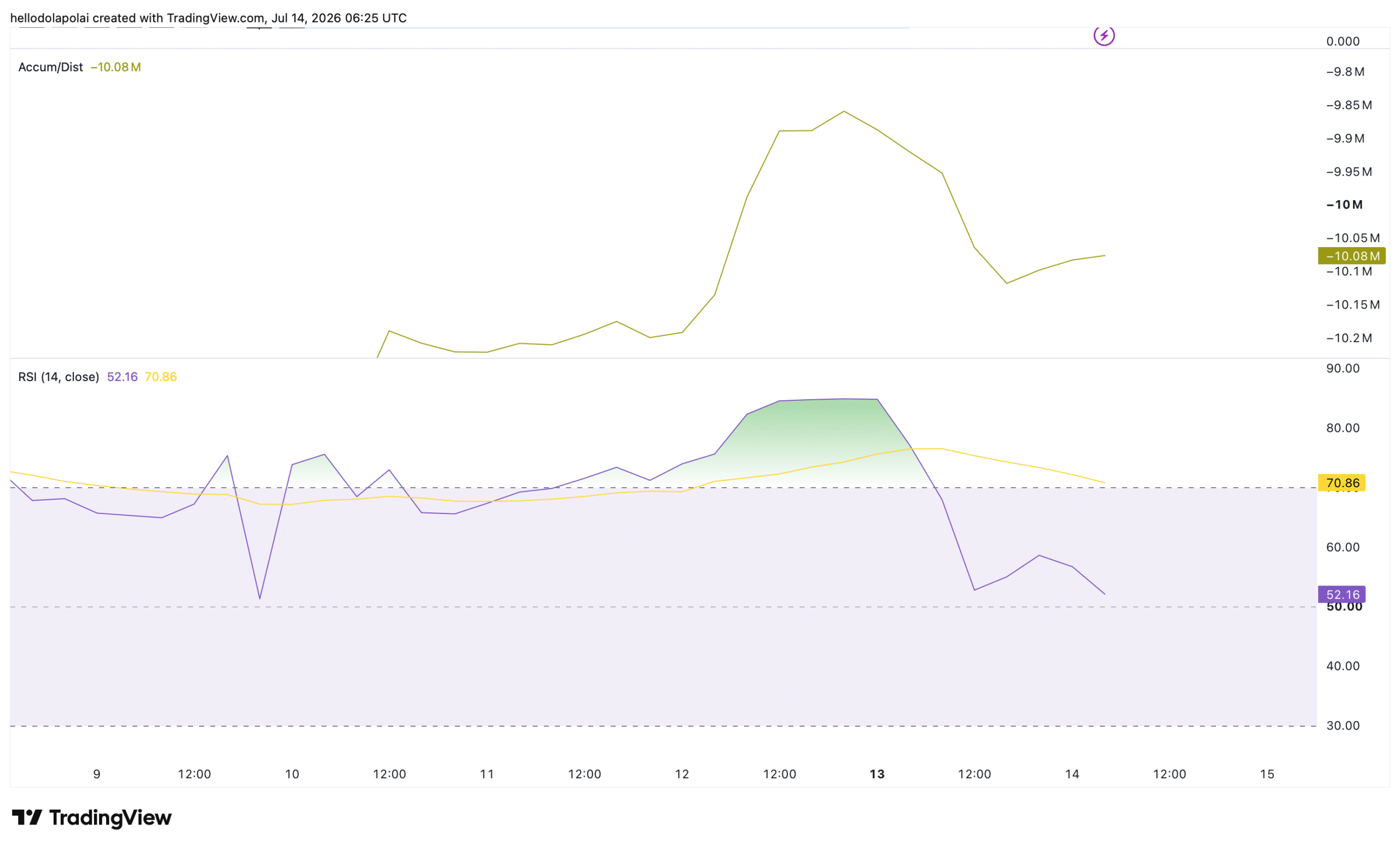
动量指标并未与看跌的价格走势完全同步,累积/派发(A/D)指标捕捉到了这种矛盾。

A/D线根据价格在区间内的收盘位置对每期成交量进行加权,可作为资产正在被累积还是派发的参考。

在本报告发布时,尽管价格下跌,该指标却呈小幅上升趋势,这种背离表明该时期内买家活动有所增加。
来源:TradingView

同样,相对强弱指数(RSI)维持在50至70的看涨区间内,读数为52。

RSI衡量近期价格变动的速度和幅度,读数处于中线附近,表明市场情绪中性、放松,而非决定性的看跌转变。

这种平衡表明,价格很可能在该水平附近企稳,而这正与需求区位置重合。

现货市场抛压缓解

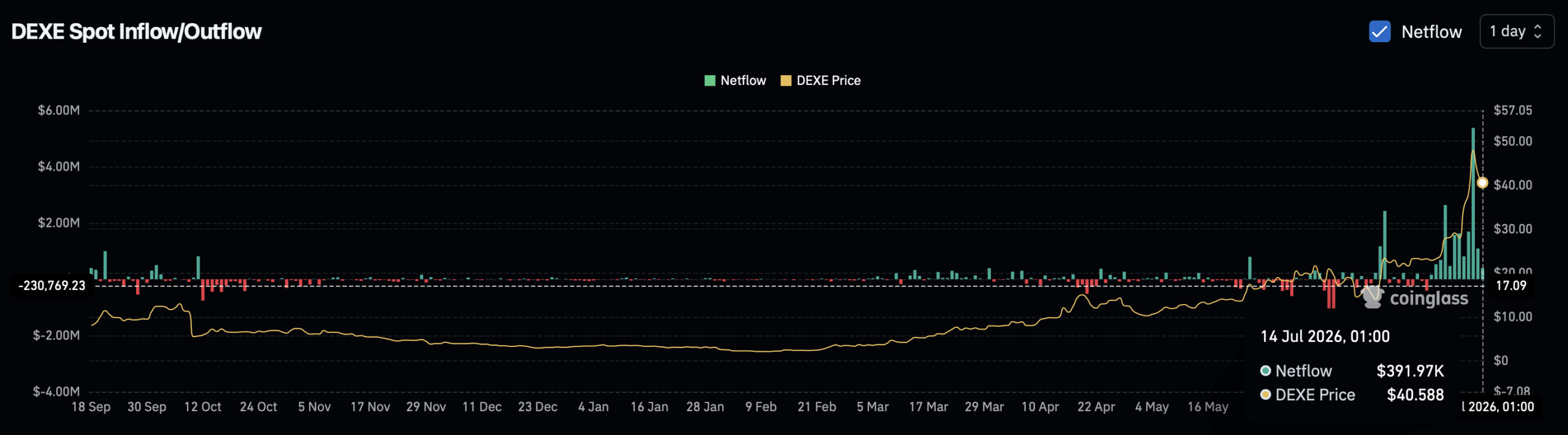
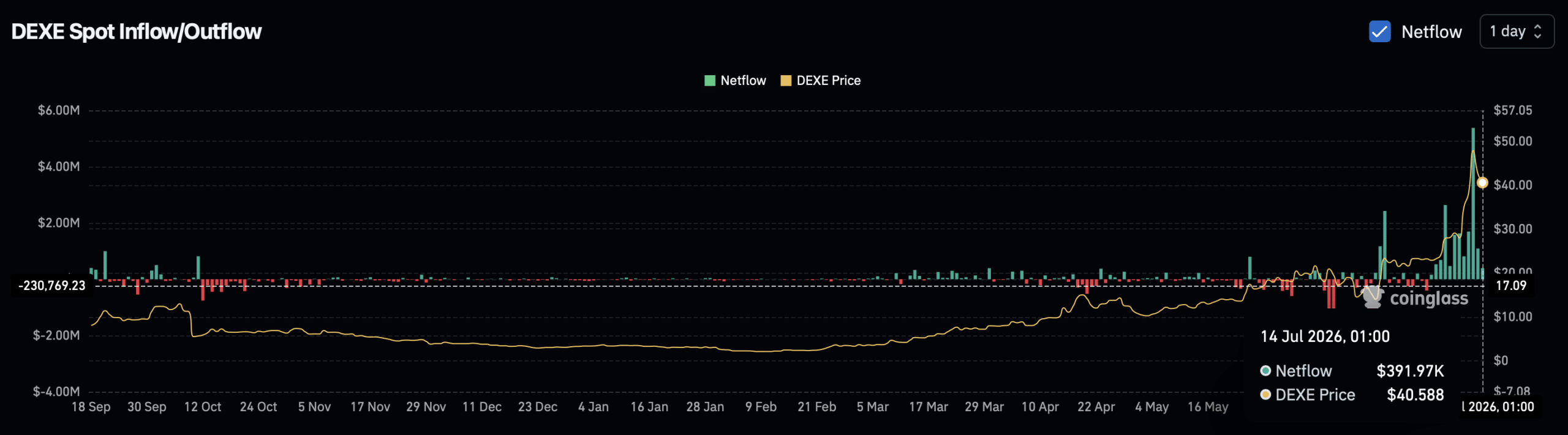
现货市场数据显示抛压目前有所缓解。7月12日现货净流入达到峰值,净销售额为538万美元,卖家占据主导。

尽管卖家仍占上风,但净流入已骤降至仅39.1万美元,较之前的读数下降了超过十倍。
来源:CoinGlass

这一点很重要,因为它表明,在净流入基础上,卖家力量已急剧减弱,而买家正在介入。


最终总结

  • DeXe在过去六个月中飙升了超过1,000%,当前的13%回调更像是强劲上涨后的获利了结,而非趋势的转变。
  • 过去一天,抛售已急剧降温,净销售额较7月12日峰值下降了超过十倍,这表明买家可能正在重新进场。

Trending Cryptos

Related Questions

QDeXe代币在过去半年内的涨幅是多少?

A根据文章,DeXe代币在过去180天内(即半年内)涨幅超过1000%。

Q文章认为DeXe价格近期下跌的主要原因是什么?

A文章认为,DeXe价格近期的下跌主要是在经历强劲上涨后,买家获利了结所导致的回调,而非趋势的根本性转变。

Q技术图表上出现的“墓碑十字星”和“蜻蜓十字星”蜡烛线分别暗示了什么市场情绪?

A墓碑十字星暗示价格试图延续上涨时遭遇了强烈的卖压;而随后出现的蜻蜓十字星则表明多头可能重新介入。

Q文章中提到哪些技术指标支持“下跌是暂时的”这一观点?请至少列出两个。

A1. 累积/派发线(A/D线)在价格下跌时小幅上升,表明买家活动有所增加。 2. 相对强弱指数(RSI)读数为52,位于50-70的看涨区间中线,表明市场情绪中性而非决定性看跌。

Q从现货市场净流量数据看,卖压发生了怎样的变化?

A根据现货市场净流量数据,卖压已显著缓解。7月12日净销售额达到538万美元的峰值后,已大幅下降至仅39.1万美元,降幅超过十倍。

Related Reads

Can Japan Buy Growth with AI? Will the Bond Market Believe It?

Japan's cabinet has introduced the 2026 Basic Policy on Economic and Fiscal Management and Reform, shifting its primary fiscal target. The new framework moves away from the traditional annual primary balance goal and instead prioritizes a stable reduction of the debt-to-GDP ratio. This change is tied to a strategy of increased "responsible proactive fiscal" spending, aiming to boost long-term growth through investments in strategic sectors like AI, semiconductors, energy, and robotics. The government estimates total public and private investment in 62 key technologies could exceed 370 trillion yen by 2040. The market reaction has been mixed and cautious. While equity markets may respond to policy signals, bond markets are focused on fiscal credibility. Concerns center on whether the weakening of the clear primary balance anchor could lead to looser fiscal discipline. If investors doubt that these strategic investments will generate sufficient productivity gains, tax revenue, and nominal growth to outpace rising interest costs, they may demand higher yields on Japanese Government Bonds (JGBs). Recent volatility in the yen and JGB yields, with the 10-year yield briefly reaching 2.9%, reflects this skepticism. The success of this new framework hinges on two factors: whether Japan can achieve a nominal growth rate consistently higher than its long-term interest rates, and whether future budgets demonstrate disciplined control over bond issuance. The government's narrative is that strategic investment is essential to break Japan's cycle of low growth, aging, and labor shortages. However, the bond market will continuously assess the credibility of this plan, pricing the risk that it may represent fiscal expansion rather than a viable growth strategy.

marsbit34m ago

Can Japan Buy Growth with AI? Will the Bond Market Believe It?

marsbit34m ago

Misjudged A-Shares: Resilience, Expectations, and Confidence

China's A-share market recently faced selling pressure, especially in tech sectors, initially triggered by a global tech sell-off that began in South Korea. However, the article argues this is a case of "mistaken injury" and highlights the market's underlying resilience. This resilience stems from three main pillars: **1) Tech Sector Fundamentals:** Unlike Korea's market dominated by a few memory chip stocks, China's tech sector is diversified across computing, communications, electronics, and semiconductors, supported by dual narratives of global AI supply chains and domestic substitution. Core areas like optical modules and fiber optics continue to show strong earnings growth. **2) "National Team" Support:** State-backed institutions and large corporations have made significant market purchases and announced buybacks, providing liquidity and signaling confidence. This is seen as a stabilizing policy signal, often associated with market bottoms. **3) Broader Market Pillars:** Other major sectors are showing endogenous recovery momentum. Consumer stocks benefit from stabilizing CPI and signs of sector recovery (e.g., liquor price hikes). Cyclical sectors like aluminum have high earnings, potential price increases due to tight supply, and low valuations. The financial sector offers stable dividends and low valuations. The conclusion is that the sell-off was driven by external contagion, not a collapse in fundamentals. With strong policy support and recovering momentum across key sectors, the A-share market possesses the toughness to regain stability.

marsbit1h ago

Misjudged A-Shares: Resilience, Expectations, and Confidence

marsbit1h ago

Trading

Spot

Hot Articles

How to Buy DEXE

Welcome to HTX.com! We've made purchasing DeXe (DEXE) simple and convenient. Follow our step-by-step guide to embark on your crypto journey.Step 1: Create Your HTX AccountUse your email or phone number to sign up for a free account on HTX. Experience a hassle-free registration journey and unlock all features.Get My AccountStep 2: Go to Buy Crypto and Choose Your Payment MethodCredit/Debit Card: Use your Visa or Mastercard to buy DeXe (DEXE) instantly.Balance: Use funds from your HTX account balance to trade seamlessly.Third Parties: We've added popular payment methods such as Google Pay and Apple Pay to enhance convenience.P2P: Trade directly with other users on HTX.Over-the-Counter (OTC): We offer tailor-made services and competitive exchange rates for traders.Step 3: Store Your DeXe (DEXE)After purchasing your DeXe (DEXE), store it in your HTX account. Alternatively, you can send it elsewhere via blockchain transfer or use it to trade other cryptocurrencies.Step 4: Trade DeXe (DEXE)Easily trade DeXe (DEXE) on HTX's spot market. Simply access your account, select your trading pair, execute your trades, and monitor in real-time. We offer a user-friendly experience for both beginners and seasoned traders.

4.2k Total ViewsPublished 2024.03.29Updated 2026.06.02

How to Buy DEXE

Discussions

Welcome to the HTX Community. Here, you can stay informed about the latest platform developments and gain access to professional market insights. Users' opinions on the price of DEXE (DEXE) are presented below.

活动图片