Musim Meme Tiba di Robinhood Chain, Tapi "Tukang Ketam" Juga Sudah Mulai Beraksi

Foresight NewsPublished on 2026-07-14Last updated on 2026-07-14

Abstract

Setelah diluncurkan, Robinhood Chain mengalami demam meme coin, namun juga menarik perhatian pelaku penipuan. Dalam dua insiden terpisah, penyerang memanfaatkan akun resmi SpaceXAI yang diretas dan dompet salah satu pendiri Robinhood yang bocor untuk mempromosikan token meme palsu, menarik investor agar masuk sebelum mencairkan likuiditas dan menyebabkan kerugian besar. Insiden pertama terjadi pada 13 Juli, ketika akun X SpaceXAI dan Starlink yang diretas mempromosikan token SCATMAN, mendorong valuasinya naik menjadi sekitar $2 juta sebelum pencipta token menarik dana dari pool likuiditas. Di insiden kedua, seorang peretas menguasai dompet pendiri Robinhood Vlad Tenev dan menggunakannya untuk membeli token meme $1, memicu kepanikan beli dan memompa valuasi token sementara sebelum akhirnya anjlok. Kedua kasus ini menyoroti bagaimana pelaku kejahatan memanfaatkan narasi dan pengaruh selebritas atau akun resmi untuk skema 'pump and dump' yang cepat di ekosistem Robinhood Chain yang masih baru. Respons Robinhood Chain dengan membekukan alamat dompet yang terlibat juga menuai kontroversi terkait sentralisasi. Artikel ini mengingatkan investor untuk selalu waspada, memverifikasi kontrak dan likuiditas token, serta tidak mudah terpancing oleh promosi yang tampaknya memiliki dukungan resmi.


Penulis: Nicky, Foresight News


Demam Robinhood Chain telah berlangsung lebih dari seminggu, namun di balik meriahnya tren Meme yang terus bermunculan, "pemburu gelap" di on-chain juga telah mengincar gelombang popularitas ini.


Dini hari tanggal 13 Juli, akun platform X milik dua produk utama SpaceX yang baru saja melantai di bursa, yaitu SpaceXAI dan jaringan satelit global Starlink, diserang peretas. Akun tersebut sempat membagikan ulang konten yang mempromosikan token Meme SCATMAN di jaringan Robinhood Chain. Akun asli yang mempromosikan Meme ini, Sam Catman, bahkan memiliki verifikasi tanda centang emas afiliasi SpaceXAI.
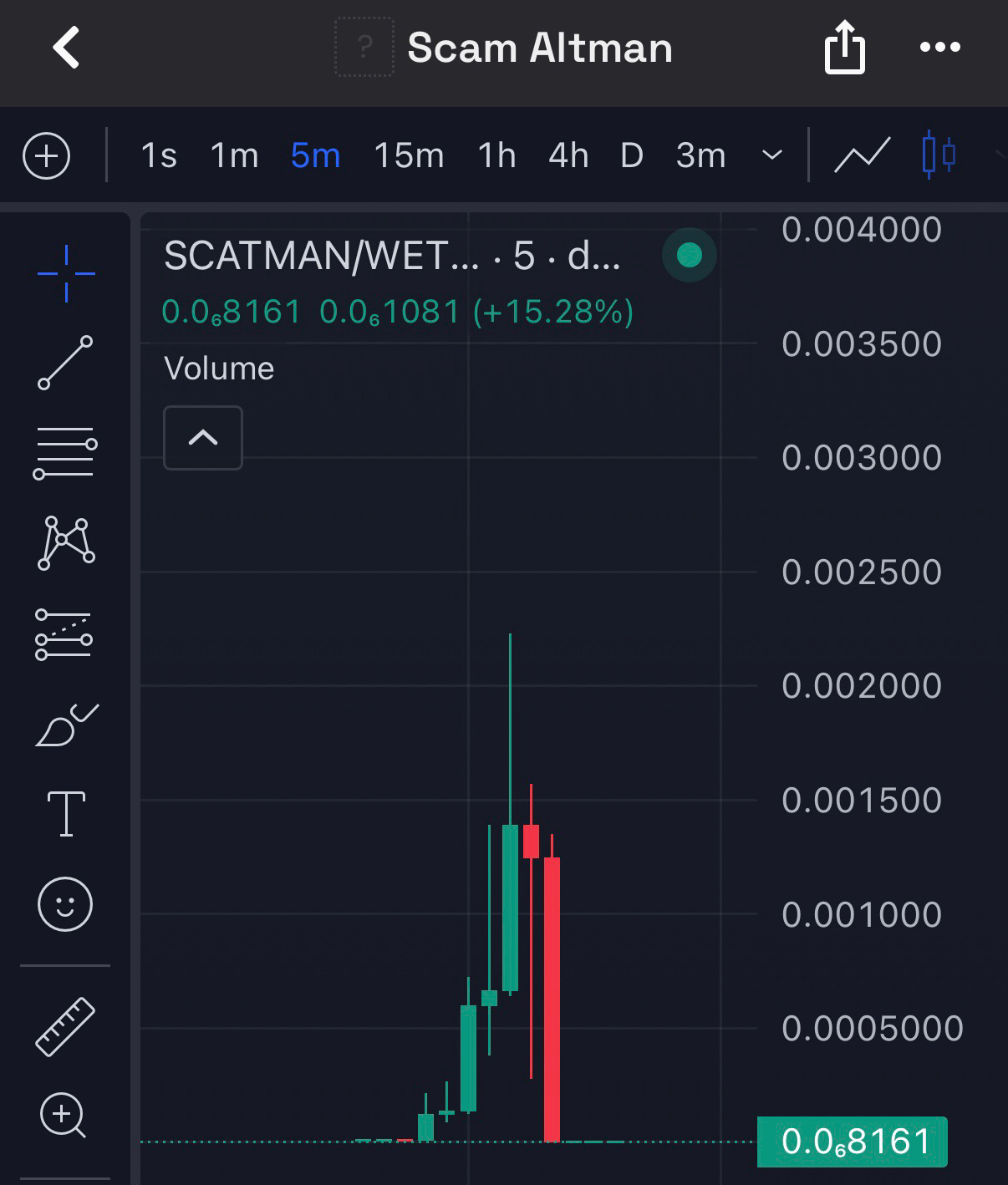


Setelah diposting ulang, kapitalisasi pasar token tersebut dengan cepat terdorong hingga sekitar 2 juta dolar AS. Pada saat itu, pihak yang mendeploy langsung menarik dana dari pool likuiditas, menyebabkan harga Meme ini hampir nol. Saat ini postingan terkait telah dihapus, akun platform X asli Sam Catman yang memposting token Meme juga telah diblokir. Hingga kini, SpaceXAI, Starlink, maupun pihak resmi X belum memberikan tanggapan publik mengenai kejadian ini.


Perlu diperhatikan, SCATMAN tidak dibuat melalui platform peluncuran token apa pun di Robinhood Chain. Kontrak dideploy sendiri oleh pengembang dan likuiditas awal disuntikkan, termasuk dalam kategori tipikal penipuan token deploy sendiri. Penyerang memanfaatkan akun yang dicuri untuk menarik trader masuk, lalu segera melakukan aksi menarik likuiditas.


Menurut pelacakan platform pemantauan on-chain Lookonchain, peretas mencetak 10 triliun token SCATMAN setelah membobol akun, dan melakukan penjualan melalui dua dompet yang terkait. Satu dompet menukar token tersebut menjadi 59 ETH, bernilai sekitar 108.000 dolar AS; dompet lainnya menjual sebagian token dan mendapatkan 14,7 ETH, setara dengan sekitar 27.000 dolar AS.


Diketahui, asal usul nama token SCATMAN bukanlah tanpa alasan. Pemilik platform X, Elon Musk, dan CEO OpenAI, Sam Altman, baru-baru ini kembali terlibat pertengkaran publik, menyediakan latar belakang traffic tinggi yang dimanfaatkan untuk pembobolan akun terkait.
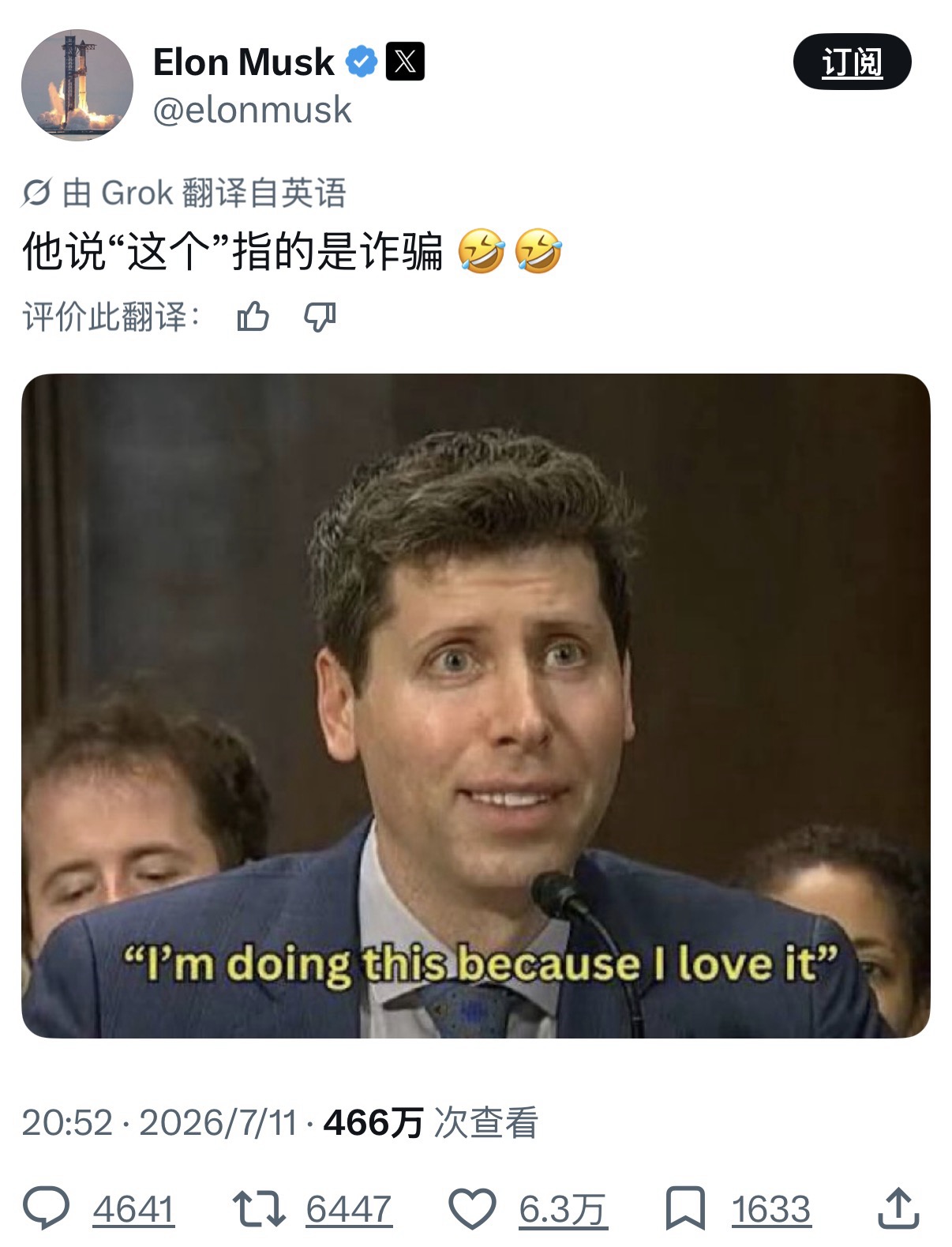


Setelah perusahaan Apple mengajukan gugatan pencurian rahasia dagang terhadap OpenAI pada 10 Juli, Musk terus-menerus menyerang Altman di X sebagai "penipu", sementara Altman membalas dengan mengejek Musk yang menjual pusat data luar angkasa. Sejumlah besar postingan kontroversial ini membawa perhatian yang sangat tinggi, menjadikan akun-akun terkait Musk seperti SpaceXAI dan Starlink sebagai target serangan bernilai tinggi.


Penyerang memanfaatkan momen panasnya opini ini untuk membobol akun dan mempromosikan token SCATMAN.


Insiden platform milik perusahaan SpaceX diserang dan memposting konten Meme bukanlah kasus tunggal, bahkan pendiri Robinhood pun terkena imbasnya.


Pendiri bersama dan CEO Robinhood, Vlad Tenev, pernah tidak sengaja membocorkan 8 seed phrase (kata kunci pemulihan) dompet saat siaran langsung. Empat seed phrase lainnya bahkan berhasil ditebak secara acak oleh seorang peretas. Pada 12 Juli, setelah mendapatkan kendali atas alamat tersebut, peretas menggunakan alamat itu untuk membeli token Meme $1 di chain Robinhood, memicu banyak investor ikut-ikutan.


Karena catatan transaksi menunjukkan "alamat pendiri" yang membeli, ribuan investor pun ikut masuk. Kapitalisasi pasar token tersebut dalam waktu singkat melonjak dari sekitar 500.000 dolar AS menjadi 14 juta dolar AS. Volume perdagangan dalam dua jam mencapai sekitar 20 juta dolar AS, sebelum harga kemudian anjlok ke level kapitalisasi pasar sekitar 1 juta dolar AS.


Node RPC Robinhood Chain kemudian membekukan alamat yang terlibat. Transaksi apa pun yang dikirim dari alamat tersebut tidak dapat diproses oleh node, sehingga dana tidak dapat ditransfer atau diperdagangkan lebih lanjut. Cara penanganan ini juga memicu kontroversi. Sebagian anggota komunitas berpendapat, posisi Robinhood Chain sebagai jaringan Layer 2 Ethereum berbasis Arbitrum, dengan tindakan pembekuan alamat di tingkat node, menyimpang dari tujuan desentralisasi jaringan blockchain.


Dua insiden yang terjadi beruntun ini, metodenya sama-sama mengarah pada pemanfaatan akun atau figur berprofil tinggi untuk menciptakan popularitas jangka pendek bagi token on-chain, lalu melakukan profit taking setelah retail investor masuk.


Sejak 8 Juli, token Meme CASHCAT di Robinhood Chain memulai tren naik, kenaikan hariannya pernah melebihi 1000%. Pada 11 Juli, kapitalisasi pasarnya menyentuh puncak 220 juta dolar AS. Menurut data DefiLlama, total nilai terkunci (TVL) di chain ini saat ini sekitar 151 juta dolar AS, volume perdagangan bursa terdesentralisasi 24 jam mencapai 875 juta dolar AS, dengan pendapatan fee sekitar 100.000 dolar AS.


Pendiri bersama dan CEO Robinhood, Vlad Tenev, pada 8 Juli memposting di platform X bahwa Robinhood sedang membangun Robinhood Chain yang berorientasi pada aset dunia nyata (RWA), namun jaringan ini juga "sangat cocok untuk coin Meme". Pernyataan ini semakin memicu semangat spekulasi.


Meskipun Robinhood Chain berorientasi jangka panjang pada RWA, saat ini arus utama di Robinhood Chain masih berasal dari perdagangan token Meme. Dalam konteks ini, chain tersebut dengan cepat dianggap sebagai "lahan" yang ideal oleh para pelaku penipuan.


Dari pembobolan akun resmi SpaceXAI, hingga kebocoran dompet pendiri yang dimanfaatkan, dua peristiwa besar dalam dua hari mencerminkan popularitas Robinhood Chain sedang menarik banyak pelaku penipuan masuk. Mereka memanfaatkan efek selebriti, aura akun resmi, dan psikologi investor yang mengejar tren, cepat-cepat menciptakan popularitas jangka pendek, lalu segera melakukan profit taking setelah retail investor masuk. Hal ini juga mencerminkan kekurangan Robinhood Chain dalam hal infrastruktur ekosistem dan mekanisme perlindungan pengguna selama proses perkembangan pesat di tahap awal.


Sementara itu, platform X sebagai media penyebaran informasi penting, kemampuan perlindungan keamanannya terhadap akun bernilai tinggi jelas kurang memadai. Hal ini membuat dua akun resmi SpaceXAI dan Starlink dengan jutaan pengikut menjadi saluran distribusi informasi penipuan, mengubah traffic besar platform dan kepercayaan pengguna langsung menjadi penguat skema penipuan. Platform tersebut juga tidak memberikan tanggapan resmi apa pun setelah kejadian ini.


Bagi investor retail, sebelum mengejar tren, memverifikasi alamat kontrak token, mengonfirmasi status penguncian pool likuiditas, dan tetap waspada terhadap narasi "dukungan resmi", masih merupakan pertahanan paling dasar untuk menghindari menjadi likuiditas keluar (exit liquidity).


Trending Cryptos

Related Questions

QBagaimana penyerang memanfaatkan akun X SpaceXAI dan Starlink dalam kasus SCATMAN?

APenyerang membajak akun resmi X milik SpaceXAI dan Starlink, memposting konten promosi untuk token Meme SCATMAN di Robinhood Chain. Hal ini mendorong kapitalisasi pasar token tersebut naik cepat hingga sekitar $2 juta, sebelum penempat likuiditas ditarik, menyebabkan harga token anjlok hampir ke nol.

QApa kontroversi yang muncul setelah Robinhood Chain membekukan alamat dompet yang disusupi peretas?

AKomunitas mempertanyakan tindakan Robinhood Chain yang secara node membekukan alamat dompet yang disusupi, karena tindakan ini dianggap bertentangan dengan prinsip desentralisasi yang menjadi dasar jaringan blockchain Layer 2 seperti Arbitrum tempat Robinhood Chain dibangun.

QPeristiwa apa yang memberikan latar belakang popularitas tinggi yang dimanfaatkan penyerang untuk kasus SCATMAN?

APeristiwa utama adalah perselisihan publik antara Elon Musk dan CEO OpenAI, Sam Altman, setelah Apple menggugat OpenAI. Pertukaran kritik tajam di X menciptakan sorotan media yang tinggi, menjadikan akun-akun terkait Musk seperti SpaceXAI dan Starlink sebagai target serangan yang berharga untuk mempromosikan token SCATMAN.

QApa dampak dari kebocoran kunci pemulihan dompet Vlad Tenev, CEO Robinhood?

APeretas yang mendapatkan kontrol atas alamat dompet Vlad Tenev menggunakannya untuk membeli token Meme $1 di Robinhood Chain. Karena transaksi terlihat berasal dari 'alamat pendiri', ribuan investor mengikuti, mendorong kapitalisasi pasar dari $500 ribu menjadi $14 juta dalam waktu singkat, sebelum harga turun drastis.

QApa dua kelemahan utama yang disorot artikel terkait Robinhood Chain dan platform X dalam peristiwa ini?

APertama, Robinhood Chain menunjukkan ketidakcukupan infrastruktur ekosistem dan mekanisme perlindungan pengguna di tahap perkembangan awalnya. Kedua, platform X dinilai memiliki kemampuan keamanan yang lemah untuk akun bernilai tinggi, sehingga menjadikannya saluran penyebaran penipuan, dan platform juga tidak memberikan tanggapan resmi atas insiden tersebut.

Related Reads

Wall Street's Most Famous 'Cassandra' Now Has His Sights Set on Nvidia

Michael Burry, the famed "Big Short" investor, has once again captured Wall Street's attention with a series of short positions against major tech and semiconductor stocks, most notably Nvidia. In late June and July, through his "Cassandra Unchained" newsletter, Burry disclosed short bets against Nvidia, Tesla, Applied Materials, Caterpillar, the SOXX semiconductor ETF, and later, Micron Technology. His core thesis revolves around potential distortions in the AI infrastructure boom, specifically questioning whether extended depreciation schedules (e.g., 6 years vs. a realistic 2-3 years for AI chips) by cloud giants like Microsoft and Google artificially inflate profits. He also raises concerns about possible "off-balance-sheet circular financing," where chip demand might be propped up by vendor-backed funding to clients. Nvidia's stock experienced volatility following these disclosures, briefly dipping but largely holding near Burry's reported entry points, leaving his positions roughly flat or slightly underwater as of late July. This move is part of a pattern for Burry, whose track record since his legendary 2008 bet is mixed. He has faced notable losses, such as on Tesla in 2021, while scoring on broader market turns like the 2020 pandemic crash. His methodology focuses intensely on free cash flow and scrutinizing original financial documents to spot overvaluation and structural risks, but it often struggles with timing the market. The article contrasts Burry's stance with other prominent investors. Steve Eisman, another "Big Short" figure, is not shorting Nvidia, citing strong fundamentals but expressing nervousness about sustainability. Jim Chanos agrees with the broad "accounting mismatch" concern—comparing it to the dot-com bubble—but targets financial leverage in private equity firms rather than the chip stocks themselves. While Nvidia's short interest remains relatively low at 1.3-1.4% of float, the massive stock size means absolute short losses have been significant, exceeding $5 billion earlier this year. The piece concludes that for ordinary investors, the key takeaway is not replicating specific short bets but learning from the critical frameworks these investors use: questioning rosy accounting, identifying structural vulnerabilities, and maintaining skepticism during market euphoria, even if pinpointing the exact catalyst for a downturn remains elusive.

marsbit12m ago

Wall Street's Most Famous 'Cassandra' Now Has His Sights Set on Nvidia

marsbit12m ago

Weekly Selection丨Epic Stock Market Volatility, Changxin Tech's IPO Reshapes Storage Landscape, Saylor Aims to Re-Anchor STRC Around September 8th

PANews Weekly Digest: Market Turmoil, Tech Breakthroughs, and Crypto Developments. The week saw significant volatility across global markets. South Korea's KOSPI index experienced extreme turbulence, including multiple trading halts, largely driven by sharp declines in AI hardware stocks like SK Hynix. In contrast, China's Changxin Xinqiao (CXC) achieved a landmark IPO with a market cap surpassing 4 trillion yuan, marking a major success for the domestic DRAM industry after a decade of losses. In the crypto and Web3 space, several key narratives emerged. AI is driving demand for new infrastructure, with projects like AI agent wallets and programmable payments gaining traction, attracting interest from firms like Coinbase. The Bitcoin mining sector is pivoting, with companies like MARA focusing on energy management as electricity becomes a core AI-era asset. Meanwhile, the RWA (Real World Assets) sector faces a "utilization puzzle," with hundreds of billions in on-chain assets remaining dormant. Notable market movements included a historic single-day surge of over 17% for the KOSPI index and a significant migration of $16.5 billion in staked ETH within the Lido ecosystem. Michael Saylor announced a target to re-peg the STRC stablecoin around September 8th. Other highlights include discussions on Ethereum's ambitious 2030 roadmap for scaling and privacy, analysis showing high protocol revenues not always translating to token price gains, and warnings from Citi about potential extreme commodity price shocks by late 2026.

marsbit17m ago

Weekly Selection丨Epic Stock Market Volatility, Changxin Tech's IPO Reshapes Storage Landscape, Saylor Aims to Re-Anchor STRC Around September 8th

marsbit17m ago

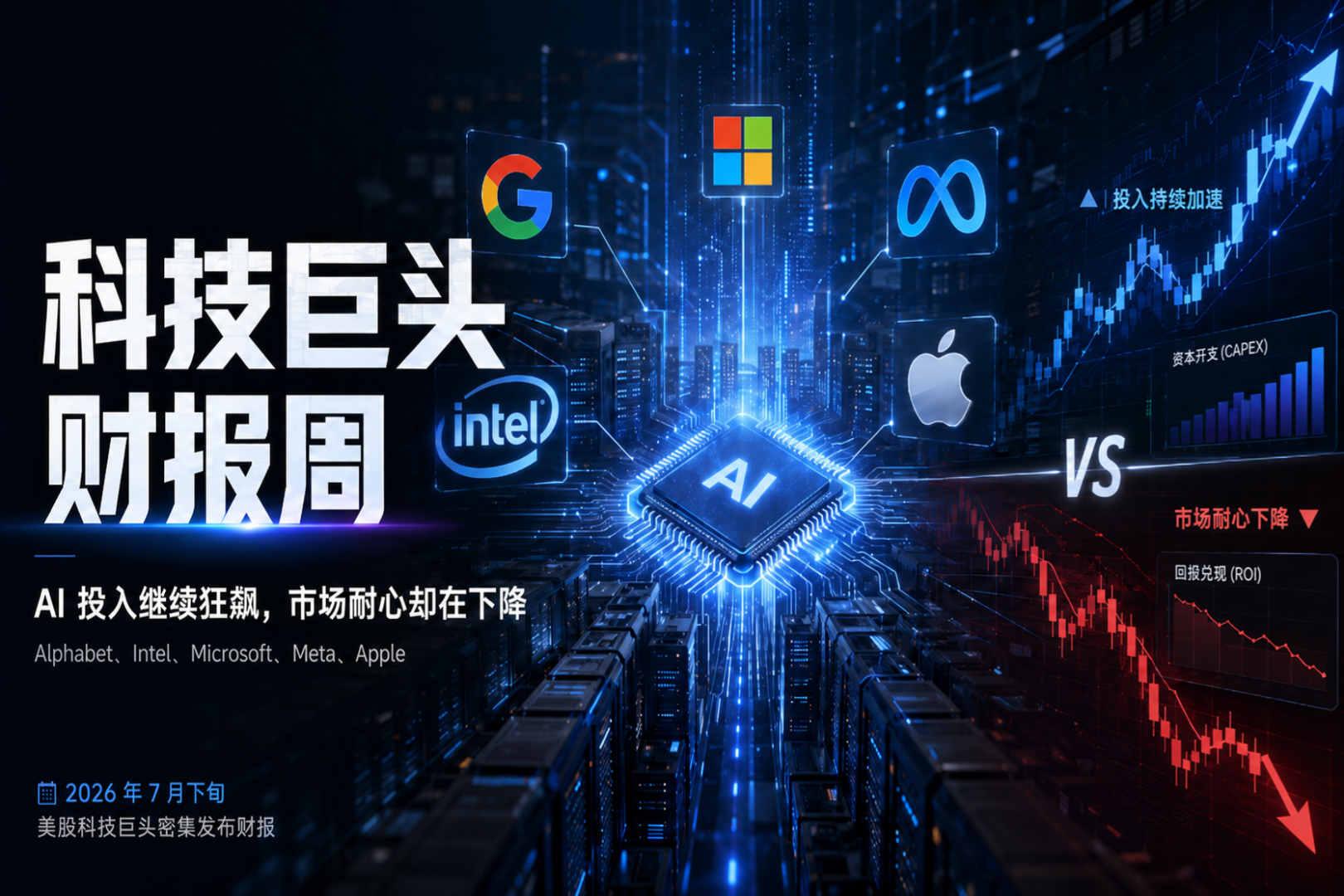
When the Market Begins to Question AI Capex: A Full Analysis of Q2 Earnings Reports from Five Tech Giants

In late July 2026, five major US tech giants—Alphabet, Intel, Microsoft, Meta, and Apple—released their Q2 earnings reports. While all companies exceeded revenue and profit expectations, driven by strong AI-related business growth, investor reactions diverged sharply due to concerns over escalating AI capital expenditures (capex) and their impact on free cash flow. Alphabet reported strong revenue growth and a surging cloud business, but its stock fell after announcing a doubled year-on-year capex and negative quarterly free cash flow for the first time. Intel posted its strongest revenue growth in over 15 years, but its stock experienced volatile trading after significantly raising its full-year capex guidance. Microsoft saw its stock surge after beating estimates and, crucially, lowering its capex forecast while projecting positive free cash flow. Meta faced the most severe sell-off as its profits declined despite revenue beats, with free cash flow plunging over 90% and its capex guidance raised. Apple reported record June-quarter results, but its stock plummeted after providing Q4 revenue guidance that fell short of expectations, citing supply chain constraints and forex headwinds. The overall takeaway is that the market's focus has shifted from validating AI demand to scrutinizing the timeline for returns on massive AI investments. Companies demonstrating a clearer path to managing capex and preserving free cash flow, like Microsoft, were rewarded, while those signaling continued aggressive spending faced investor skepticism.

Odaily星球日报26m ago

When the Market Begins to Question AI Capex: A Full Analysis of Q2 Earnings Reports from Five Tech Giants

Odaily星球日报26m ago

a16z: From Companies to DAOs, DUNA May Become the Next Generation Organizational Form

This article, "From Companies to DAOs: How DUNA Could Become the Next Organizational Form," traces the 500-year evolution of business collaboration. It begins with medieval structures like the *commenda* and Florentine *compagnia*, which exposed partners to personal risk. The modern corporation, exemplified by the Dutch East India Company (VOC), was a revolutionary leap, enabling large-scale, capital-intensive ventures by offering limited liability and reducing coordination costs. However, corporations introduced new challenges like principal-agent problems and bureaucratic overhead. The piece argues that software and internet-native protocols are now reducing these traditional overheads. Decentralized Autonomous Organizations (DAOs) emerged as a new model for coordination without centralized management. Yet, DAOs face a significant legal vacuum: they lack legal recognition, leaving members exposed to unlimited personal liability, and their tokens are vulnerable to being classified as securities under unclear regulations (e.g., the Howey Test). This has forced projects into suboptimal workarounds like offshore foundations. The article identifies the Decentralized Unincorporated Nonprofit Association (DUNA) as a potential solution. Recently legalized in states like Wyoming, the DUNA provides a legal wrapper for decentralized networks. It grants key protections—legal personality, limited liability, and perpetual existence—to a group without imposing a traditional hierarchical management structure. This allows token-holder communities to govern, hold assets, and contract as a single legal entity, aligning with their decentralized nature. While DUNA doesn't solve all governance challenges or magically resolve securities law questions, it represents a crucial step. It fills the legal recognition gap, offering a native legal form for internet-scale, decentralized collaboration and extending the separation of personal risk from organizational venture into a new domain.

marsbit1h ago

a16z: From Companies to DAOs, DUNA May Become the Next Generation Organizational Form

marsbit1h ago

2026 Mid-Year Report On-Chain RWA: Tokenized Stock Market Cap Doubles in a Year, But 90% of Rights Are Hollow Shells

The 2026 Mid-Year Report on On-Chain RWA highlights a significant growth in tokenized stock market capitalization, which nearly doubled from $951 million in March to $1.89 billion by July. However, the report reveals a fundamental contradiction in this "layer 2.5" ecosystem: products with the strongest legal foundation (like regulated U.S. infrastructure) lack liquidity and distribution, while freely tradable offshored wrapper products often lack substantive ownership rights. The increase is driven largely by a few products (SECZ, FGRS, STRCx) and platforms (Ondo, xStocks, Securitize collectively hold over 85% share). While distributed value across networks like Ethereum, Solana, and BNB Chain has grown, the market remains fragmented. Products referencing the same underlying asset (e.g., Apple stock) are distinct legal liabilities with different intermediaries and jurisdictional rules, offering varying degrees of legal claim. The report cautions that headline numbers are misleading, as they reflect changes in distributed token value—driven by issuance, conversions, and price movements—not pure investor inflows. True "canonical shares" with legal ownership, wide wallet distribution, institutional liquidity, and independent on-chain price discovery do not yet exist at scale. Tokenized treasuries show stronger product-market fit, and ETFs may be easier to scale than single stocks. The core takeaway is a trade-off: legal certainty versus liquidity and composability.

marsbit2h ago

2026 Mid-Year Report On-Chain RWA: Tokenized Stock Market Cap Doubles in a Year, But 90% of Rights Are Hollow Shells

marsbit2h ago

Trading

Spot

Hot Articles

Discussions

Welcome to the HTX Community. Here, you can stay informed about the latest platform developments and gain access to professional market insights. Users' opinions on the price of MEME (MEME) are presented below.

活动图片