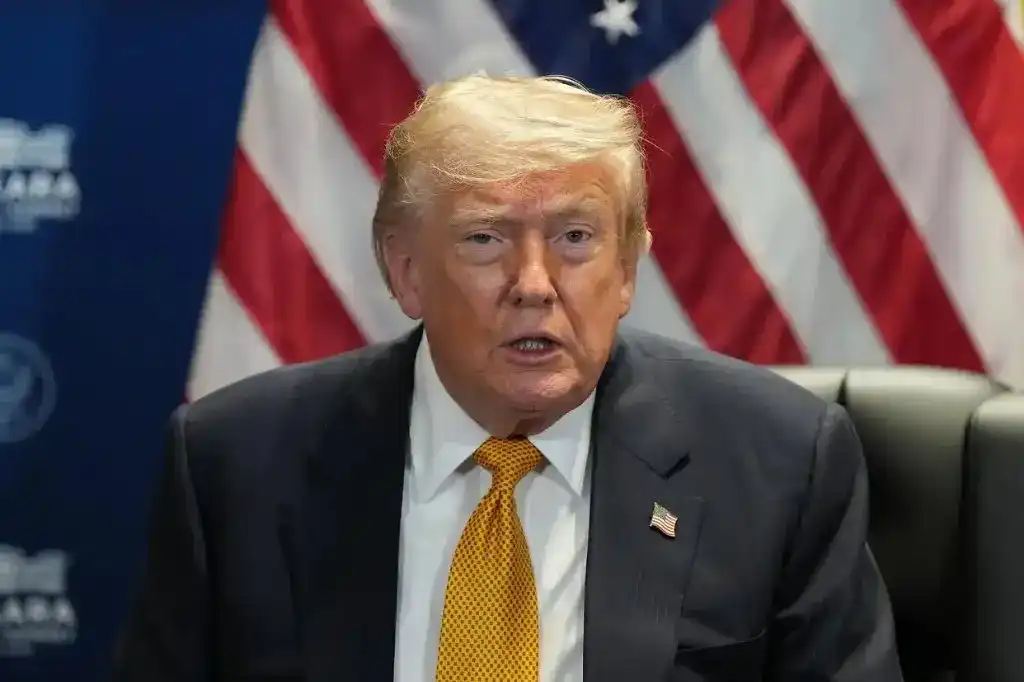
Tom Lee表示随着机构采用加速,以太坊有望引领人工智能时代金融

TheNewsCryptoPublished on 2026-07-13Last updated on 2026-07-13

Abstract

在东京举行的WebX 2026大会上,Fundstrat联合创始人Tom Lee发表主题演讲,看好以太坊前景。他表示,在新领导层的带领下,以太坊有潜力成为人工智能时代的结算层。Lee将此机遇归因于以太坊基金会的领导层变动以及数字资产市场日益增长的机构参与度。 Lee提及了2026年可能影响加密货币市场的多个宏观趋势,包括美国货币政策、CLARITY法案、AI投资趋势以及金融行业相对疲软的表现。他强调,不断上升的机构需求是支持以太坊未来角色的主要因素之一,华尔街目前因机构增持而青睐以太坊。 Lee将当前以太坊的市场环境与1987年美股崩盘后的复苏相类比,认为以太坊似乎正处于重要底部形成、可能反弹的前夕。他还分析了以太坊在不同市场周期中的价格表现历史。 Lee透露了Bitmine的以太坊资产策略更新,指出该公司目前持有约574万枚ETH,占流通量的4.8%,并计划逐步增持至总供应量的约5%。此外,Bitmine还计划在整个以太坊生态系统中进行更广泛的投资。 他的评论反映出机构对以太坊基础设施的兴趣日益增长,而非短期市场表现。投资者和分析师正在关注机构参与、监管发展以及区块链应用的扩展是否会继续巩固以太坊在2026年的市场地位。

在东京举行的Coinpost WebX 2026会议上,Tom Lee作为演讲者之一力挺以太坊。李发表了题为“以太坊:财富诡异谷的良药”的主题演讲。他表示,以太坊有潜力成为人工智能时代的结算层。他将这一机遇归因于以太坊基金会内部的领导层变动以及数字资产市场日益增长的机构参与。

他表示:“在新基金会的领导下,ETH有潜力成为人工智能时代的结算层。”

李提到了可能影响2026年加密市场的几个宏观经济趋势,包括美国货币政策、CLARITY法案、人工智能投资趋势以及其他行业相比金融行业表现不佳。他还将机构需求上升列为支持以太坊未来角色的主要因素之一。正如李所提到的,由于机构对以太坊的投资不断增加,华尔街现在更青睐以太坊。

Robinhood链与市场结构支撑以太坊前景

李将当前以太坊的市场环境与1987年股市崩盘后美国股市的反弹进行了比较。李表示,以太坊似乎正处在可能复苏之前形成重要底部的边缘。此外,李分析了以太坊在不同市场周期中的价格表现历史,强调了一个事实:当价格下跌时,许多人并未认识到其内在价值。李提到了Robinhood链作为以太坊生态系统中最近发生的一个事件。

Bitmine扩大以太坊持仓

李在演讲中还透露了关于Bitmine以太坊国库策略的最新信息。他表示,Bitmine目前持有约574万枚ETH,约占以太坊流通供应量的4.8%。

该公司计划逐步将其持仓增至约占以太坊总供应量的5%。李补充说,Bitmine除了其国库策略外,还打算在整个更广泛的以太坊生态系统中扩大投资。

他的评论反映了机构对以太坊基础设施日益增长的兴趣,而非短期市场表现。投资者和分析师继续关注机构参与、监管发展以及区块链应用的扩展是否会在2026年剩余时间内加强以太坊的地位。

重点加密新闻:
罗森在日本推出首个与POS集成的JPYC稳定币支付试验

标签人工智能区块链加密货币ETH以太坊以太坊(ETH)RobinhoodTom Lee

Trending Cryptos

Related Questions

QTom Lee认为以太坊在人工智能时代可能扮演什么角色?

ATom Lee认为,在新基金会的领导下,以太坊有潜力成为人工智能时代的结算层。

QTom Lee提到了哪些可能影响2026年加密货币市场的宏观经济趋势?

A他提到的趋势包括美国的货币政策、CLARITY法案、人工智能投资趋势,以及金融行业相对于其他行业的疲软表现。

QTom Lee如何将以太坊当前的市场环境与历史上的美国股市进行对比?

A他将当前以太坊的市场环境与1987年美国股市崩盘后的反弹进行了对比,并指出以太坊似乎正处在形成一个重要底部、可能迎来复苏的边缘。

Q根据文章,Bitmine公司目前持有多少以太坊,约占流通供应量的多少?

ABitmine公司目前持有约574万枚ETH,约占以太坊流通供应量的4.8%。

Q除了短期市场表现,Tom Lee的评论反映了机构对以太坊哪方面的兴趣在增长?

A他的评论反映了机构对以太坊基础设施,而非短期市场表现的兴趣在不断增长。

Related Reads

Is the iPhone Moment for Embodied AI Coming Soon?

Is the "iPhone moment" for embodied AI approaching? This article, based on a roundtable discussion, presents expert insights on the current state and future of embodied AI. The consensus is that the pivotal "iPhone moment" is still distant. The field is likened to the "brick phone" era, with technology paths—such as VLA and world models—not yet converging. While robotic "motor skills" (e.g., walking) have matured, the "brain" (decision-making, generalization) remains far from commercial readiness. A major bottleneck is data: an estimated tens of millions of data points are needed for a breakthrough, but only around 500,000 currently exist globally. Currently, cost remains prohibitive for widespread labor replacement, making the economic case challenging. However, experts see a three-tiered market potential: a billion-level market for emotional companionship (e.g., entertainment, basic care), a trillion-level market for commercial services (e.g., guides, receptionists), and a massive, long-term opportunity for physical labor in factories and homes. The discussion suggests that while humanoid robots face hurdles, non-humanoid embodied AI applications (like existing service robots) can be deployed sooner. The ultimate vision is for AI to operate seamlessly in the physical world, not just behind screens. Regarding AI tools, participants noted their widespread use for boosting efficiency in coding, research, and teaching. However, they warned against over-reliance due to risks of AI "deception" and the erosion of critical thinking, emphasizing that core judgment must remain with humans. In summary, embodied AI holds immense promise but requires significant progress in brain models, data collection, and cost reduction before achieving its transformative potential. Its development is expected to be gradual, advancing through specific use cases rather than a single explosive moment.

marsbit11m ago

Is the iPhone Moment for Embodied AI Coming Soon?

marsbit11m ago

Wall Street Morning Report: U.S. Stocks Suffer Collective Setback, Apple Hits New High Against the Trend, Tonight's CPI and Waller's Hearing to Determine Interest Rate Path

Wall Street Morning Report: U.S. stocks fell collectively, while Apple hit a new record high. Key events including tonight's CPI data and Fed Chair Walsh's testimony will set the direction for interest rates. Markets experienced a sharp "risk-off" move due to escalating Middle East tensions and unexpected hawkish signals from the Federal Reserve. Major indices declined, with the Nasdaq Composite leading losses, down 1.55%. The VIX fear index surged over 14%. Geopolitical tensions spiked as the U.S. conducted consecutive airstrikes on Iran and announced a maritime blockade of Iranian ports, set to begin on July 15. This triggered a panic-driven rally in oil, with WTI crude soaring over 9% to breach $80 per barrel. Safe-haven flows bolstered the U.S. dollar and Treasury yields, while gold plunged nearly 3%, losing its $4,000 level. Rate markets now price a nearly 50% chance of a Fed rate hike in July, up significantly from prior expectations, following hawkish commentary from Fed Governor Waller. The tech sector, particularly AI-related stocks, faced intense selling pressure. The Philadelphia Semiconductor Index plunged 4%. Notable decliners included SK Hynix (down 9% on its second trading day as an ADR), Nvidia, AMD, and Intel. In contrast, Apple shares rose 0.63% to a record high, viewed as a stable haven away from the costly AI data center arms race. Key events to watch include the U.S. June CPI inflation data and Fed Chair Walsh's Congressional testimony tonight, which will critically influence the Fed's policy path. Major bank earnings also begin today. The formal implementation of the U.S. maritime blockade against Iran on July 15 and upcoming events like TSMC's Q2 earnings and a SpaceX Starship test flight remain in focus.

marsbit58m ago

Wall Street Morning Report: U.S. Stocks Suffer Collective Setback, Apple Hits New High Against the Trend, Tonight's CPI and Waller's Hearing to Determine Interest Rate Path

marsbit58m ago

Crude Oil Surges 10% in Intraday Trading! US Military Restores Blockade on Iran, Trump Warns of 'Heavy Blows' Tonight and Tomorrow, Imposes 20% Fee on Strait Shipping

Crude oil prices surged up to 10% intraday as tensions between the US and Iran escalated sharply. President Trump announced the reinstatement of a maritime blockade against Iran, targeting its ships and their customers, while stating the Strait of Hormuz would remain open to all other nations. He further declared that the US, as the "guardian" of the strait, would impose a 20% fee on all cargo transiting the strategic waterway to compensate for security costs. The US Central Command confirmed the naval blockade would commence on July 14 (GMT). Following Trump's statements, reports emerged of explosions near Iran's Larak Island and the port of Bandar Abbas, though Iranian authorities did not confirm their nature. Iran's Foreign Minister criticized the proposed 20% fee as excessive, asserting Iran's role as the guardian of the strait. An Iranian military spokesperson warned of a strong response to any unauthorized US interference in the waterway. The United Nations' International Maritime Organization (IMO) expressed opposition to charging tolls for passage through international straits, stating such measures lack legal foundation. Market reactions were pronounced, with Brent crude briefly surpassing $83 and WTI above $78. The situation intensified as Trump notified Congress of renewed hostilities with Iran, following US airstrikes on Iranian targets.

marsbit1h ago

Crude Oil Surges 10% in Intraday Trading! US Military Restores Blockade on Iran, Trump Warns of 'Heavy Blows' Tonight and Tomorrow, Imposes 20% Fee on Strait Shipping

marsbit1h ago

How to Regulate Single-Stock Leveraged ETFs? On Thursday, the Entire Market Is Watching This Korean Government Meeting

The highest-level economic coordination body in South Korea, the "F4" comprising the Ministry of Economy and Finance, the Financial Services Commission, the Bank of Korea, and the Financial Supervisory Service, will hold an emergency meeting on Thursday to discuss regulatory measures for single-stock leveraged ETFs. These products, launched just six weeks ago, have been widely blamed for exacerbating market volatility. The KOSPI's 8% plunge on Monday triggered the year's seventh trading halt, intensifying scrutiny. Regulators have expressed rare public regret over approving the products. FSS Governor Lee Bok-hyun stated he "regretted not doing everything possible to prevent" their introduction and acknowledged structural problems, citing massive retail investments and legal complications from a rushed rollout. Possible countermeasures under discussion include raising margin requirements, imposing daily price limits, and adjusting leverage caps. However, officials admit these may be temporary fixes. Data confirms the amplified volatility. Since the ETFs' launch, days with KOSPI moves exceeding 3% have nearly doubled. Trading halts have reached record levels, surpassing the 2008 financial crisis peak. The products allow 2x leveraged bets on giants like Samsung Electronics and SK Hynix. Their daily rebalancing to match returns is seen as mechanically fueling market swings. The outcome of Thursday's F4 meeting is highly anticipated, with expectations leaning towards stricter controls on leverage, investor access, or other structural constraints to curb the products' market impact.

marsbit1h ago

How to Regulate Single-Stock Leveraged ETFs? On Thursday, the Entire Market Is Watching This Korean Government Meeting

marsbit1h ago

Trading

Spot

Hot Articles

Discussions

Welcome to the HTX Community. Here, you can stay informed about the latest platform developments and gain access to professional market insights. Users' opinions on the price of ETH (ETH) are presented below.

活动图片